
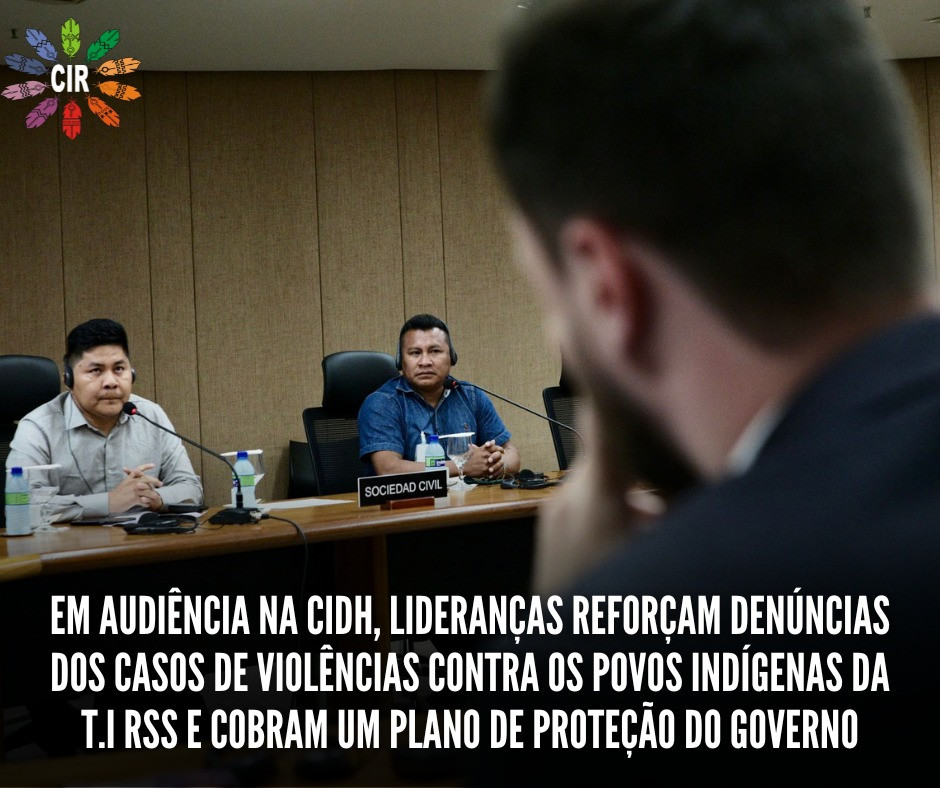
At the invitation of the Inter-American Commission on Human Rights of the Organization of American States (OAS), the Indigenous Council of Roraima (CIR) and leaders from Raposa Serra do Sol participated in the hearing concerning cases of violence against the indigenous peoples, Macuxi, Wapichana, Taurepang, Patamona and Ingaricó, perpetrated as a result of the demarcation and homologation of the Raposa Serra do Sol indigenous land. The hearing was held this Monday (15), at the headquarters of the Ministry of Foreign Affairs, in Brasília.
As petitioners in the case before the OAS, CIR and the Rainforest Foundation US denounced the Brazilian government in 2004, and since then, the organization has participated in hearings, updating information on the situation in the Raposa Serra do Sol indigenous territory.
At the hearing, the leaders presented information about the lack of oversight and territorial protection, as well as questioning the delay in judging cases of violence against indigenous peoples, such as the fire at the Raposa Serra do Sol Indigenous Training and Culture Center (CIFCRSS) in 2005, and the "10 brothers" case, when gunmen attacked indigenous people during community work in the Surumu region, in addition to other acts that threatened the lives of indigenous people and the well-being of the communities.
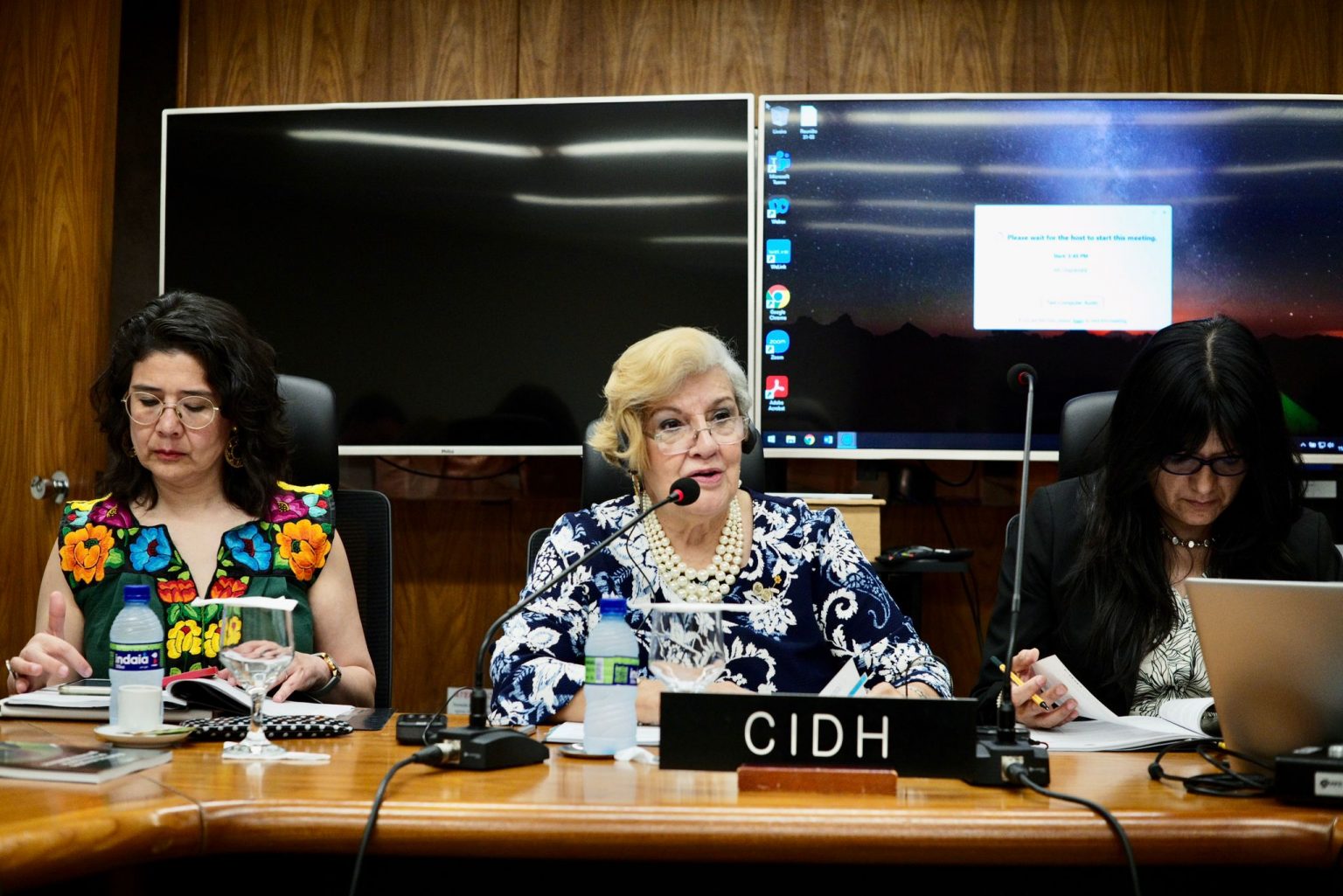
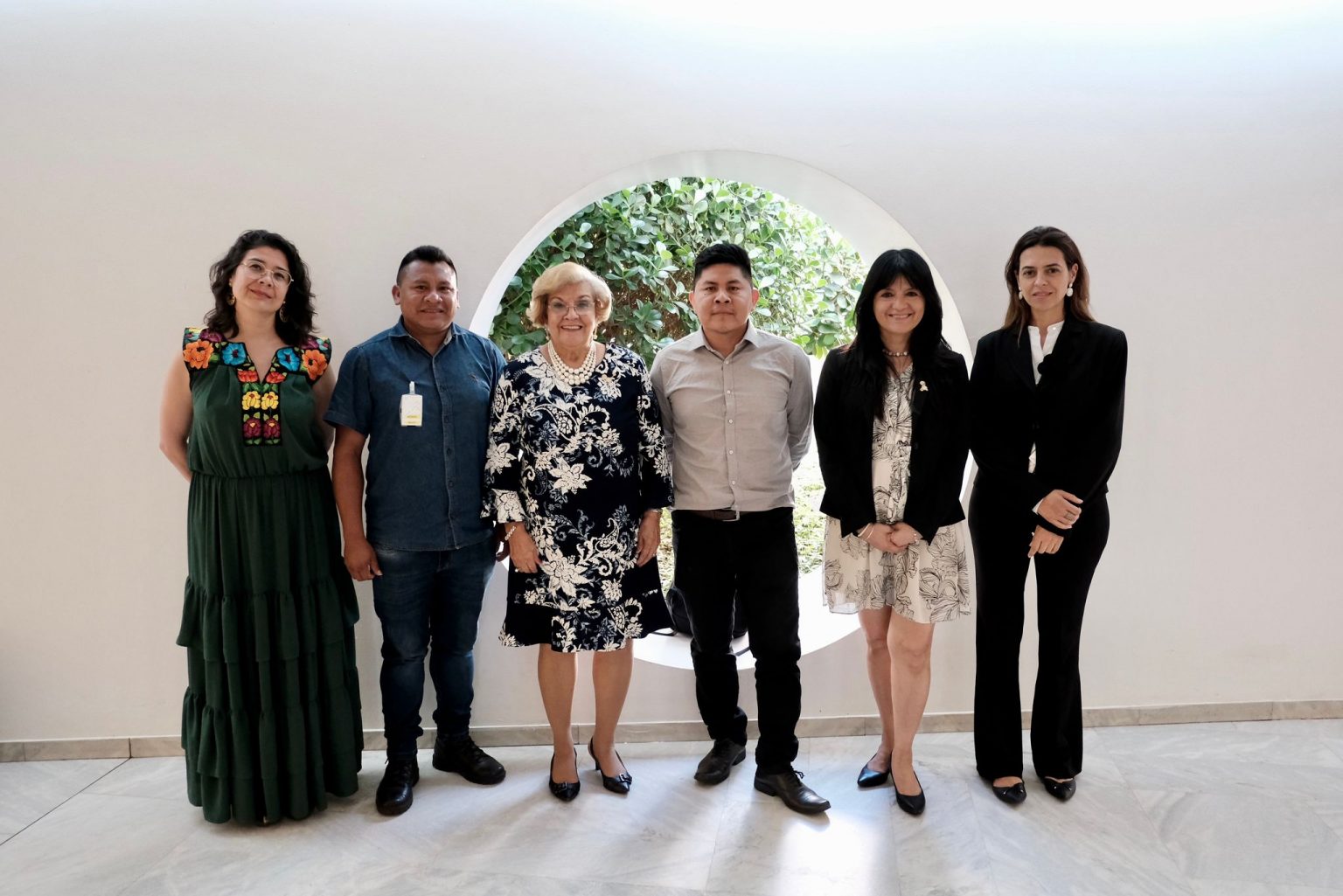
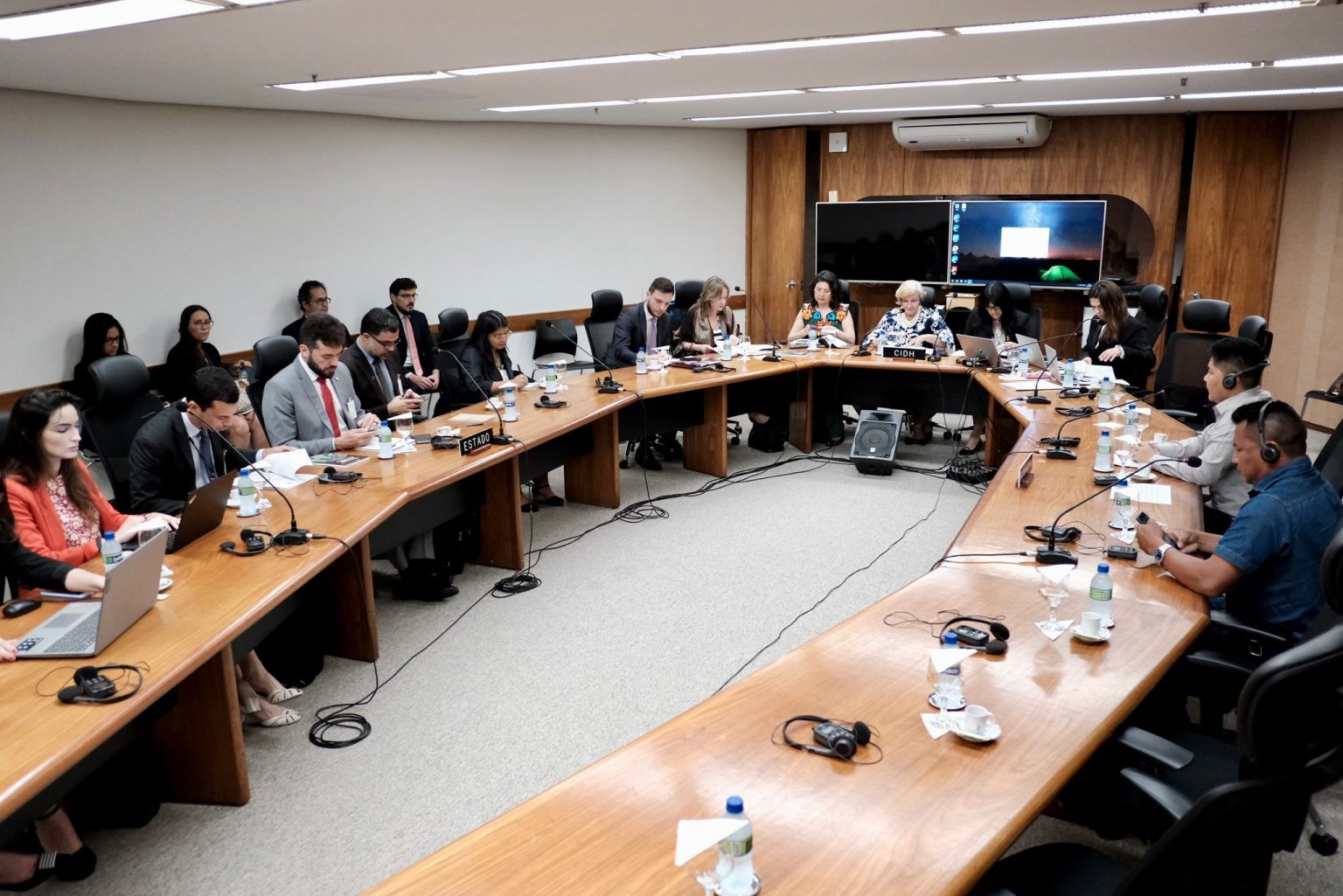
Leaders from Raposa Serra do Sol participated in the hearing regarding cases of violence against the indigenous peoples Macuxi, Wapichana, Taurepang, Patamona, and Ingaricó, perpetrated as a result of the demarcation and homologation of the Raposa Serra do Sol indigenous land.
The most recent case was the attack on the Tabatinga indigenous community, when police officers from the state of Roraima, in five vehicles, invaded the community and shot at indigenous families, including women and children, leaving 12 wounded, two of whom were seriously injured, one of whom underwent surgery to remove a projectile lodged in the right side of his chest.
They also presented the current context of the invasion of illegal miners into the Raposa Serra do Sol indigenous territory, intensified by their removal from the Yanomami indigenous land. The organization reported that this invasion stems from the lack of an integrated action plan, noting that "illegal miners removed from the Yanomami area are invading Raposa Serra do Sol."
Indigenous leader Amarildo Mota, of the Macuxi people from Raposa Serra do Sol, who was present at the hearing, called for action regarding unpunished cases, especially the deaths of leaders, and demanded a plan for the protection and monitoring of the territories. "We discussed the monitoring and protection of our territories, so that the government creates a plan to protect our indigenous lands," demanded Amarildo, in light of the increase in invasions in the Raposa Serra do Sol Indigenous Territory.
The advisor and coordinator of the Legal Department, Junior Nicacio Farias, represented CIR at the hearing and reinforced the organization's position regarding the compliance with precautionary measures that have been disregarded by the Brazilian state. "Human rights violations continue to be committed in the Raposa Serra Indigenous Territory, with an increase in illegal mining, a lack of security and territorial protection, and crimes committed against leaders without any response," Nicacio emphasized.
The following participated in the hearing: the Ministry of Indigenous Peoples, the Ministry of Justice and Public Security, the Ministry of Human Rights, the Ministry of Foreign Affairs, and the Federal Police.
Photos: Thiago Tezan/ CIDH