
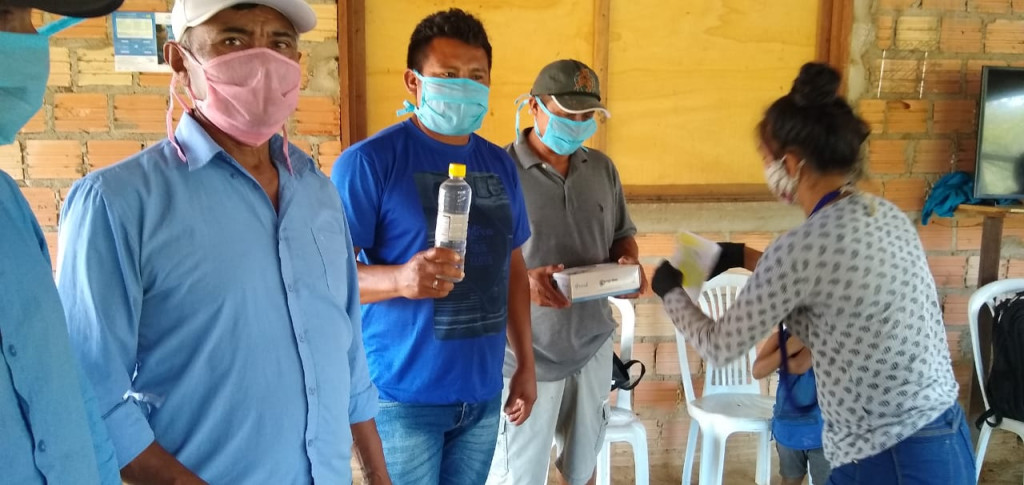
The Indigenous Council of Roraima (CIR) has started the third phase of the emergency aid campaign for communities in the fight against the new coronavirus. This time in partnership with the Socioenvironmental Institute (ISA), information folders on Covid-19, gloves, masks and 70% alcohol gel were distributed, in addition to basic food baskets and hygiene kits, benefiting a total of 210 families.
The objective of the action was to help people stay in the communities to avoid contamination at this time of high risk. The Dsei-Leste and the Dsei-Yanomami, which serve the indigenous communities of Roraima, registered 44 confirmed cases of Covid-19 and two deaths as of Tuesday (19), according to official data from the Special Secretariat for Indigenous Health (Sesai).
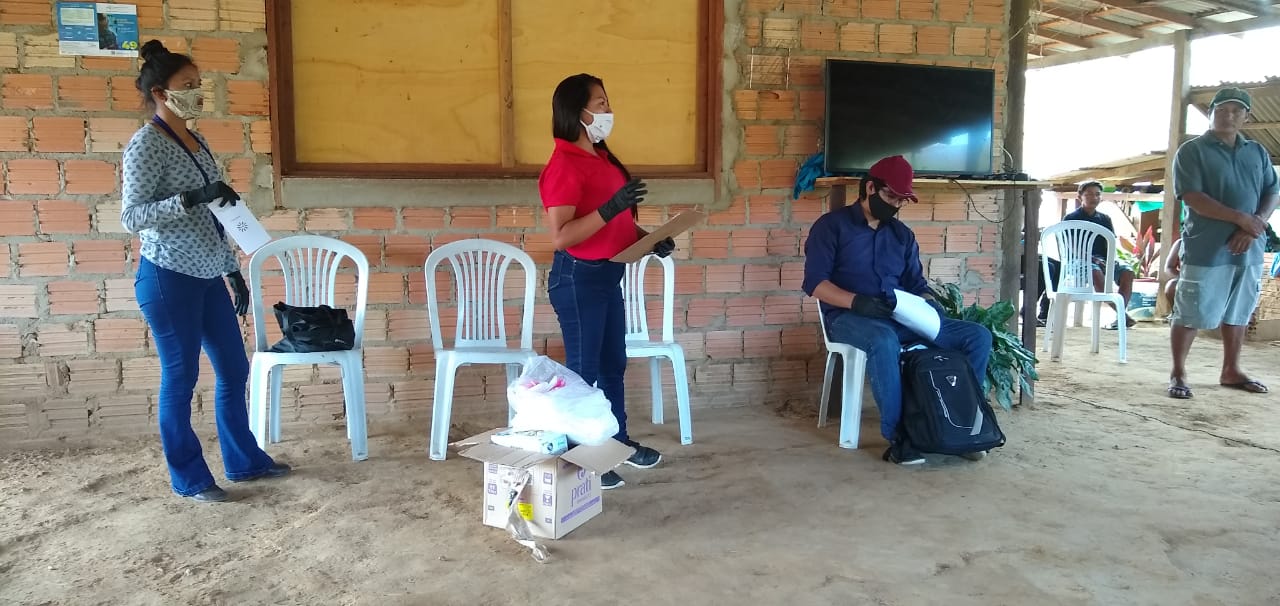
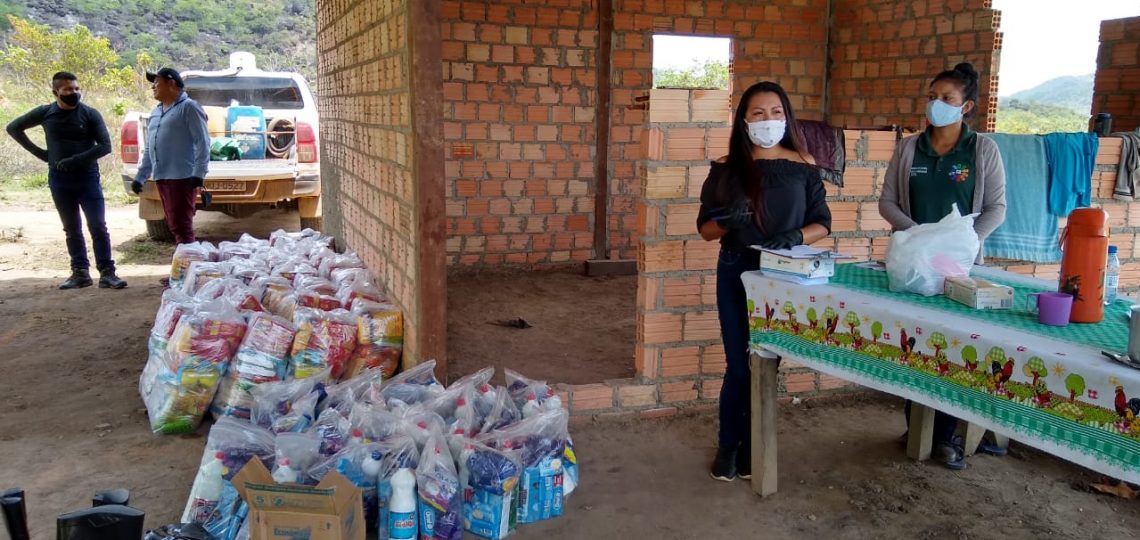
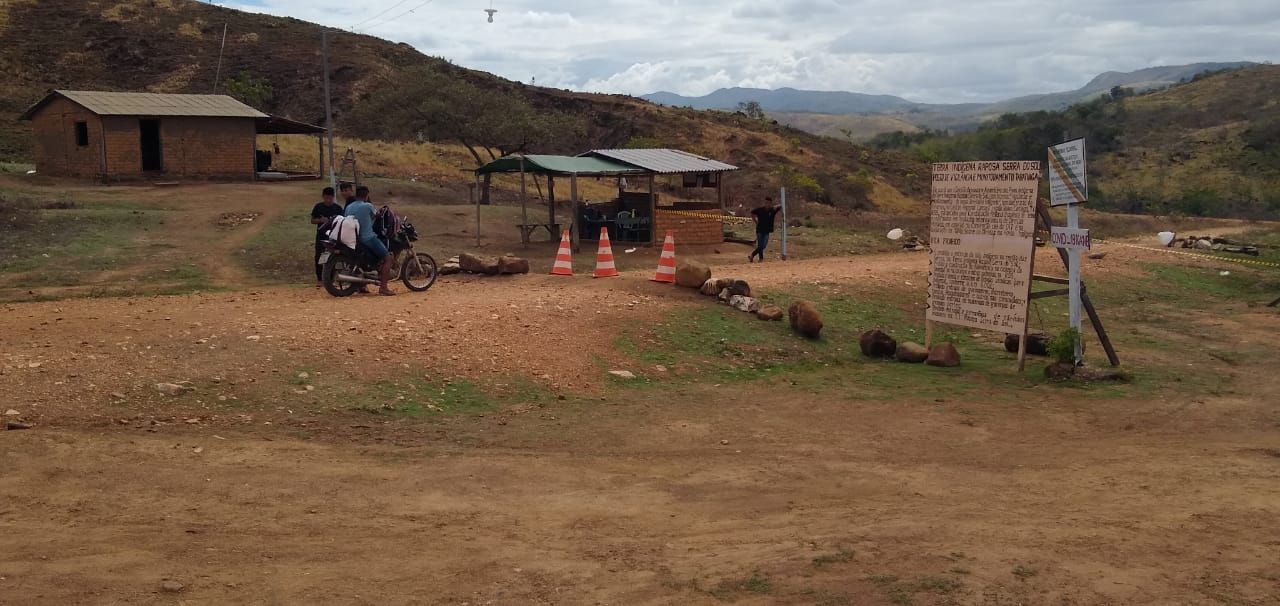
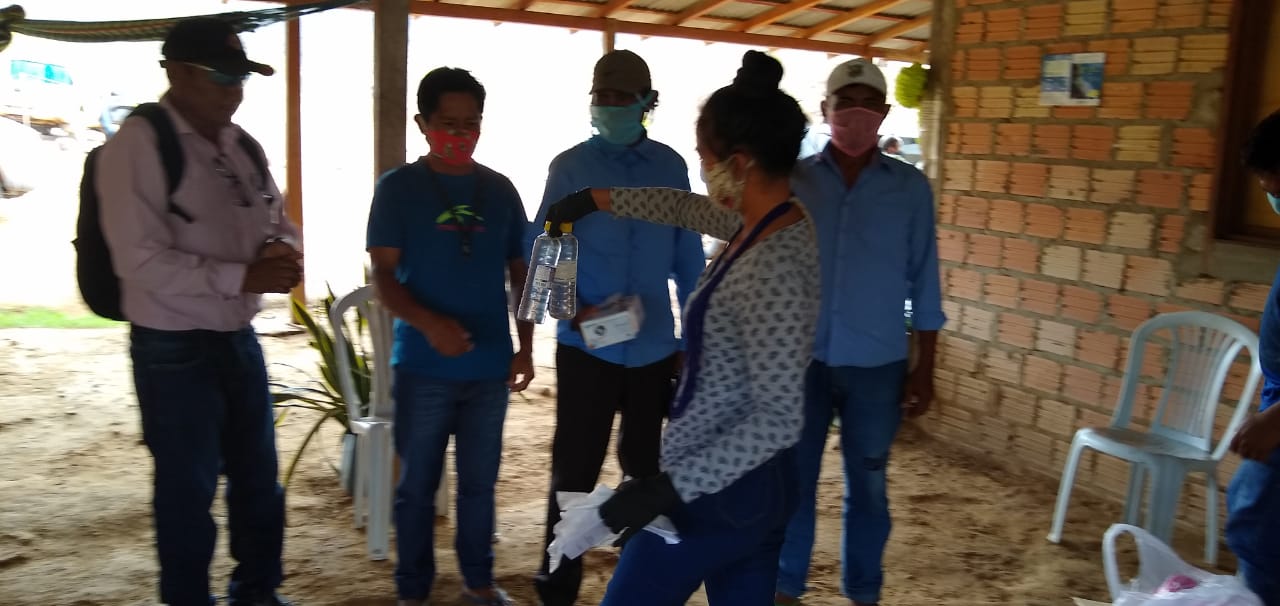
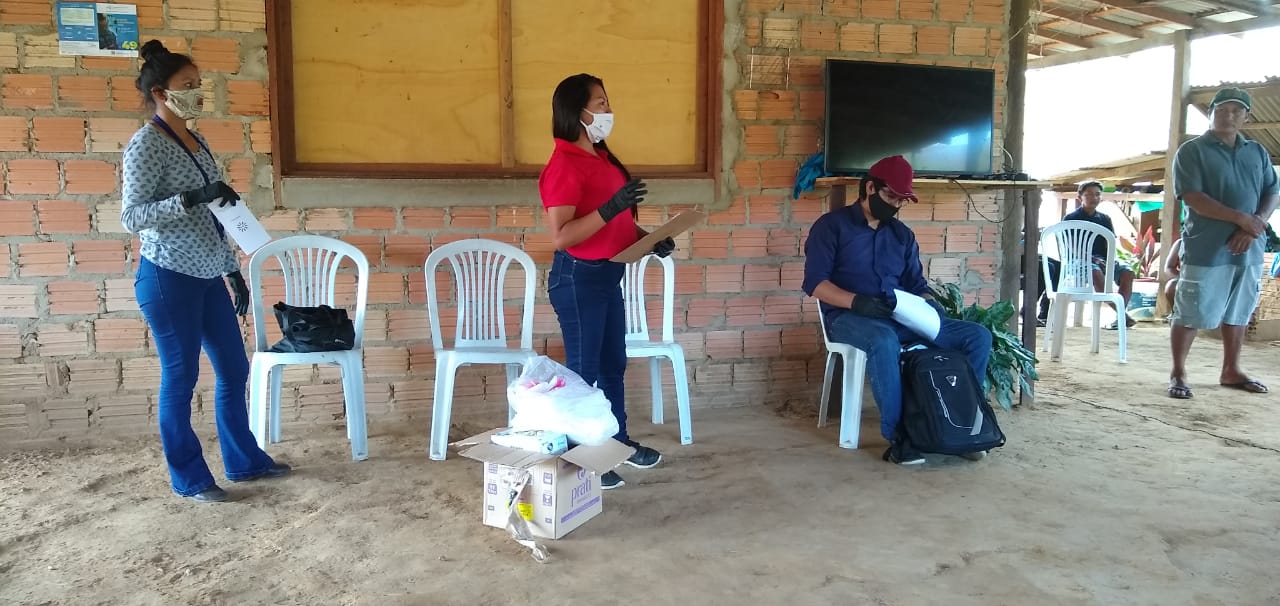
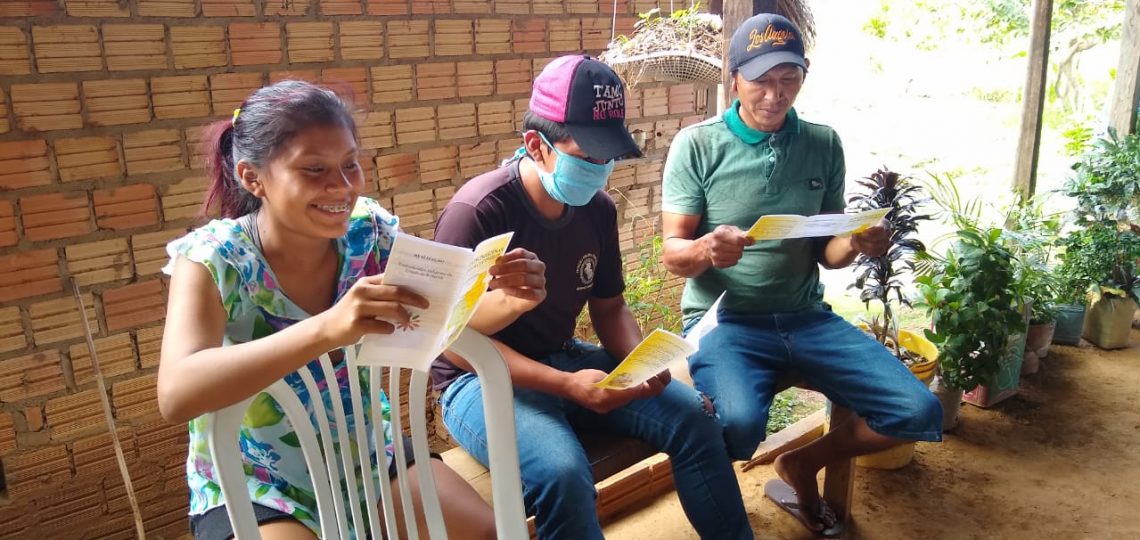
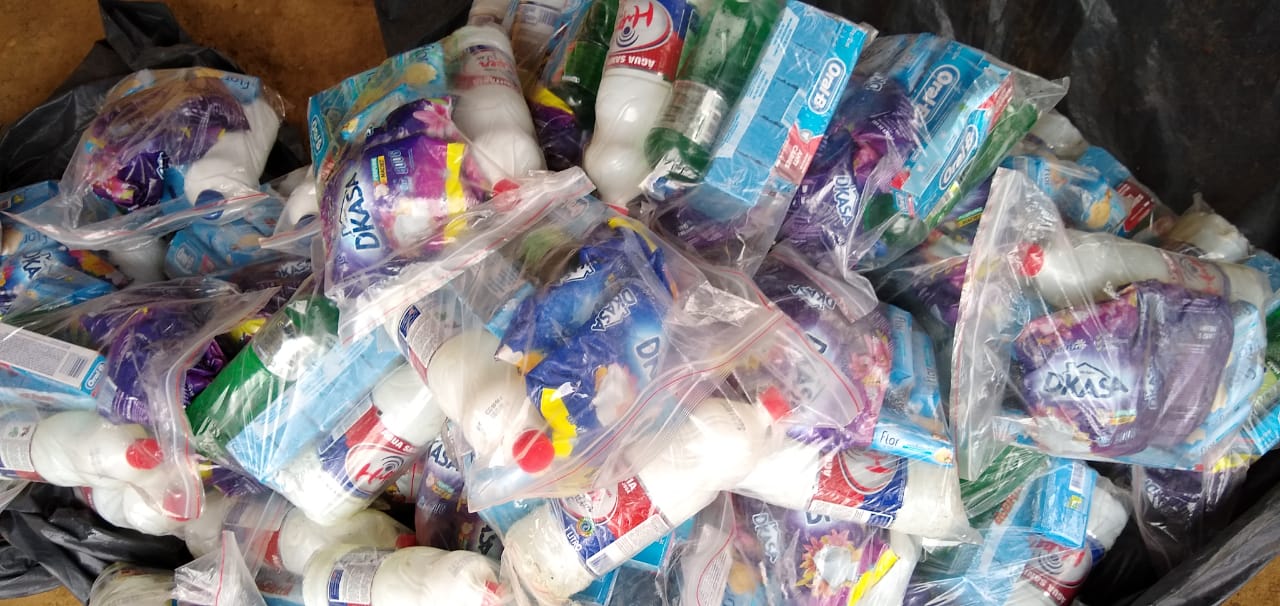
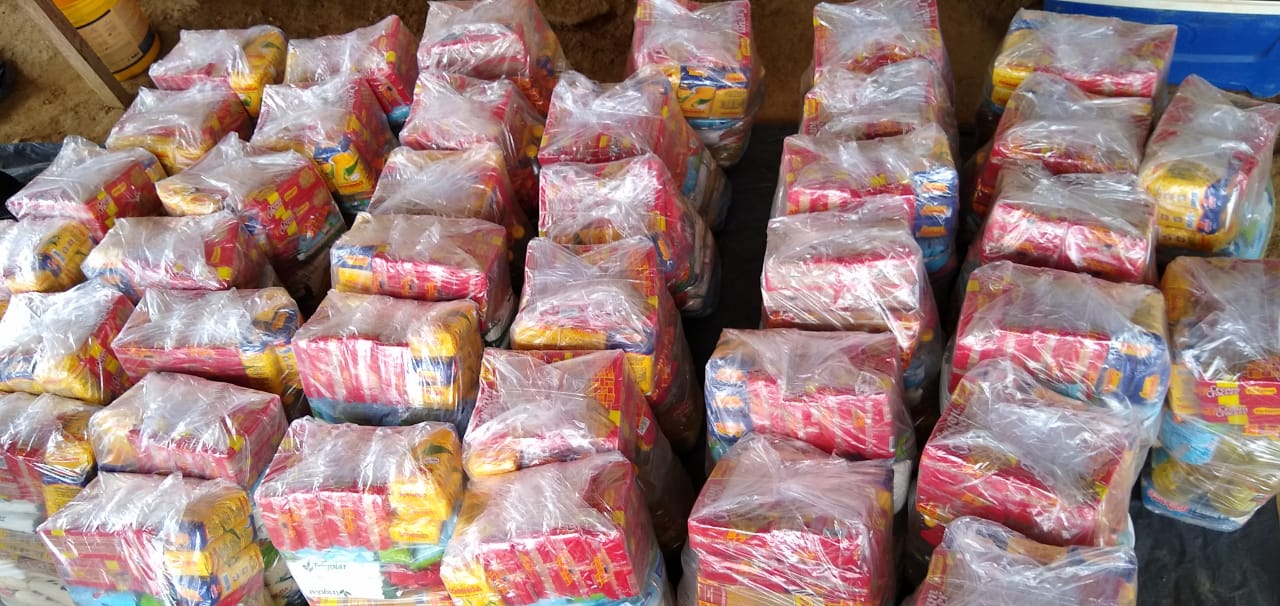
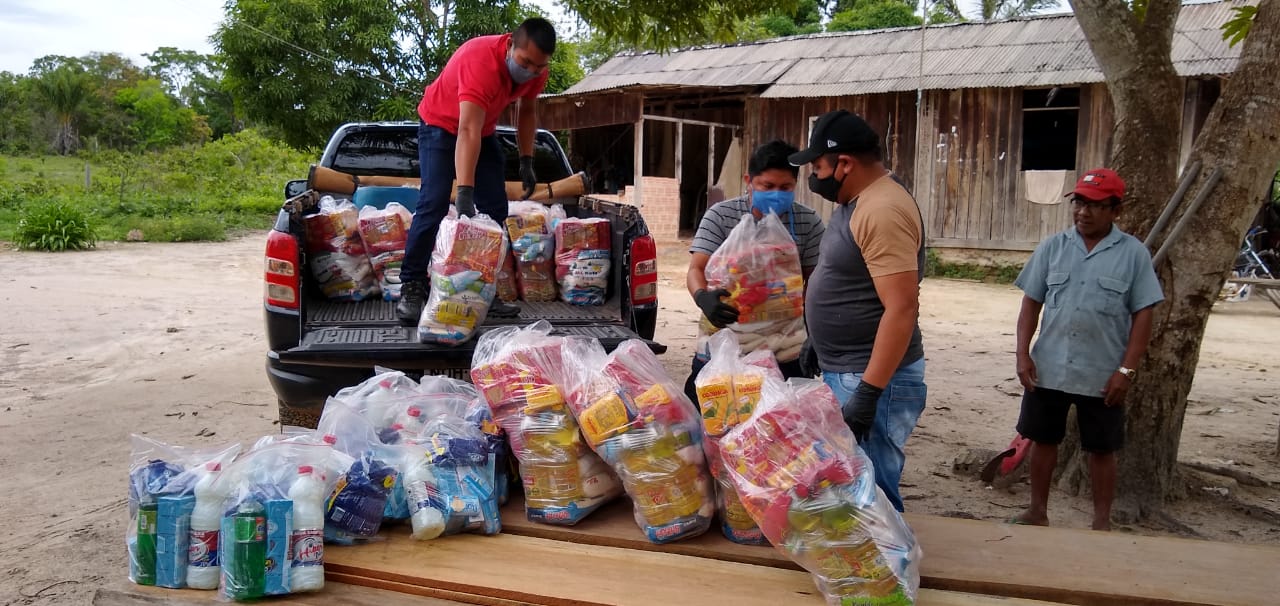
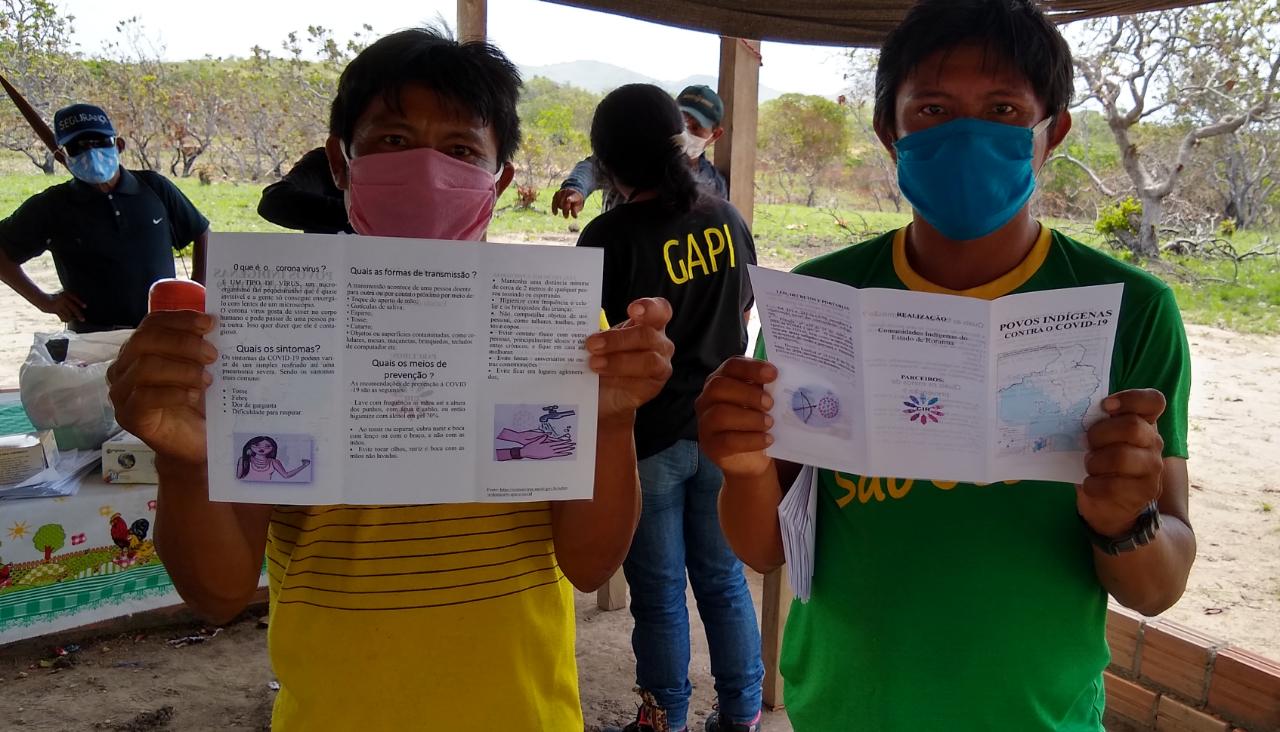
The items of the emergency campaign were delivered to the sanitary barriers of indigenous communities to support people who are on the front line of the fight against the disease: fathers, mothers, young people and also the Indigenous Territorial Protection and Vigilantes Group (GPVITI).
This was the case of the Muriru community, Muriru Indigenous Land, Serra da Lua region. There it is the families who take care of the sanitary barrier. While some hunt, fish, make flour, other families remain at the barrier and control the movement of people. The relay is every 24 hours.
Among the beneficiaries are also the GPVITIs from the Baixo Cotingo region. They went to the barrier that is between Novo Paraíso and the Tucumã community, Raposa region, to join forces with other leaders.
Inform to protect
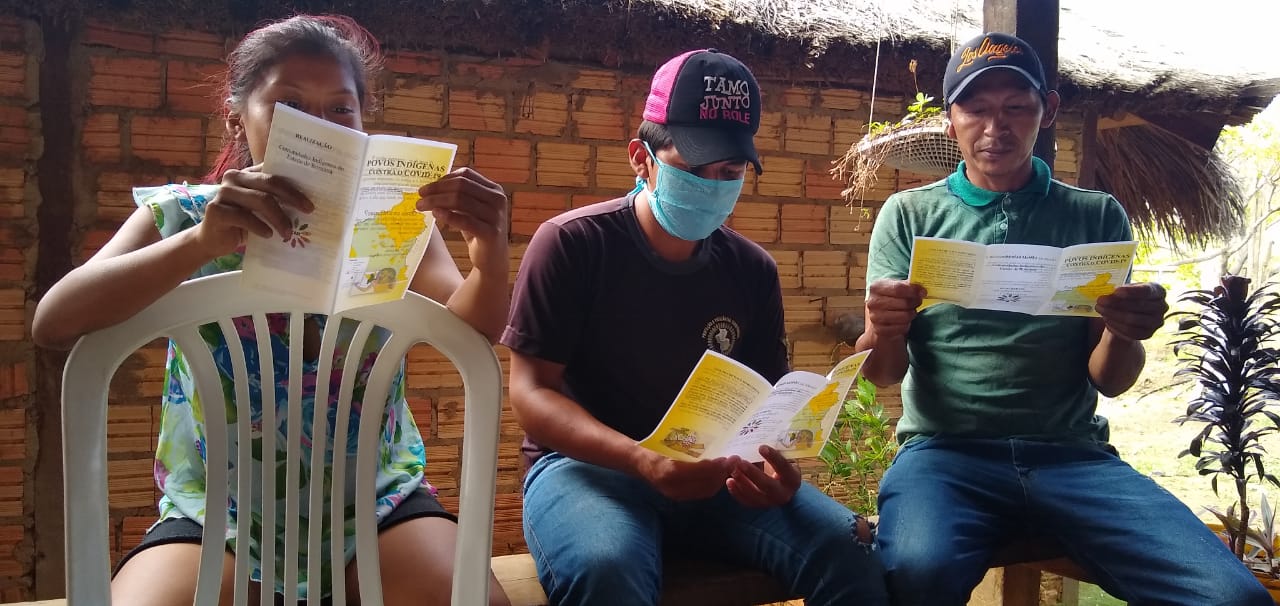
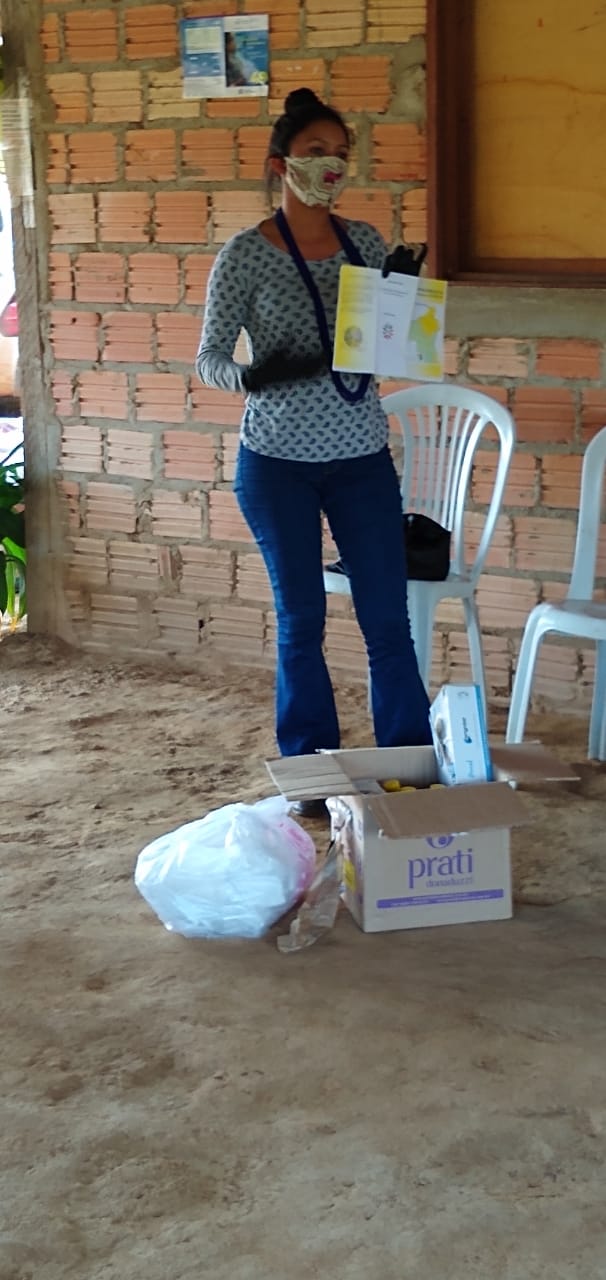
In this third phase of the campaign, the emergency team also thought of a strategy to spread information on how to protect themselves from Covid-19 in the communities, passing on instructions on how to maintain hygiene and what precautions to take to prevent the spread of the virus.
"Some communities do not have access to the internet, so we thought of preparing folders with information from the World Health Organization (WHO), since we cannot have much contact with people and much less make agglomerations. Thus, this is the most suitable way to pass on information and keep our relatives informed and aware", highlighted the psychologist, Iterniza Pereira Macuxi, who is part of the donation delivery team.
The partnership between the CIR and the Socioenvironmental Institute (ISA) began in 2005 and this action in the fight against the new coronavirus was no different. ISA donated 210 basic food baskets and hygiene kits, 70% alcohol gel and also provided logistical support for deliveries.
"ISA understands that it is important to collaborate with indigenous organizations that provide support to communities to prevent people from traveling to the city at this time because this would increase the risk of contamination," said Ciro Gomes, from ISA.
Individuals also collaborated with the donation of masks and gloves. This was the case of Romário Bezerra, who has a degree in agricultural technique, management and environmental management. He had the idea of writing a project for the Baobá Fund to acquire hygienic material and thus contributed with masks, gloves, 70% alcohol gel, bleach and liquid soap.
"When I participated in the online meeting at the board of directors in the national agroecology articulation and this opportunity to help indigenous peoples in the fight against the new coronavirus was presented, I enrolled the project, it was approved and I had the opportunity to help the communities".
Community produces masks and tuxaua guides residents
The Malacacheta community, in the Serra da Lua region, where 1,452 people live, was also among the communities that benefited from the donations of this third phase. Already engaged in the fight against the pandemic, residents carry out the action to raise awareness about the disease and make masks for the community.
"Here in our community we raise awareness among our relatives, we bring together young people, women to make masks for risk groups. Because our community is close to Boa Vista, and we had this concern," said the manager of Indigenous Collective Health, Kiusylene Souza, stating that in Malacacheta alone, between 150 and 200 masks were made and distributed.
The tuxaua of the Jacamizinho community, Carlos Alberto Wapichana, also from the Serra da Lua region, said that all residents are complying with social isolation and he, as a leader, gives guidance on the coronavirus.
"As a tuxuau, I do the work of raising awareness among families so that they do not leave the community, I know that many work out of necessity," said the tuxaua. "We will distribute the food we receive among the residents and recommend once again that they do not leave their homes," he said upon receiving the help of the CIR and ISA.
The communities that benefited in this third phase were:
Serra da Lua Region; Malacacheta, Bom Jesus, Jacamizinho, Muriru and Tabalascada.
Amajari Region: Vida Nova and Anaro Community
Alto Cauamé Region: Raimundão I
São Mateus Center: Urucuri Barrier
Region Mountains: Barreira Tabatinga and Centro São Mateus
Raposa Region: Barrier between Novo Paraíso and Tucumã community
Murupu Region: Truaru da Cabeceira