
Representing the Indigenous Council of Roraima (CIR) and the indigenous peoples of Roraima and Brazil at the 26th Conference of the Parties (COP26), two indigenous women from the Wapichana people, Sineia do Vale, coordinator of the environmental sector of the CIR, and Jéssica Maria, environmental manager. On the way to COP 26, today (29) they meet in Frankfurt, Germany, the COP starts on October 31 in Glasgow, Scotland. Sineia do Vale reinforced the participation of indigenous peoples from all over the world, and the main items that will be discussed
"Indigenous peoples from all over the world will certainly be participating in all agendas. Main themes, article 6, agriculture, and traditional knowledge, for this within the UNFCCC (The United Nations Framework Convention on Climate Change), we have the platform of indigenous peoples and local communities, as indigenous peoples of Roraima, Jessica and I are for the CIR, with a very extensive agenda at the COP, this very important event and this year in Glasgow indigenous peoples will be present, from all over the world, we will certainly be discussing in various areas of this COP." Said Sineia.
COP 26 is scheduled to start on October 31 and run until November 12. Article 6 cited by Sineia is the sixth article of the Paris agreement, which proposed that governments and companies establish CO2 emission targets and the creation of a carbon market where countries would negotiate.
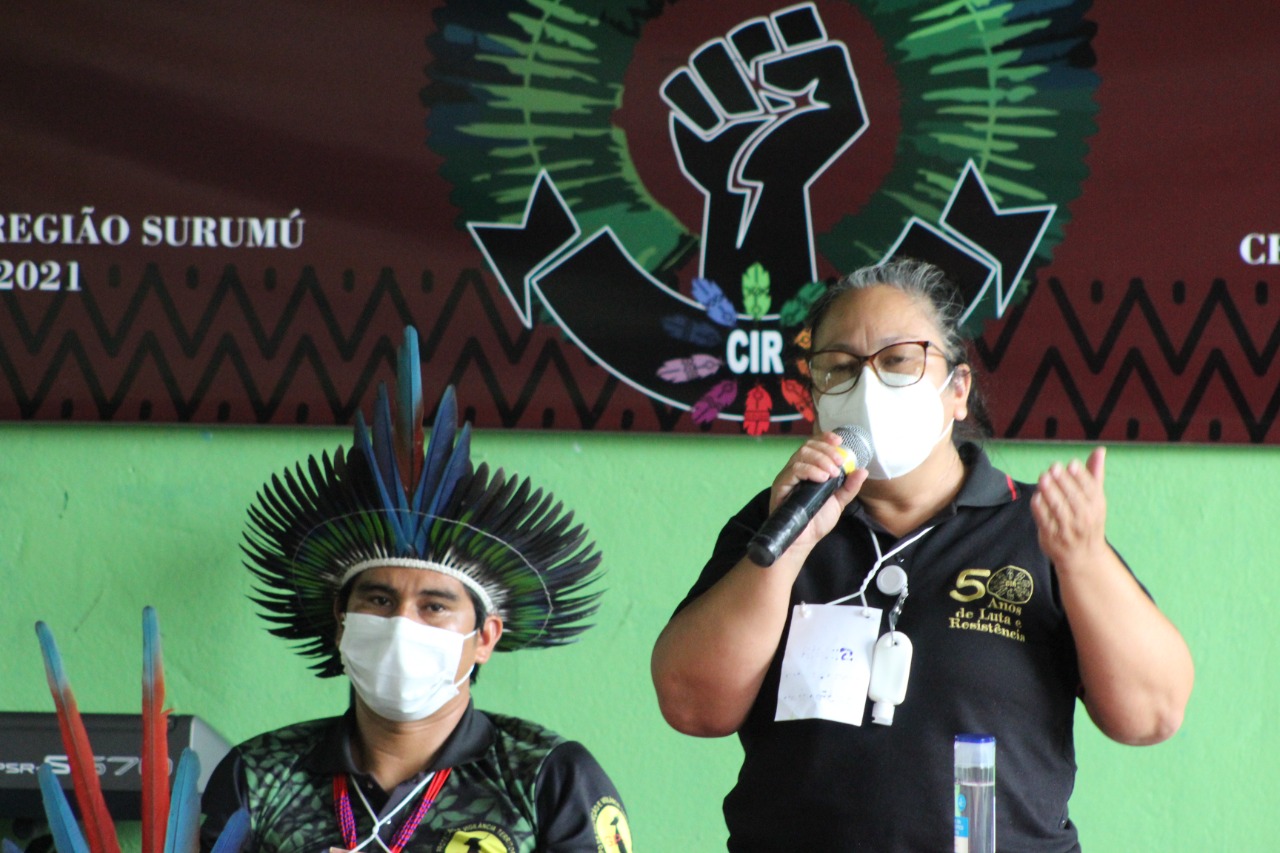
Sineia do Vale, of the Wapichana people
Sineithat of the Valley, from the Wapichana People, is an environmental manager, coordinator of the Environmental Department of the CIR, was the Coordinator of the Technical Chamber of Climate Change of the PNGATI Management Committee and is a member of the Indigenous Committee on Climate Change of APIB. For more than 10 years she has been following climate discussions at the international level of the UNFCCC, focused on the indigenous agenda and the implementation of actions at the local level. Her work is focused on local environmental and territorial actions and how they can be included in climate public policies appropriate to indigenous peoples, she is the organizer of the first Brazilian indigenous publication on combating climate change: Amazad Pana'Adinham: perception of indigenous communities on climate change. Serra da Lua Region – RR. The publication was launched in 2014 and has since been disseminated at several national and international events on the subject, and was included in the National Adaptation Plan as a reference study on the impacts of climate change on indigenous peoples. In addition, it is responsible for the preparation of several environmental and territorial management plans for the Indigenous Lands of Roraima.
Jessica Maria, of the Wapichana people, Environmental Manager and Bachelor of Law. Advisor to the Department of Territorial and Environmental Management (DGTA) of the Indigenous Council of Roraima-CIR. She has been working at the CIR since 2012 with water projects, brigades, Environmental and Territorial Management Plans, and in the training of Territorial and Environmental Agents and other DGTA projects. She is also part of the Board of Directors of the National Council of Populations
Extractivists of the Amazon (CNS).
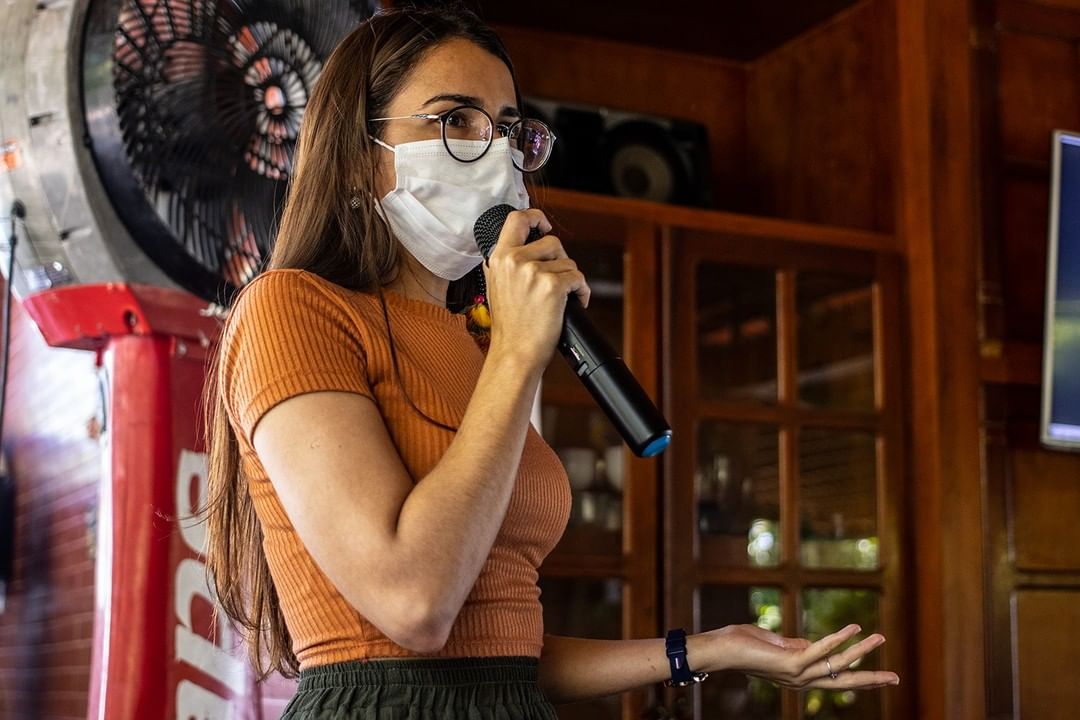
Jessica Maria, Wapichana. (photo:@netoramooss/Ascom Coiab )