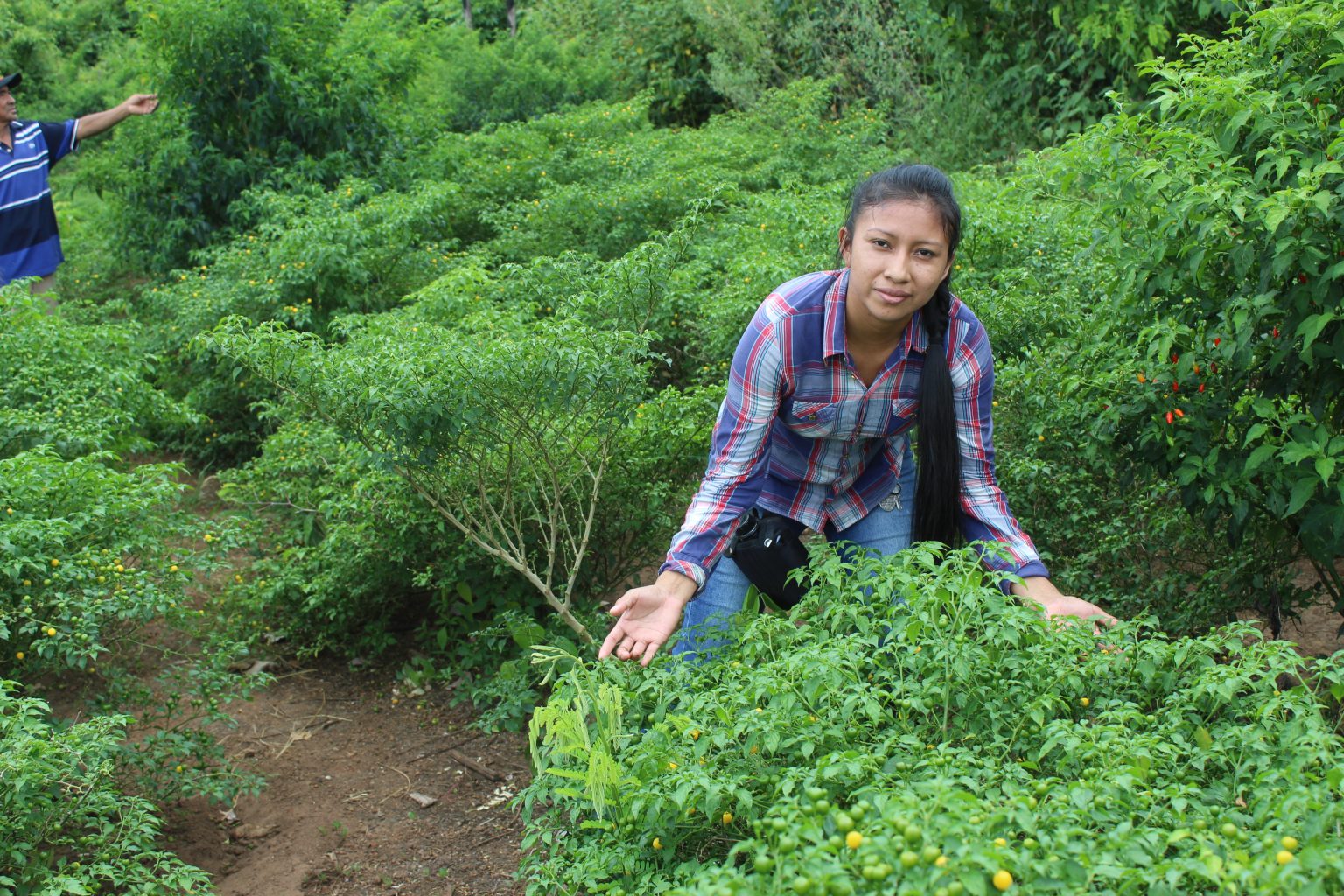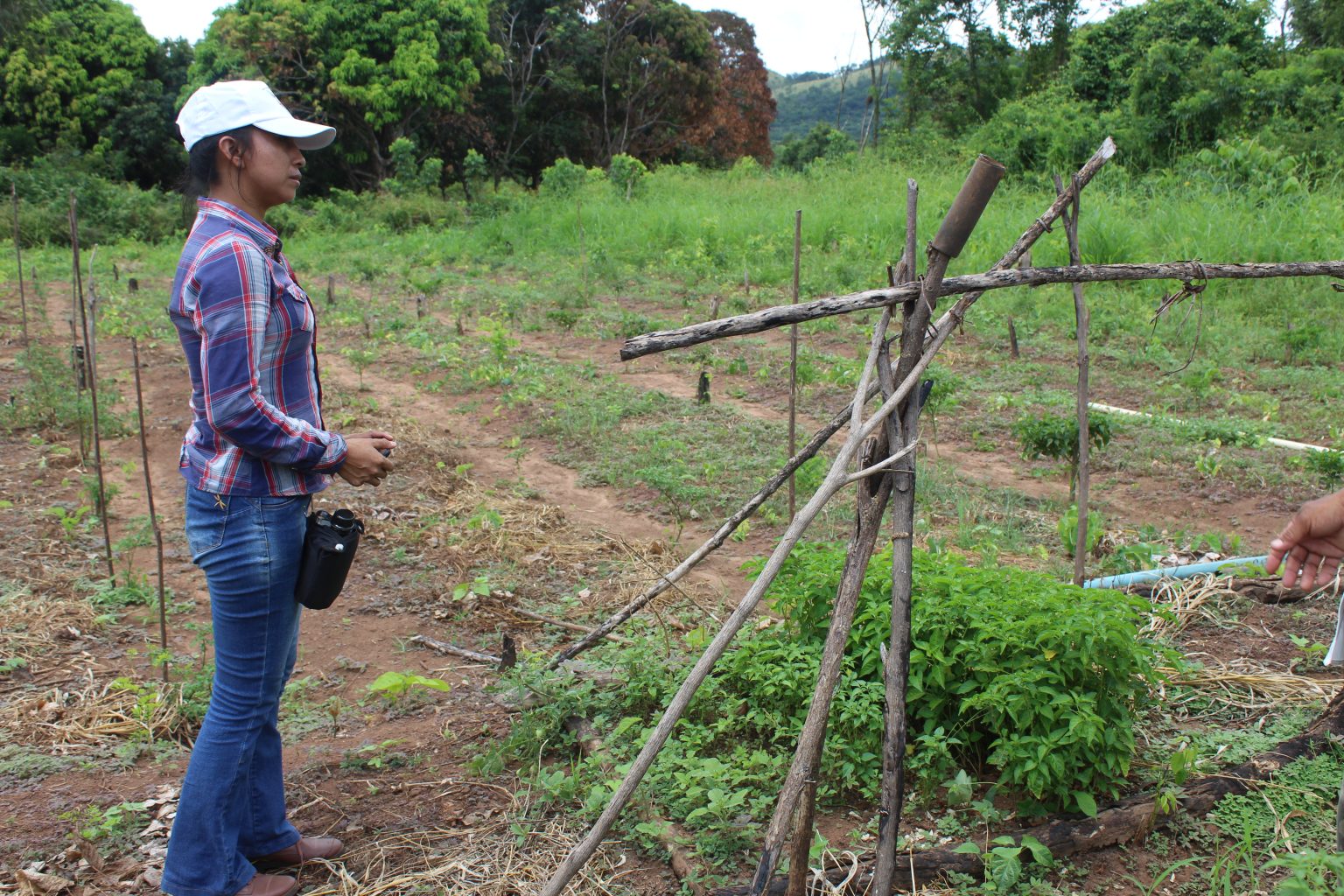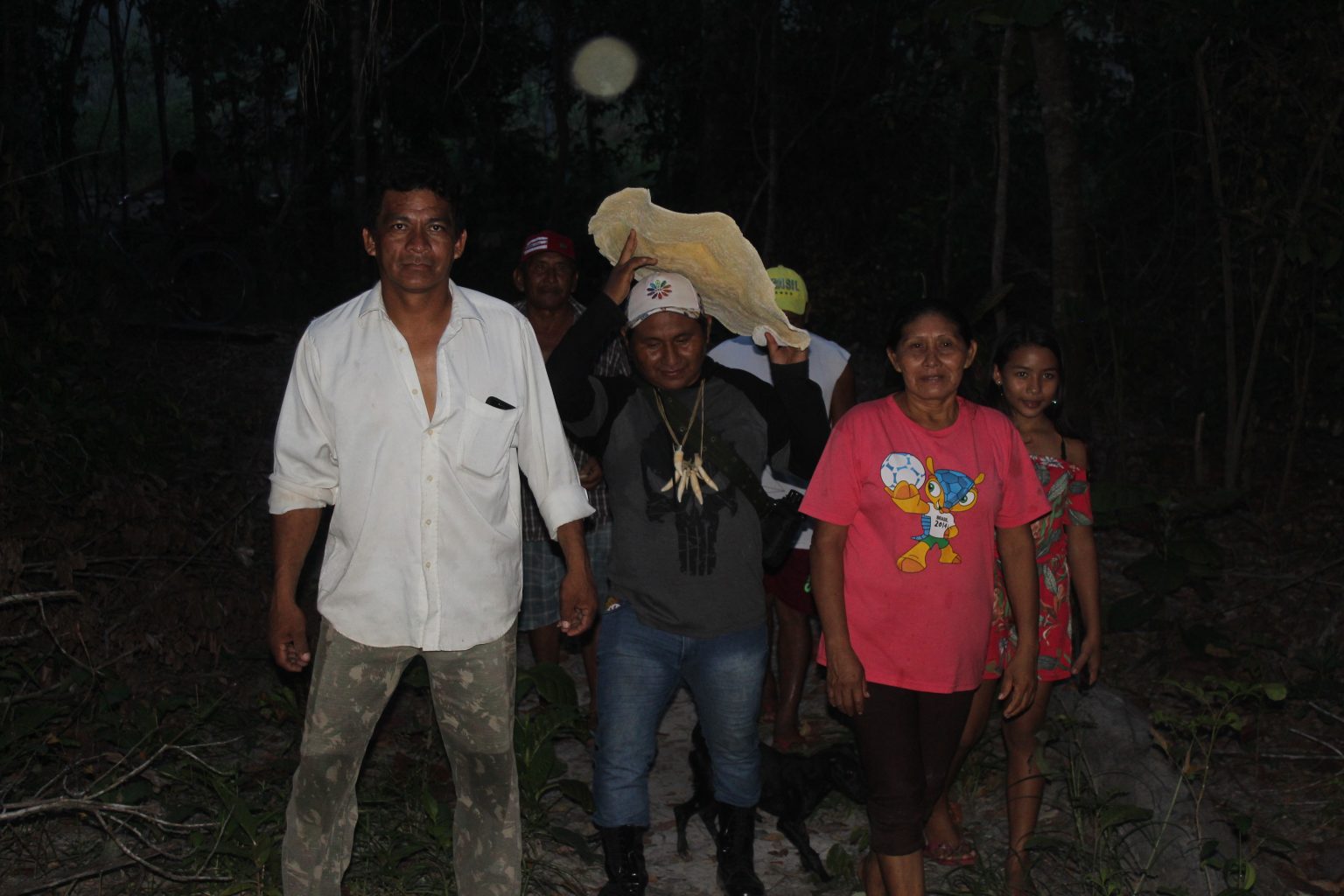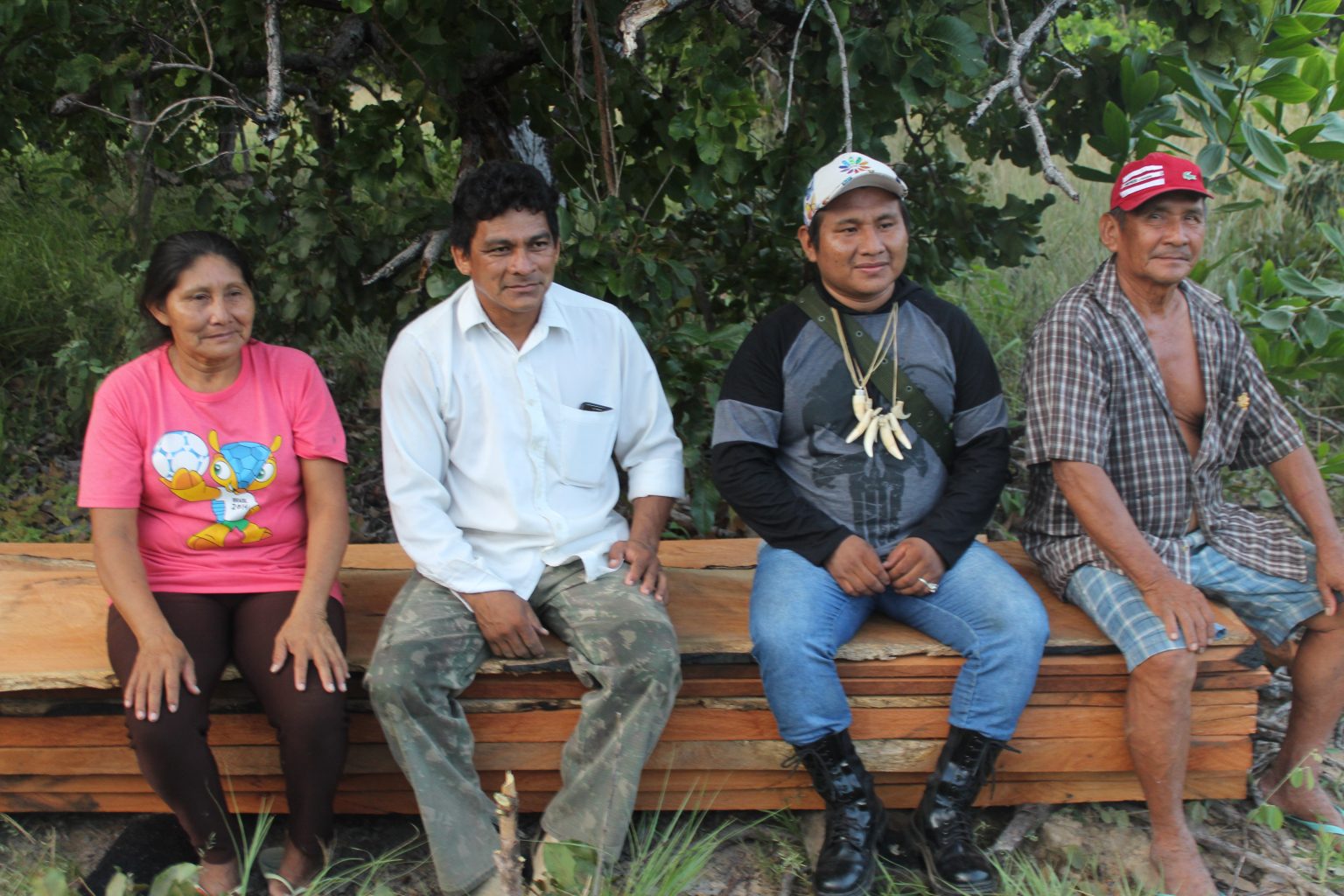
Using water in a sustainable way, the communities of the Murupu Region, Serra da Moça Indigenous Land, are working on organic food production. Coordinator Enock Taurepang visited the region on September 23 and 24 and pointed out the commitment of the Indigenous Council of Roraima (CIR) to these communities.
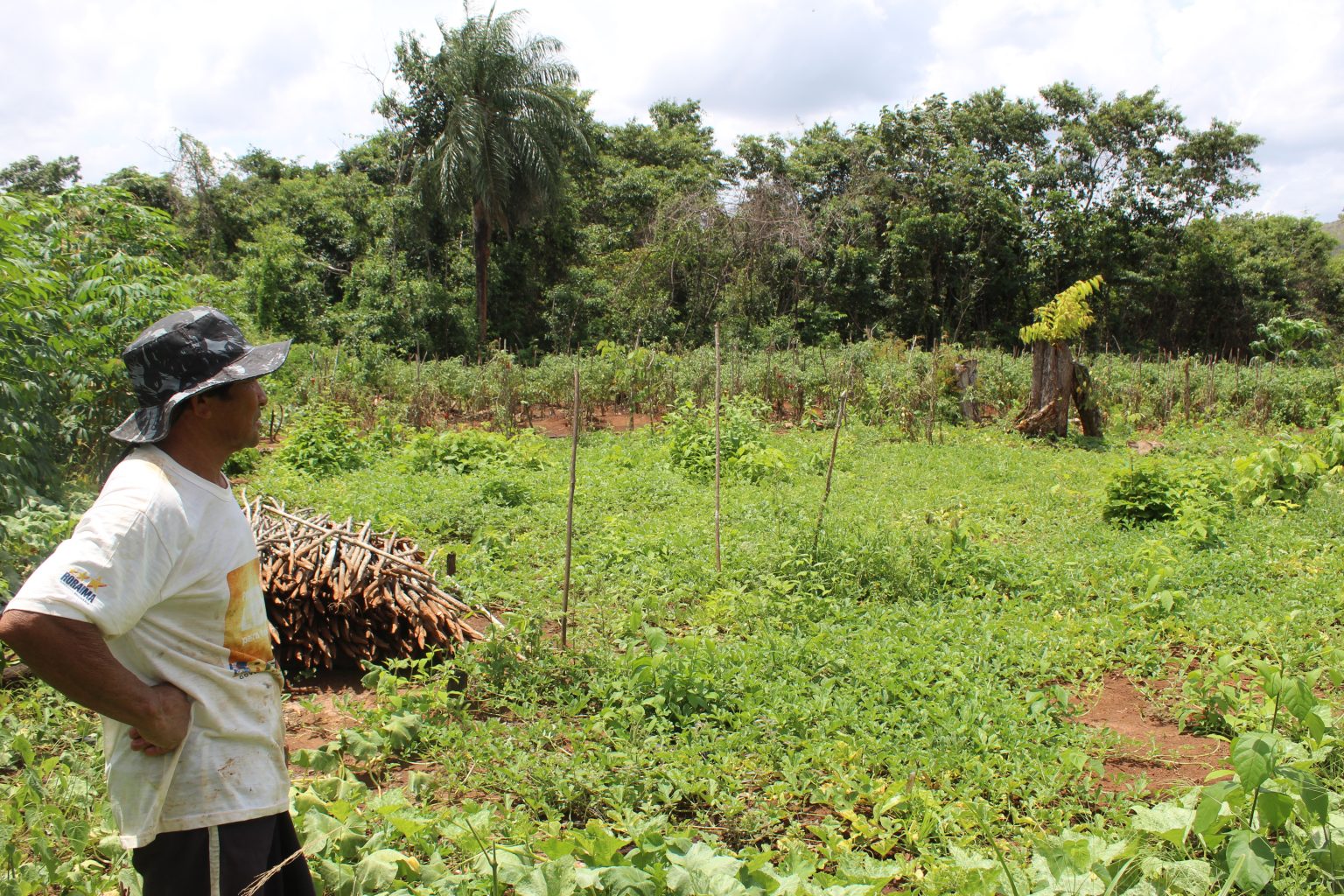
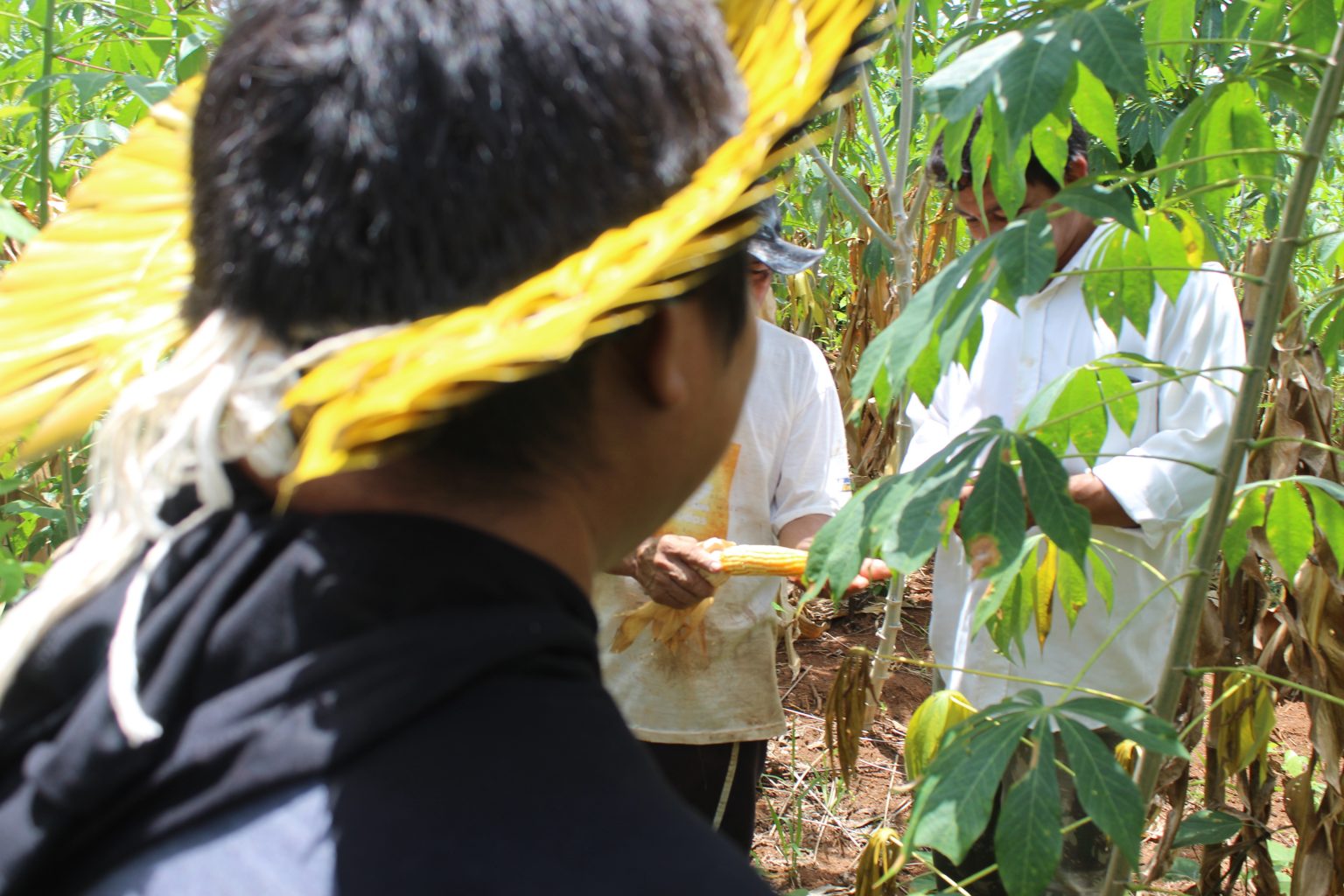
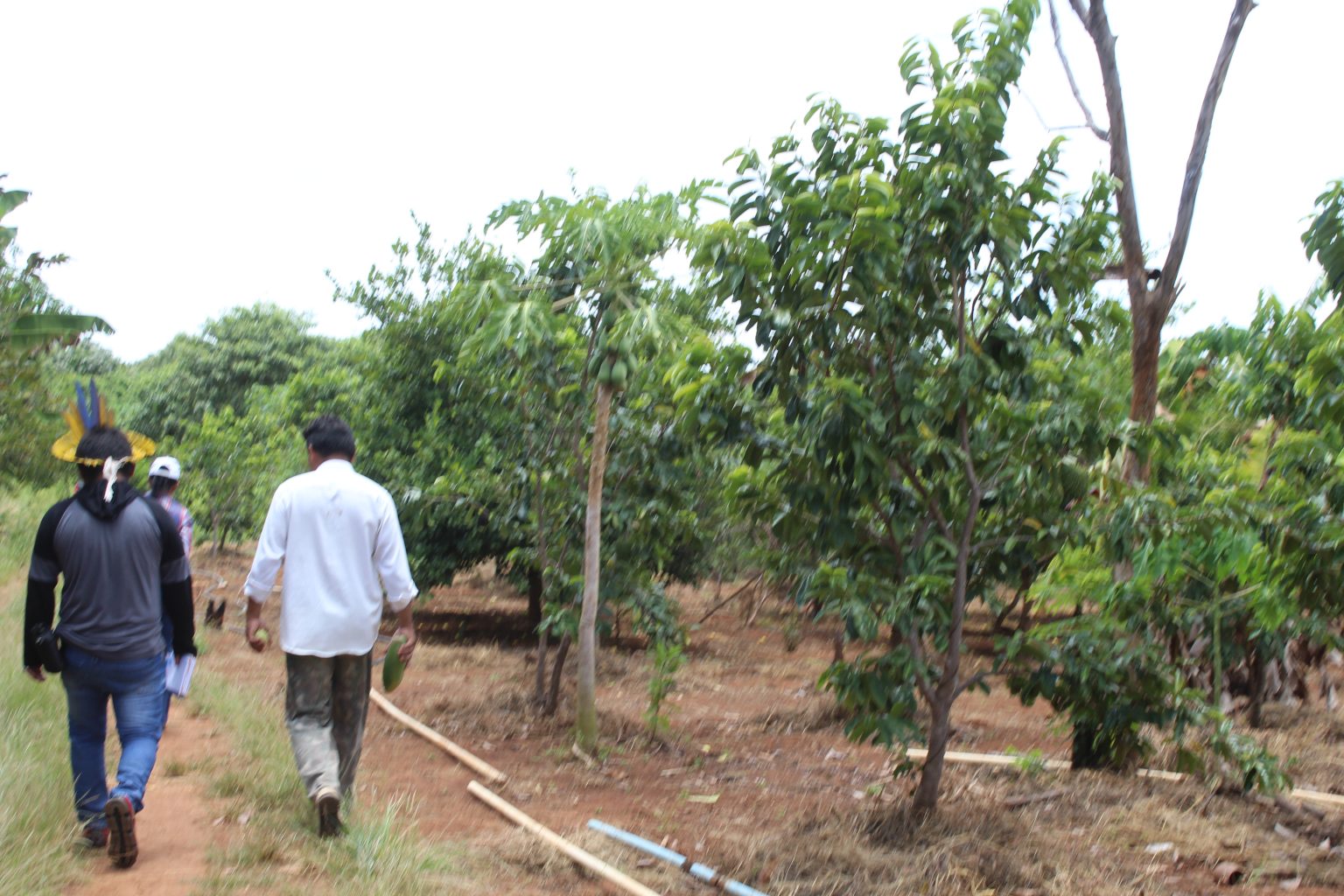
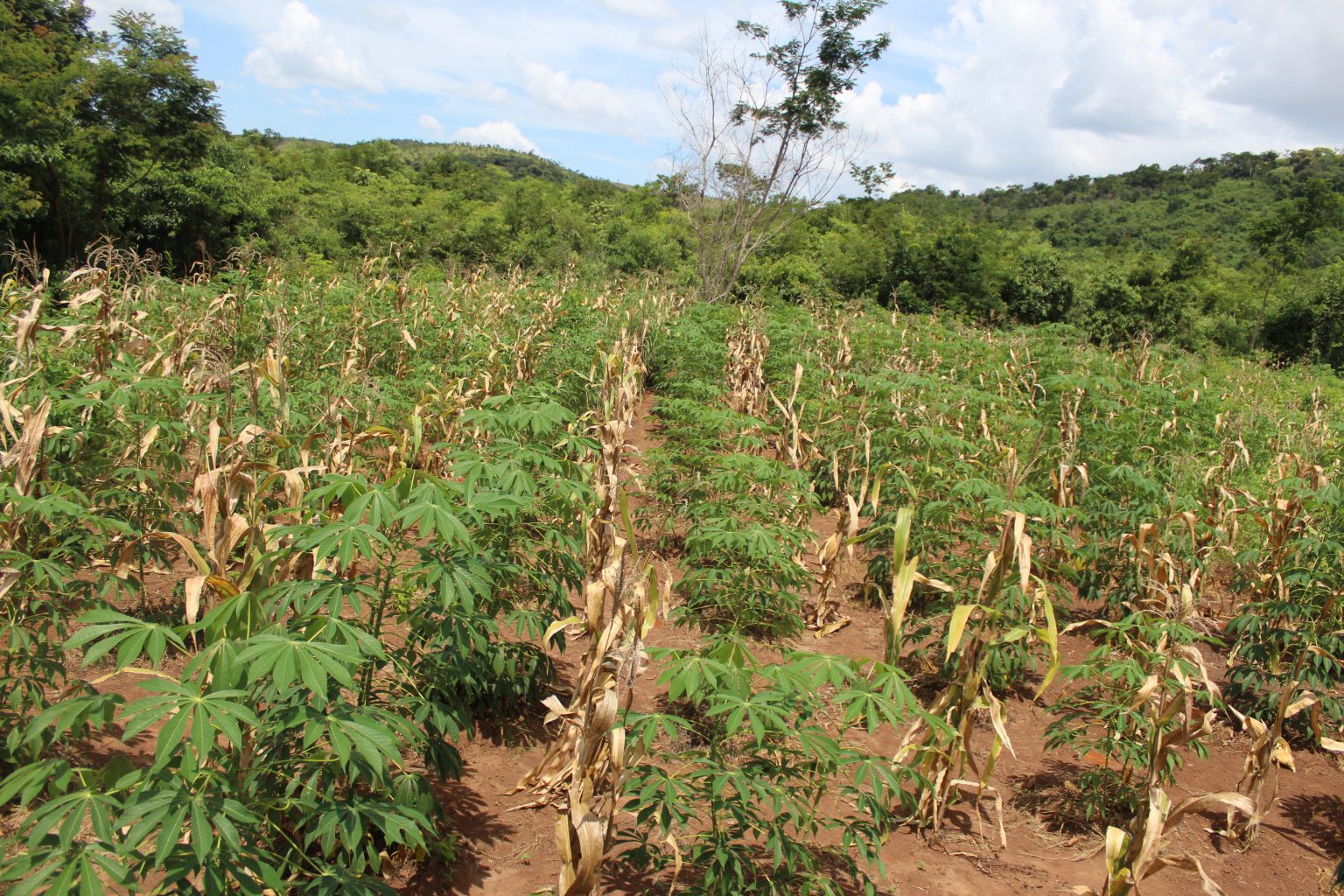
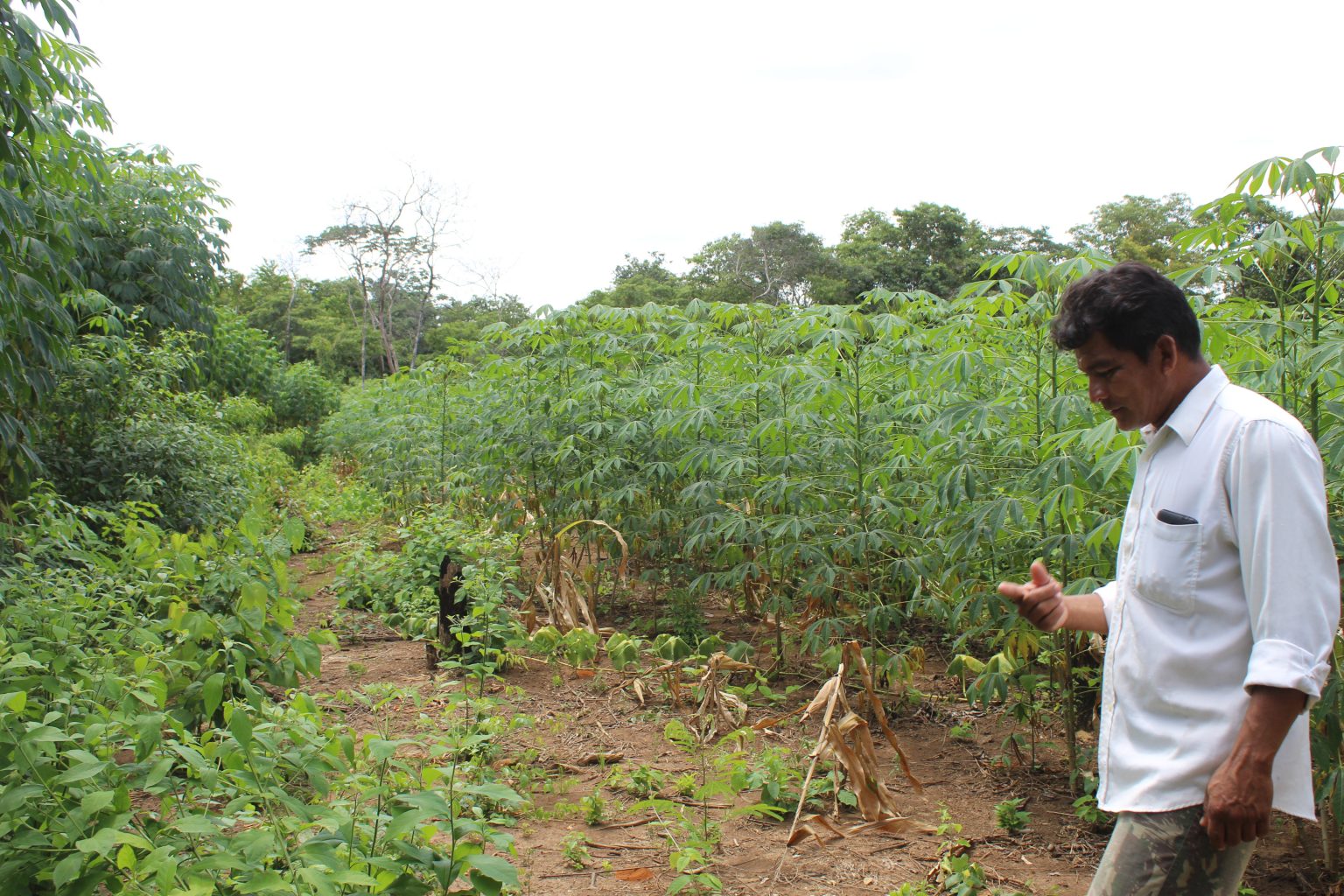
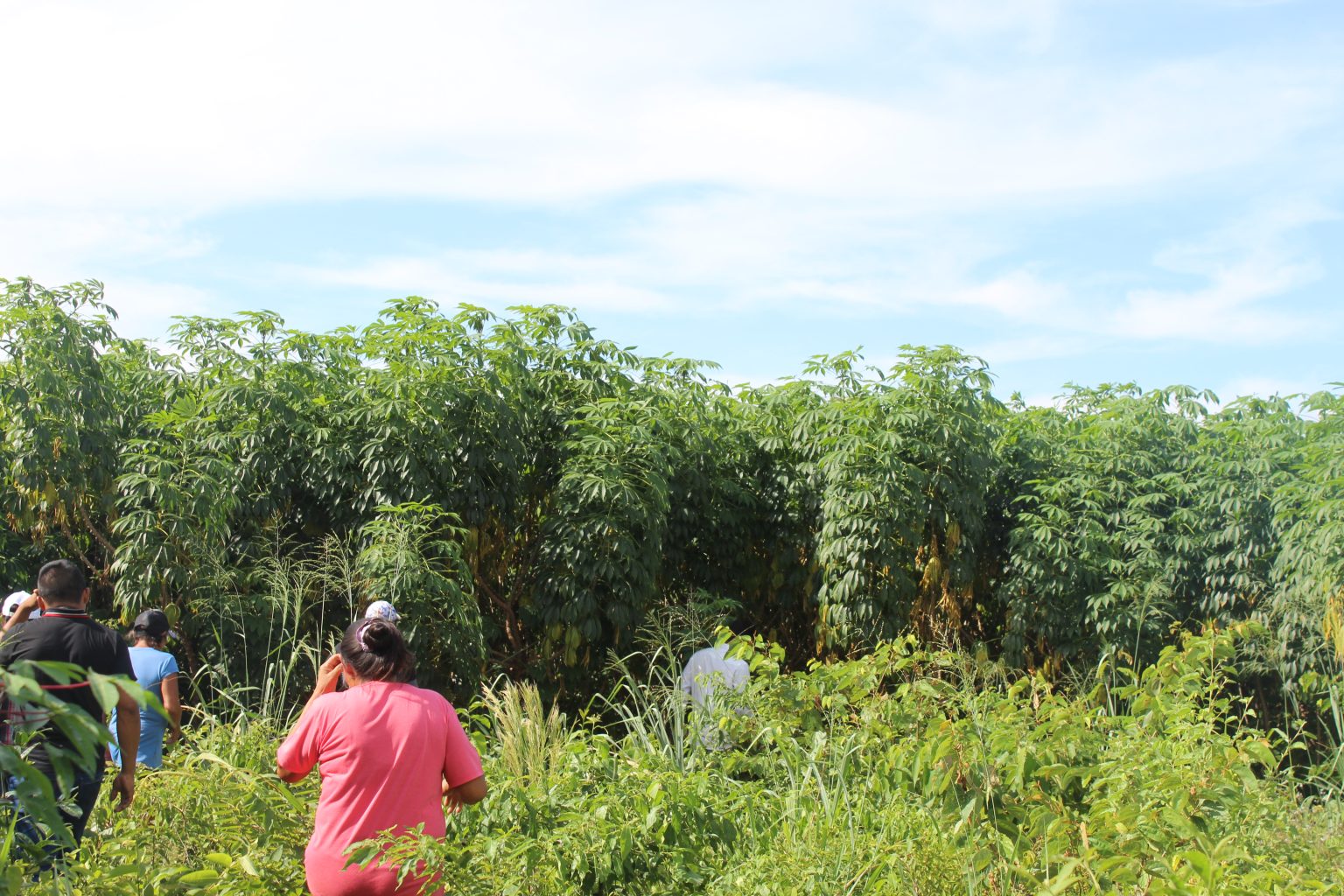
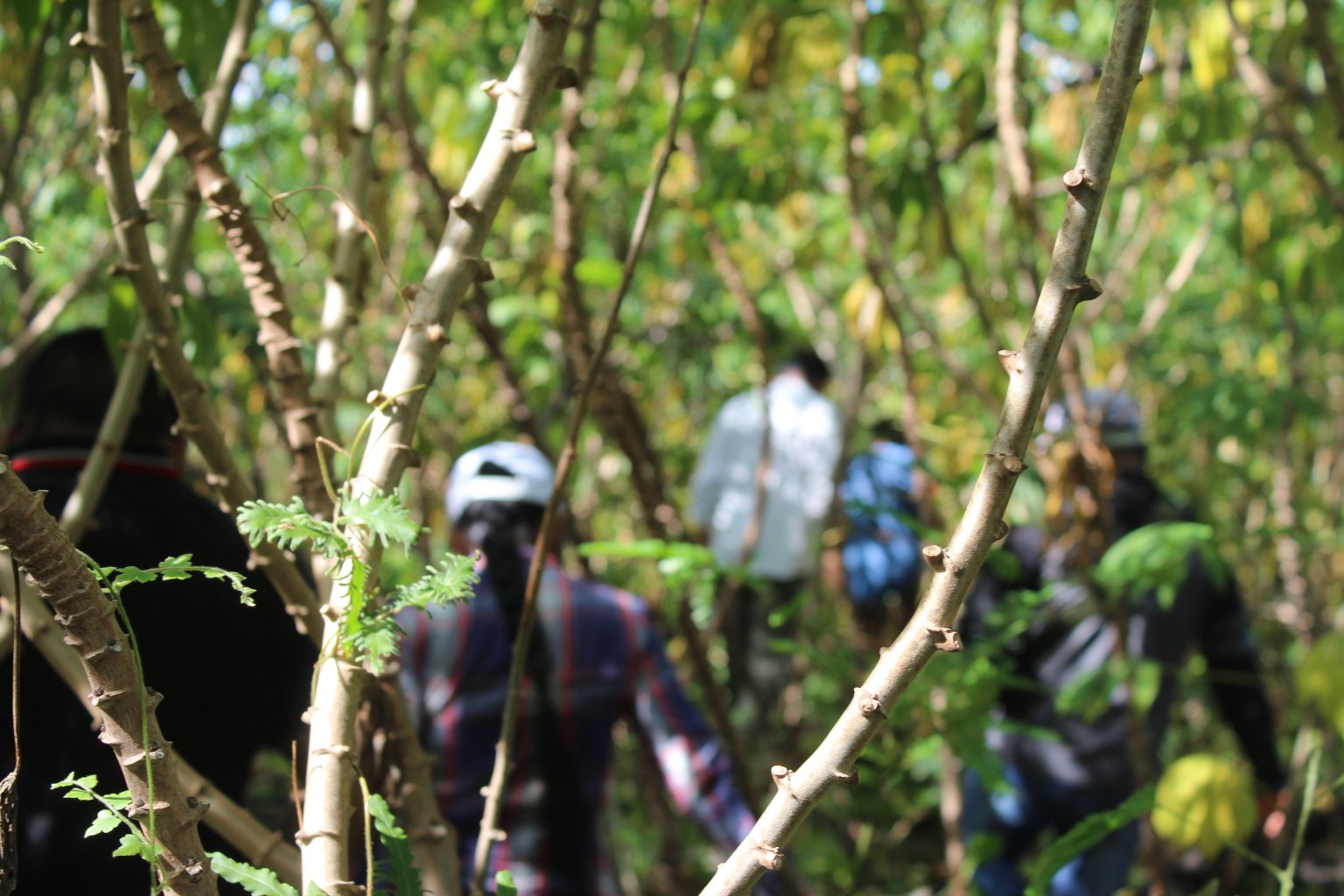
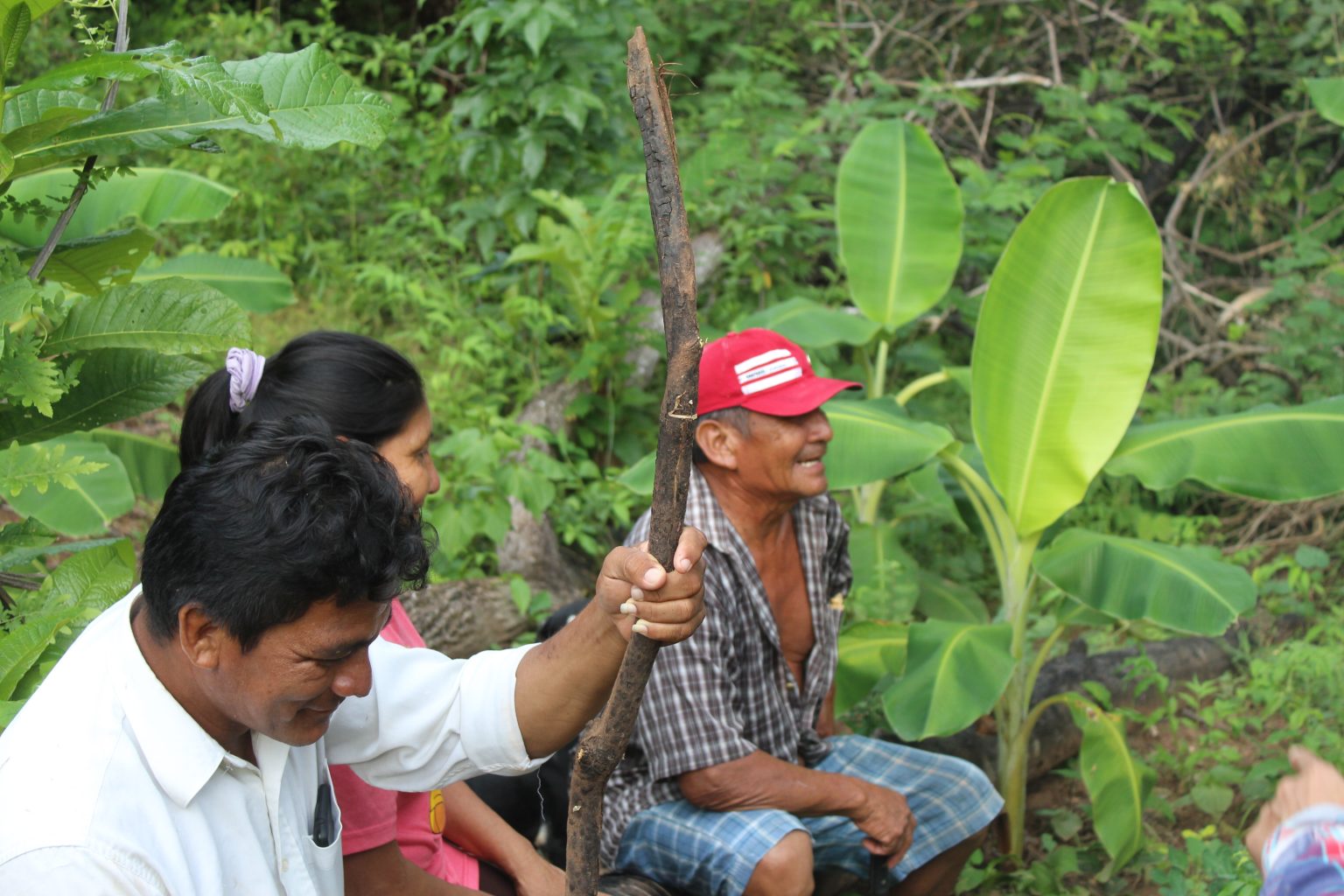
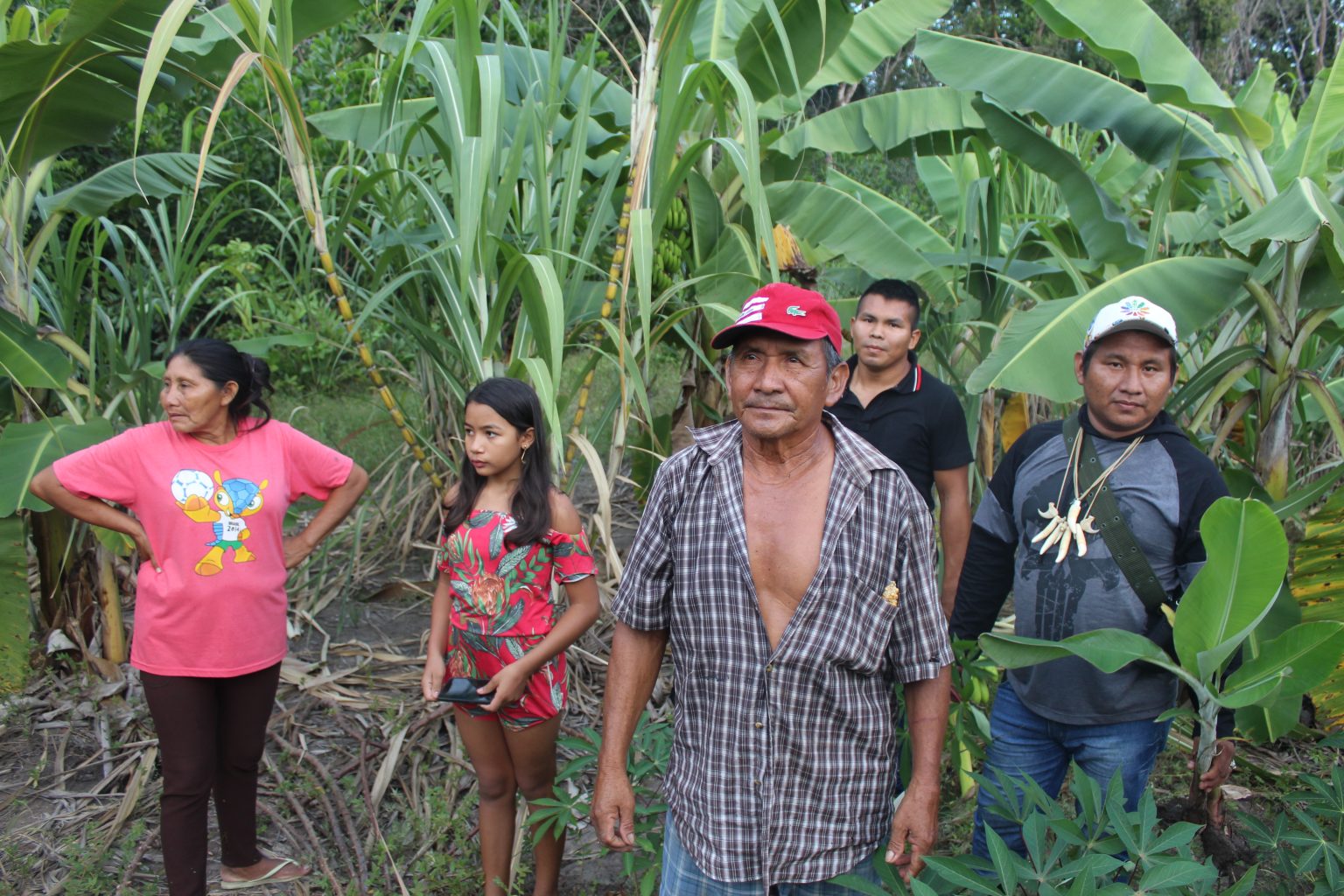
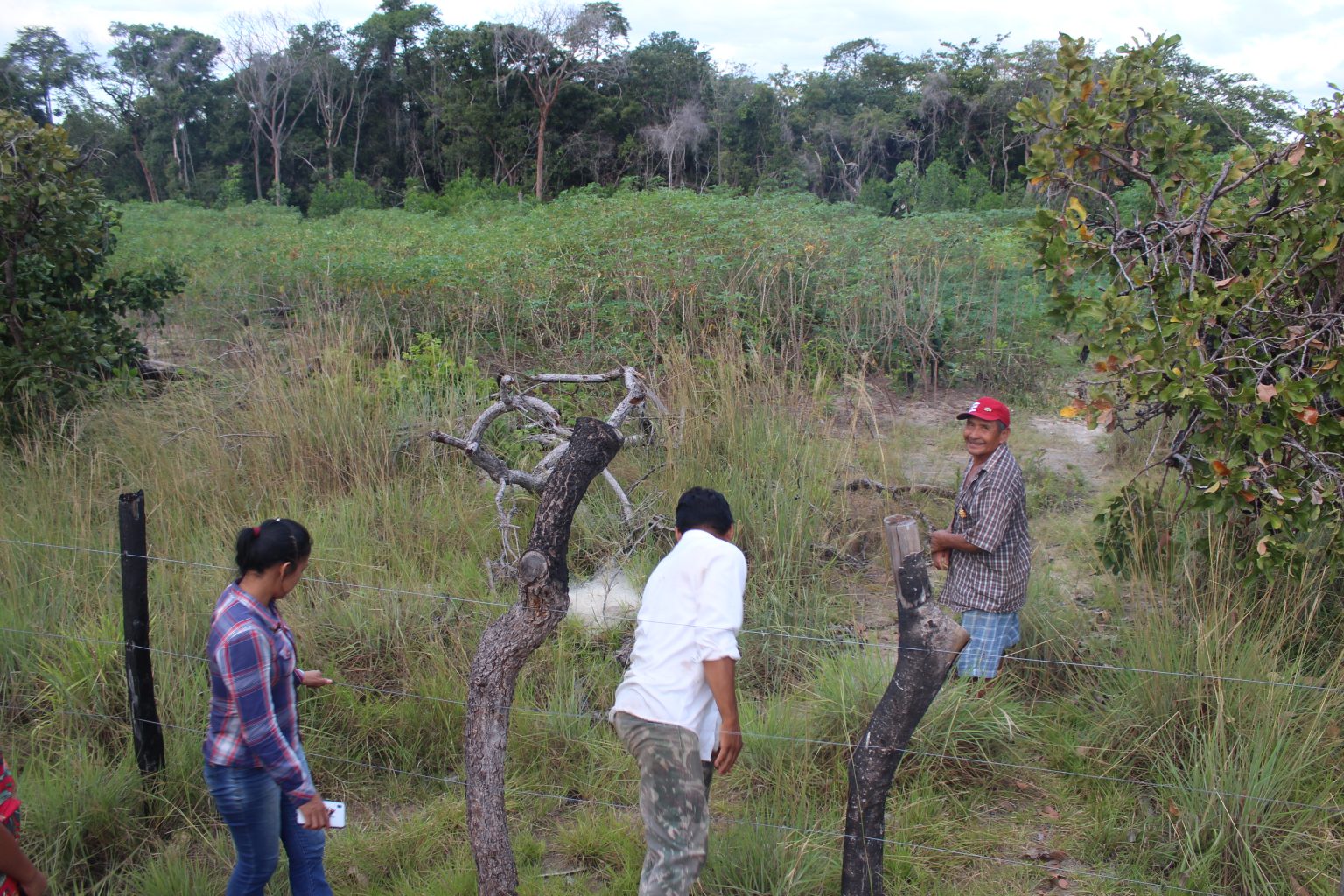
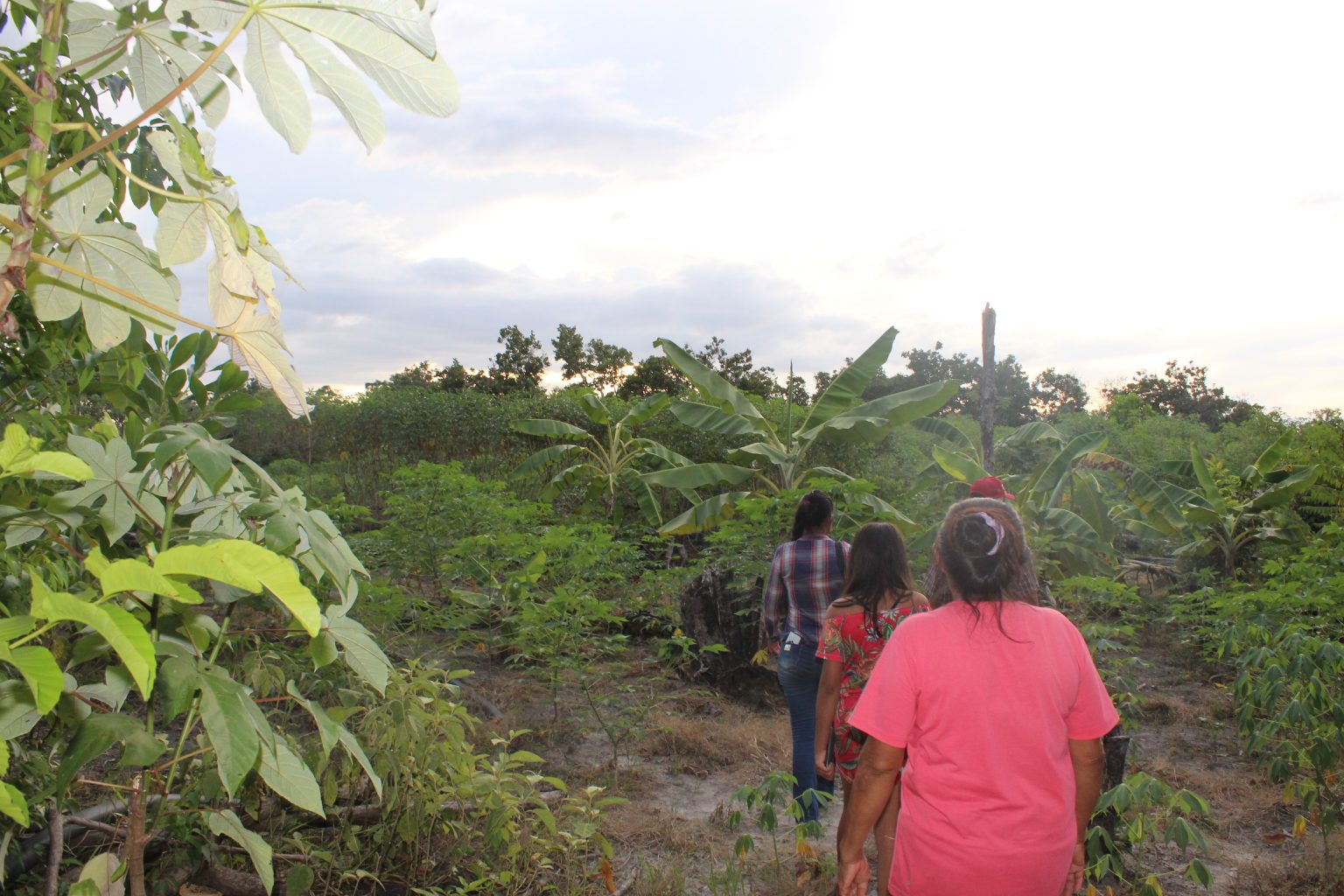
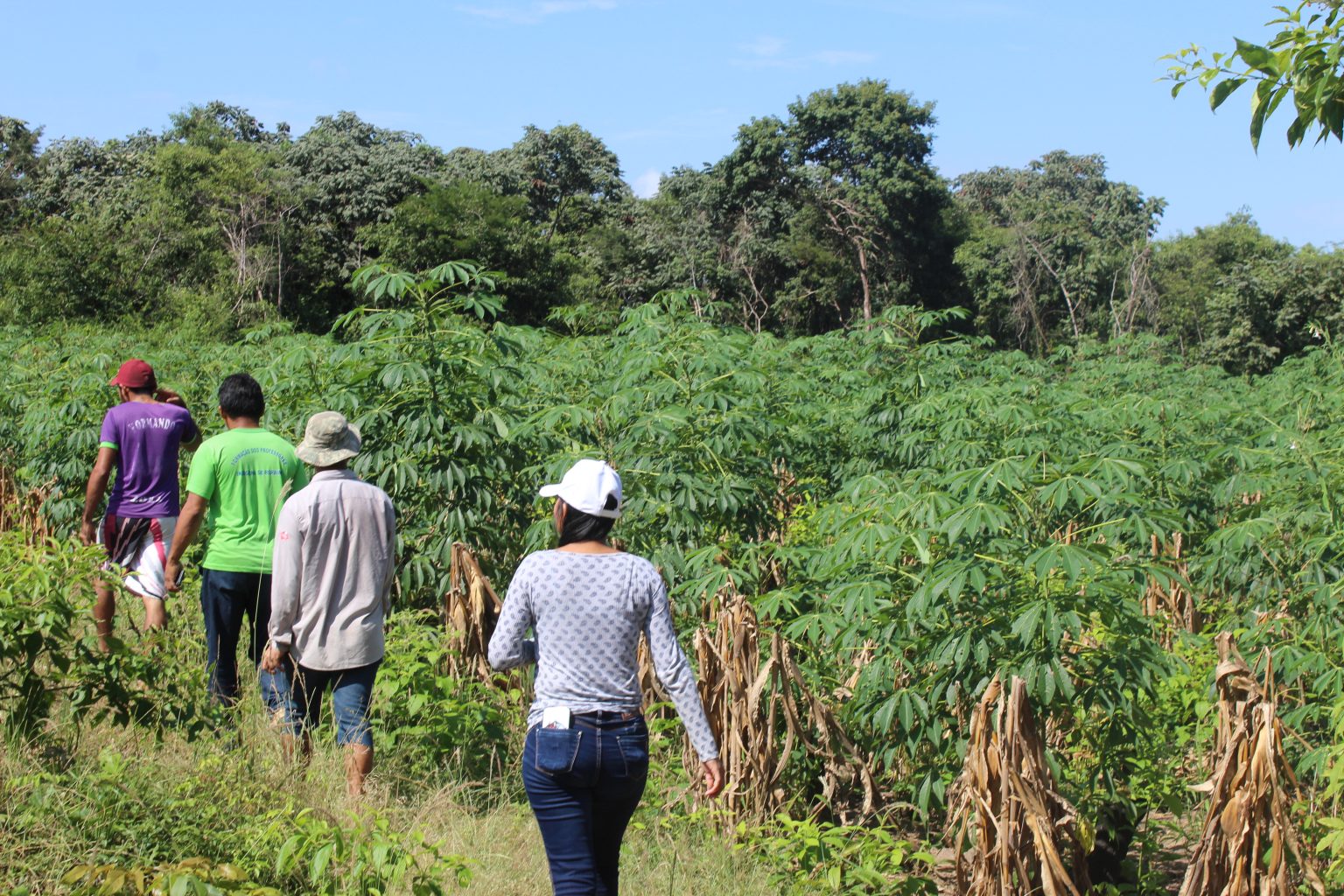
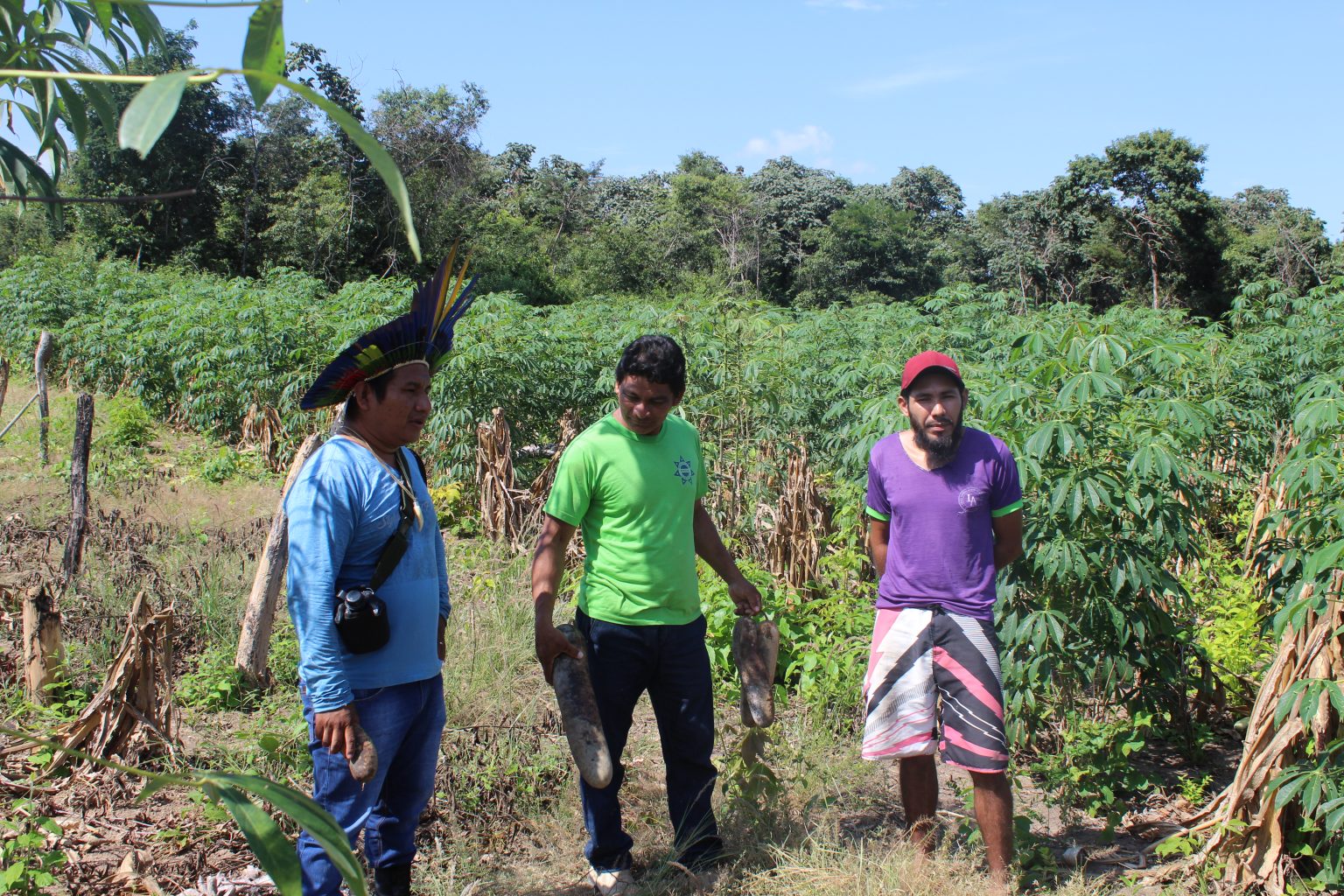
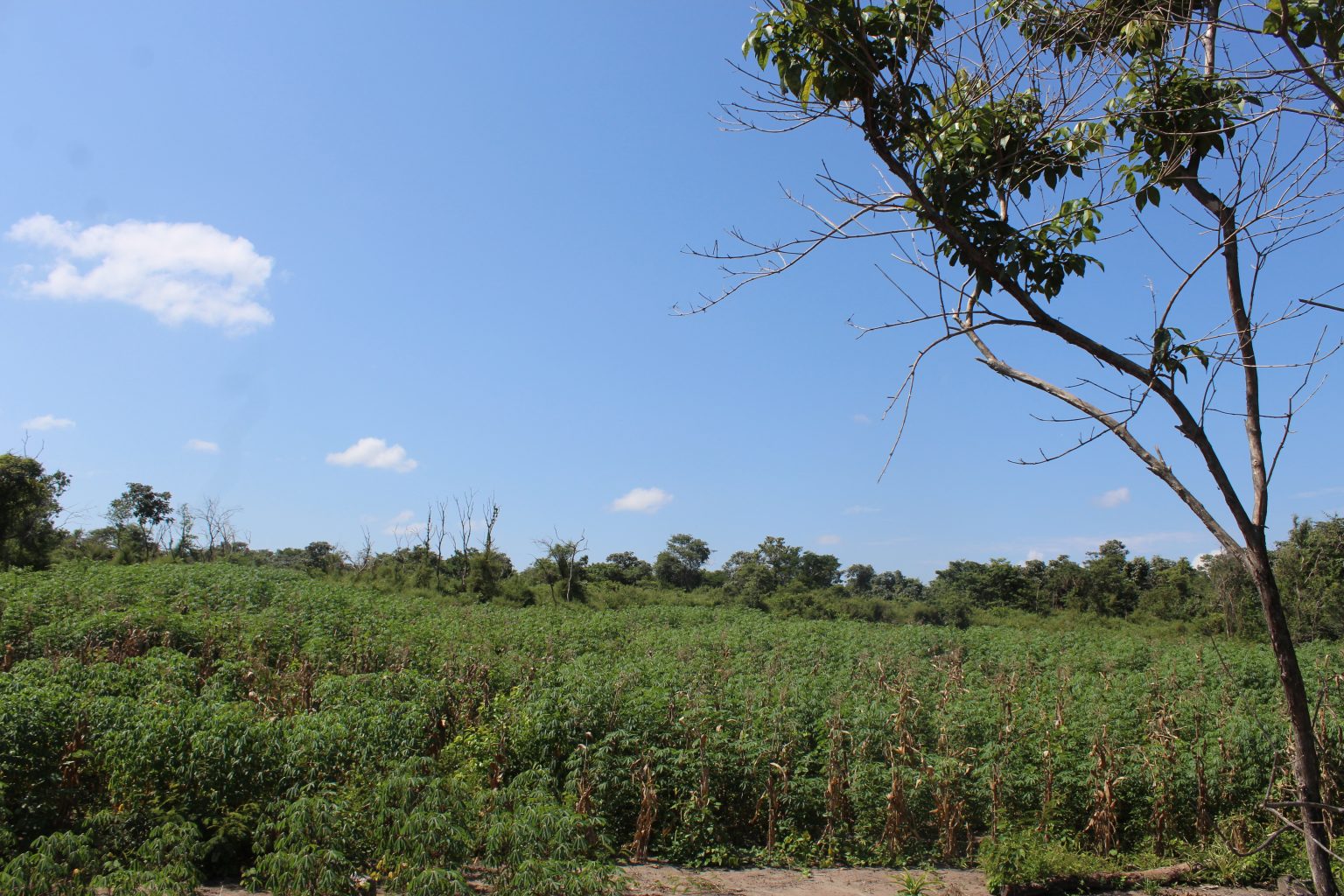
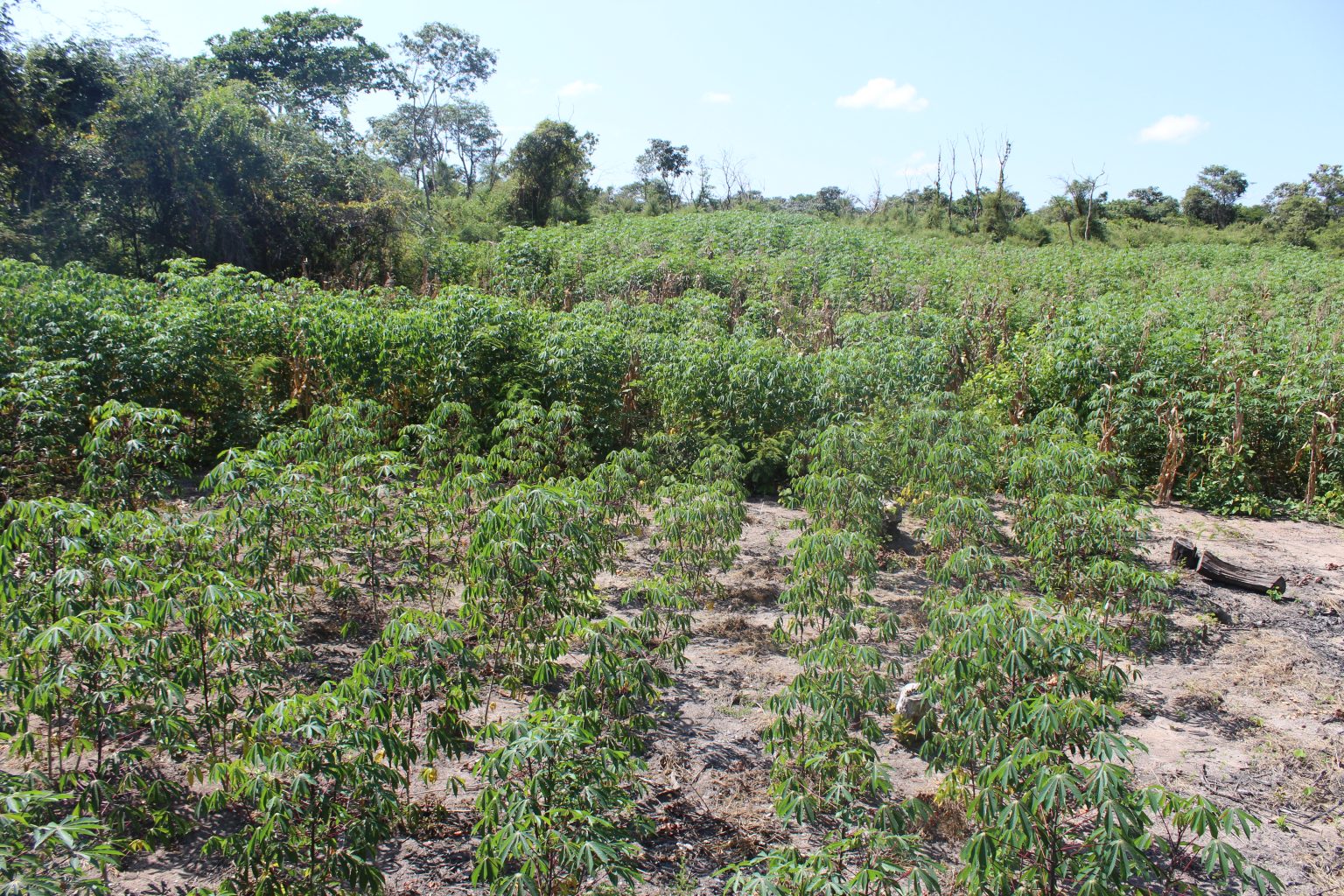
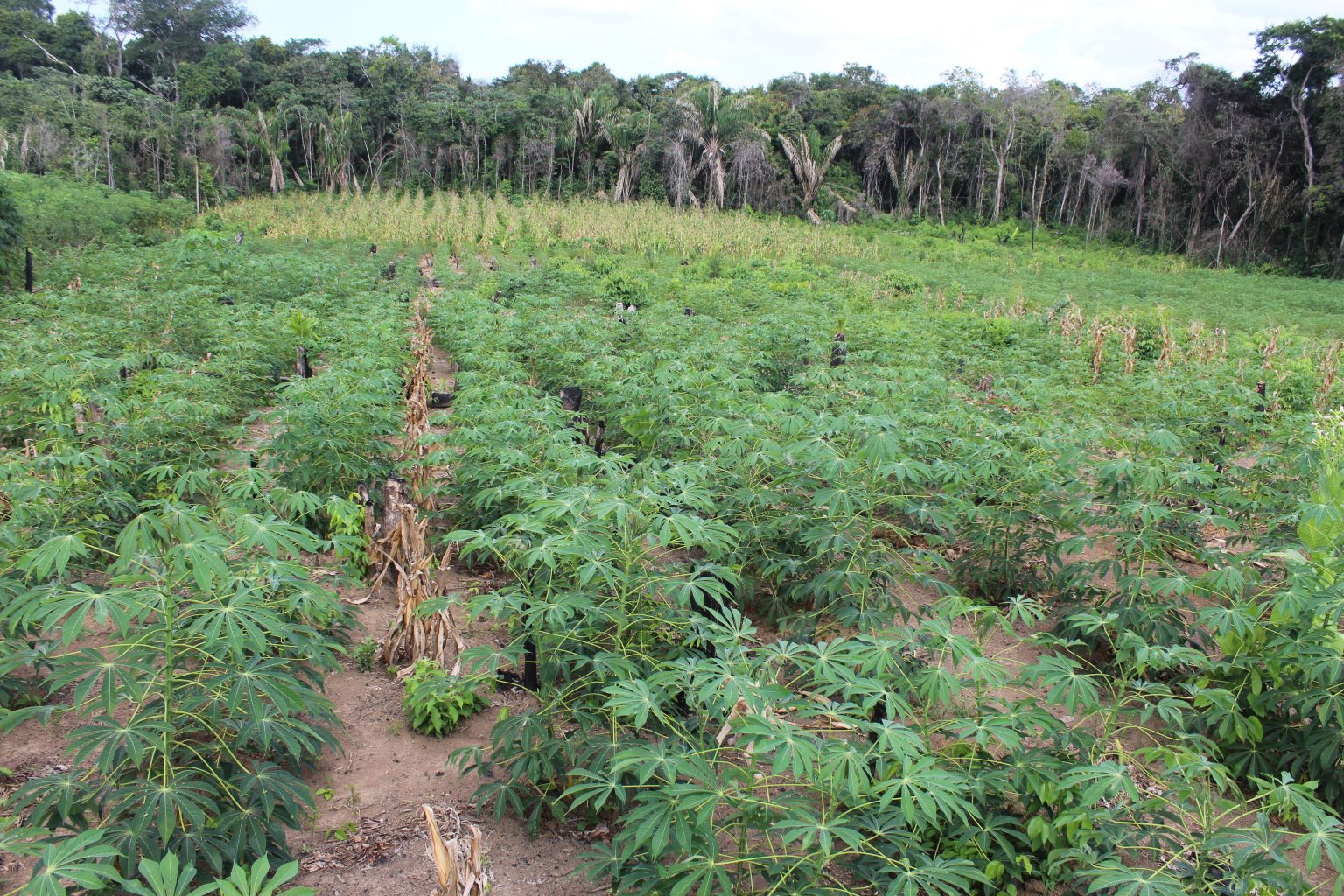
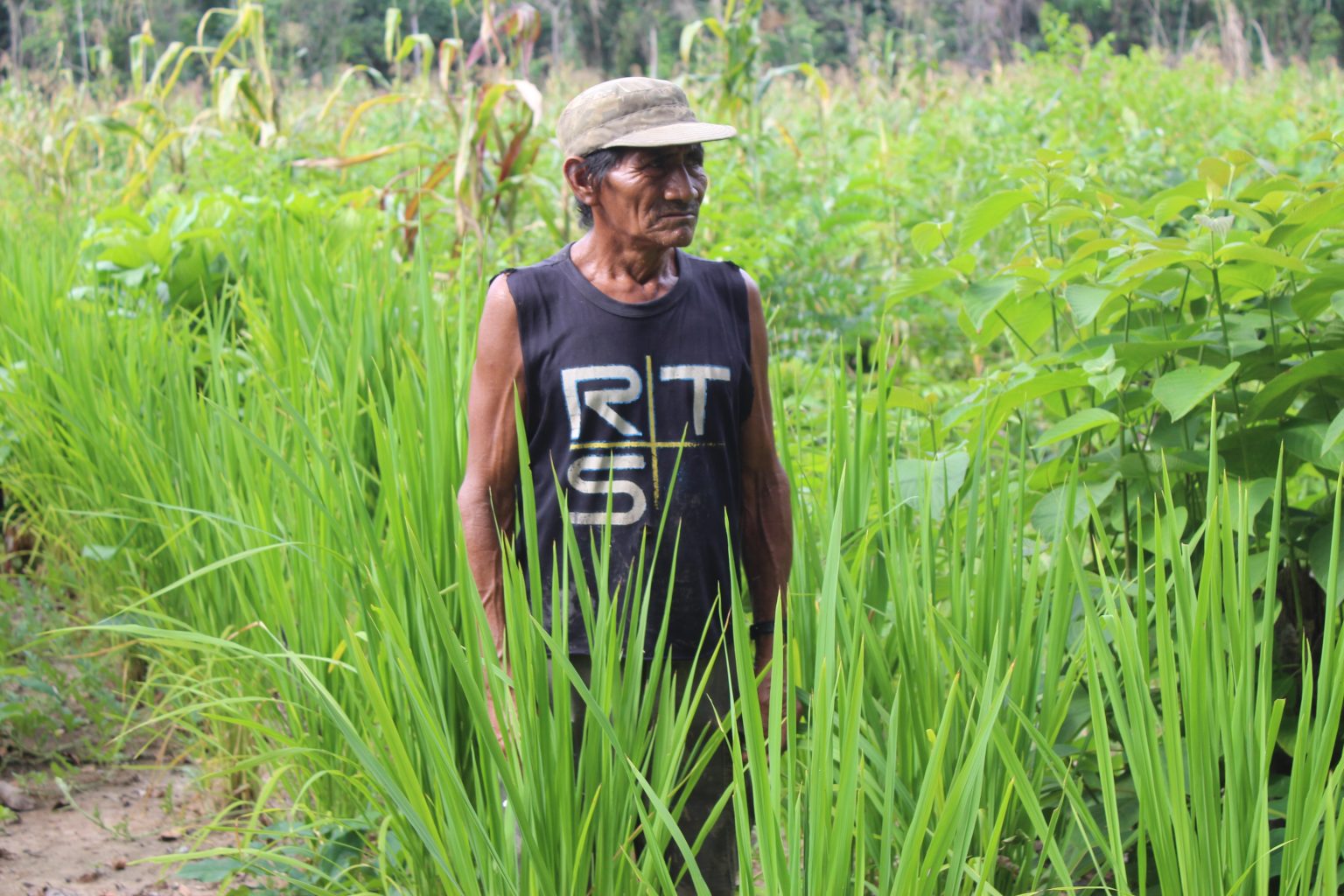
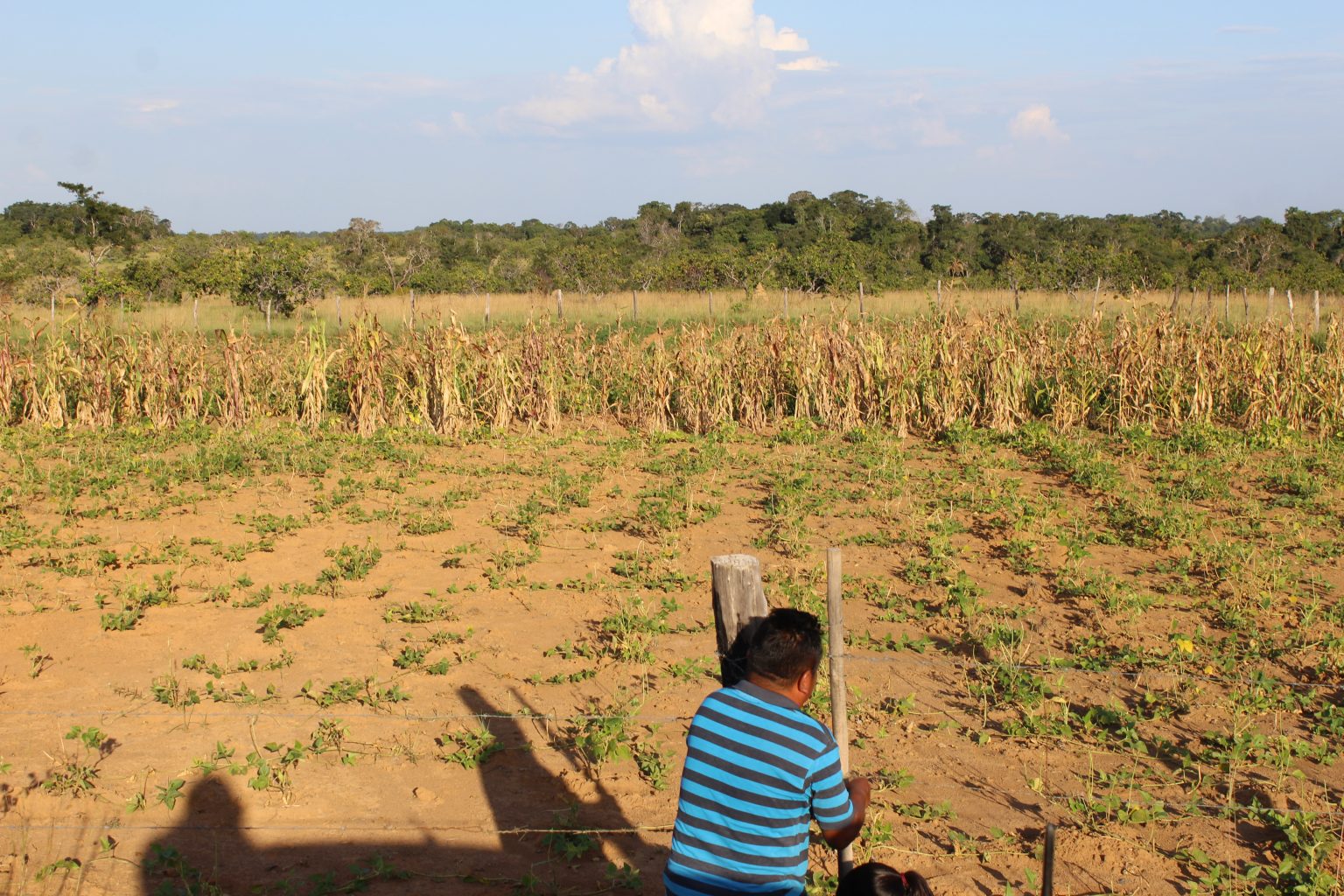
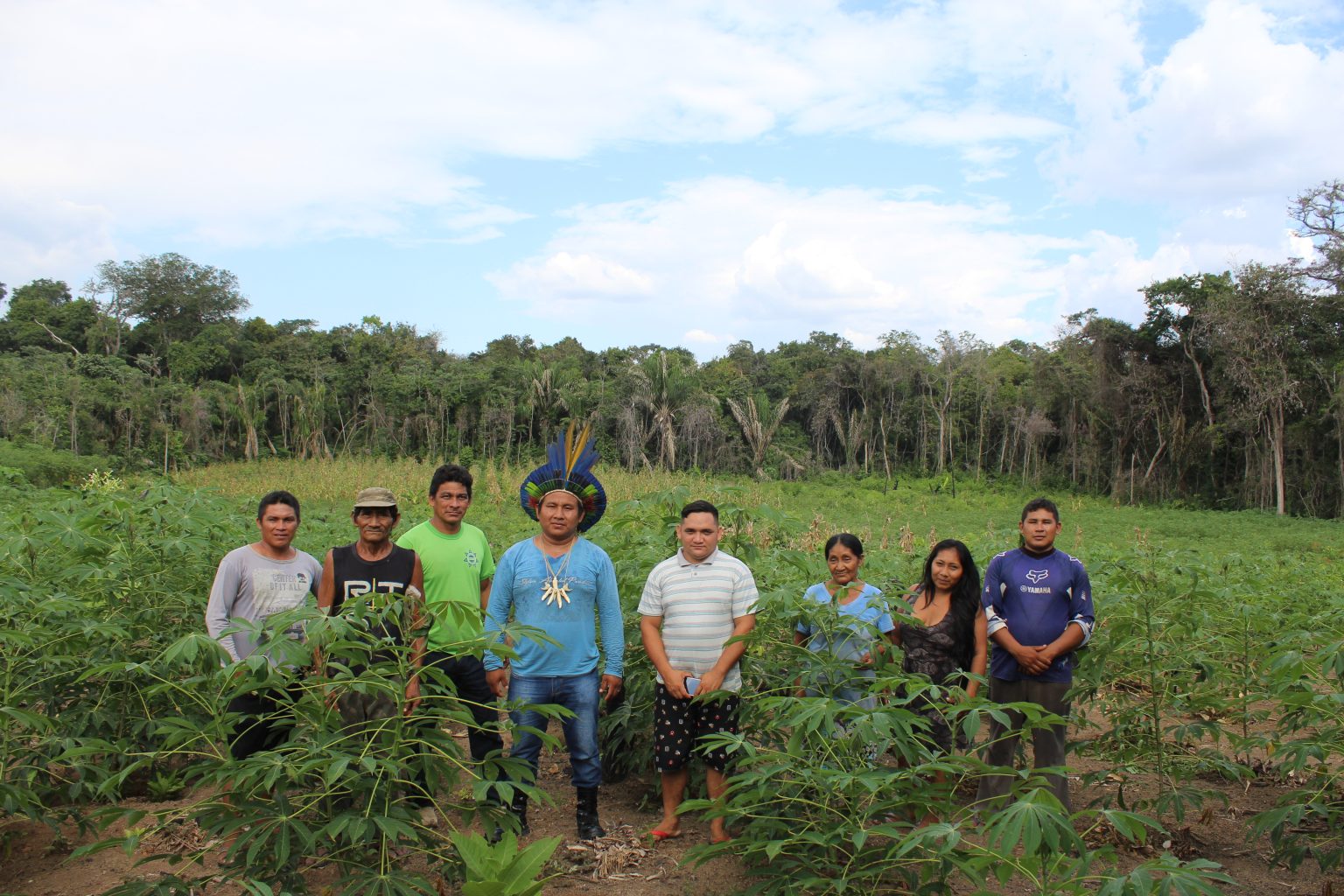
The Coordinator of the Murupu Region, Alexsandro das Chagas, was the one who led the CIR team to the swiddens of the communities of the Serra da Moça, Serra do Truaru, Anzol, Morcego and Truaru da Cabeceira Indigenous Land. "For us it is a great incentive to see the productions. This is what we reinforce and this is what we want, and to tell our state that we know how to produce and know how to work", highlighted the leader.
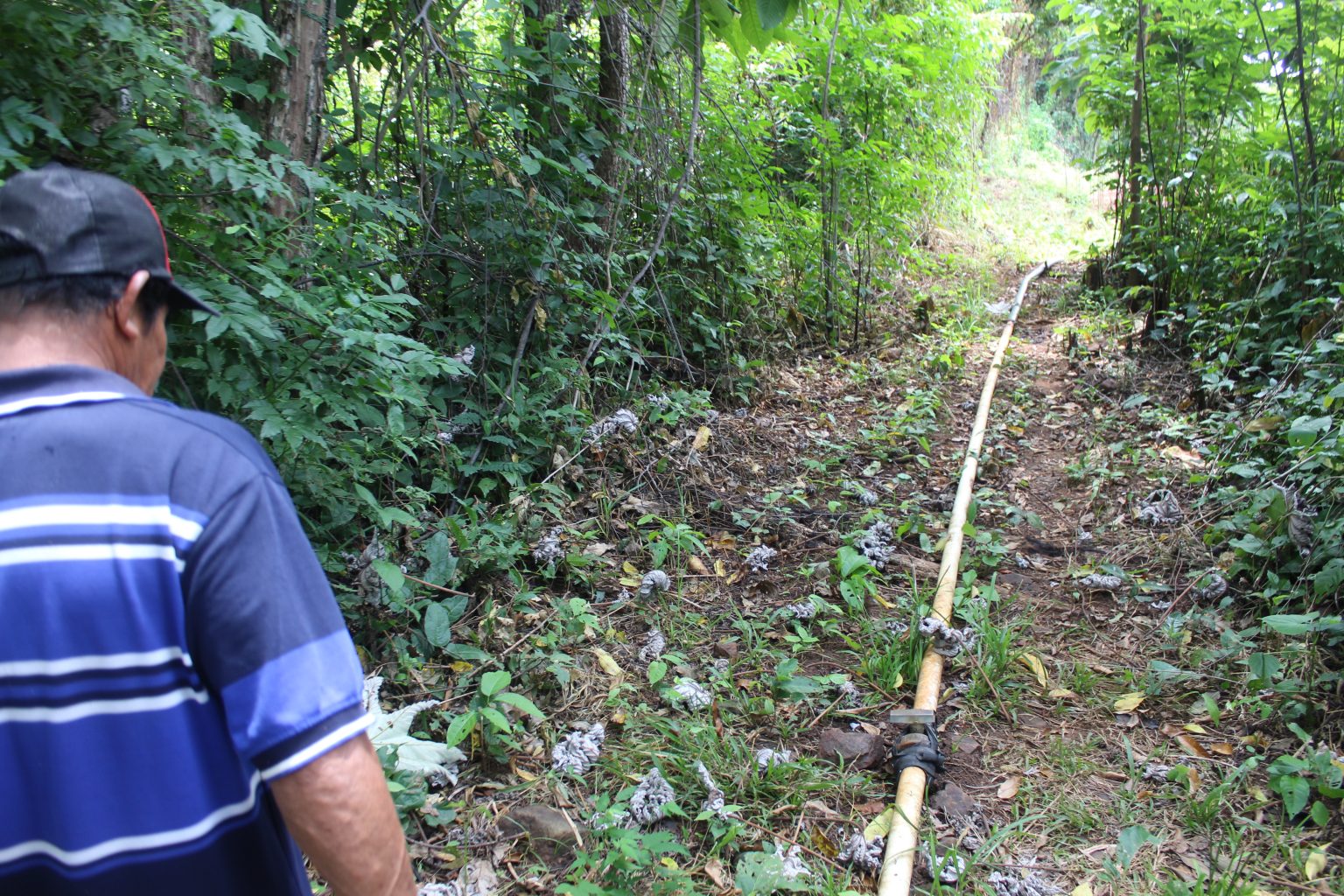
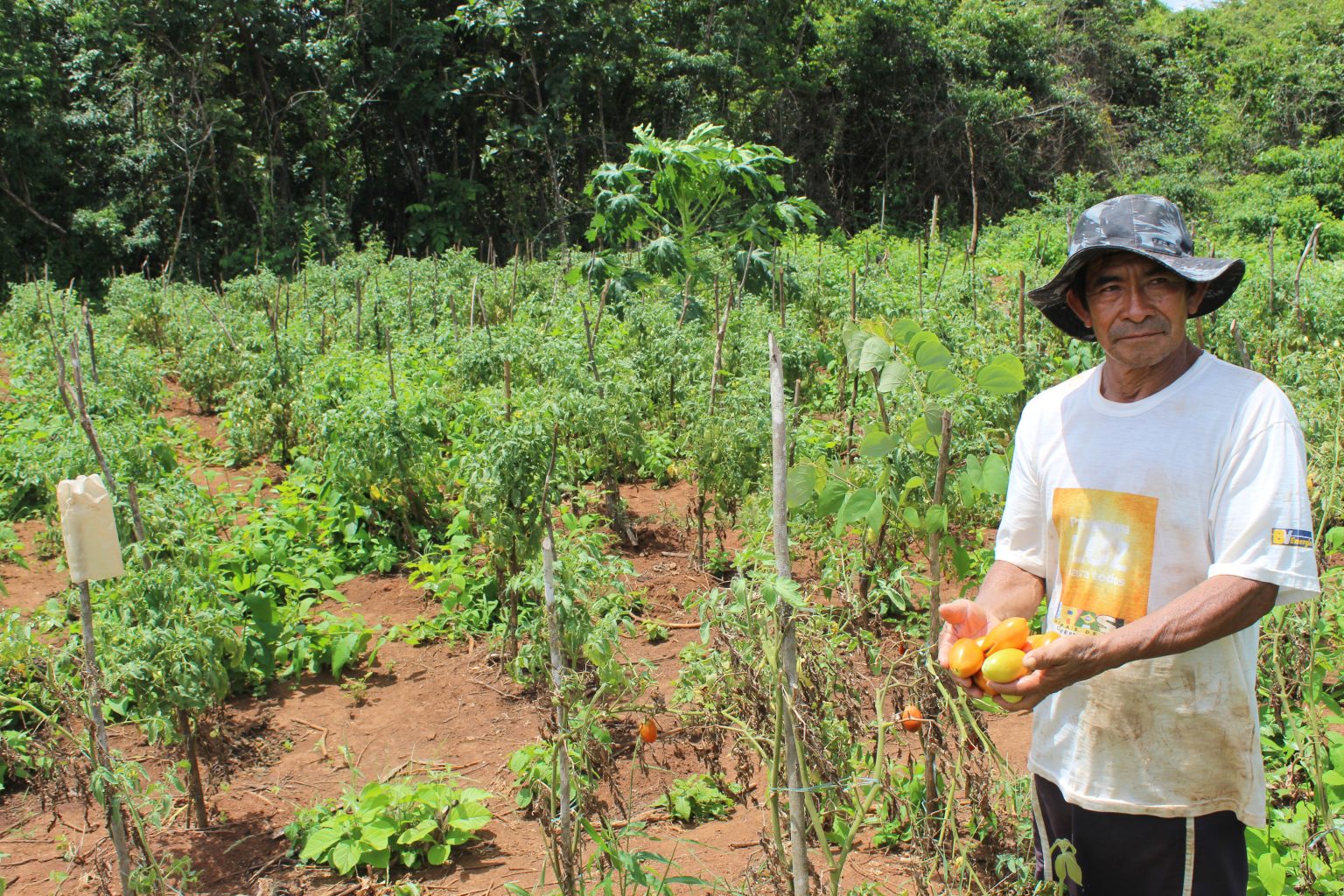
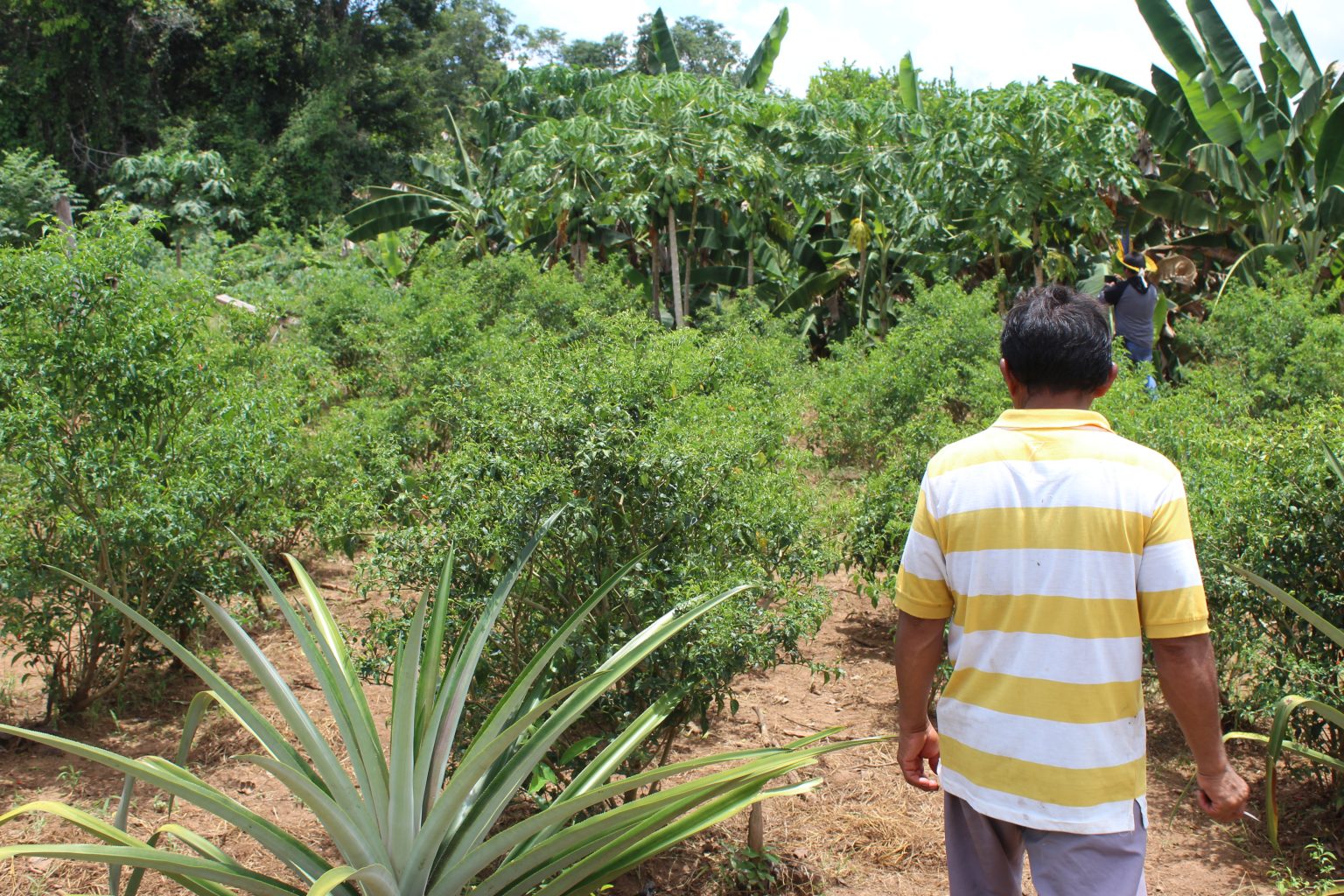
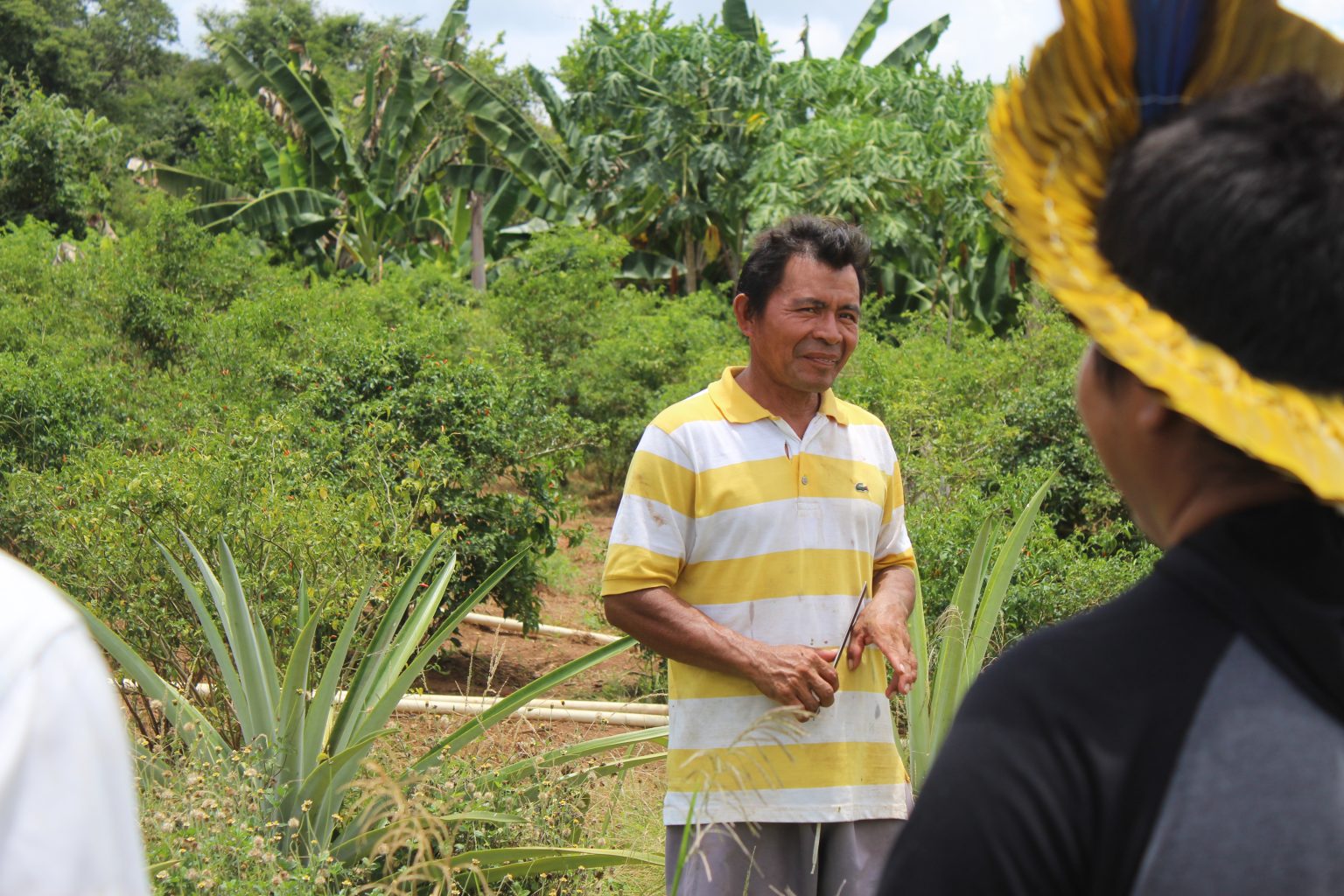
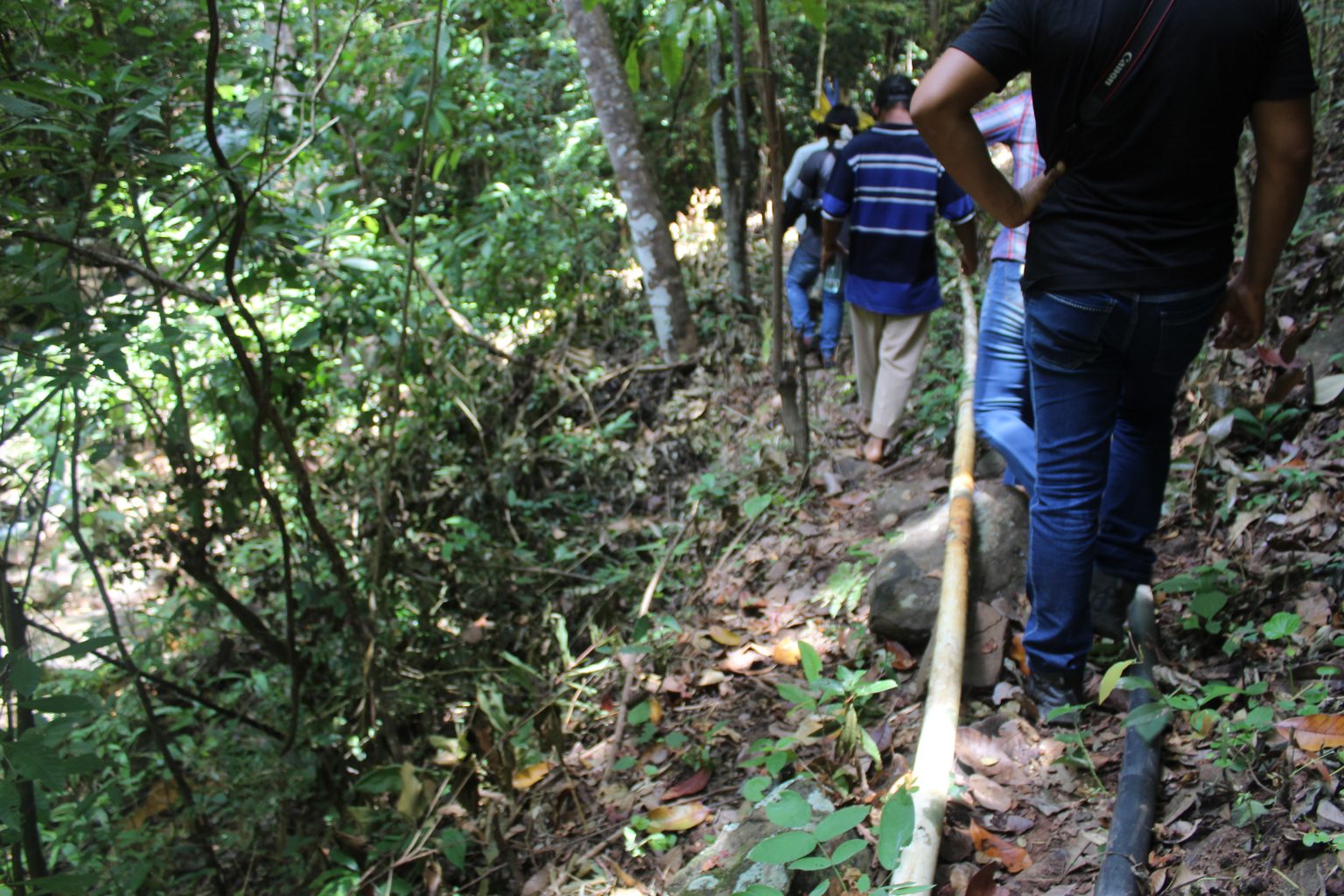
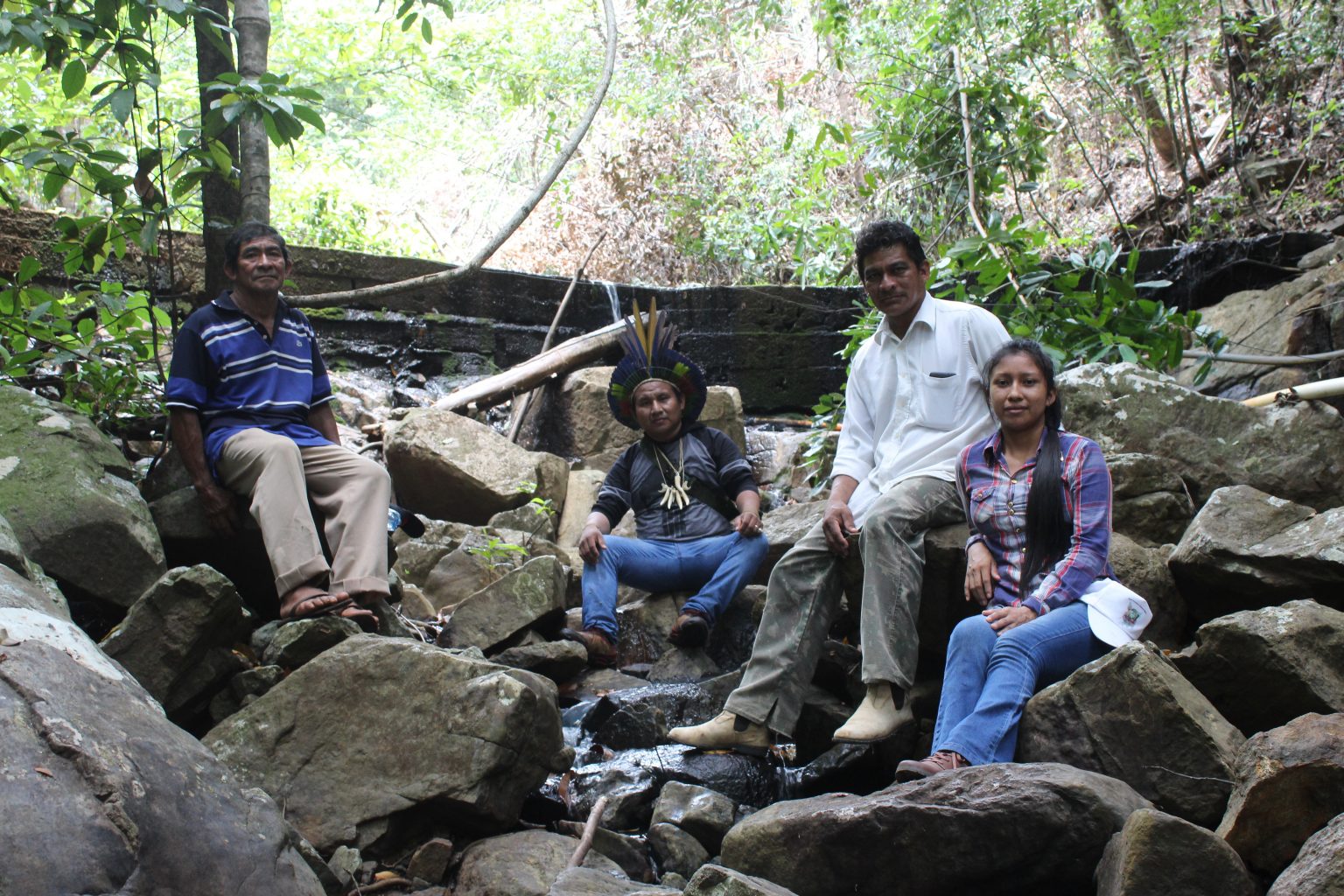
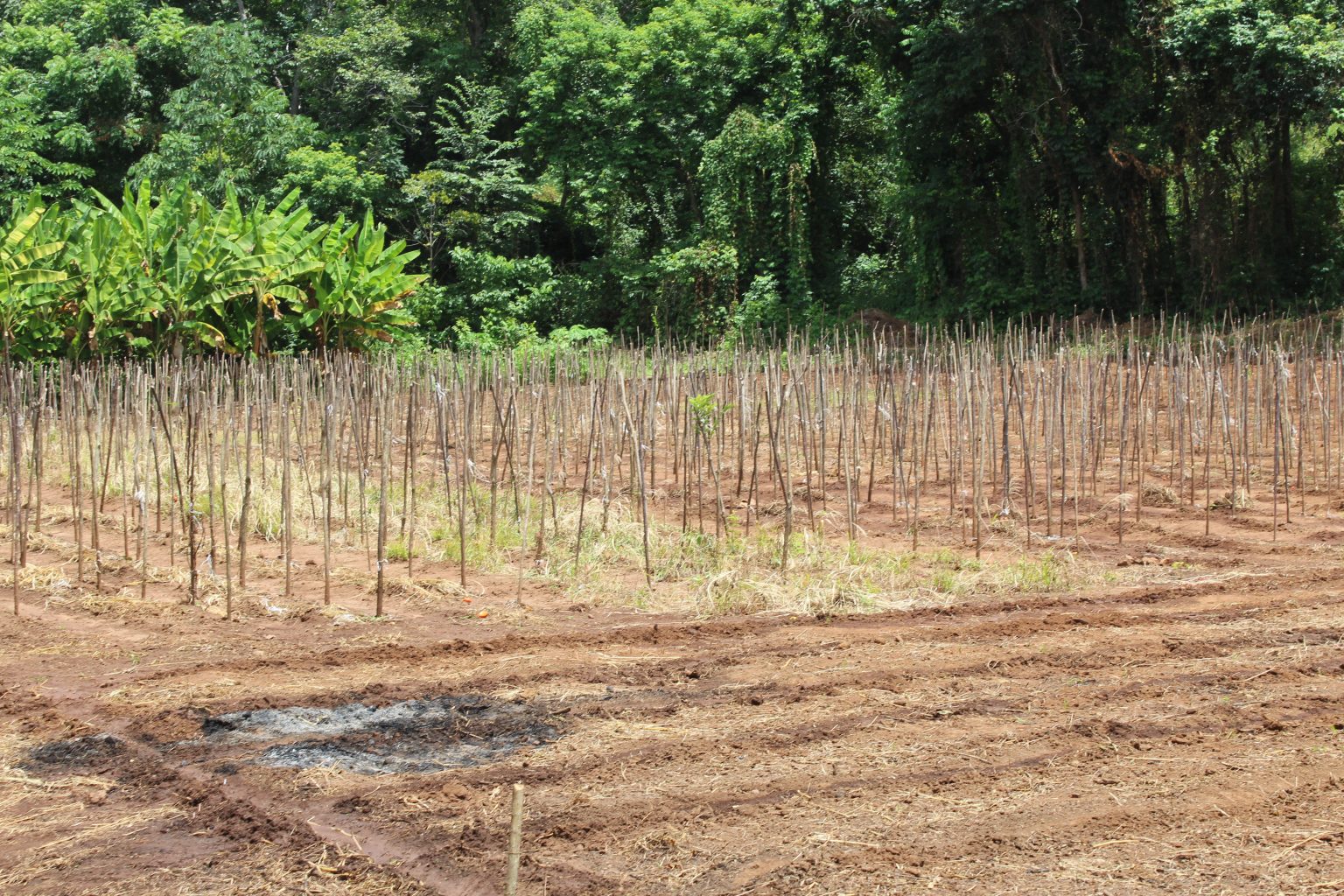
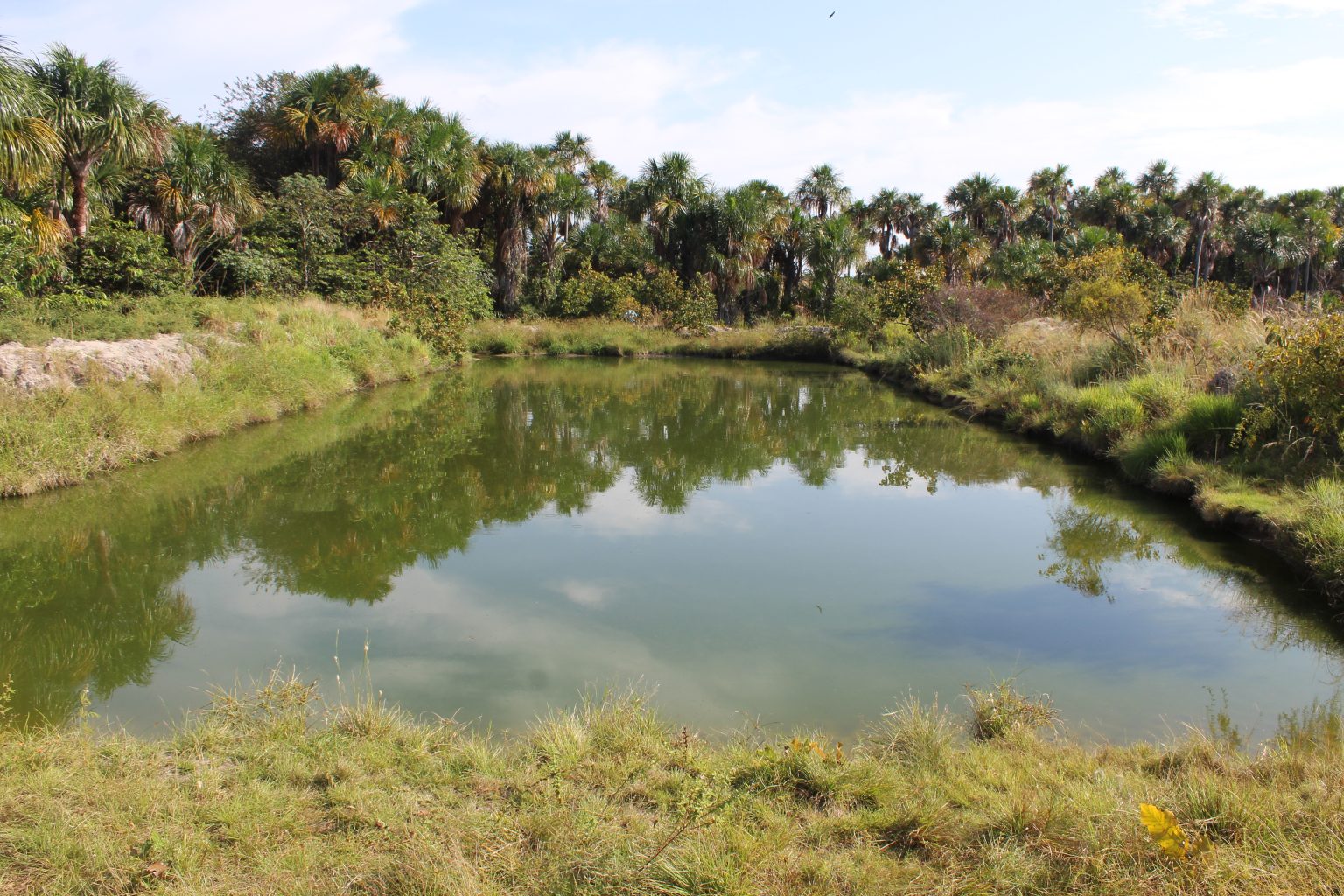
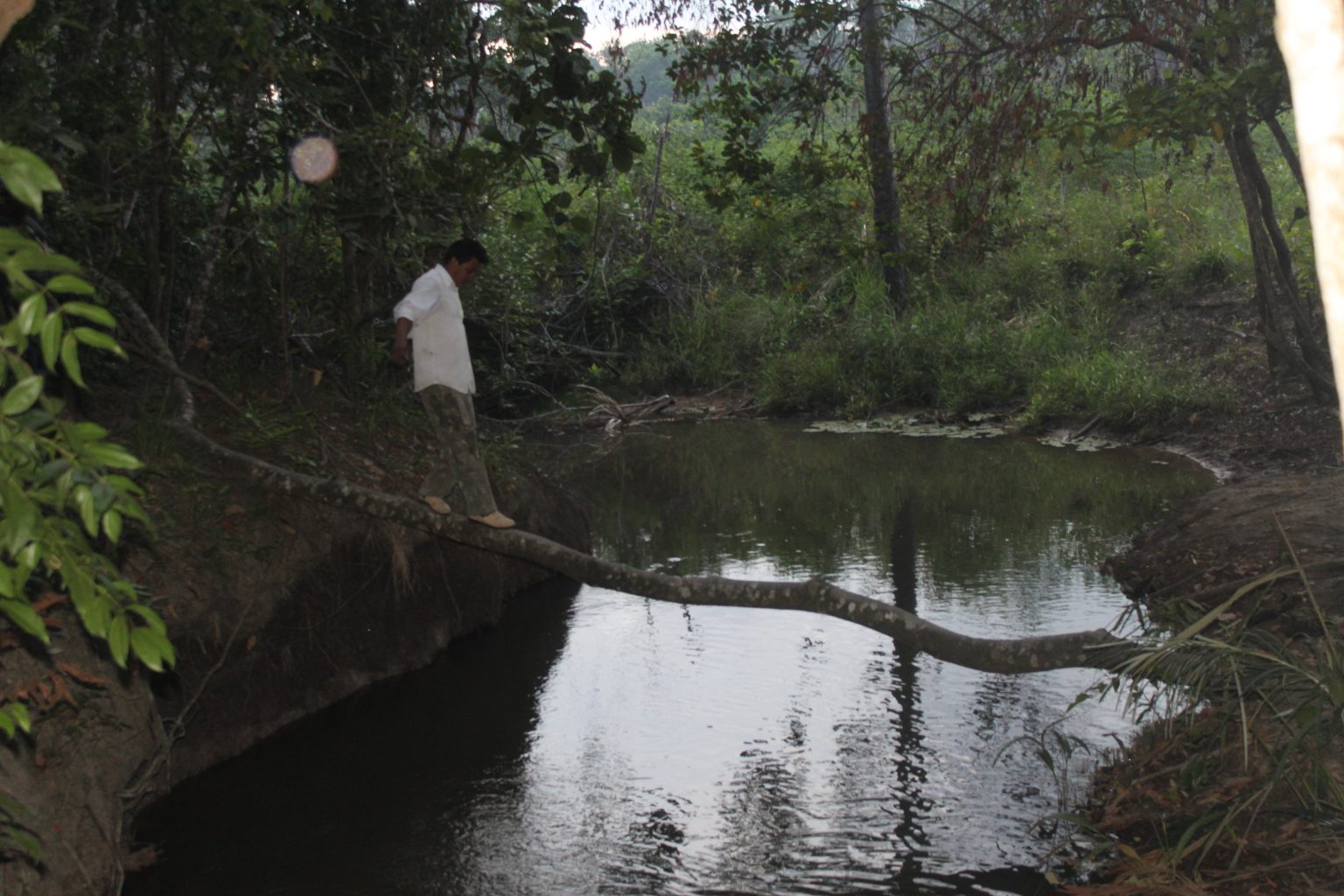
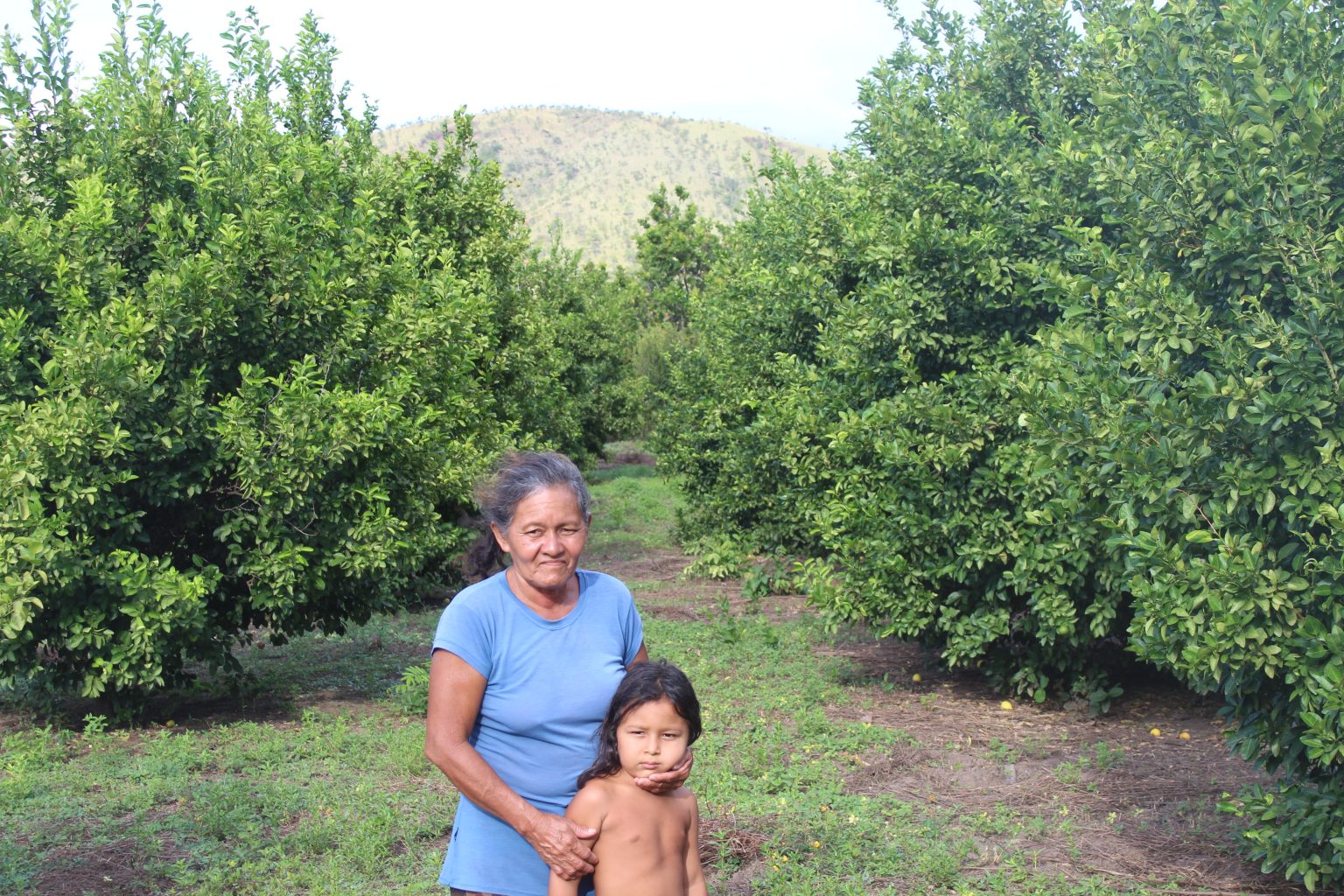
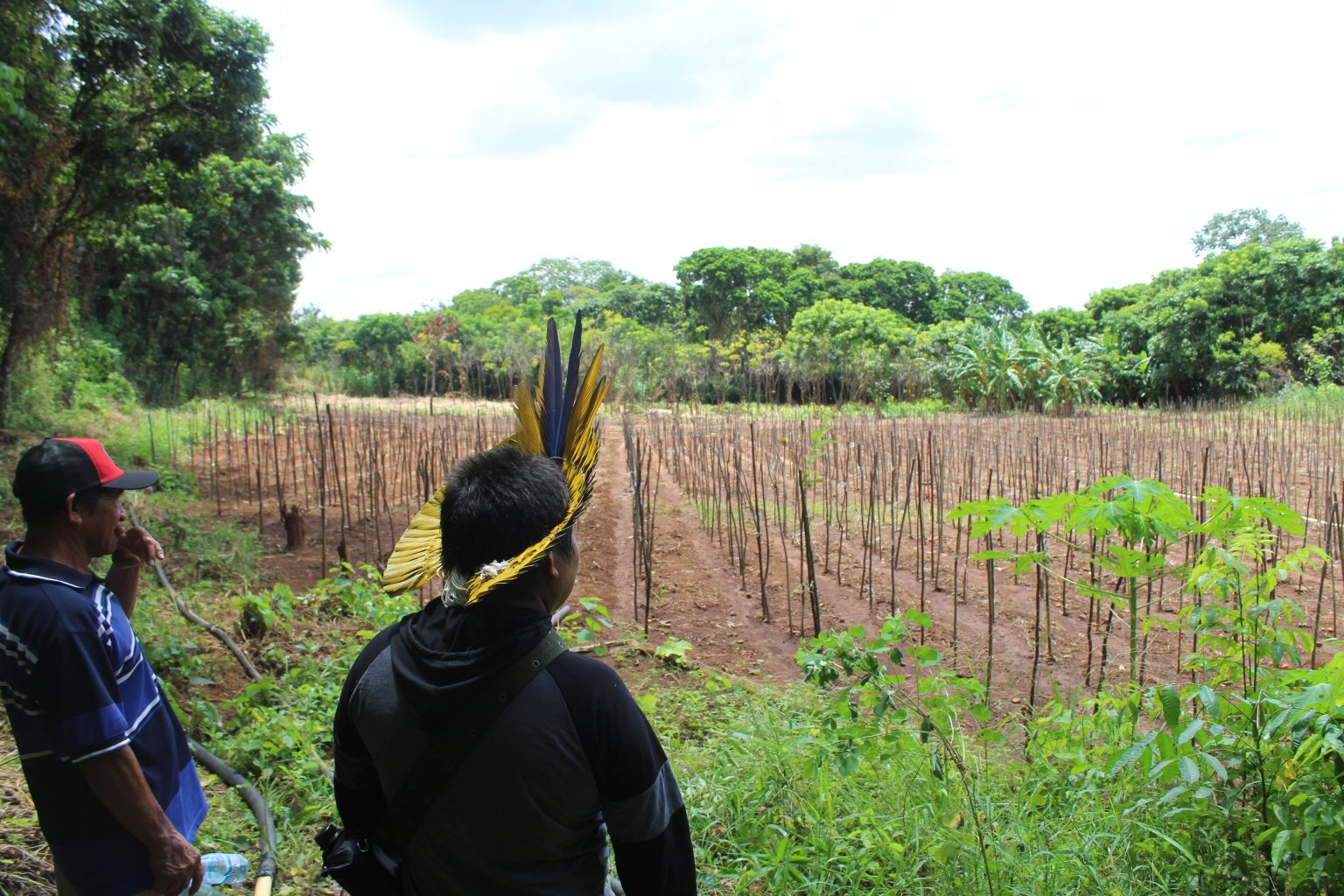
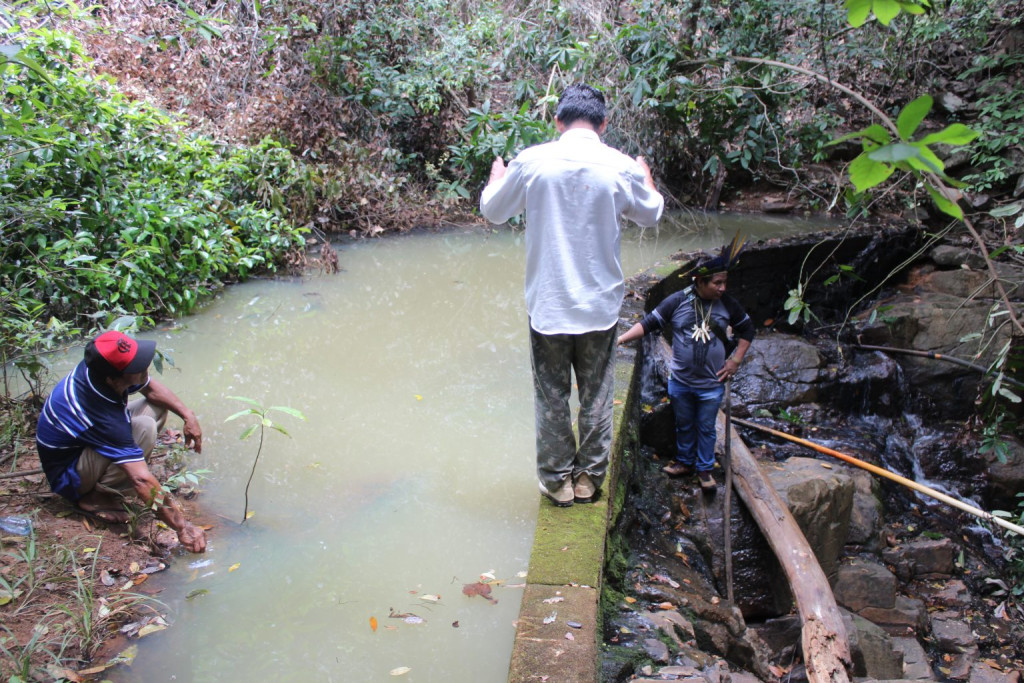
With family and community gardens, part of the Murupu region stands out for making use of water from the mountains, through a 20-meter-long dam. All the water goes down through pipes for agricultural activities. In some areas, the pipes are more than 800 meters between the productions and the dam. Other gardens closer to the area have up to 300 meters of pipes. It is important to mention that all production is controlled, since water is one of the precious assets of the area.
Mr. Justino Carlos dos Santos, one of the residents and producer of the Serra da Moça community, said that the dam has existed since the 1970s and has always been used by the communities for production. The dam serves approximately 15 families in their respective fields. "The water was already used for a dam a long time ago, but as it was a dam for fish and plantation, they decided to plant," he said.
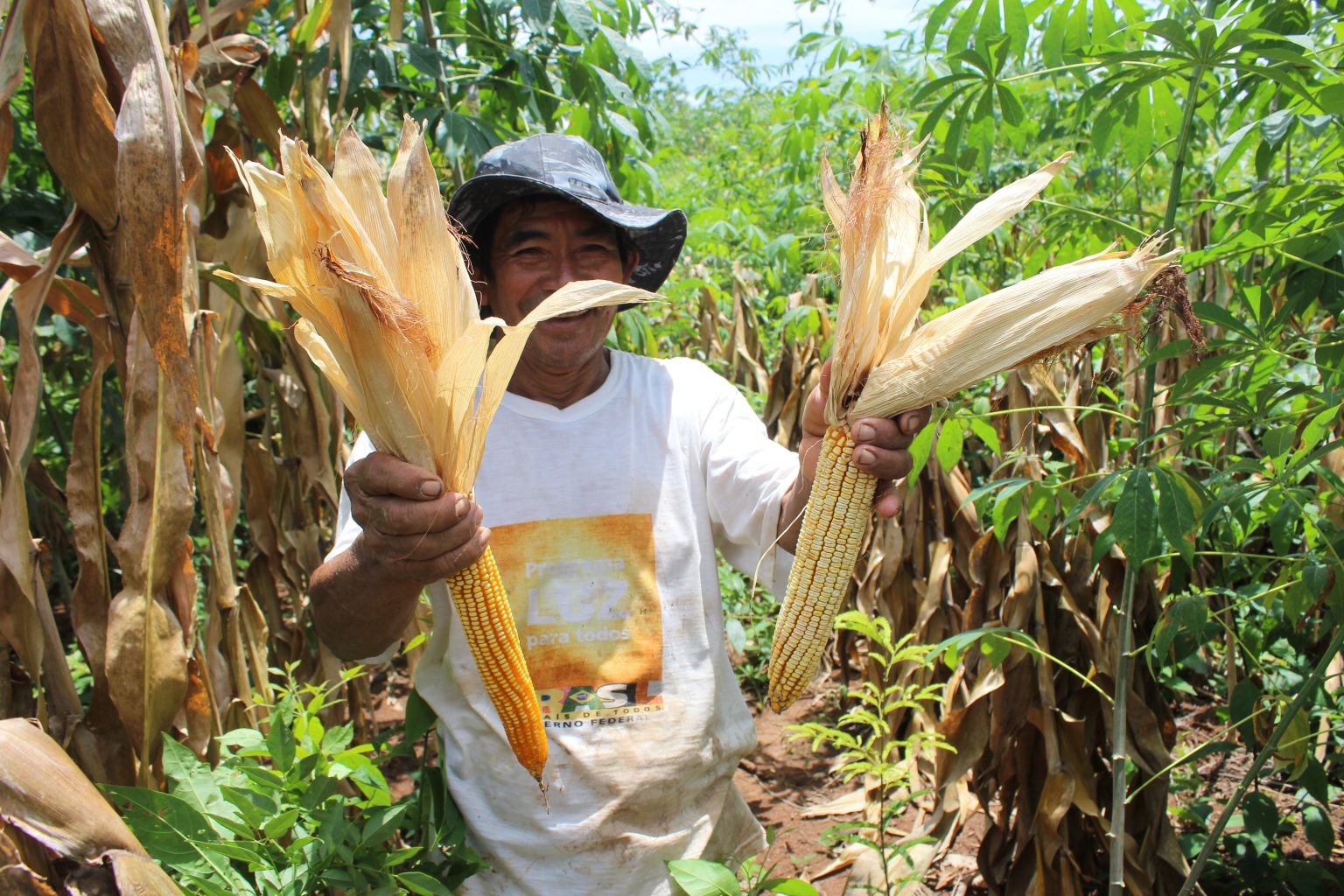
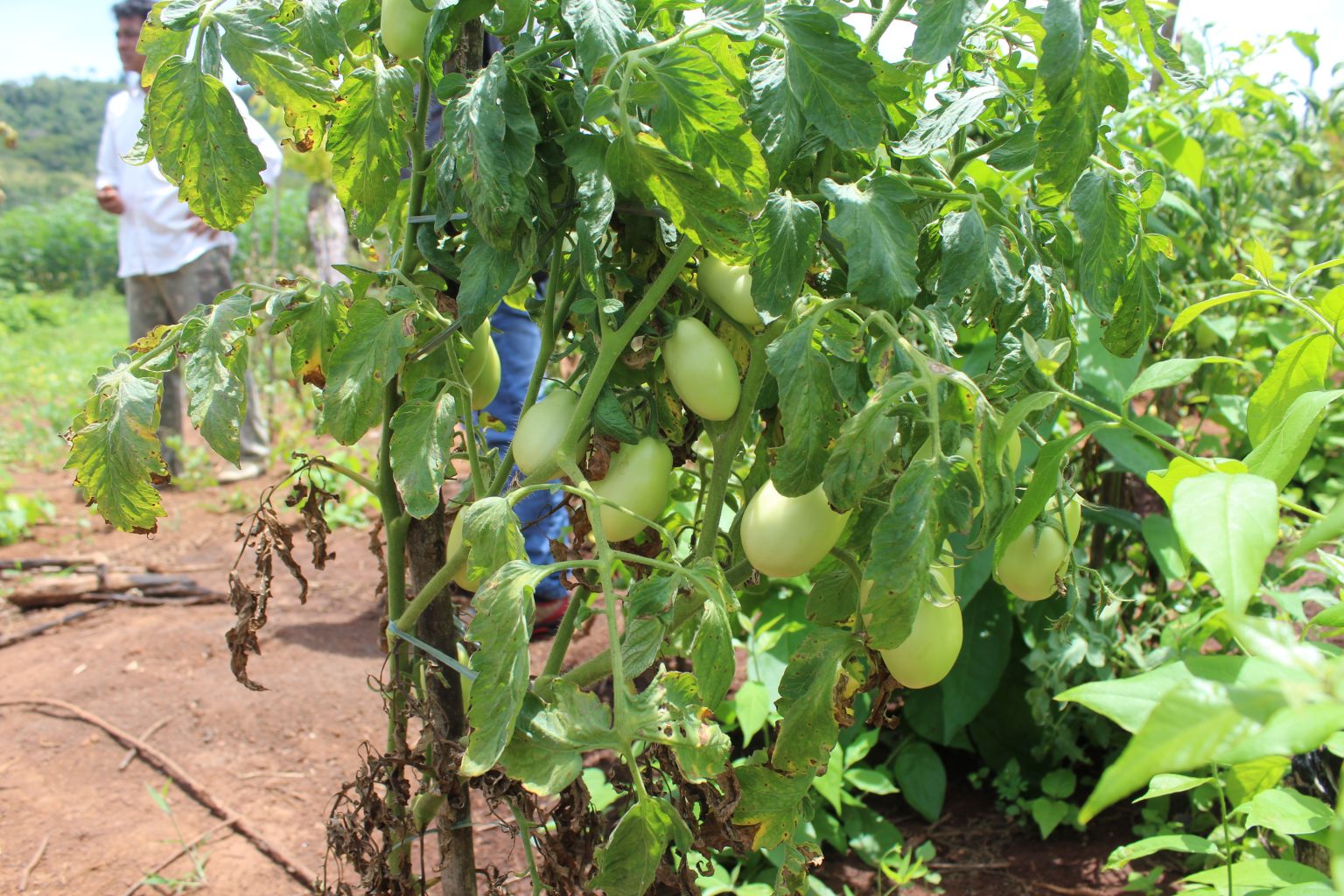
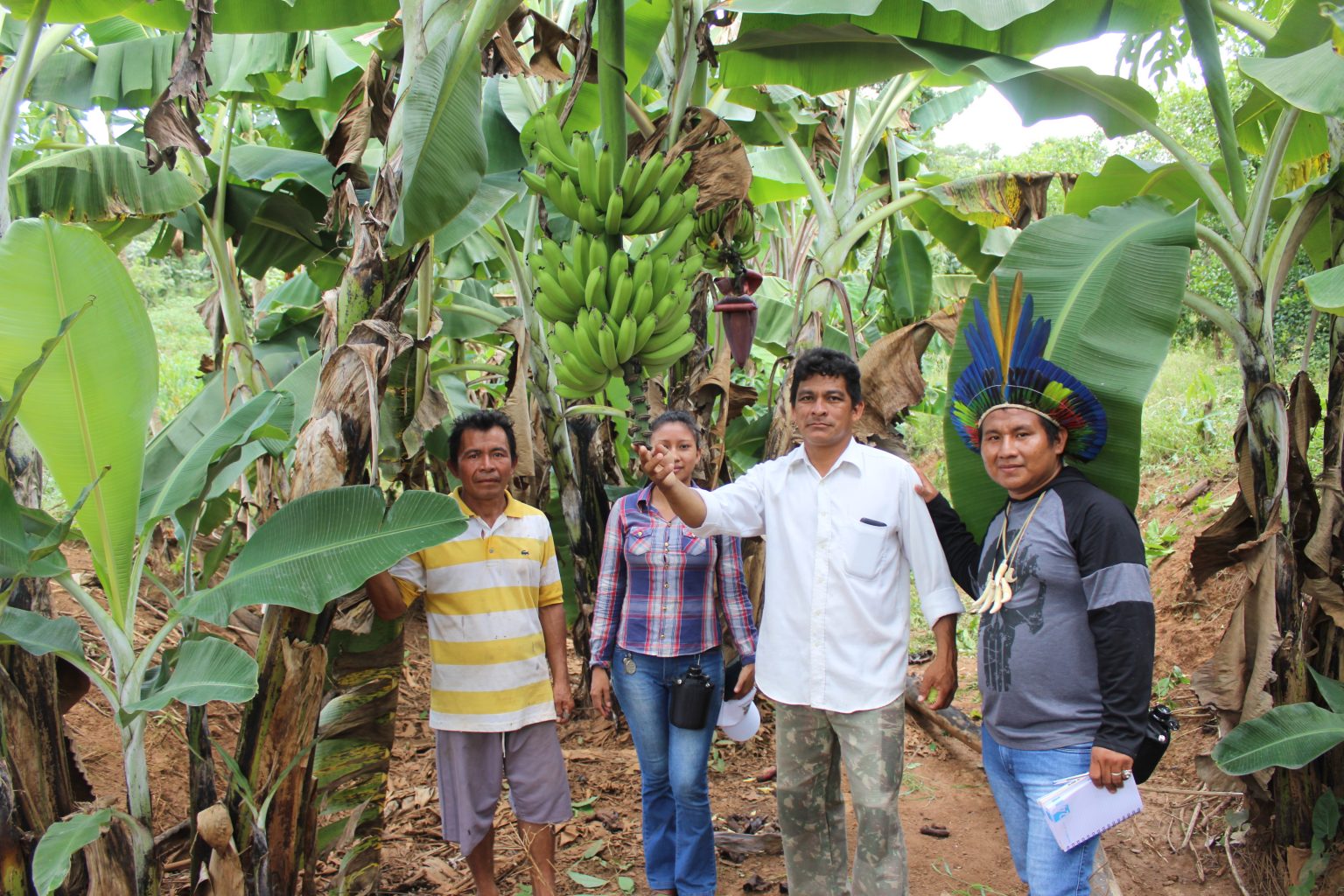
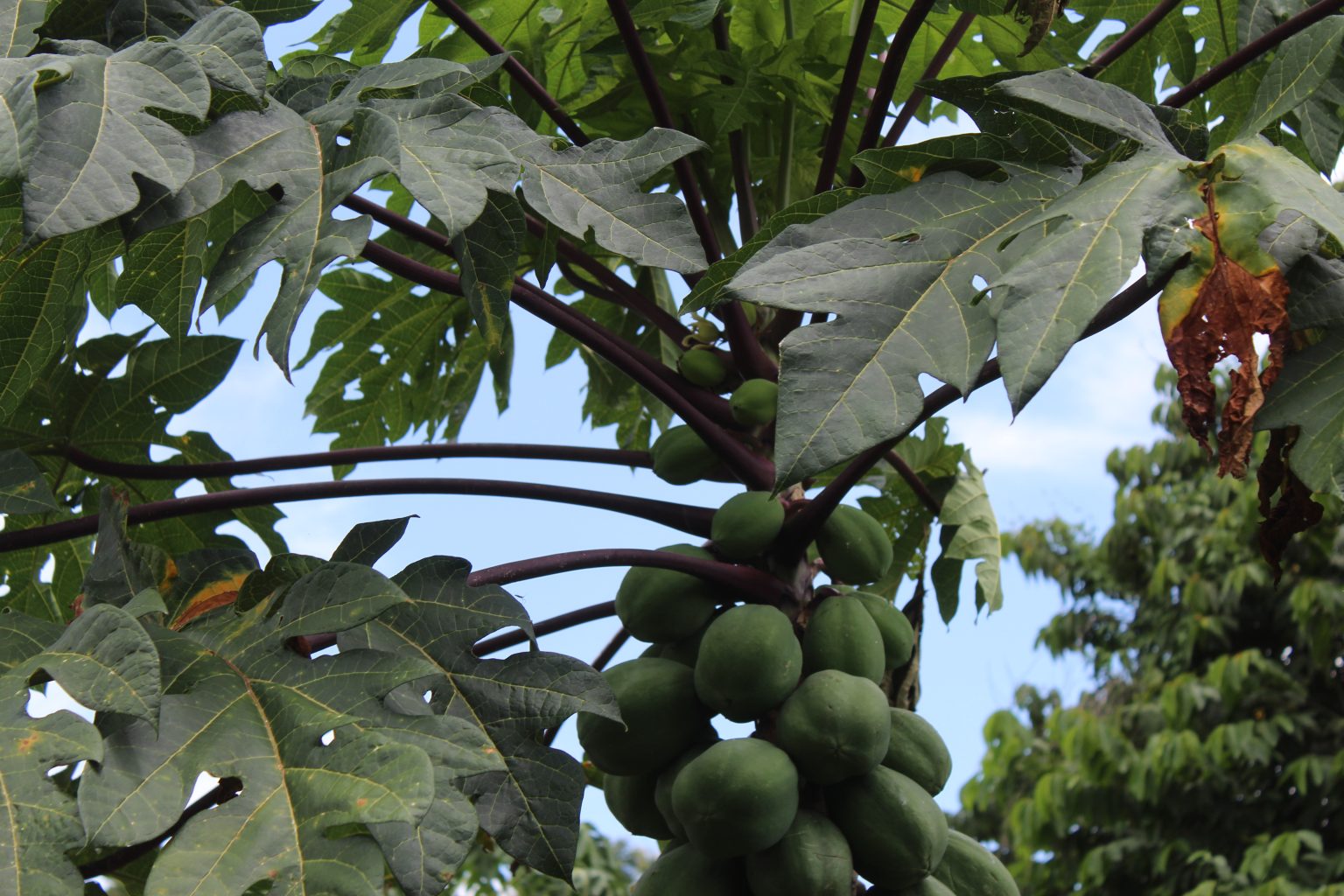
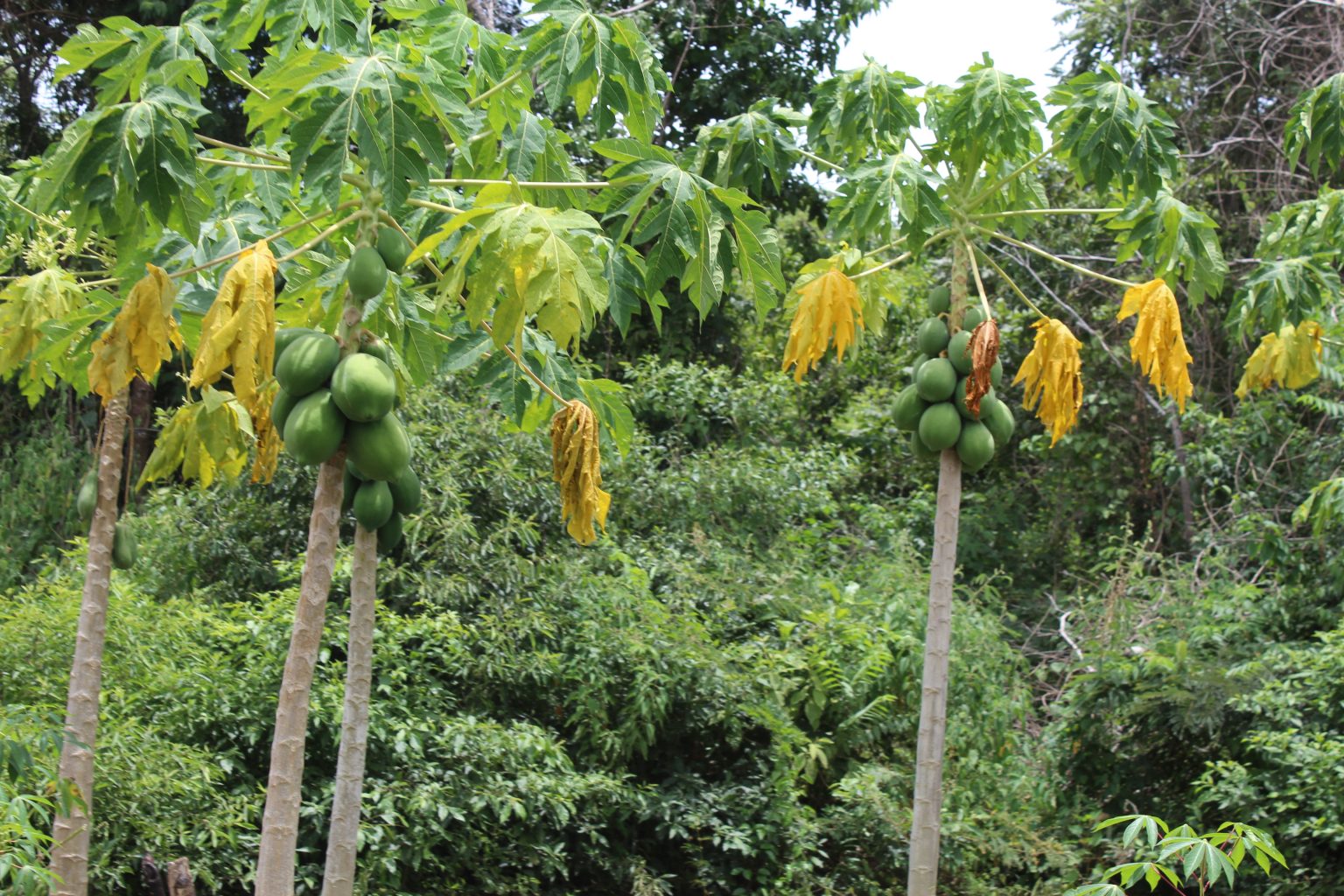
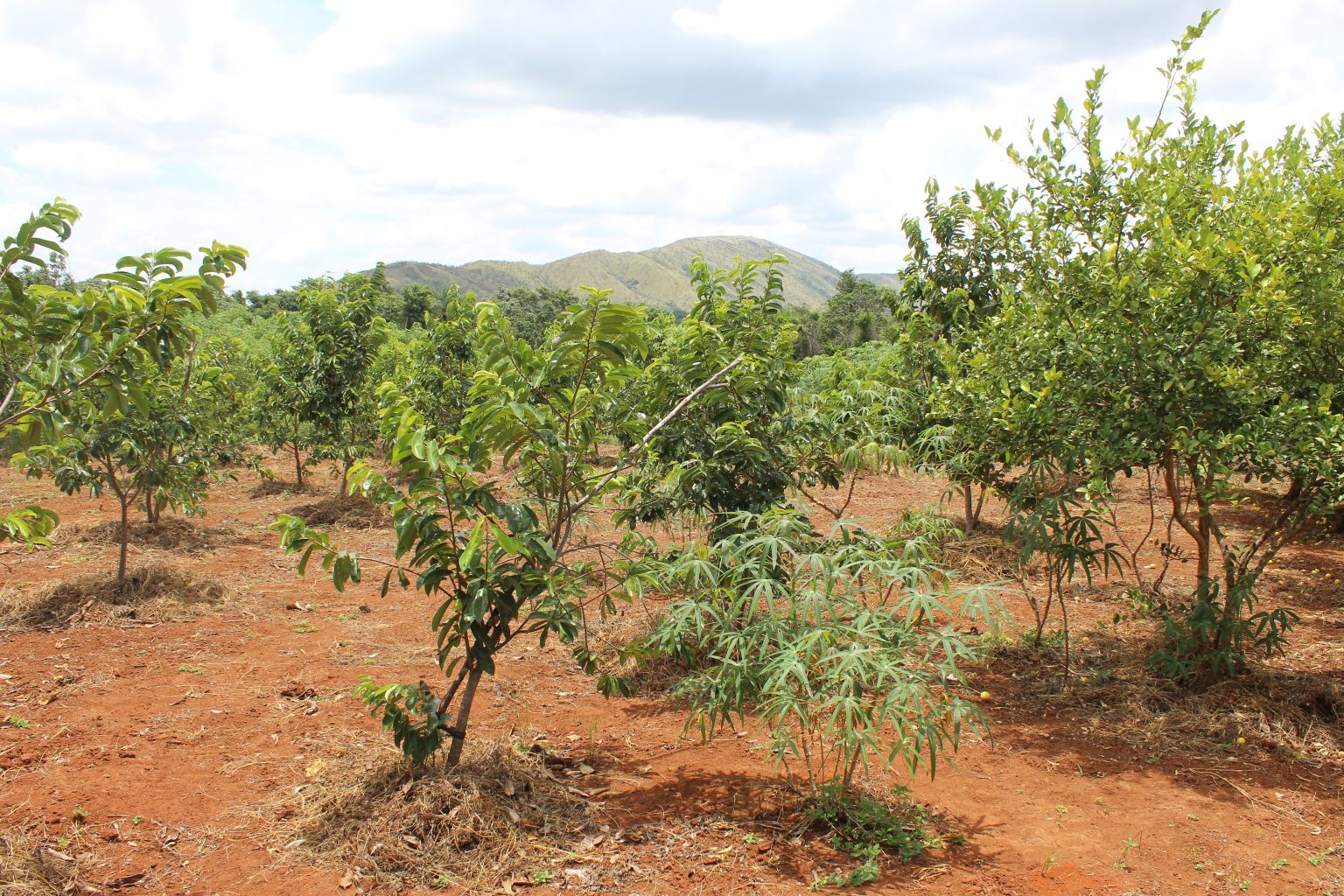
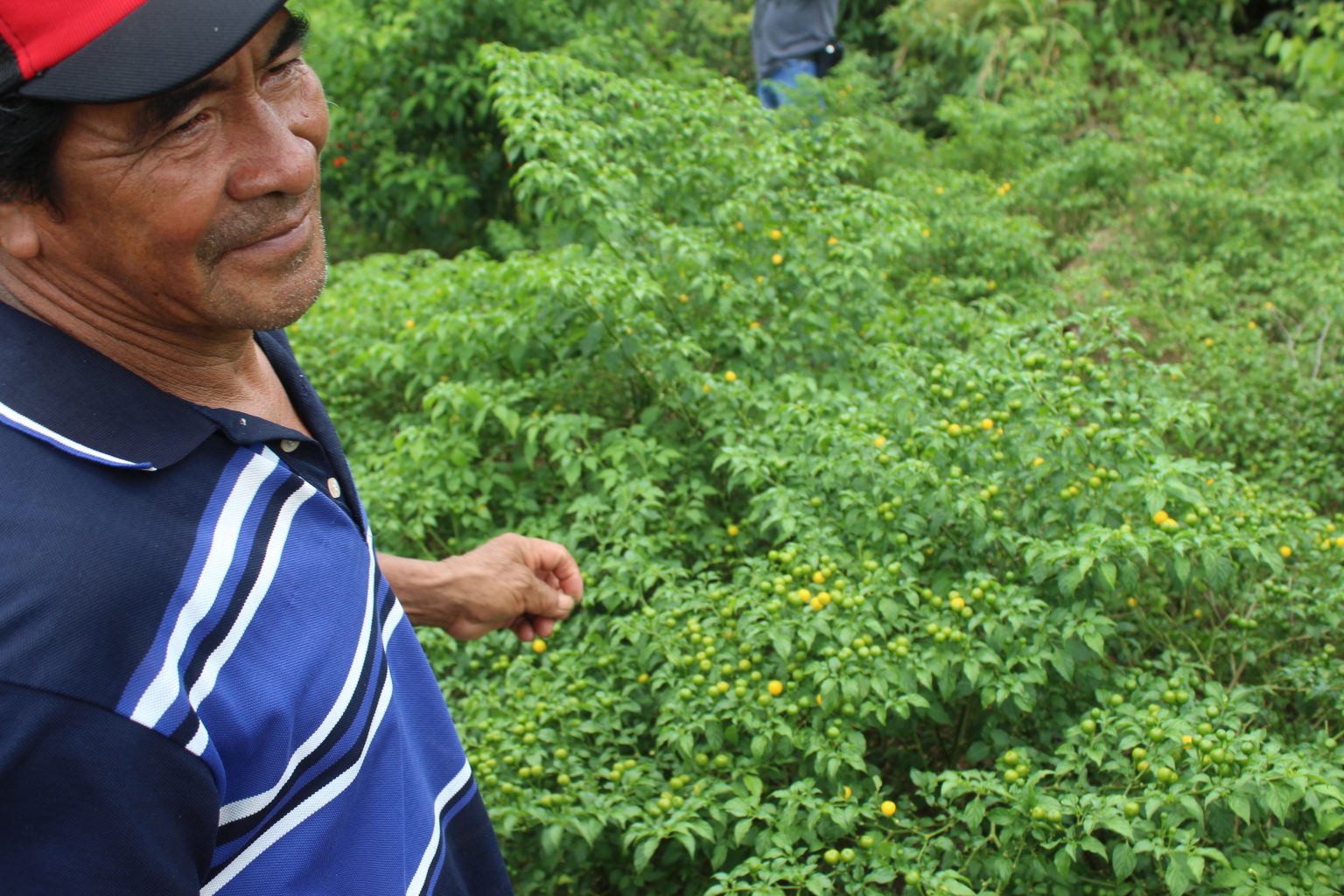
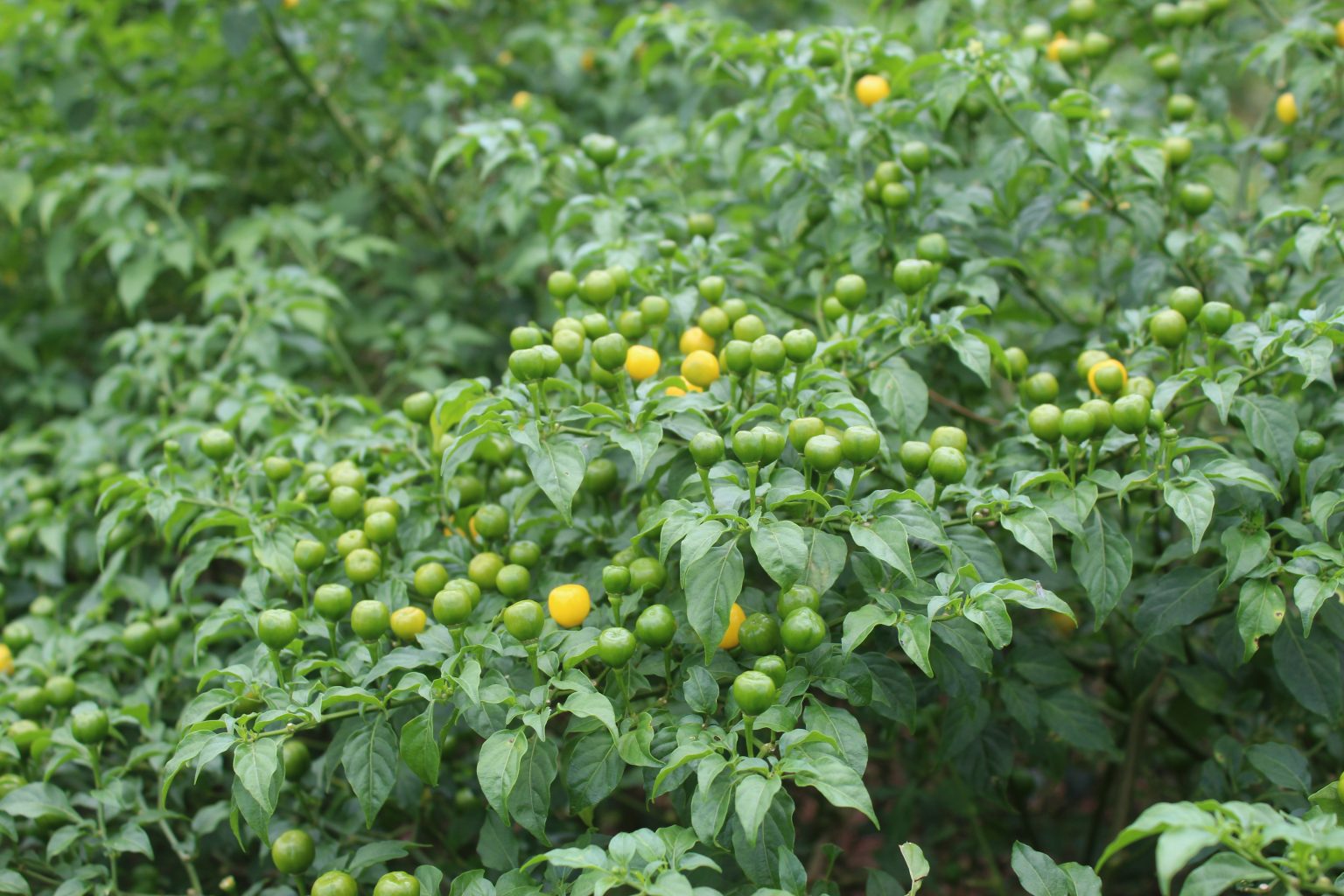
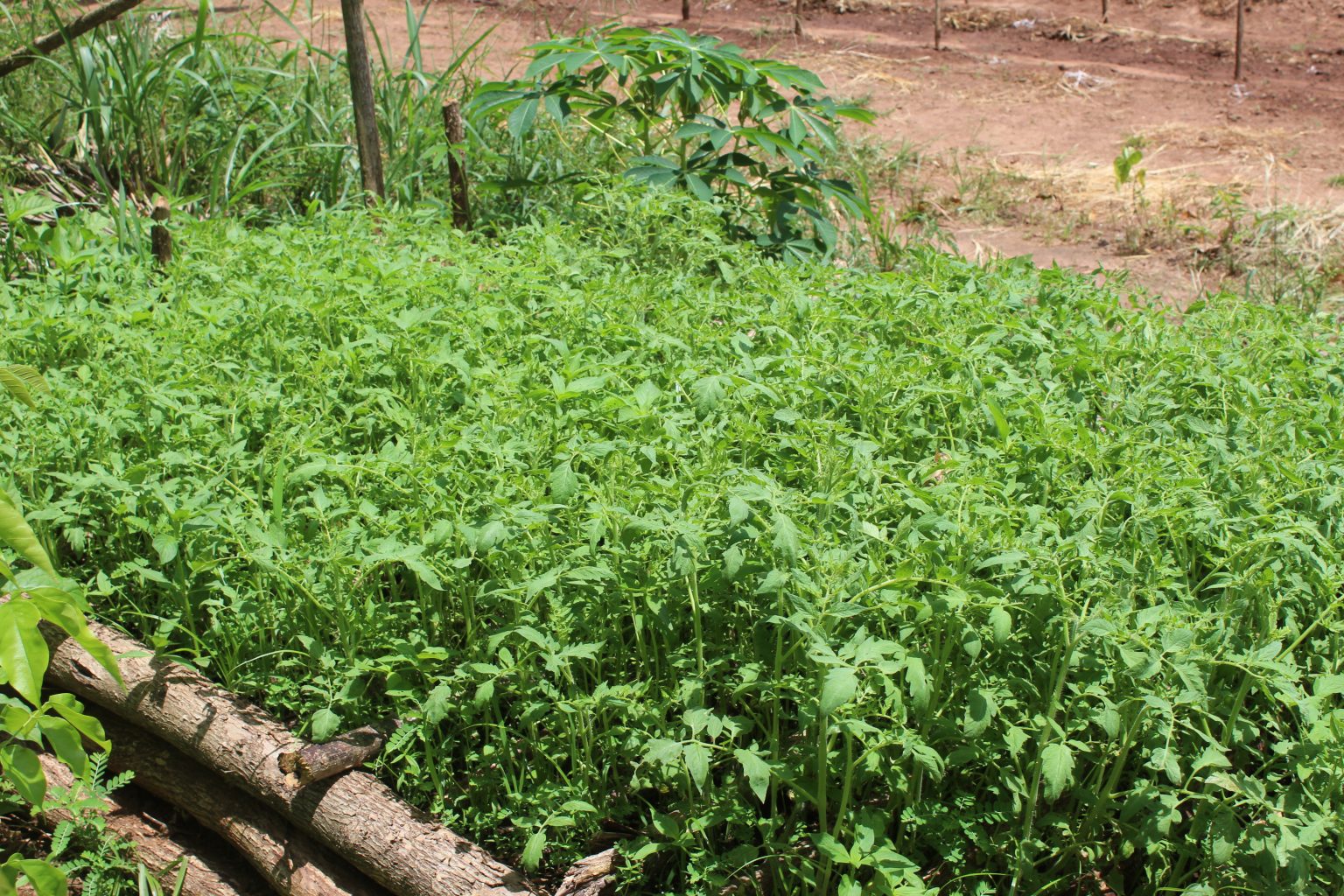
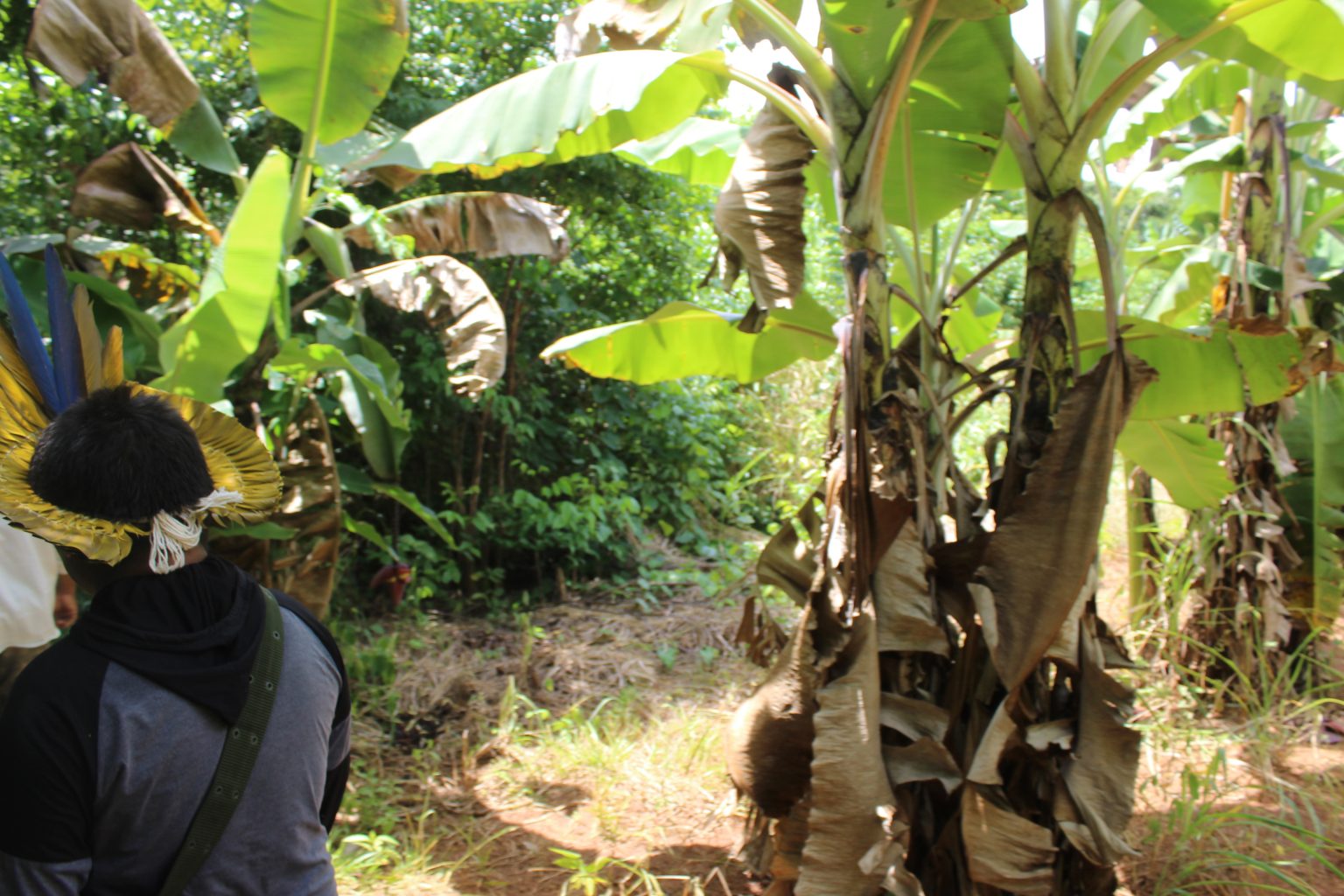
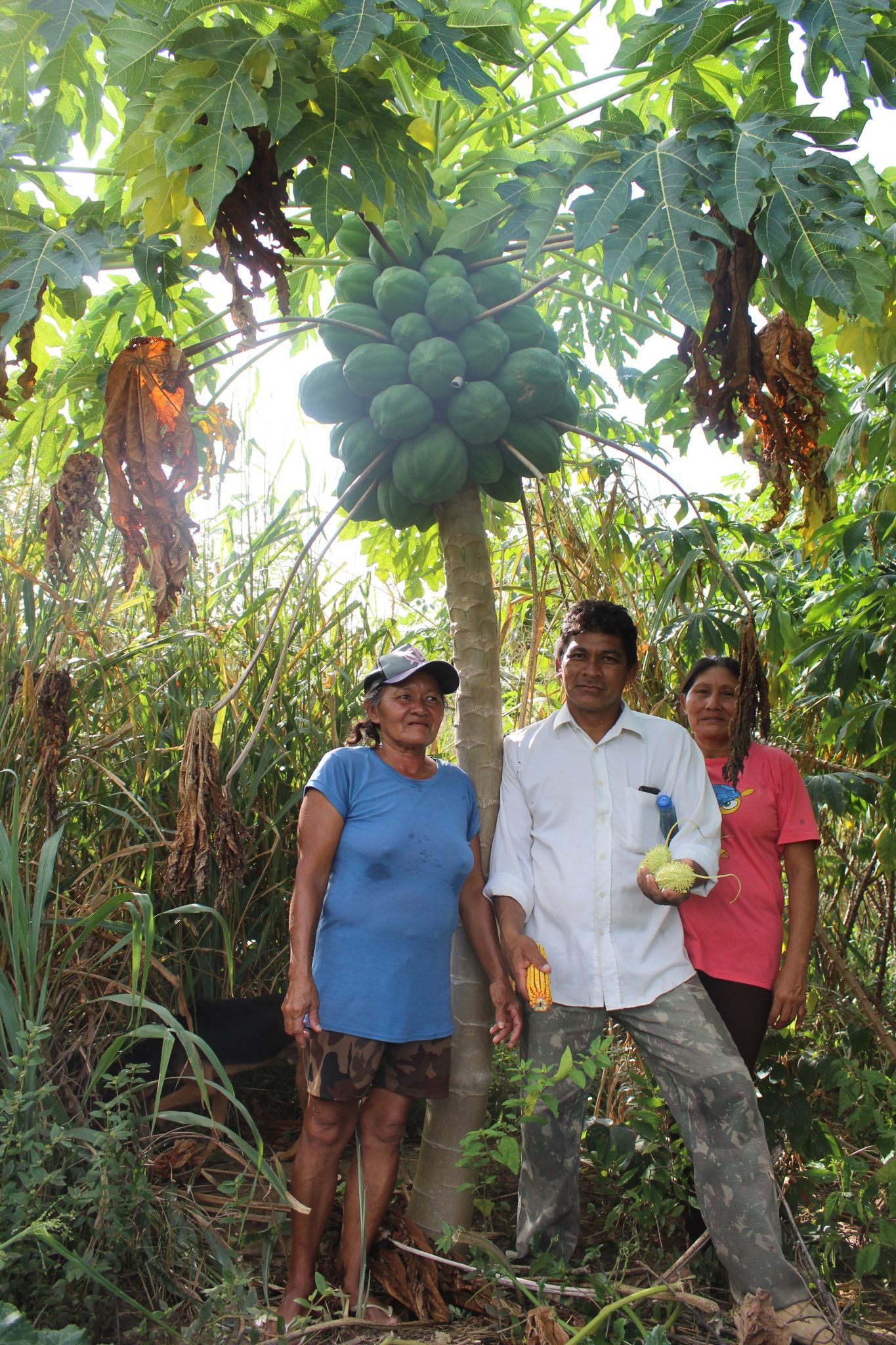
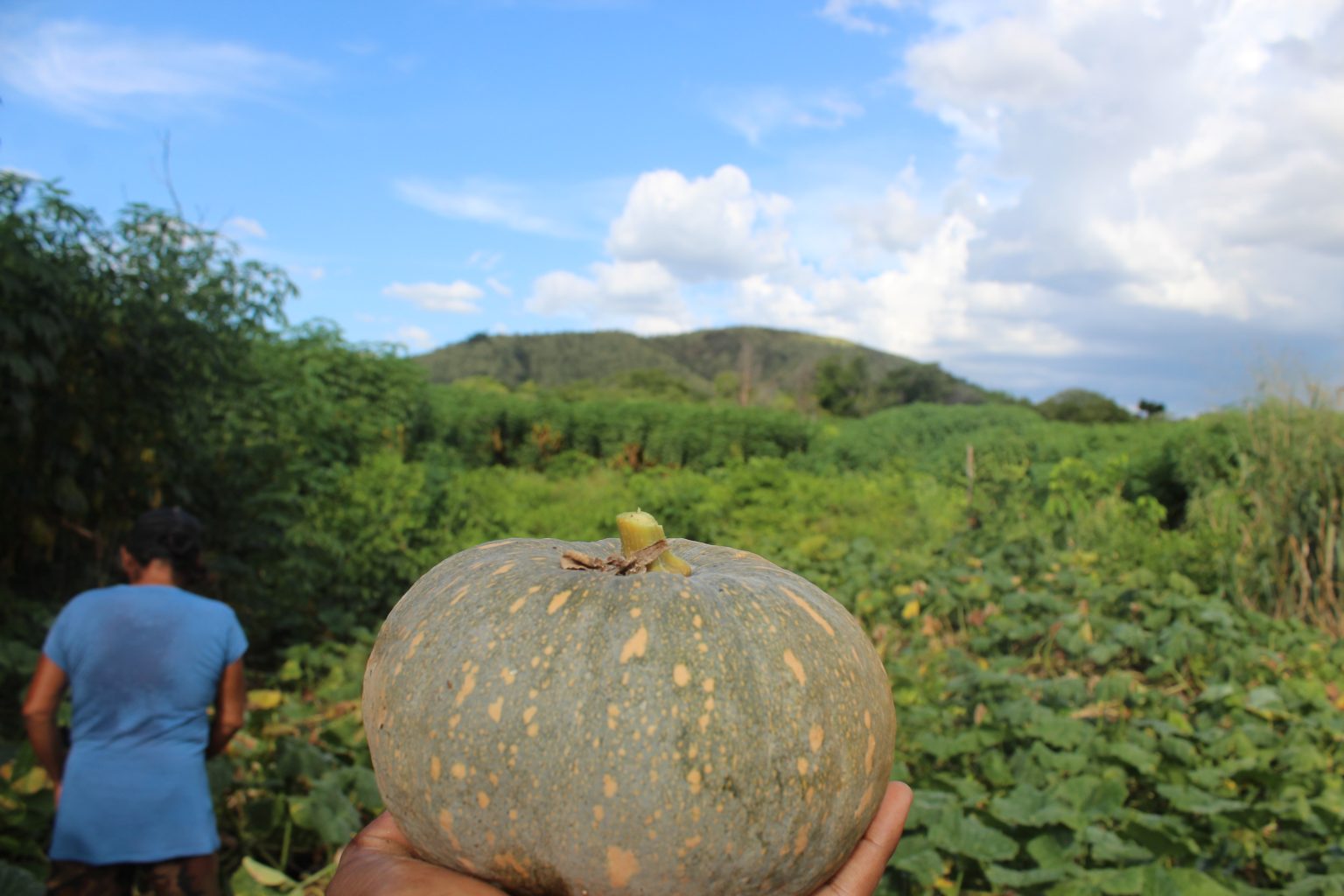
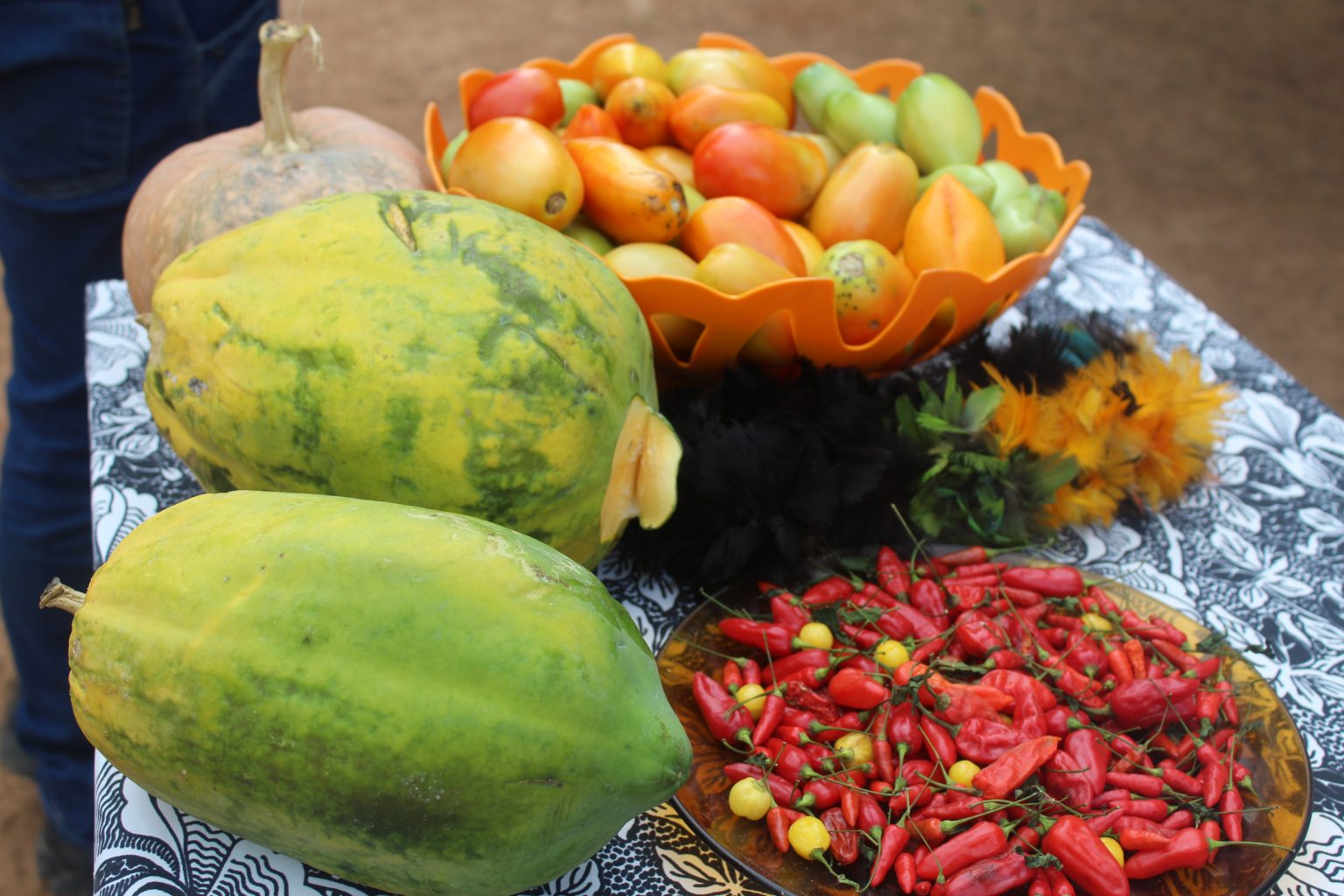
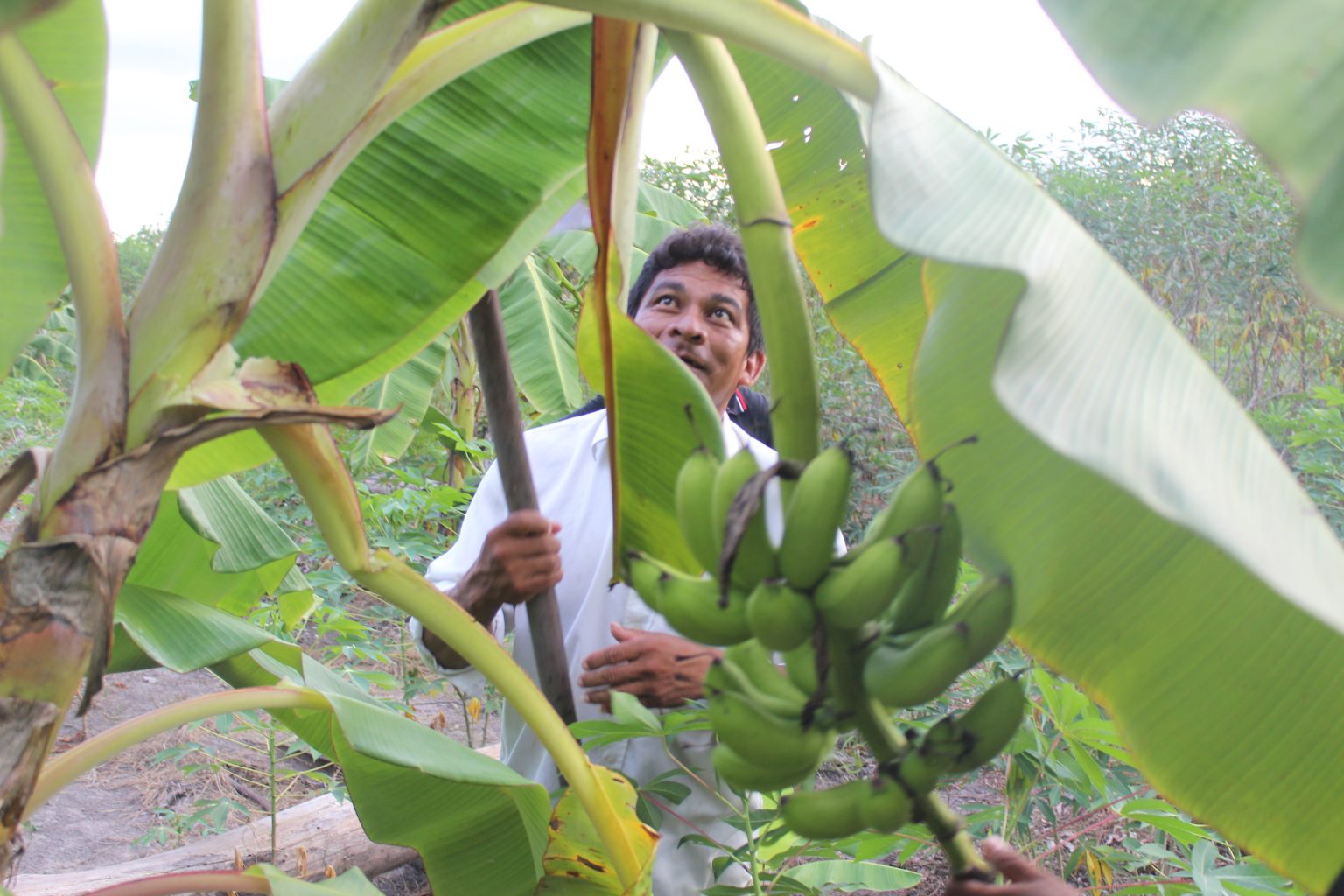
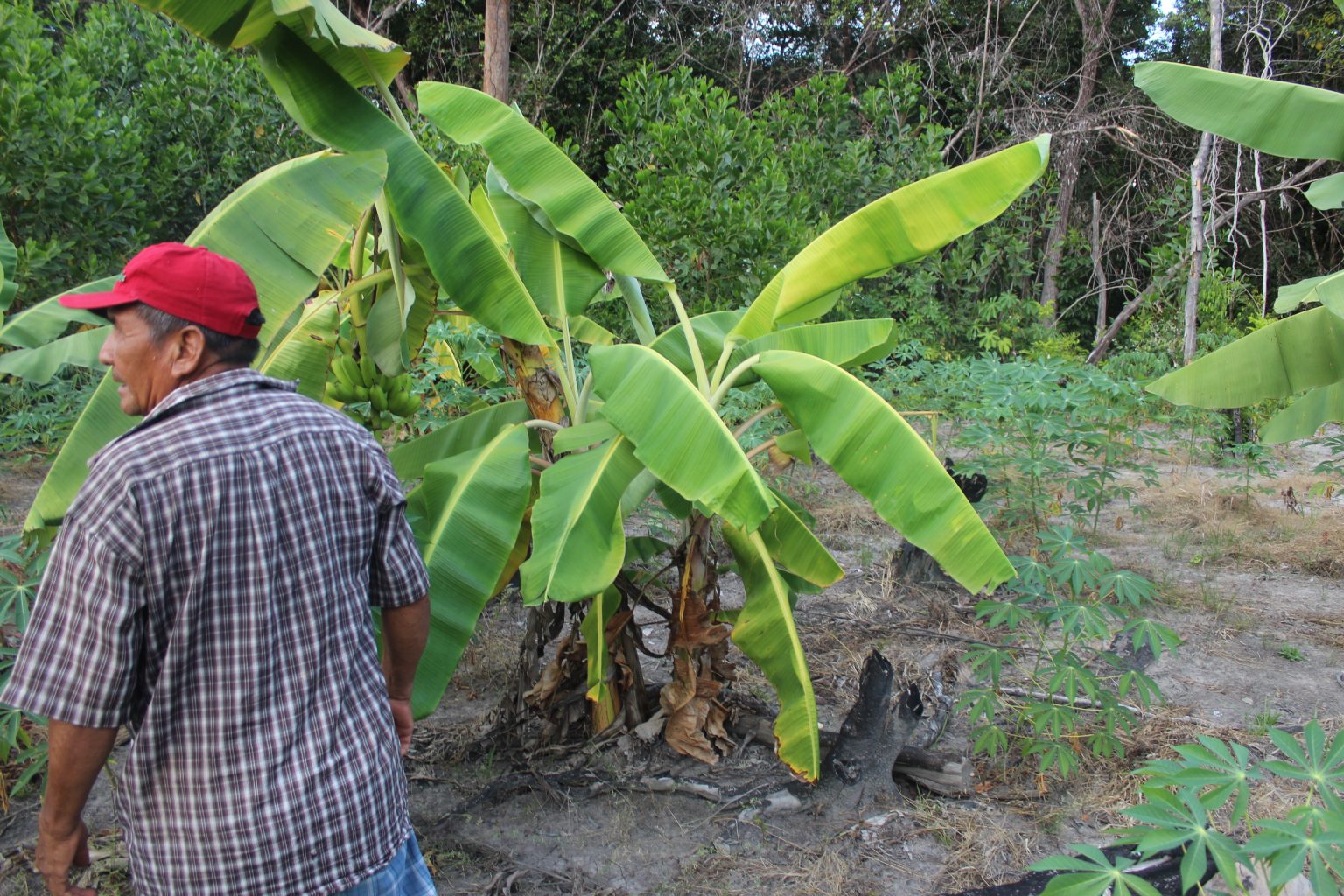
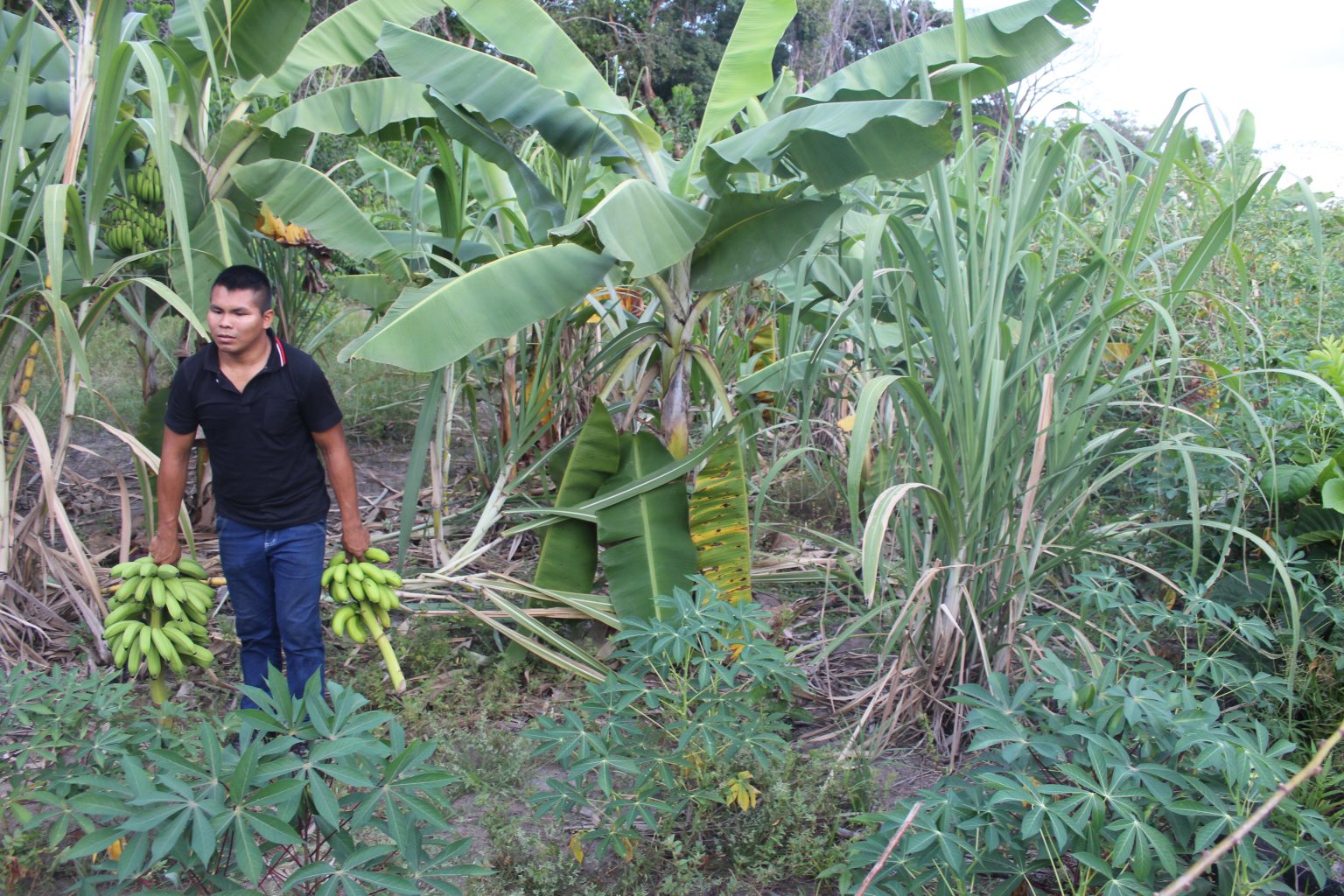
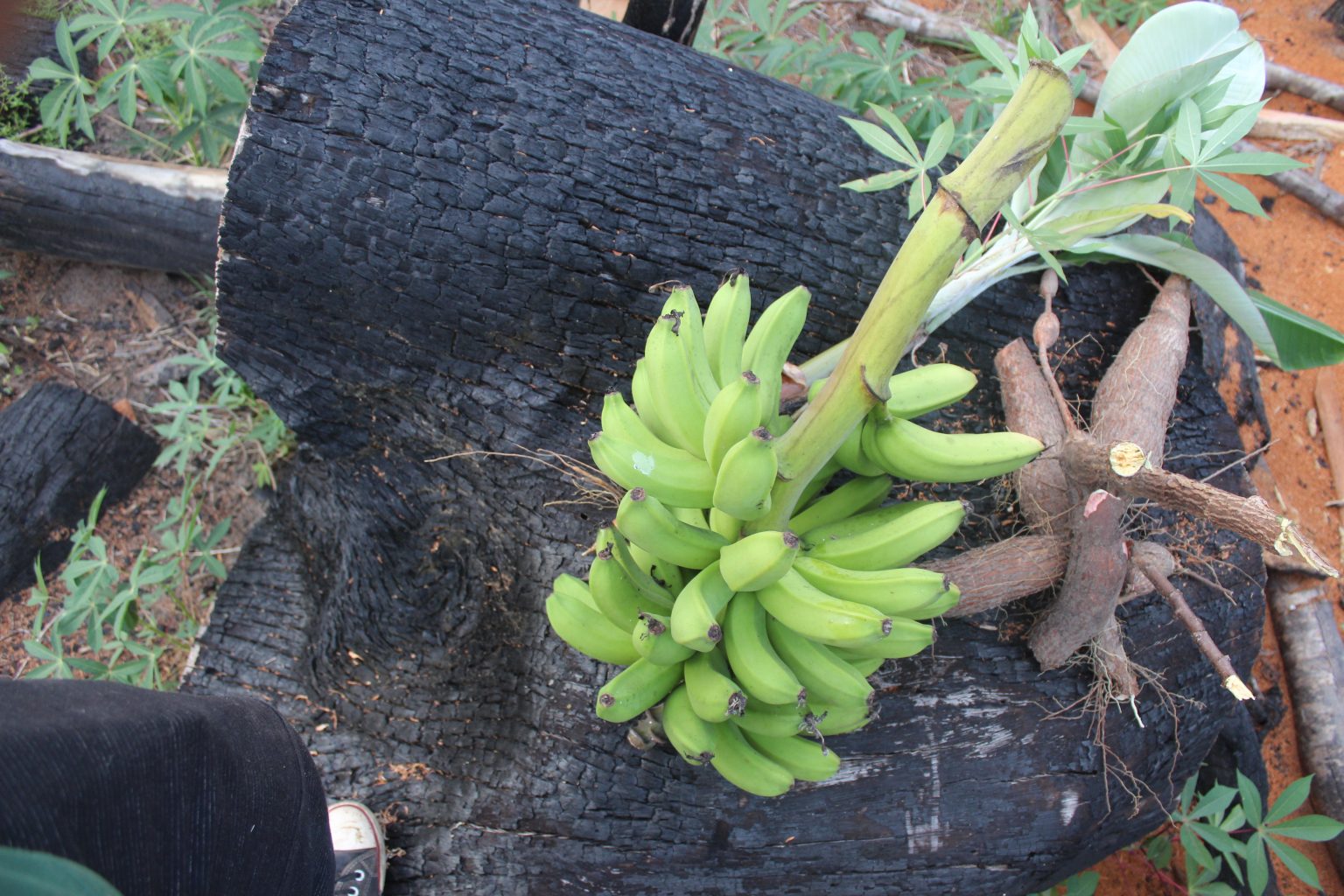
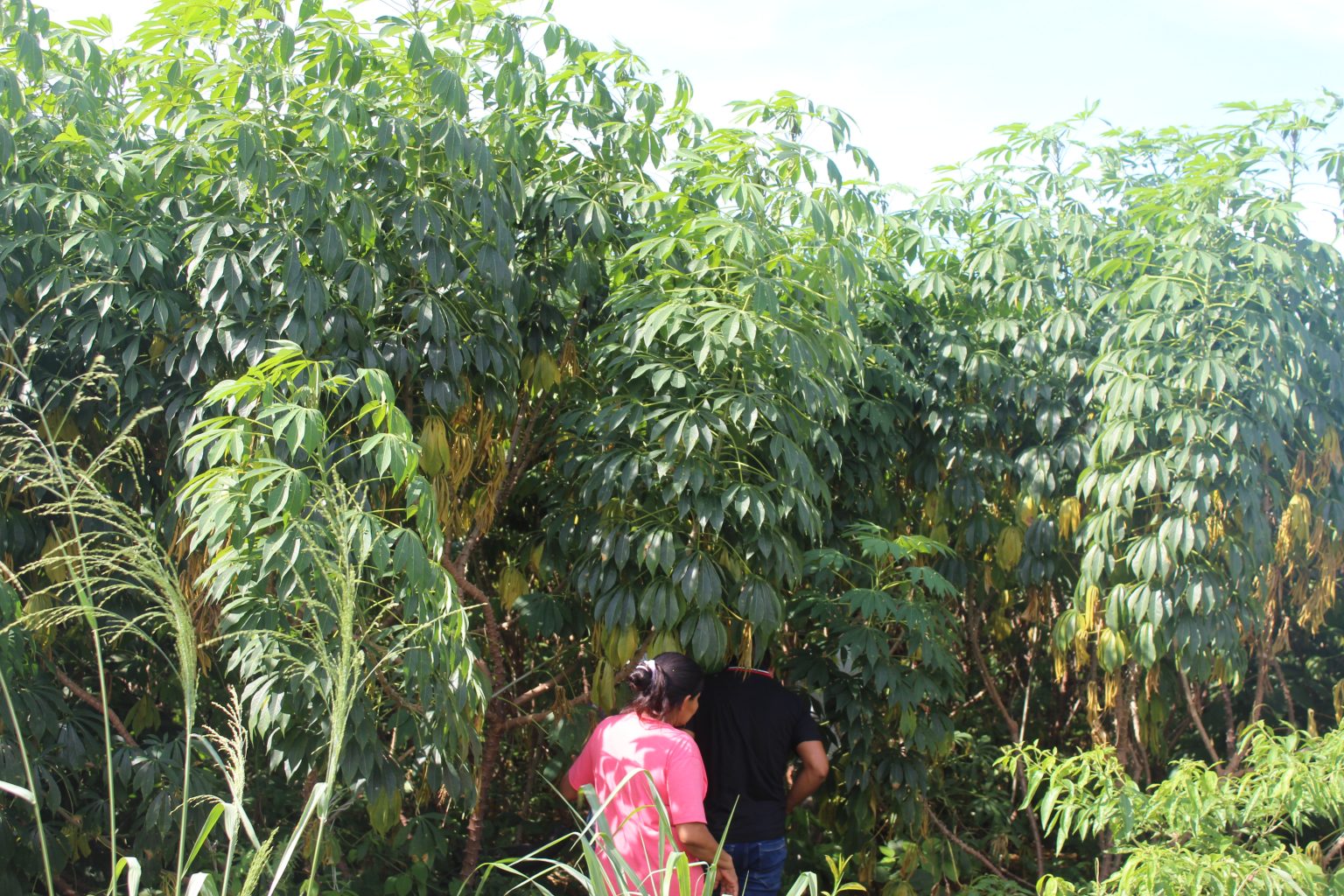
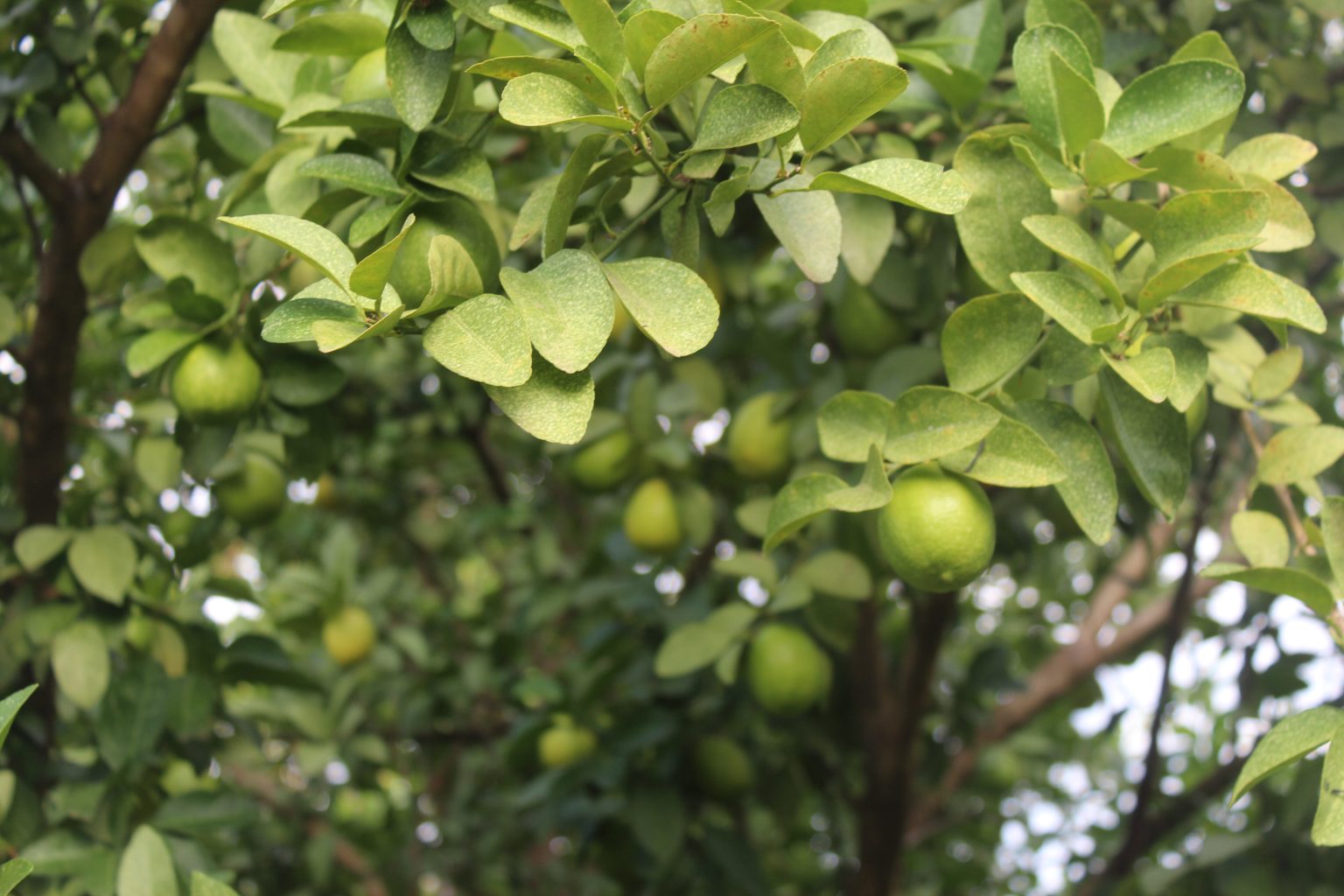
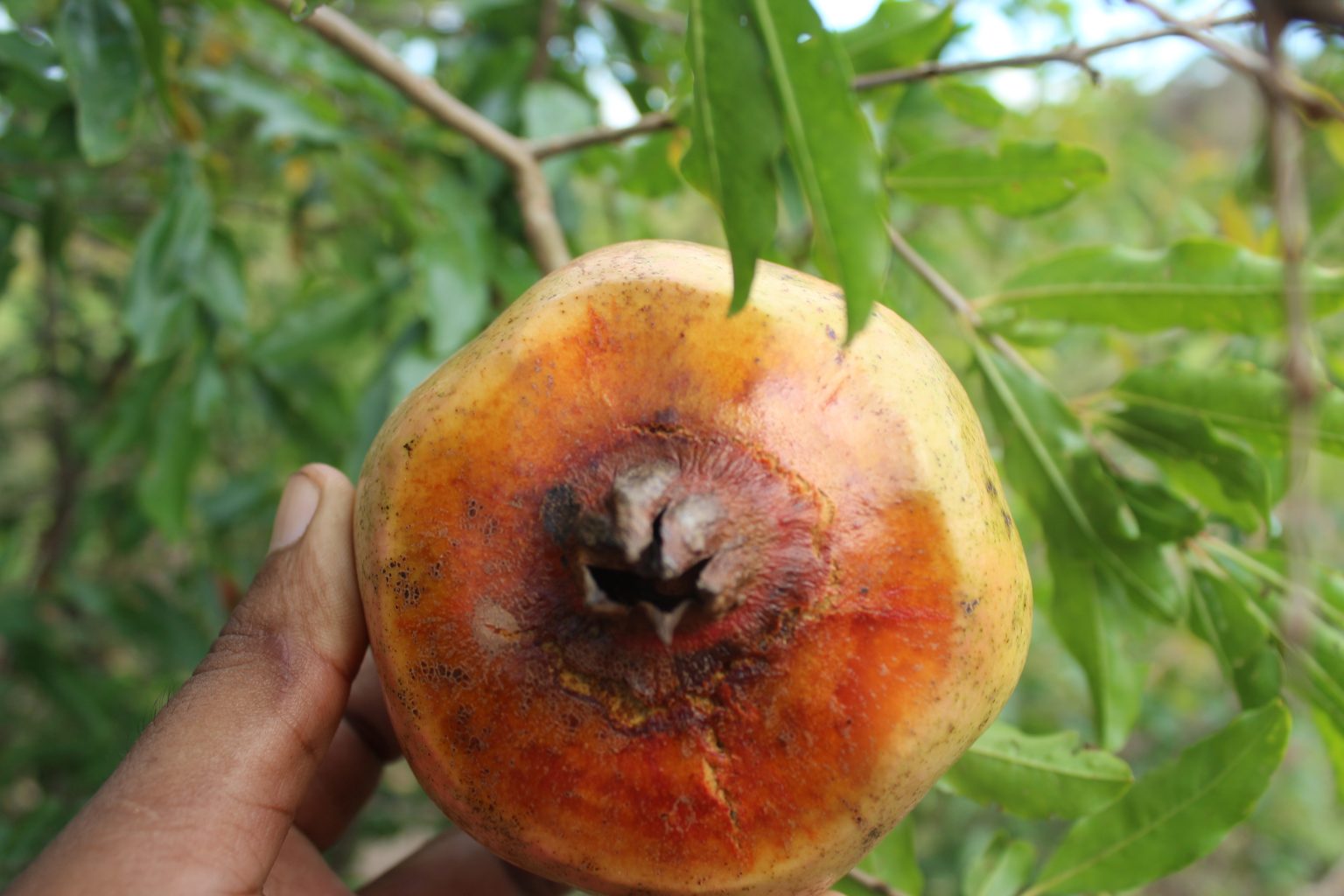
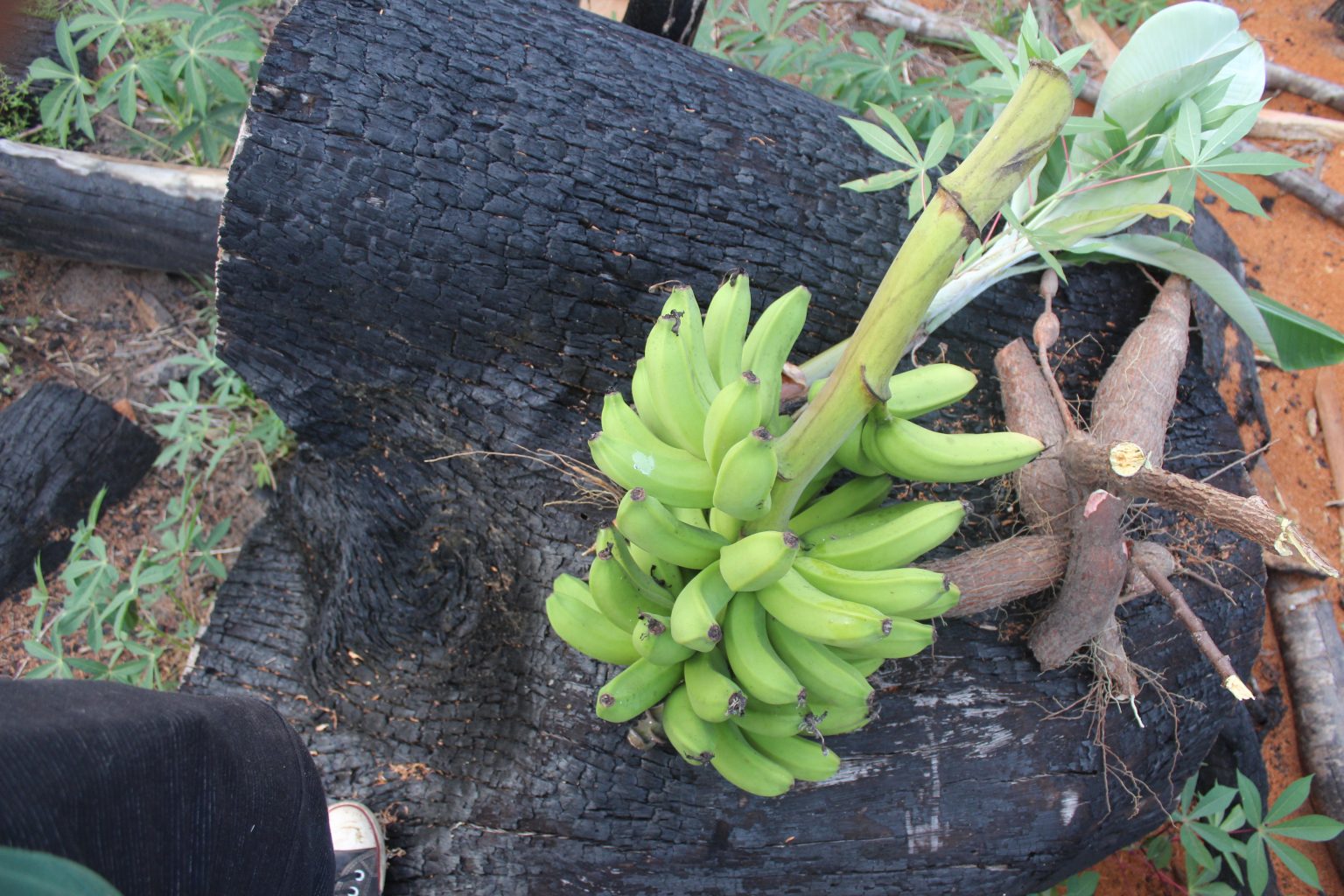
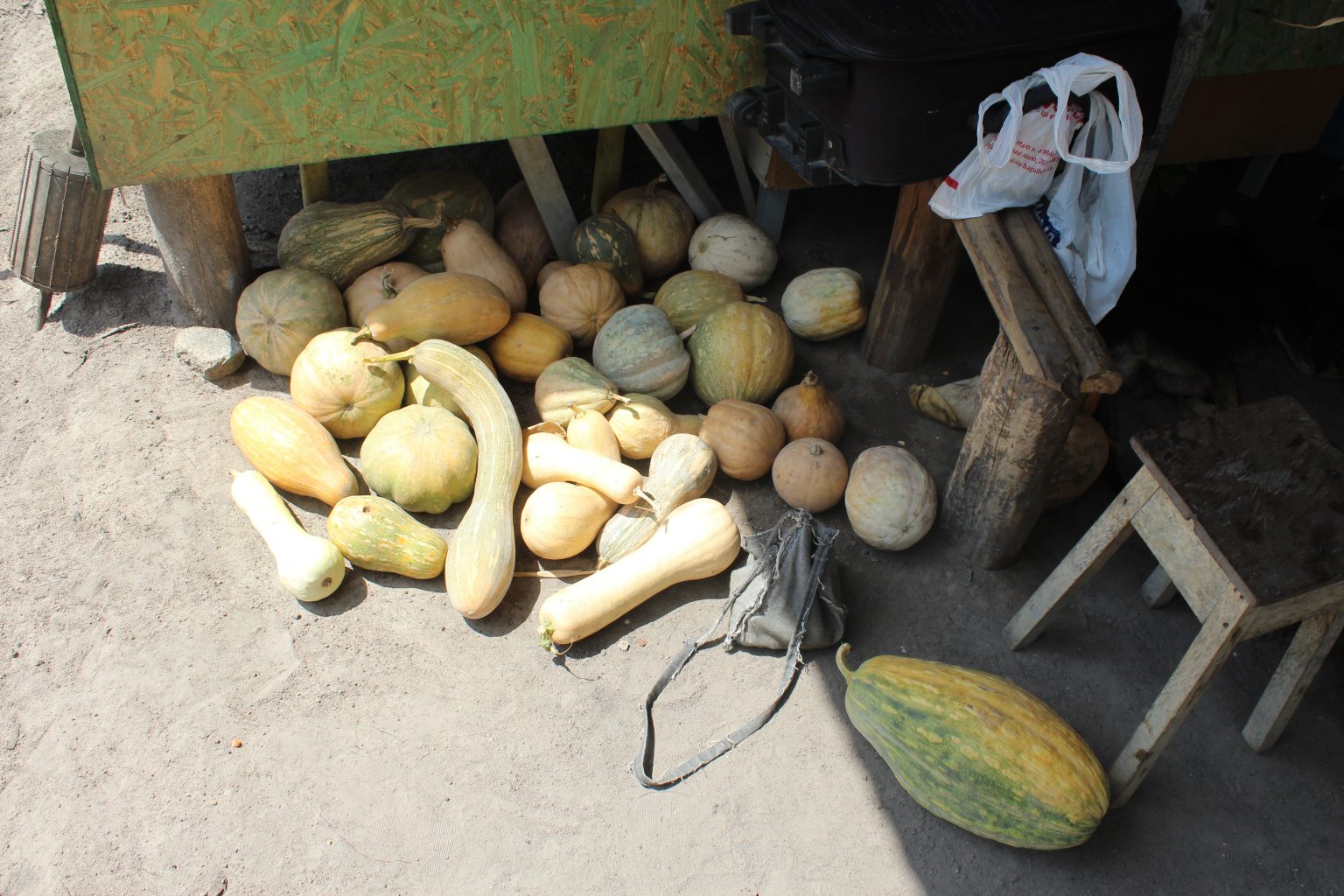
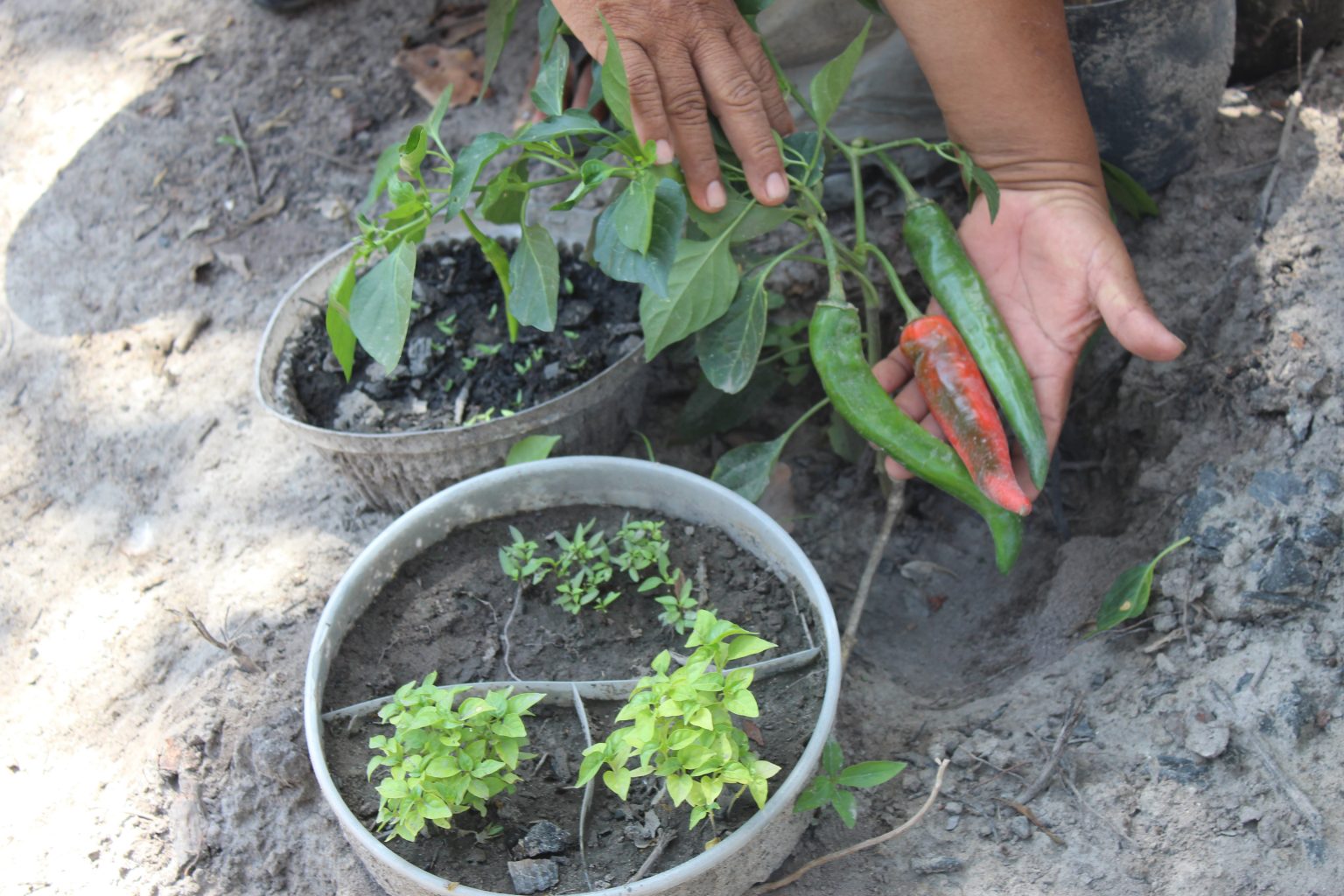
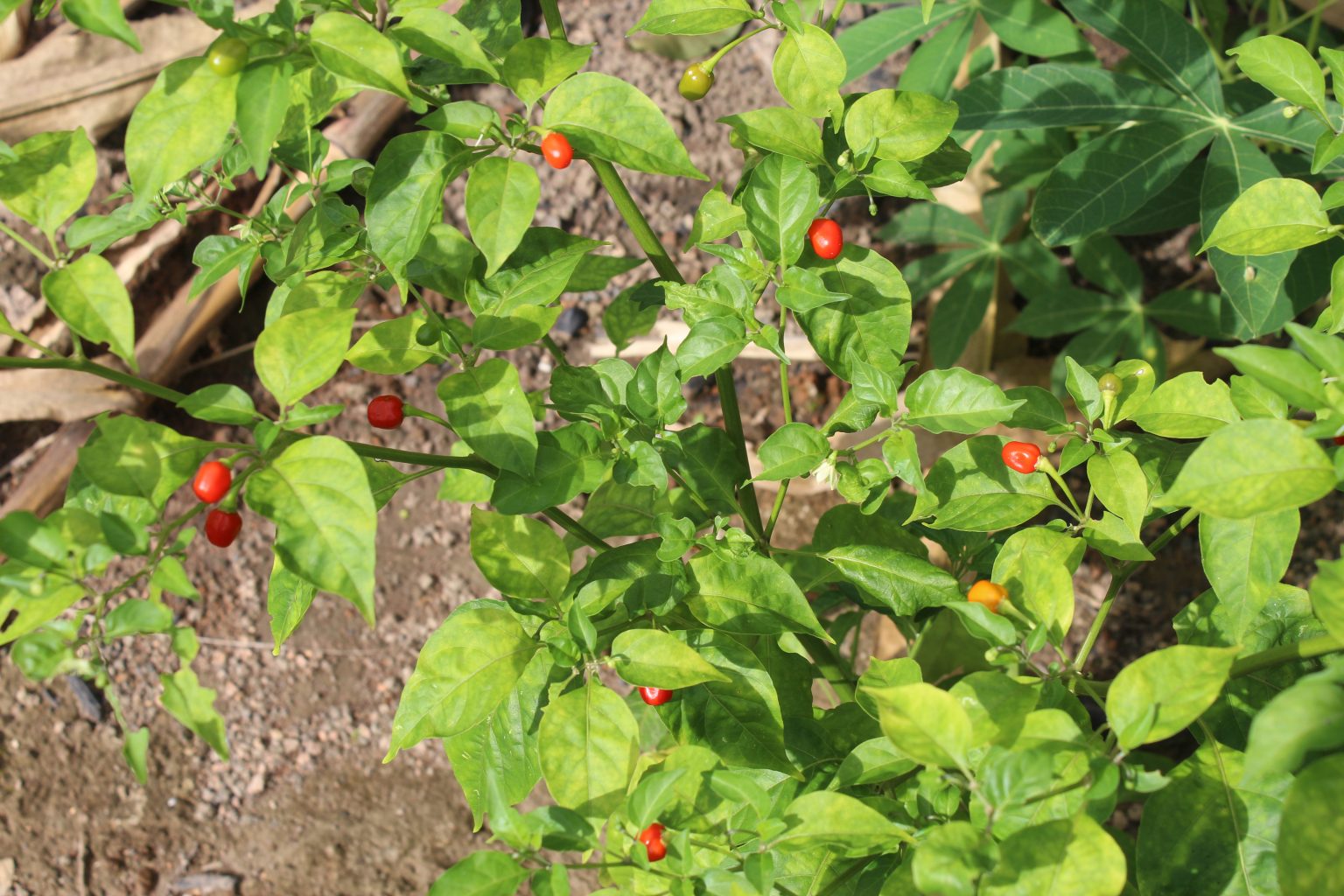
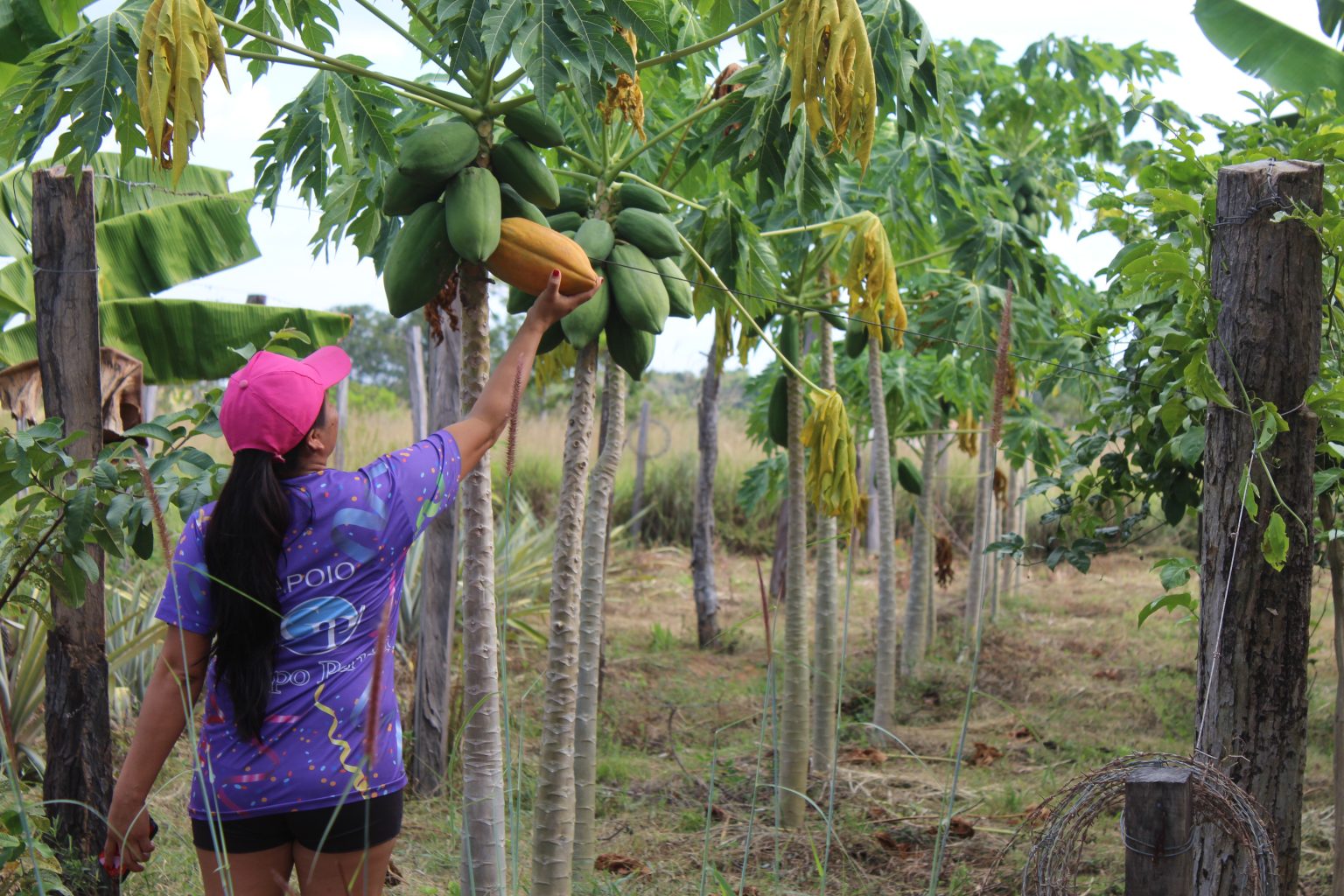
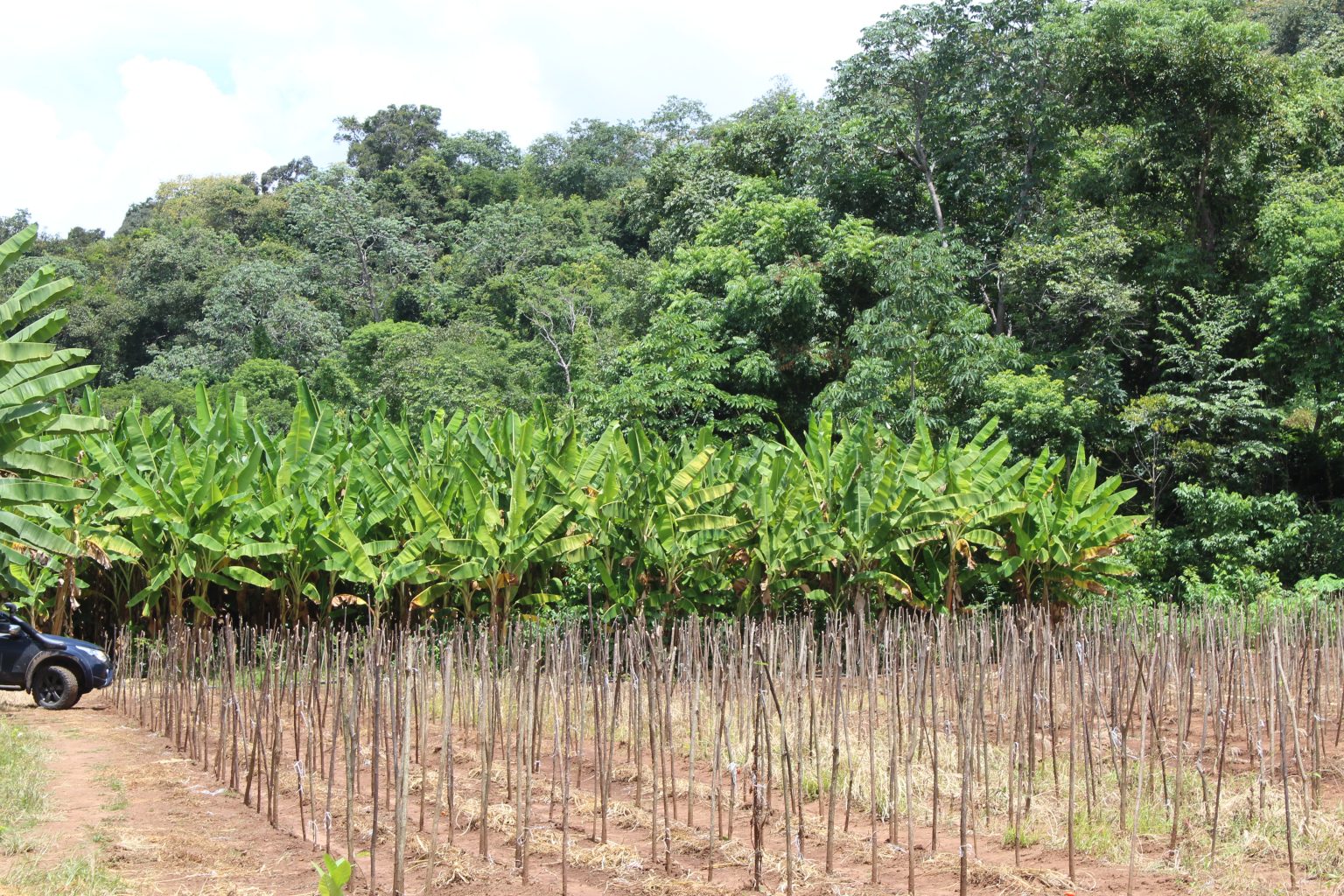
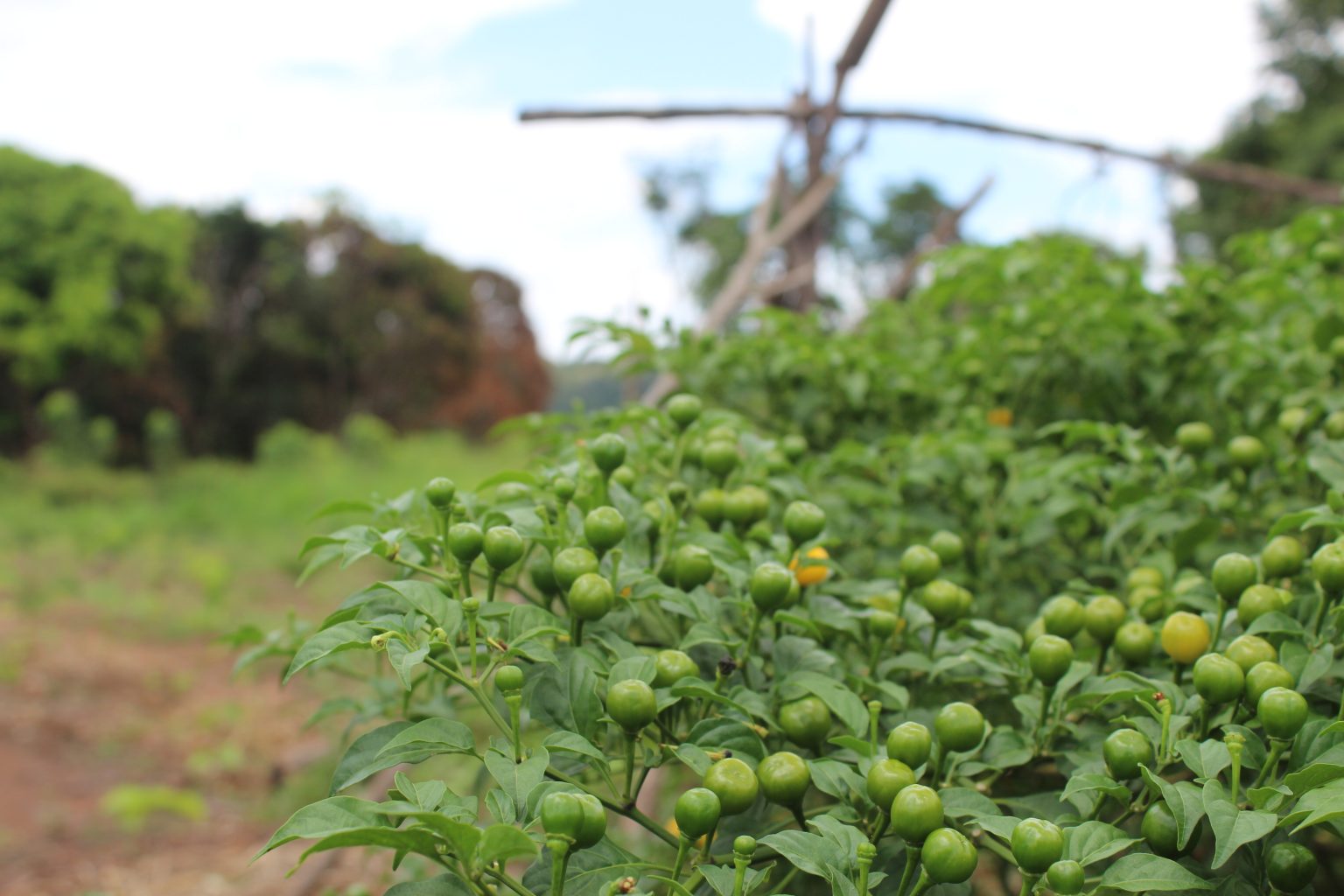
The productions irrigated by the waters of the dam are pepper, banana, papaya, ata, lemon, tomato and soursop. The swiddens are traditional with the cultivation of cassava, cassava, pepper and pumpkin.
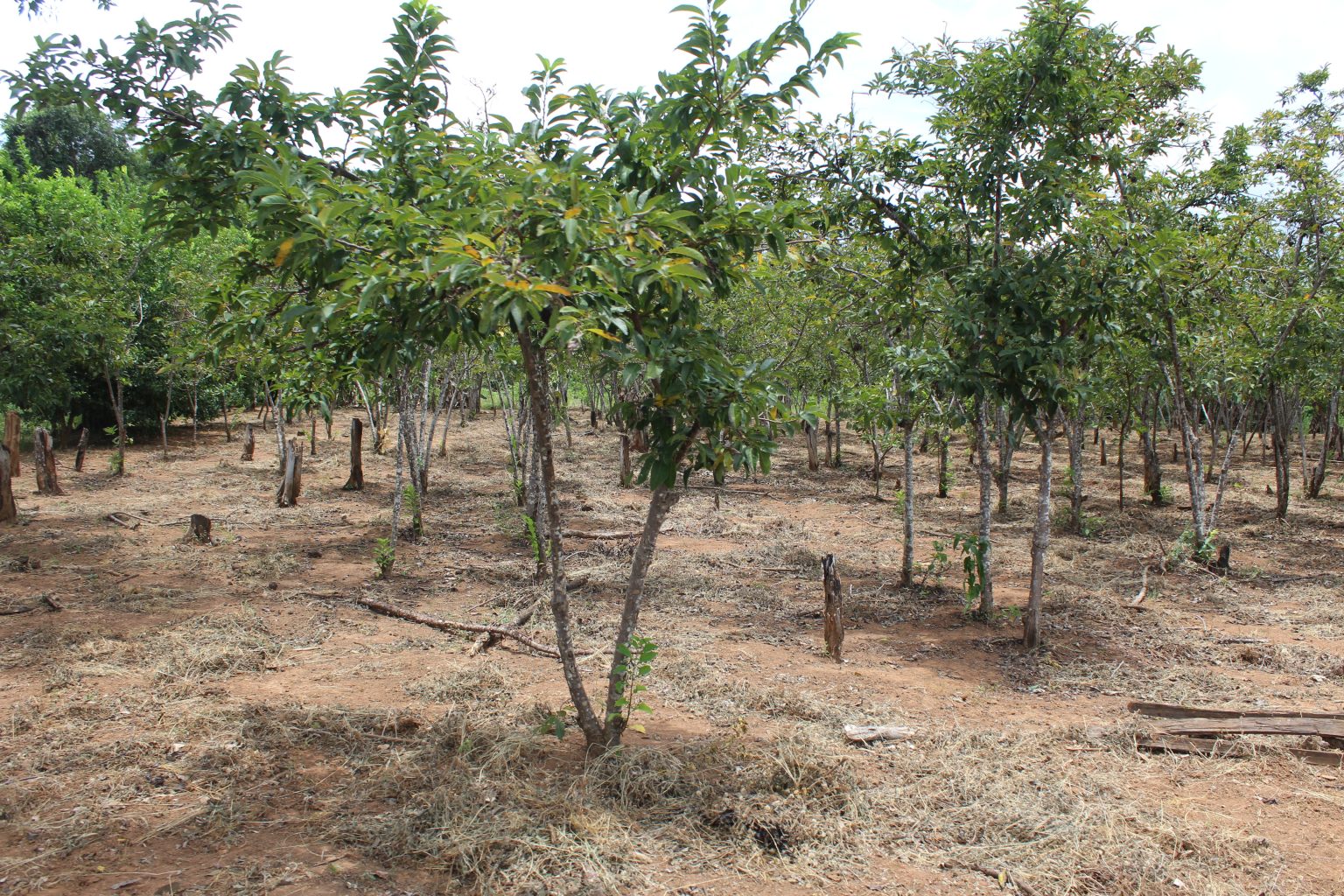
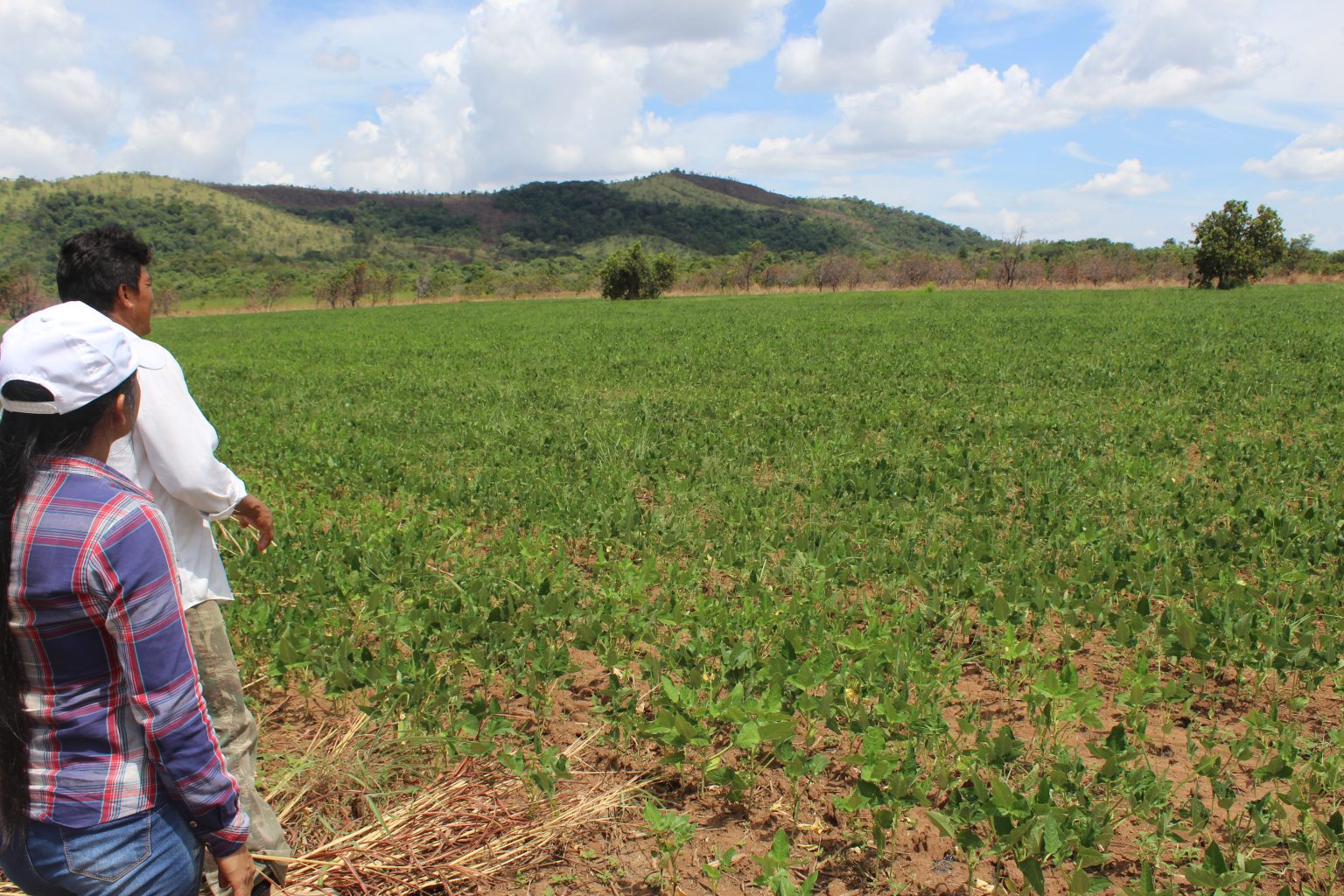
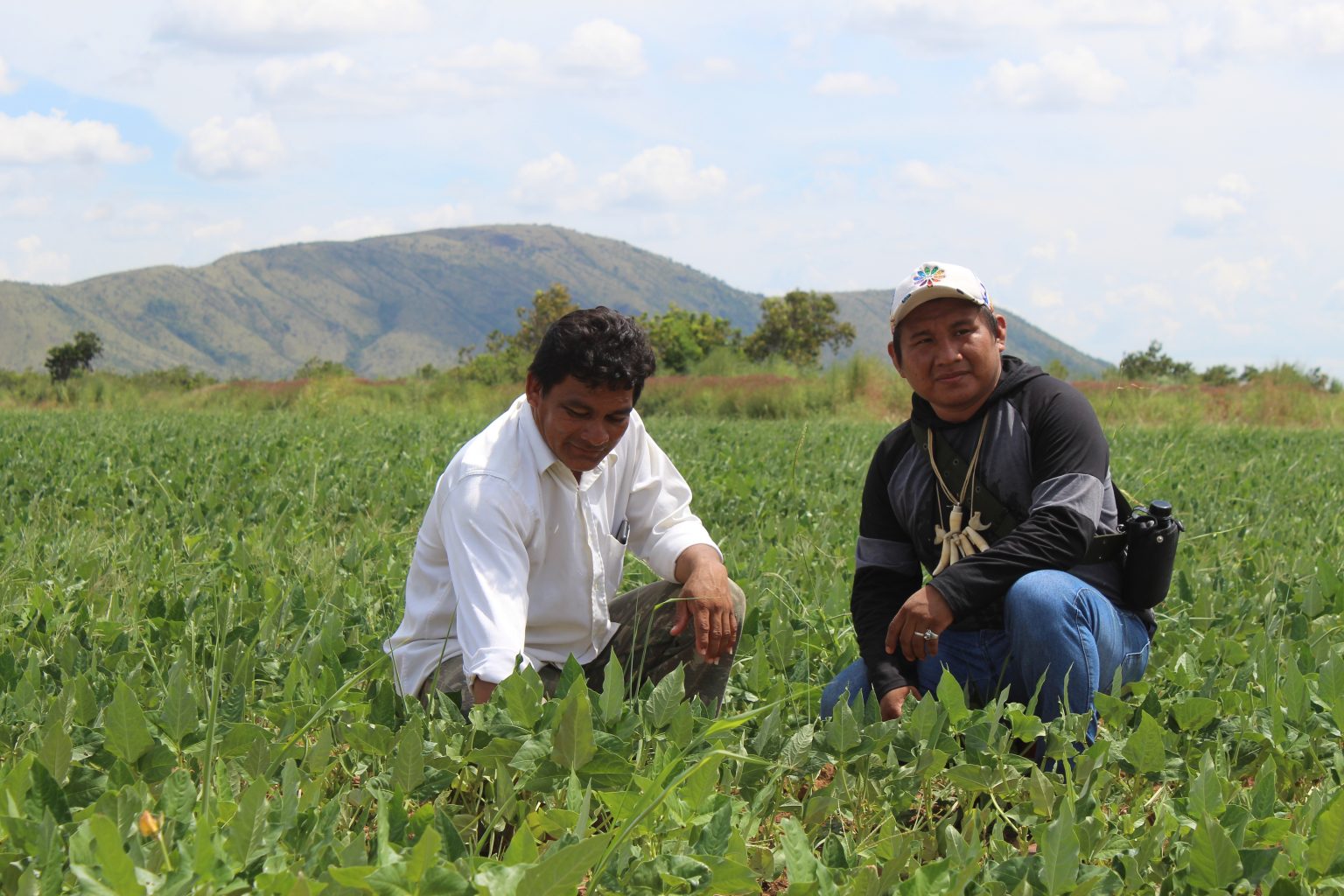
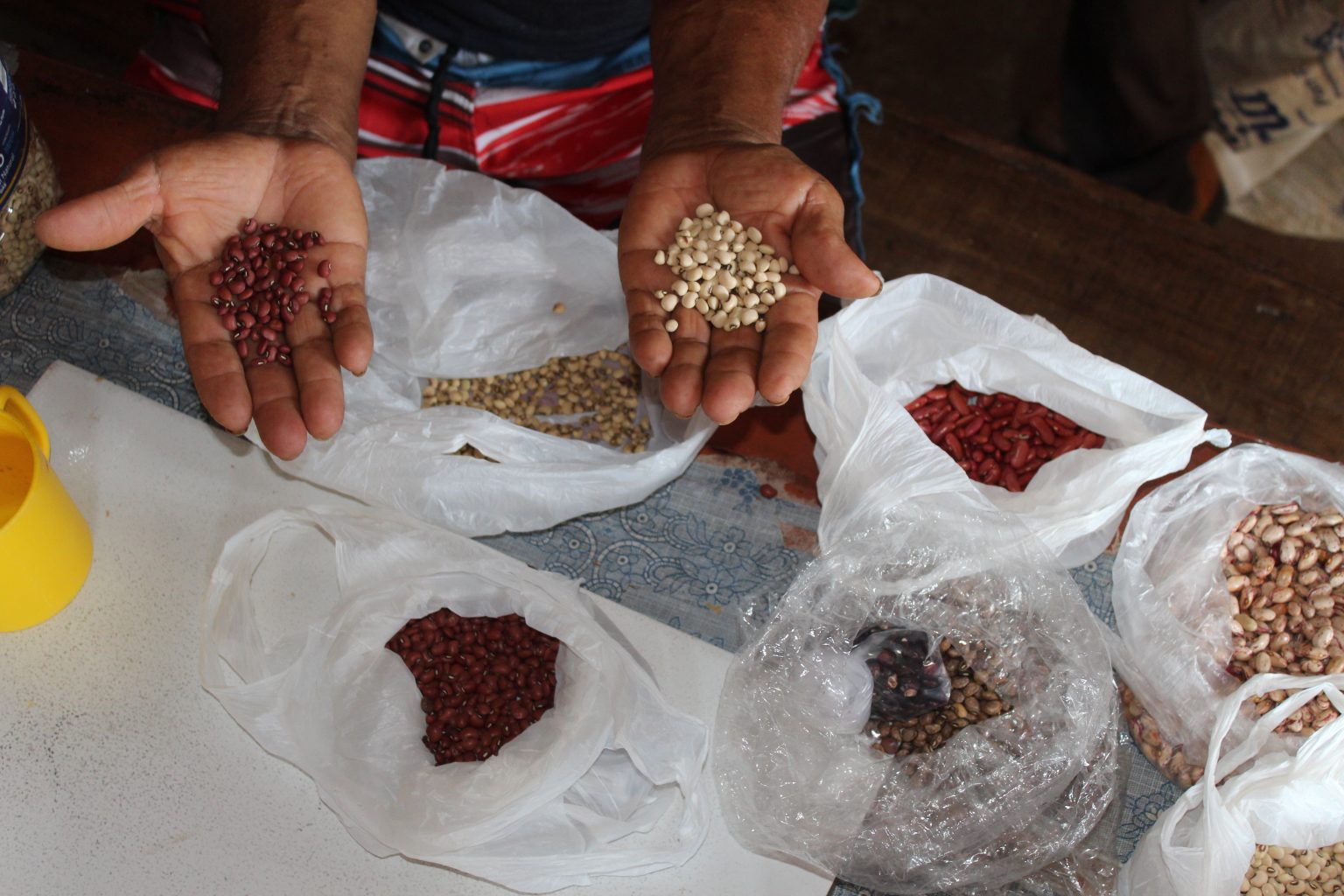
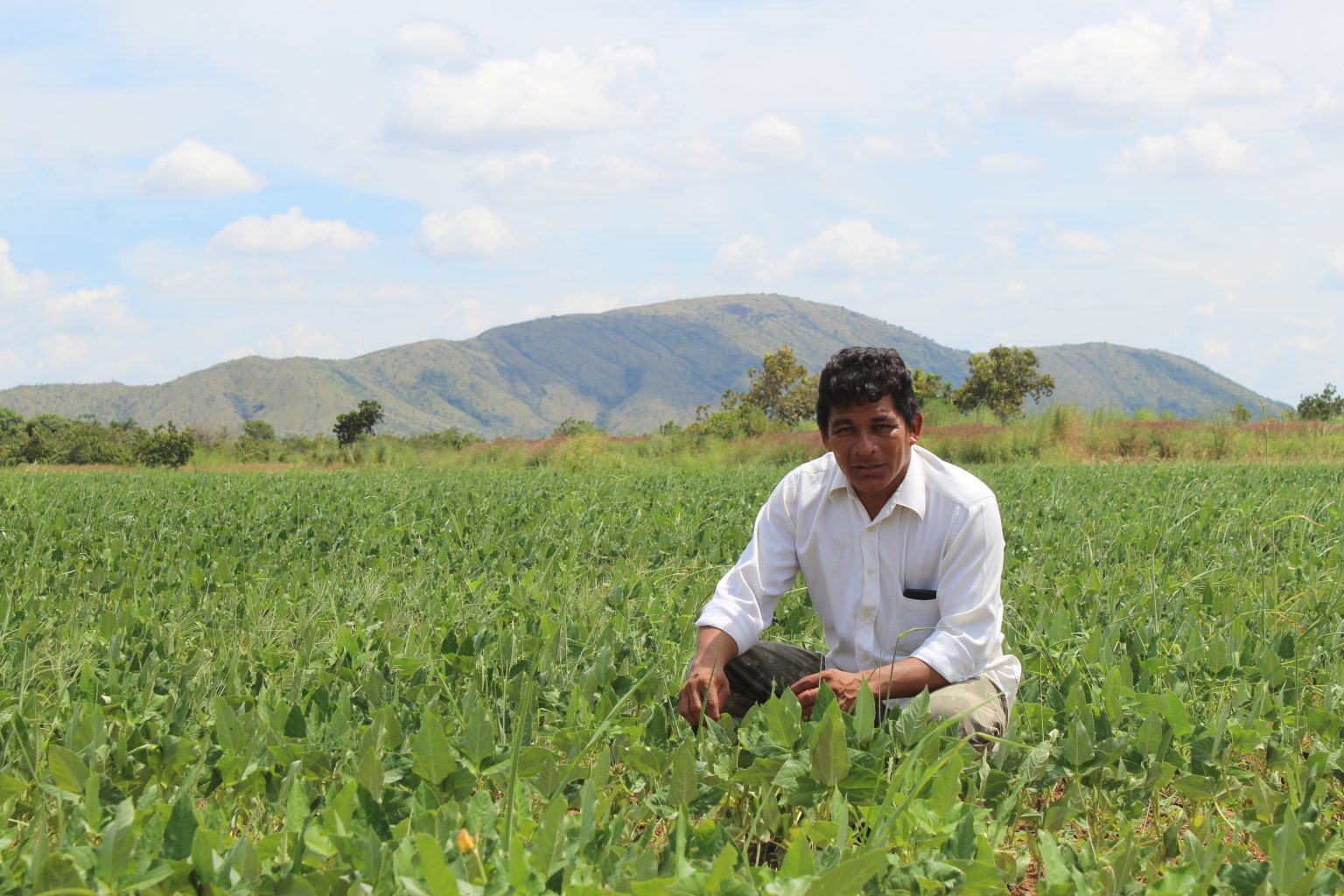
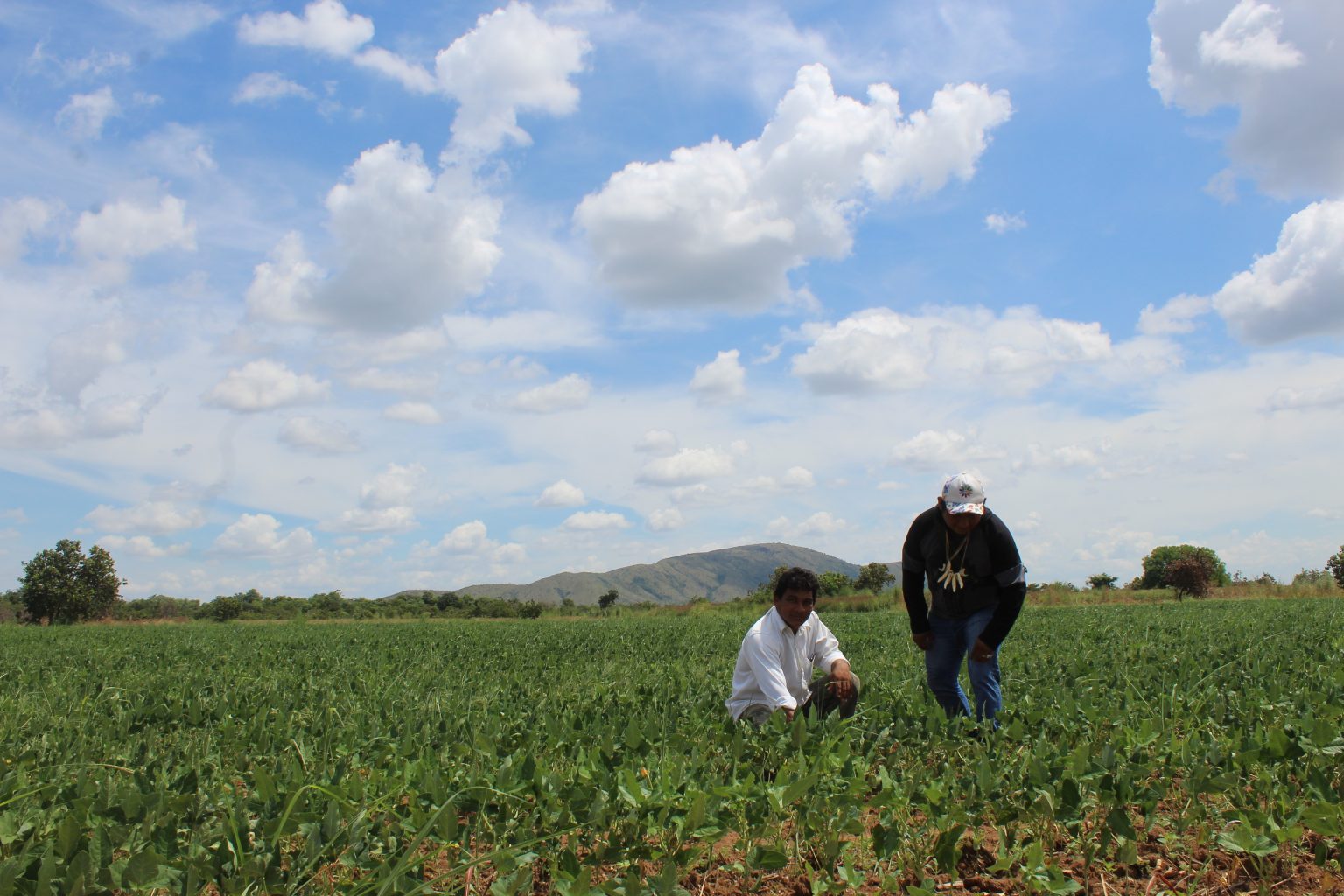
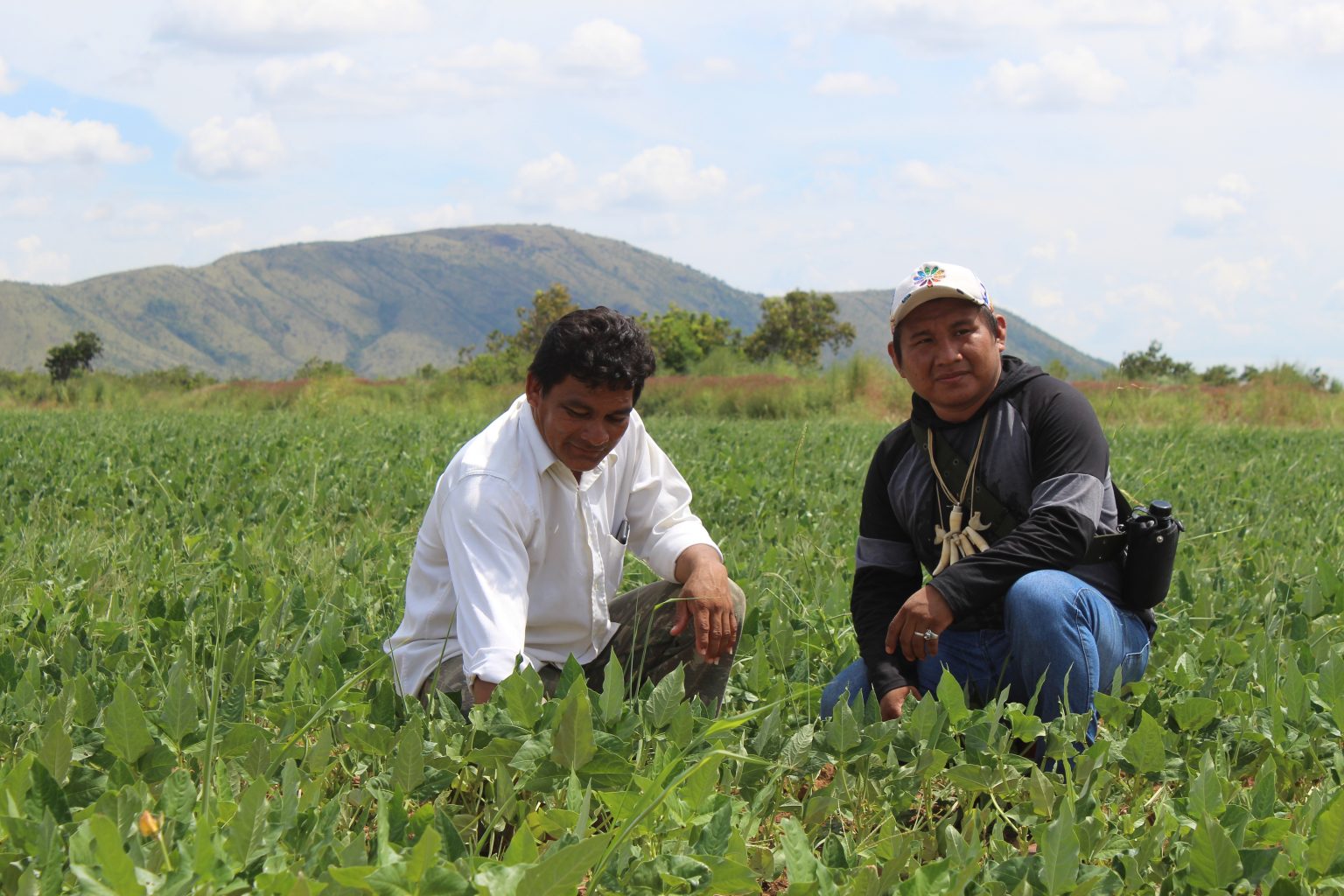
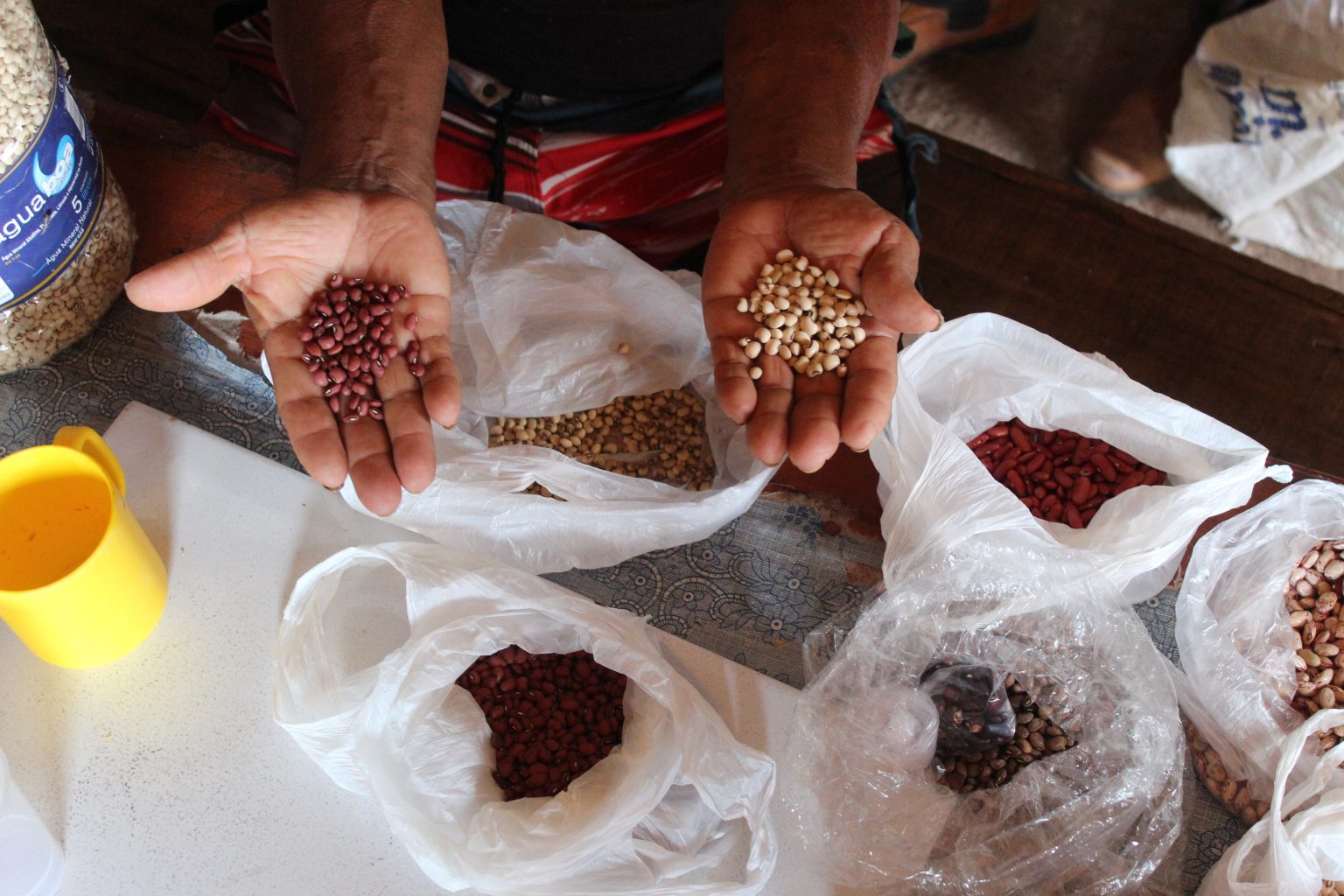
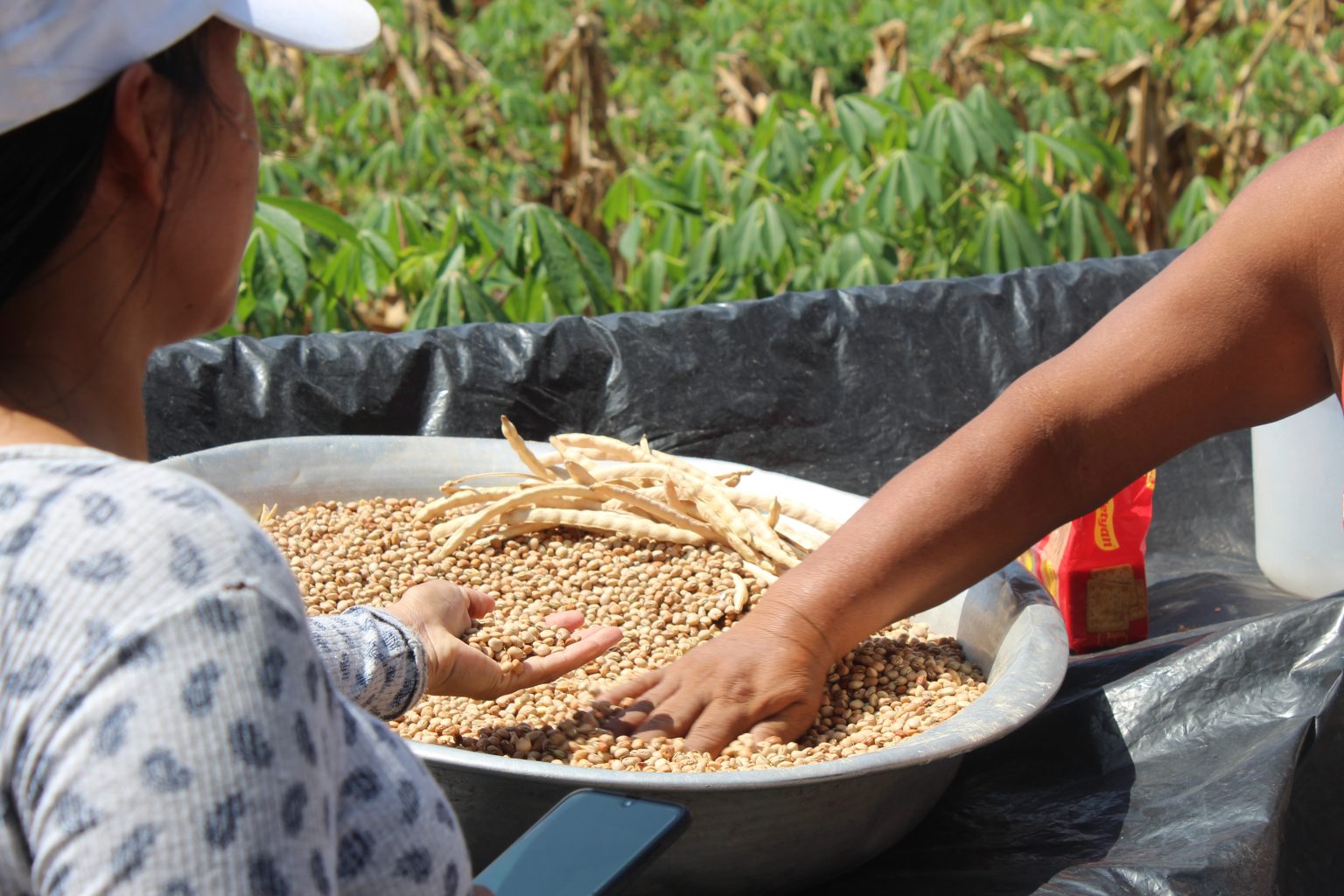
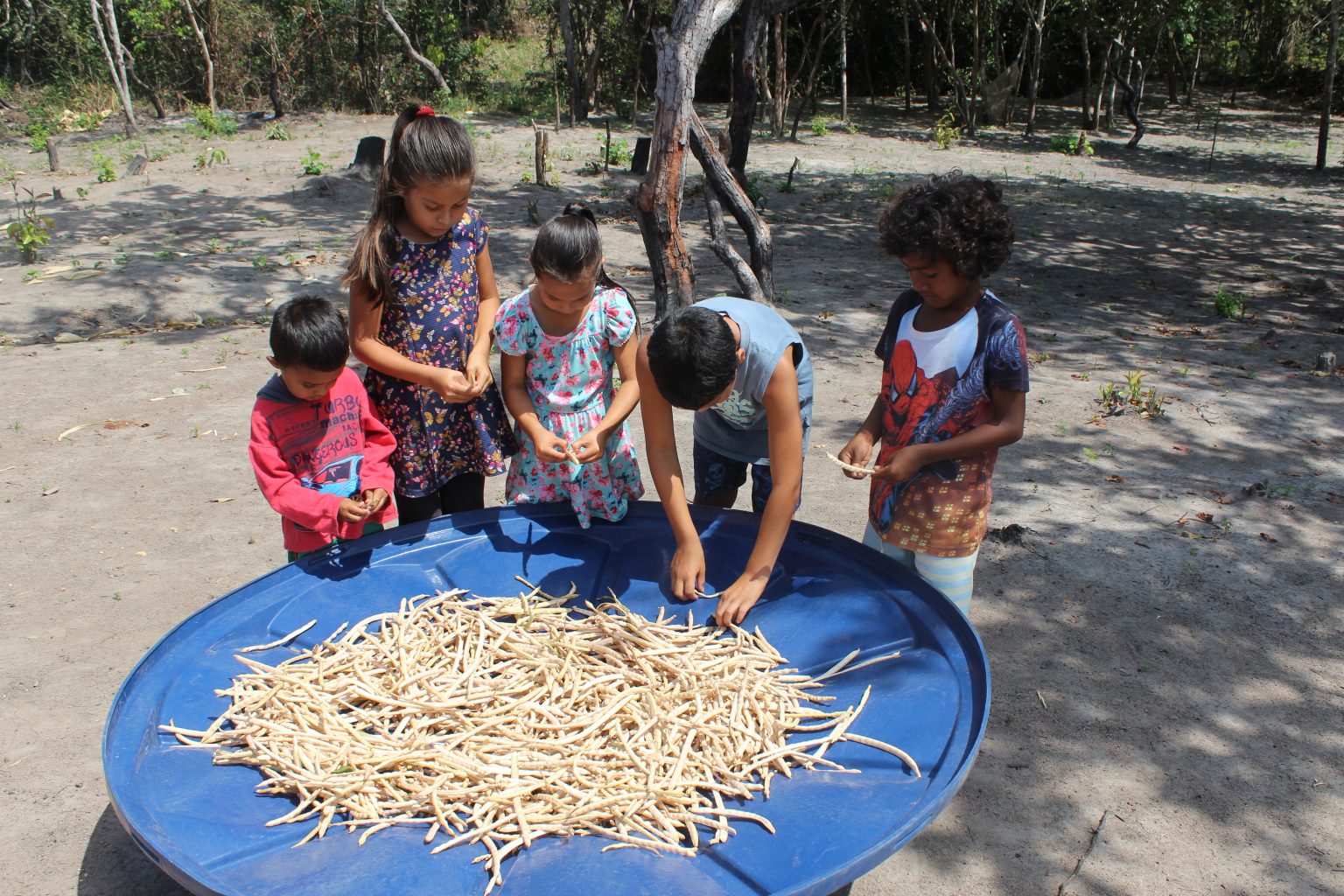
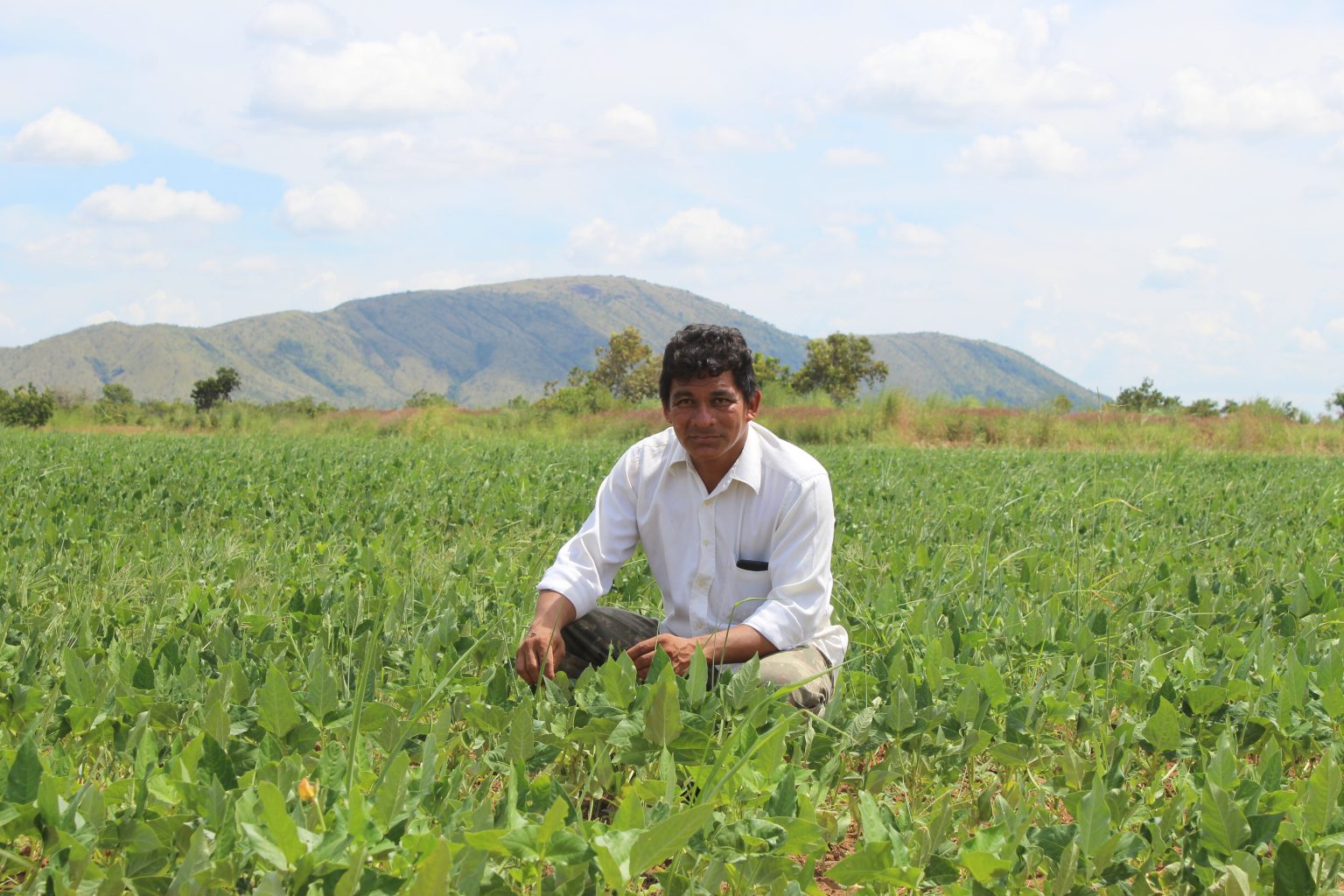
Mr. Francisco Neves dos Santos has a planting area with more than one hundred trees of ata and soursop. He also has a garden for the cultivation of bananas, lemons, papayas. There are also other project areas in the region, such as the bean area with three hectares and serves about 20 families. According to coordinator Alexsandro, there will be 50 bags of beans per hectare.
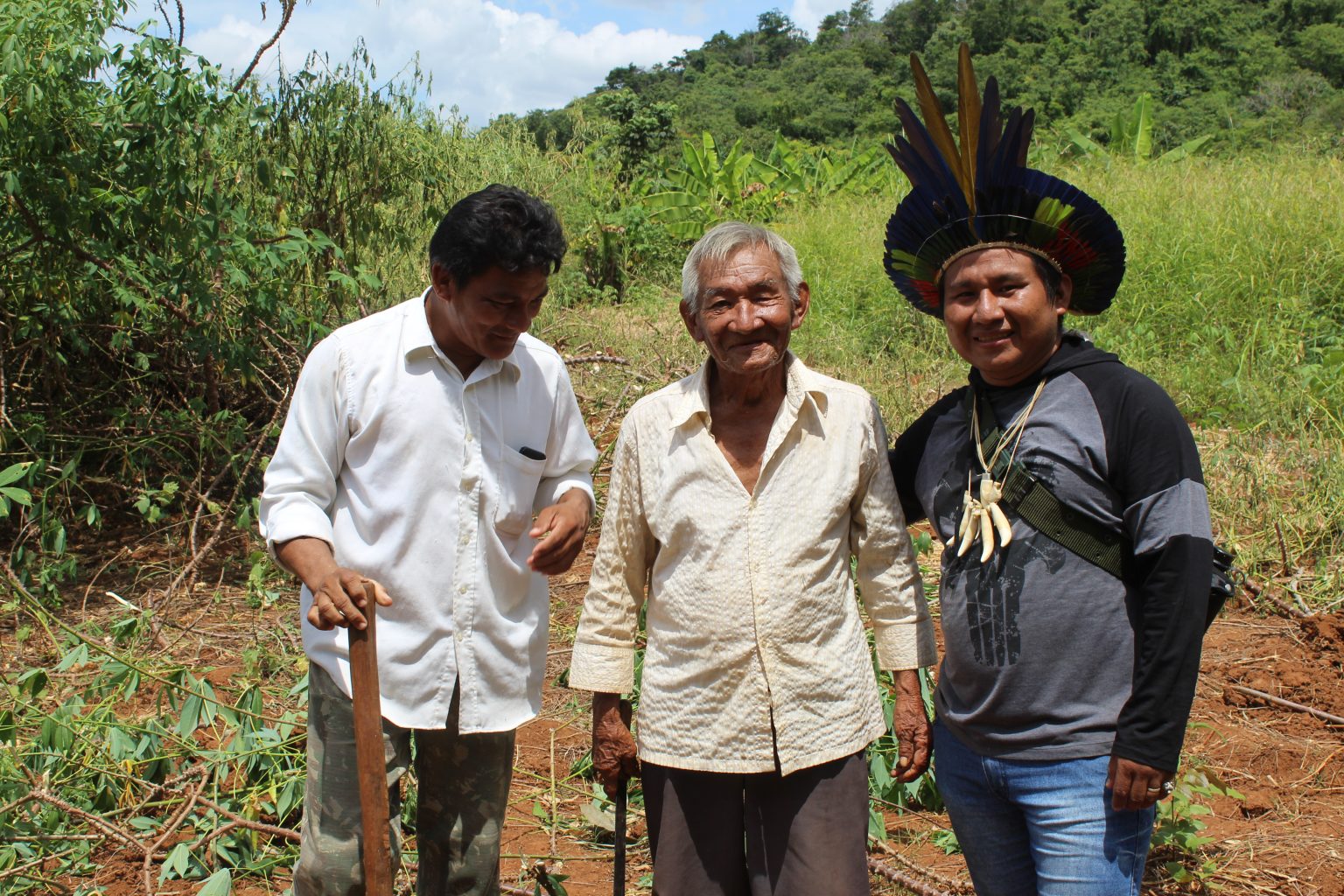
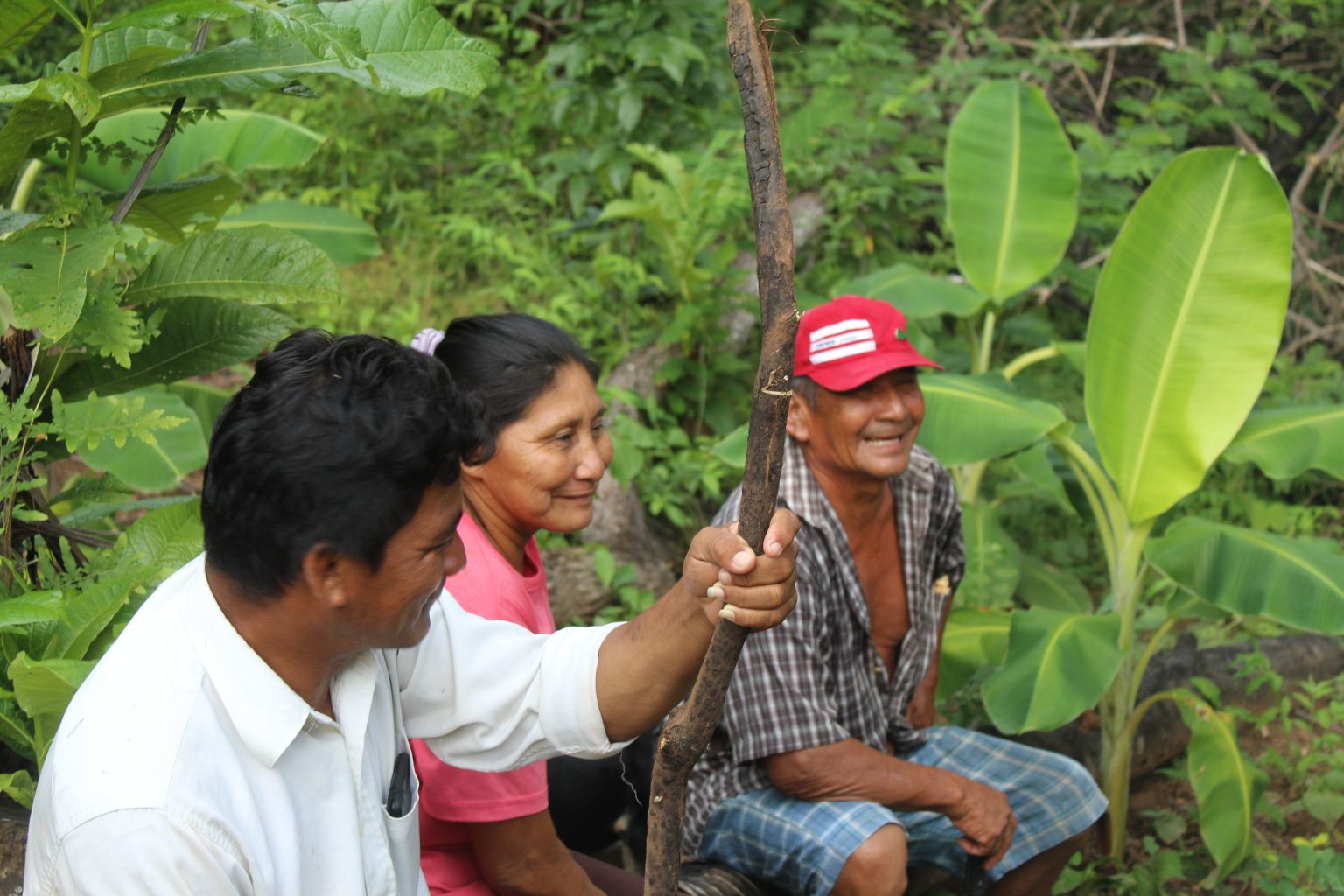
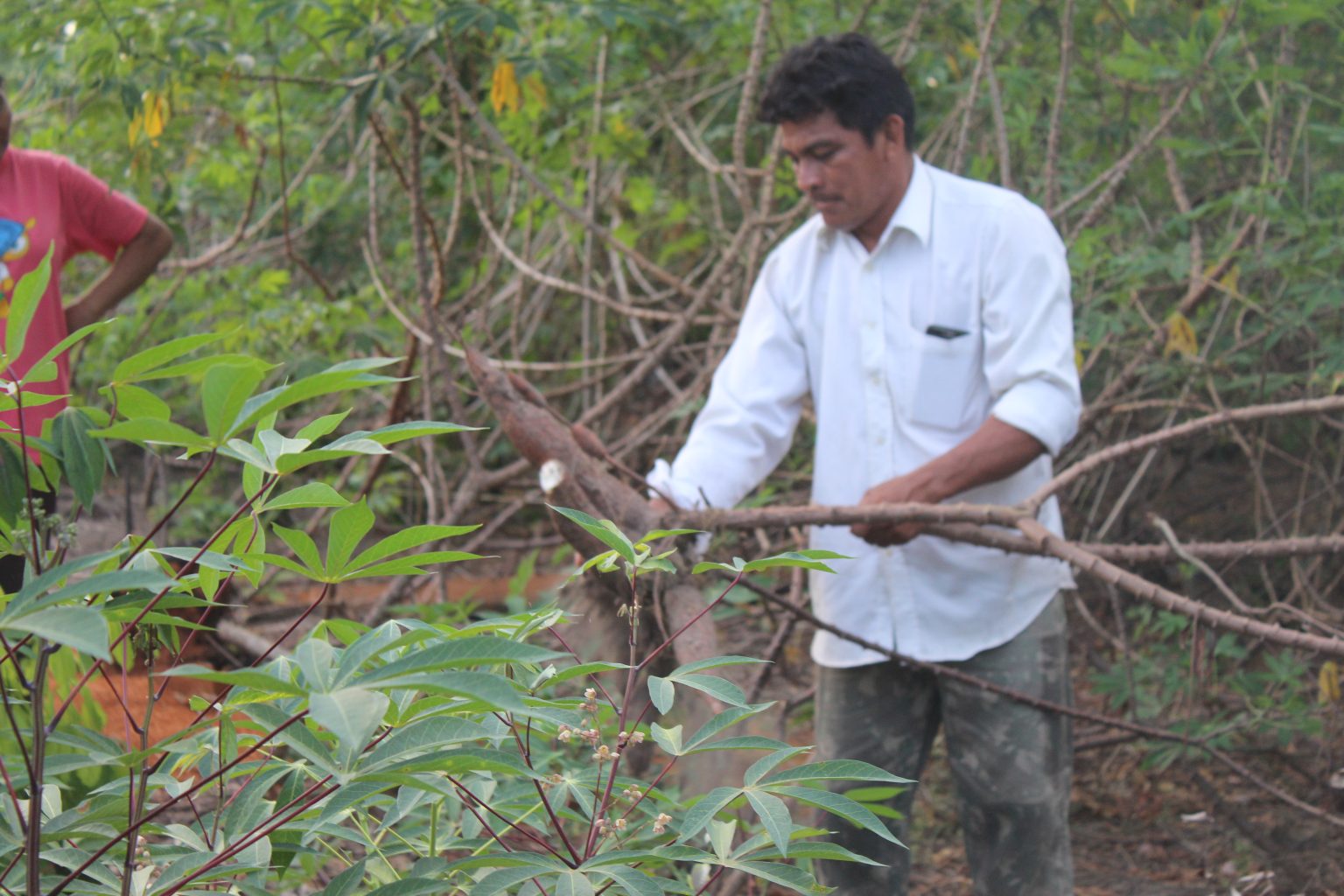
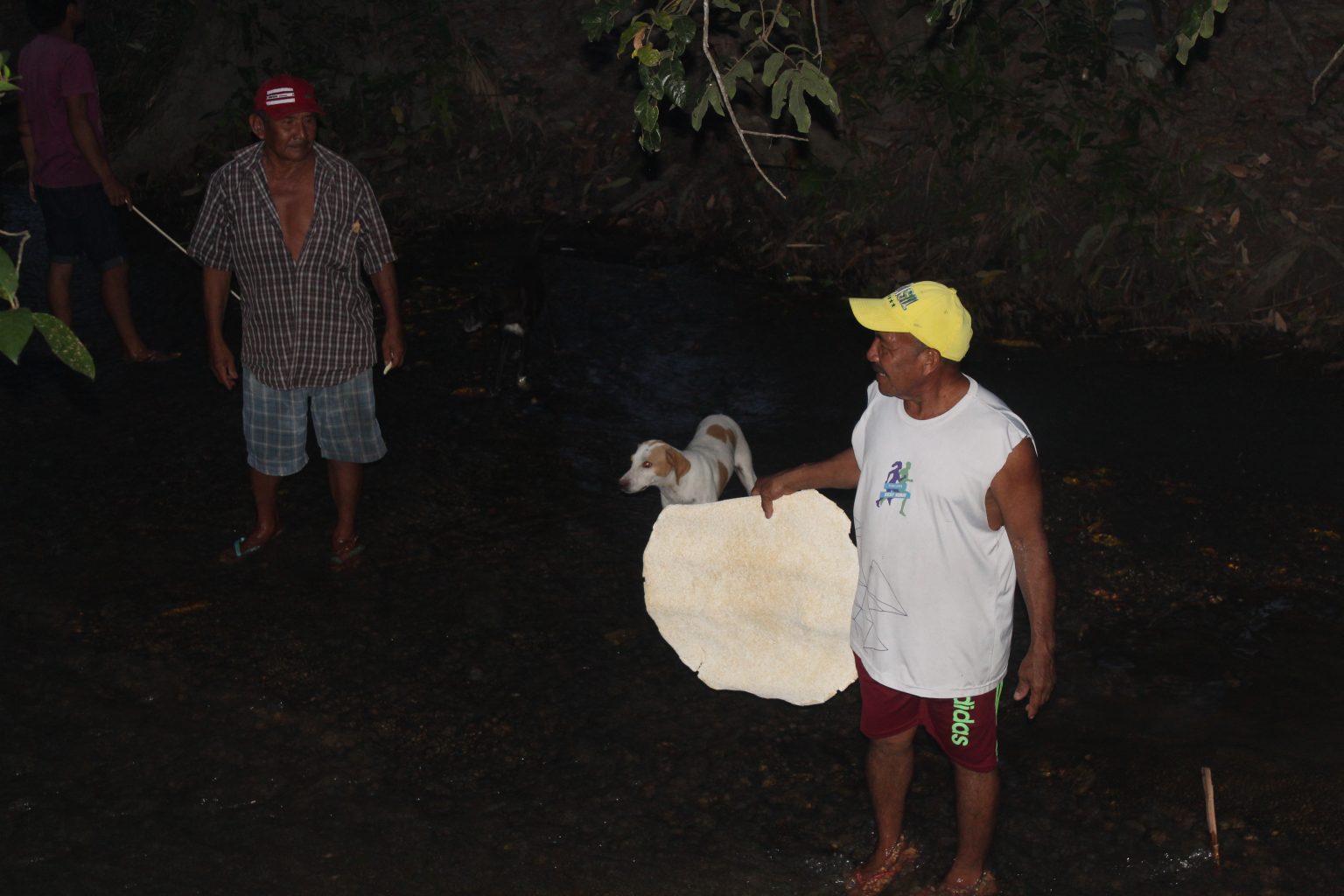
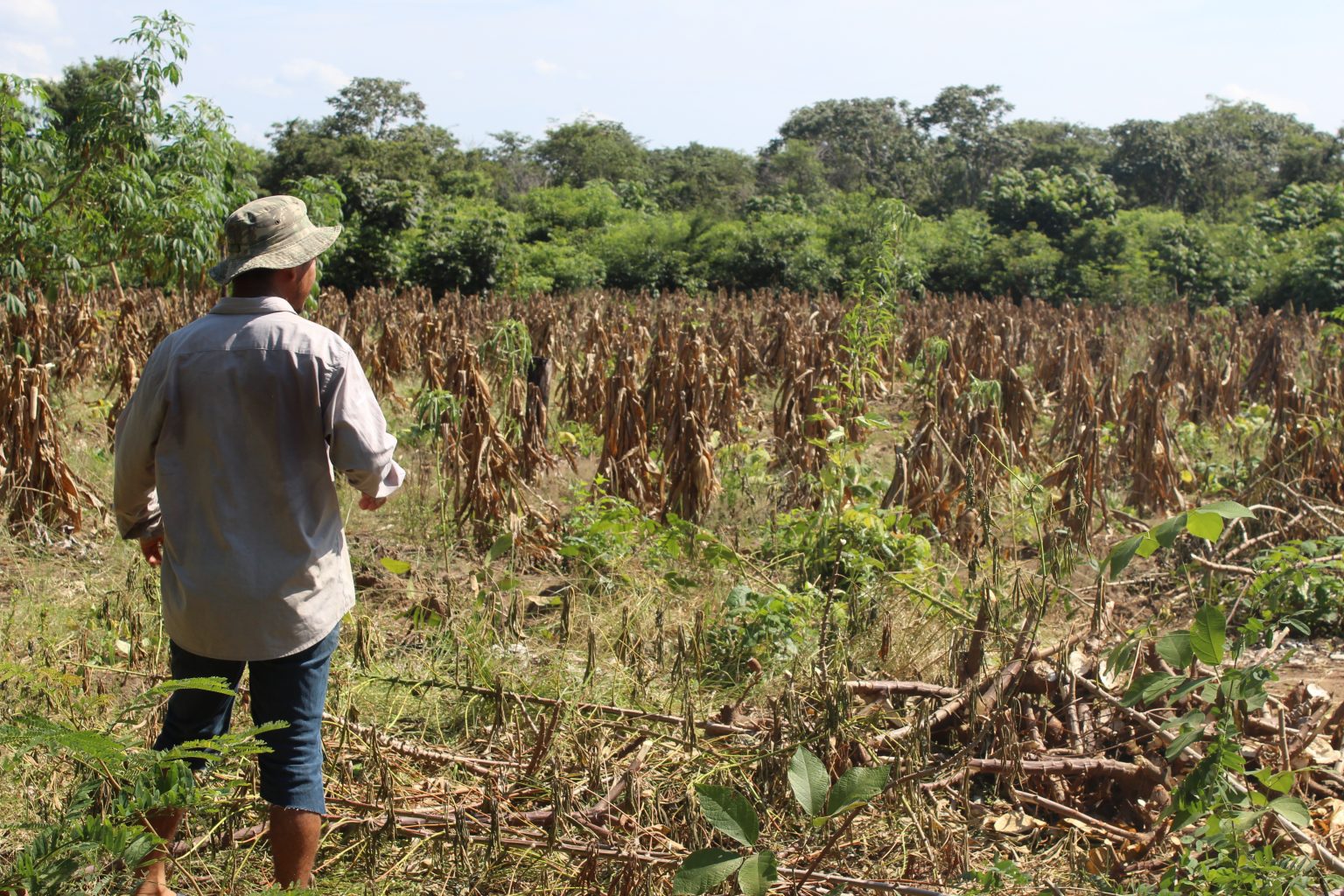
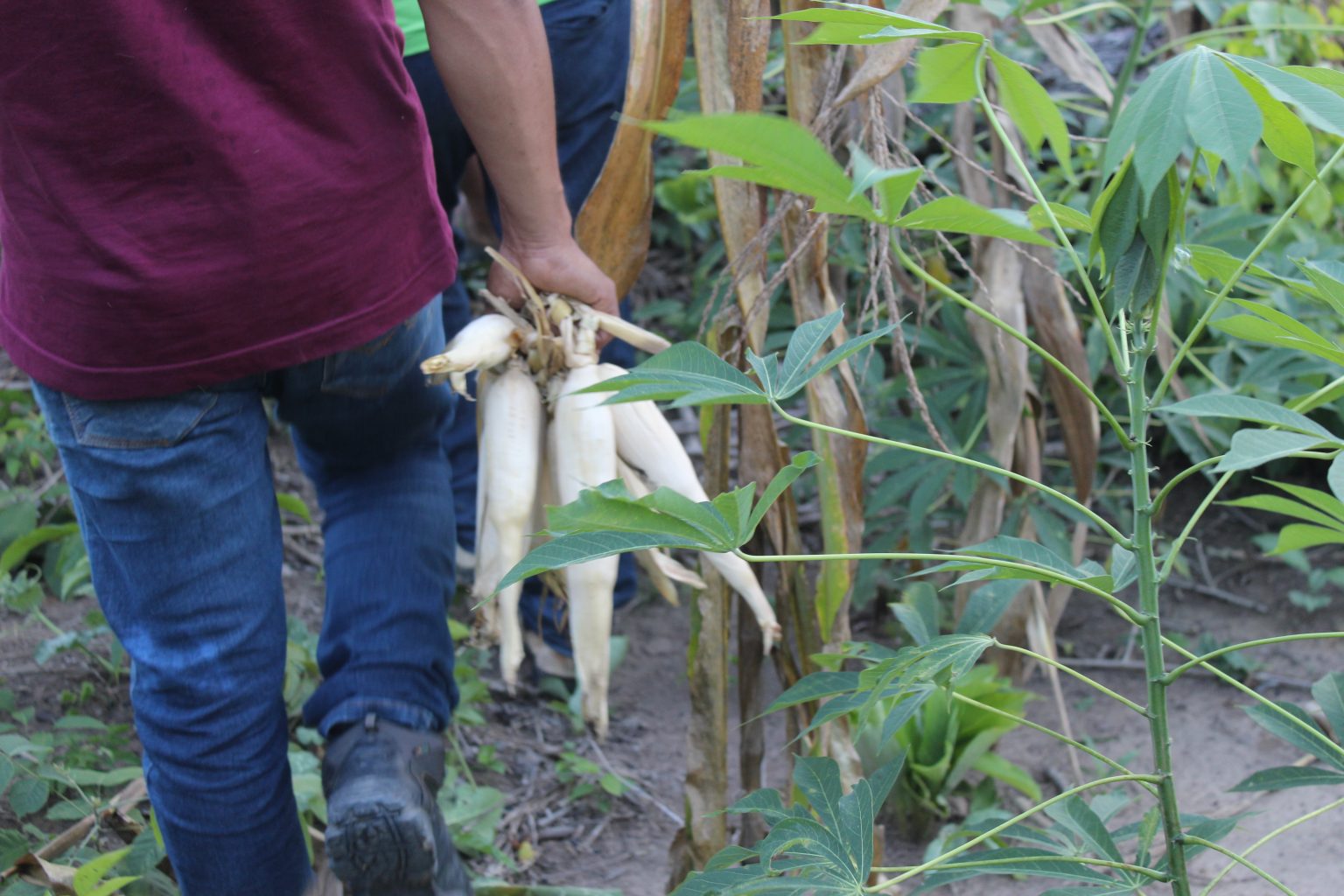
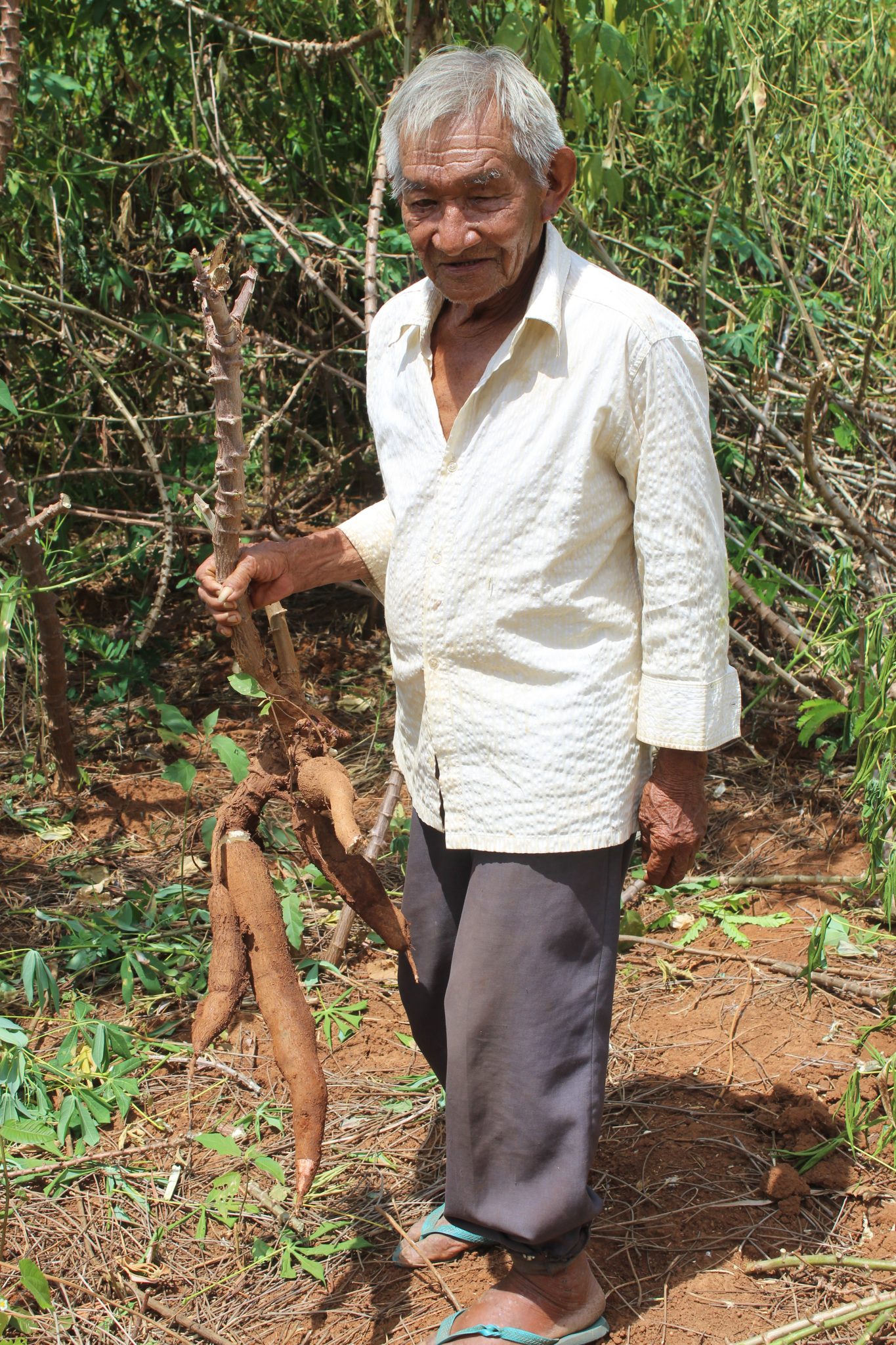
Between visits to the fields, one of the oldest producers, Mr. Evangelista de Souza, 74, was removing manioc for sale.
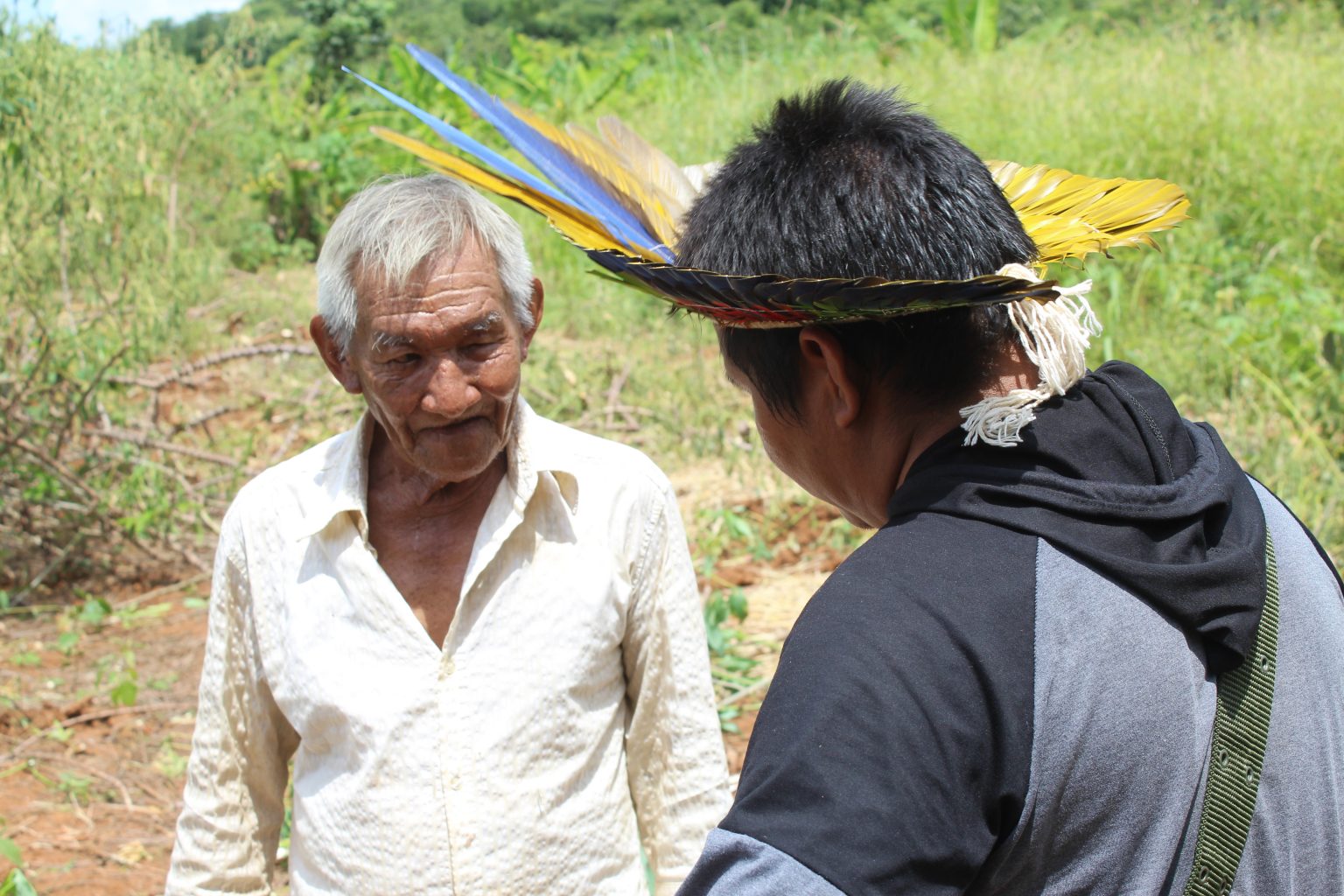
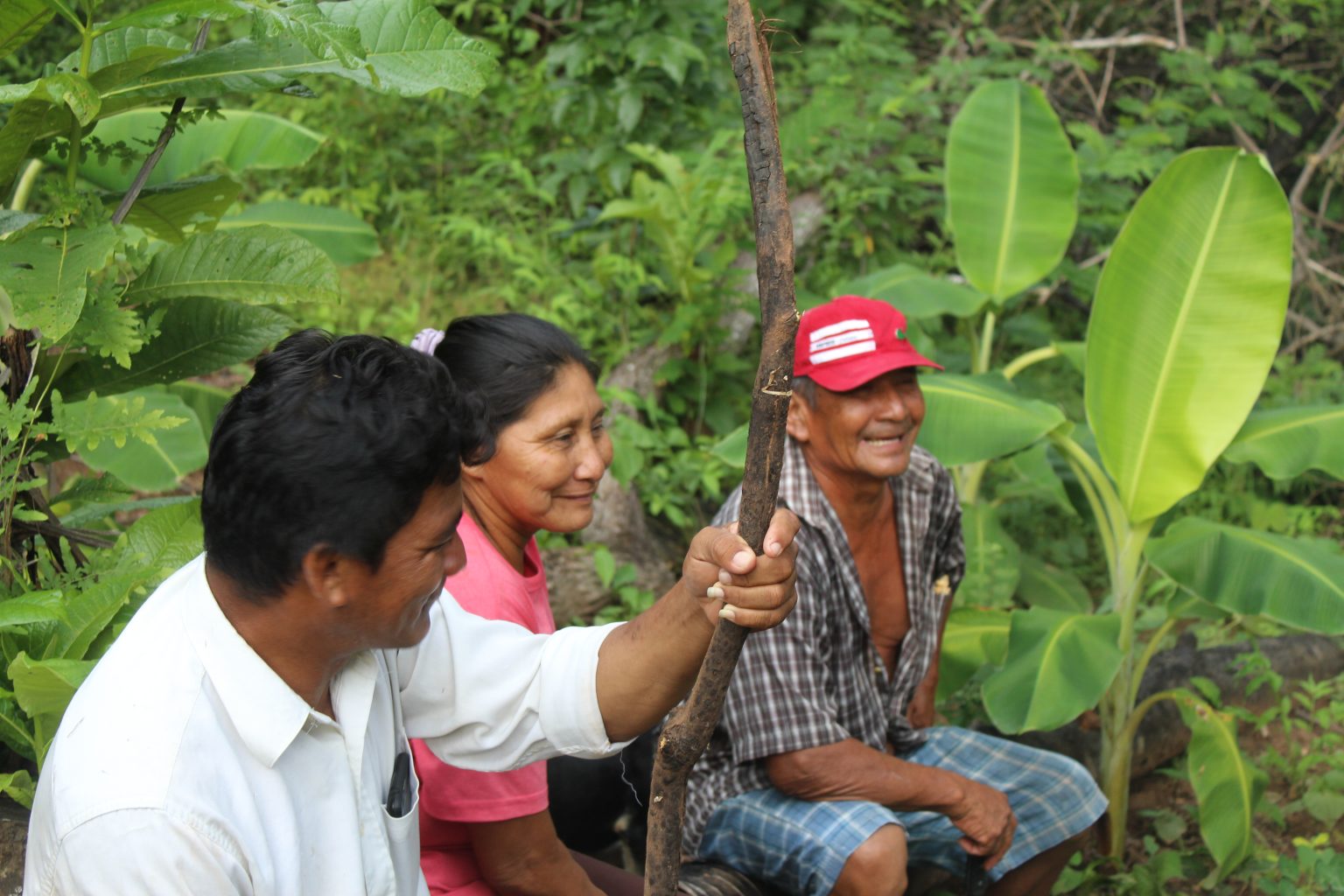
An important resident to mention is Mr. Anísio Bernaldino Duarte, a former tuxaua, a great collaborator of the coffee plantation of the Mangueira community. Despite the distance, he always helped, often going by bicycle to the Tabaio Region to assist in the cultivation of coffee.
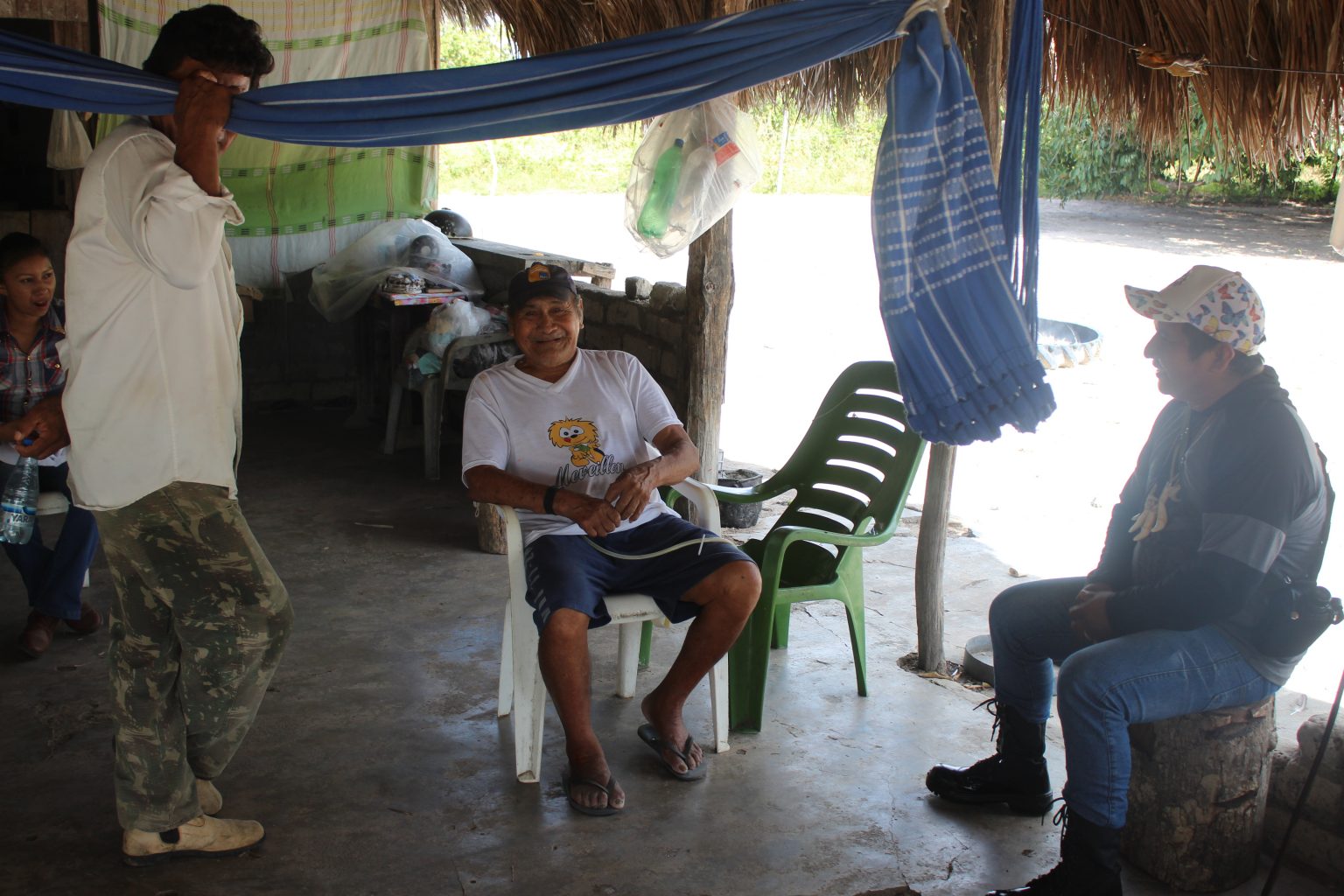
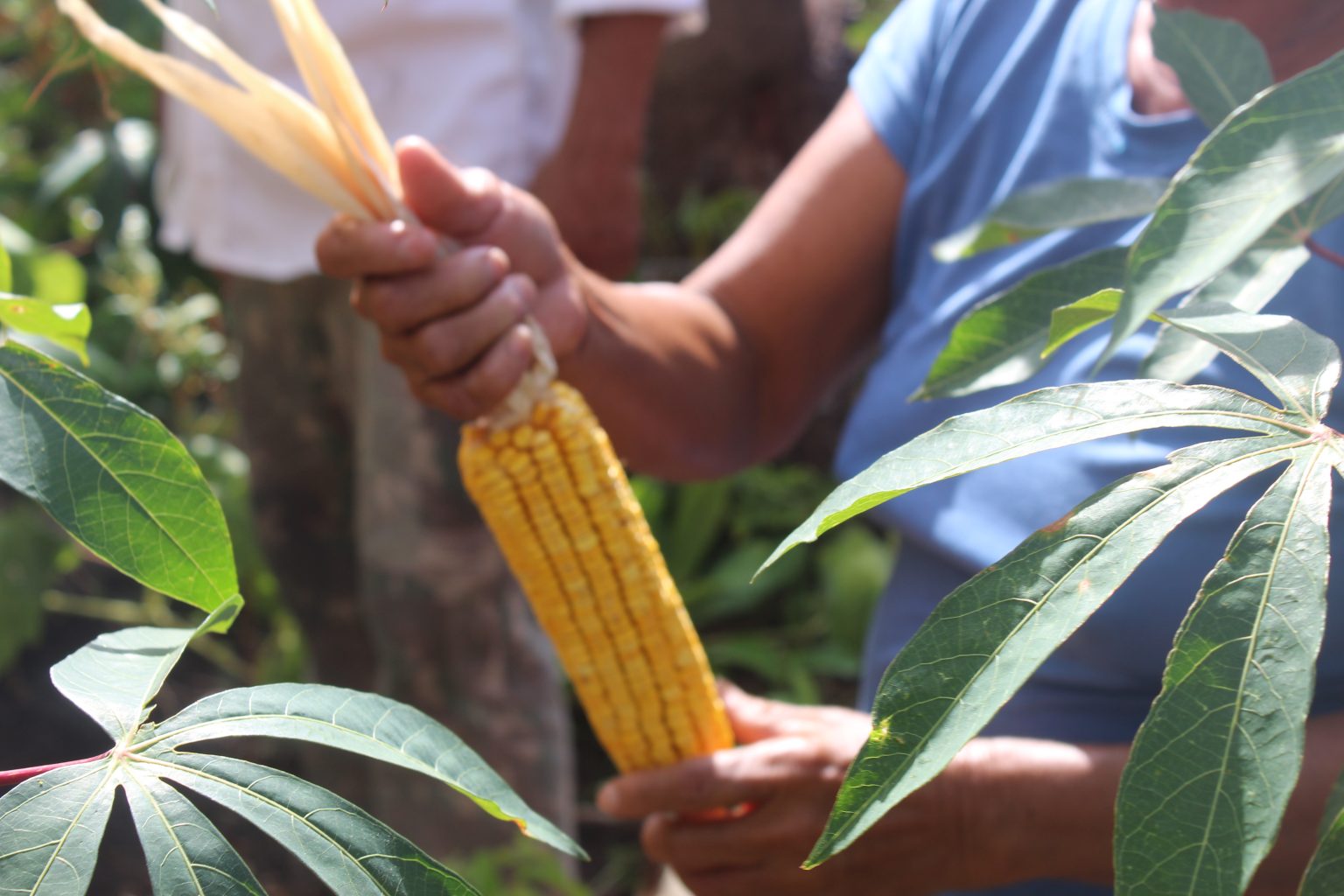
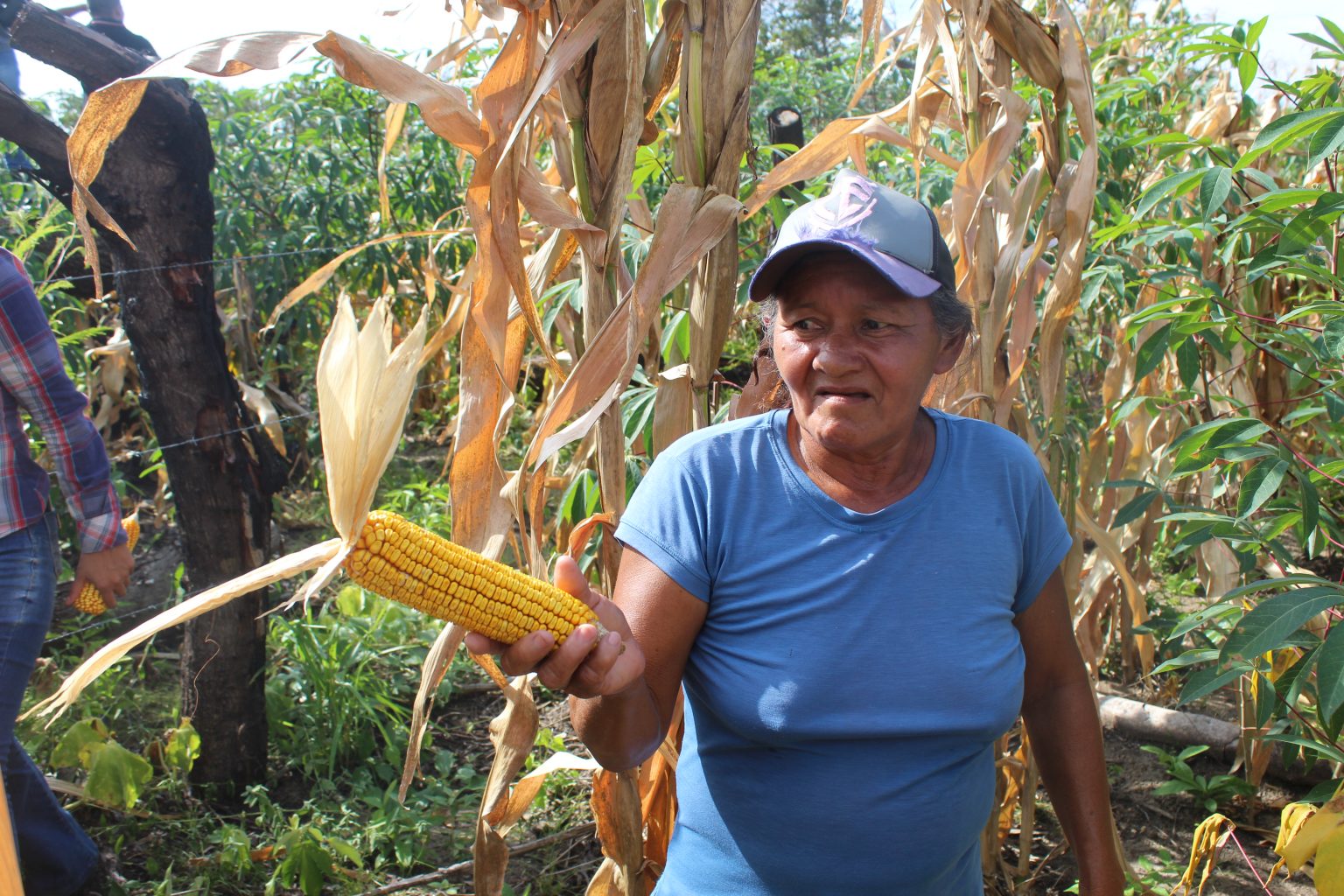
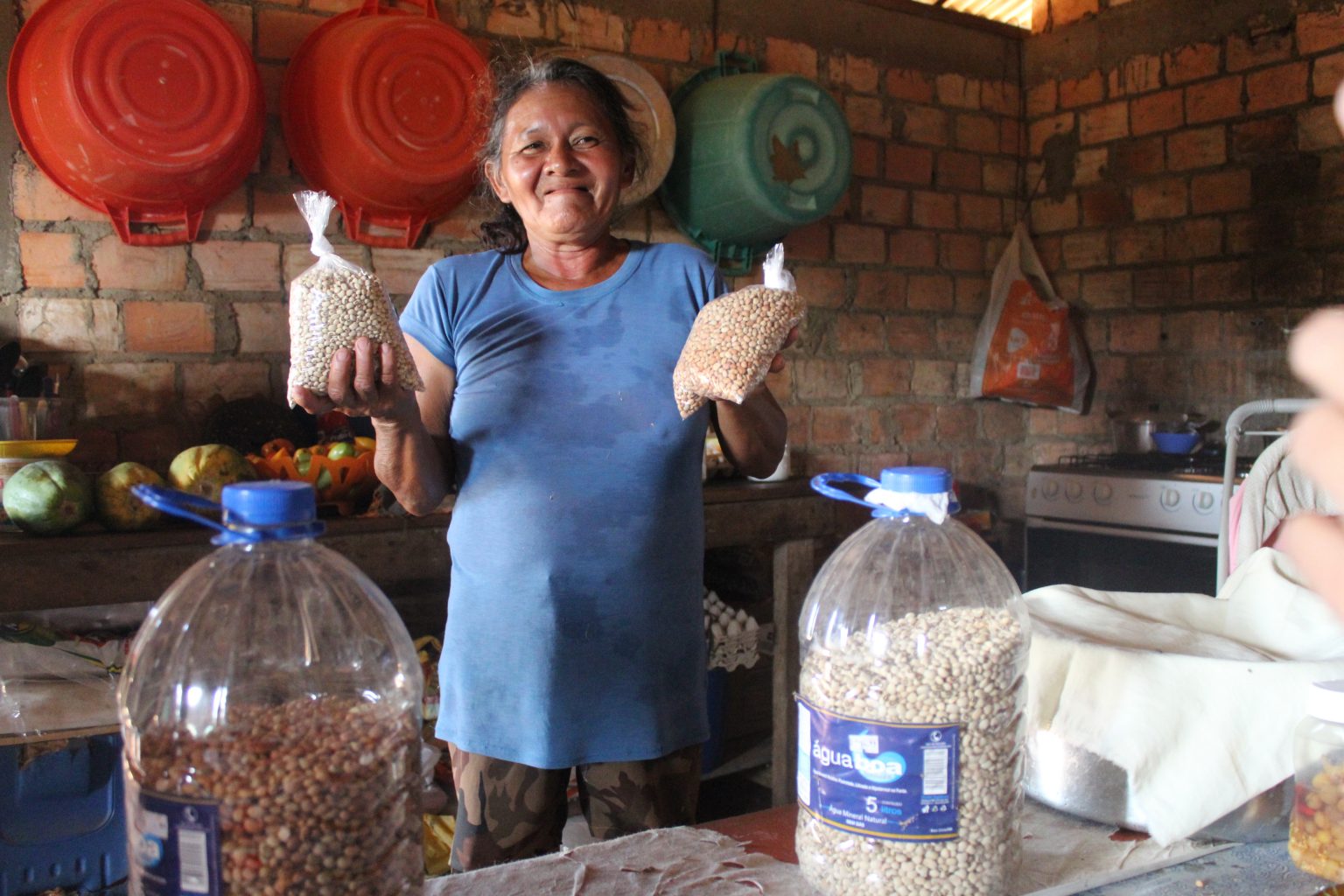
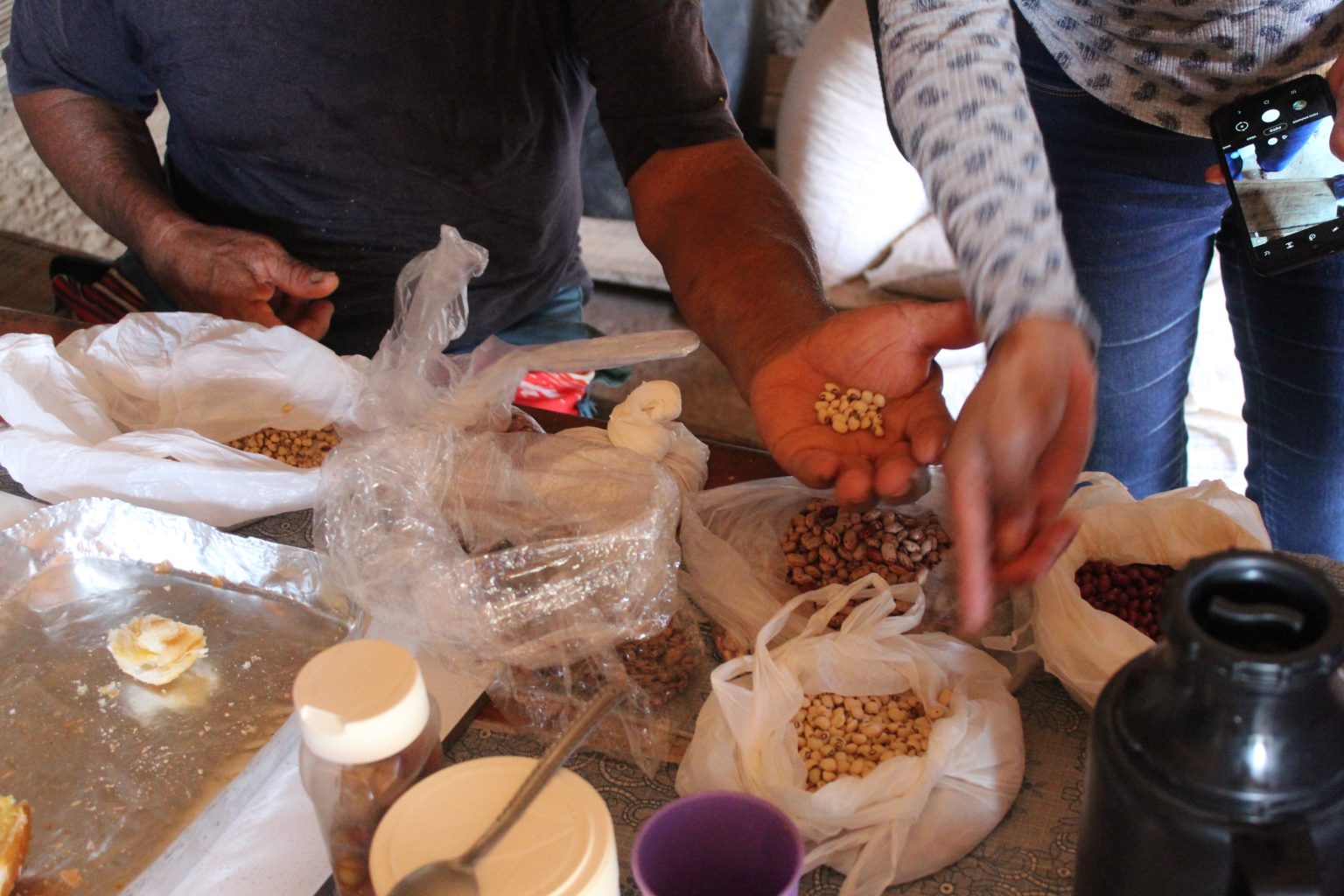
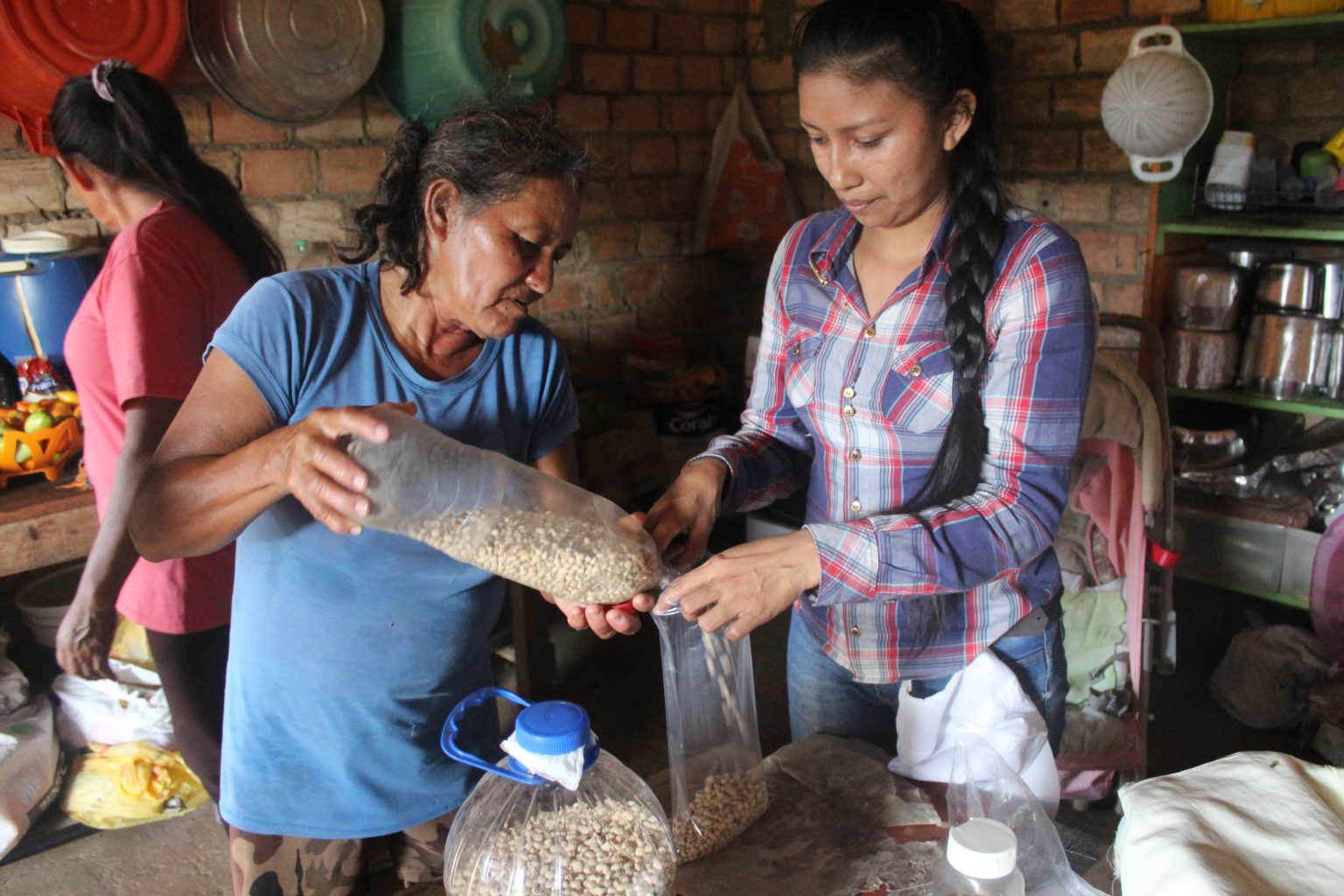
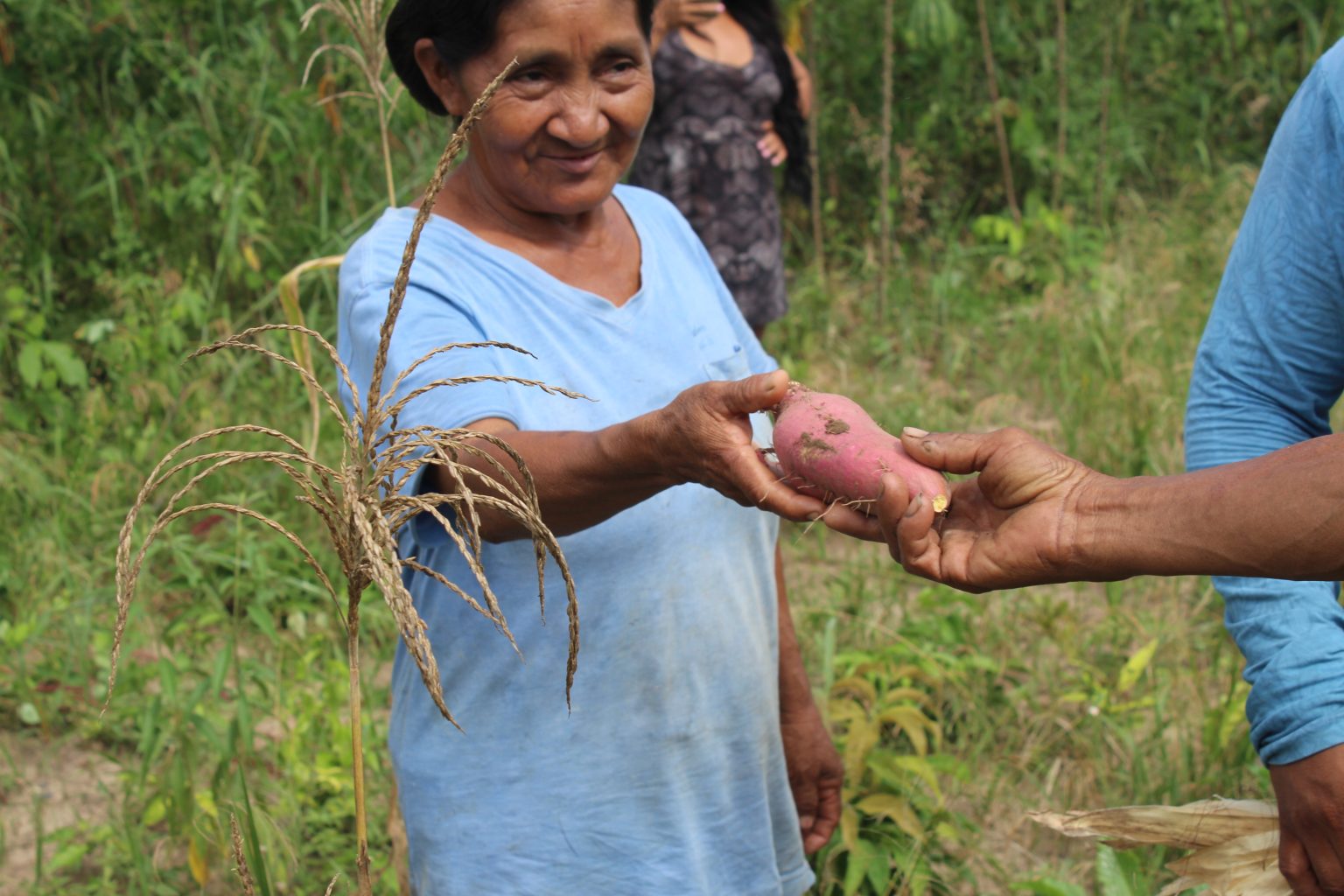
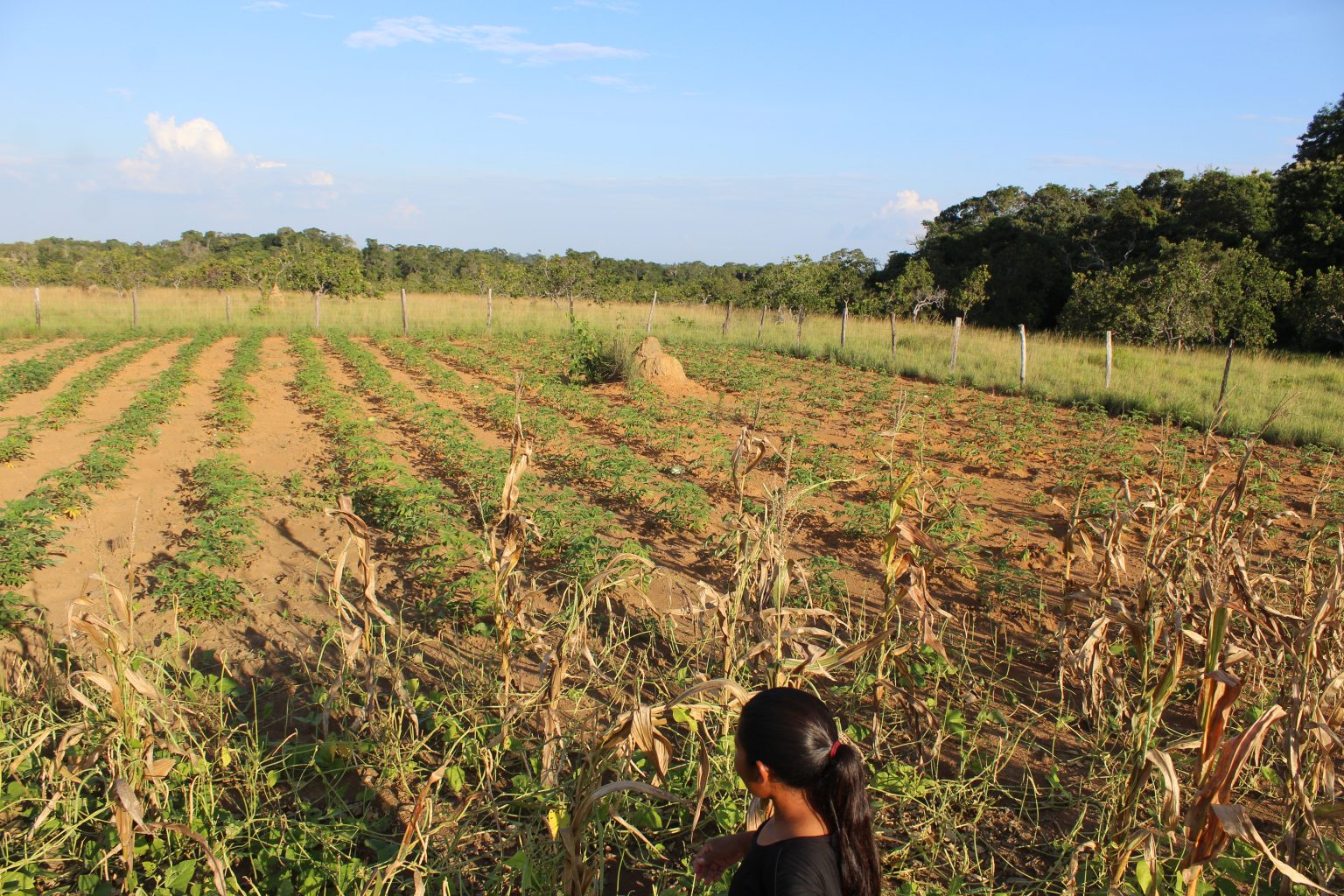
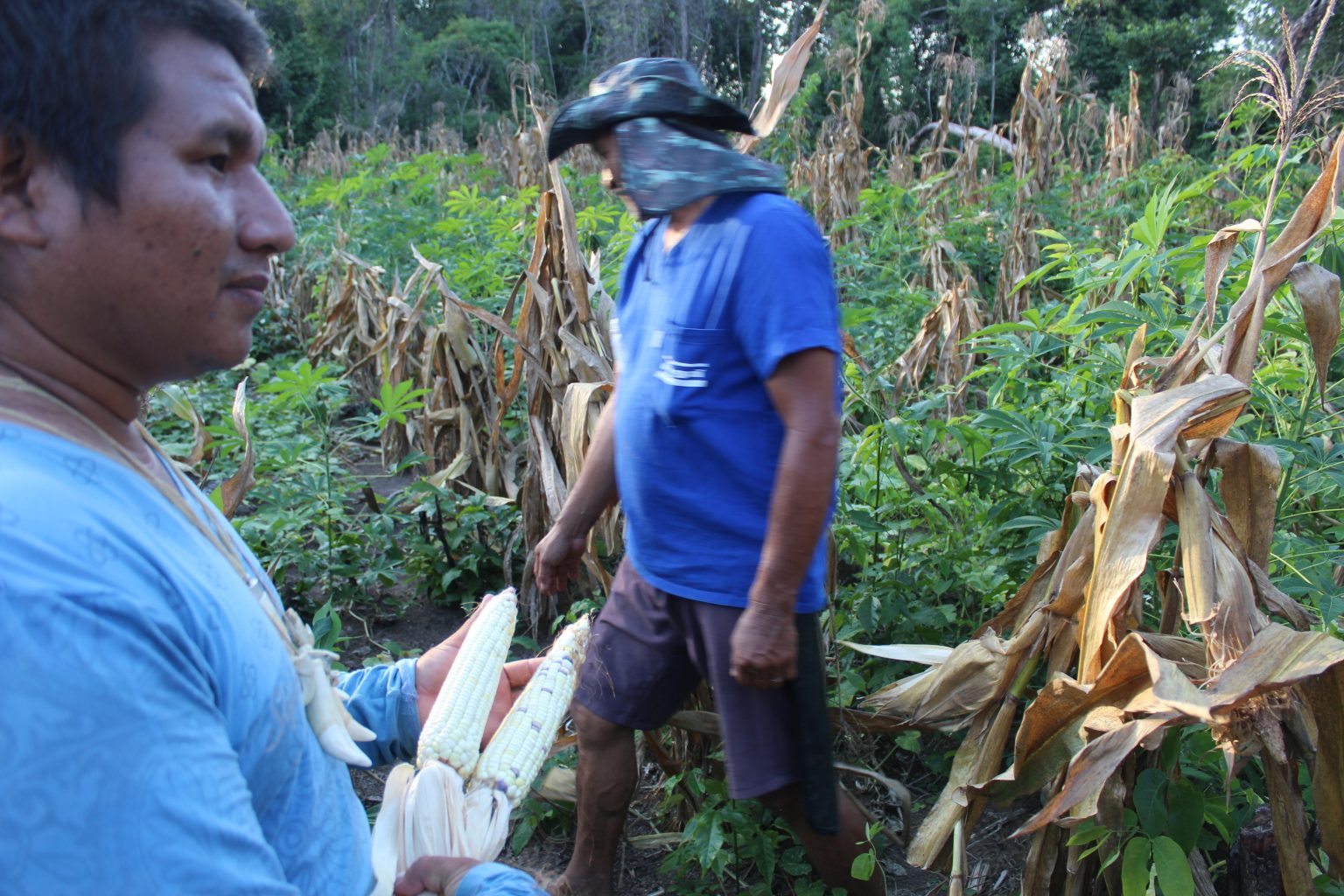
Dona Jacira cultivates a garden of eight lines in the production of cassava, pumpkin, corn and beans. Some seeds were donated to the CIR, for distribution in other regions. In the area, she also has about 40 lemon trees, some orange and guava trees. The area of the cassava garden According to her, after the harvest of the products will be transformed into pasture for cattle.
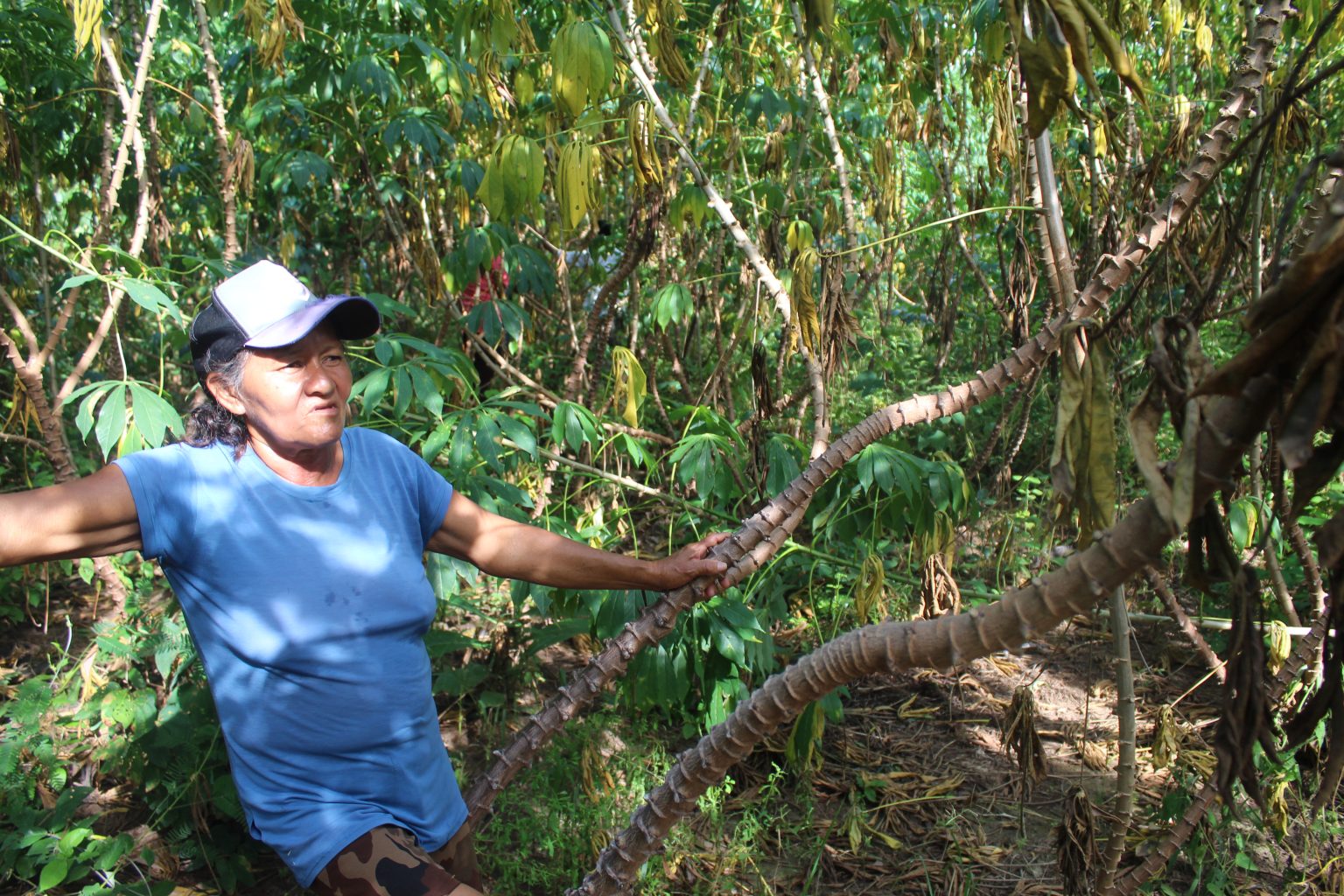
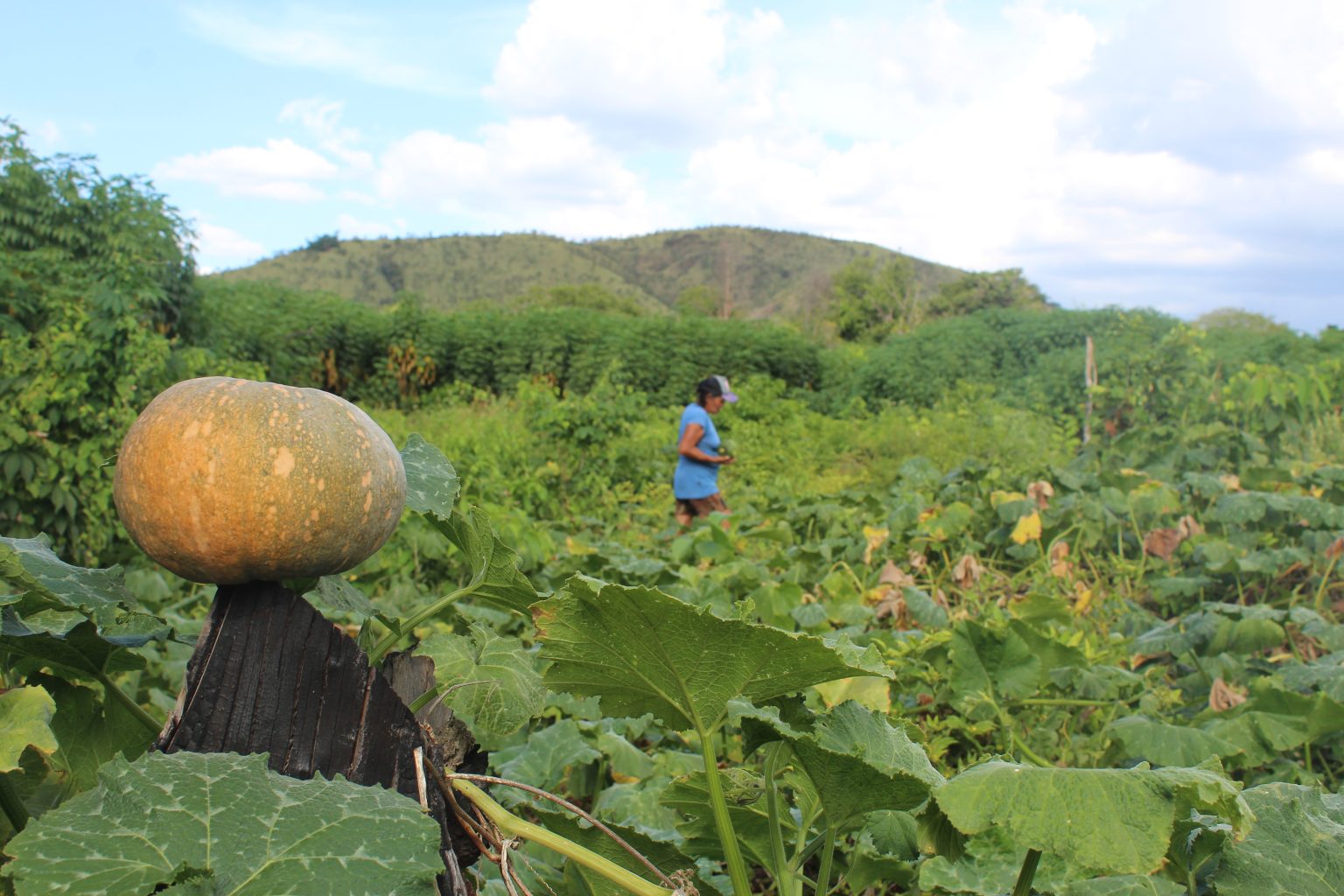
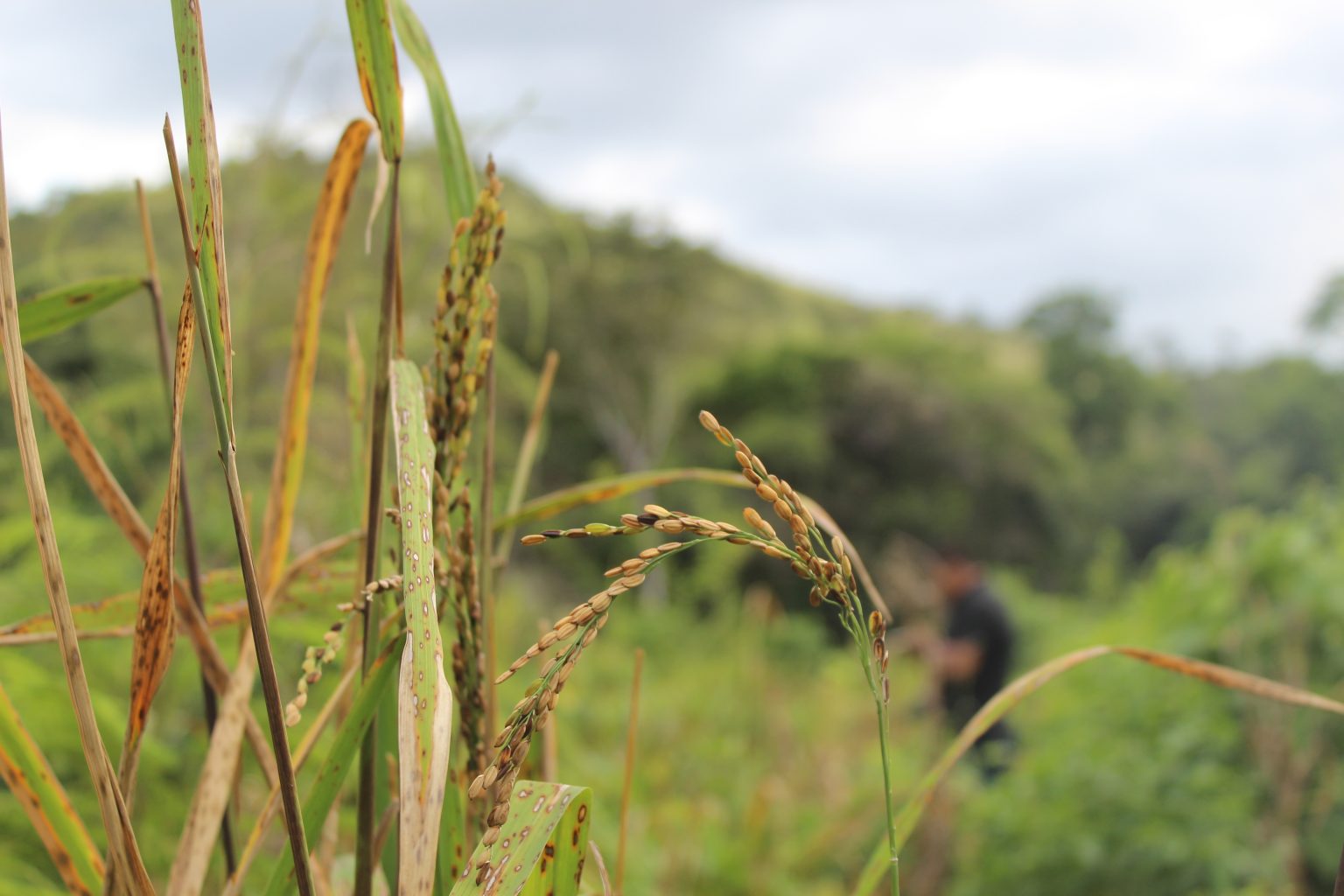
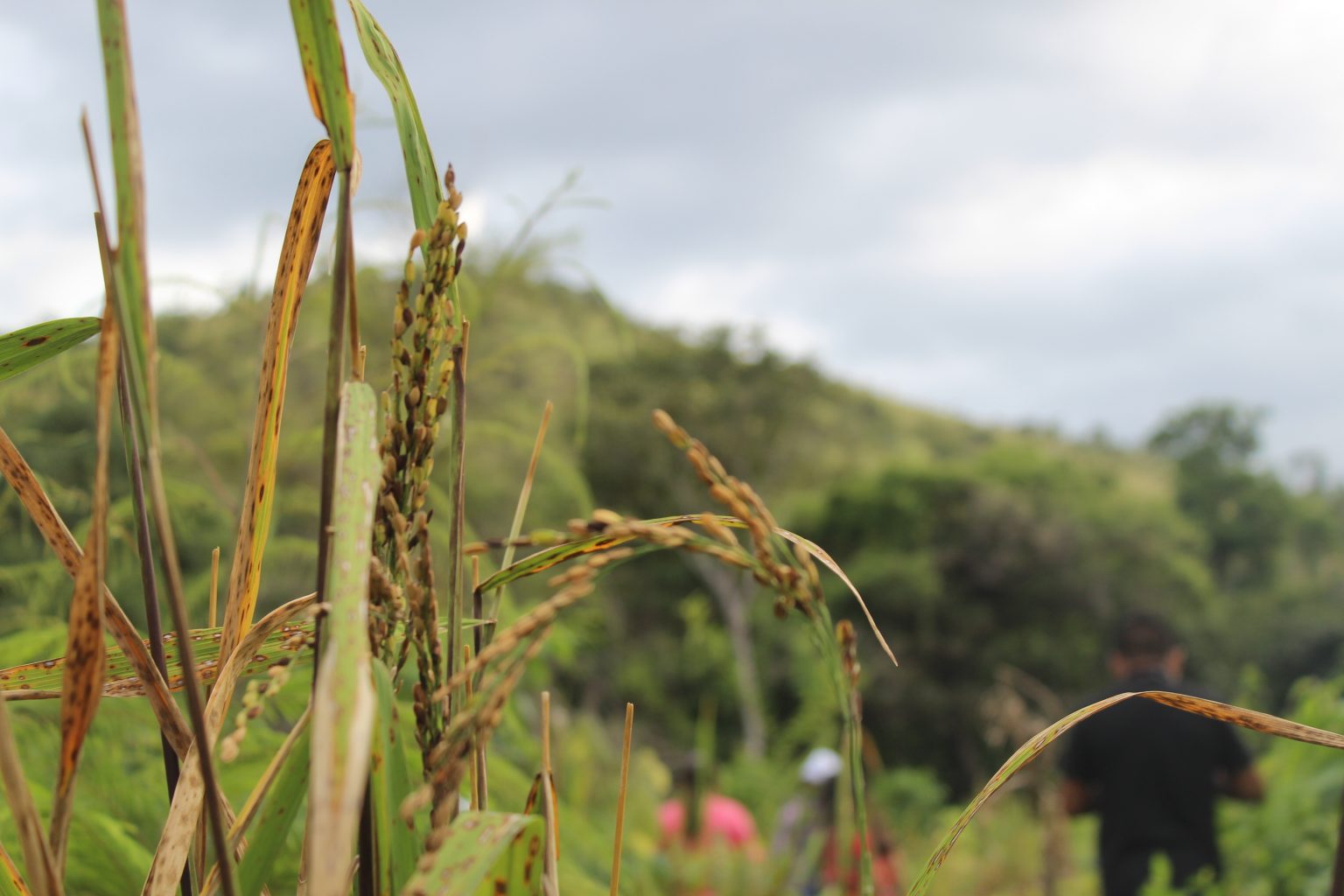
In Mr. Leôncio Lourenço da Silva's swidden, the plantations are composed of rice, papaya, manioc, sugarcane and cassava. In the days before the visit, he had already harvested five bags of rice from his plantation.
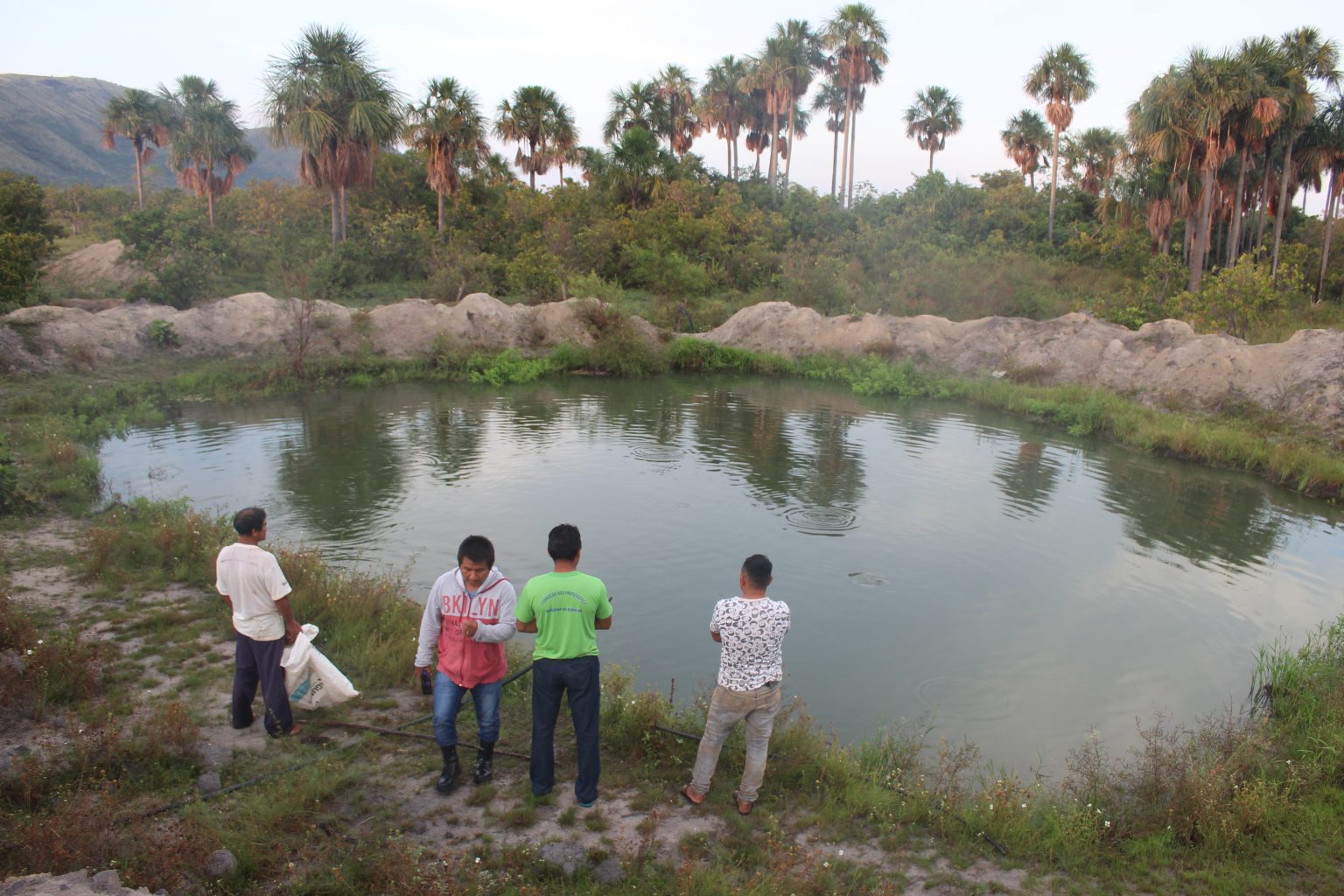
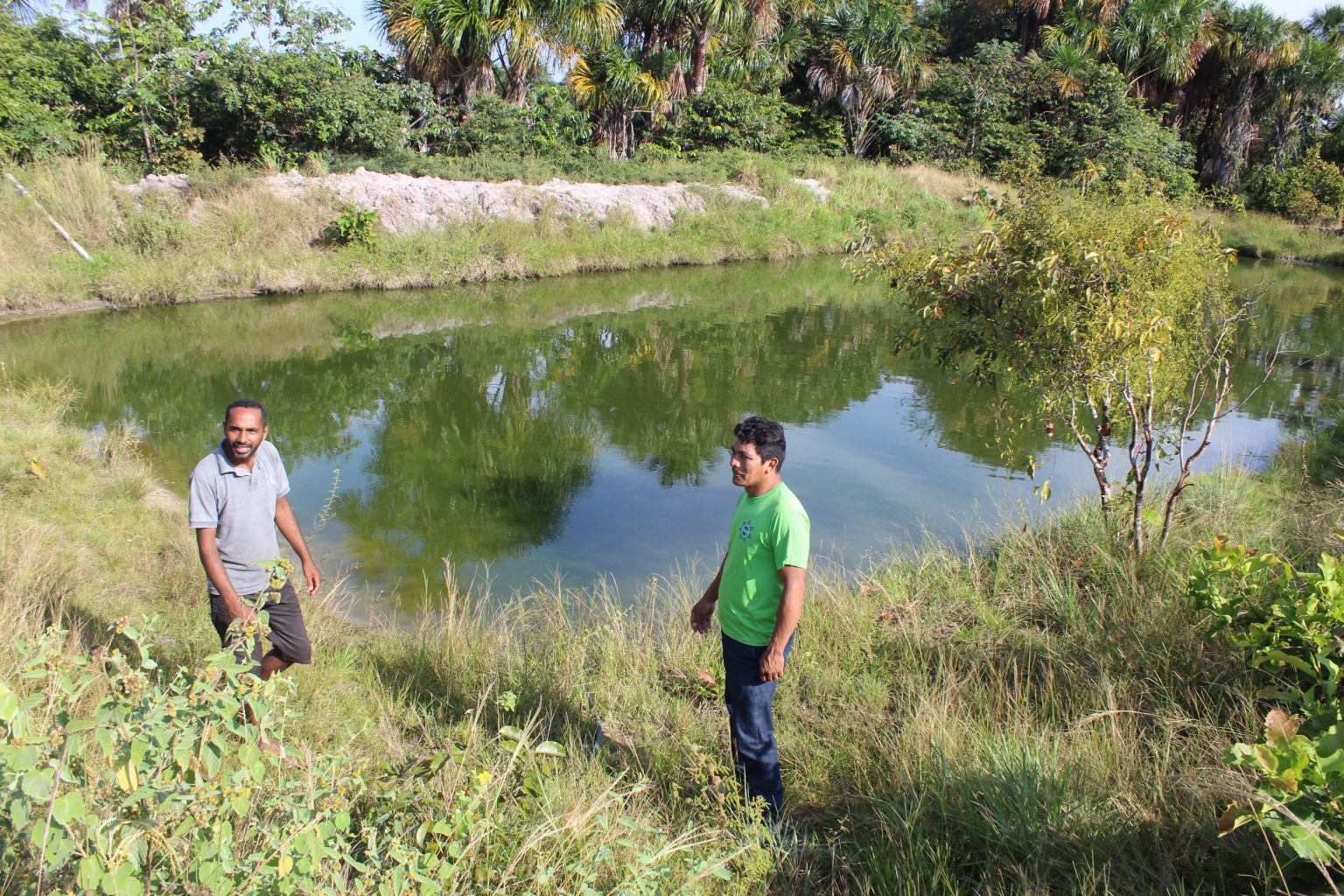
The CIR team also visited one of the projects of the Territorial and Environmental Management Plan (PGTA) of the Truaru community. About 500 fish of the tambaqui species are raised there.
Productions in a community without demarcated land
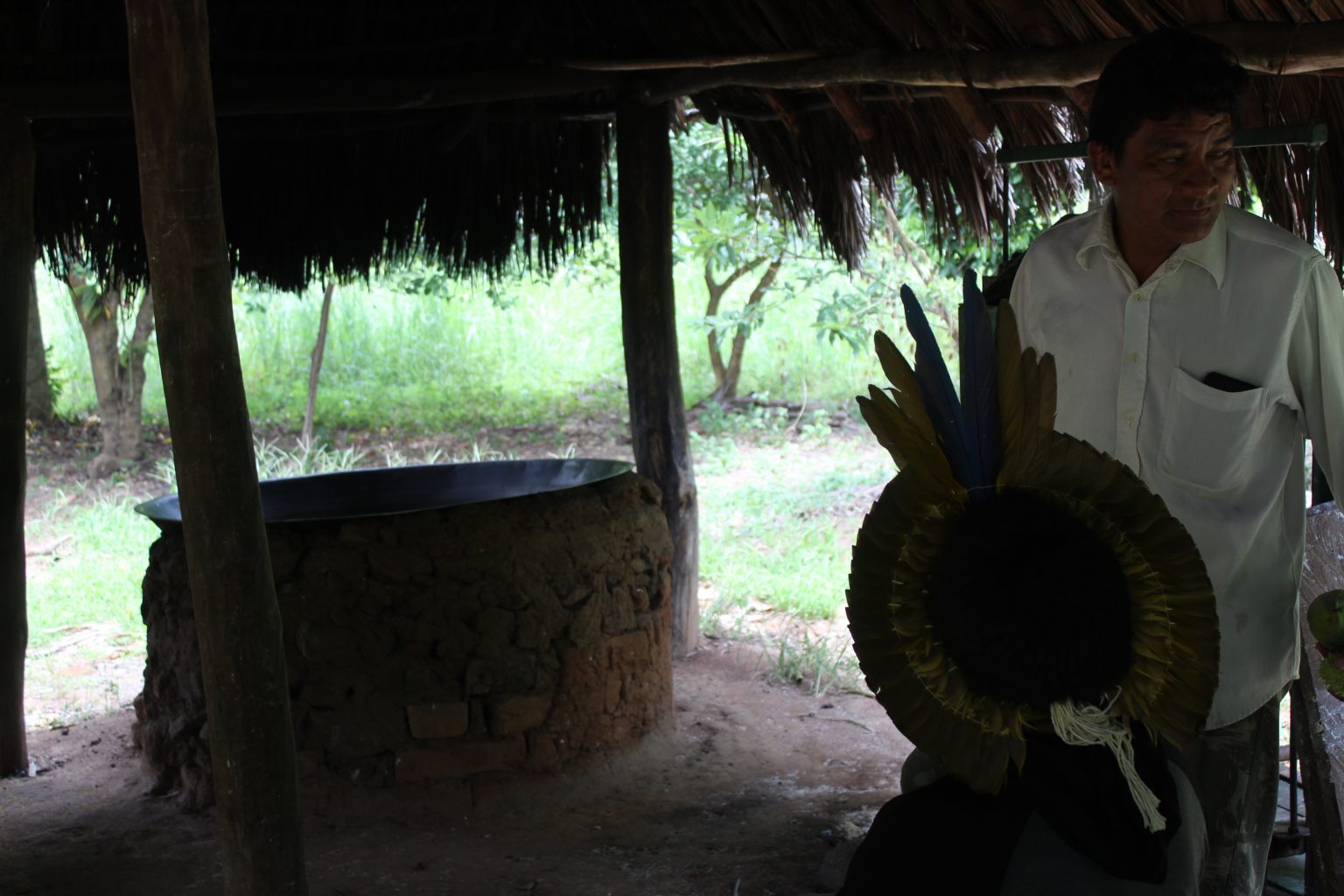
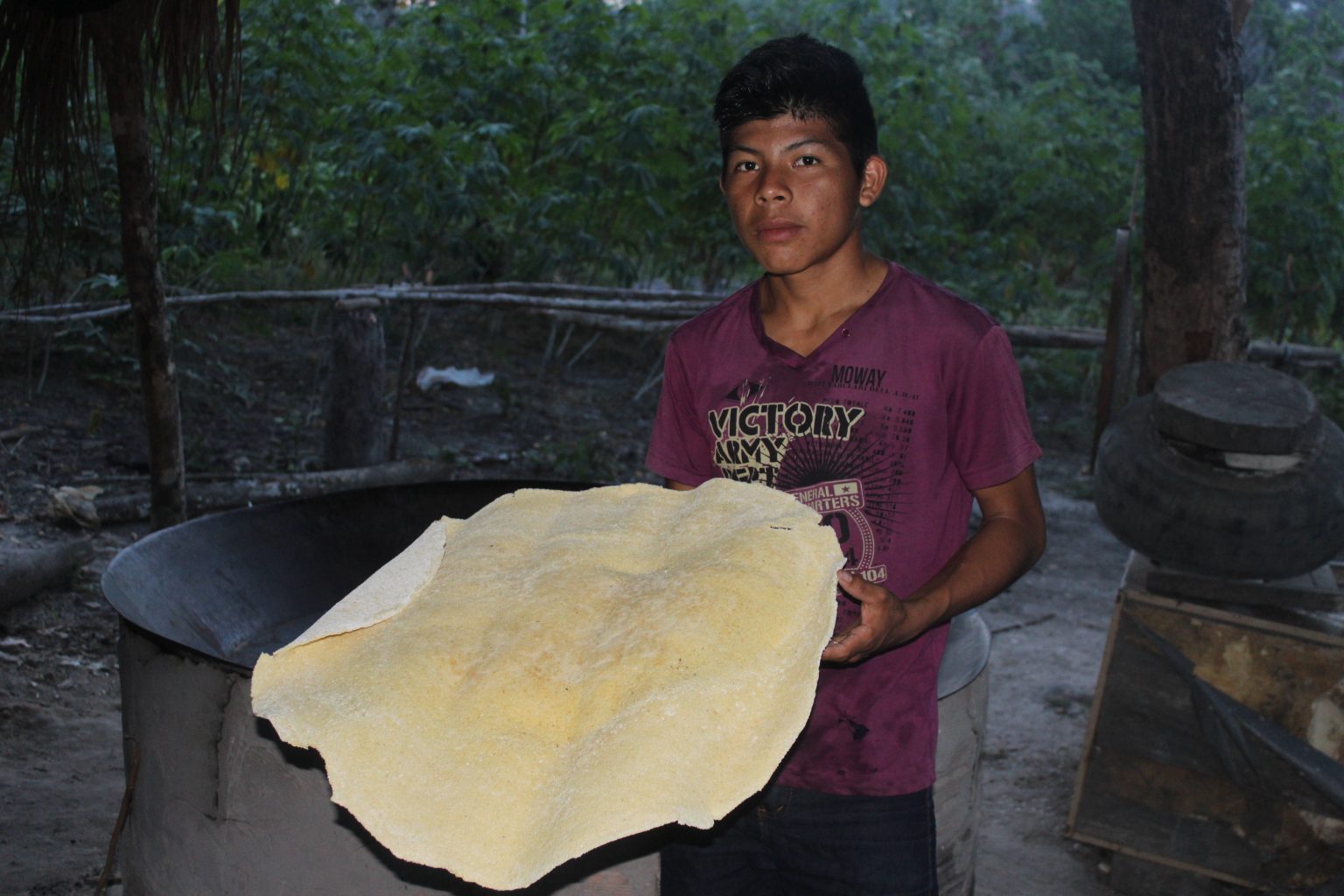
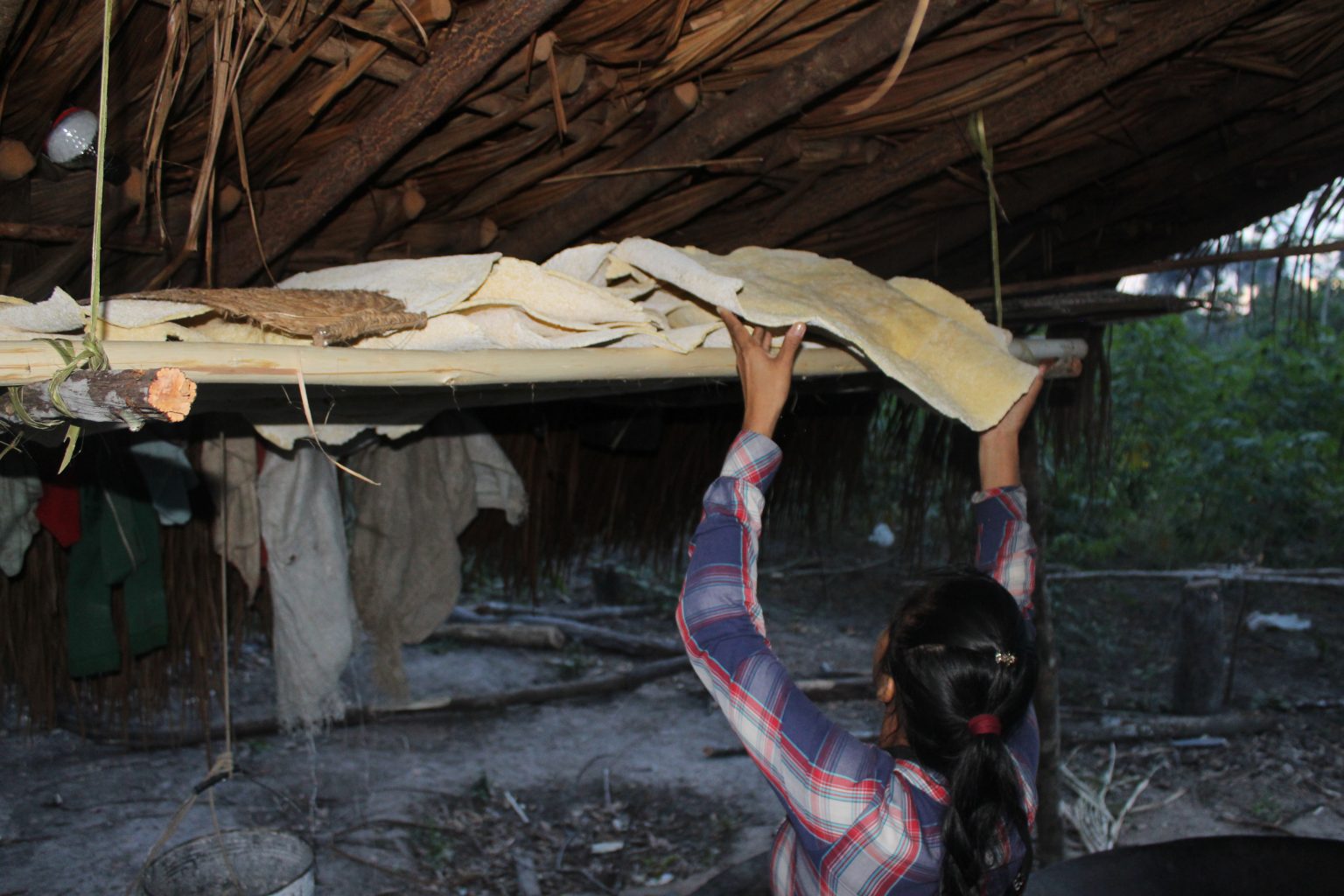
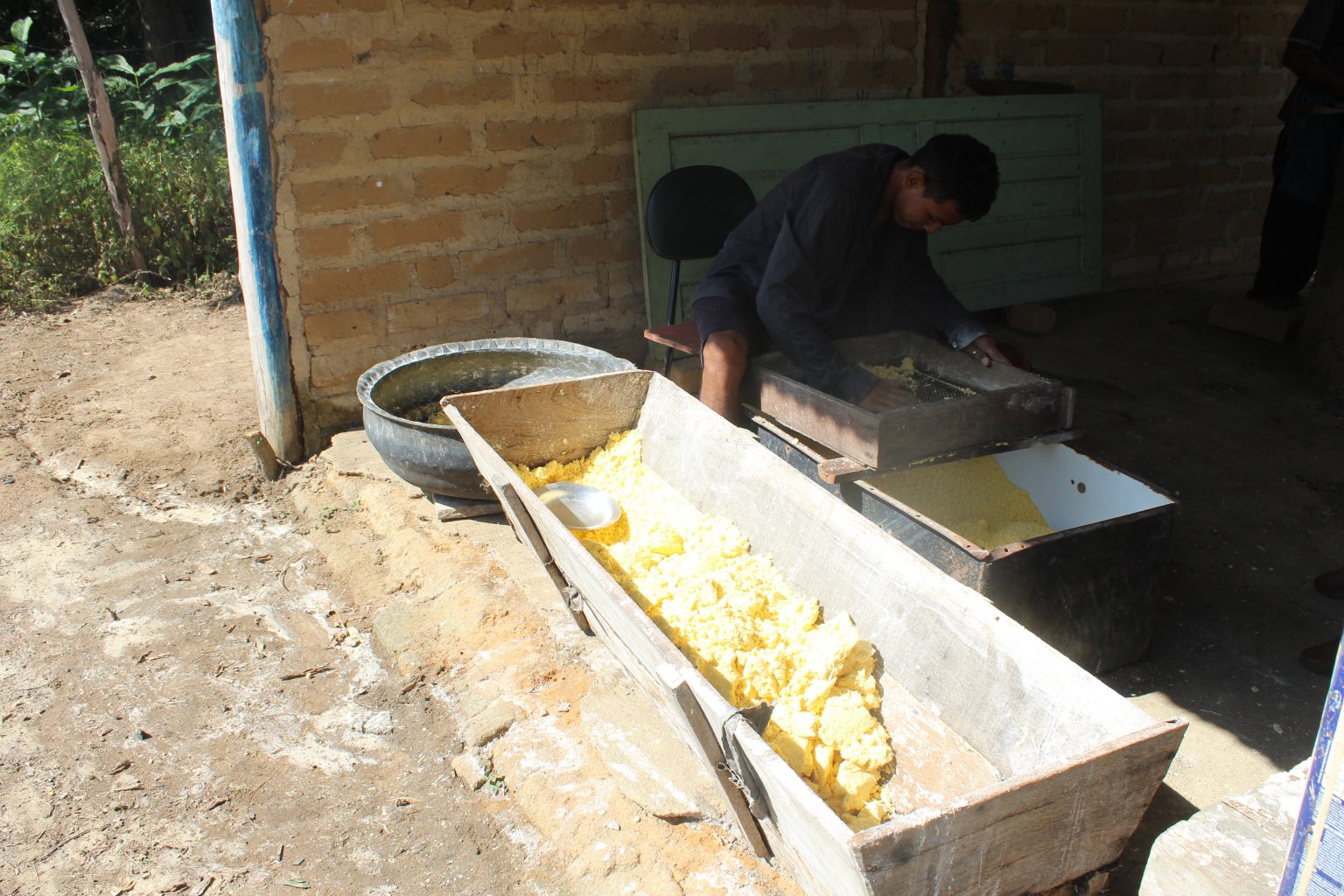
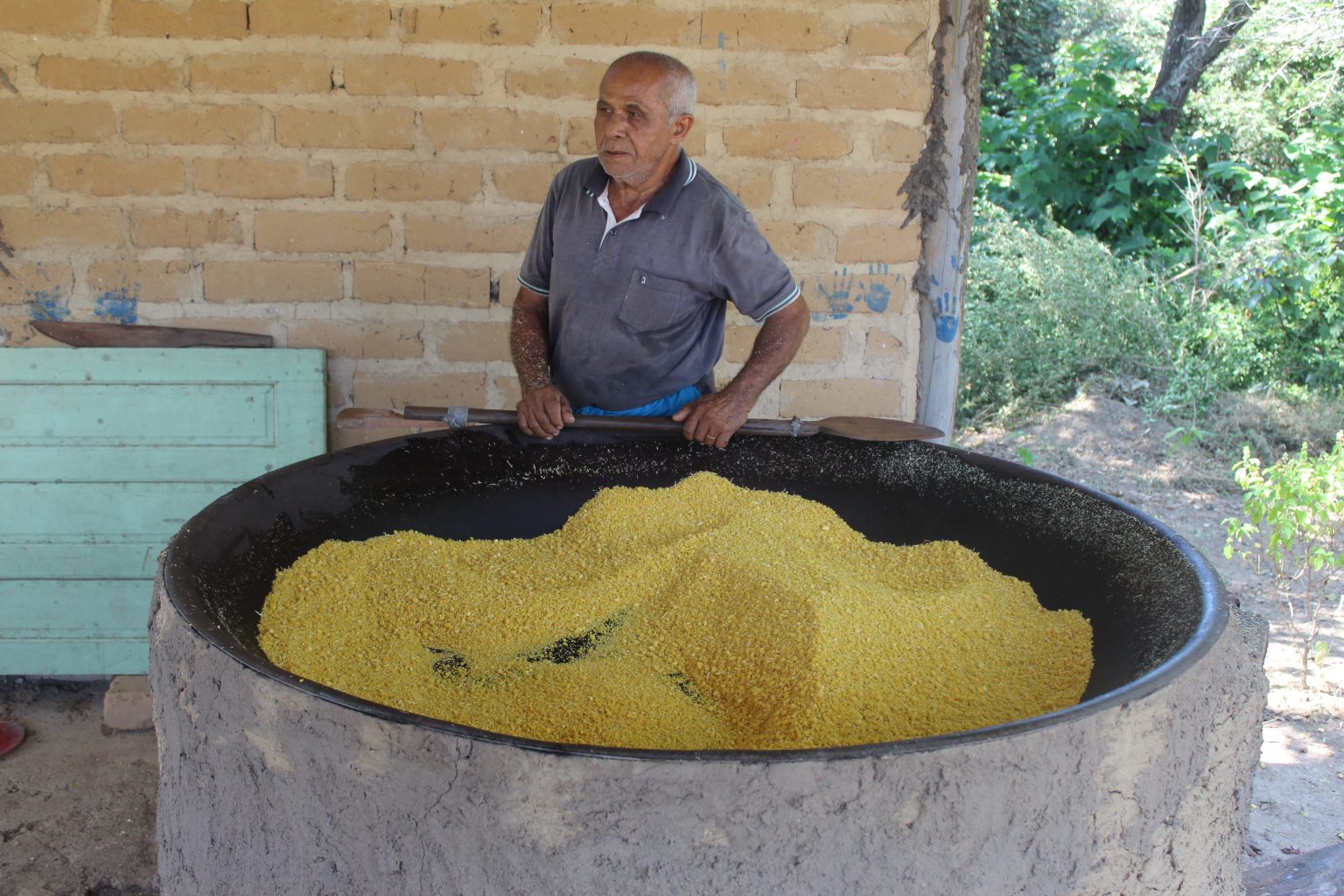
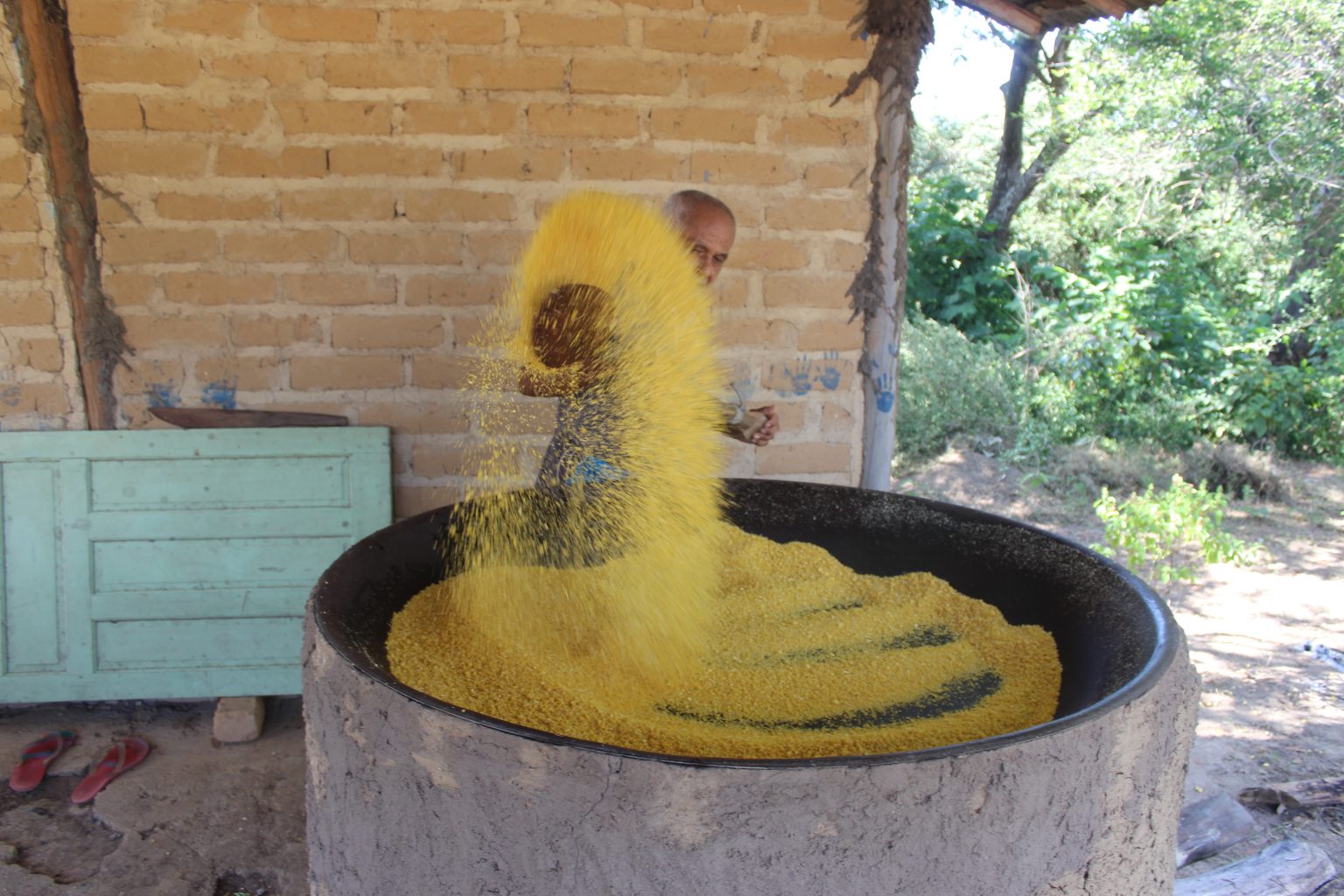
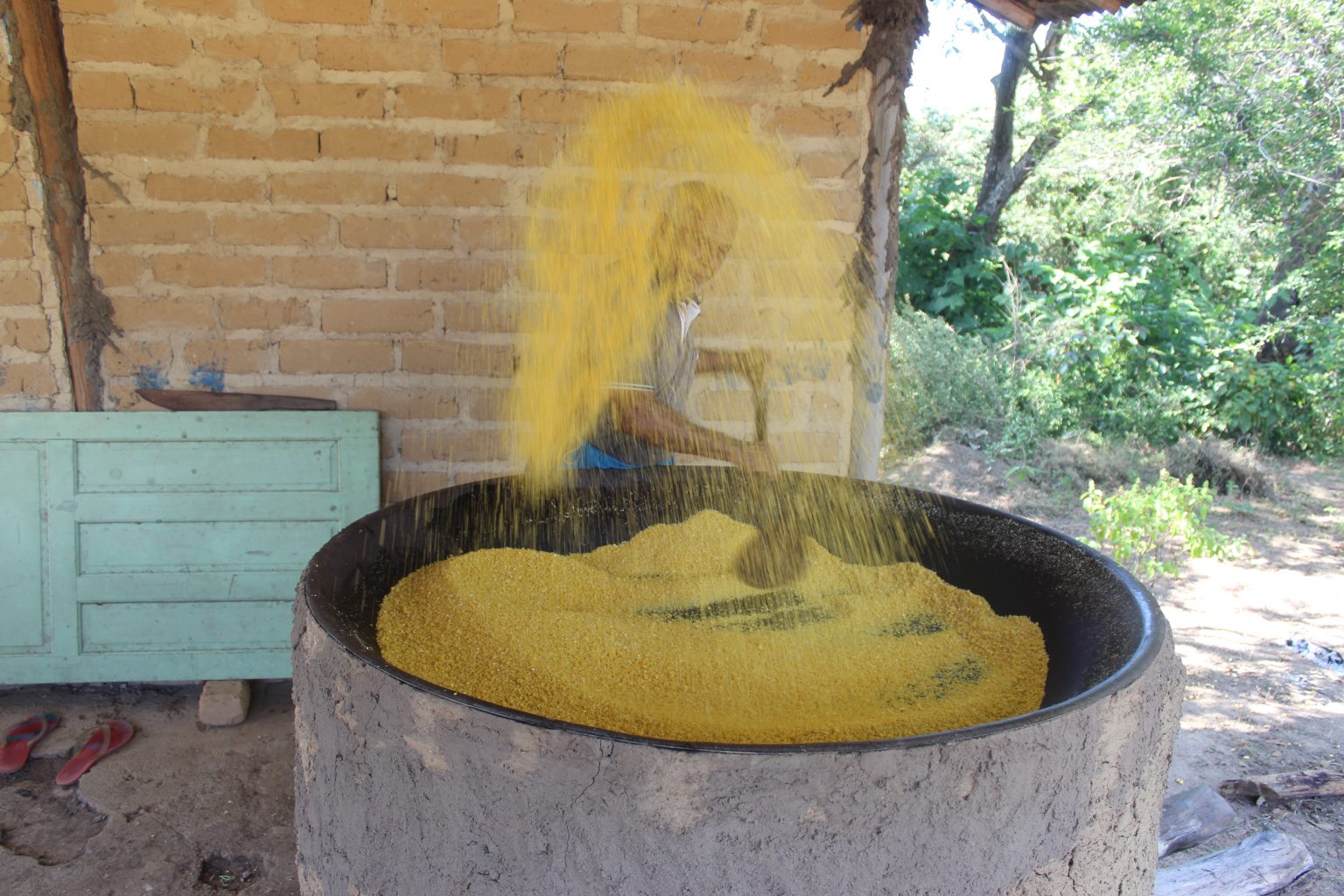
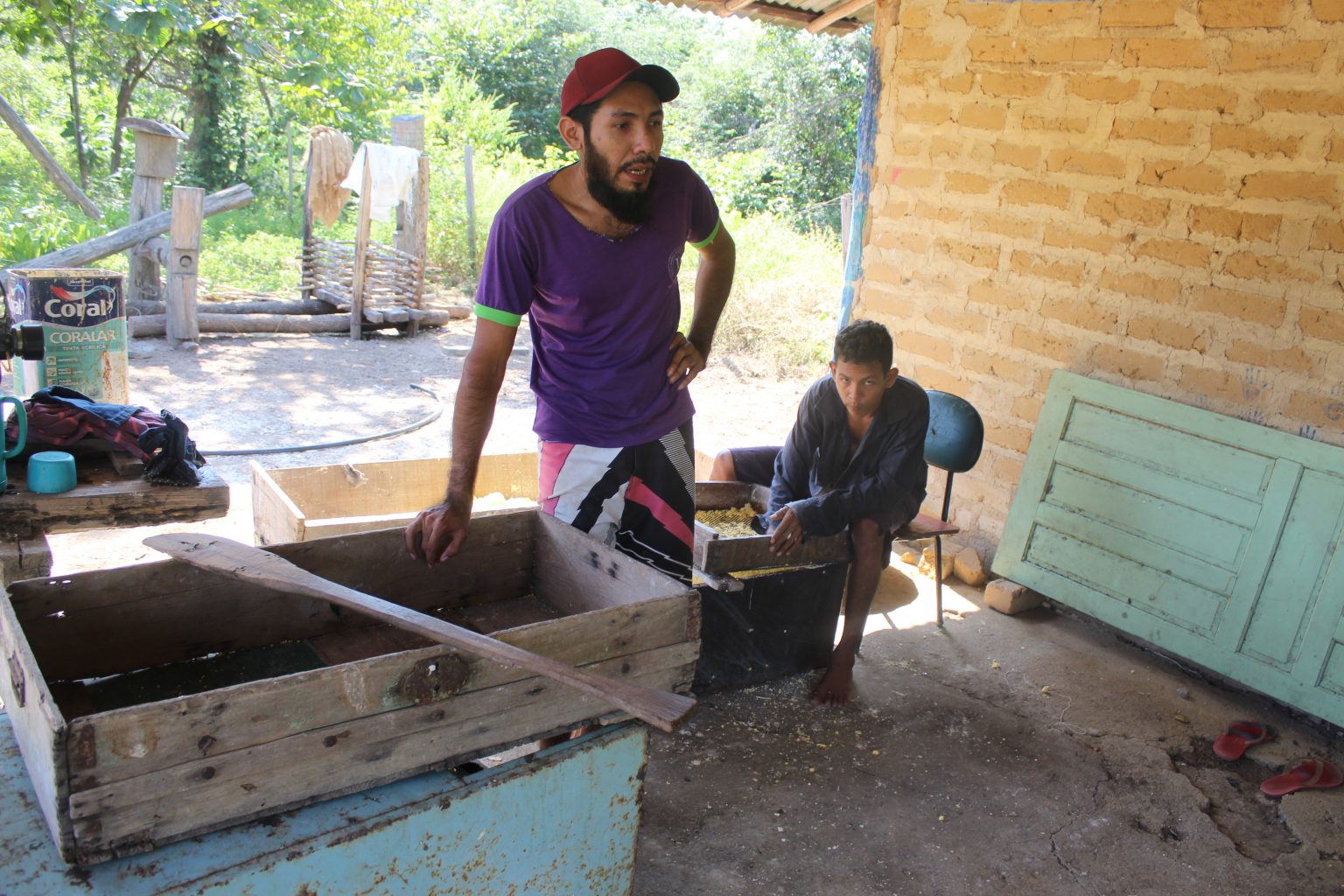
The Anzol community, where 13 families of the Wapichana and Macuxi ethnic groups live, is also an area for planting cassava, beans, pumpkin, manioc and corn. The vice-tuxaua, Del Wekeleson da Conceição, was in the production of flour at the time of the visit and led the team in the community that has not yet been recognized as indigenous land. "We just want our rights to be recognized," said the vice-tuxaua.
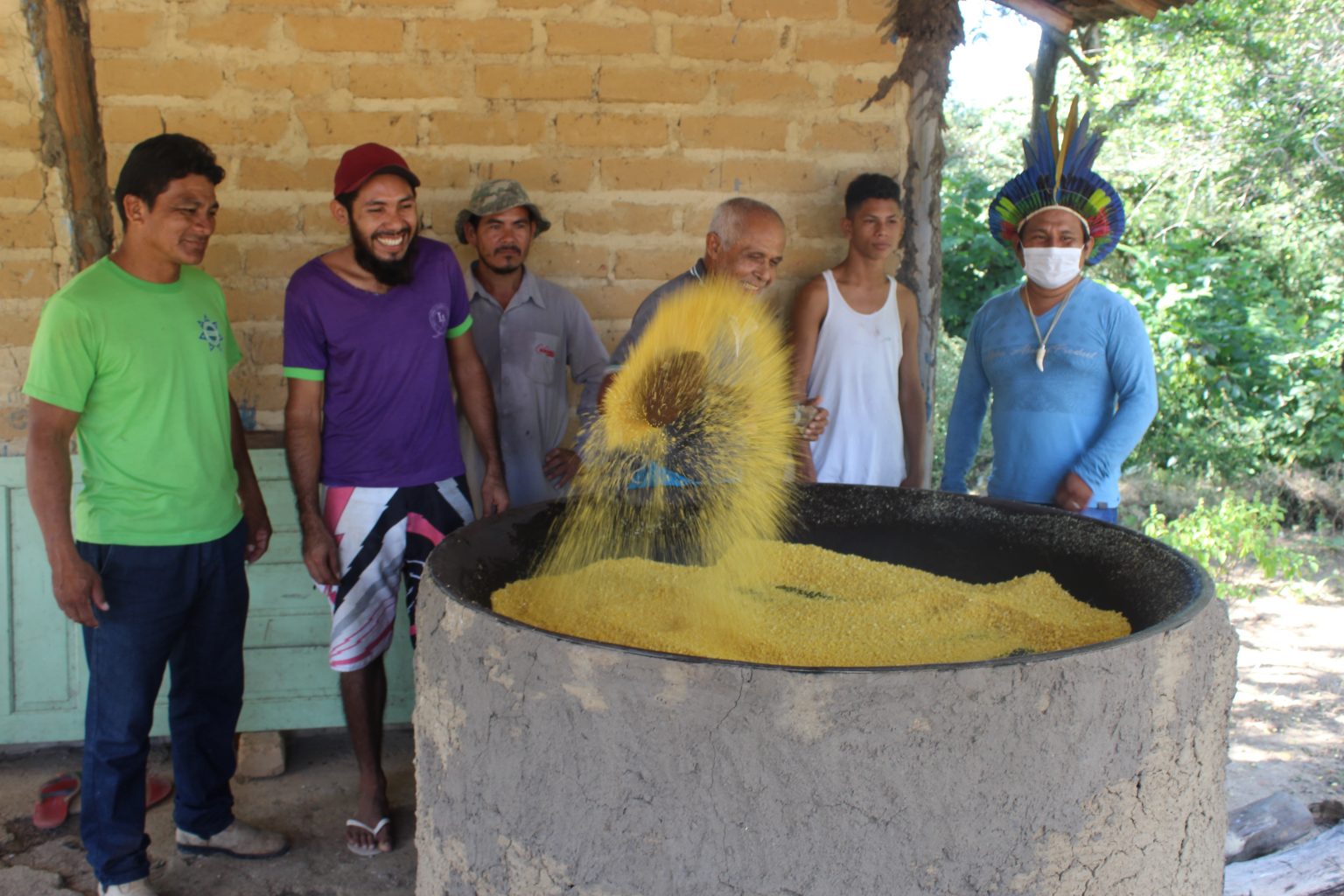
Cineida Conceição Mafra, from the Anzol community said. "I was born and raised in the Anzol community, I am 62 years old, it is a land that we fight for demarcation, and every year I take a lot of jerimum, corn and I make a lot of flour from my garden."
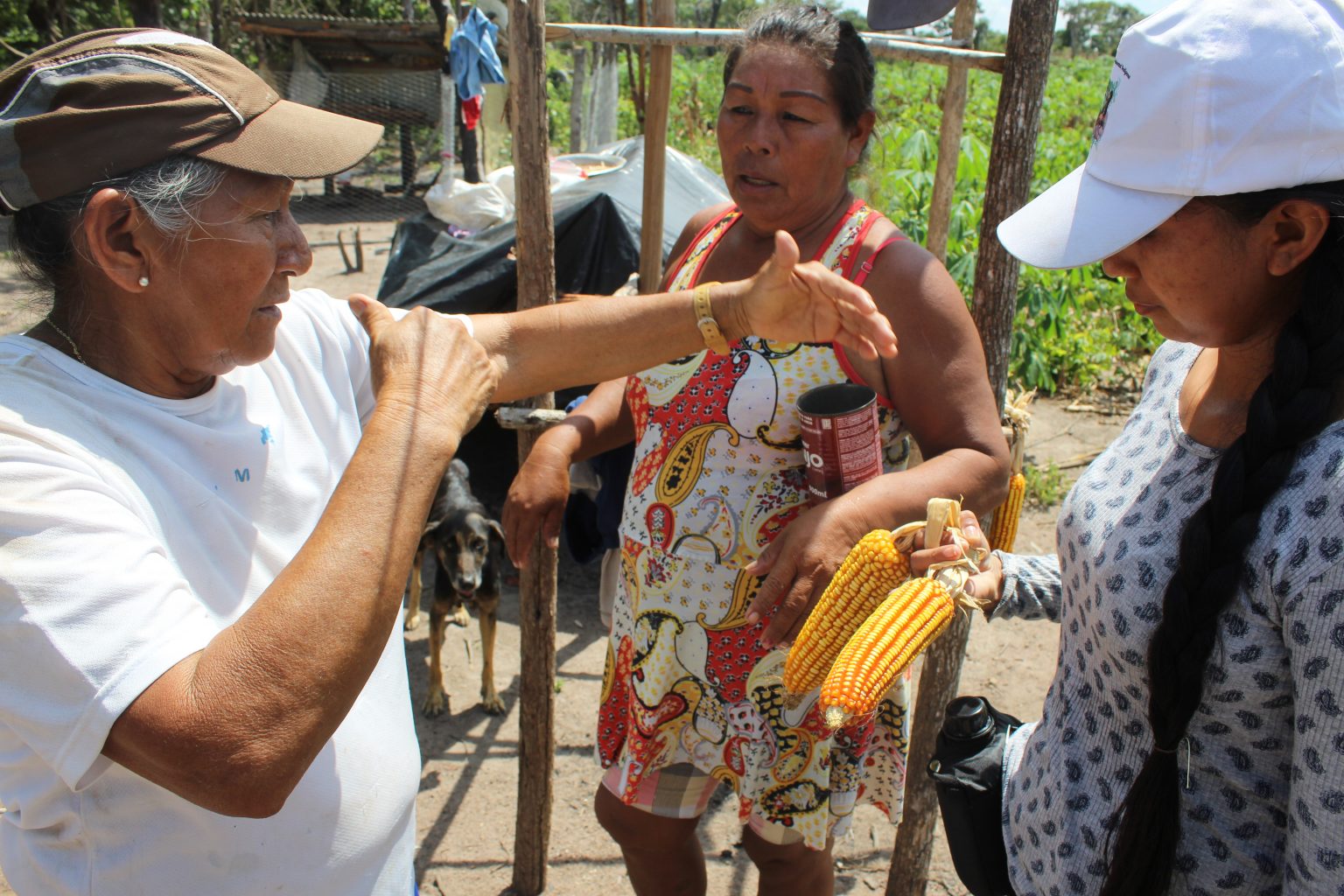
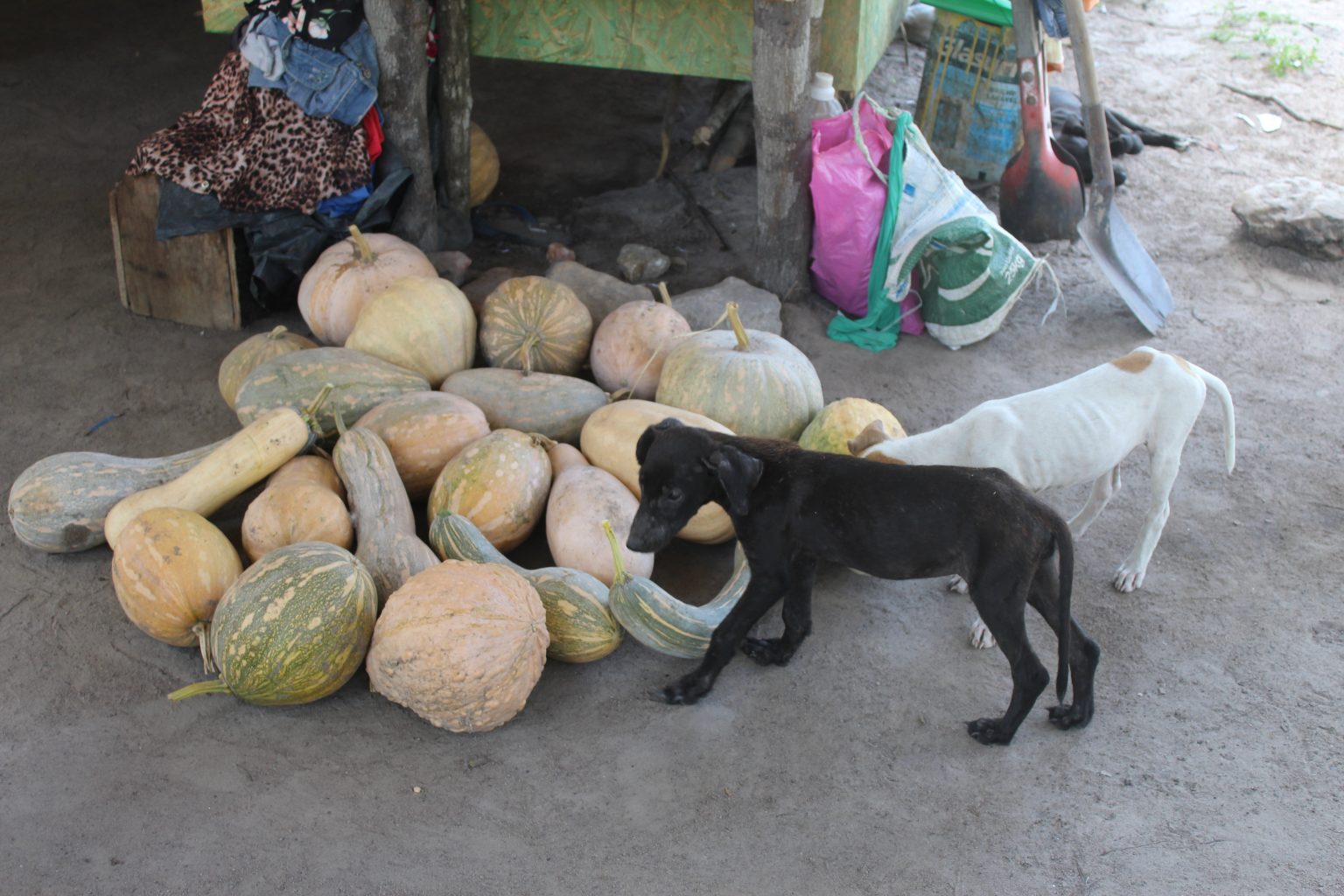
The coordinator of the CIR, Enock Taurepang, spoke about the demarcation of TI Anzol. "We have seen the slowness of the government that has not had the will or agility to demarcate or recognize this territory and this hinders the implementation of public policies, we come to show that the producer does not survive on government benefits, here they only need strengthening in the issue of production and they are not asking for crumbs, they just need public policy and that what has been in the constitution since 1988 is put into effect, which is the issue of demarcation and recognition of indigenous areas."
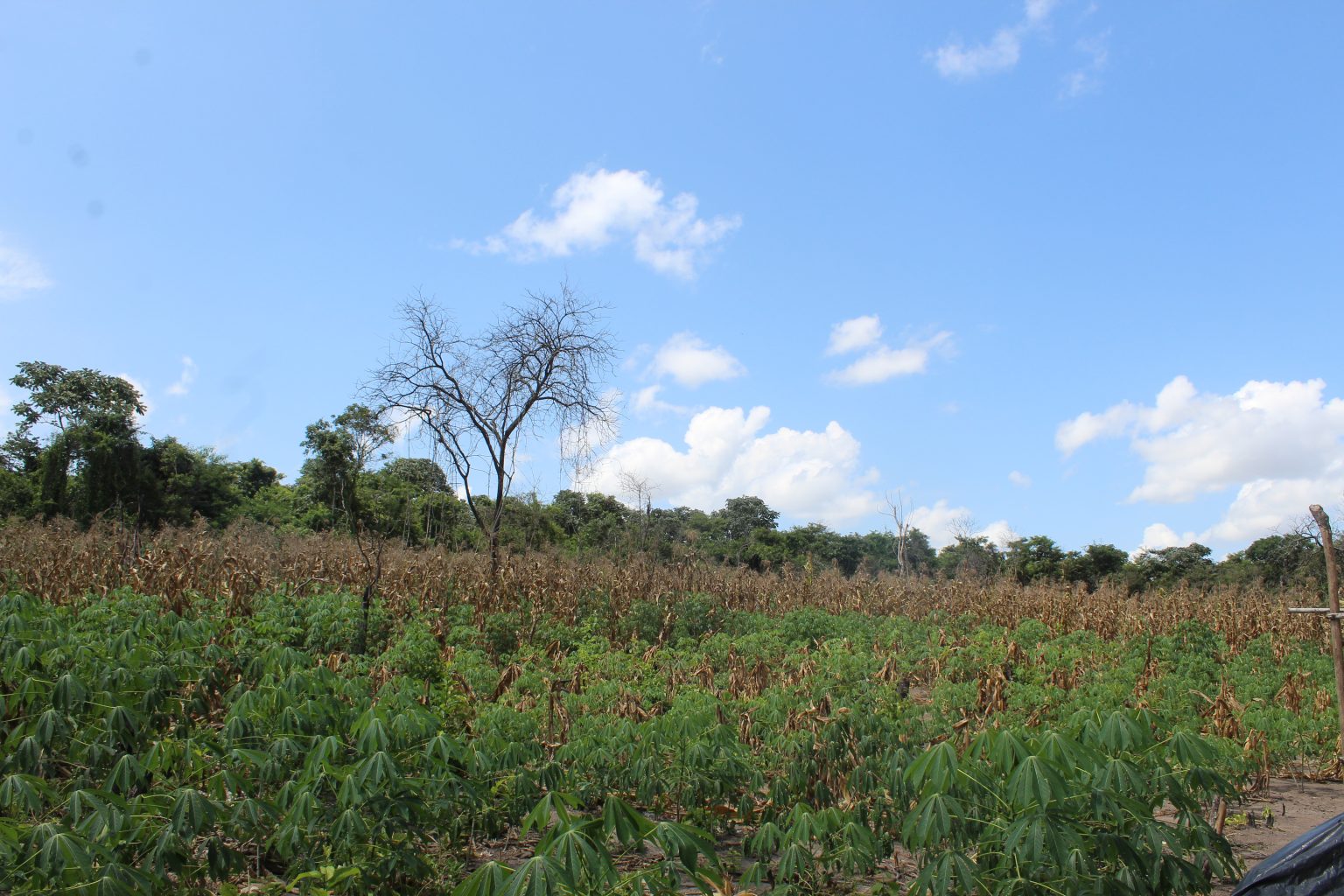
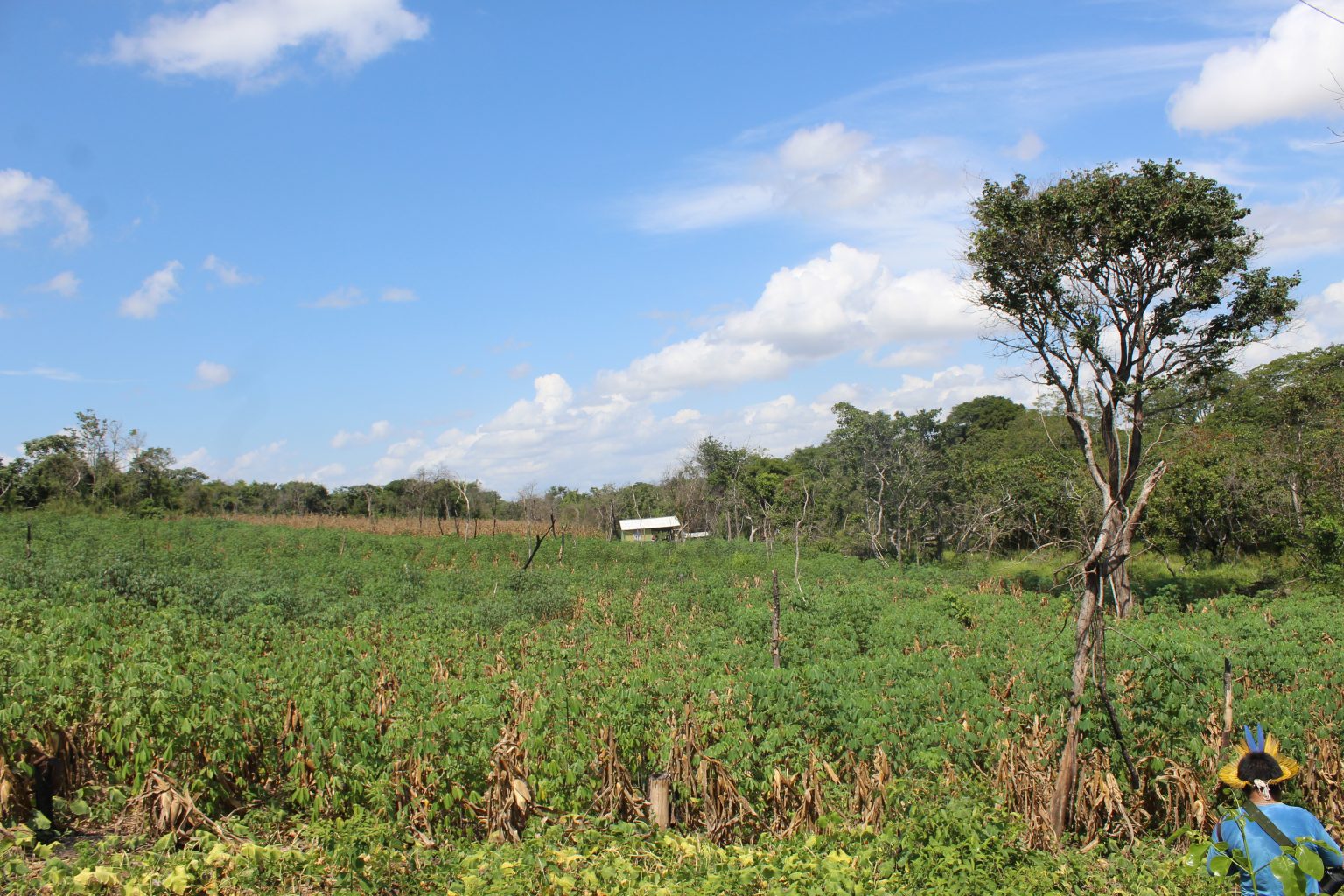
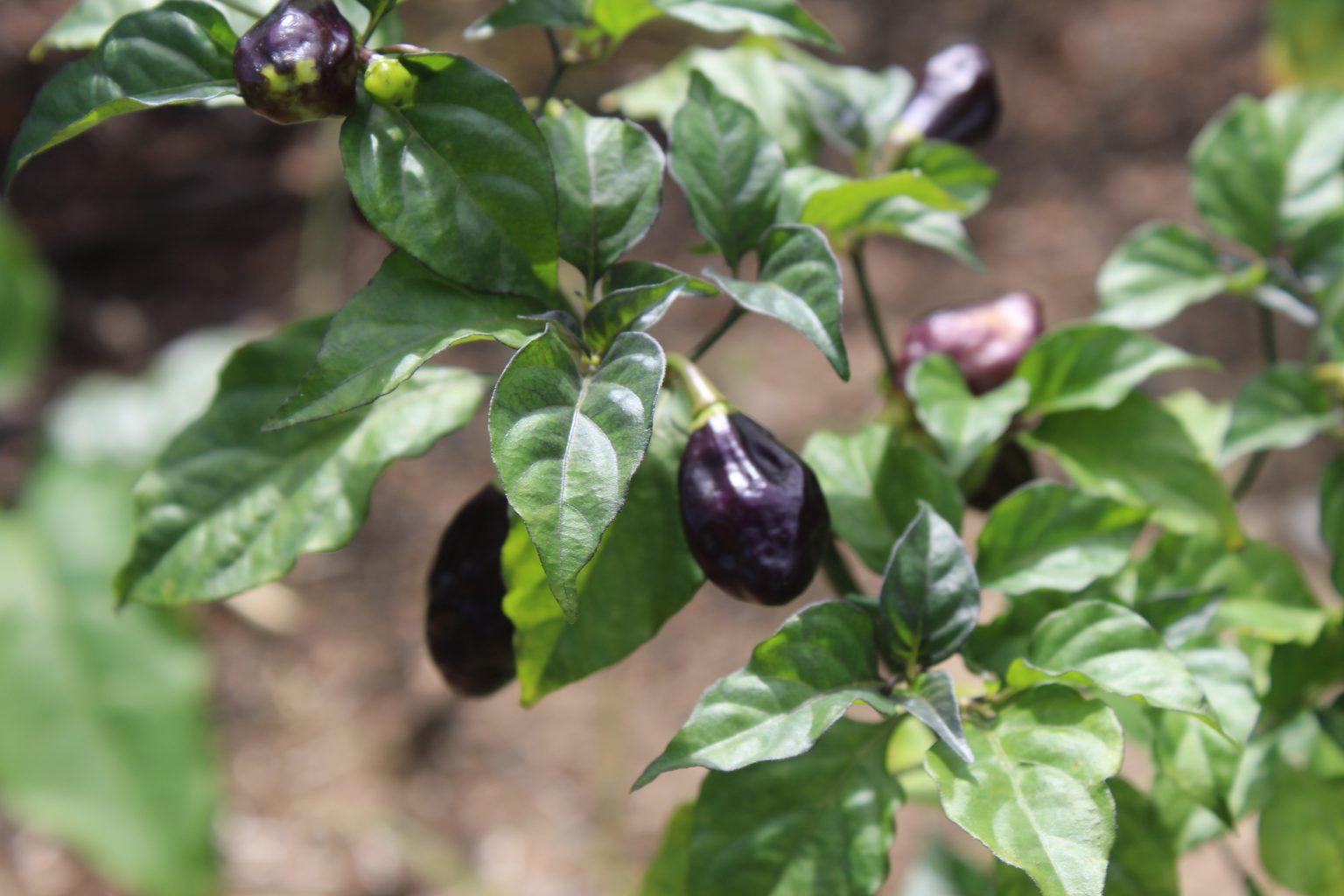
The Morcego and Truarú da Cabeceira communities have productions of cassava, cassava, corn, passion fruit and the traditional pepper variety.
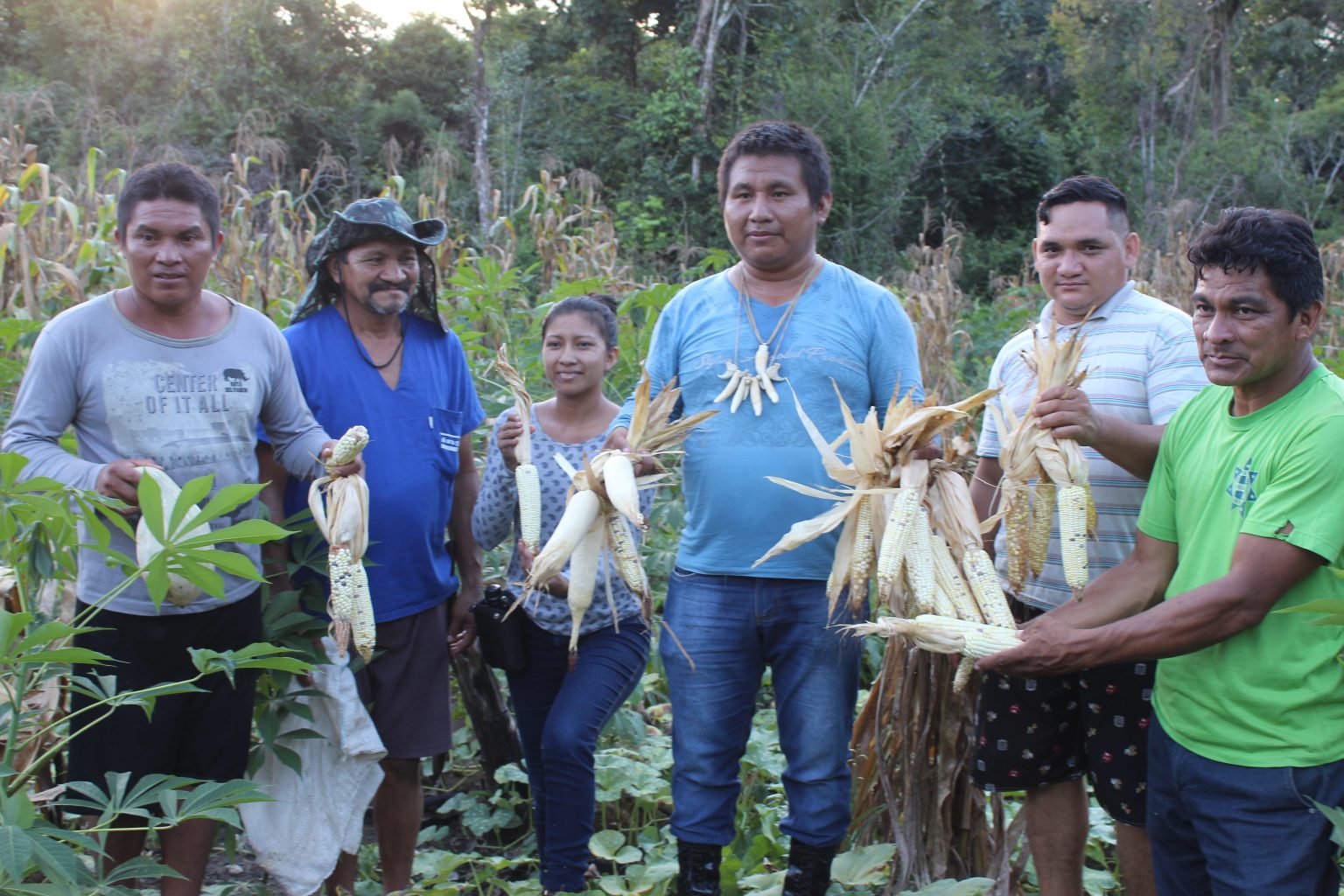
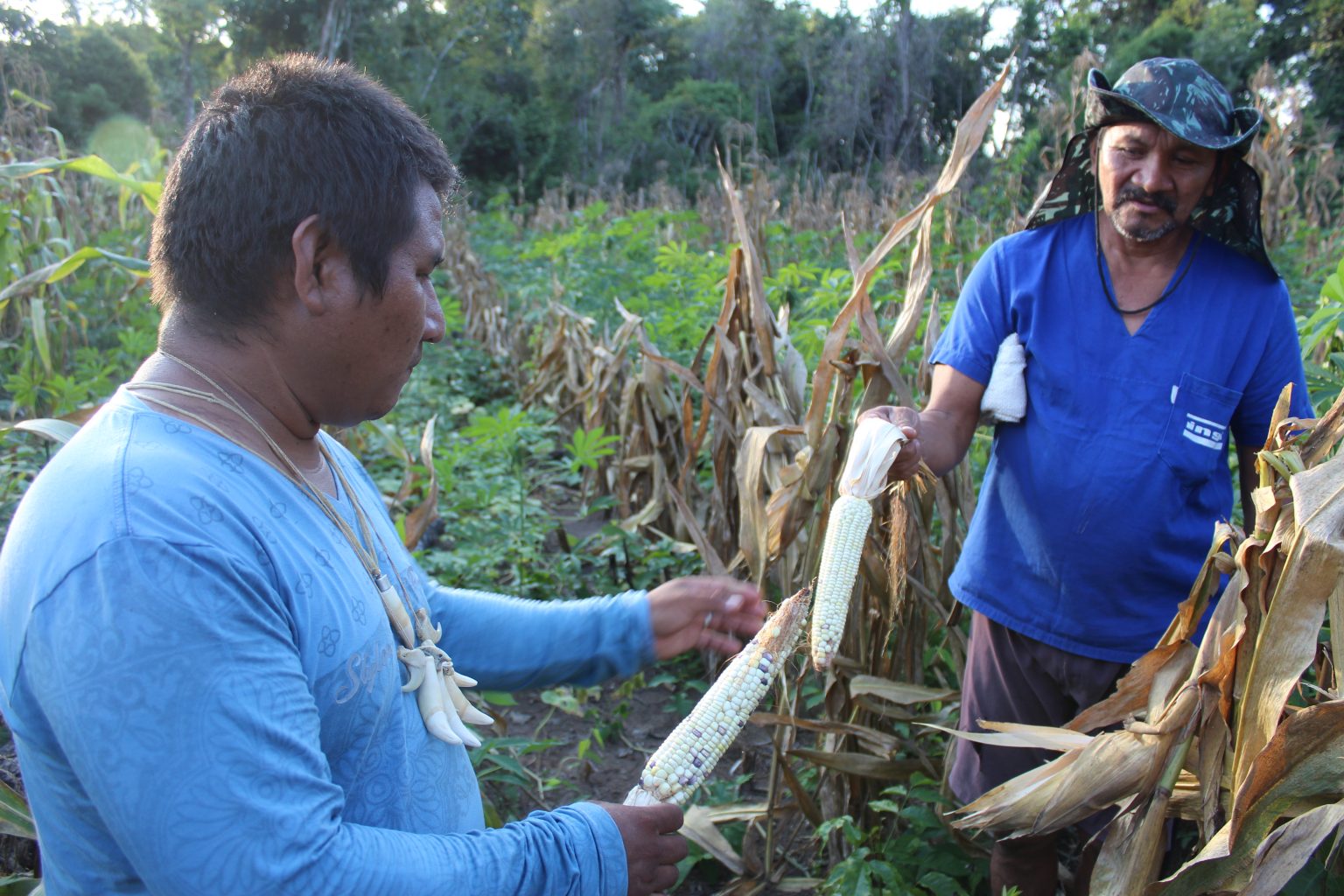
The Truarú da Cabeceira community, according to the survey of the tuxaua Jucinei de Souza, has more than 80 head of cattle, in addition to chicken farms, pigs for sale and traditional gardens. Some have banana and sugarcane plantations. Belarmino da Silva, one of the residents, made an important donation to the CIR seed bank, white corn.
At the end of the two-day visit, coordinator Alexsandro thanked the team and said that the region will hold a fair scheduled for November 6 to 7, aiming to show the results of animal and organic production.