
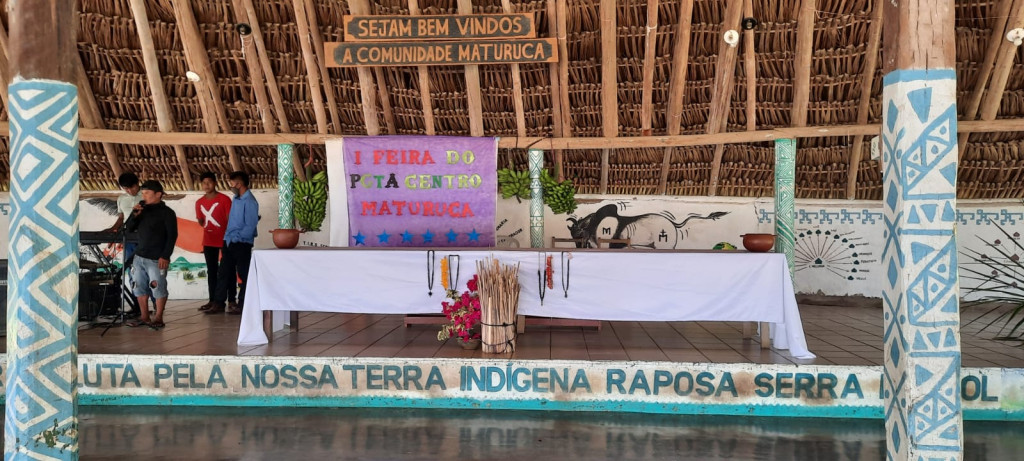
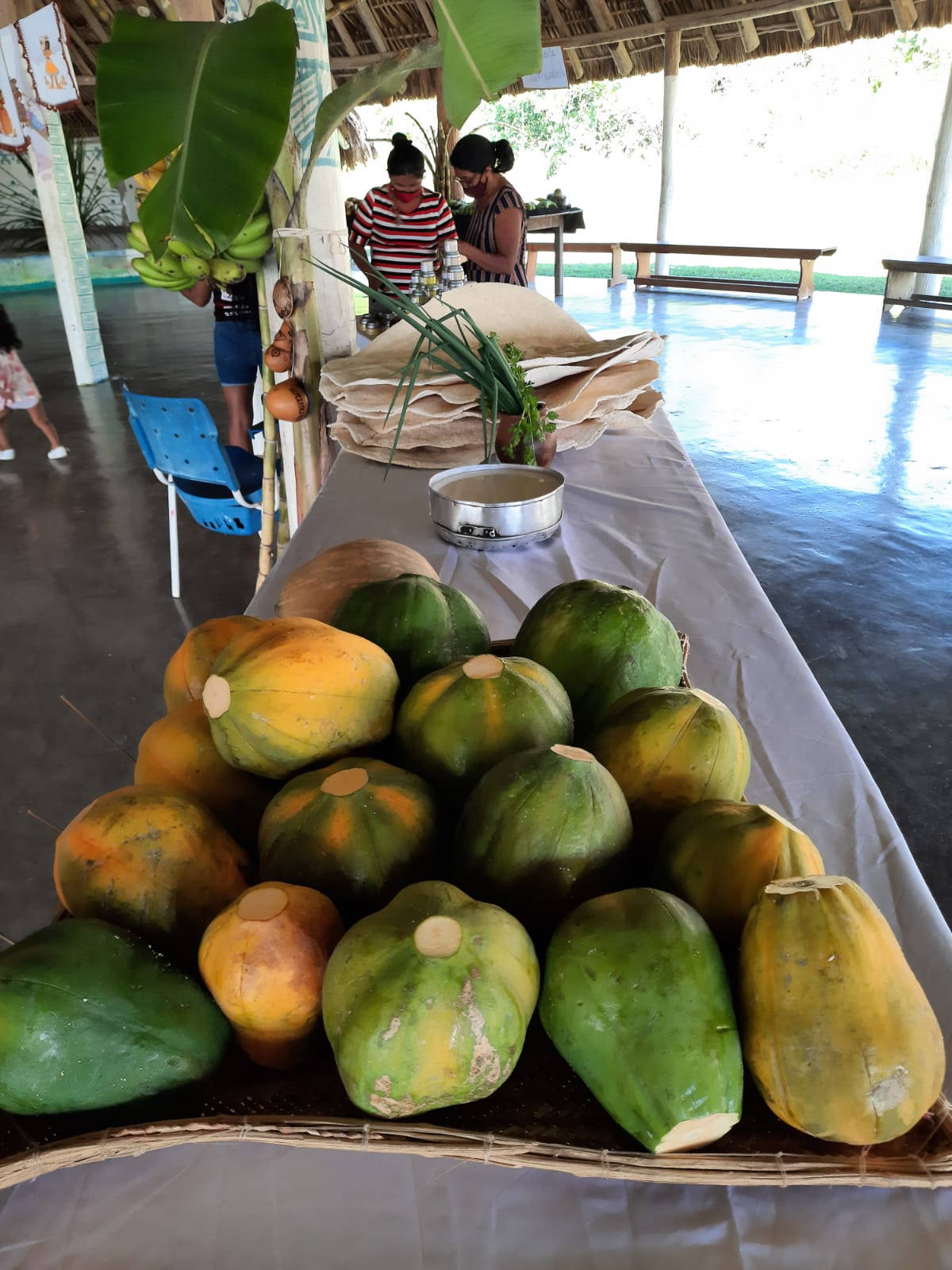
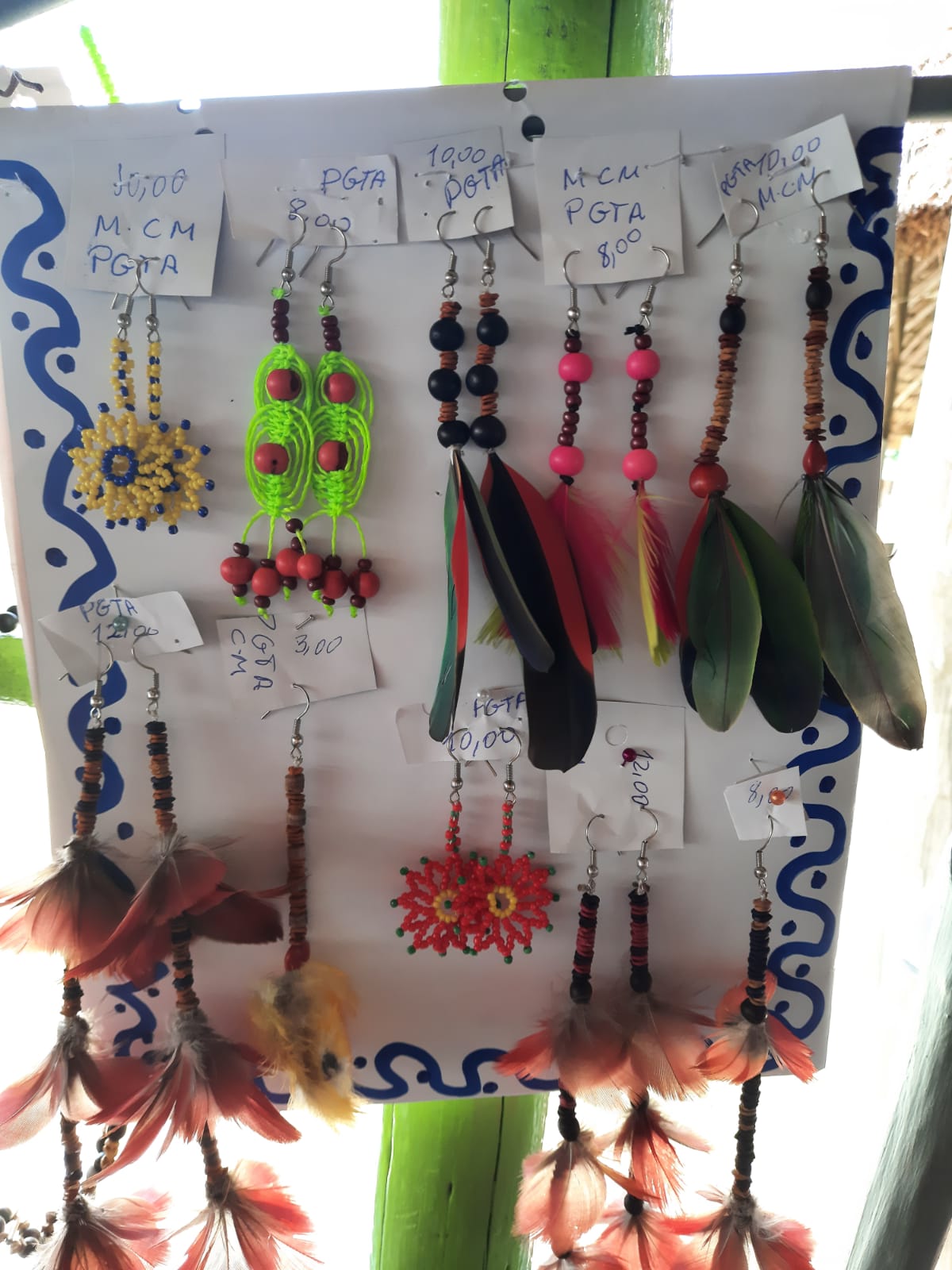
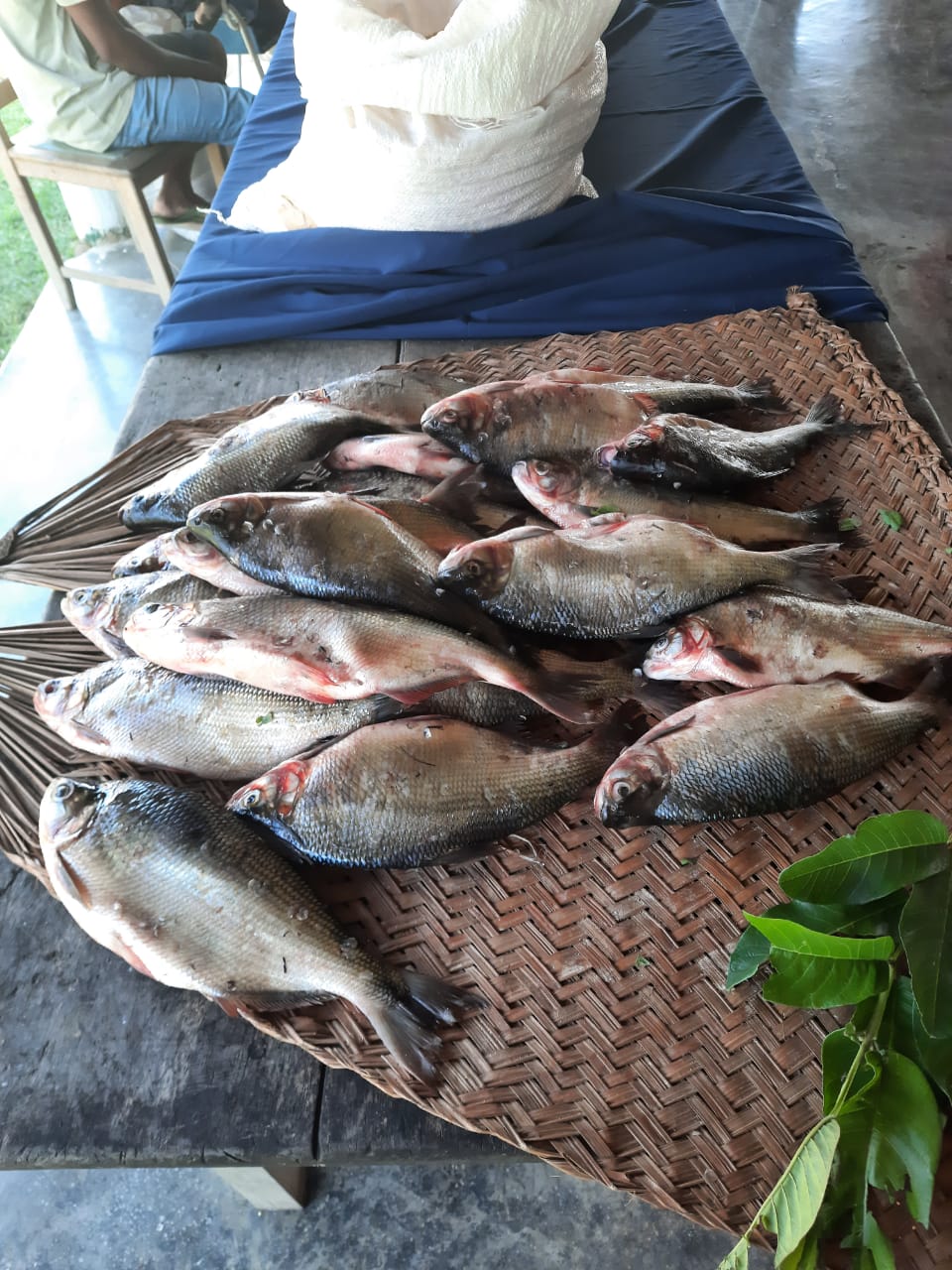
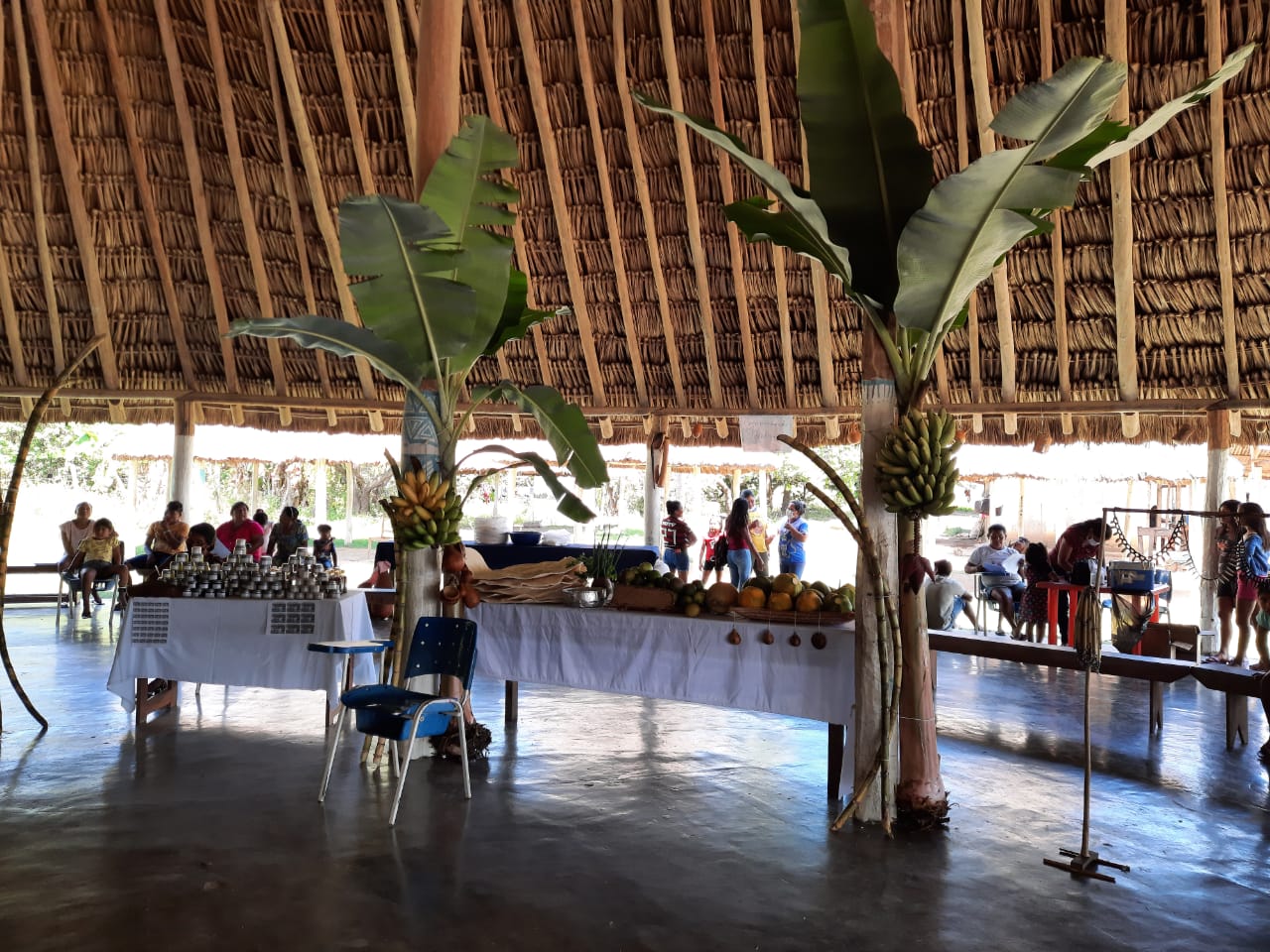
The Maturuca Indigenous community, Serras region, Raposa Serra do Sol Indigenous Land, held from October 29 to 31 the first fair of the Territorial and Environmental Management Plan (PGTA), In addition to the community's handicrafts, agricultural products, paintings on canvas, clay pots and traditional medicine were also exhibited.
“Even with the pandemic, the communities continued to work and we have a success story that is the result of the fair that took place."Says Sineia do Vale, coordinator of the Department of Territorial and Environmental Management (DGTA) of the Indigenous Council of Roraima (CIR) and one of the creators of the PGTAs of indigenous lands.
Among the activities developed at the PGTA of Maturuca are fish farming, tanning, cattle raising, traditional medicine, community gardens, production of clay pots, painting and handicrafts.
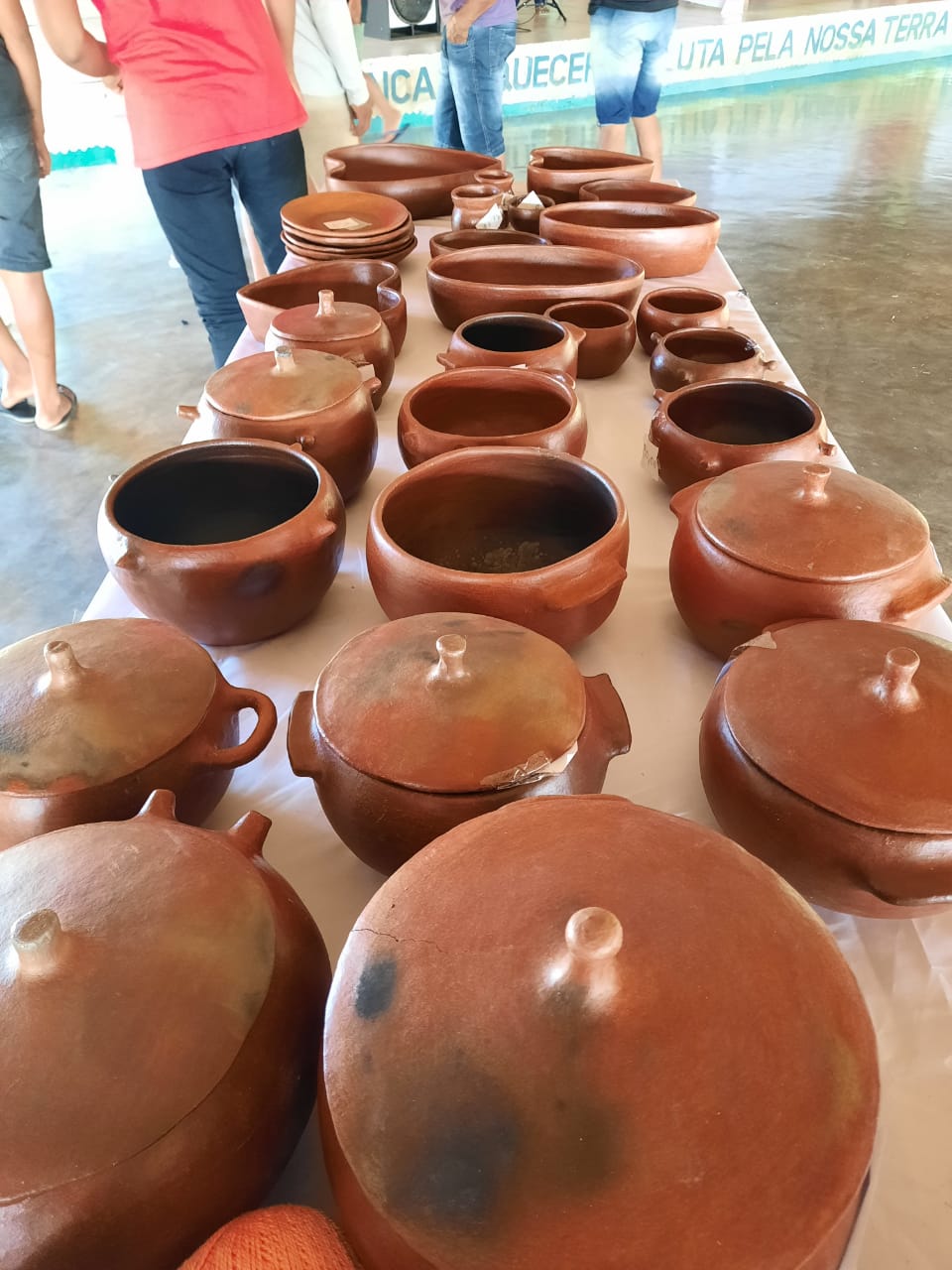
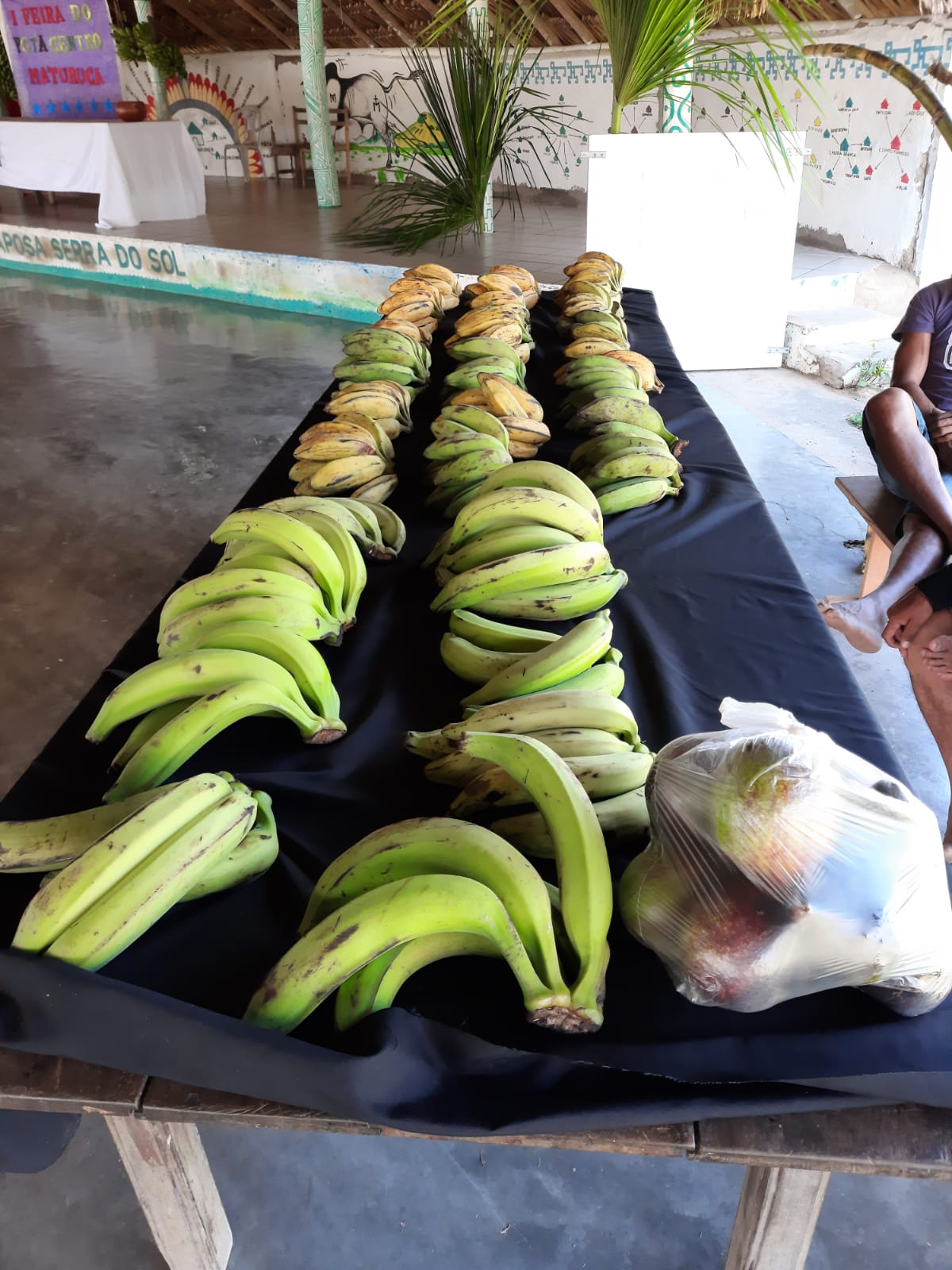
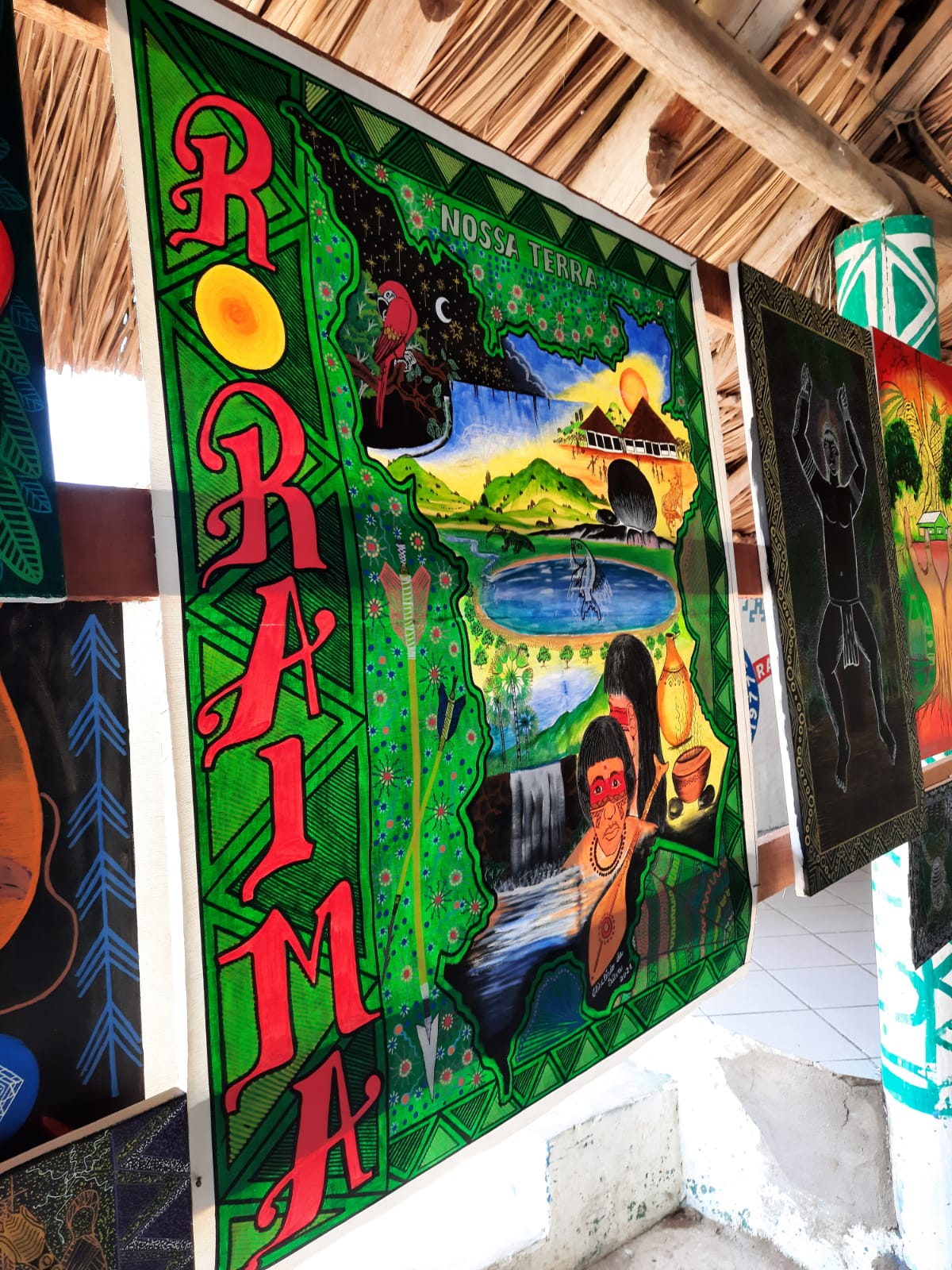
The success of the PGTAS is due to the continuous work of the communities and the commitment to the activities. Participating in the fair representing the CIR, the agronomist, Giofan Mandulão, Macuxi people from the DGTA, Davison Bukley from the CIR projects department and Alcebias Sapará state coordinator of Indigenous Youth.
(photos: Giofan Mandulão)
The appreciation of the PGTA's activities is one of the main points in the construction of the plan, which is promoted by the communities in the region. According to Sineia do Vale, coordinator of the Environmental sector of the CIR, who assists the communities in the construction of the plan. The PGTA of the indigenous community of Maturuca was one of the first built, in mid-2011, with the initial support of the CIR, FUNAI, and The Nature Conservancy (TNC), so in 2012 the plan had already been fully idealized. And in 2013 it was published as a document of the Maturuca Center, which has nine (09) communities. The fair had the partnership of CIR, IEB and NCI.