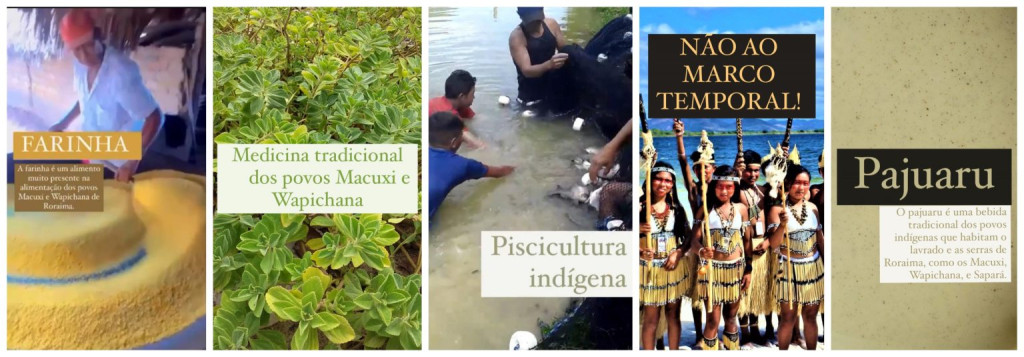
The Wakywai network of indigenous communicators of the Indigenous Council of Roraima (CIR) launches this Monday (9), International Day of Indigenous Peoples, a series of web stories on relevant issues of indigenous politics and customs of the peoples of Roraima. The web stories reveal a perspective of young indigenous people on the world around them and national issues. The production is the result of the last meeting of Indigenous Communicators of the Wakywai network,held in December 2020at the Raposa Serra do Sol Indigenous Training and Culture Center.
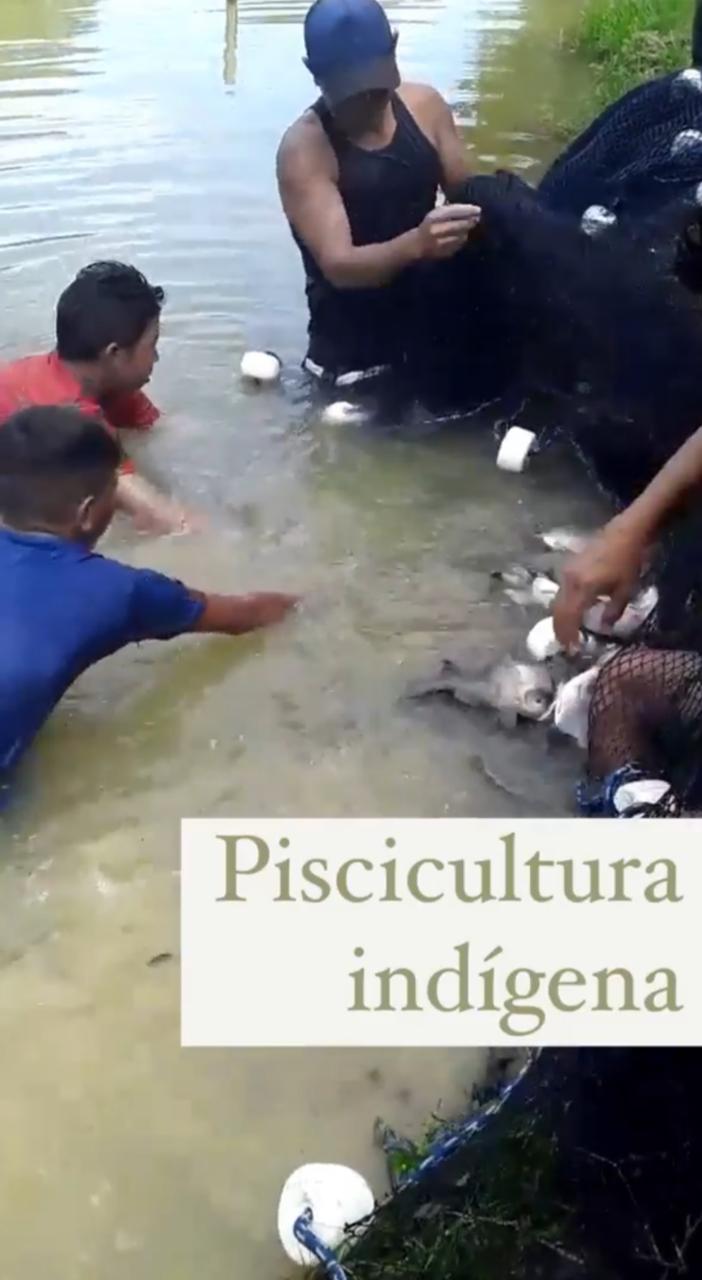
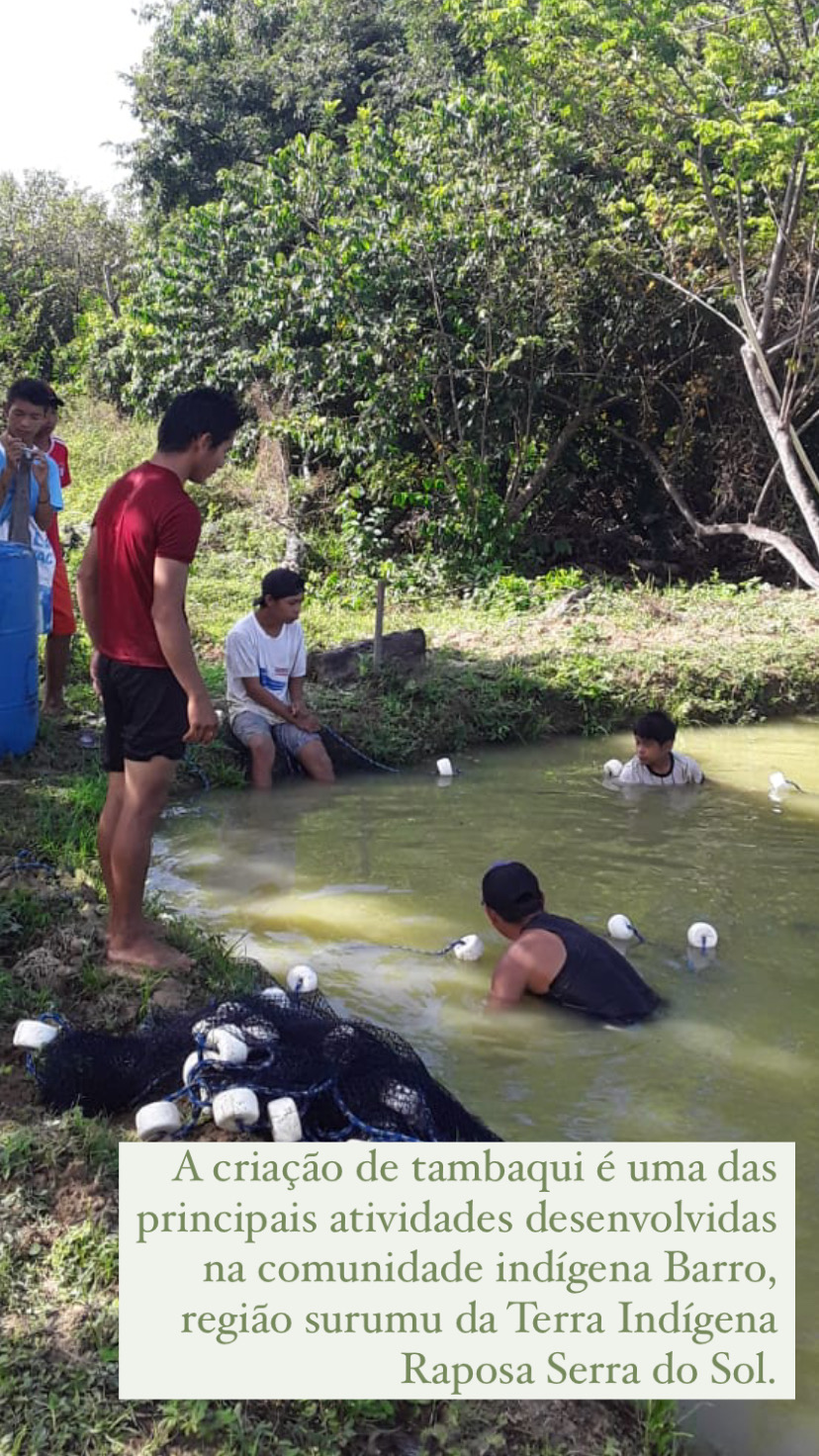
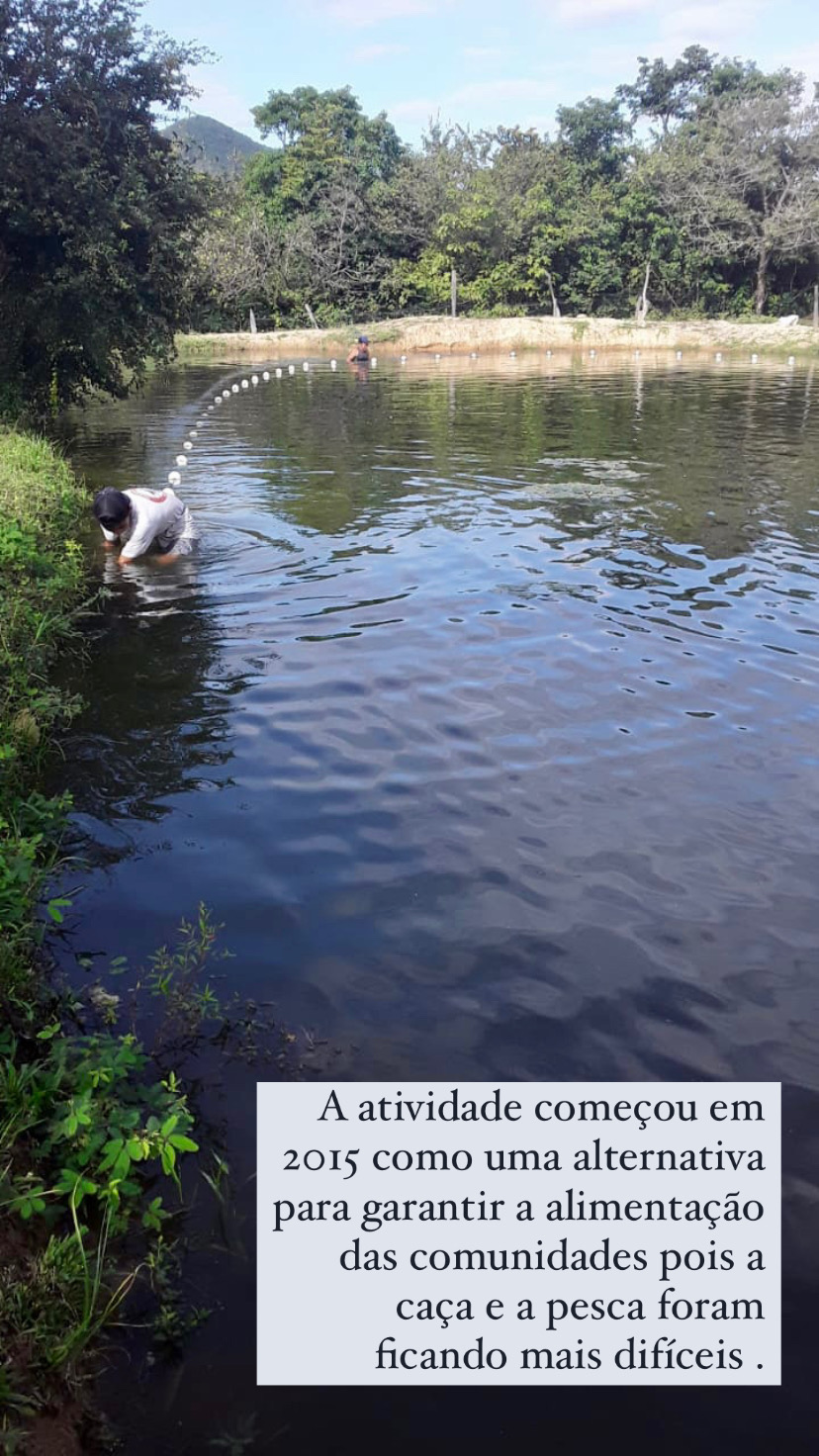
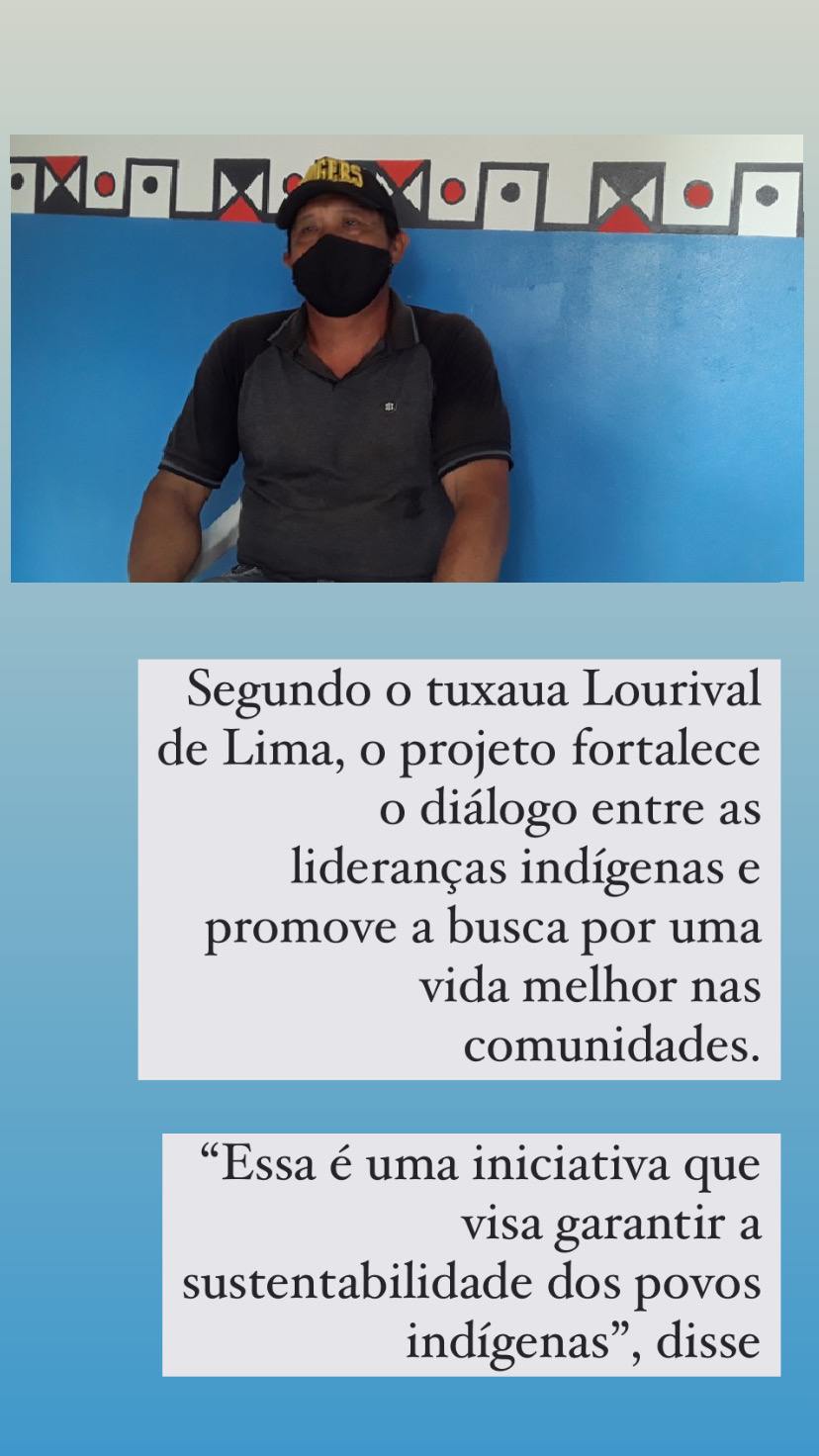
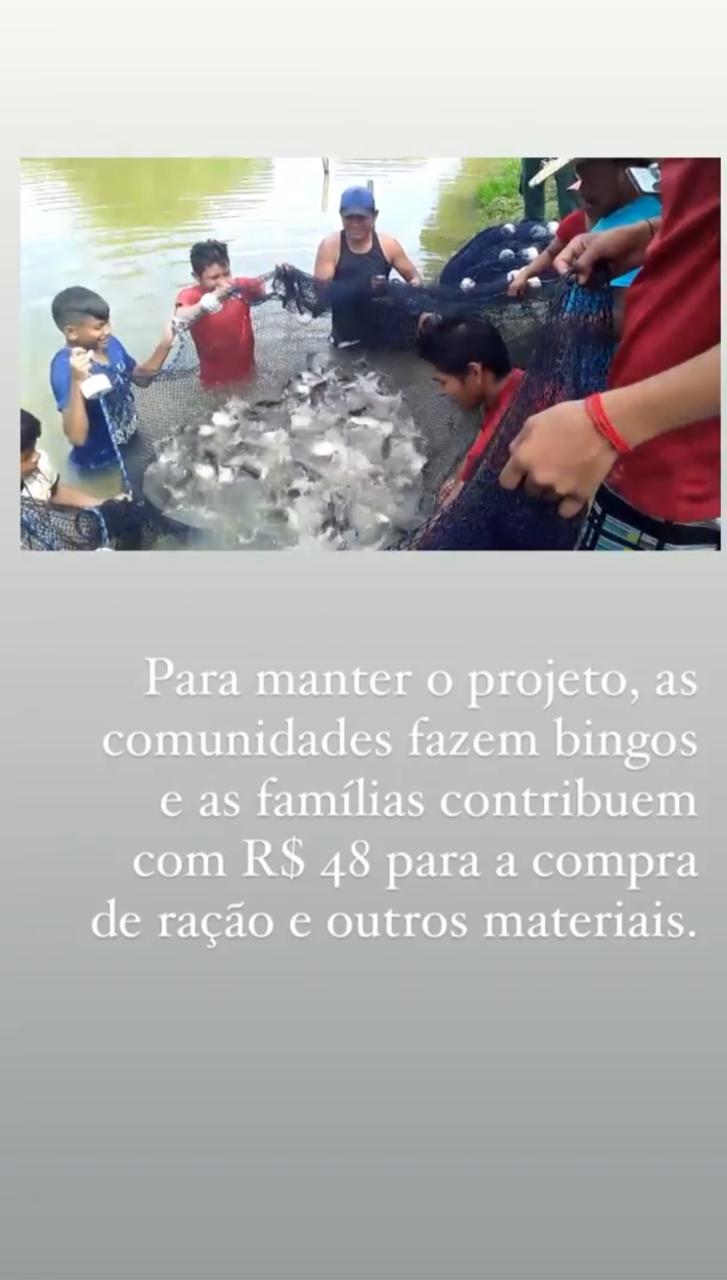
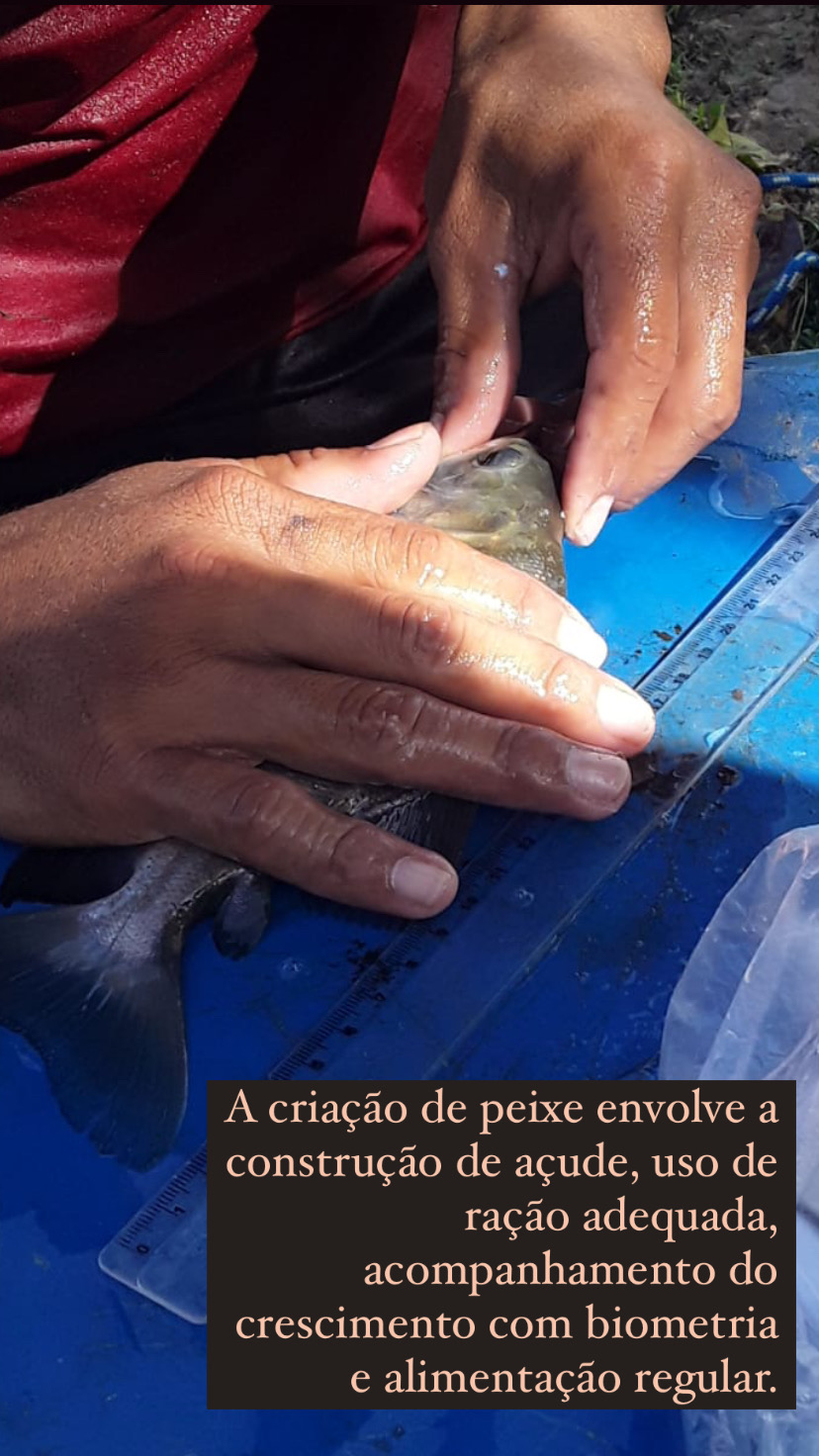
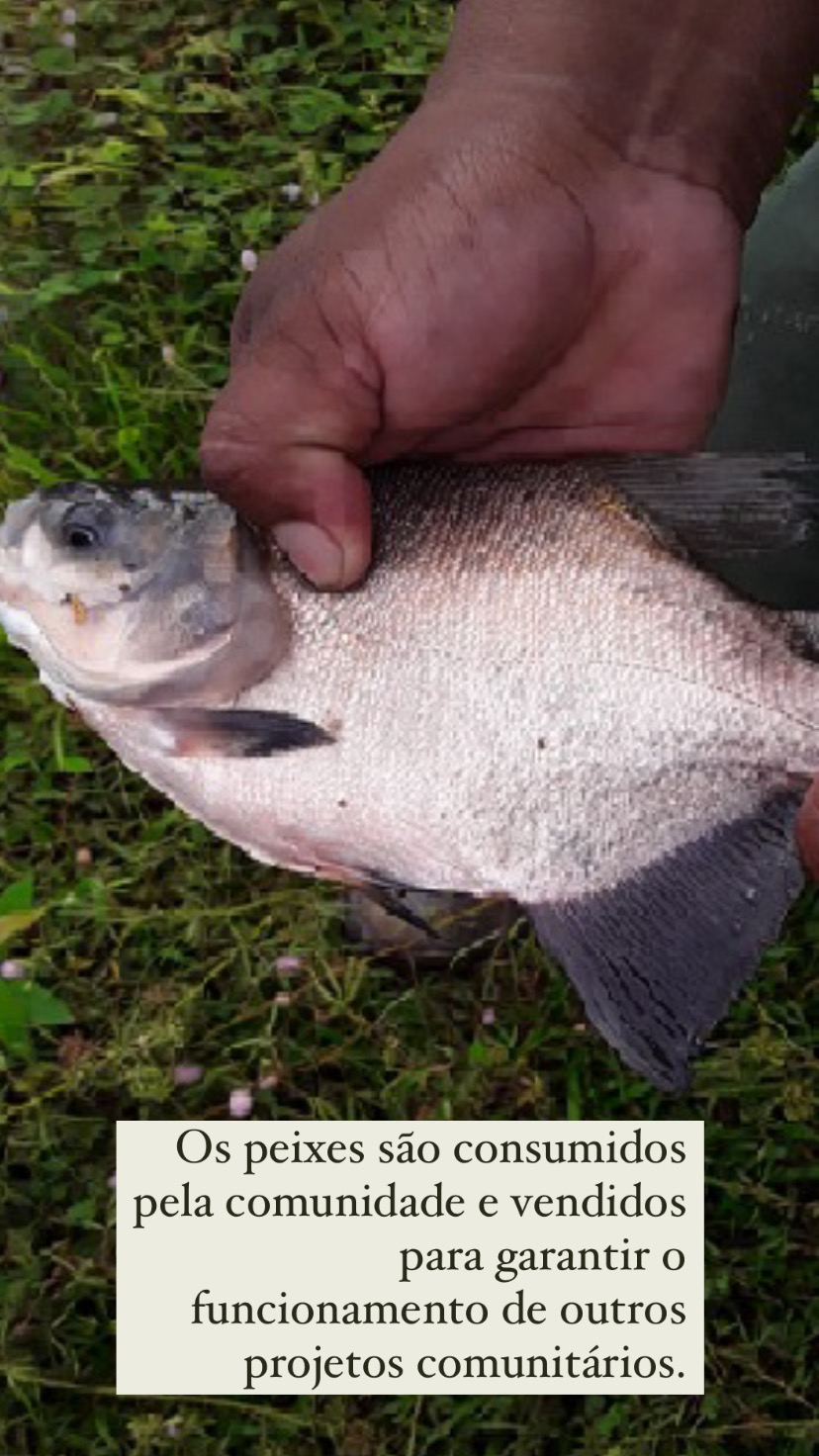
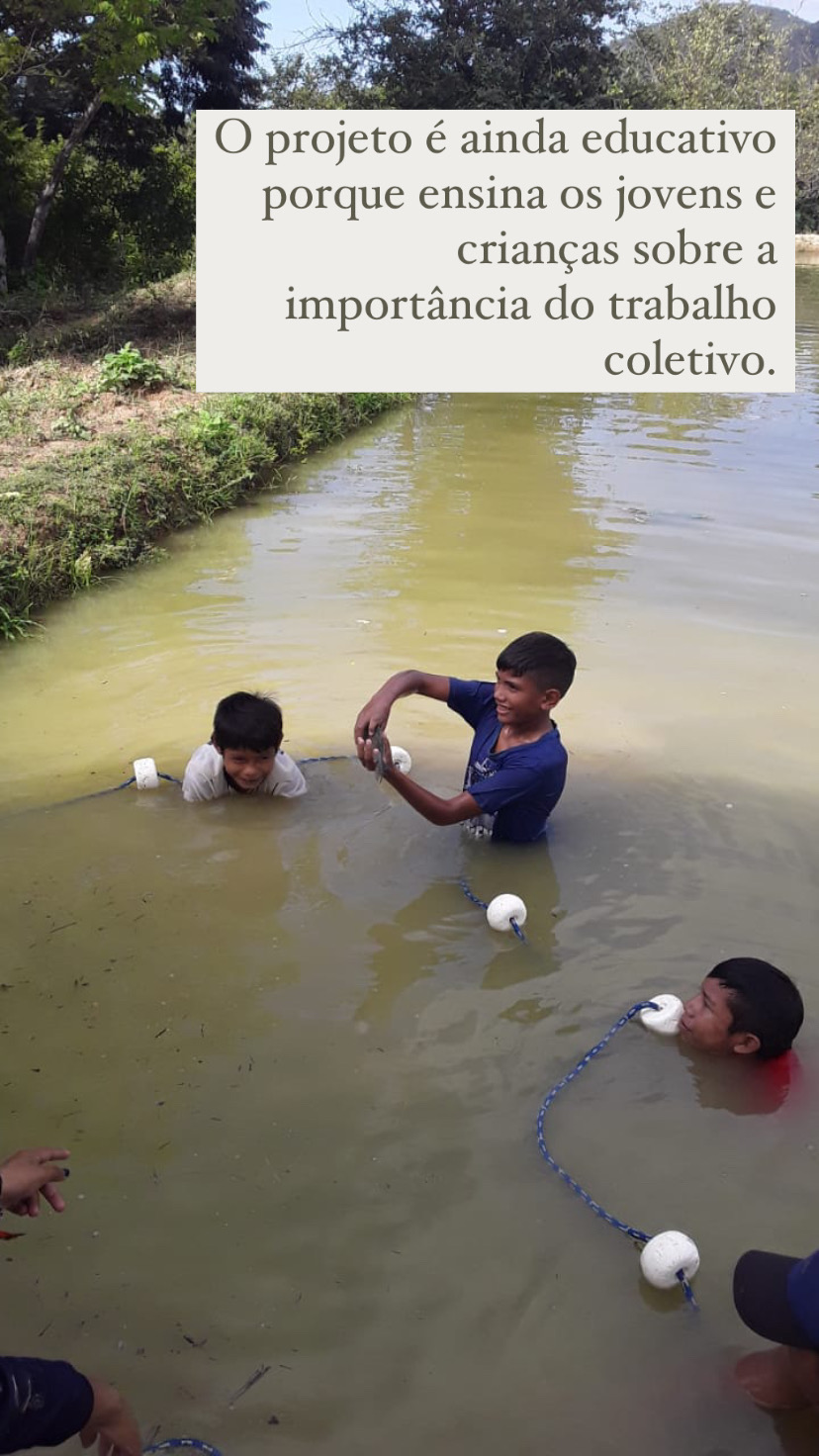
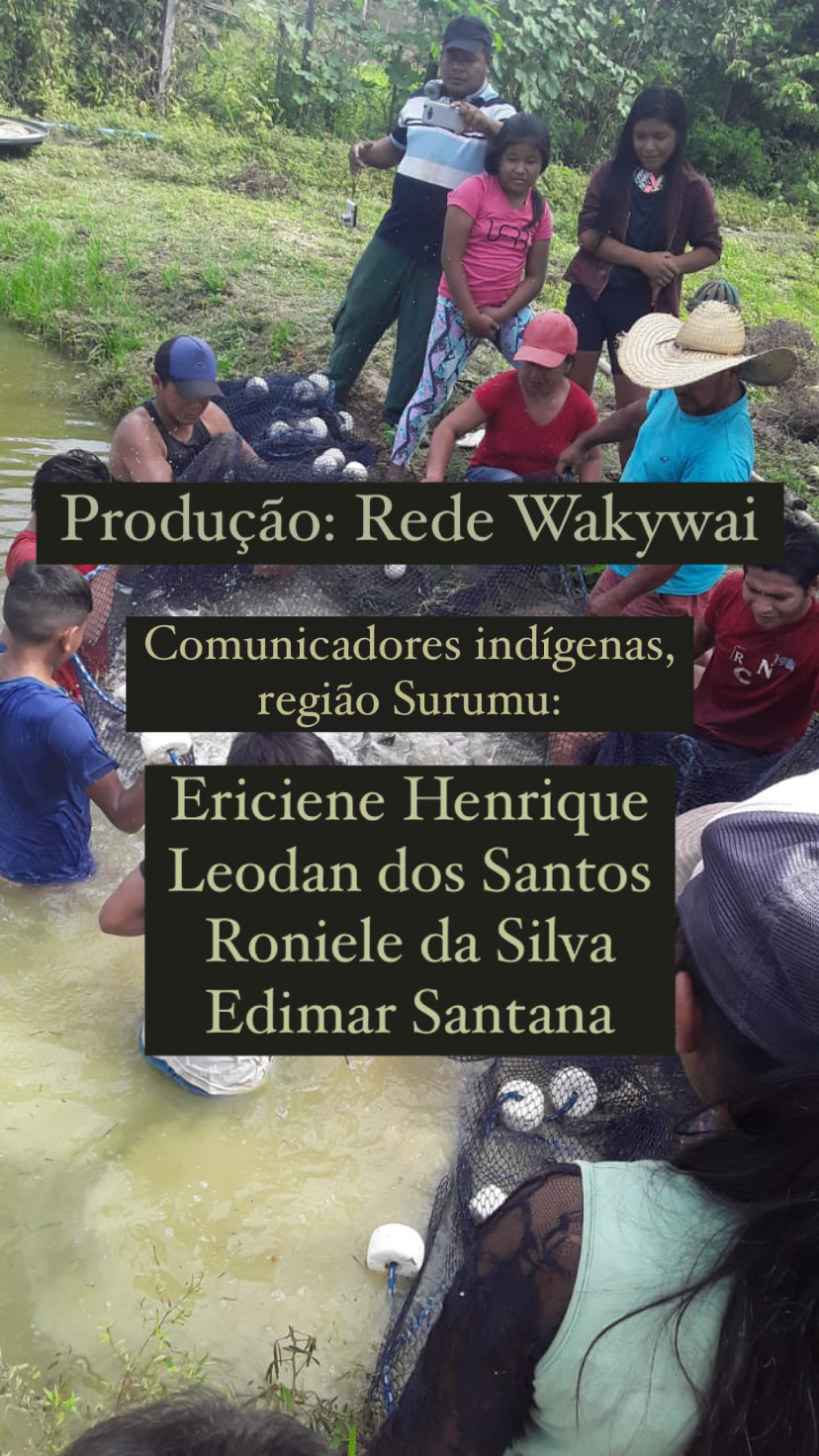
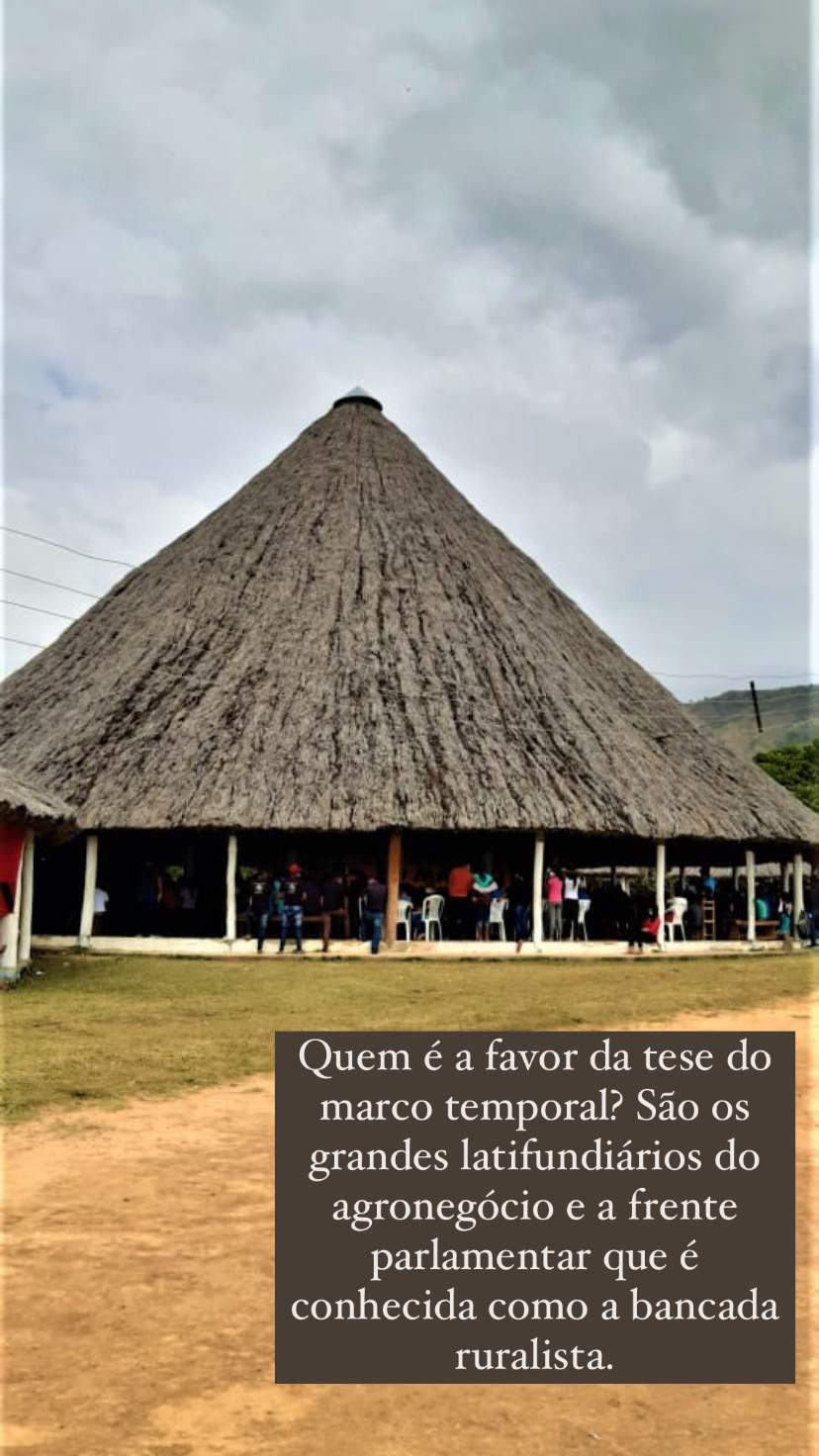
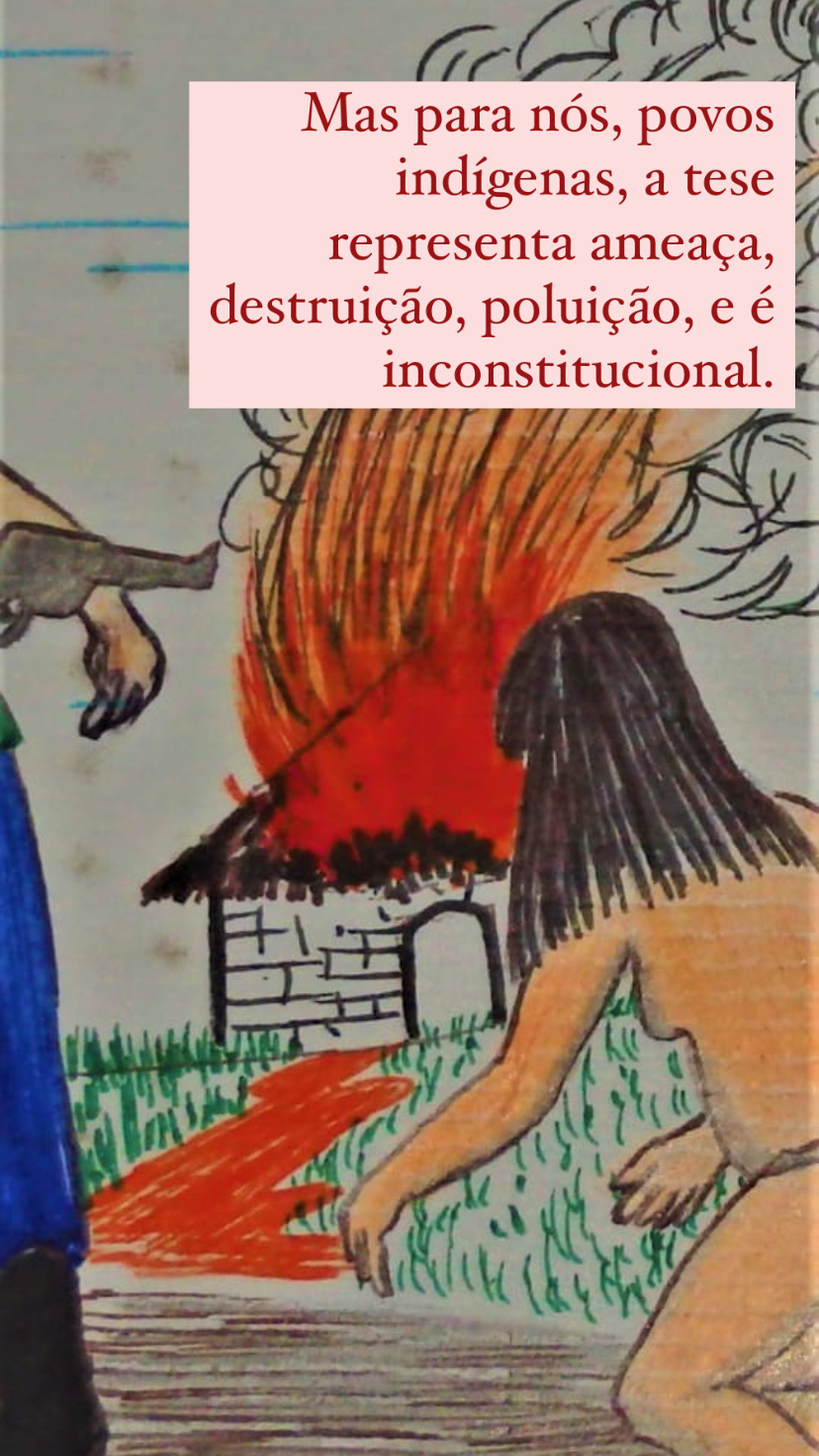
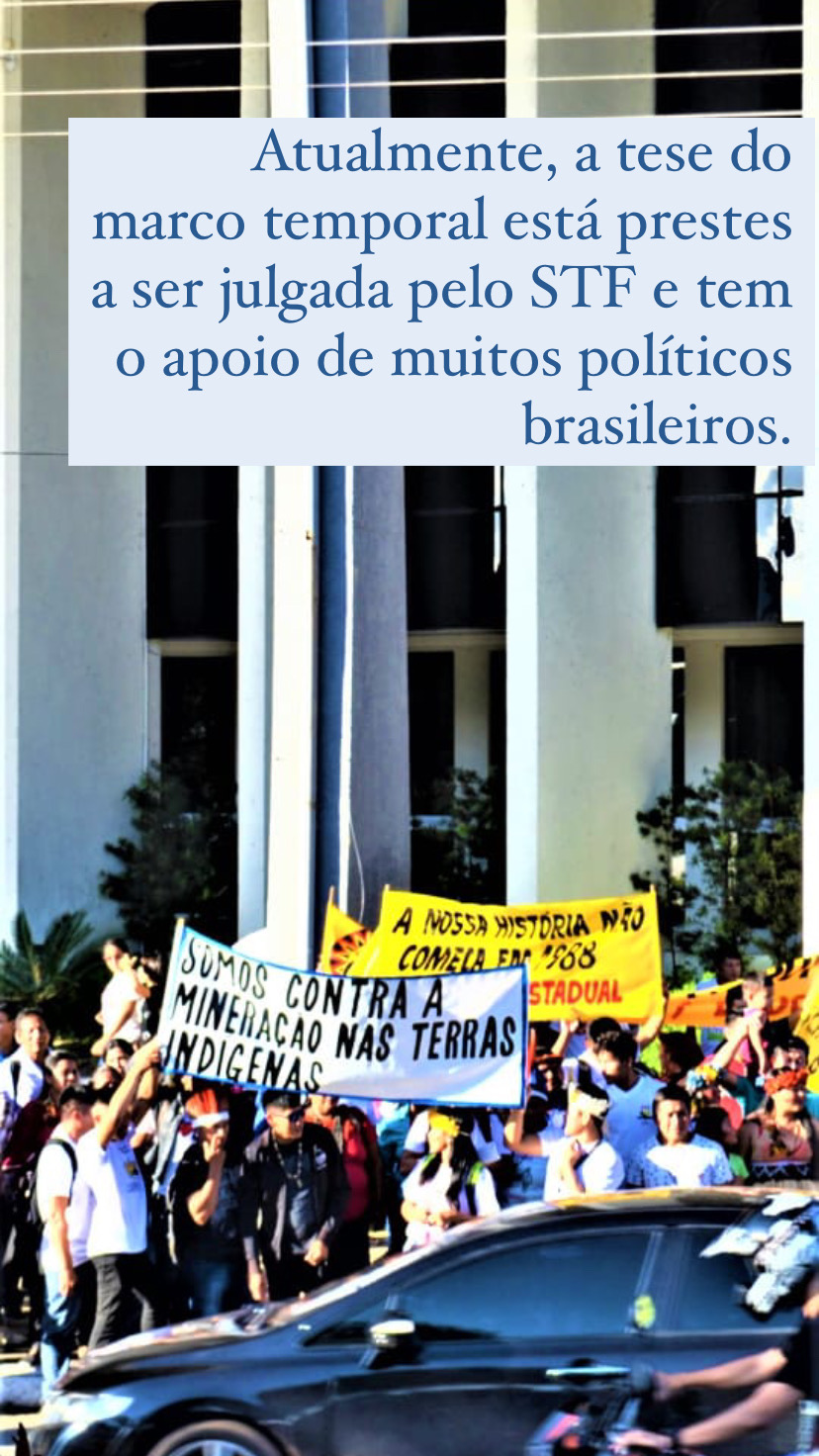
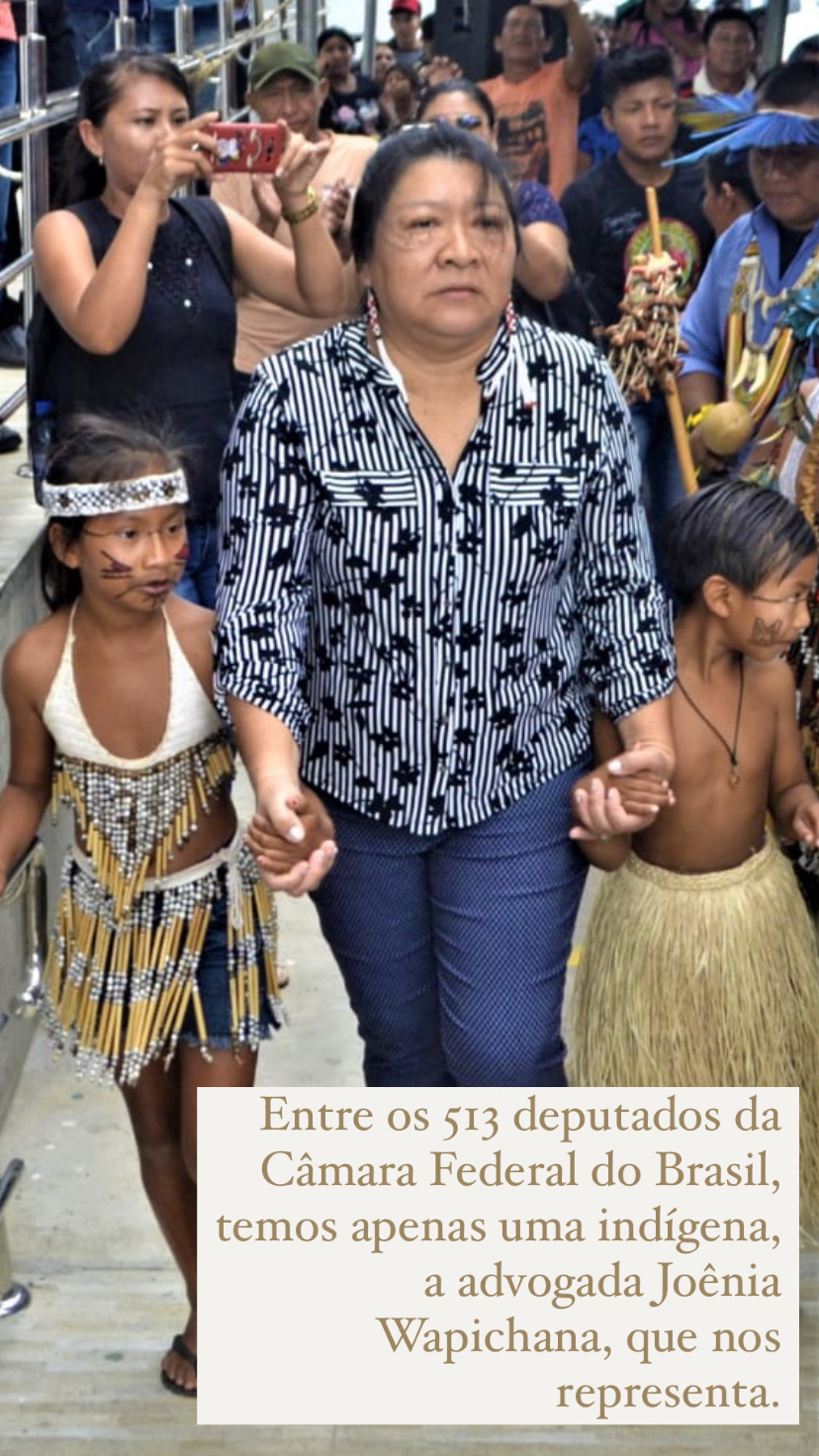
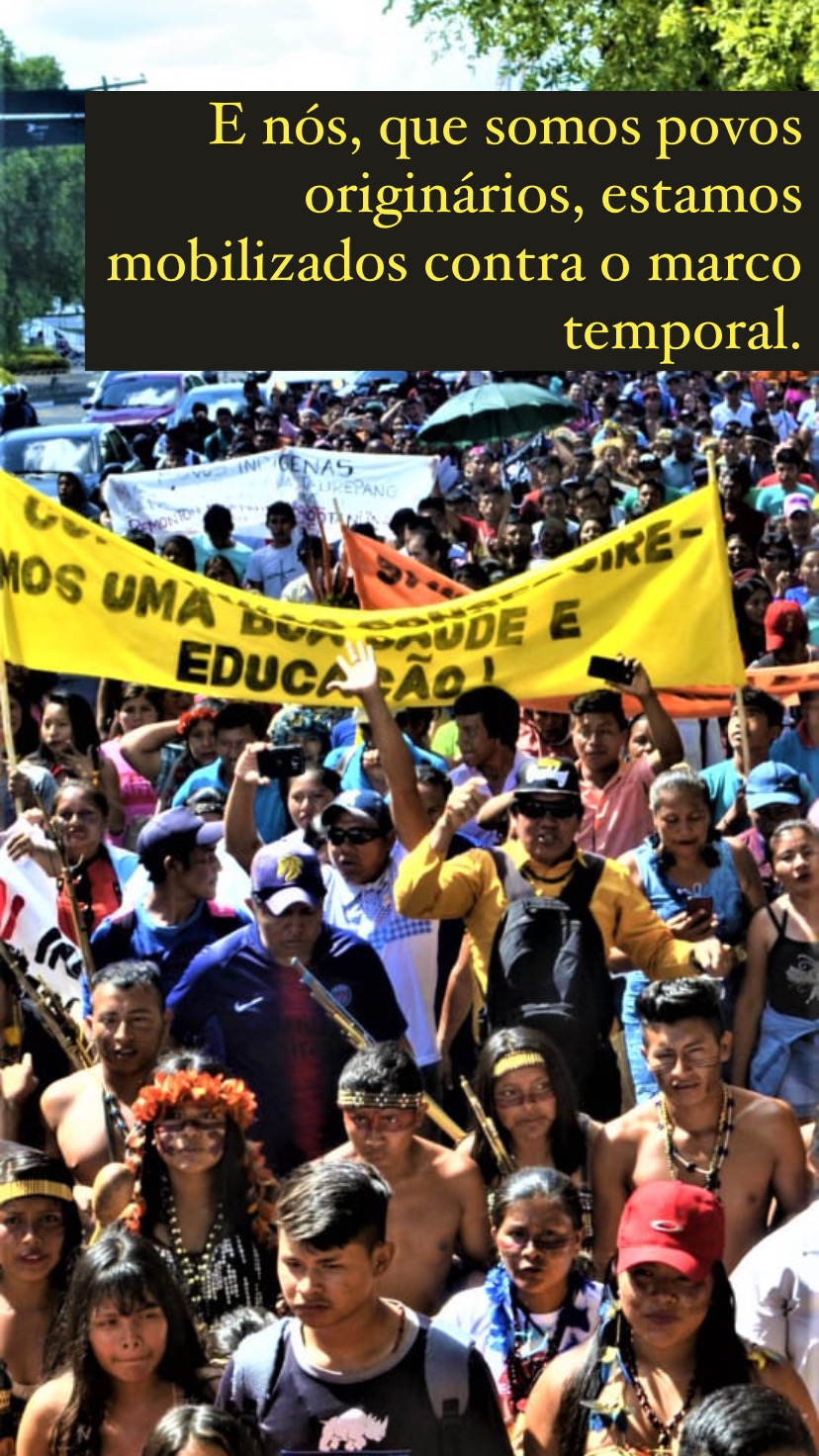
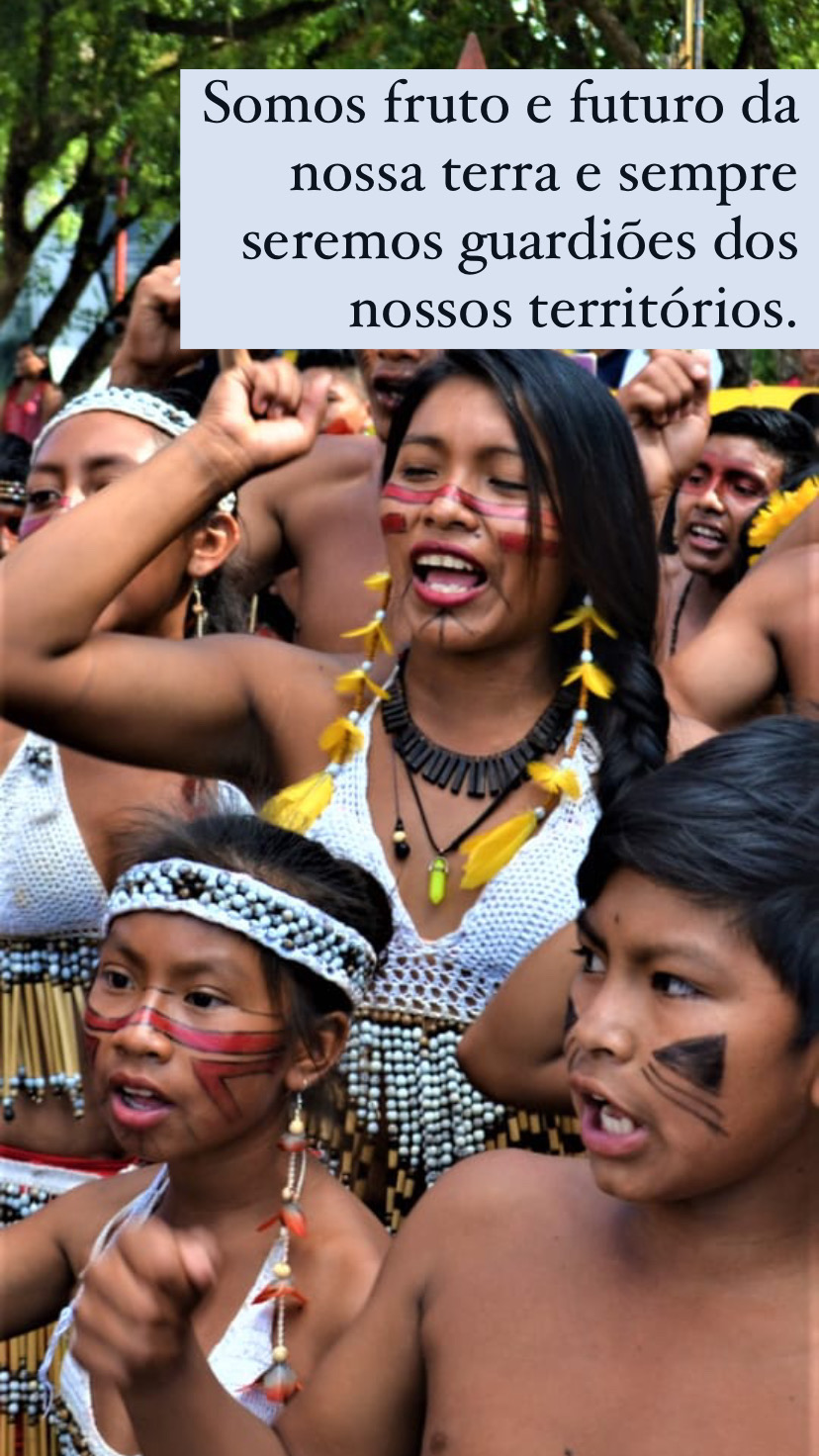
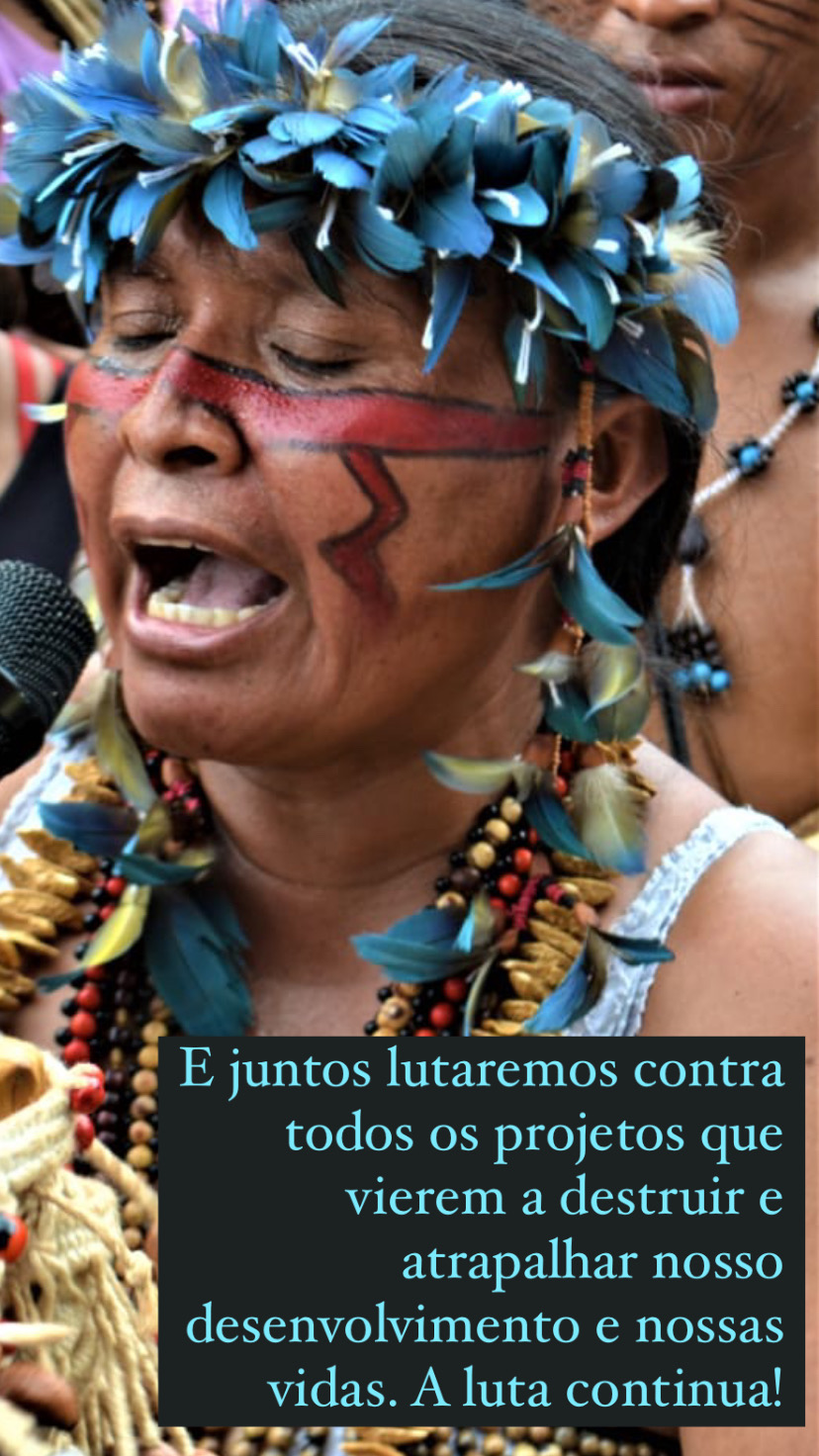
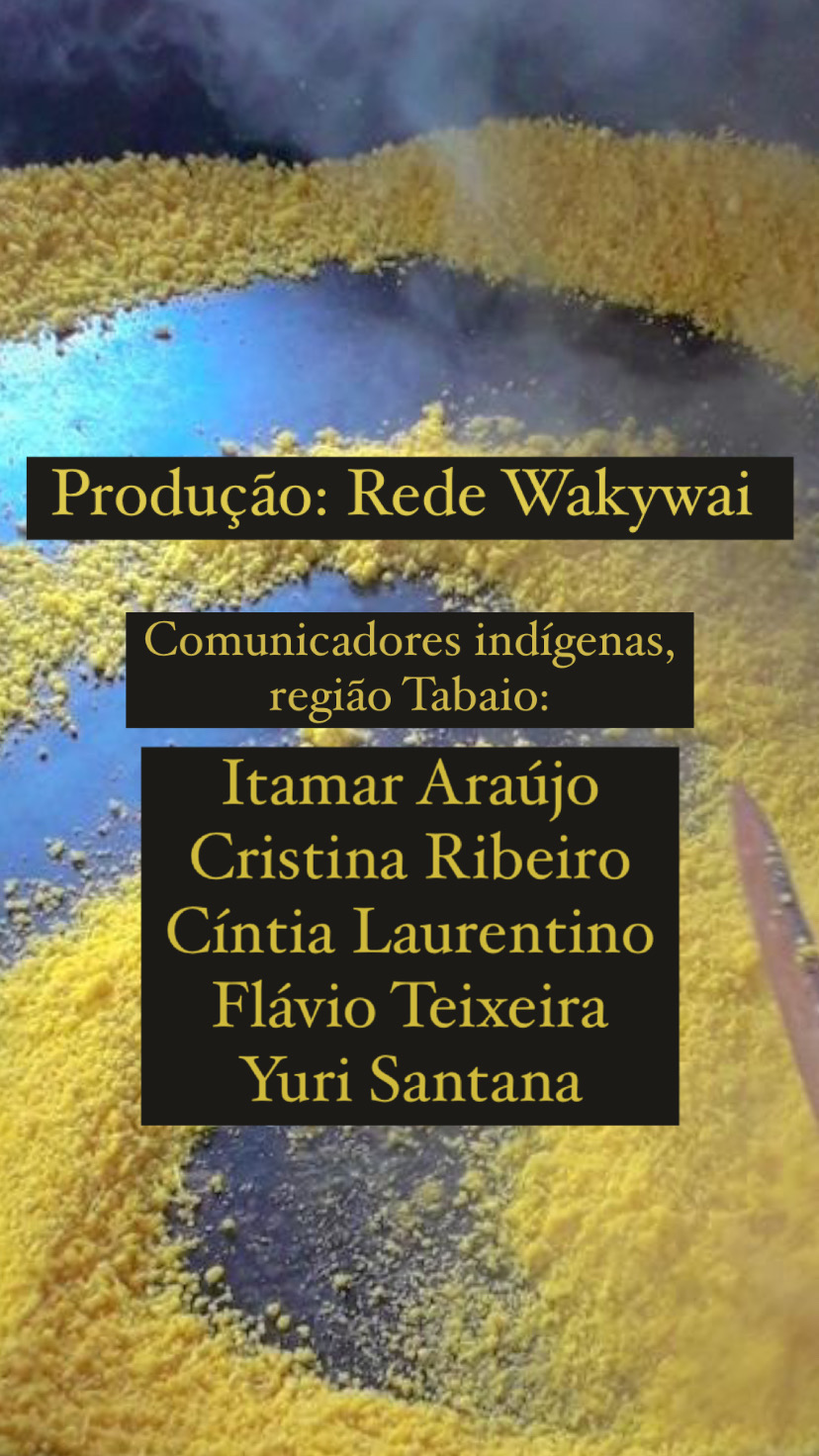
With agendas and scripts built by the communicators themselves who are from the Macuxi, Wapichana and Sappará peoples, theFive Web Storieswere produced in teams and have the following themes:"Pajuaru", made by communicators from the Amajari region, "Marco Temporal", Serras region, "Farinha", Tabaio region, "Indigenous Fish Farming", Surumu region, and "Traditional Medicine", from the Raposa region.
The five works were evaluated by a panel composed of experts and the three best received a scholarship in the amount of R$ 900 each. The criteria for the award were originality, relevance of the theme, quality of the narrative, information and images. The works on Flour, Traditional Medicine and Time Frame were awarded.
The panel of evaluators was composed of Marcia Fernandes (communication coordinator of the CIR), Ray Baniwa (communicator of the Wayuri network - FOIRN), Kristal Bivona (Center for Brazilian Studies of the University of San Diego) and Clarissa Beretz (communication coordinator of the IEB).
"This work showed how we can work as a team, developing our capabilities and improving our knowledge. It was not only a challenge for our group, but for ourselves [as individuals]," said Elivanilda Valerio, from the Raposa 2 community, Raposa region.
The initiative for the production of web stories by young communicators was proposed by the partnership of the Bem Viver Project with the Behner Stiefel Center For Brazilian Studies at San Diego State University. The Bem Viver project is carried out in Roraima by CIR with the International Institute of Education of Brazil (IEB) and International Nature and Culture (NCI) with support from the United States Agency for International Development (USAID).
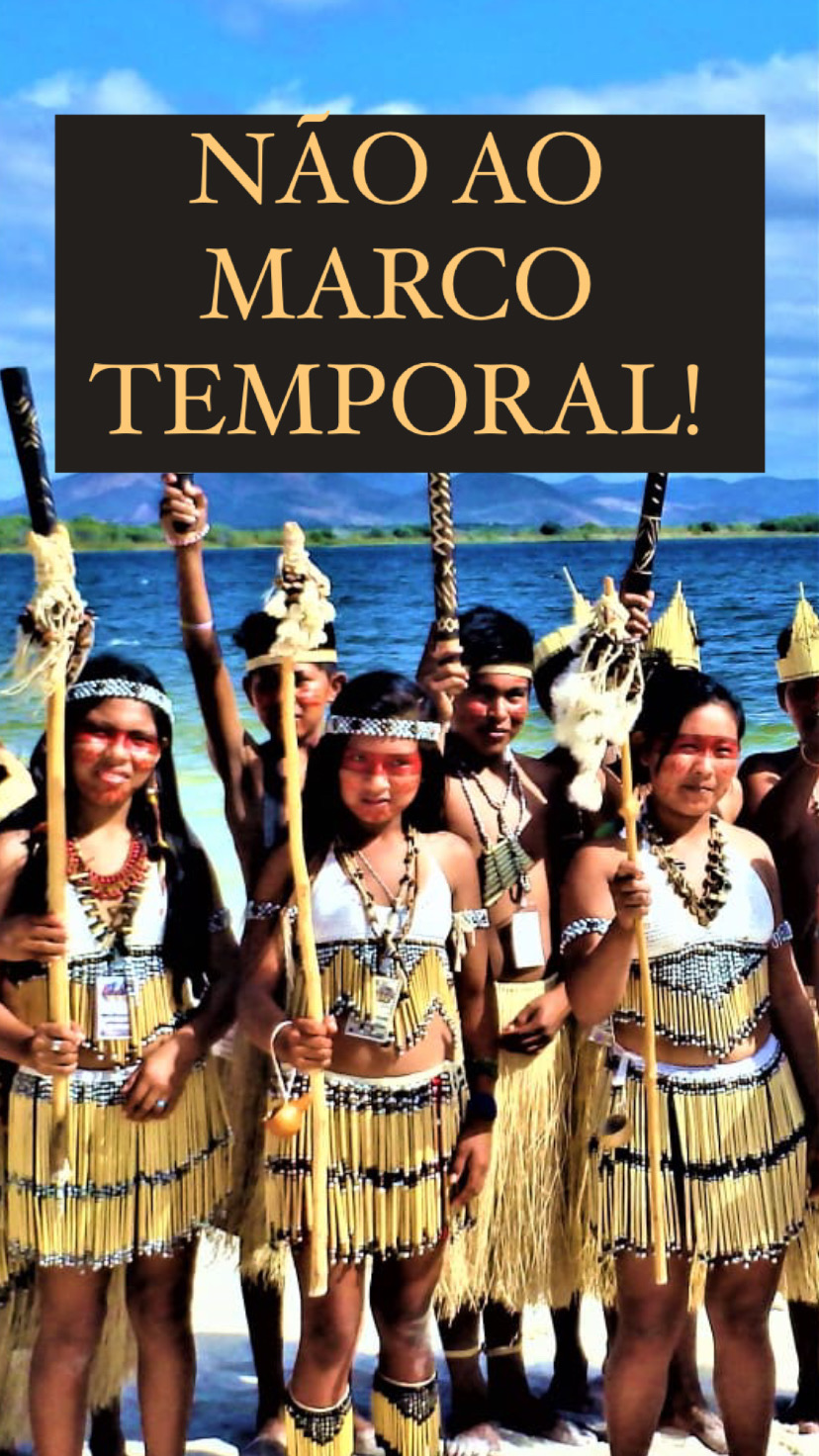
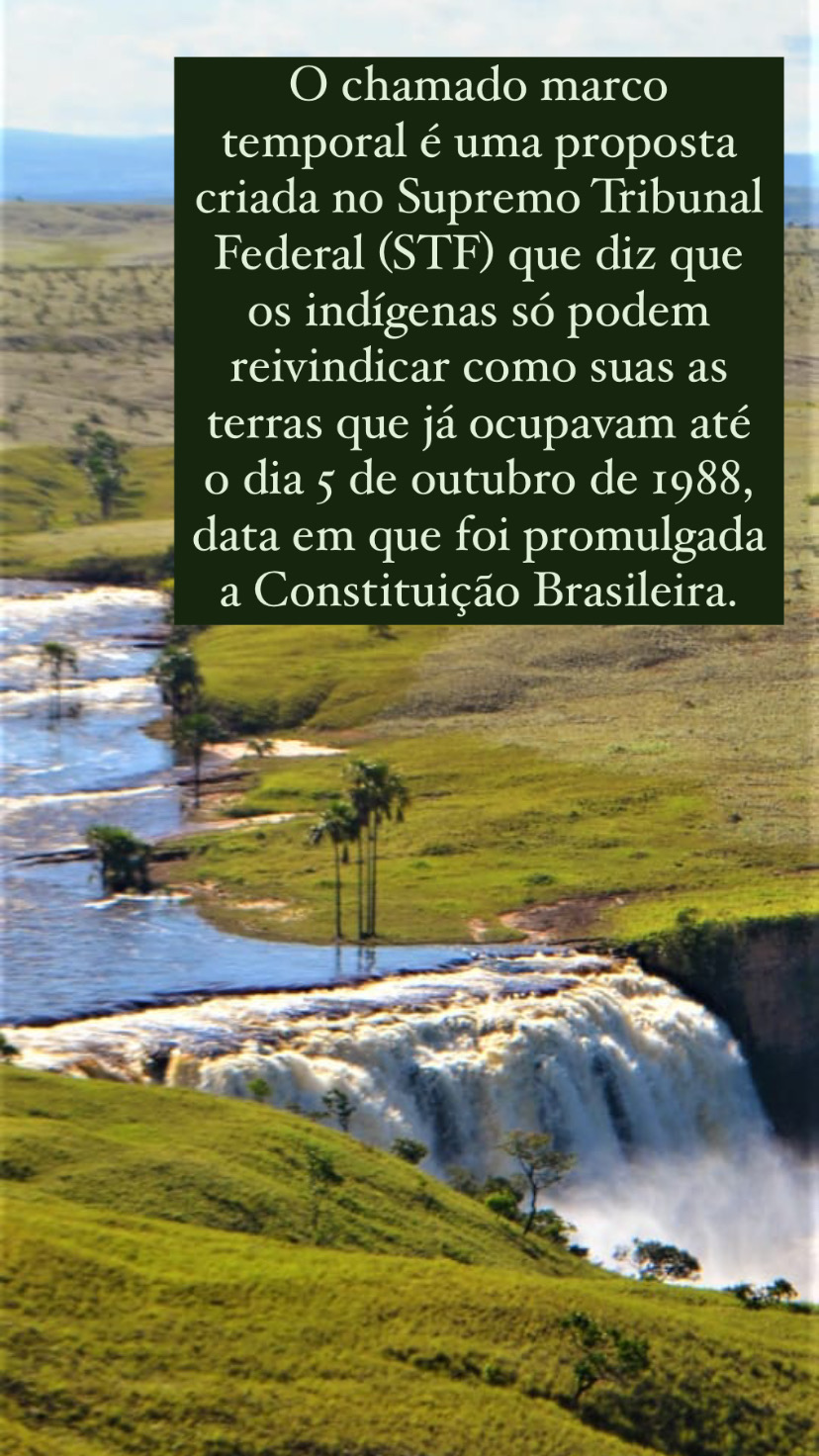
Webstories - Serras Region
Theme: Time frame
(To view, open the first story and drag it to the left, or tap the screen, if you are on your cell phone, to see it in sequence):
Web stories - Tabaio Region
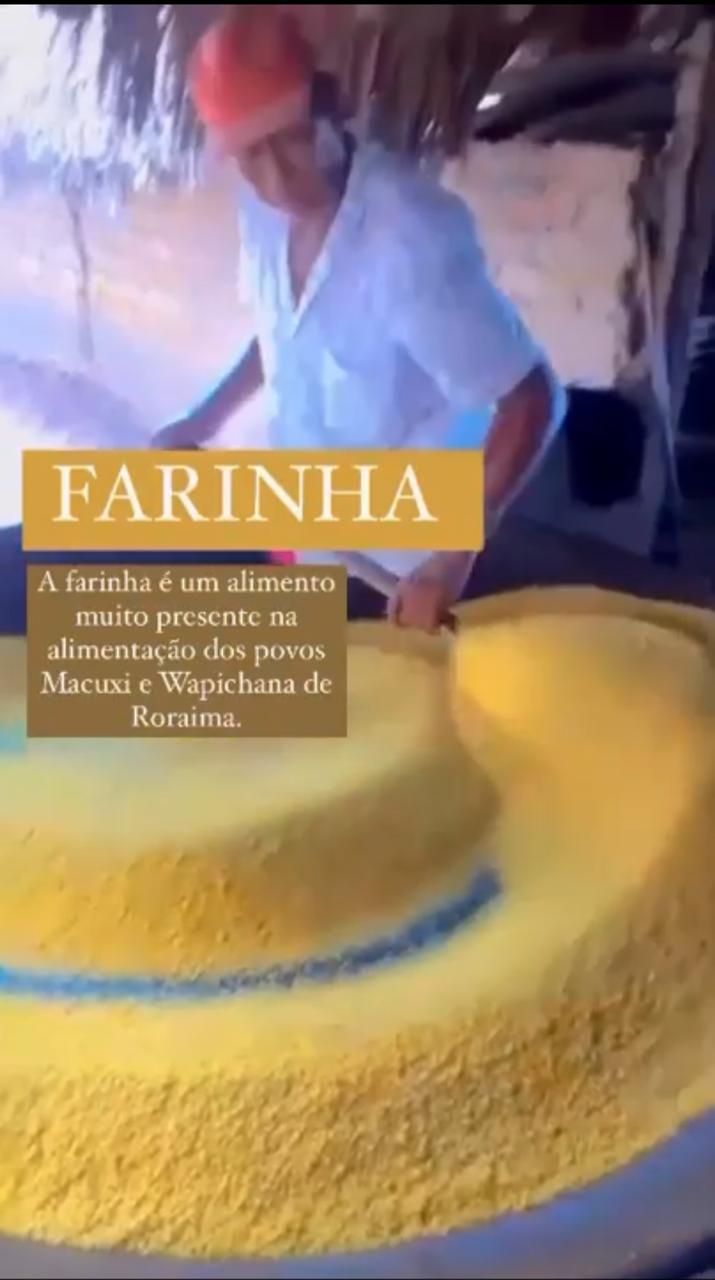
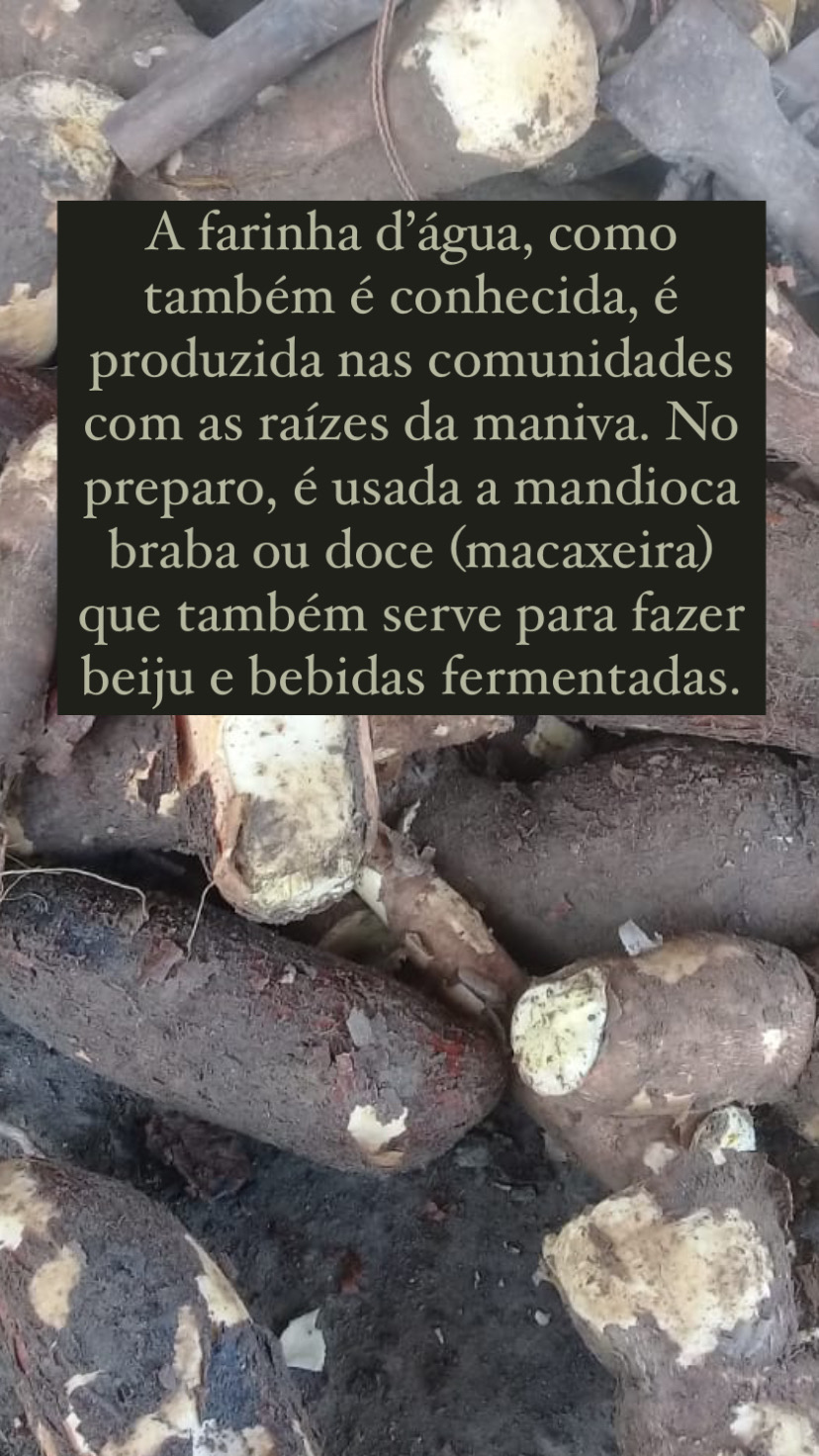
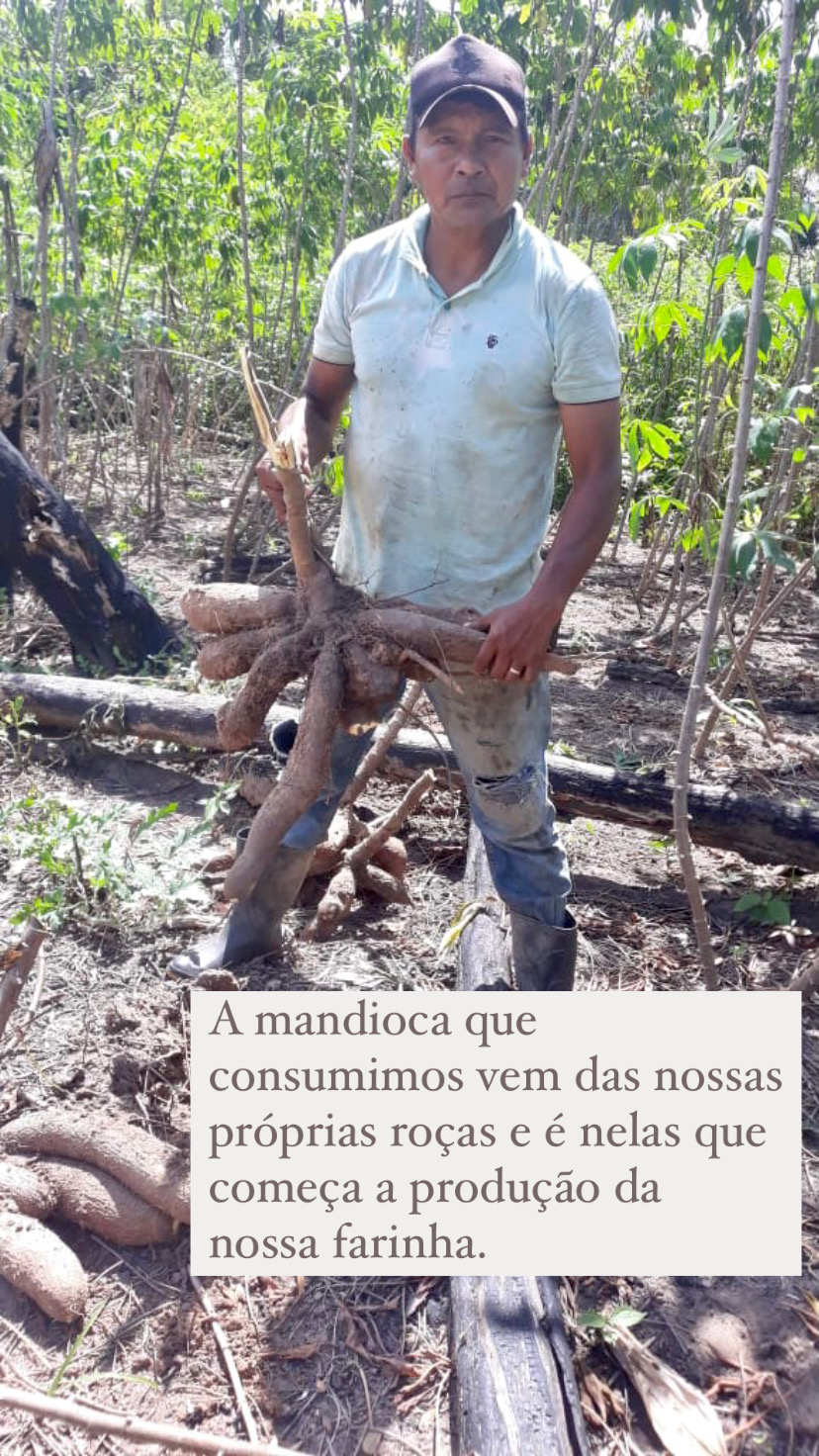
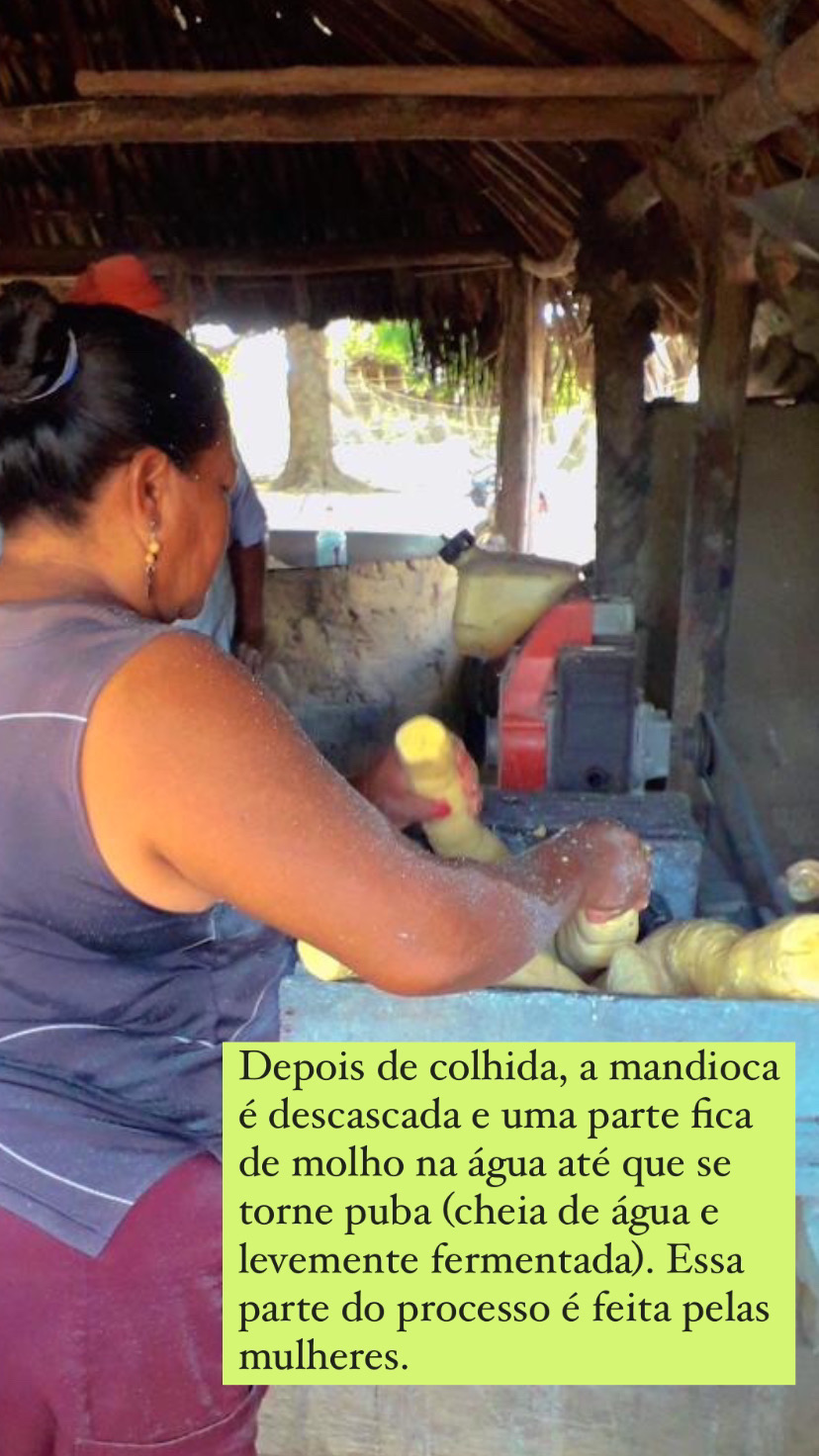
Theme: Flour
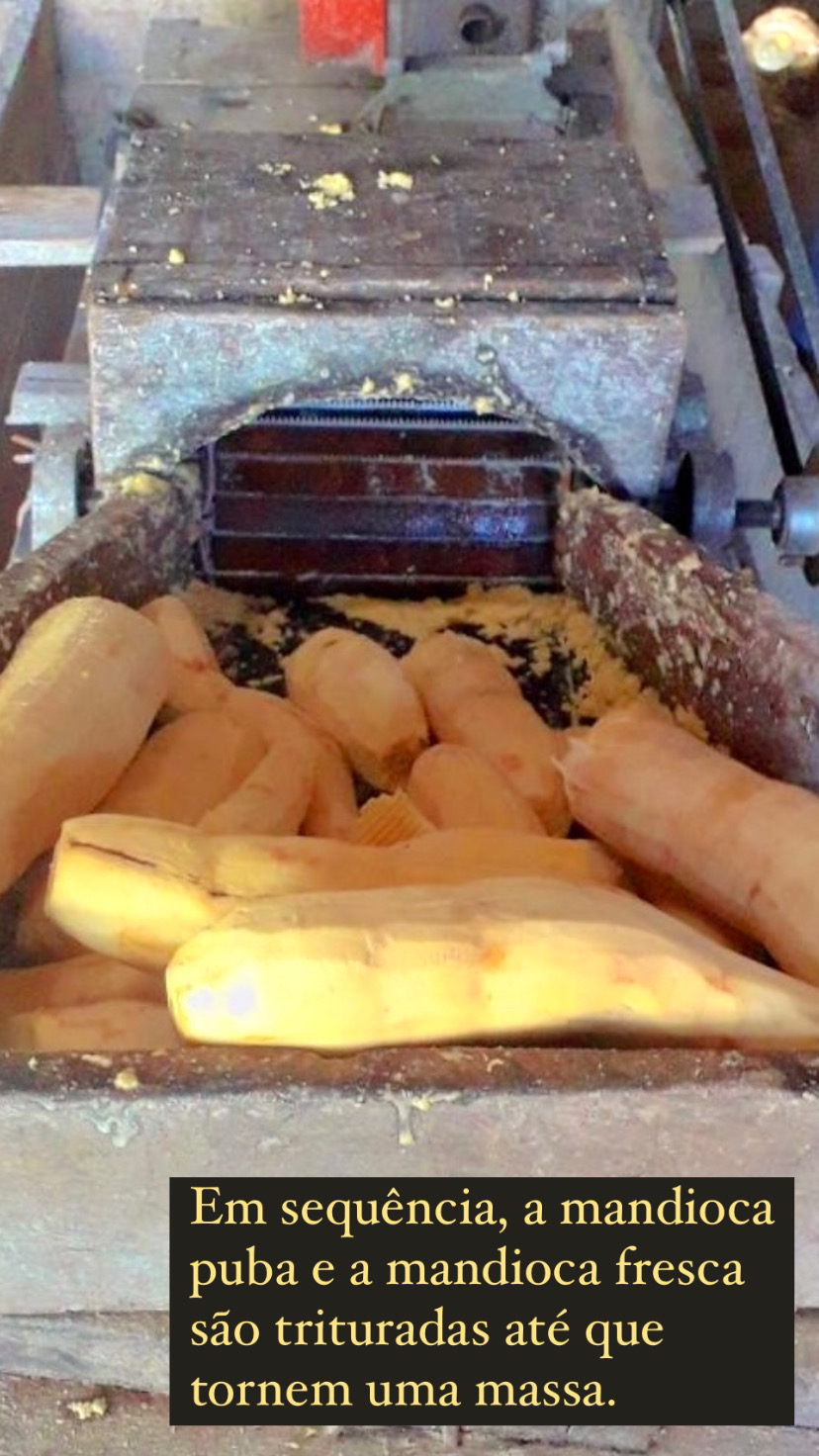
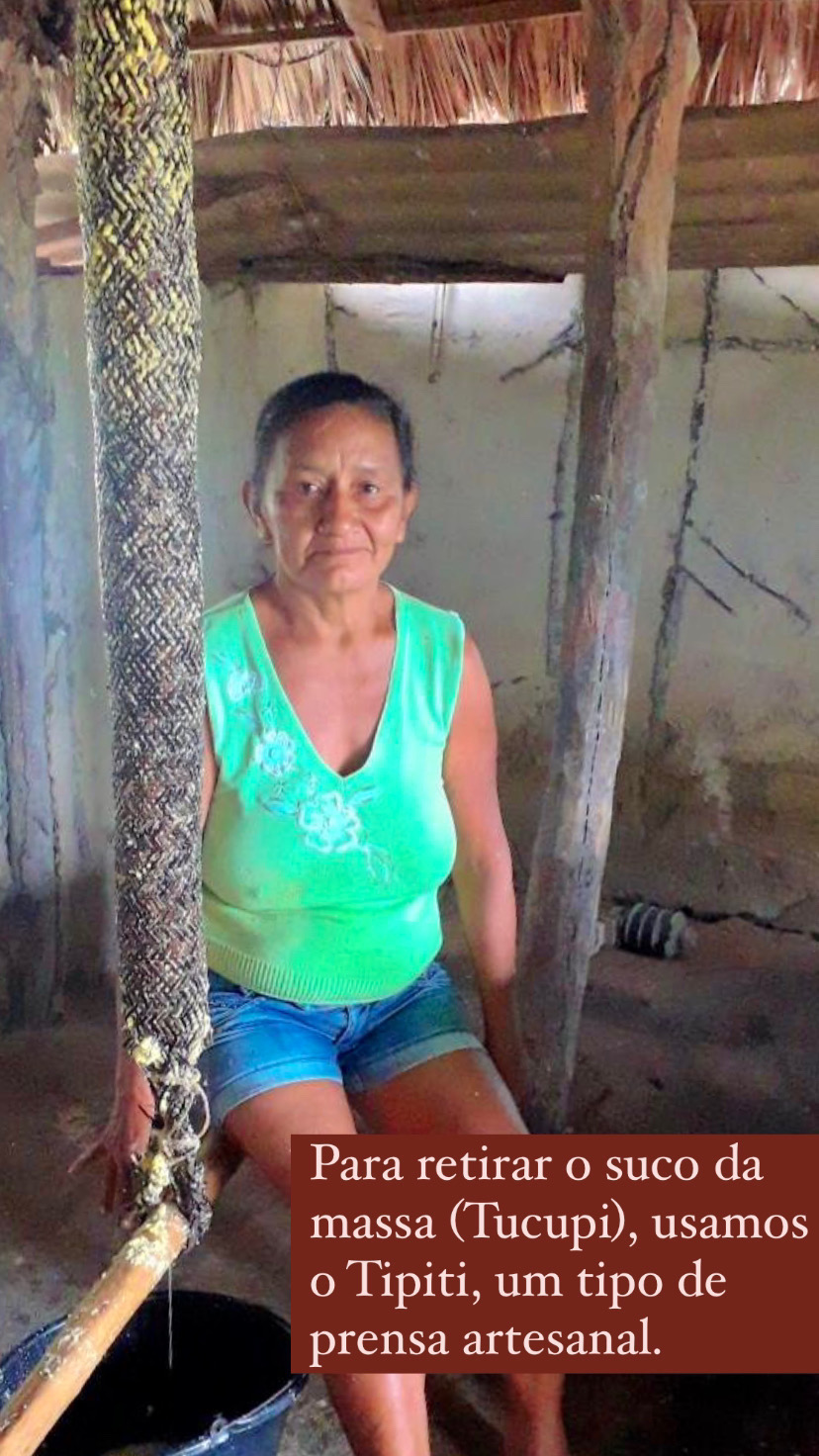
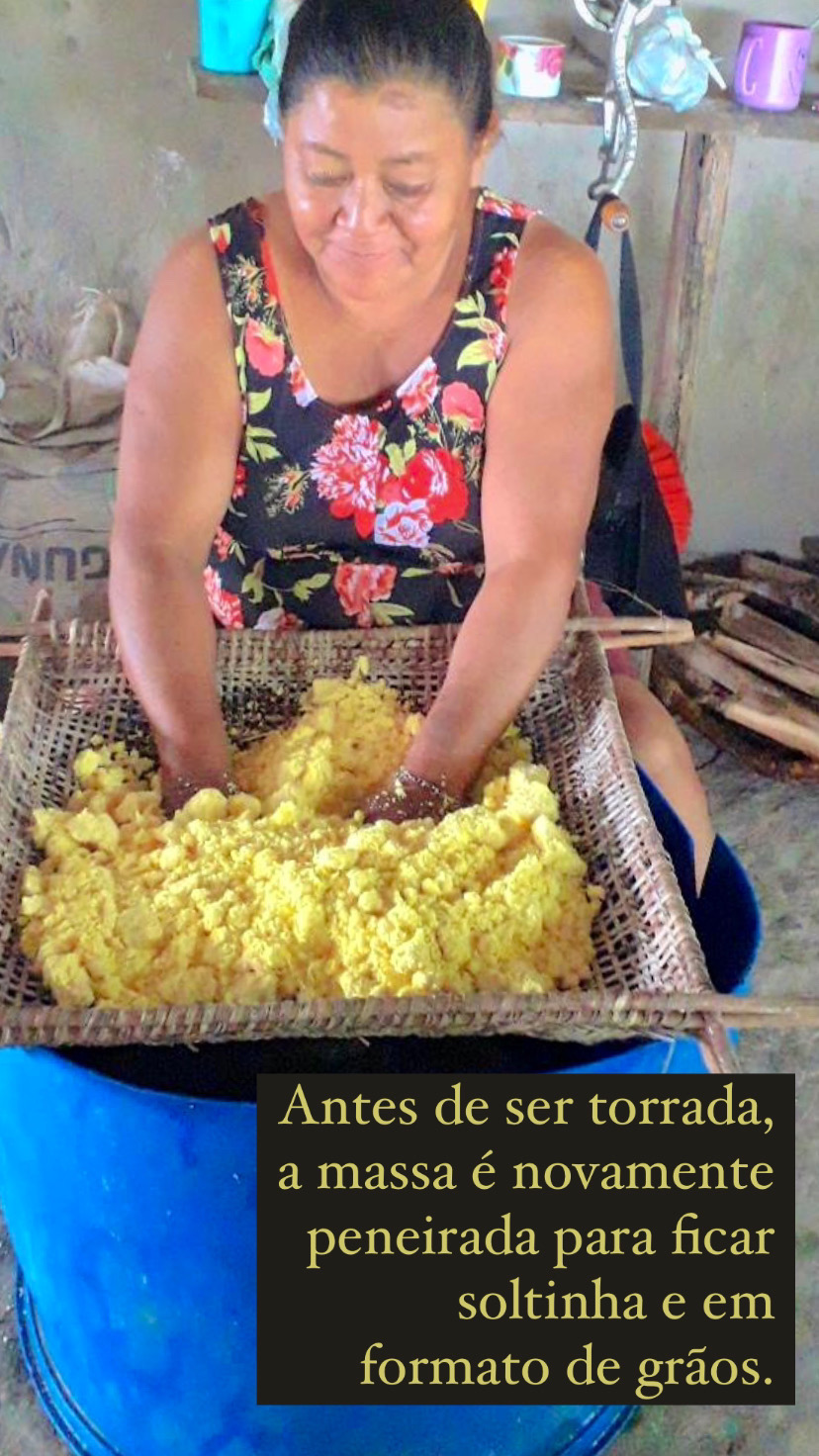
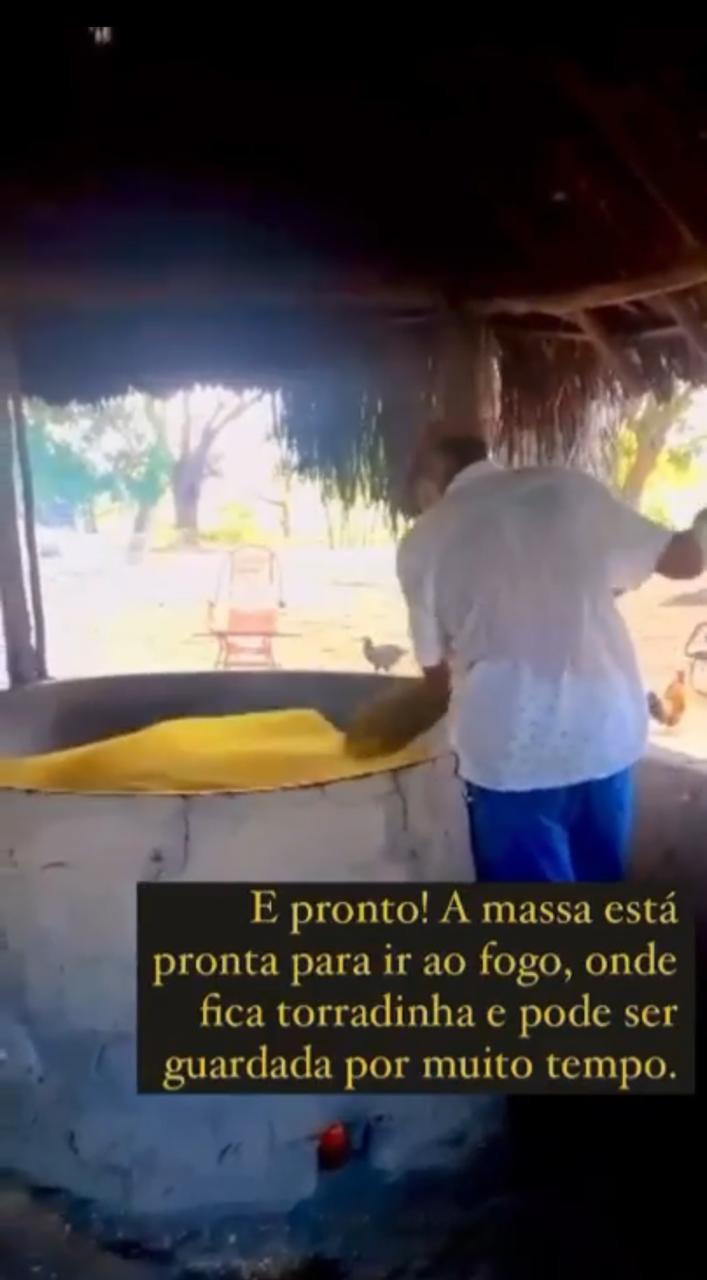
Web stories - Raposa Region
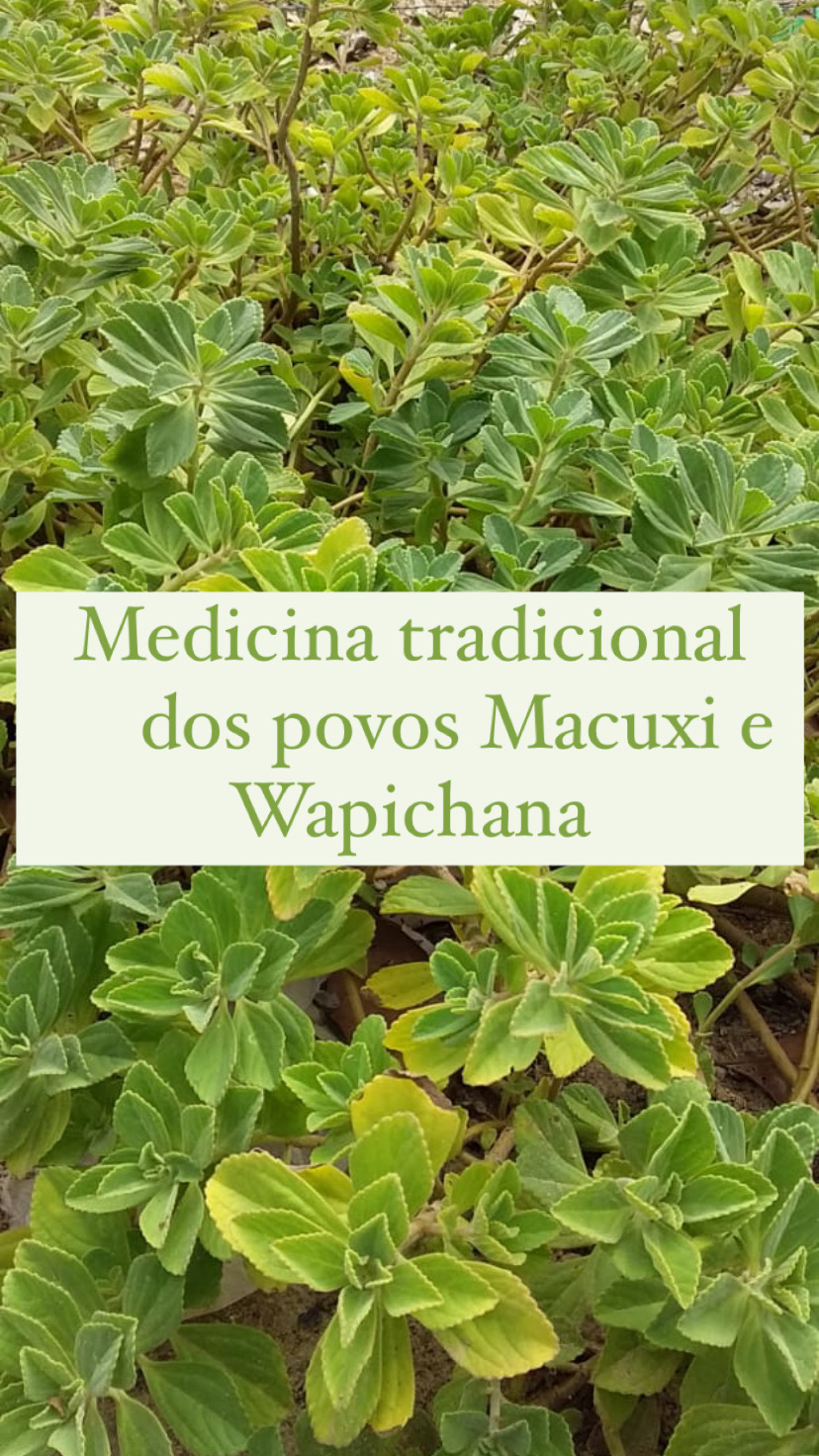
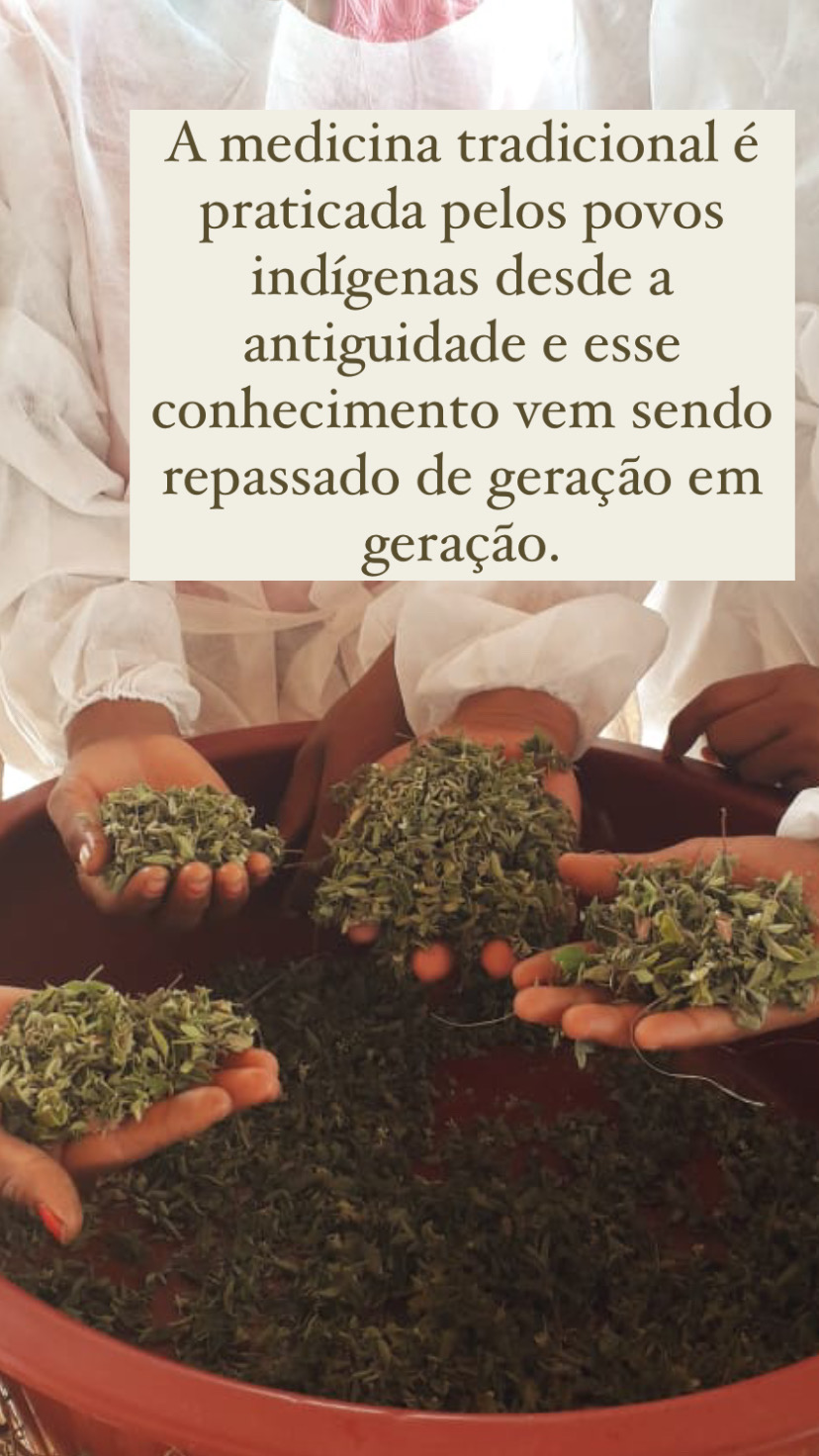
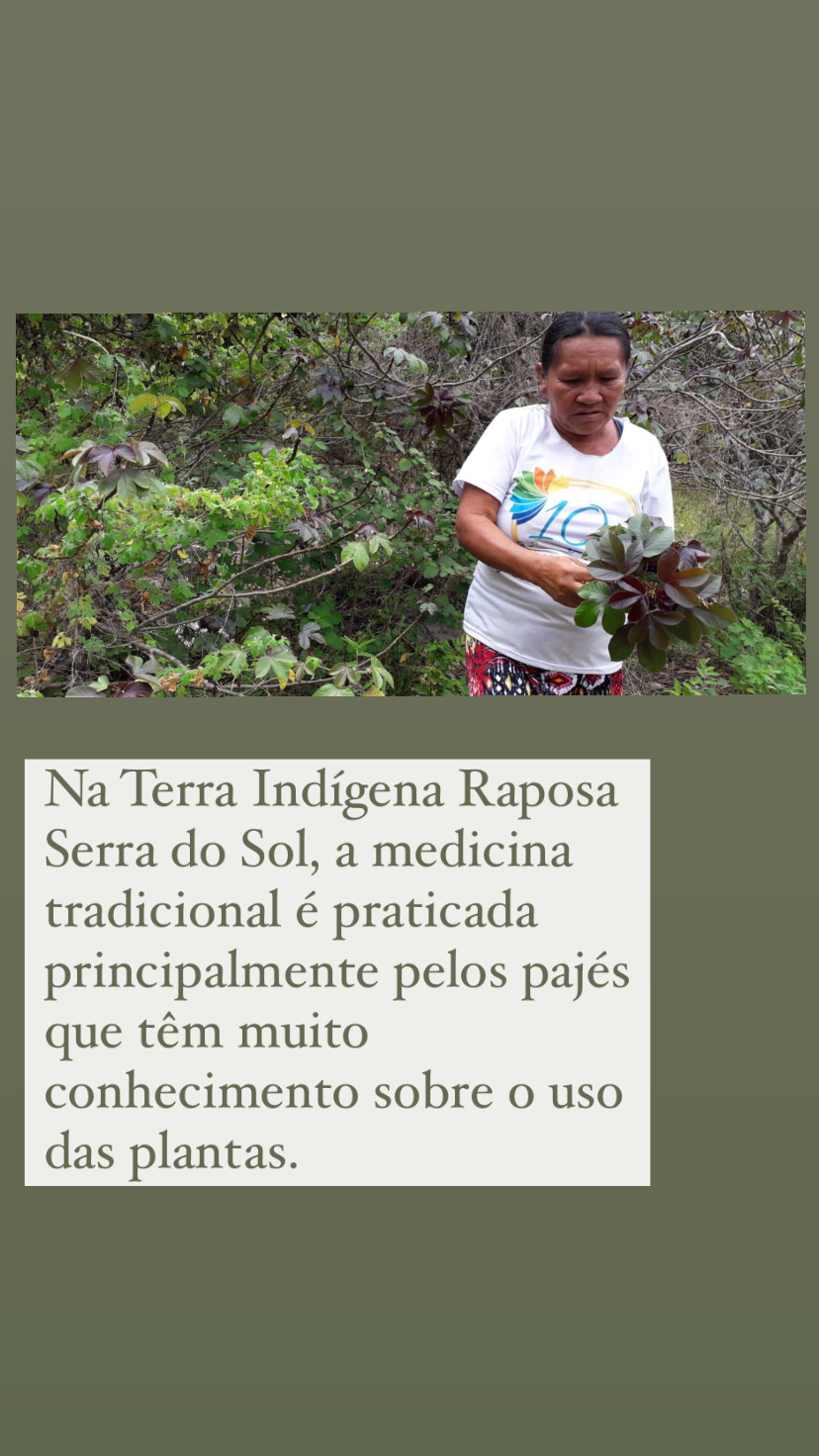
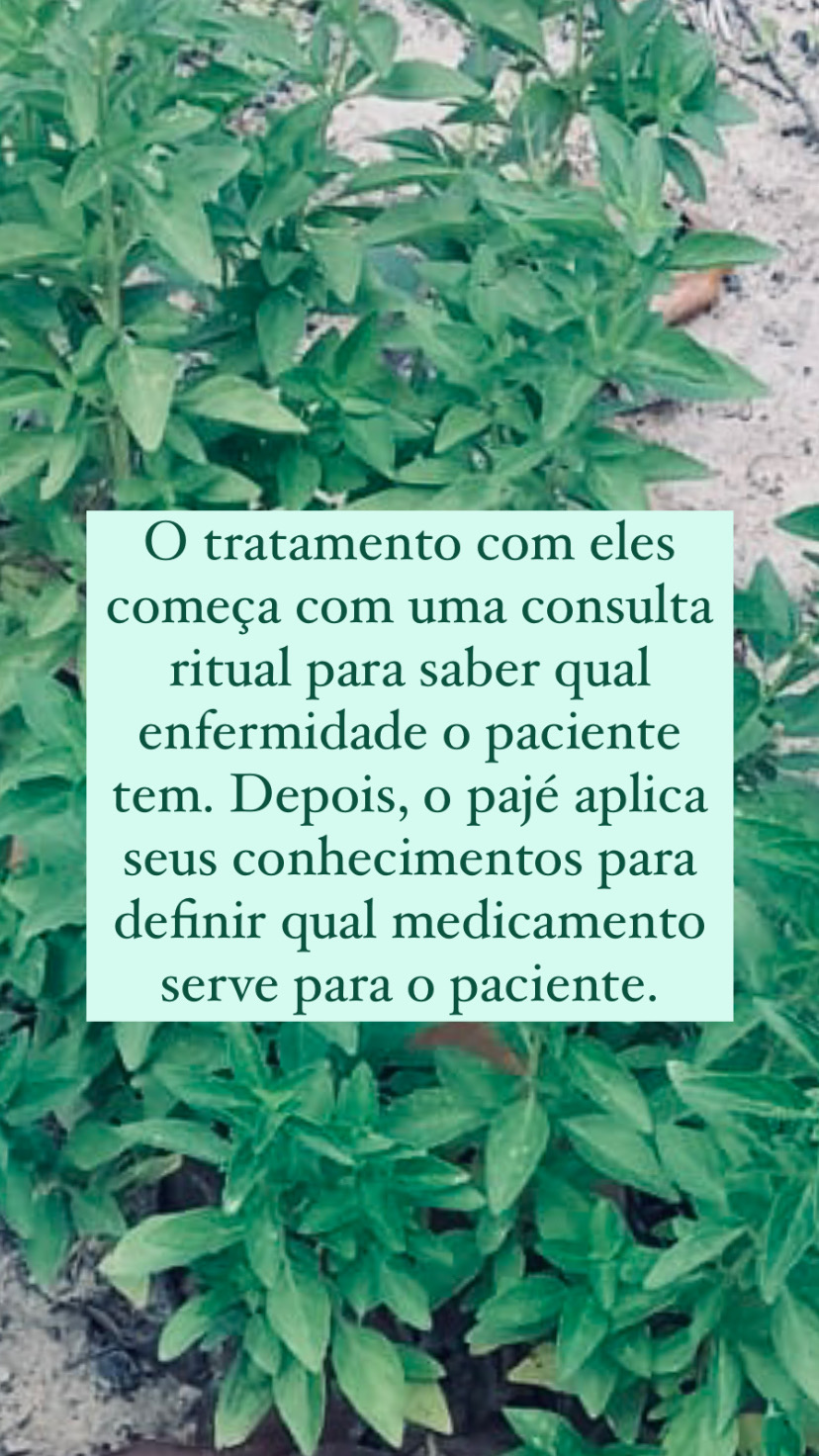
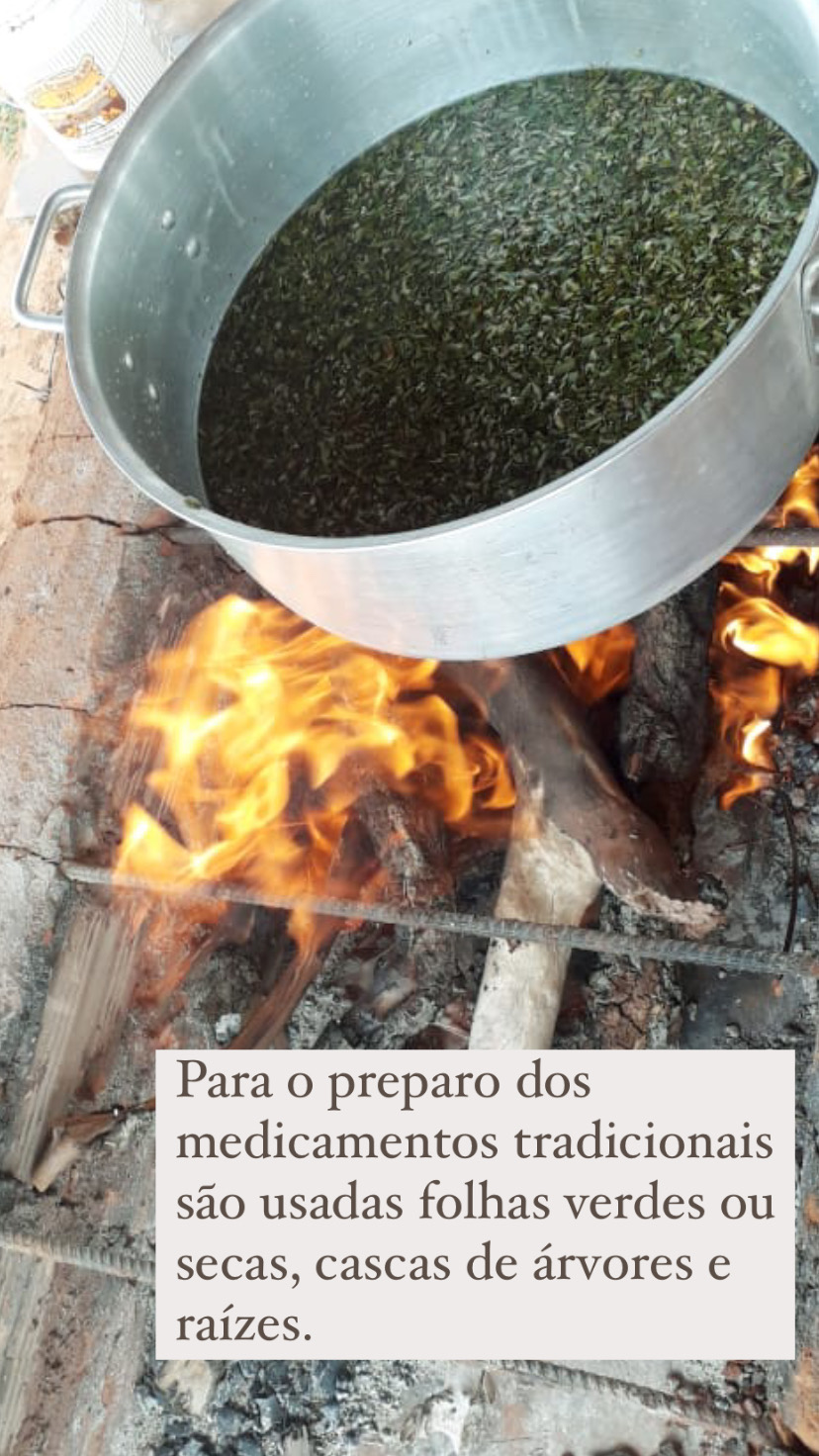
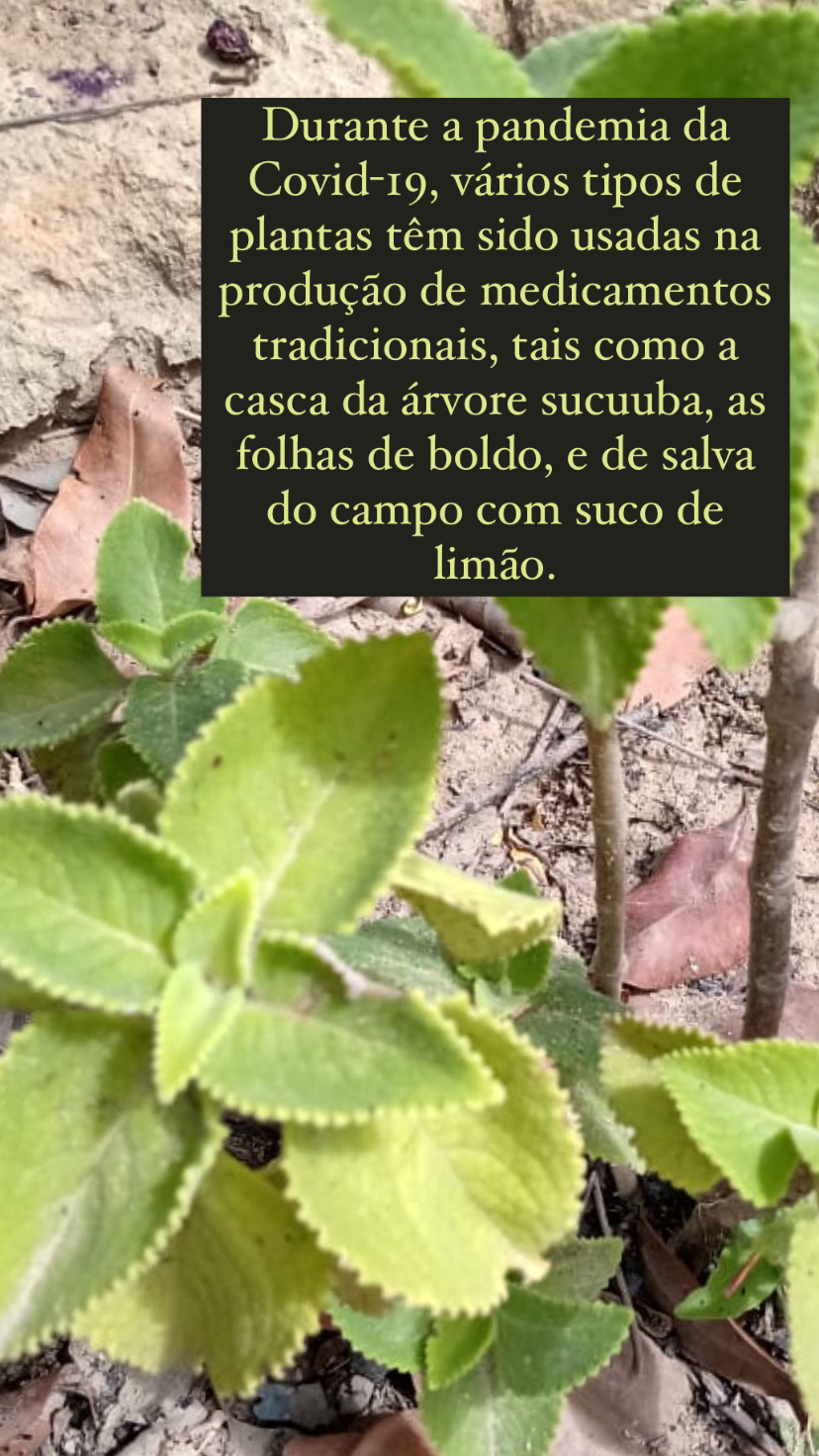
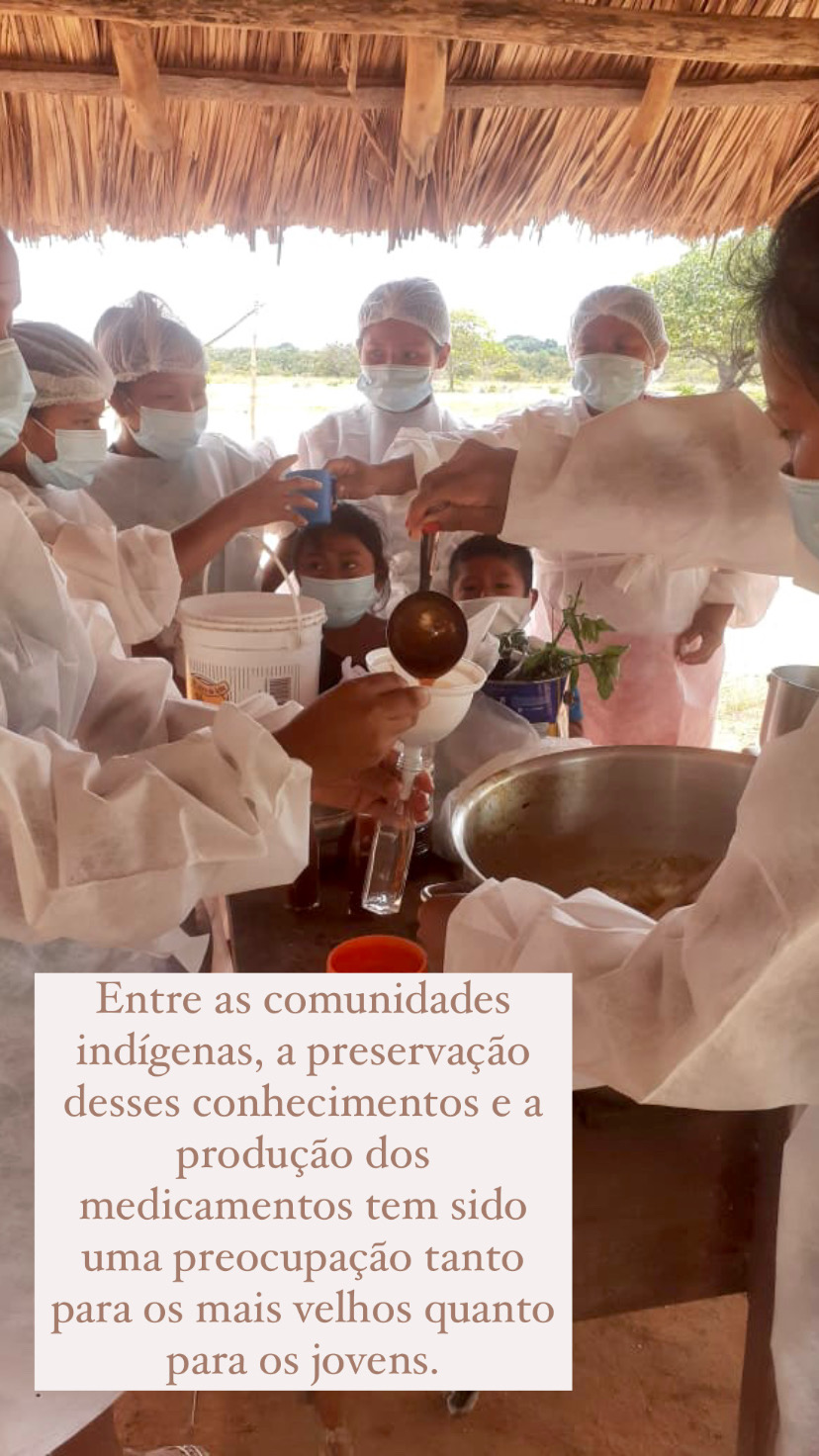
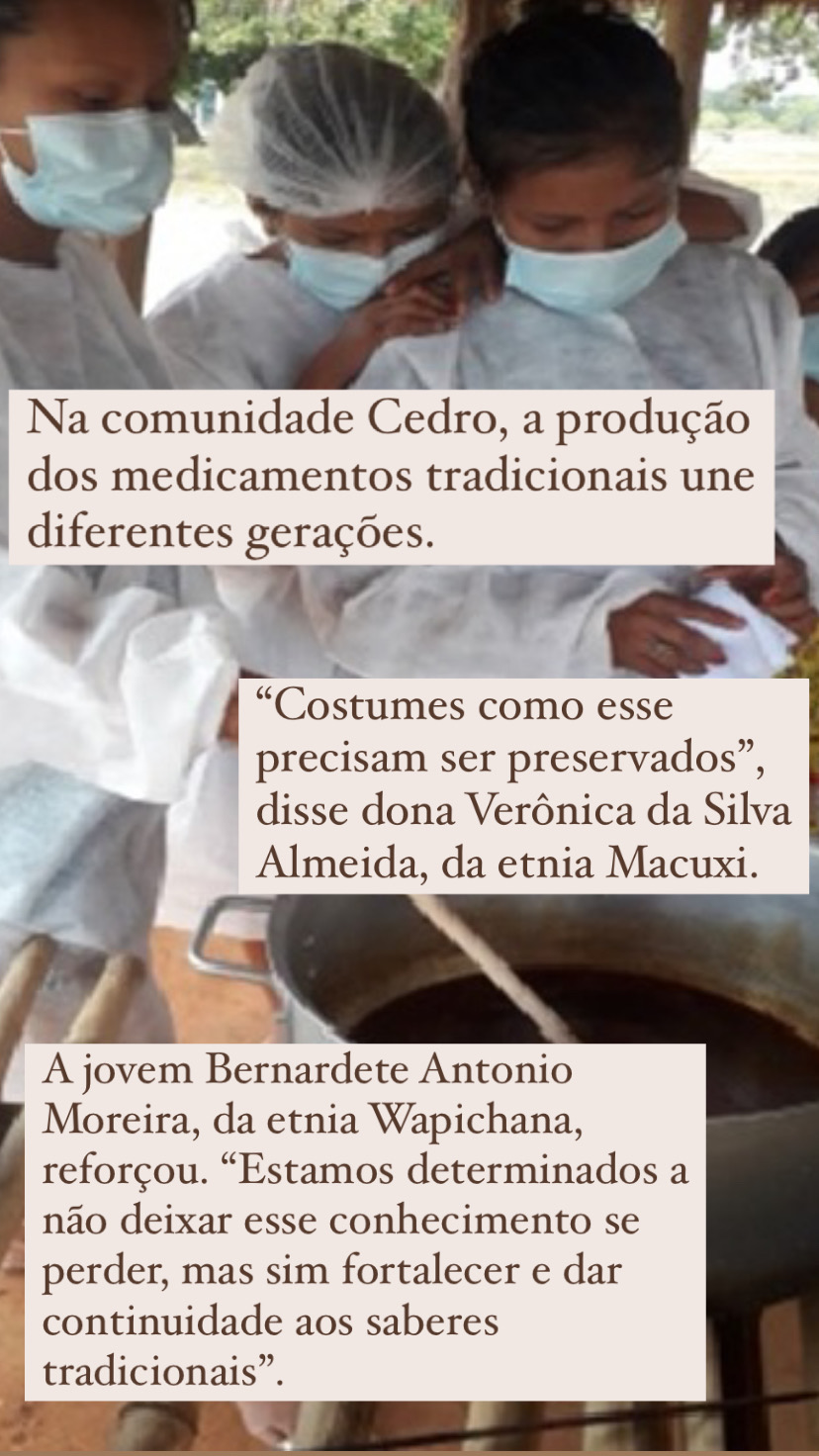
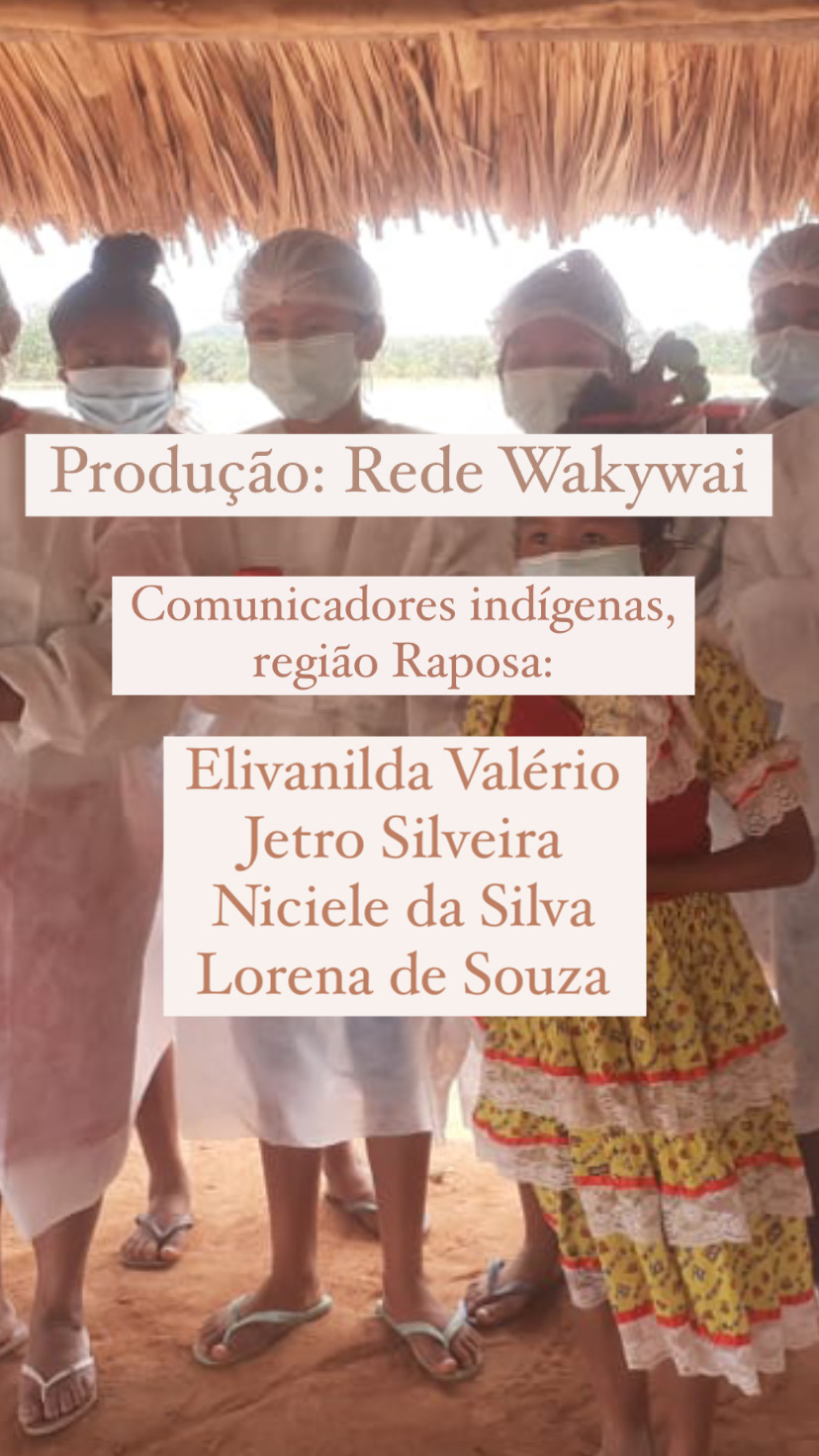
Theme: Traditional Medicine in the pandemic
Web stories - Amajari Region
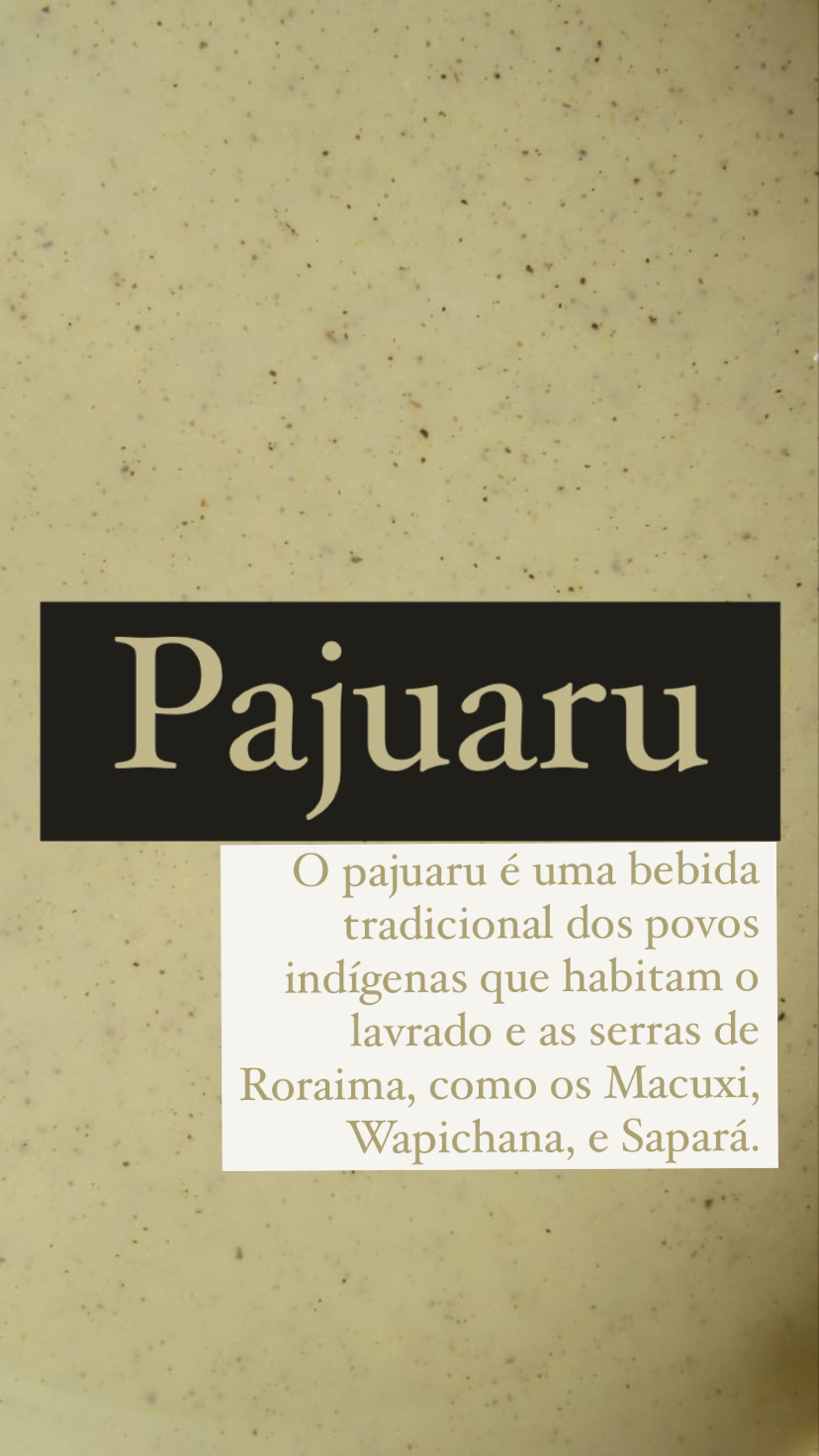
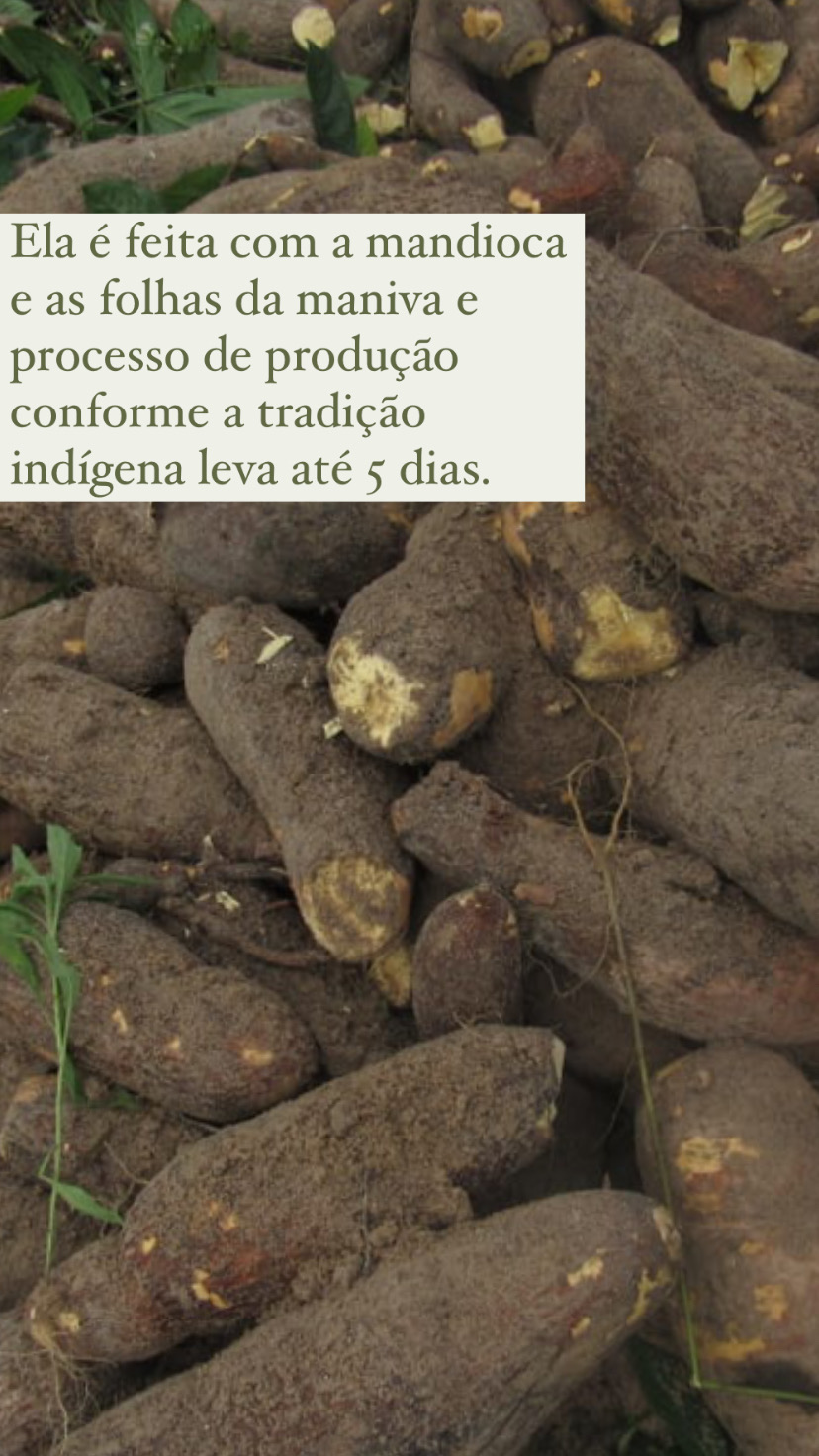
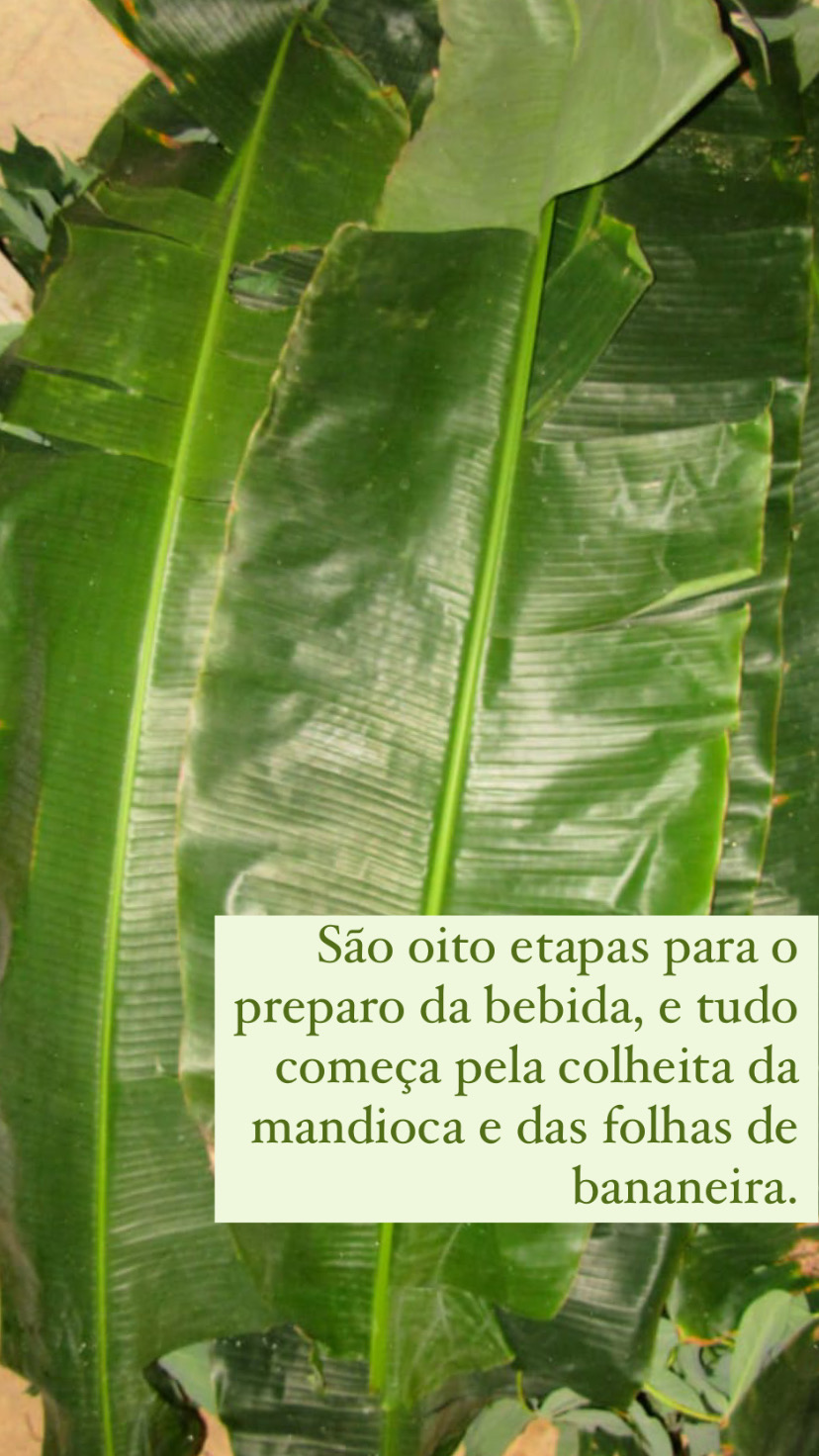
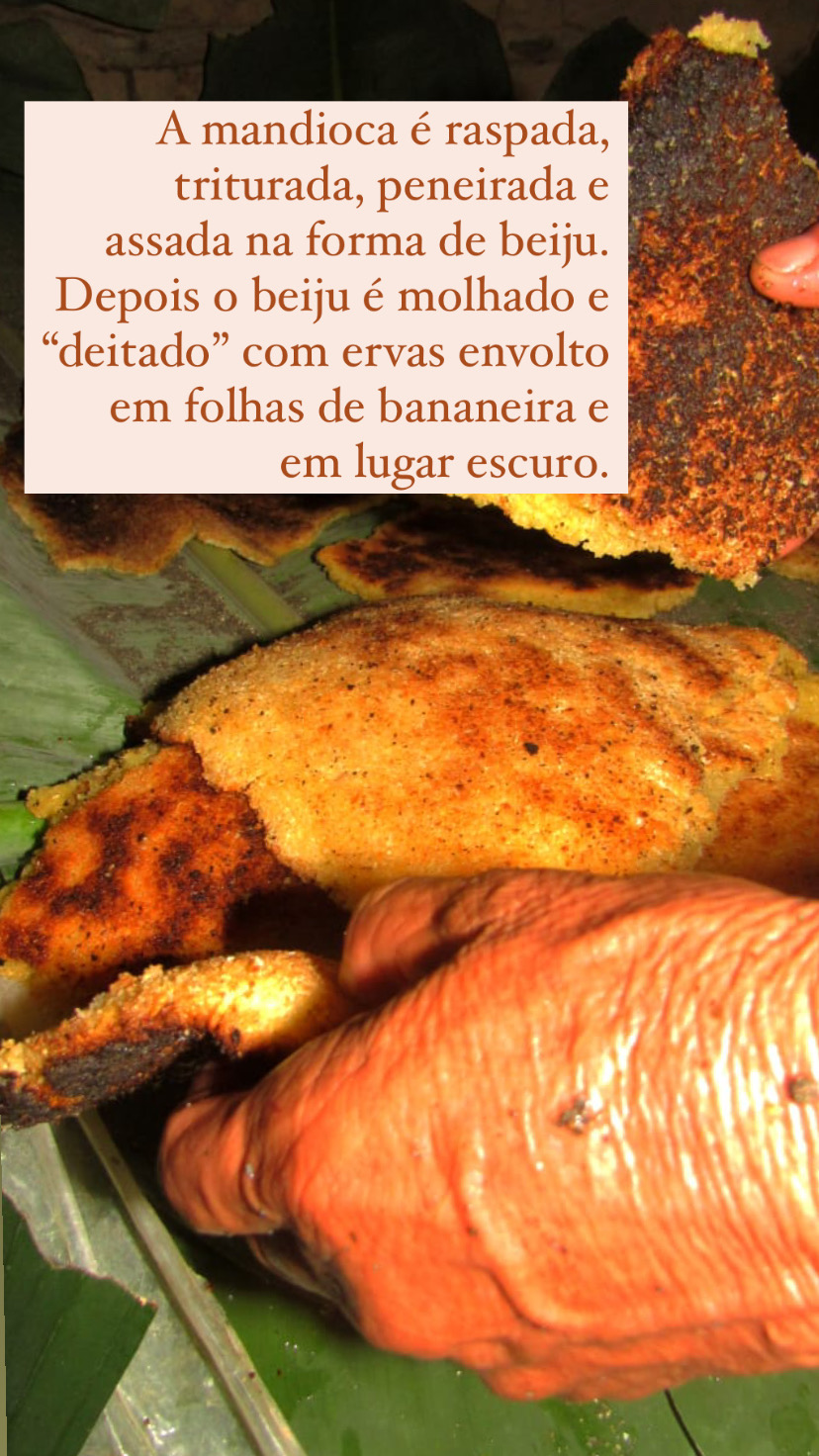
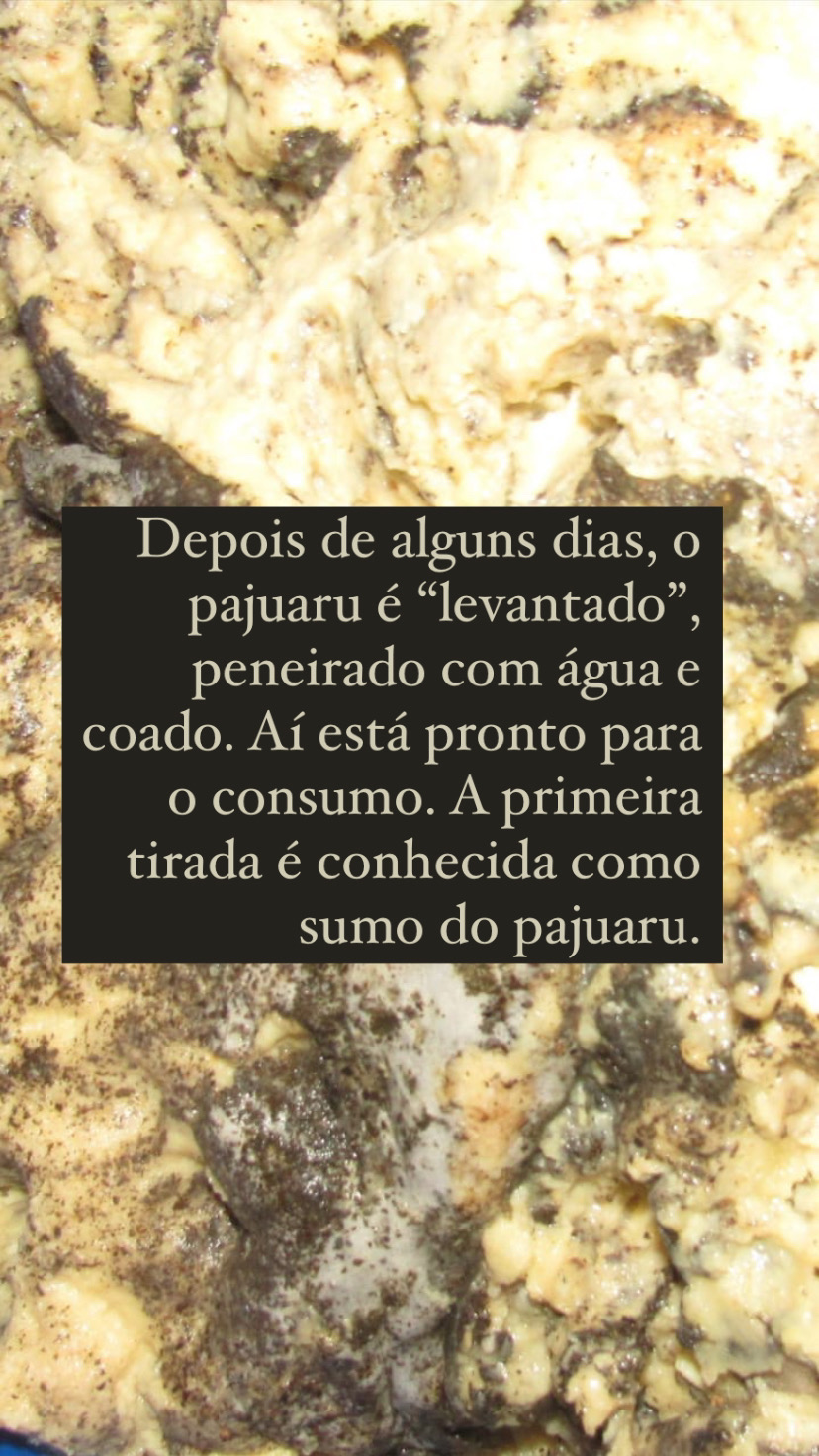
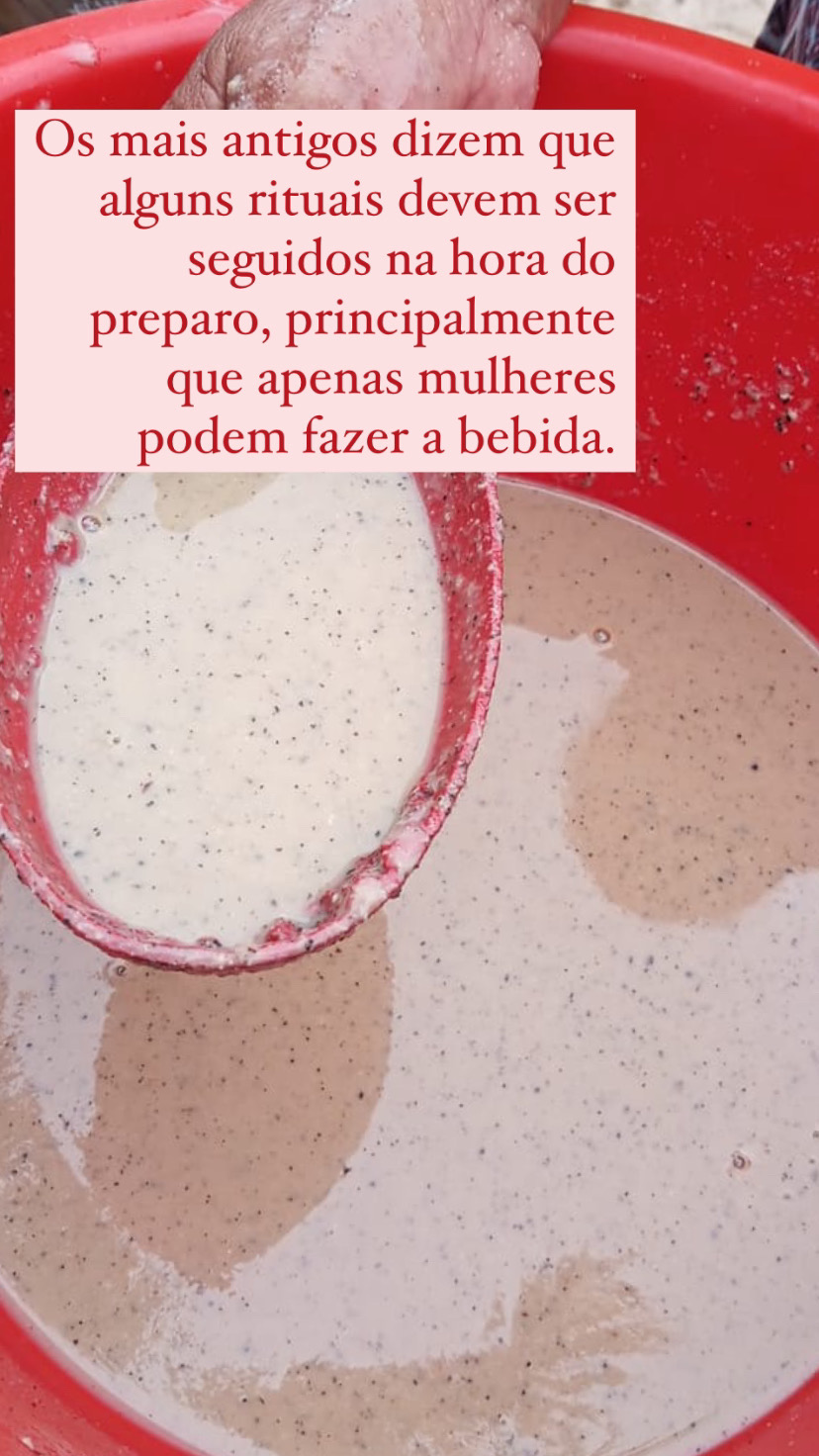
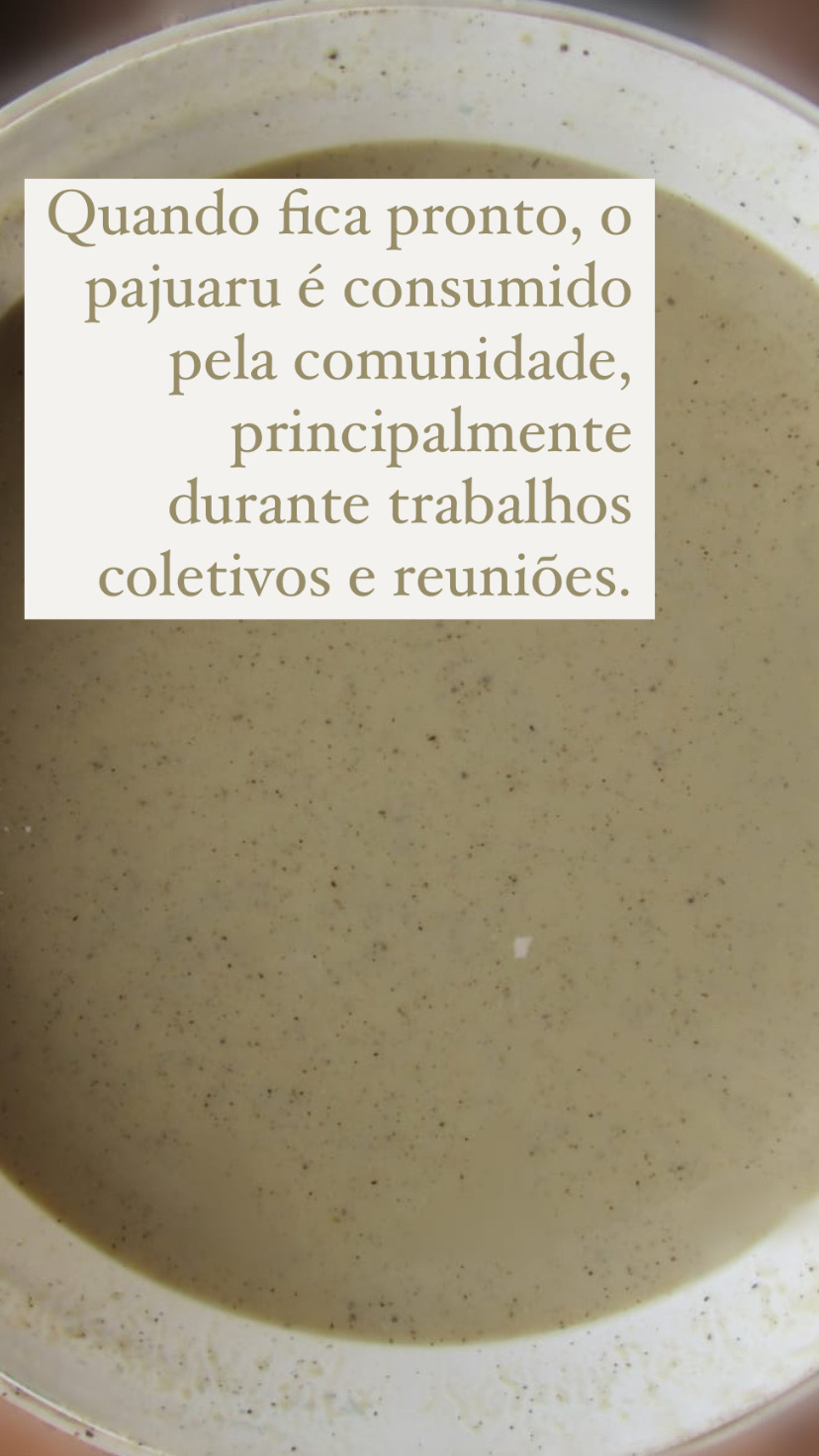
Theme: Pajuaru
Web stories - Surumu Region
Theme:Fish farmingIndigenous