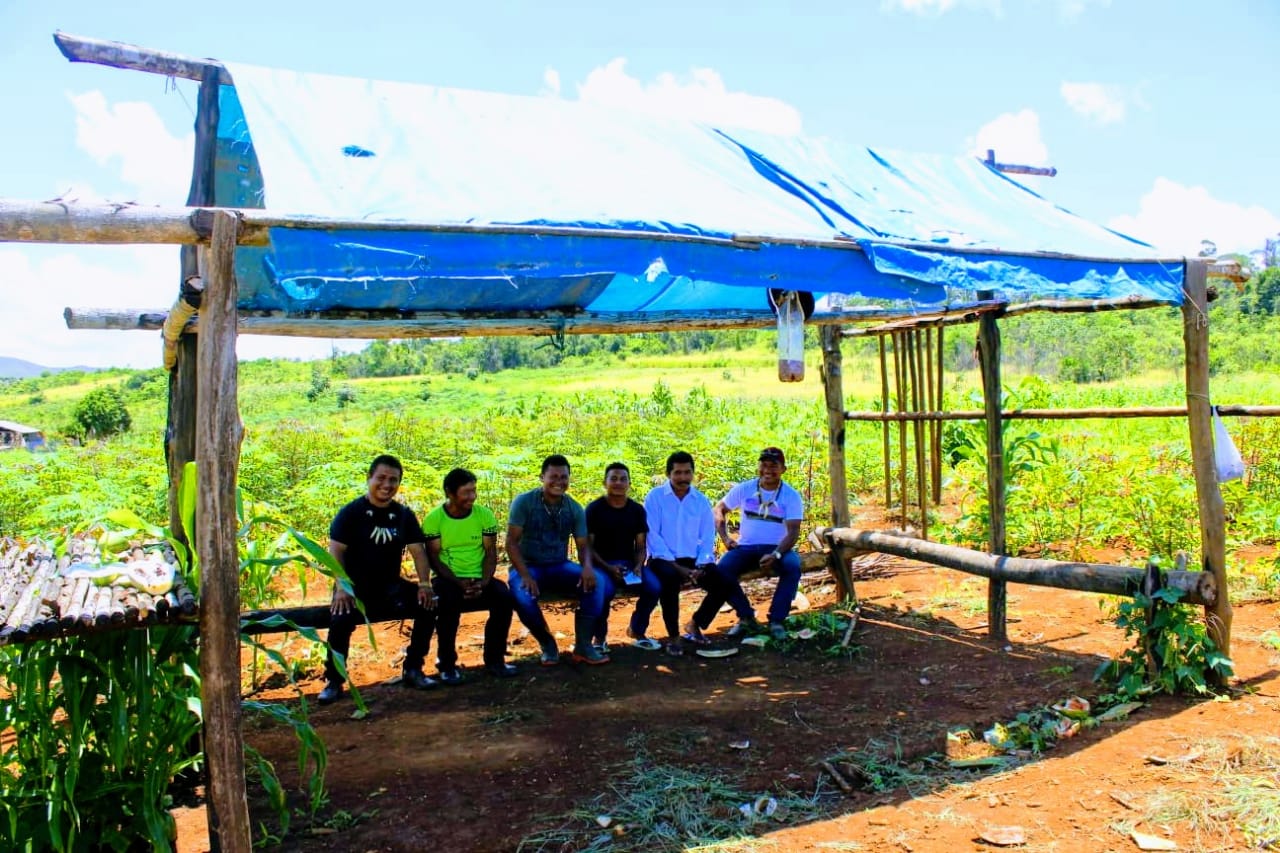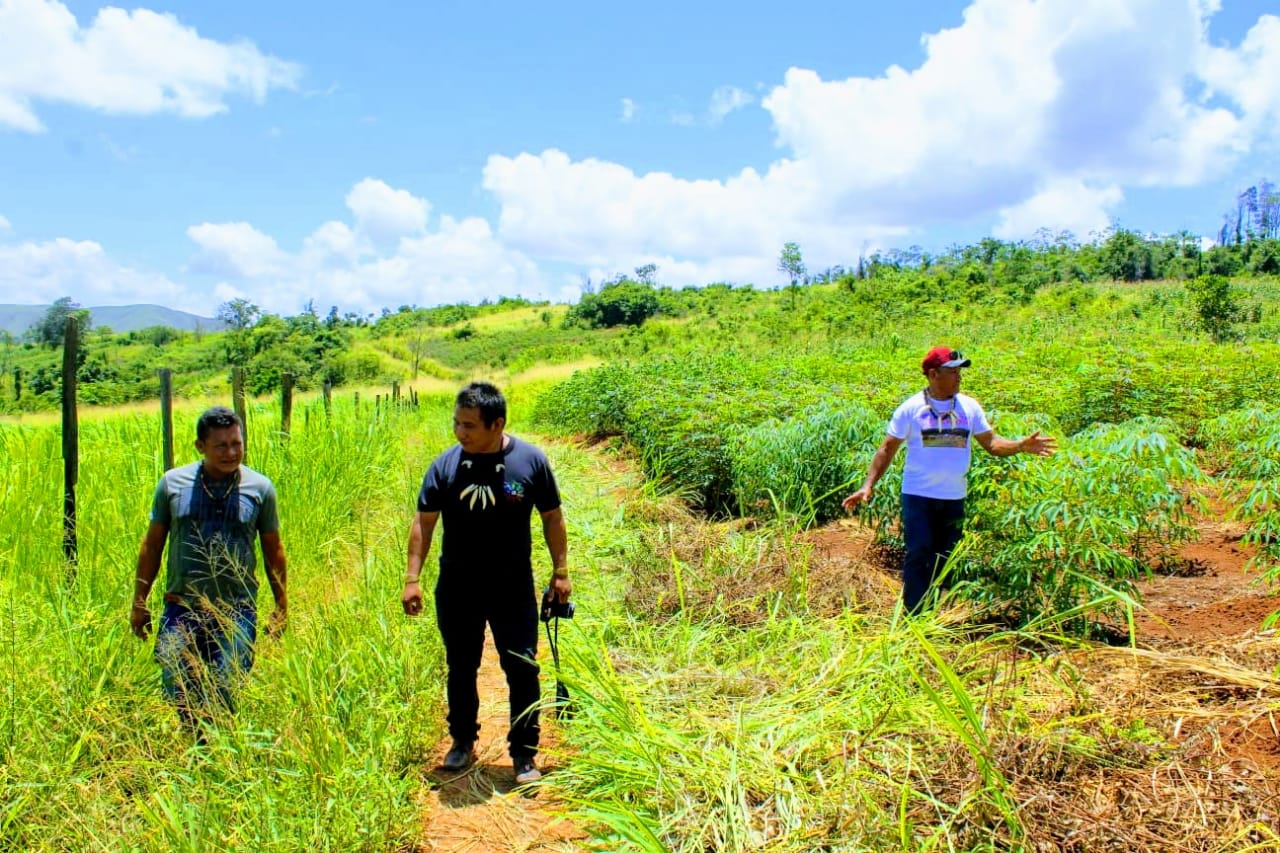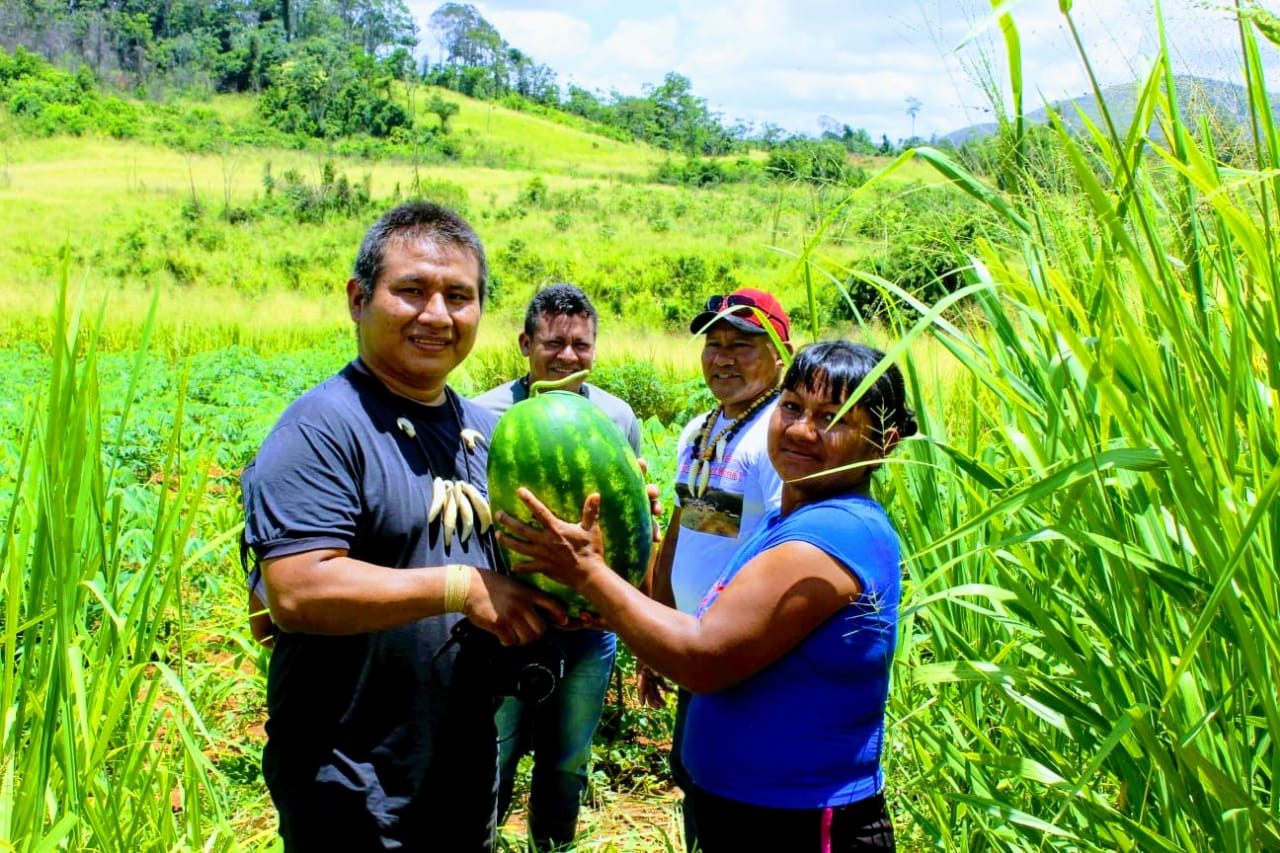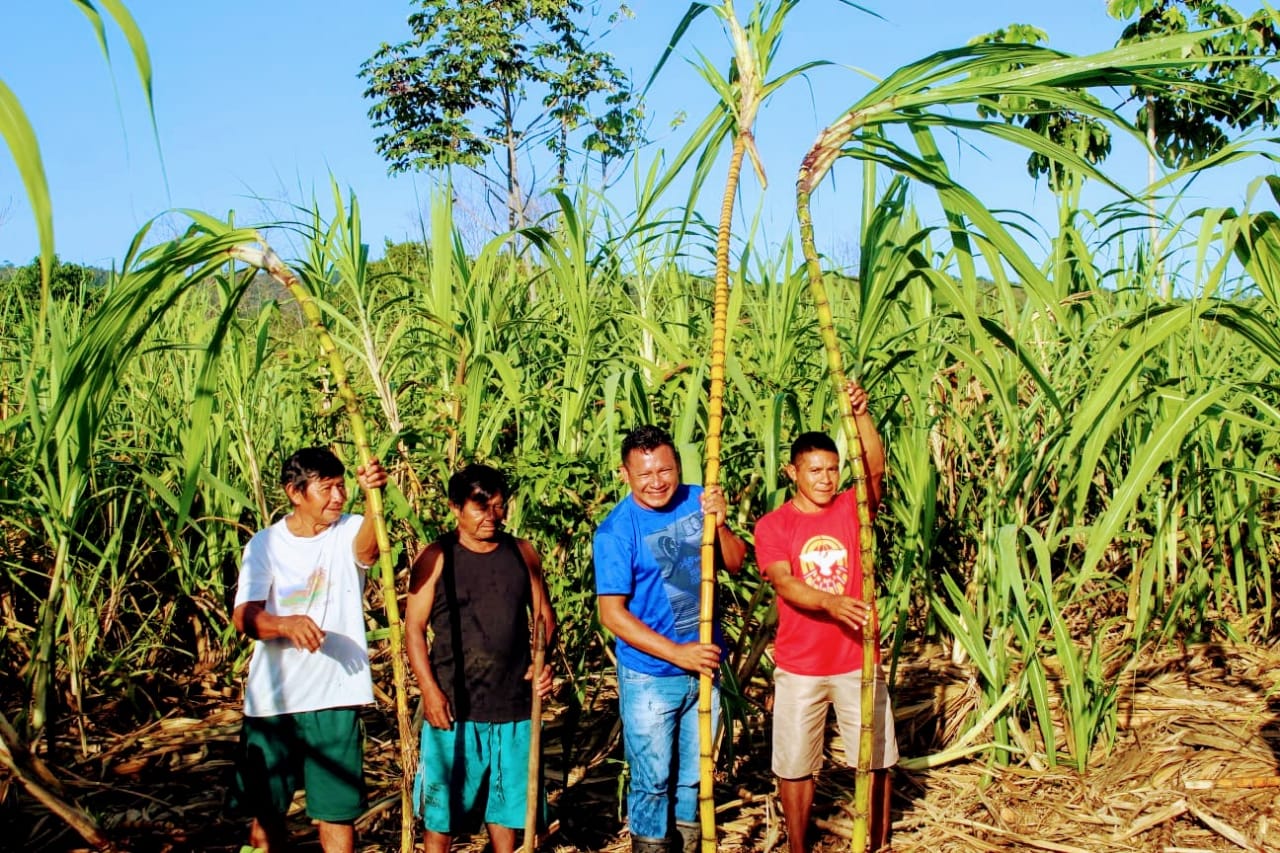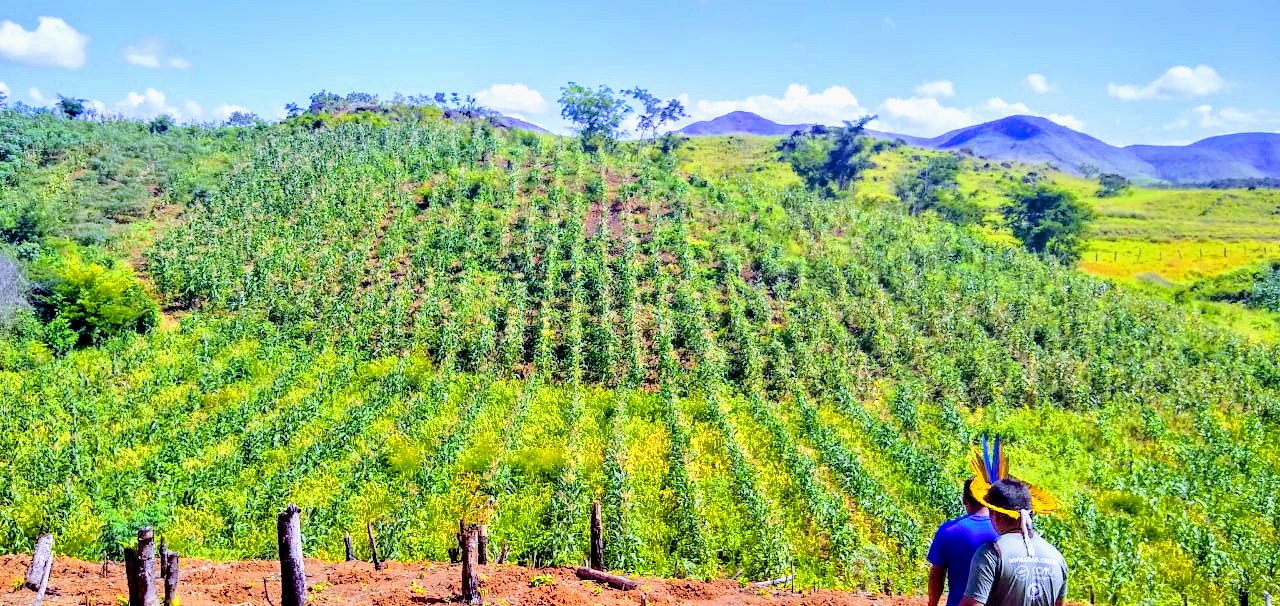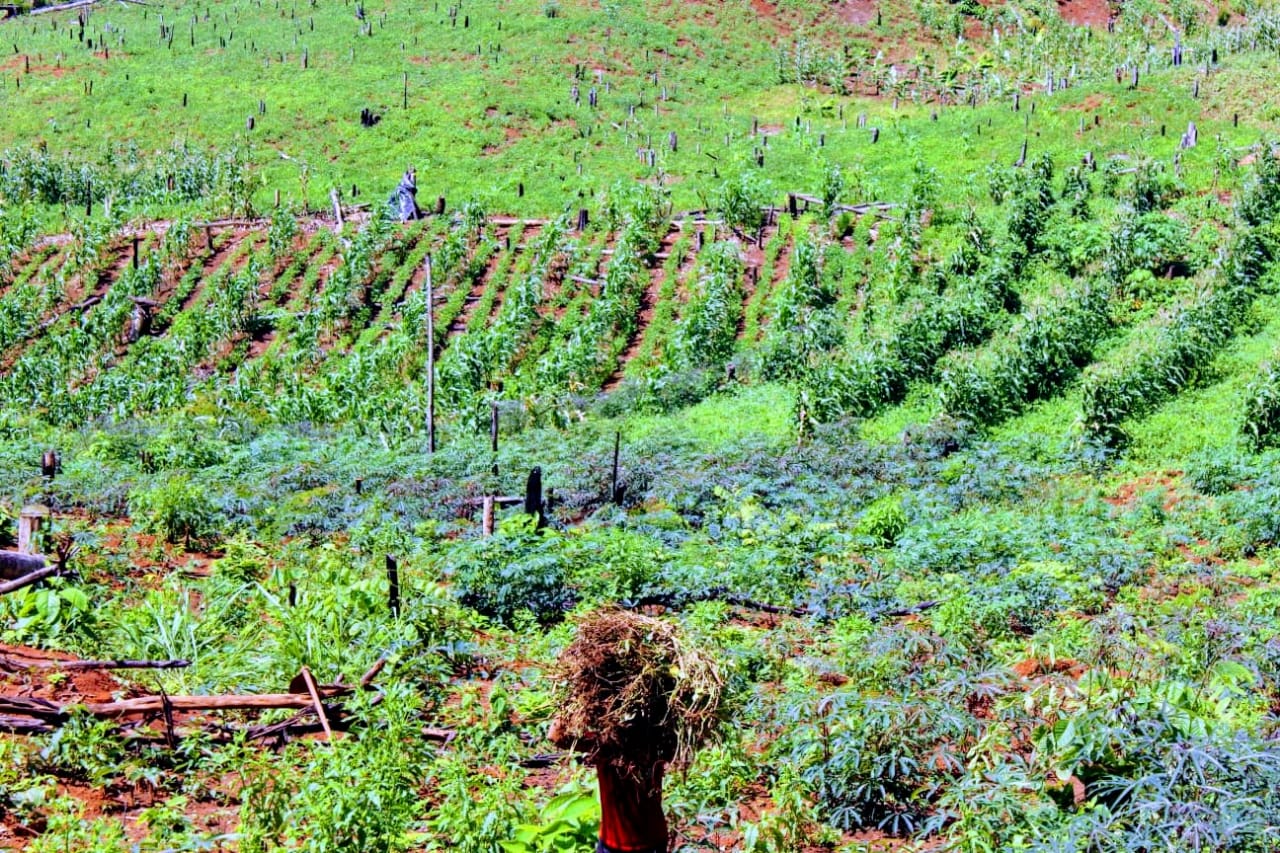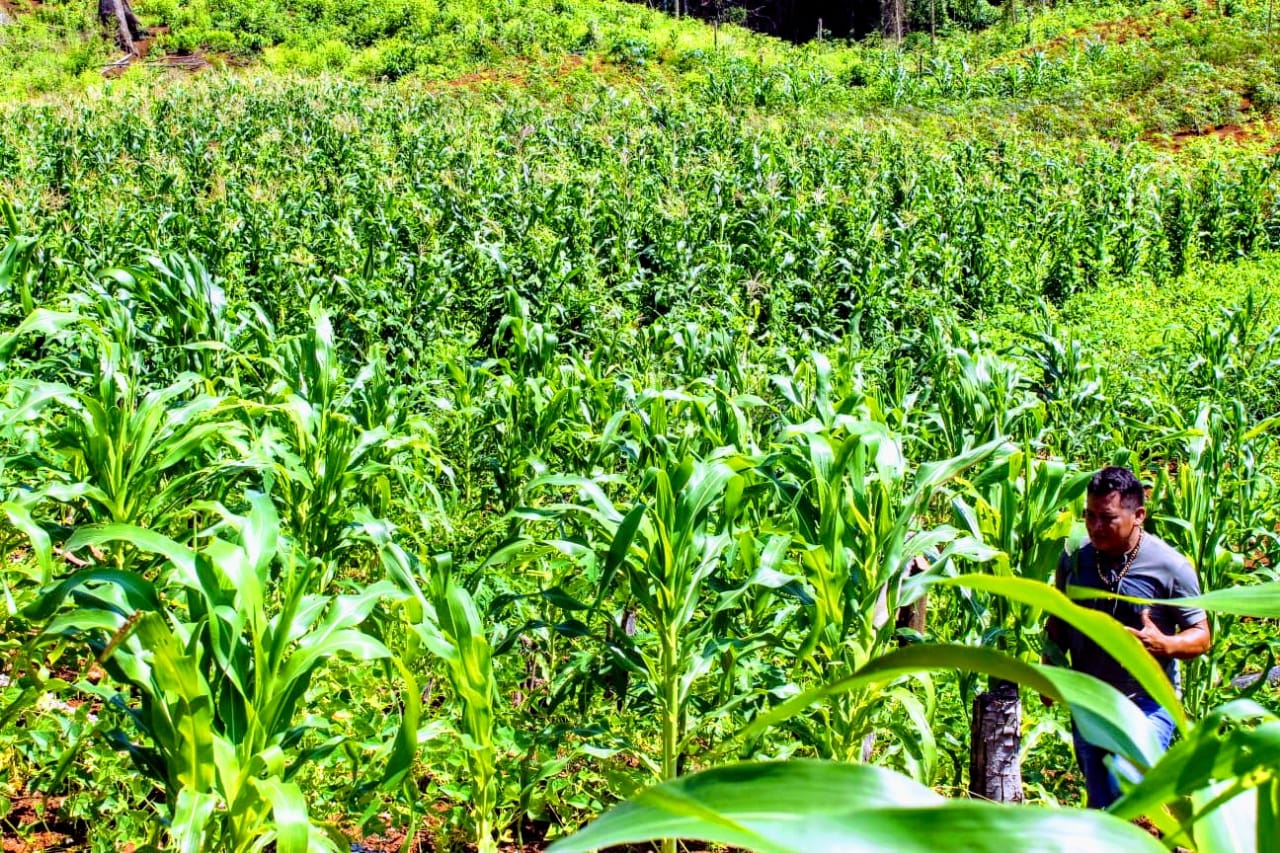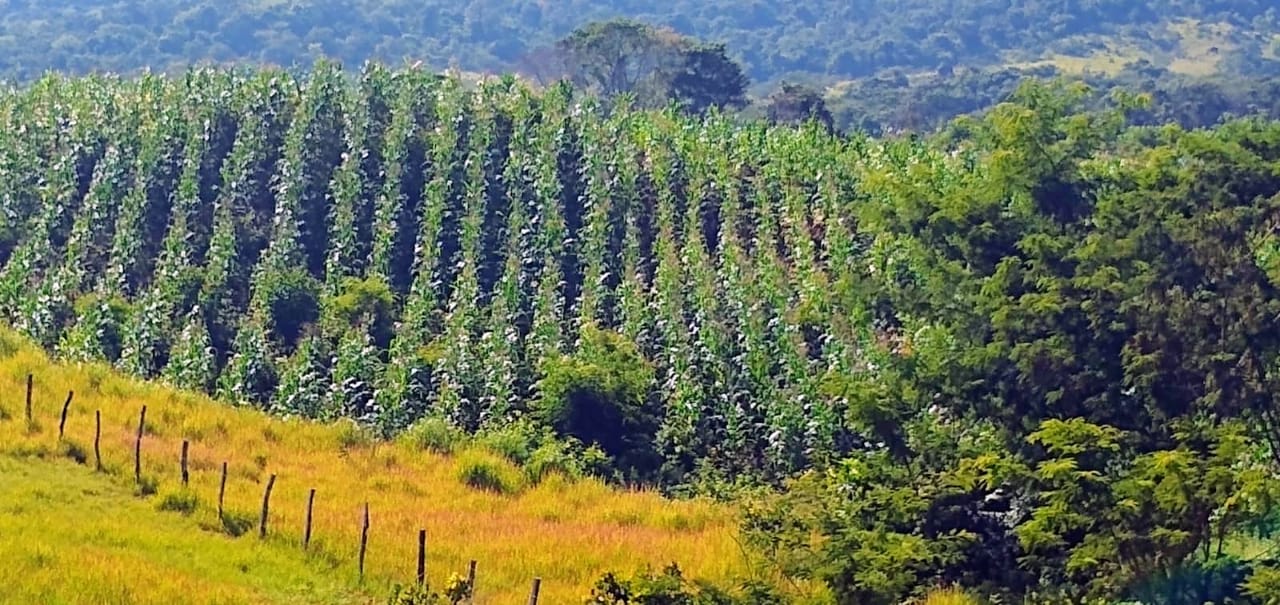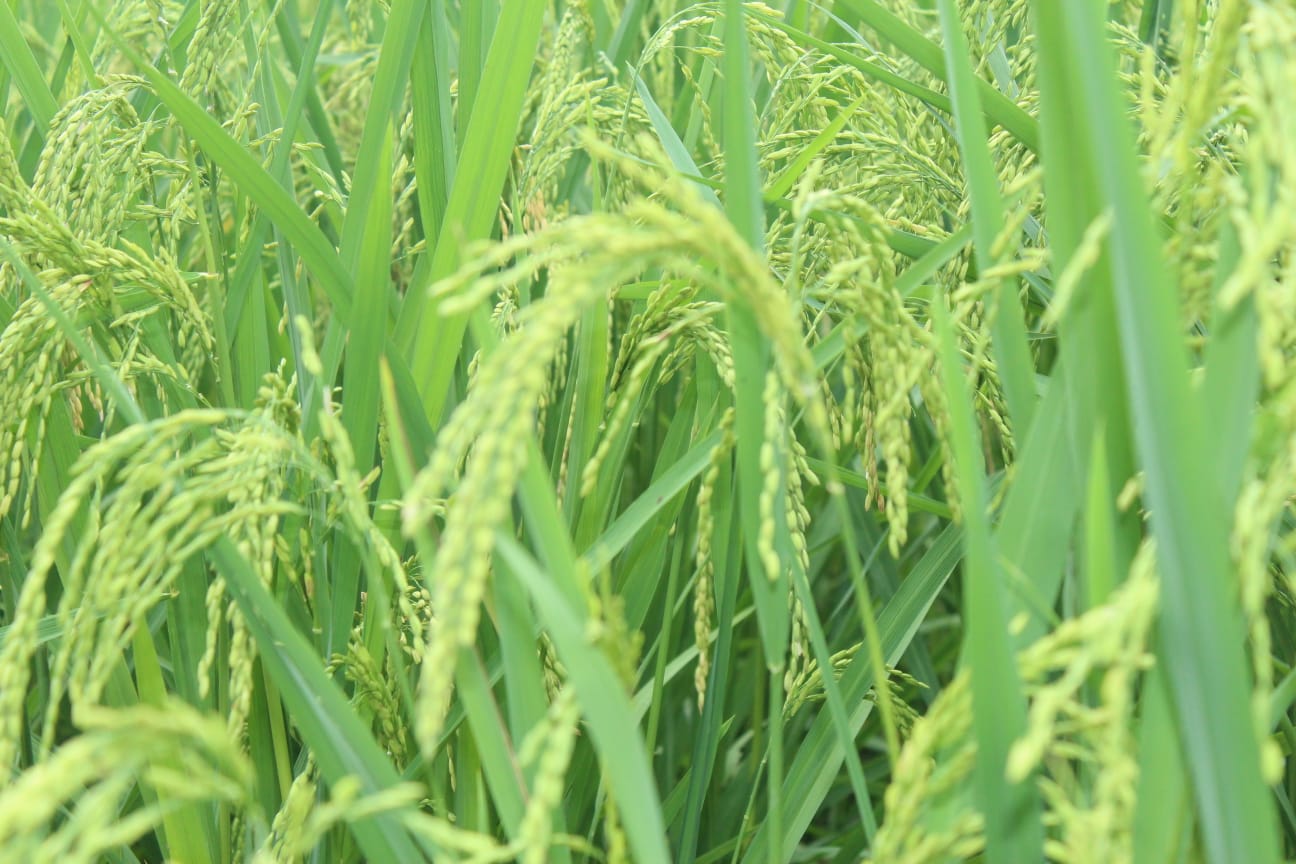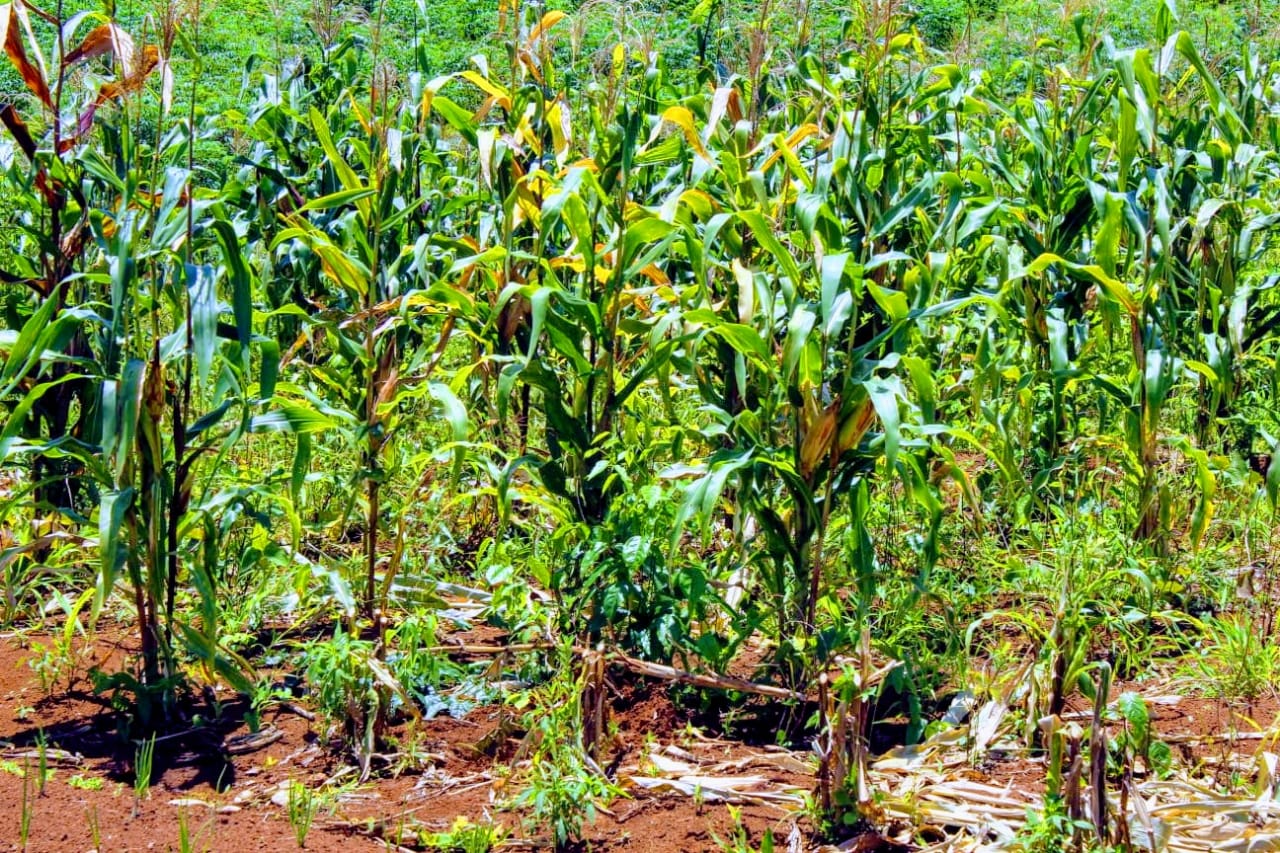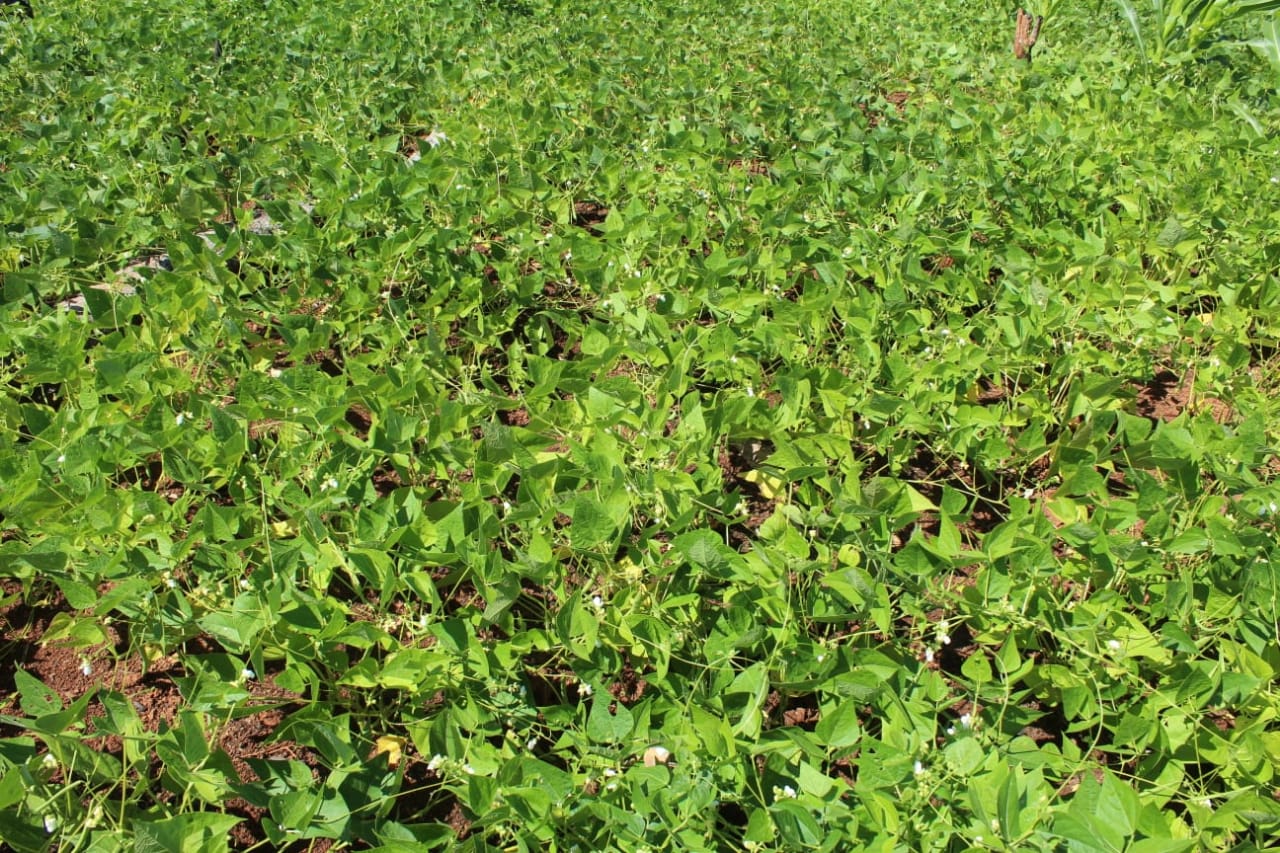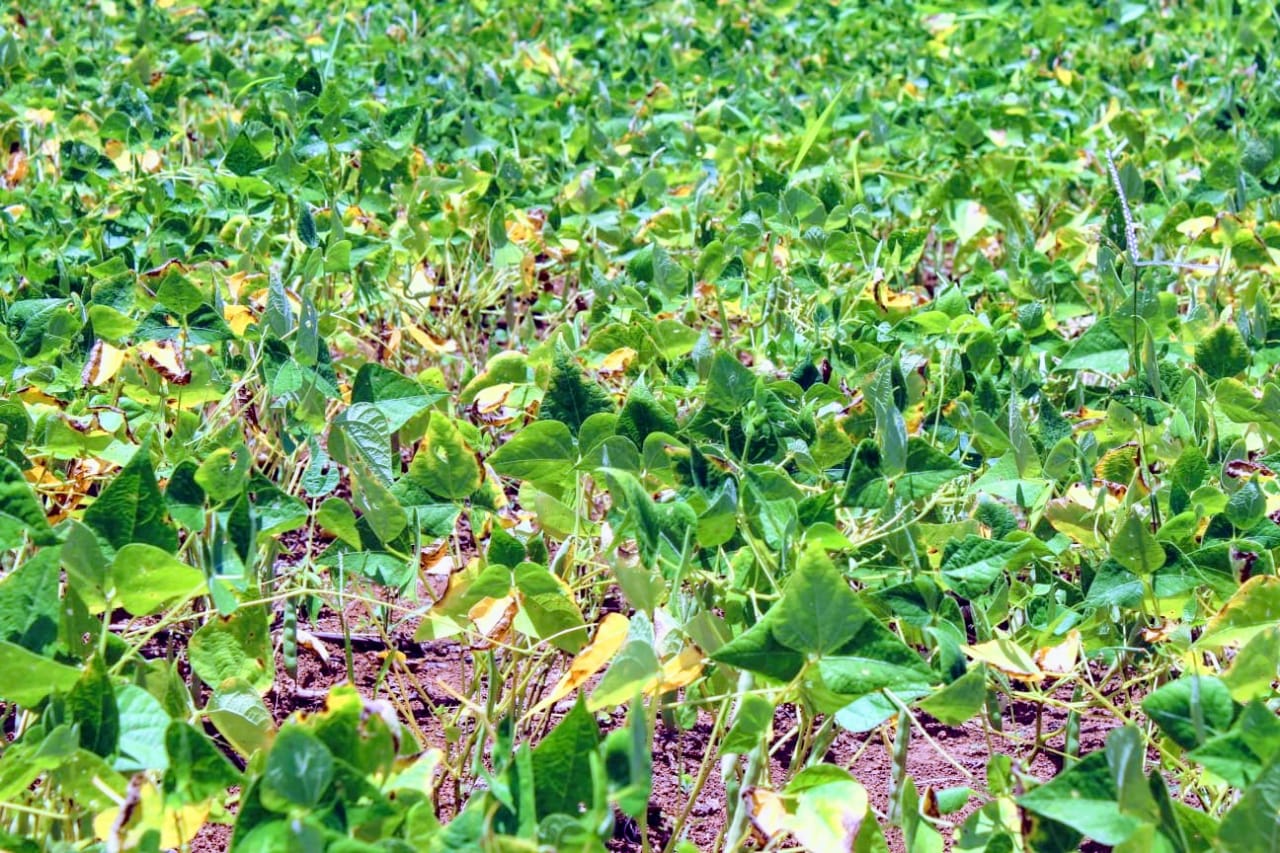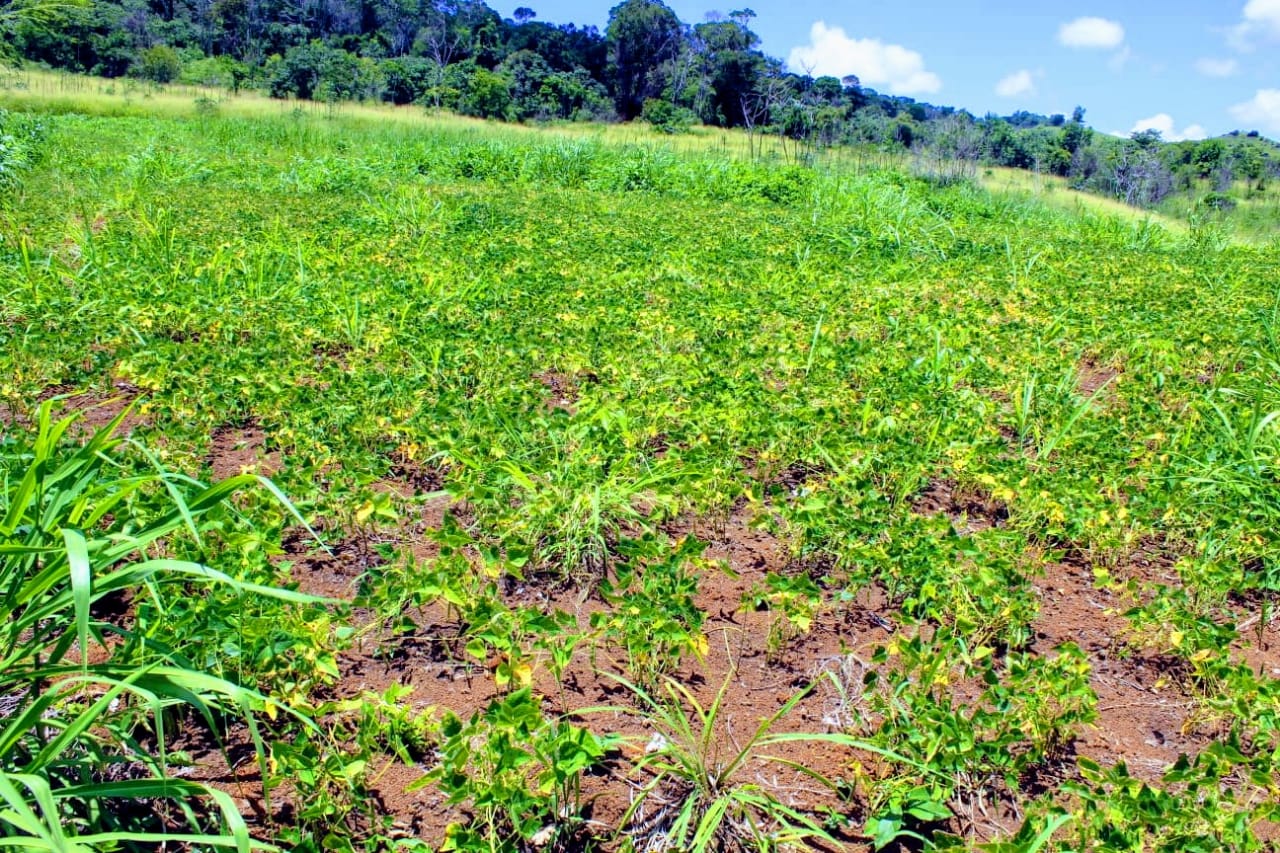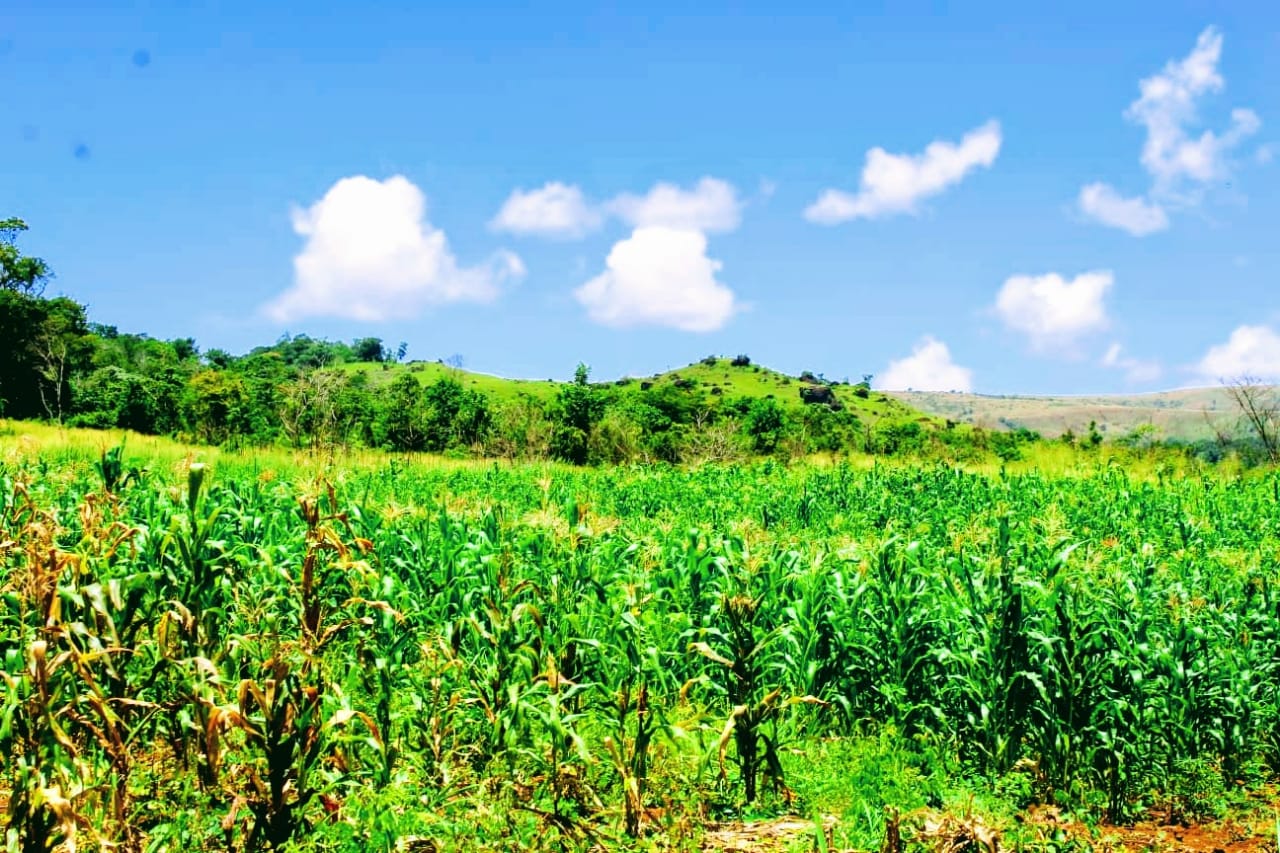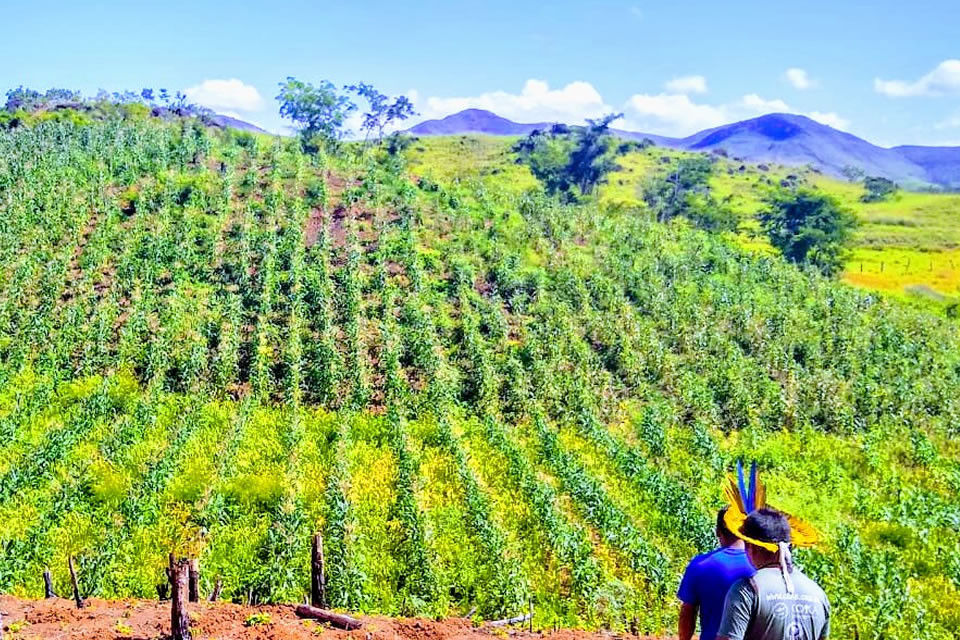
Every year the indigenous communities of the Willimon Center, in the Raposa Serra do Sol Indigenous Land (TIRSS), in Roraima, work to grow organic food and this year not even the Covid-19 pandemic made the residents of the region stop production.
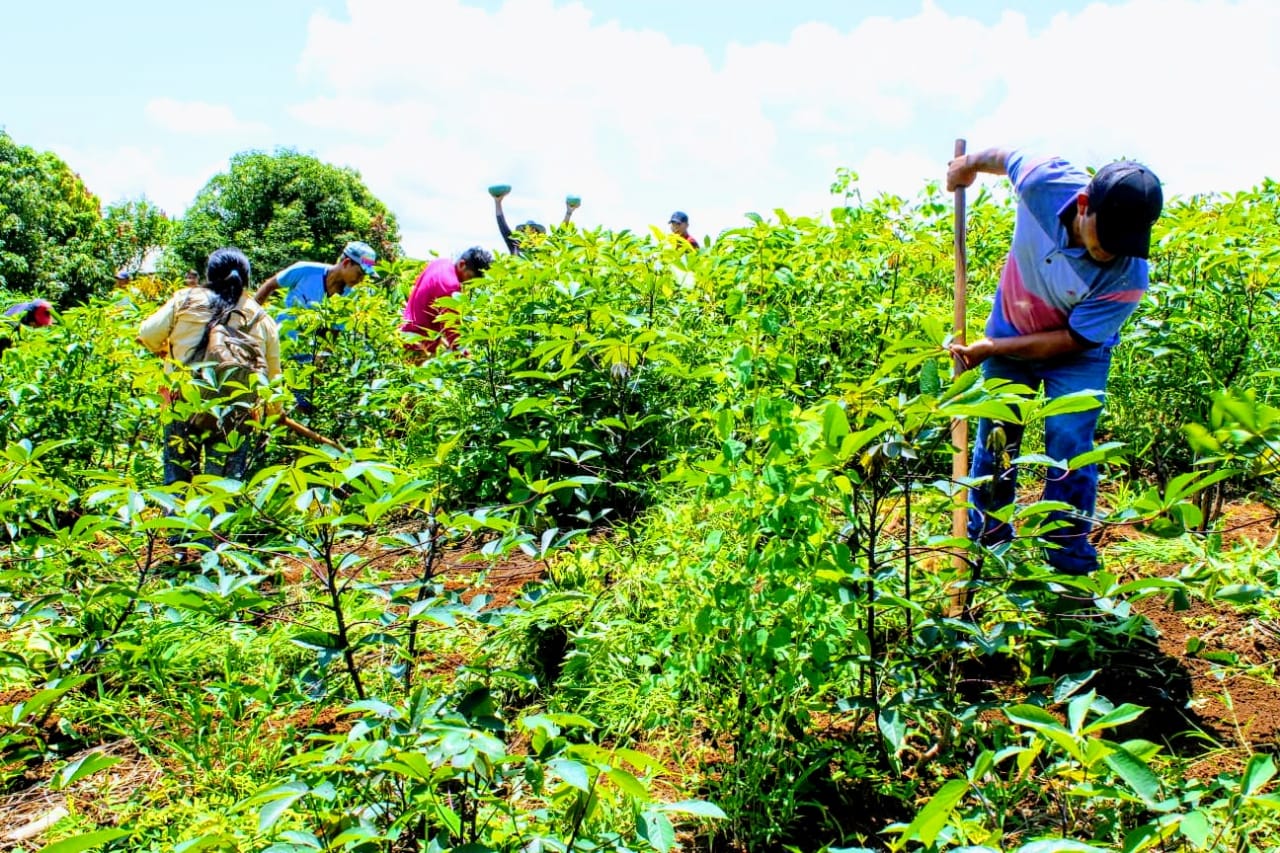
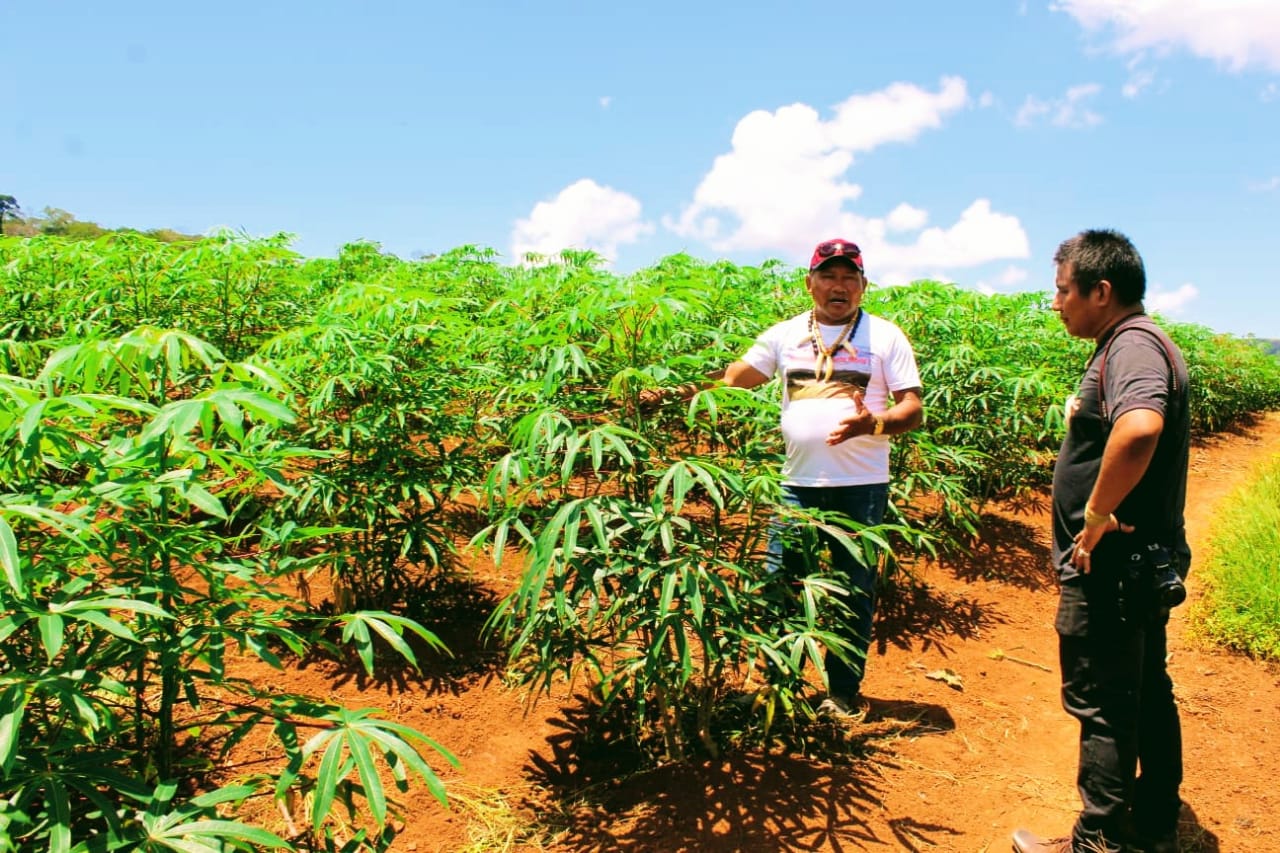
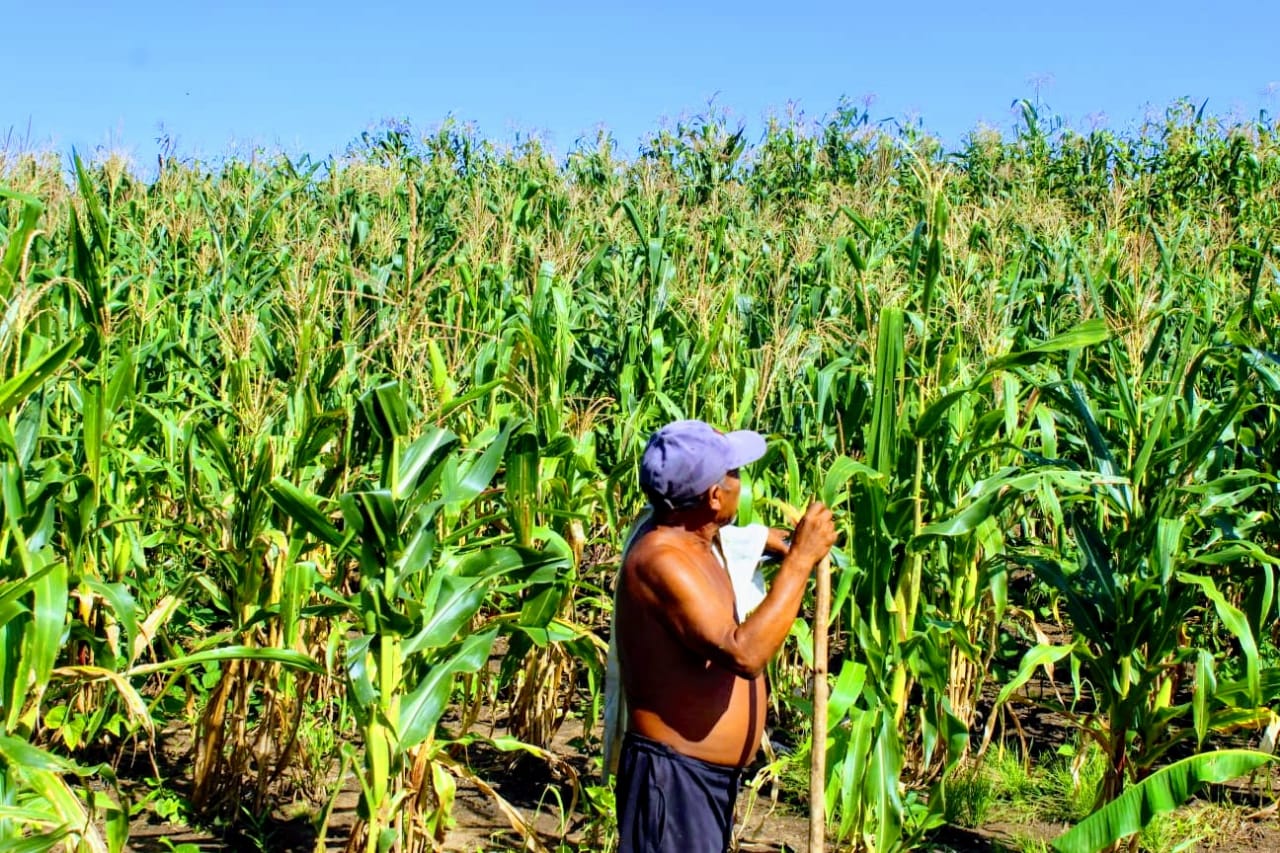
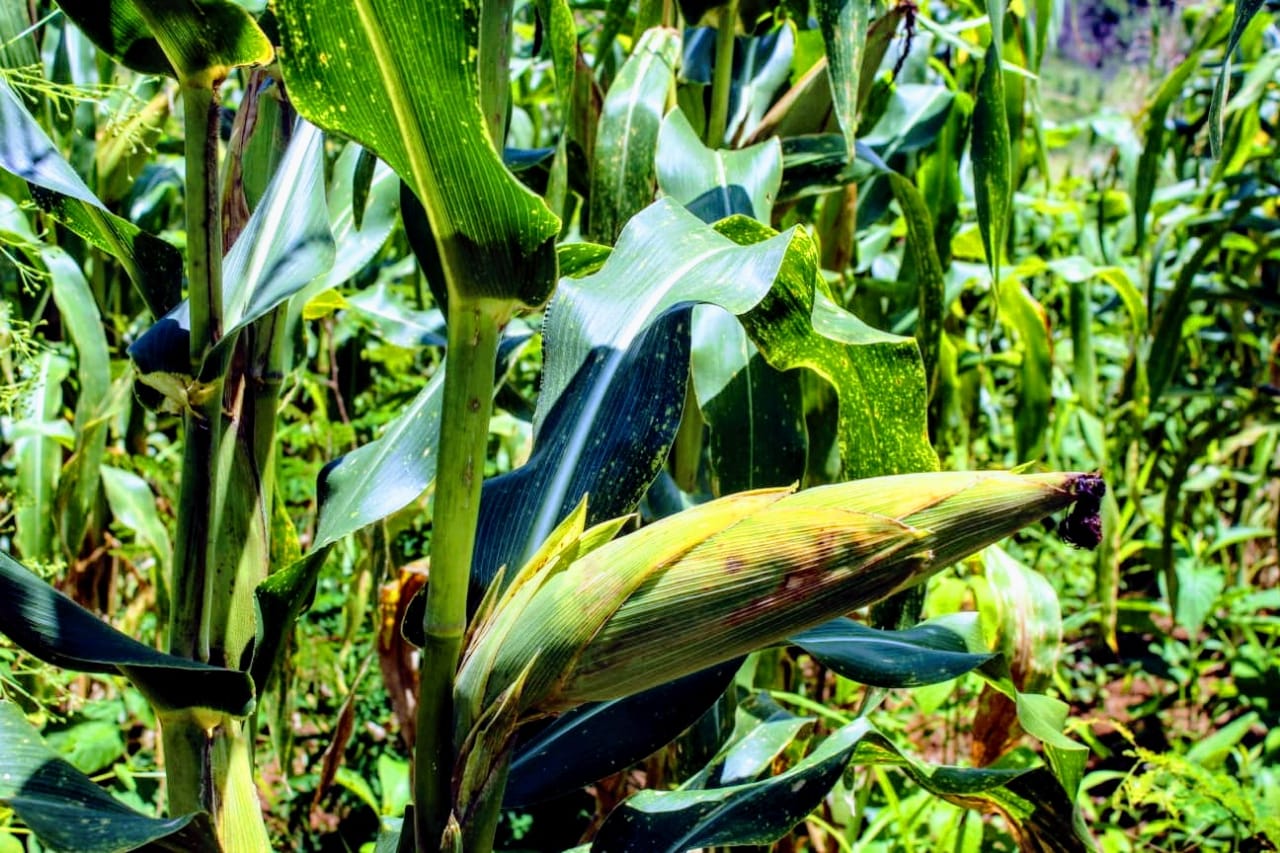
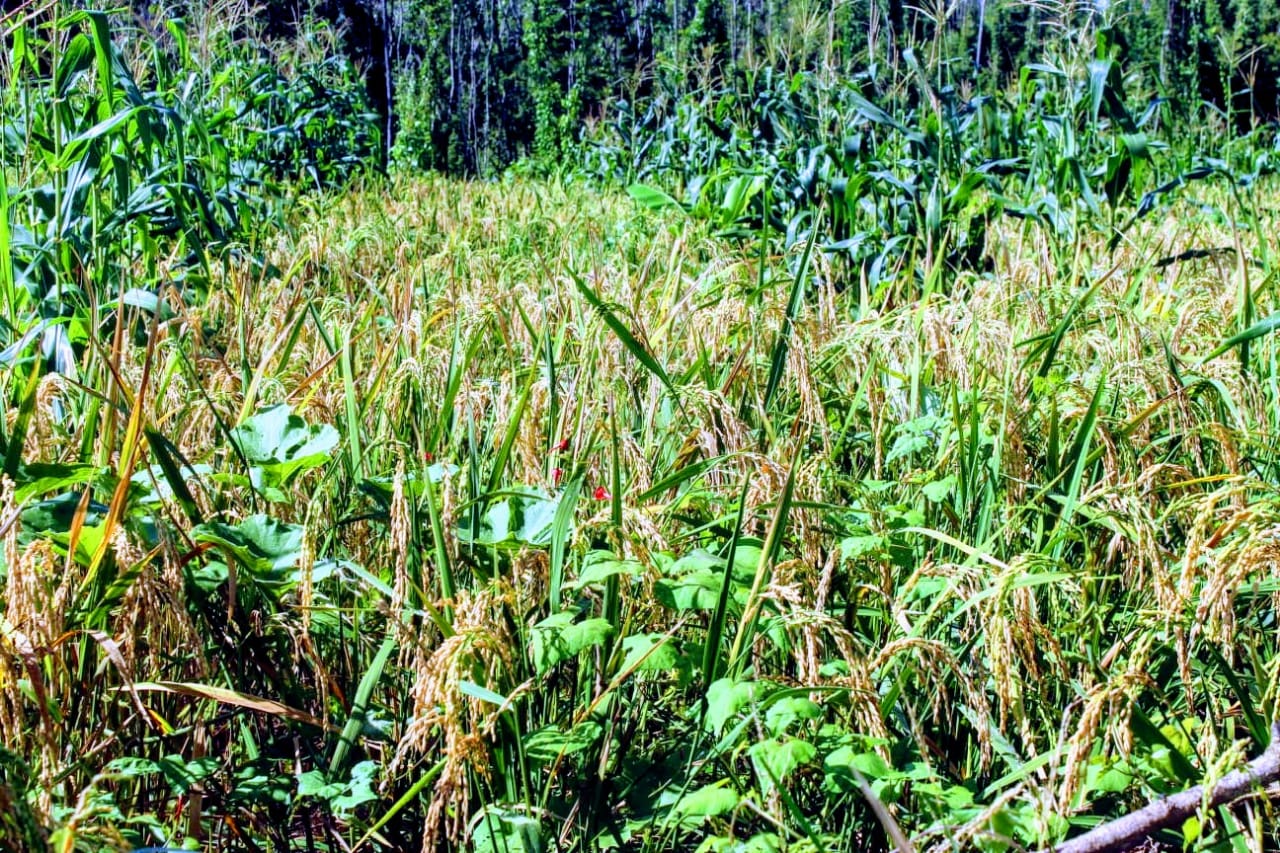
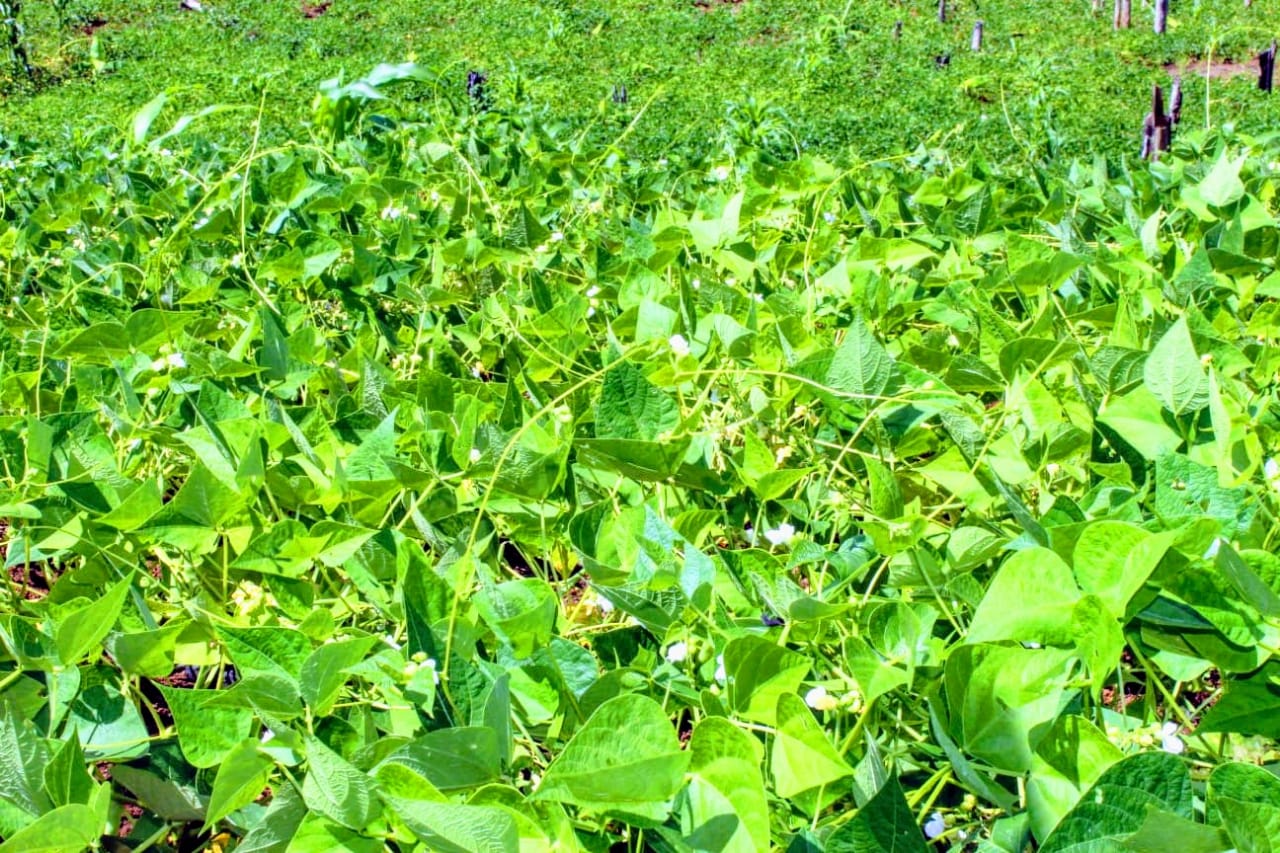
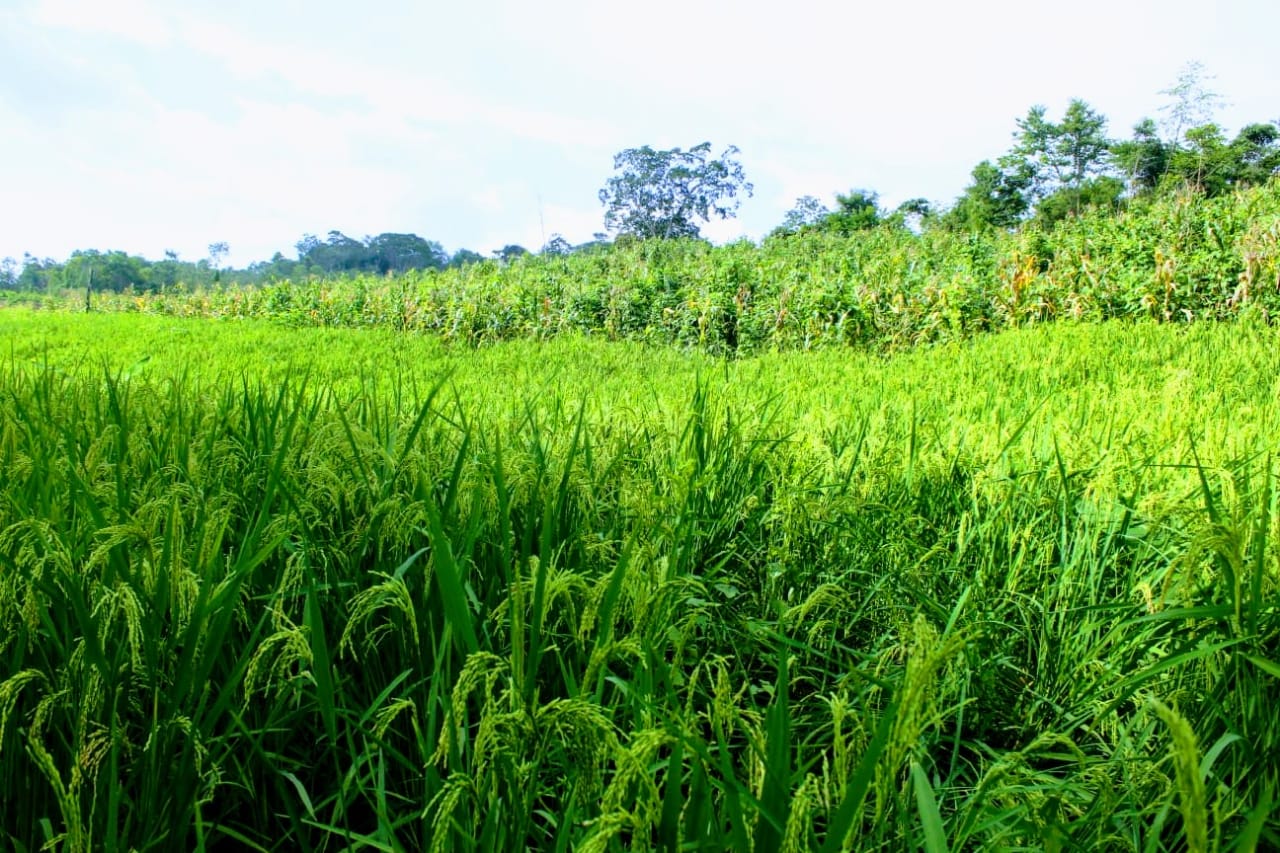
This season, the 19 communities that make up the center are growing varieties of organic products for their own subsistence. They are fathers of families, women and young people who work daily in their fields growing watermelon, corn, bananas, peanuts, pumpkins, potatoes, rice, varieties of beans and also cassava, whose production is the largest of all.
In the Monte Muriá l community, which has a population of 370 people and 70 families of the Macuxi people, production has only grown and there is a small internal trade, aiming at the economy between the communities. "It is an autonomous and productive work and, in addition, we plant in a sustainable way, without contaminating the environment," said the tuxaua of the Monte Muriá I community Antônio Samuel Batista.
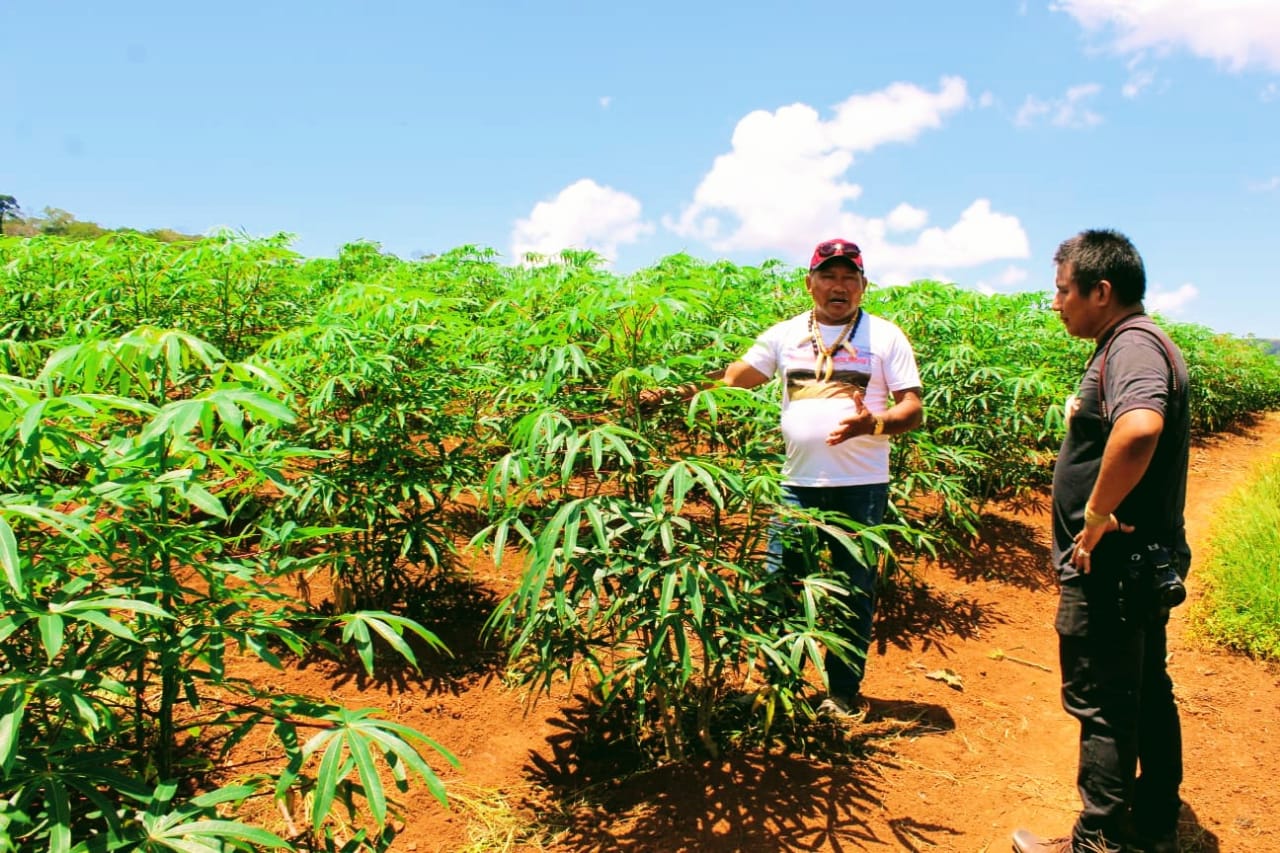
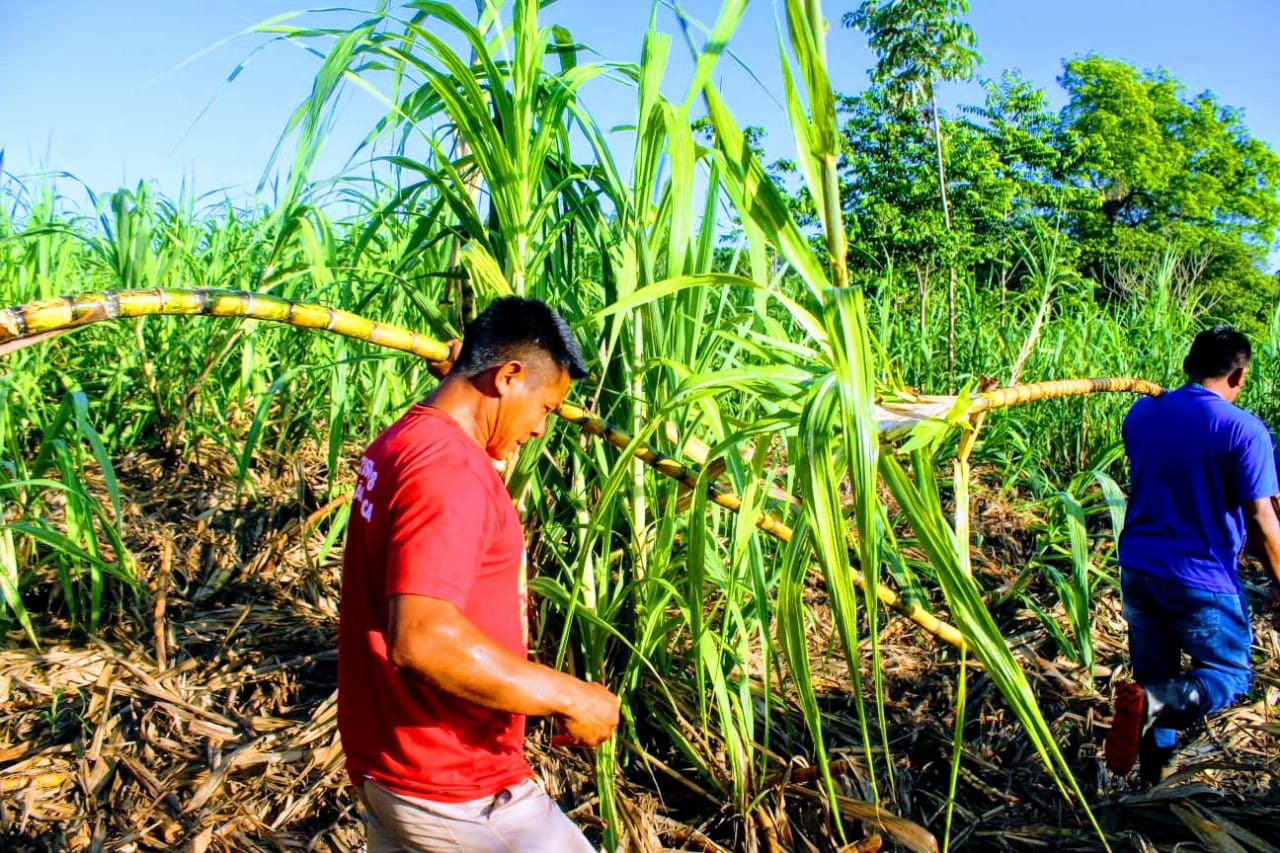
Dona Nelcicleides Marques, who works in the fields with her family, said most of the work is done by hand. "We don't work with big machines to destroy the environment, we work with our arms, the swollen, the sickle," she said.
According to the center's coordinator, Amarildo Macuxi, although planting was not affected by the pandemic, many communities were affected by the disease and so they had to redouble their care.
"We continue with social isolation within our communities, we take our traditional medicine, we work in our fields, each father of a family worked with his family, so we achieved a good result. We have our quality production", highlighted Amarildo.
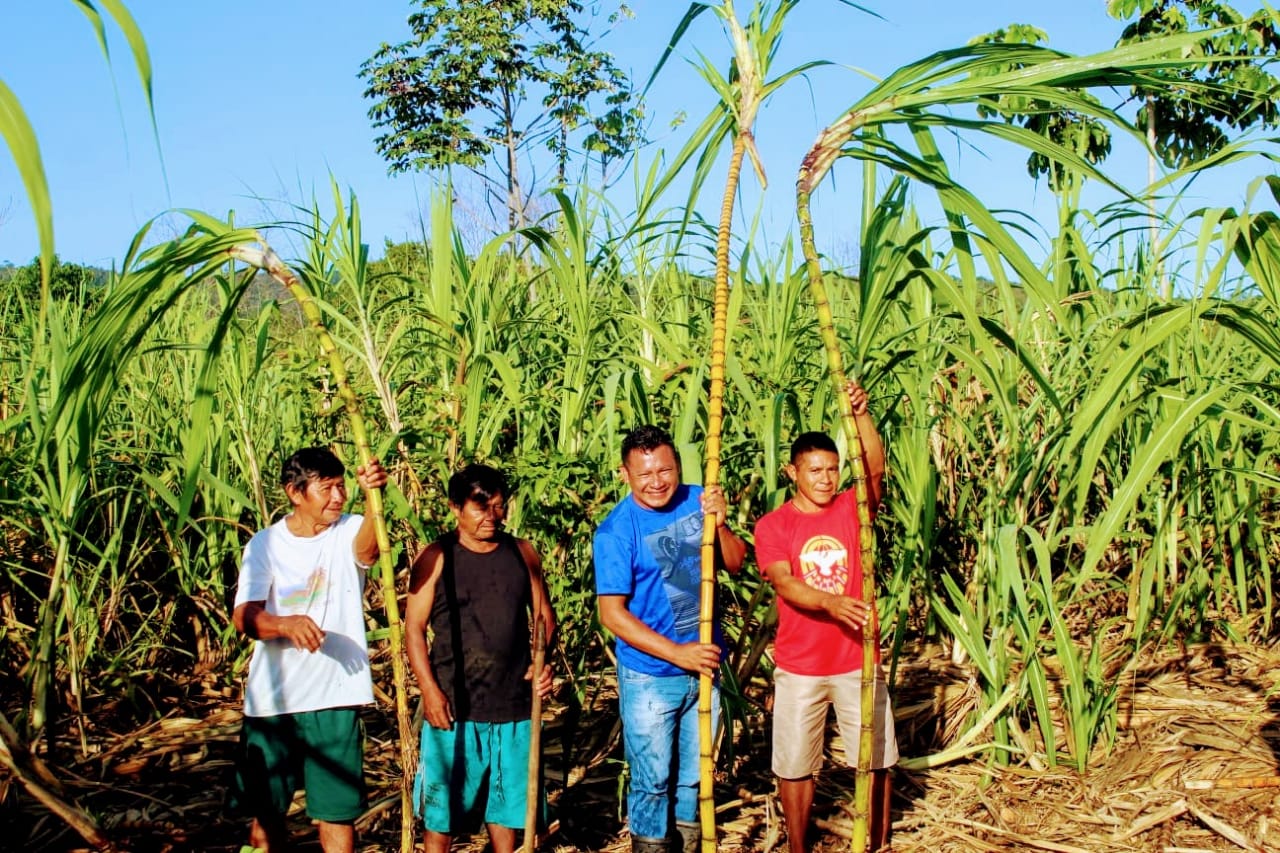
For the coordinator of the Indigenous Council of Roraima, Enock Taurepang, who recently visited the region to bring support materials, the production of the communities of the Willimon Center deserves recognition. "All this work only strengthens the indigenous organization."