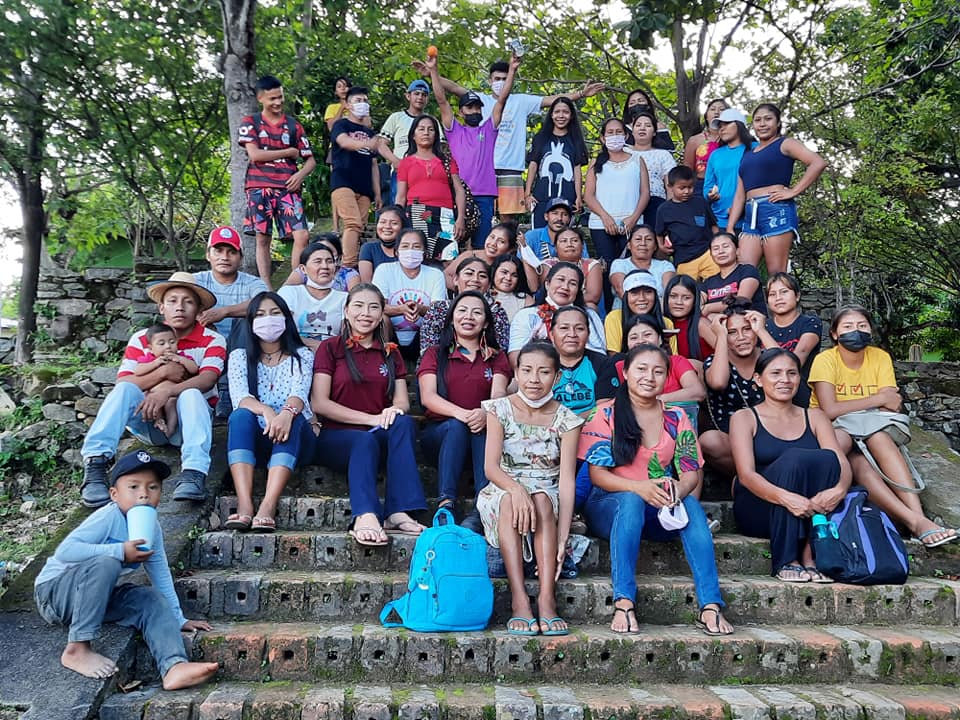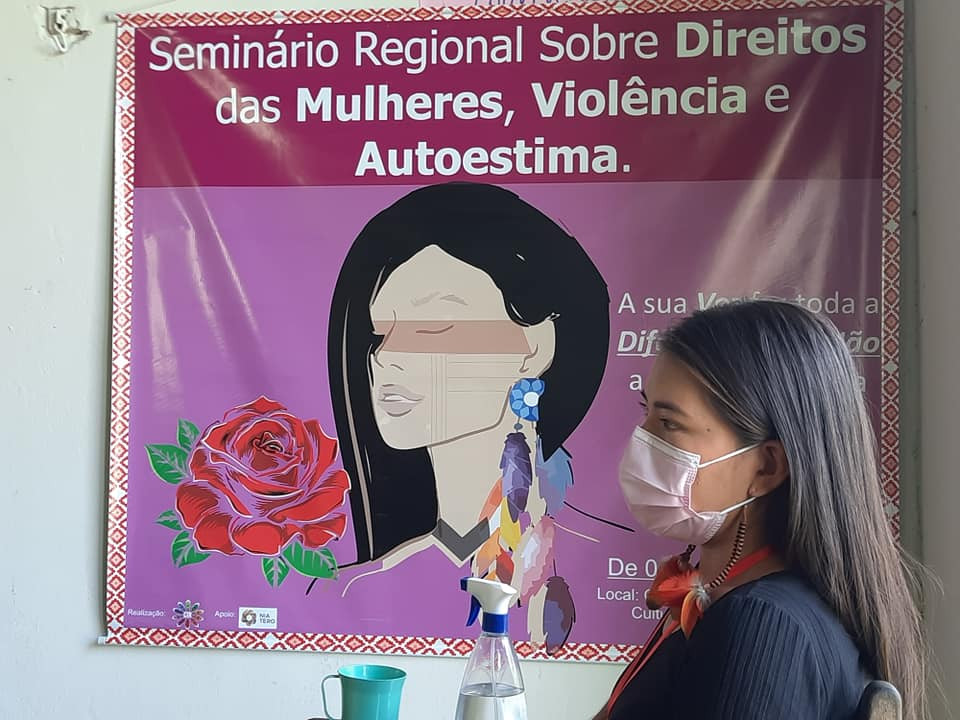
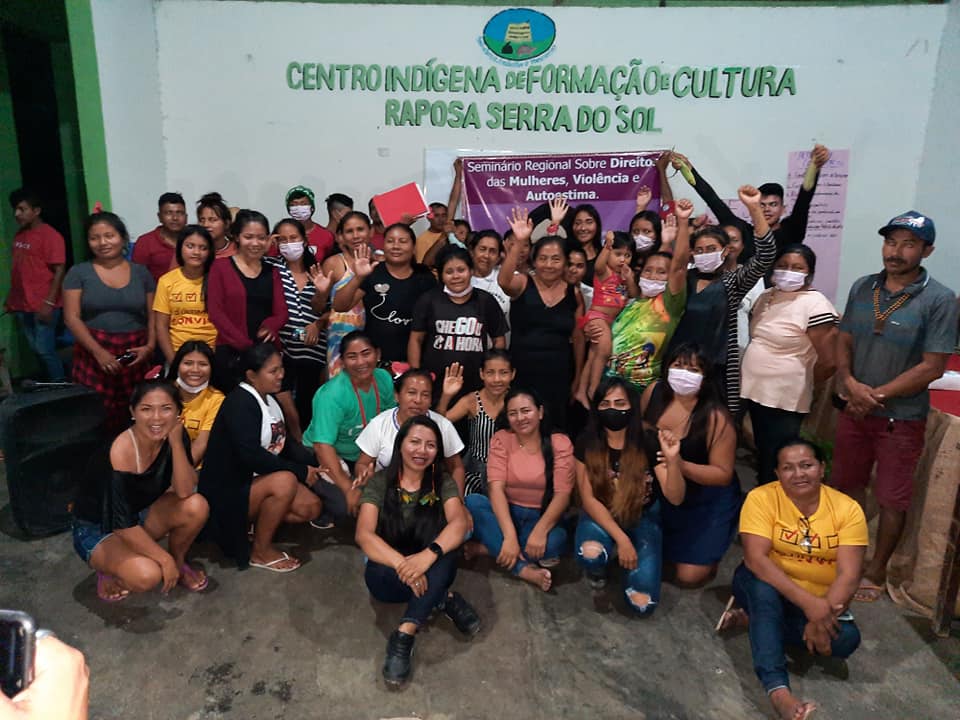
The Indigenous Council of Roraima (CIR) held on July 5 and 6 at the Raposa Serra do Sol Indigenous Training and Culture Center (CIFCRSS), in the community of Barro, Surumú Region, the Regional Seminar on Women's Rights, Violence and Self-Esteem. The event had as its theme: "Your Voice makes all the difference, say No to violence against women".
The meeting was attended by 100 indigenous leaders, mostly women, from the Barro, Taxi I, Taxi II, Machado, Canta Galo, Kumanã, Maravilha, Maloquinha, Limão and Beira Rio communities.
The CIR psychologist, Iterniza Pereira, taught the Seminar and had the help of Vanessa Fernandes, Emergency Team and Geneide Souza, technical coordinator of traditional medicine. In addition to the coordinators of local indigenous women.
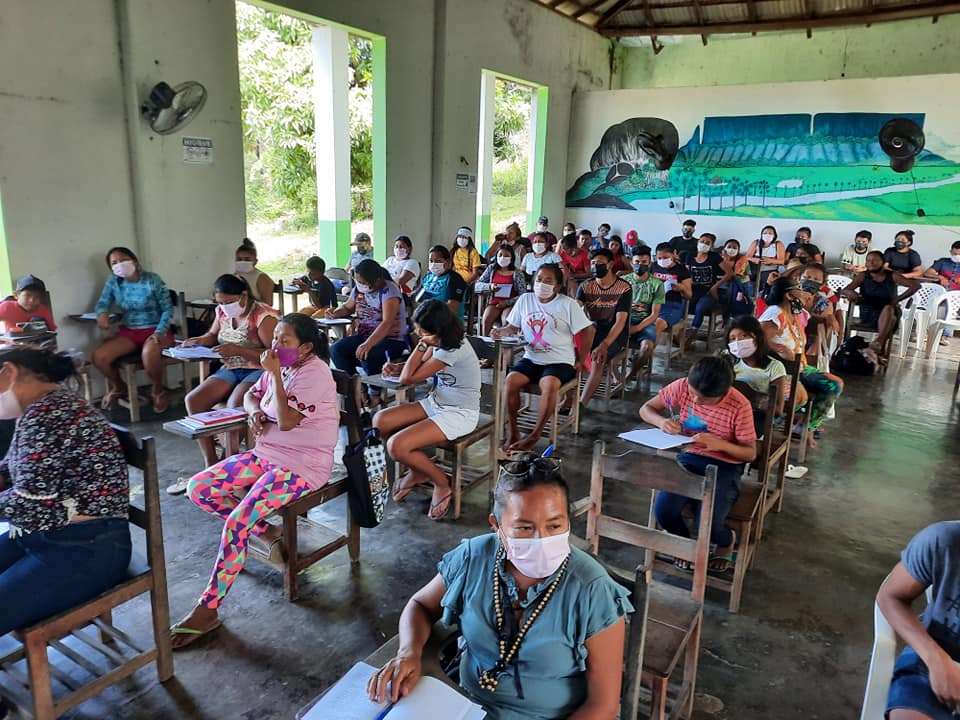
The seminar debate included the identification of the types of violence against women, rights, causes and precautions. In addition to reporting channels and clarification on the consequences of domestic violence, especially against women, such as depression and suicide in severe cases.
With open speech, the women were free to ask questions. Some of them felt more comfortable talking about what happens in their homes. "It's better alone than badly accompanied. But when I'm with my partners I'm protected." Said one of the indigenous women, who reported there was aggression in her family circle.
The traditional leader, Shaman Mariana, from the Barro Community was also present at the event and reported. "In my community there are women who suffer violence, but they are not here. And many (men) are drinking and bringing problems, I see this inside the Raposa Serra do Sol Indigenous Land. What to do with those who attack?" Commented the shaman.
Many leaders still have doubts or fear of reporting acts of domestic violence to the police or responsible agencies. However, when necessary, they resort to community rules in case of aggression, especially against women and children.
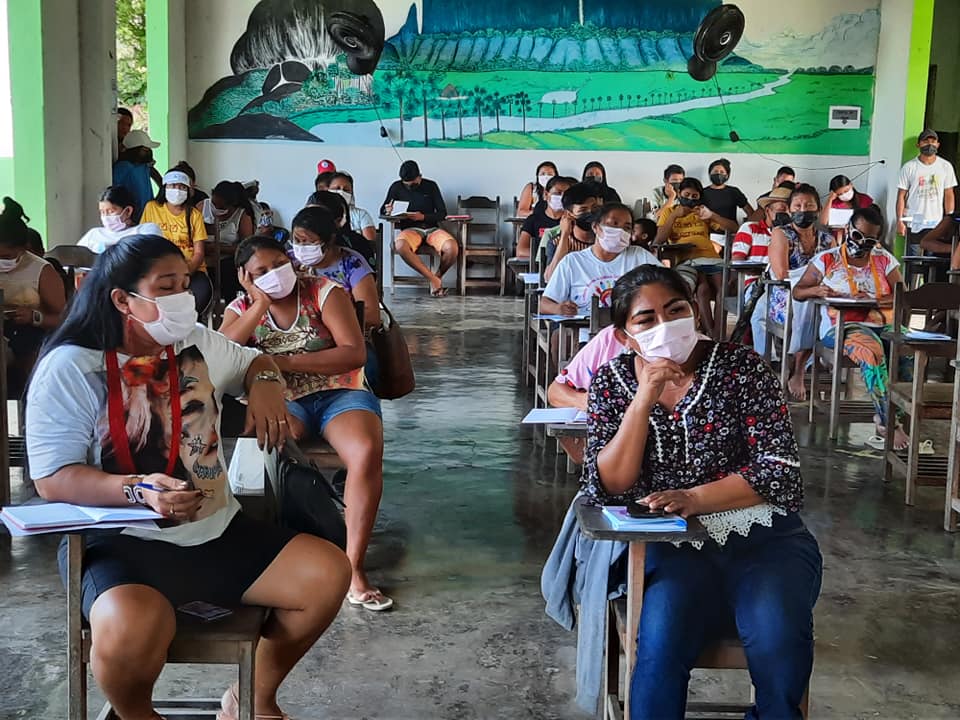
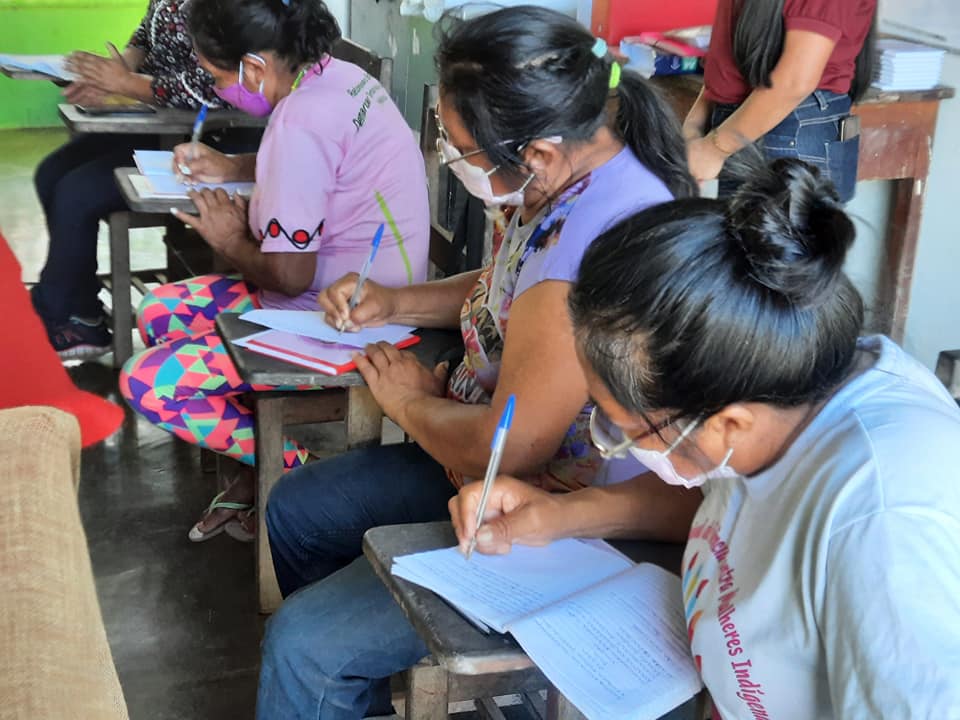
During the seminar, didactic activities were also promoted, in which everyone wrote or to anyone who felt comfortable asking a question anonymously. There were reports of domestic violence and questions about when to report it or how to act in environments where this (violence) occurs frequently.
The paragraphs of the Maria da Penha Law were also explained, from its creation to the reason for a specific law for the protection of women.
Iterniza Pereira is a Macuxi Psychologist at CIR and has been working in indigenous communities since 2020. She has already treated cases of depression, psychological violence, domestic violence, sexual abuse and rape of vulnerable people. And in frequent activities she brings clarification in the face of some discussions that are mostly taboo within indigenous communities.
"As a means of prevention, I have listened to the needs and difficulties of women and I have informed them about violence, so that in indigenous communities, especially women, they create their strategies to combat violence," emphasized the psychologist.
As a complementary act, space was also opened for leaders to discuss the best places and dates for new lectures. In addition to topics that can contribute. The seminar is organized by the CIR, with the support of NIATERO.