
By Maciel Macuxi.
Activity take place in the Serra da Moça Community, Murupú region, with theoretical and practices aimed at the protection of territories and Integrated Fire Management (MIF).
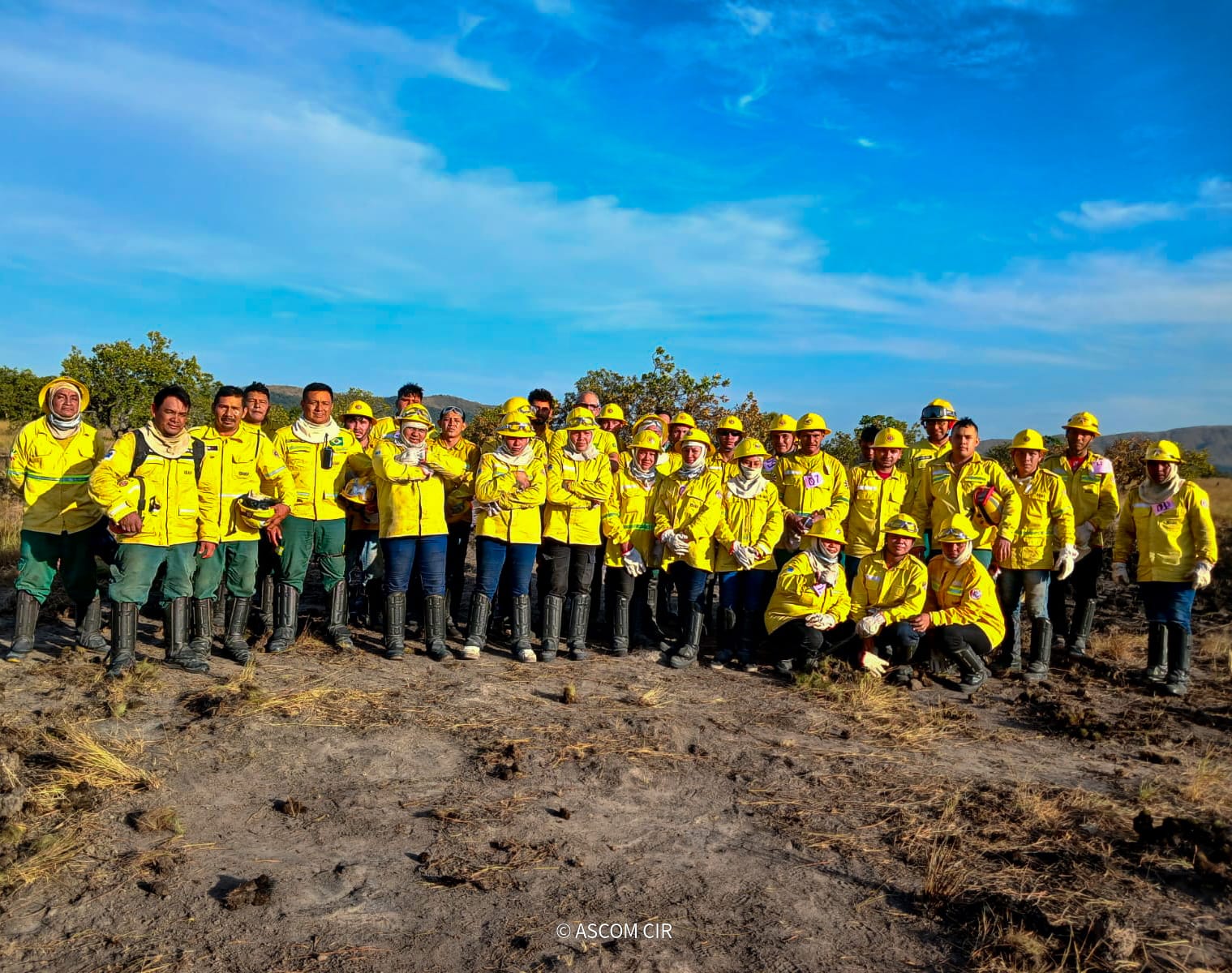
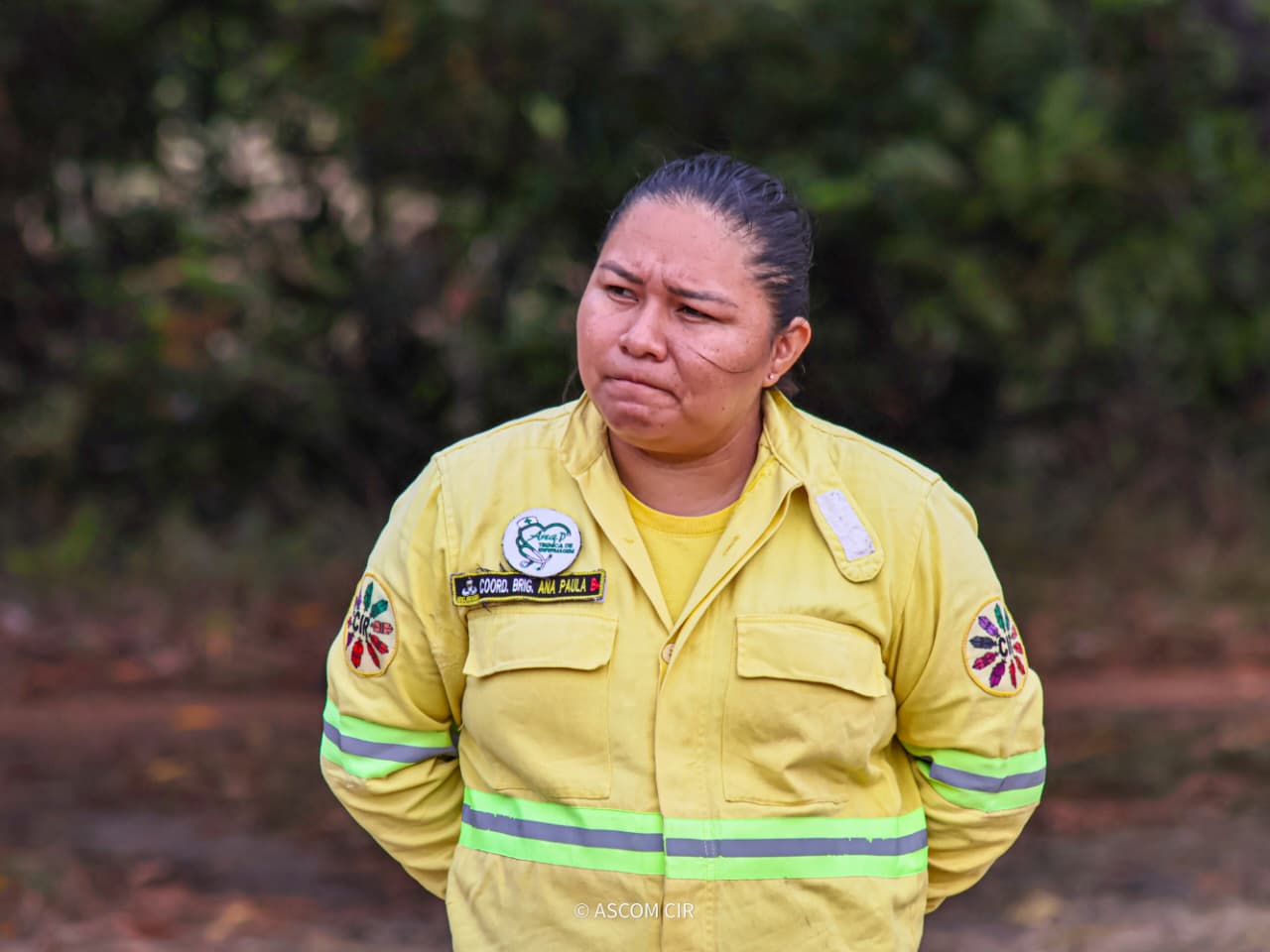
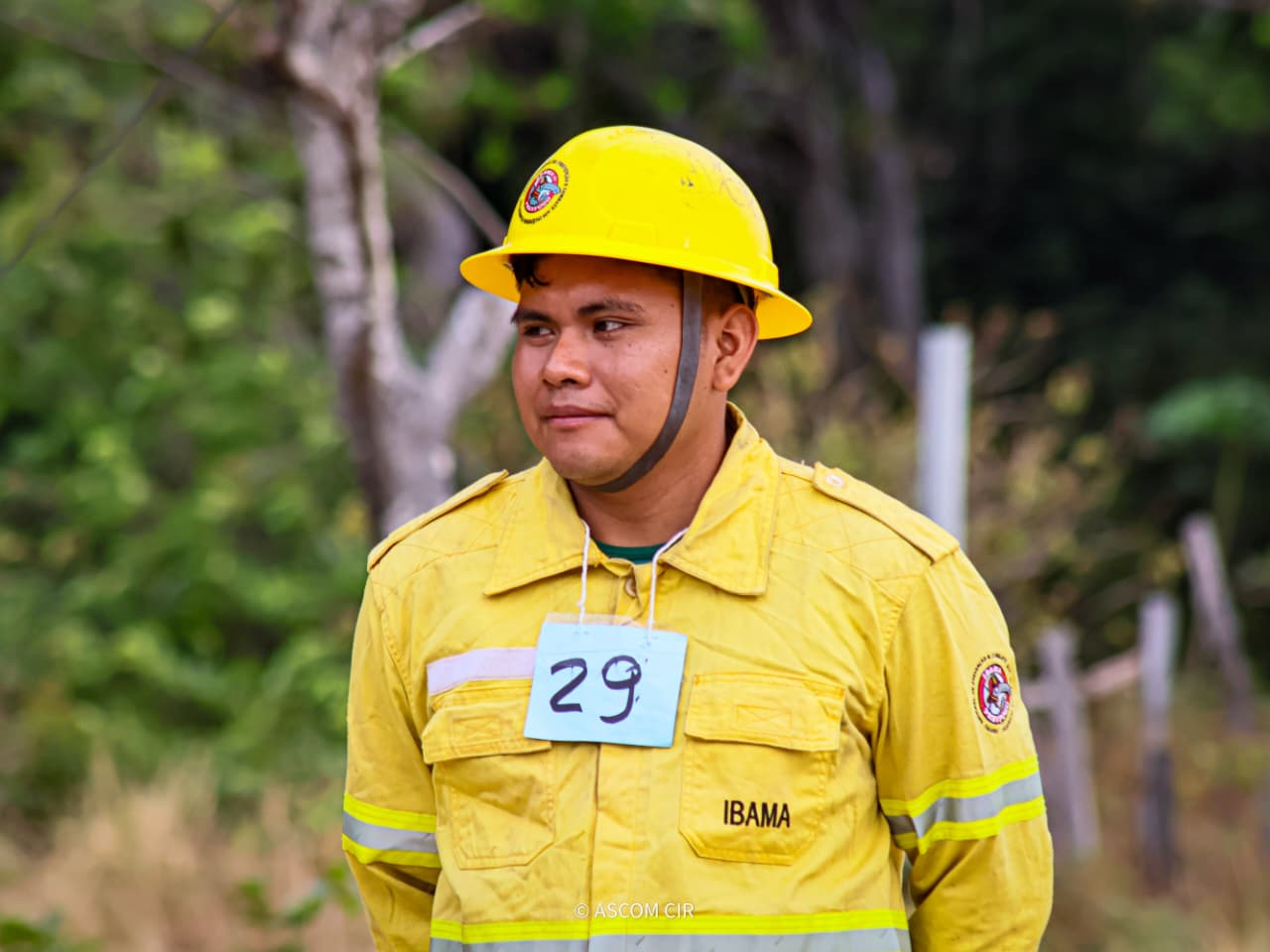
The Training Course of New Indigenous Community Firefighters brought together men and women from different ethnoregions to strengthen the performance of community brigades in prevention, in the management and fighting of forest fires.
Training is carried out by the Indigenous Council of Roraima (CIR), through the Department of Management Territorial, Environmental and Climate Change (DGTAMC), in partnership with the Brazilian Institute of the Environment and Renewable Natural Resources (IBAMA), through Prevfogo. The first class had 60 participants, appointed by the leaders of the regions and distributed in two groups of 30 people.
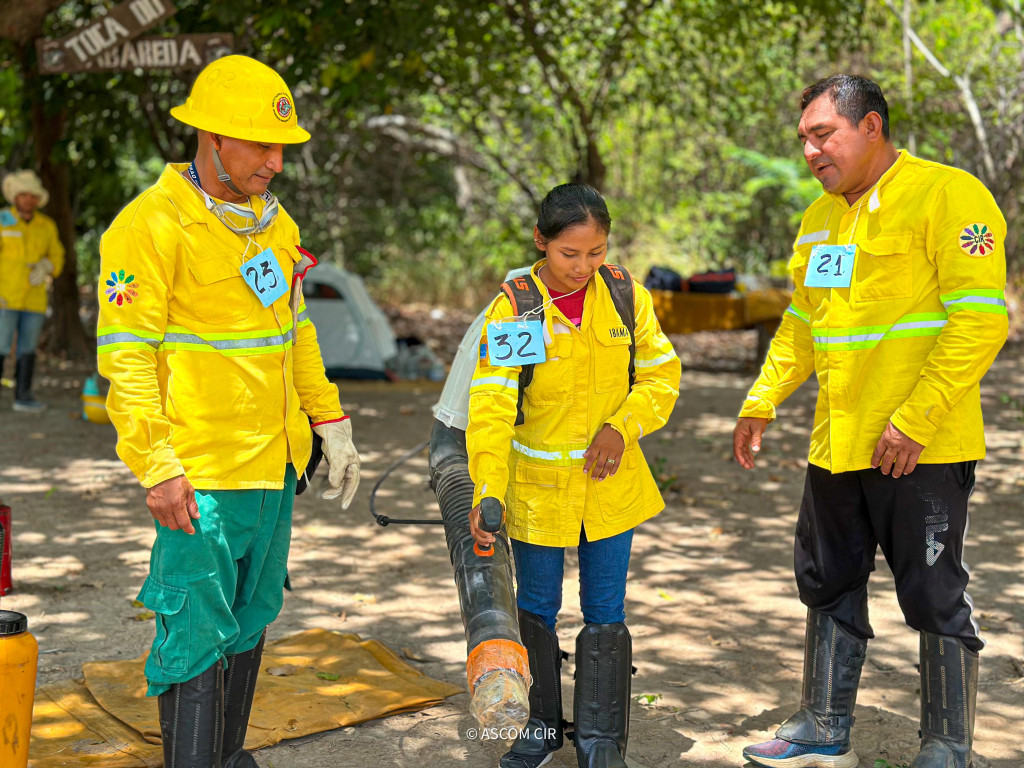
During the five days of activities, the participants received guidance on the organization and safety of the brigades, use of tools and equipment, behaviour of fire and techniques for direct and indirect fire fighting.
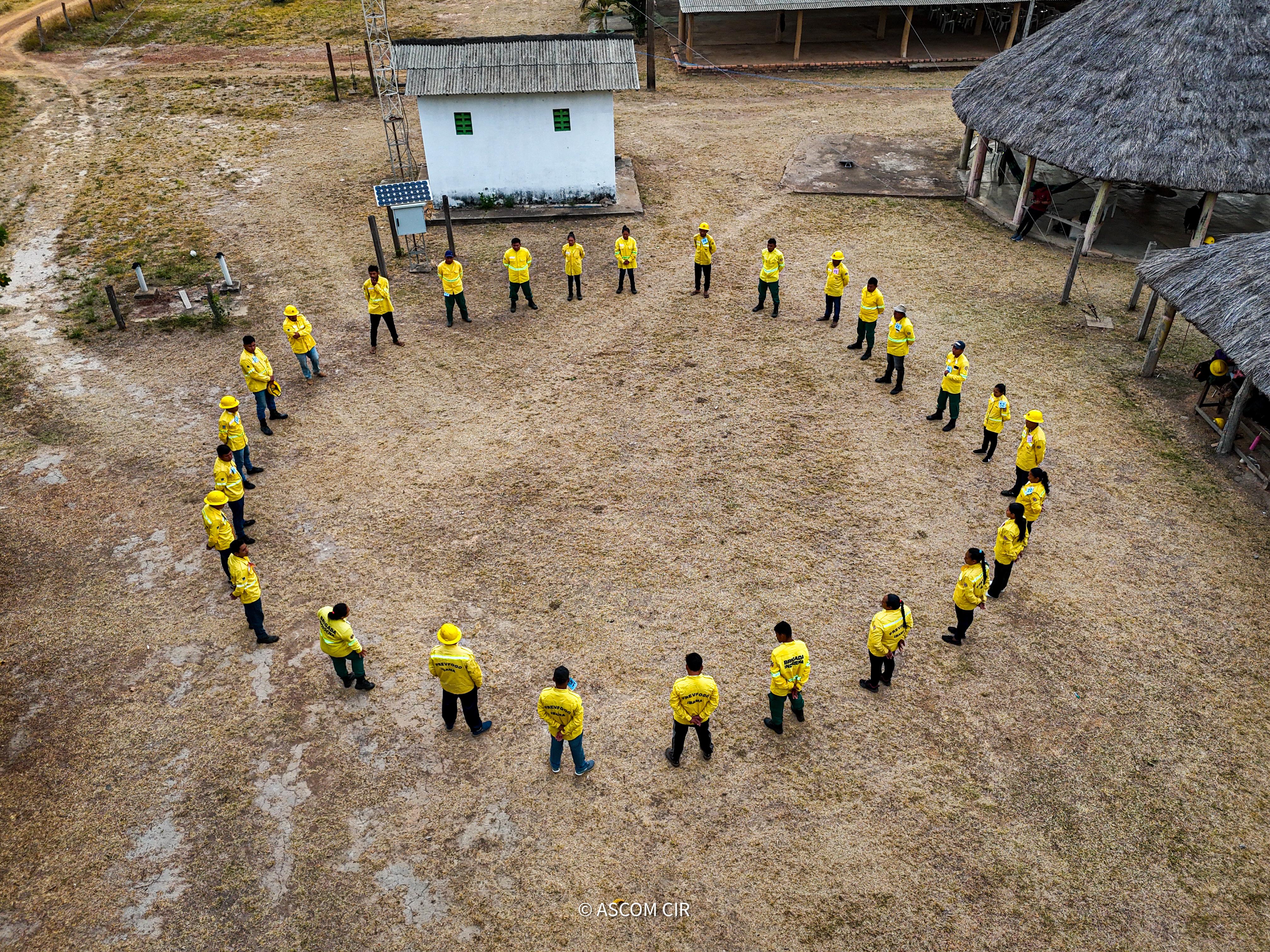
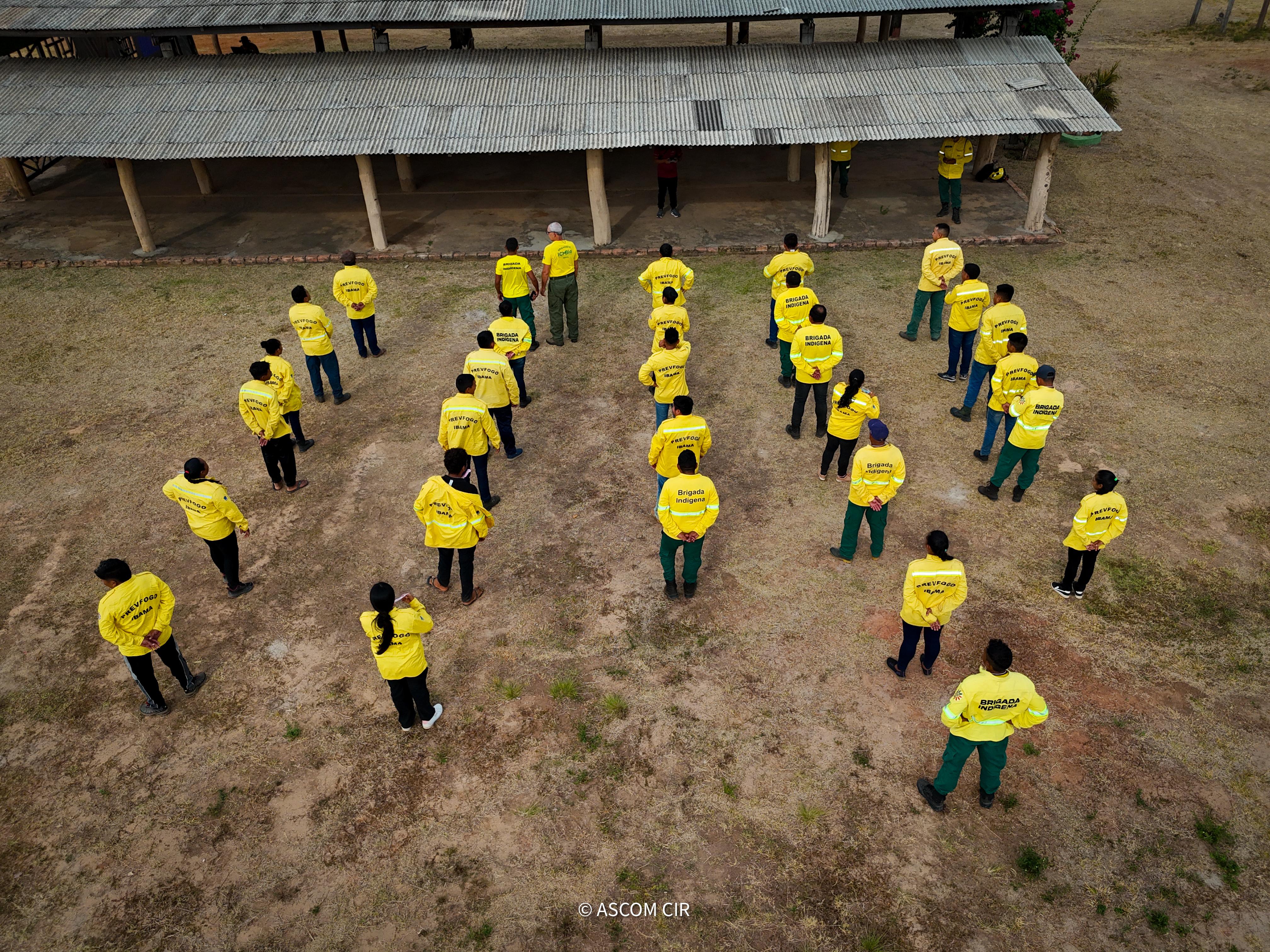
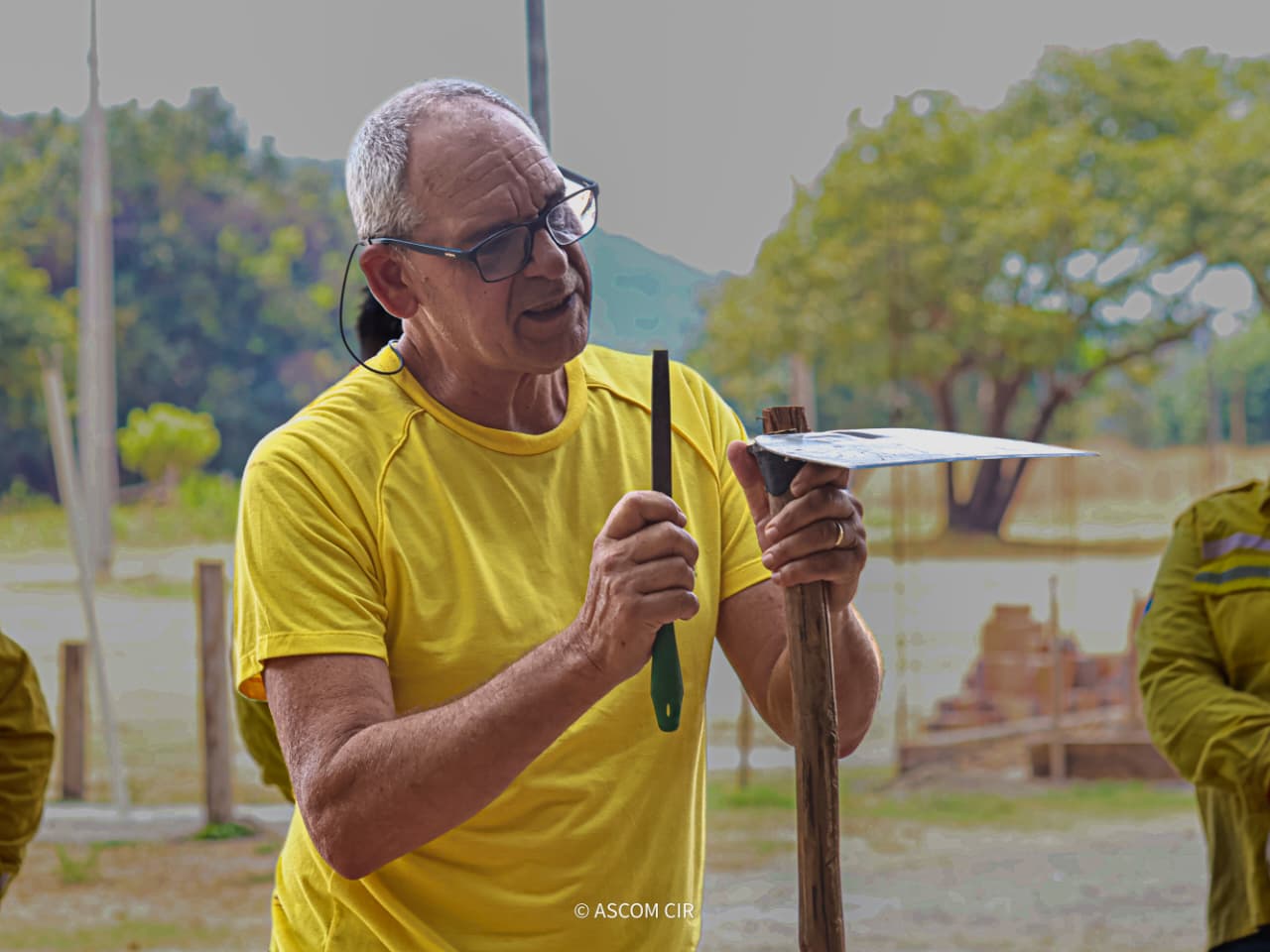
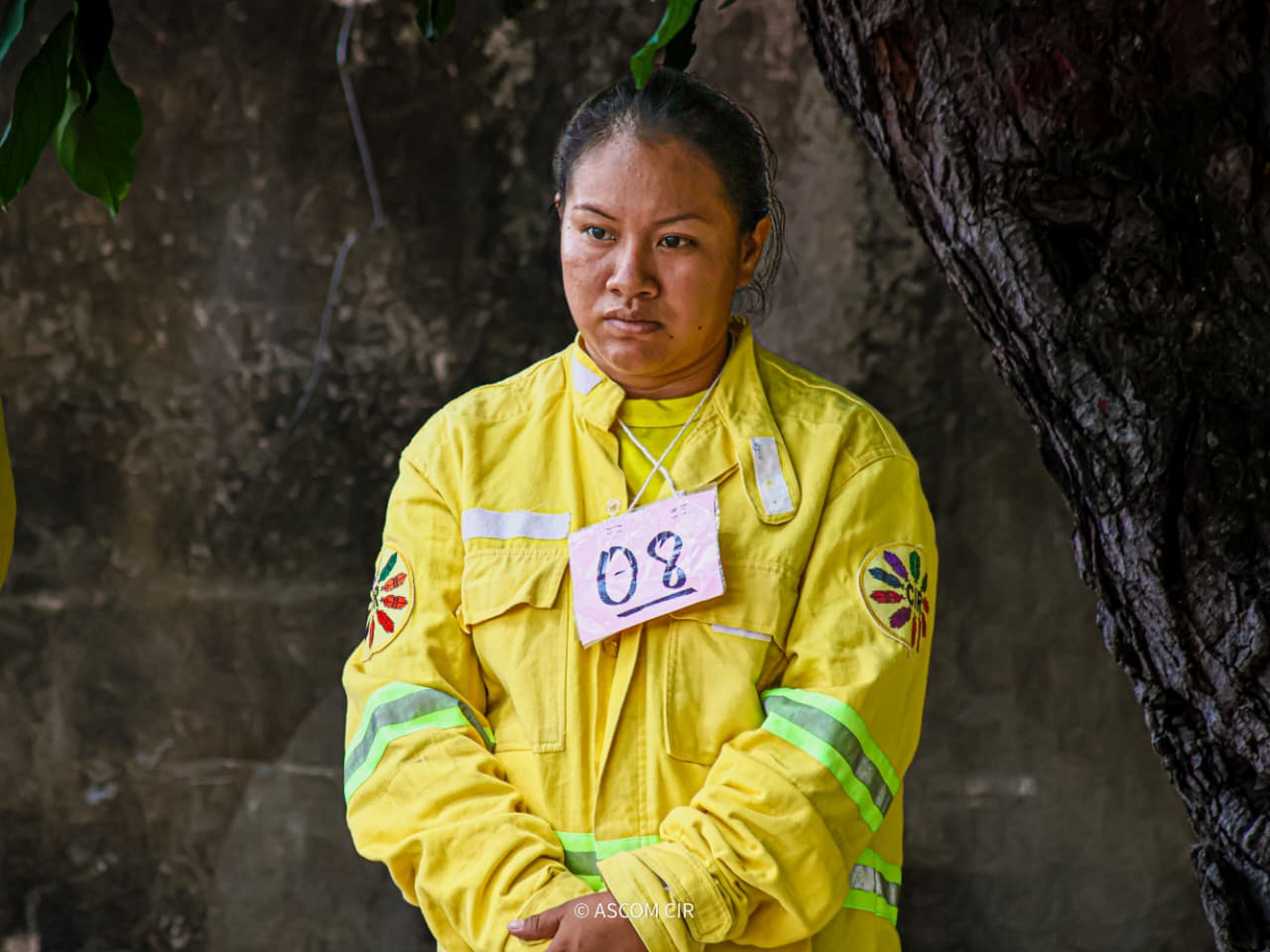
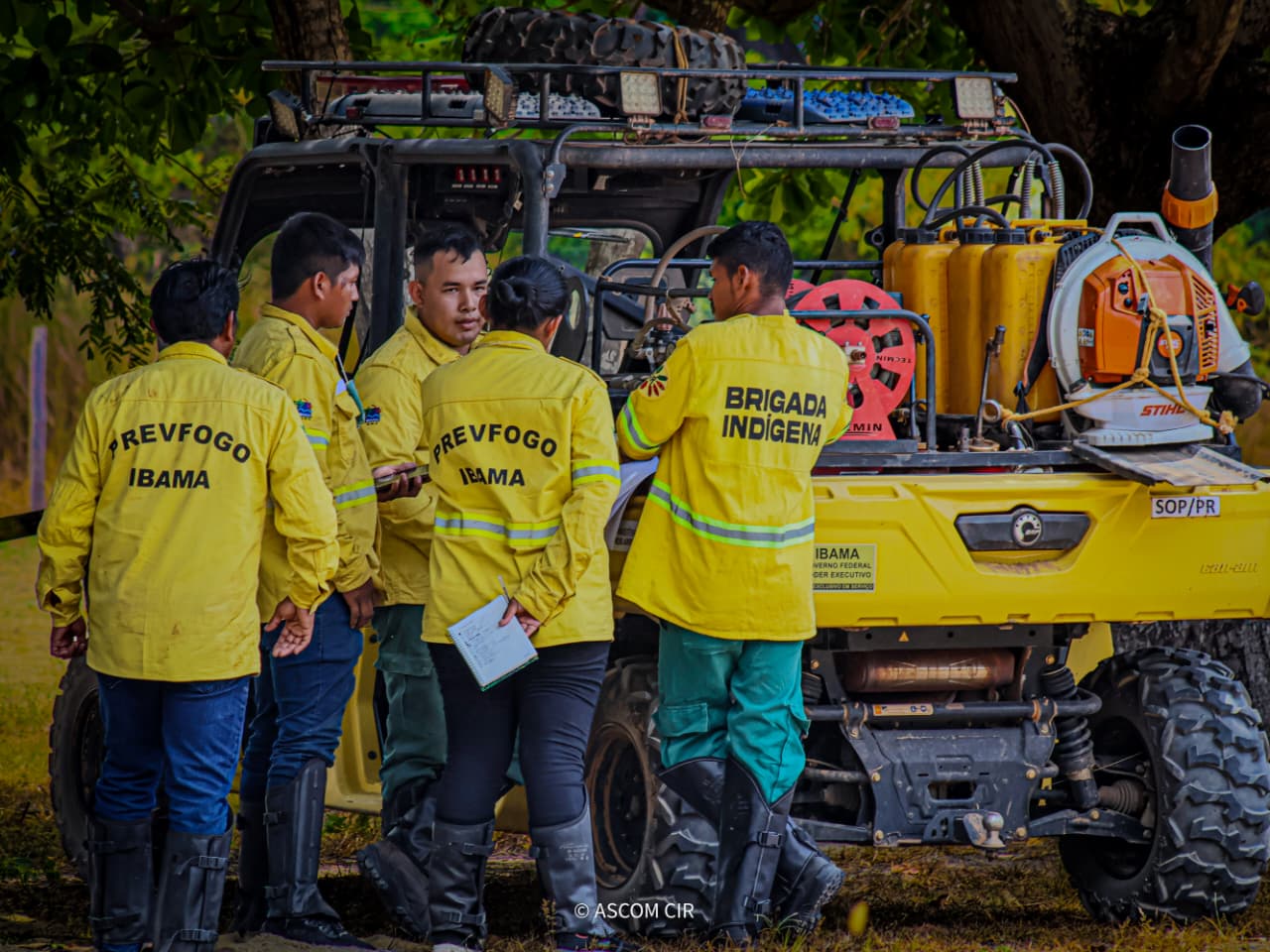
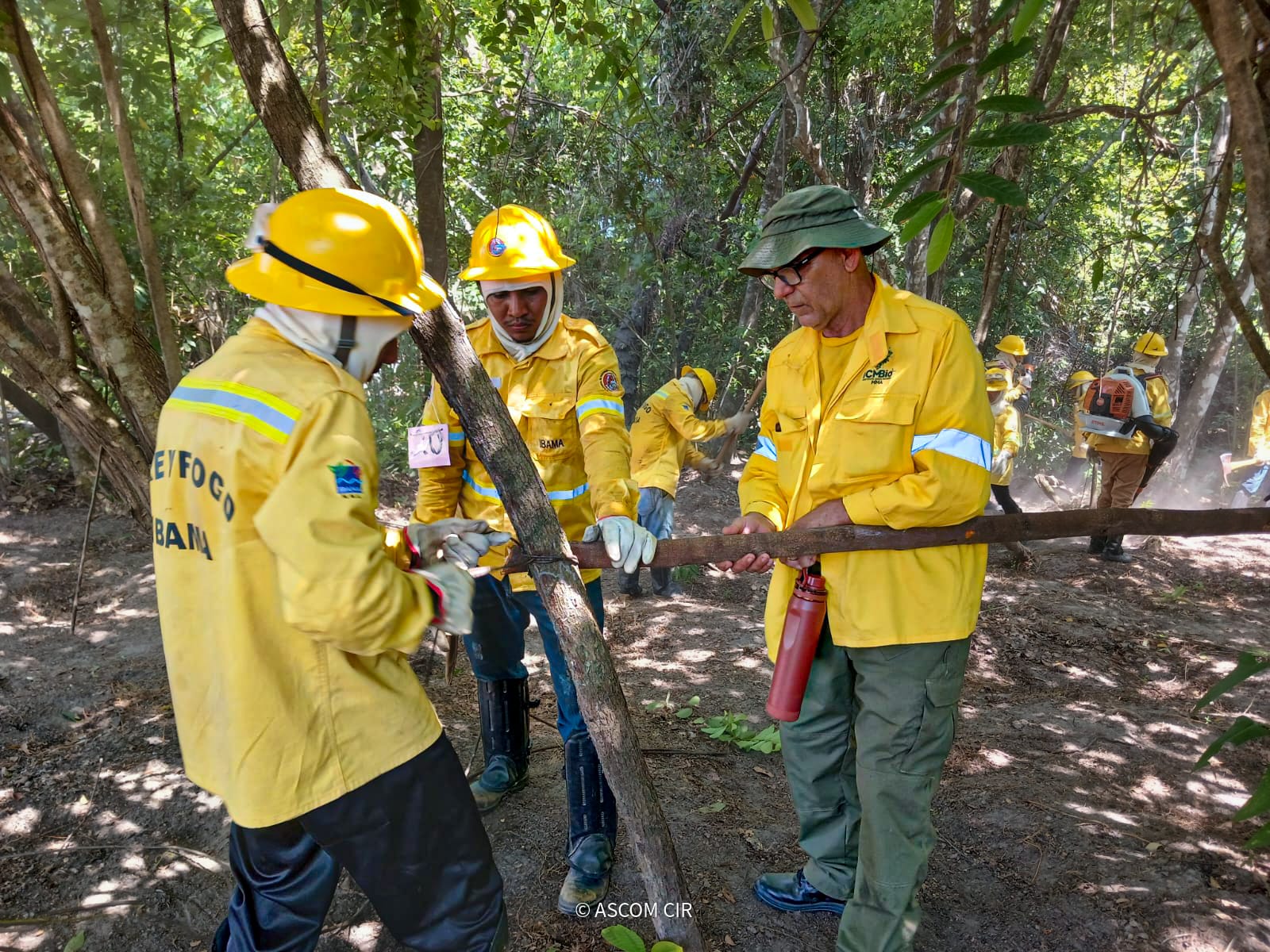
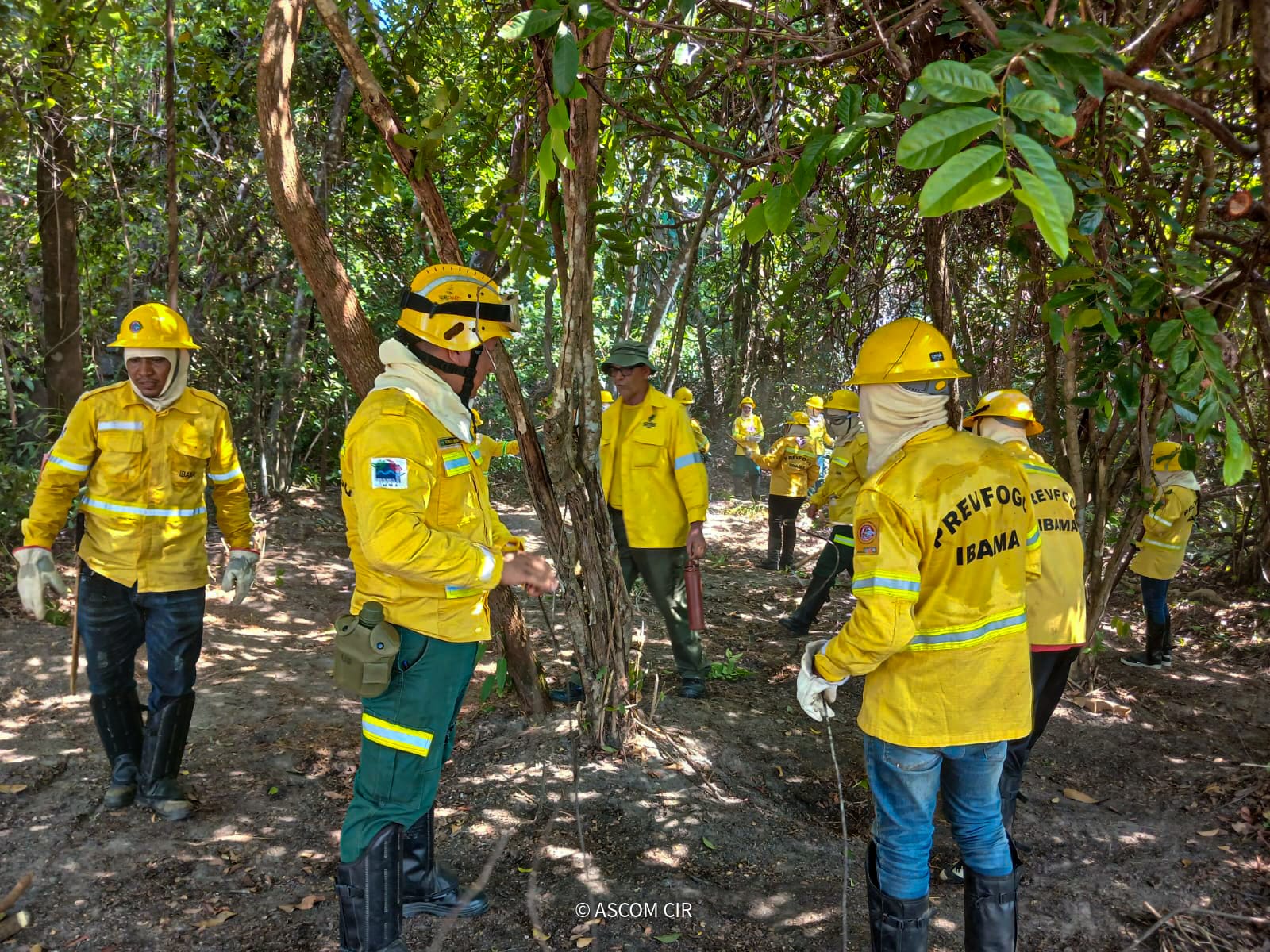
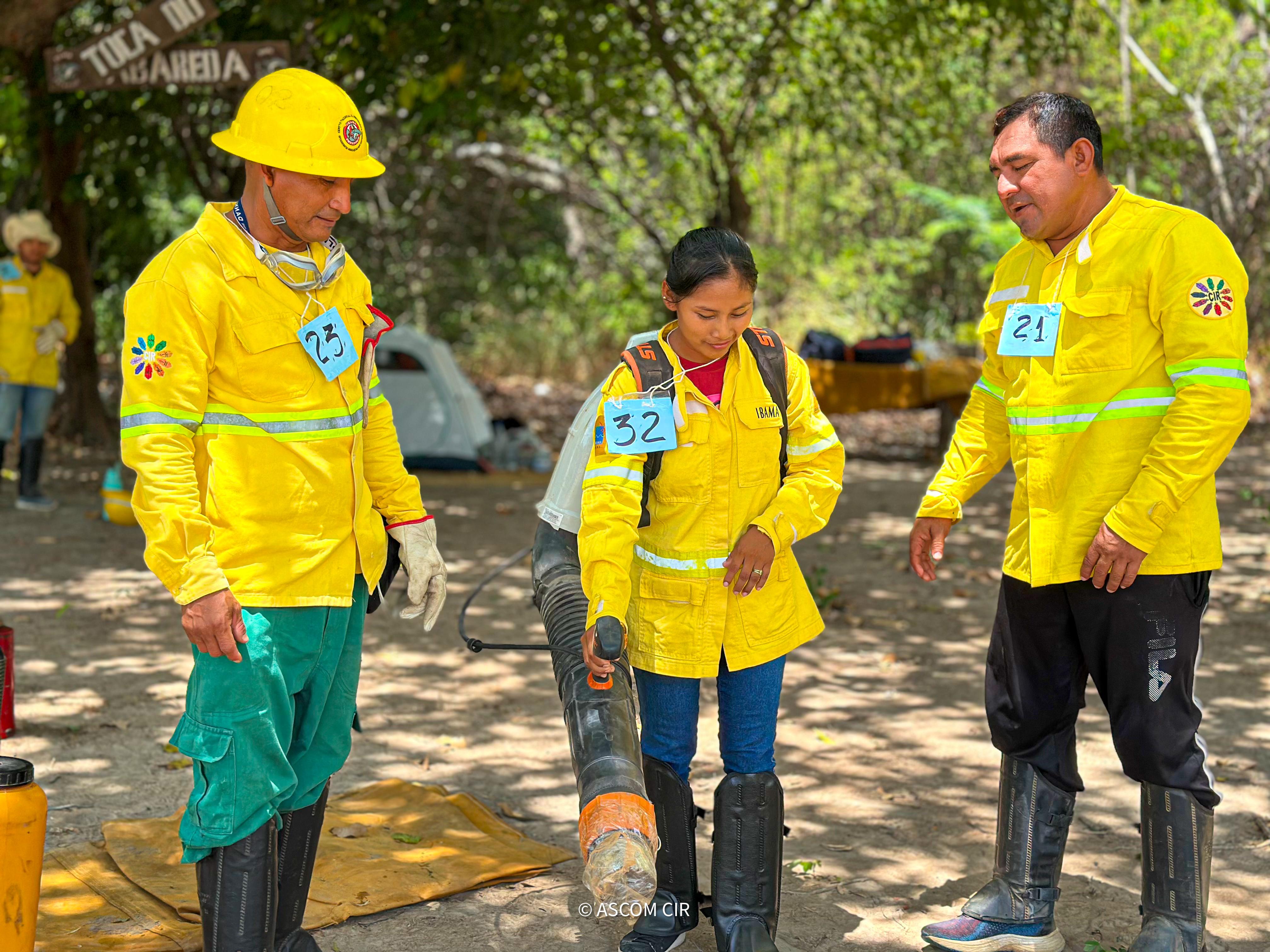
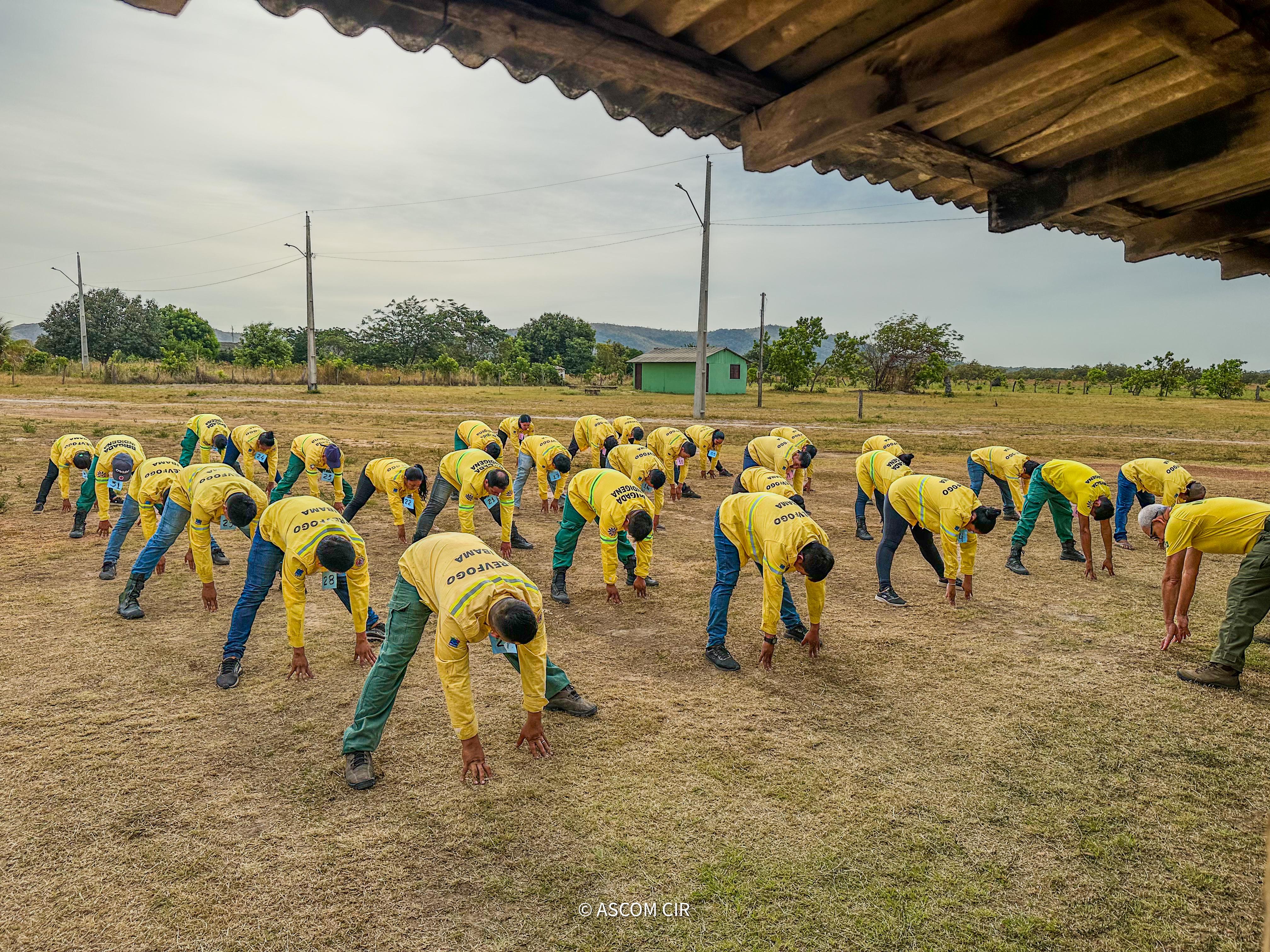
The program also includes instructions on controlled burning, use of motorized equipment, displacement of teams, organization of materials and procedures for performance in the field. Among the practical activities are opening exercises of lines, simulated assembly of an advanced base and use of equipment employees in firefighting.
Prevention and combating forest fires require preparation, adequate equipment and organization collective. In this context, the training of new firefighters contributes to strengthen community initiatives to care for the territory and respond to climatic situations.
For the Council Indigenous of Roraima, the strengthening of community brigades is part of the territorial and environmental management actions developed with the peoples indigenous people. The training also reinforces the importance of collaboration between the communities, their leaders and the institutions involved.
"This training is important because it strengthens the organization of our communities and prepares the firefighters to act in the prevention and fighting of forest fires. Protecting the territory also means taking care of our communities, the nature and future generations. When we strengthen community brigades, we expand our capacity to act collectively in the face of the challenges that we face in indigenous territories", said Jonathan Firmino, supervisor of the Indigenous Brigade of the CIR.
The first formation took place from October 13 to 17, in the Serra da Moça Community, Murupú region. A the second takes place from October 19 to 23, 2026, in the same community.
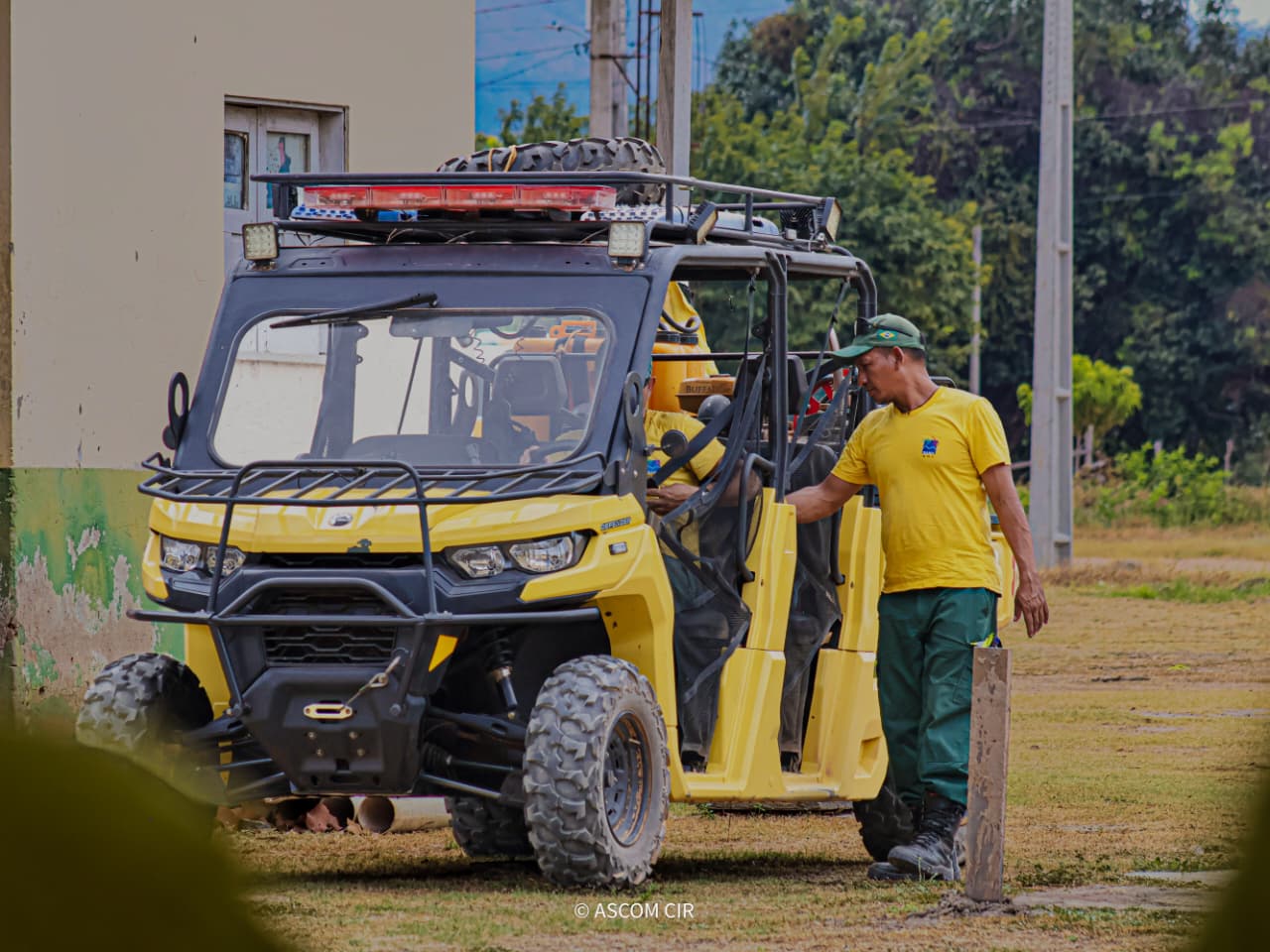
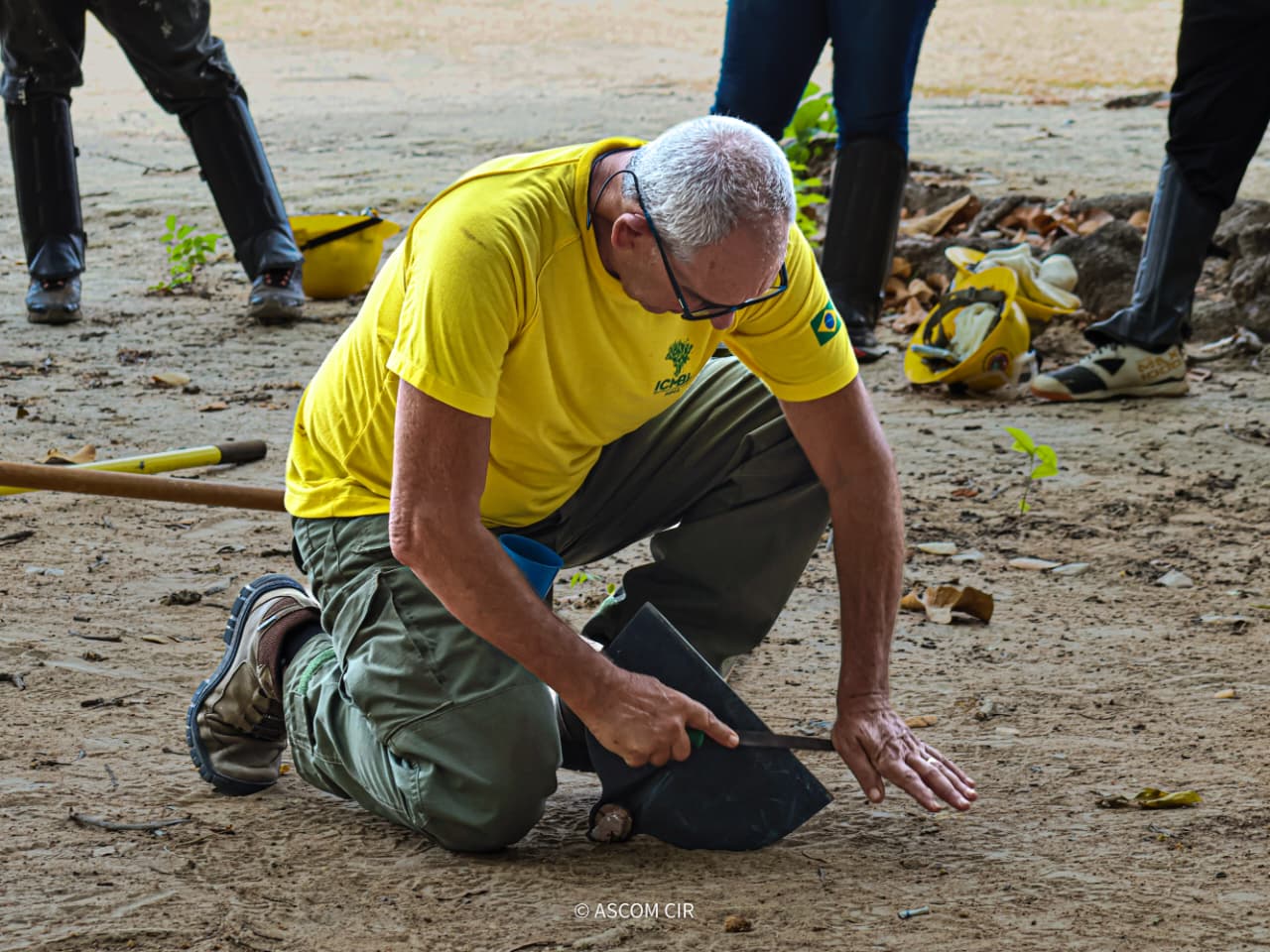
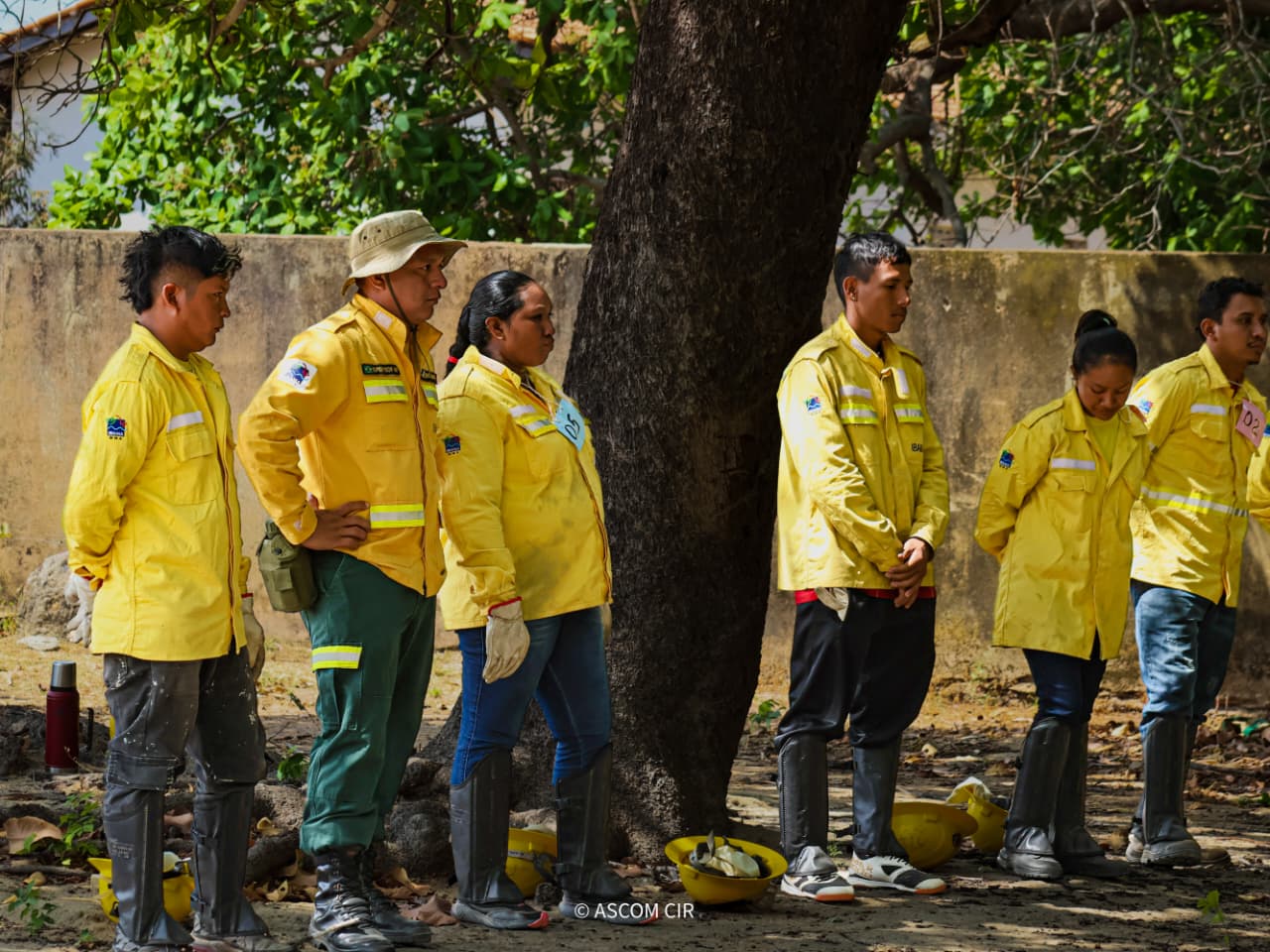
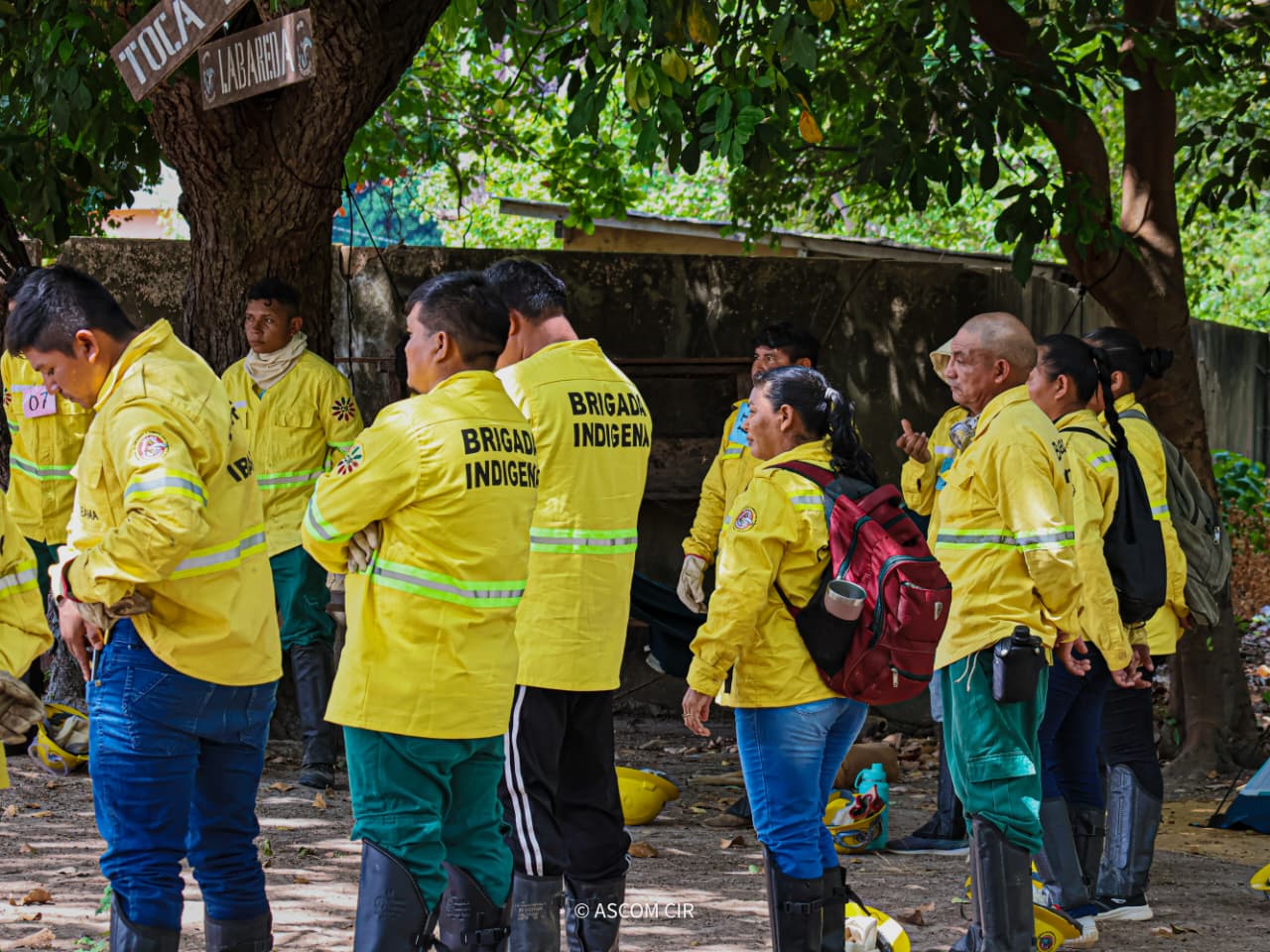
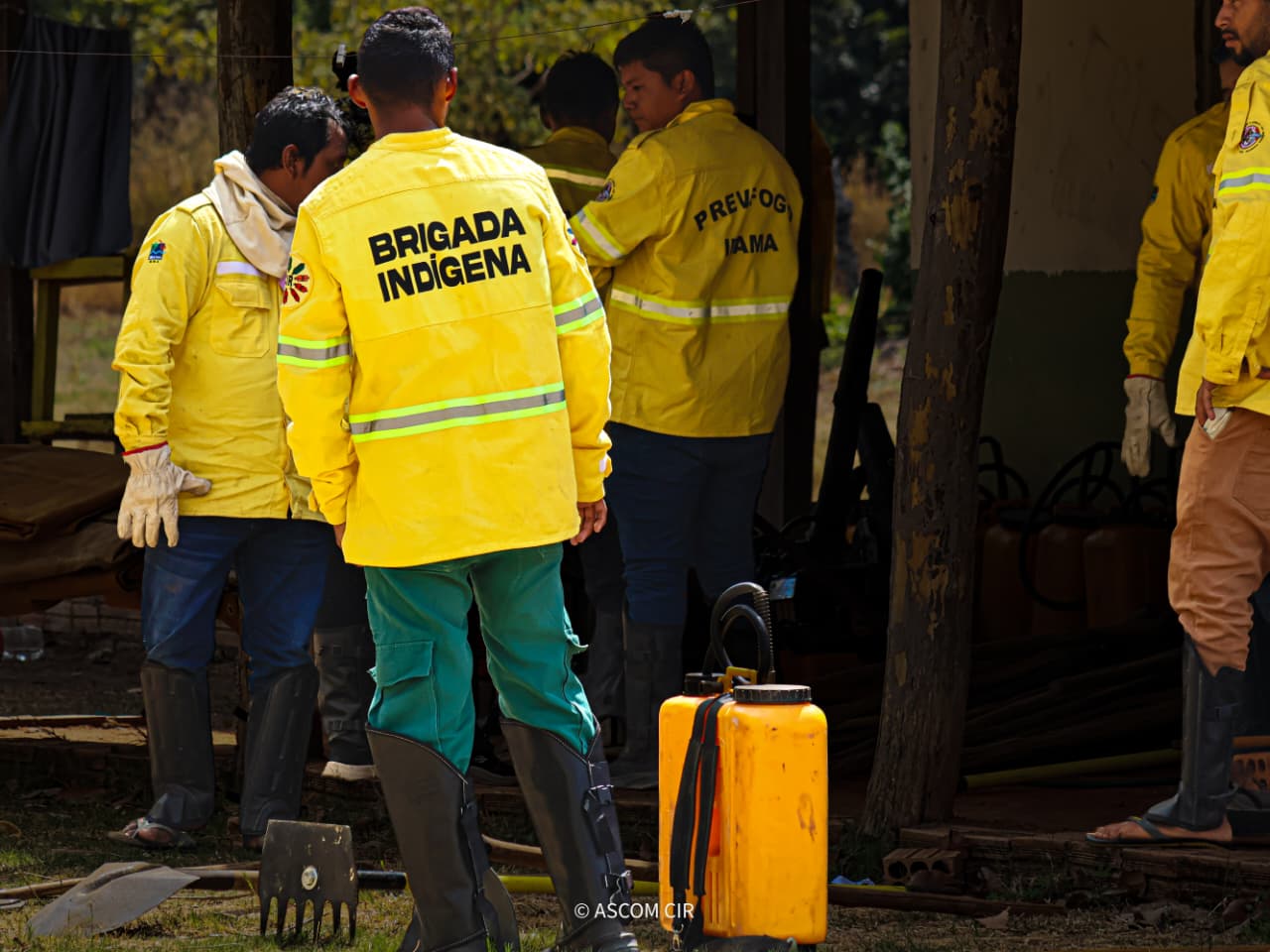
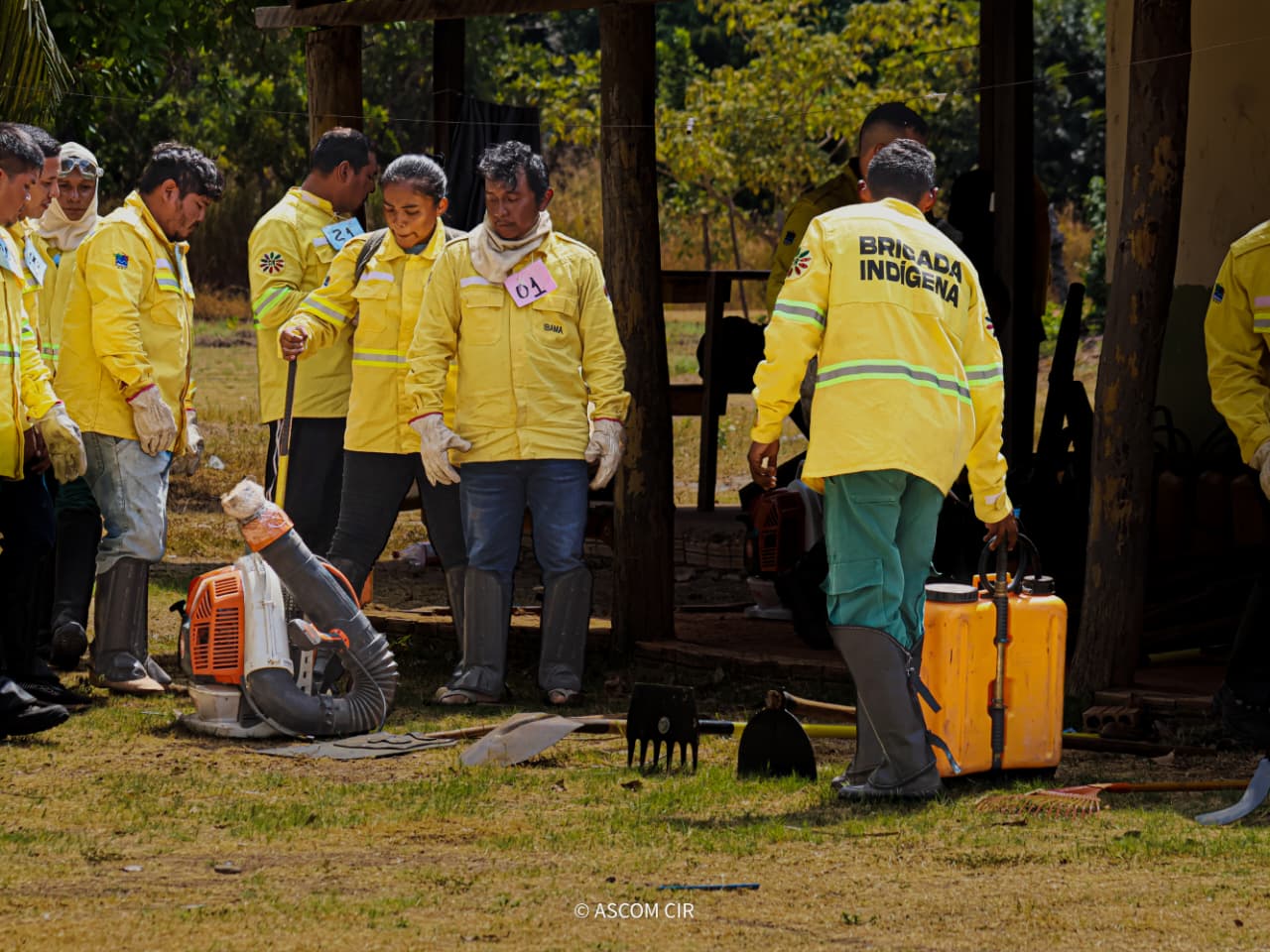
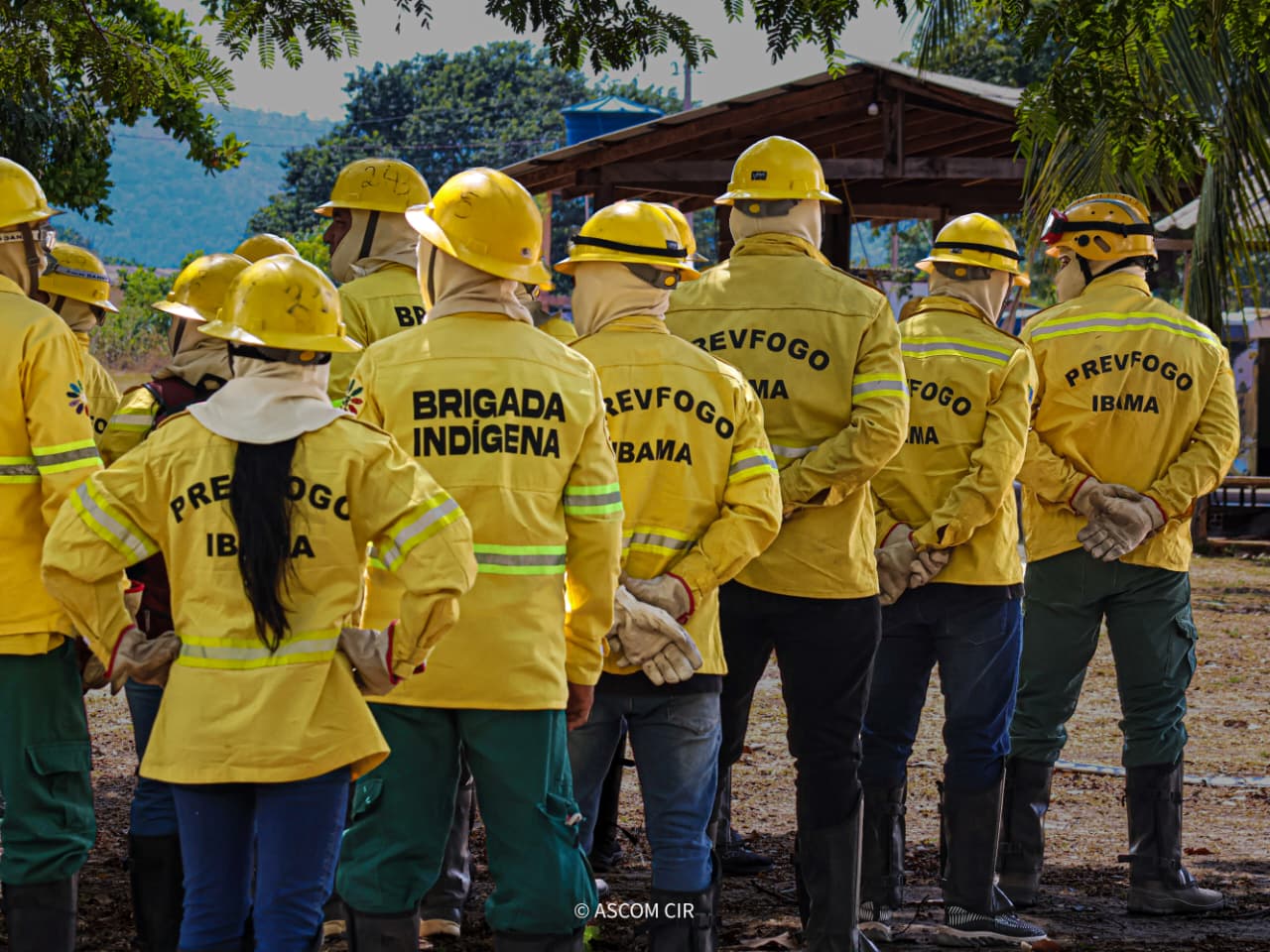
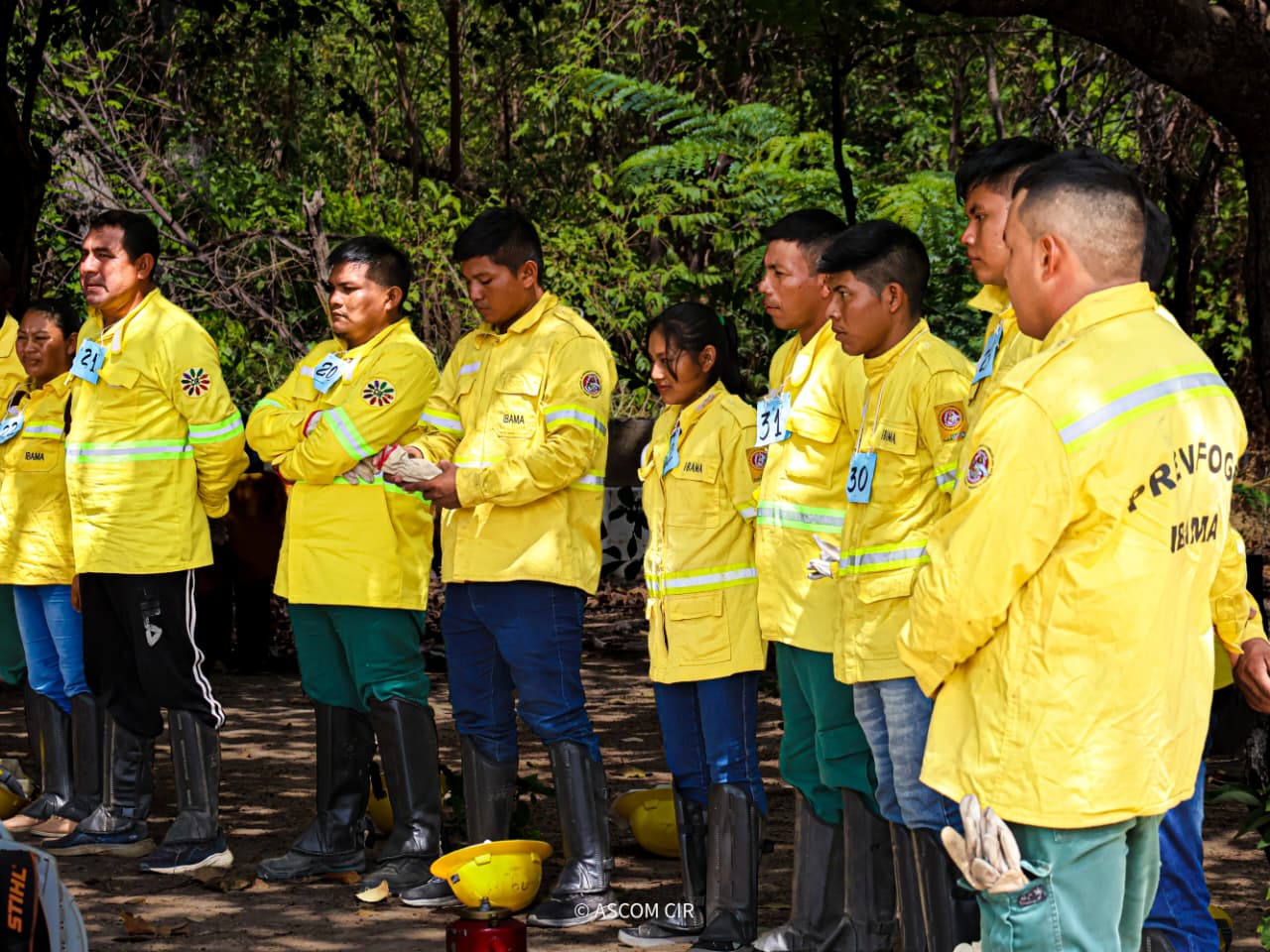
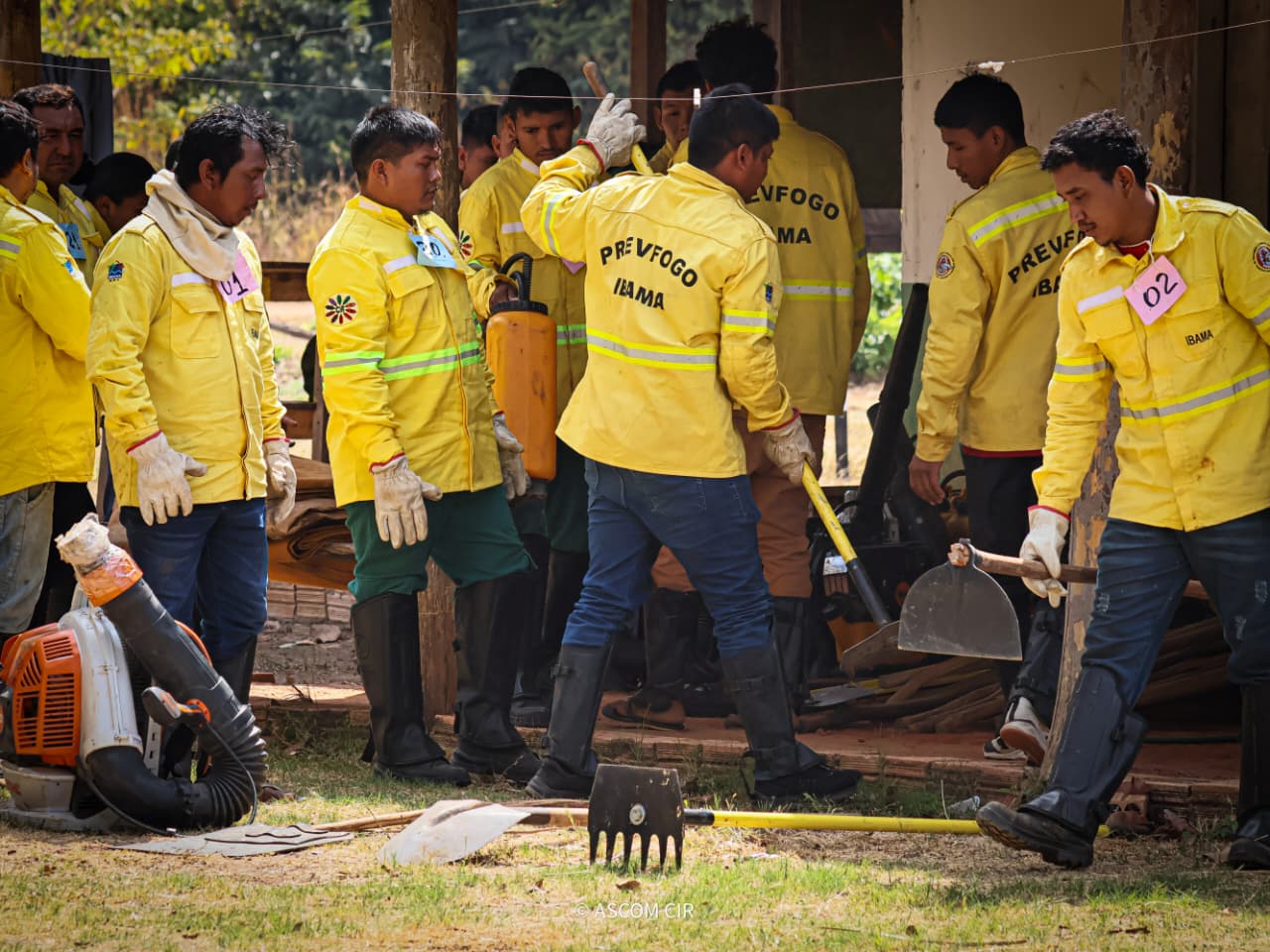
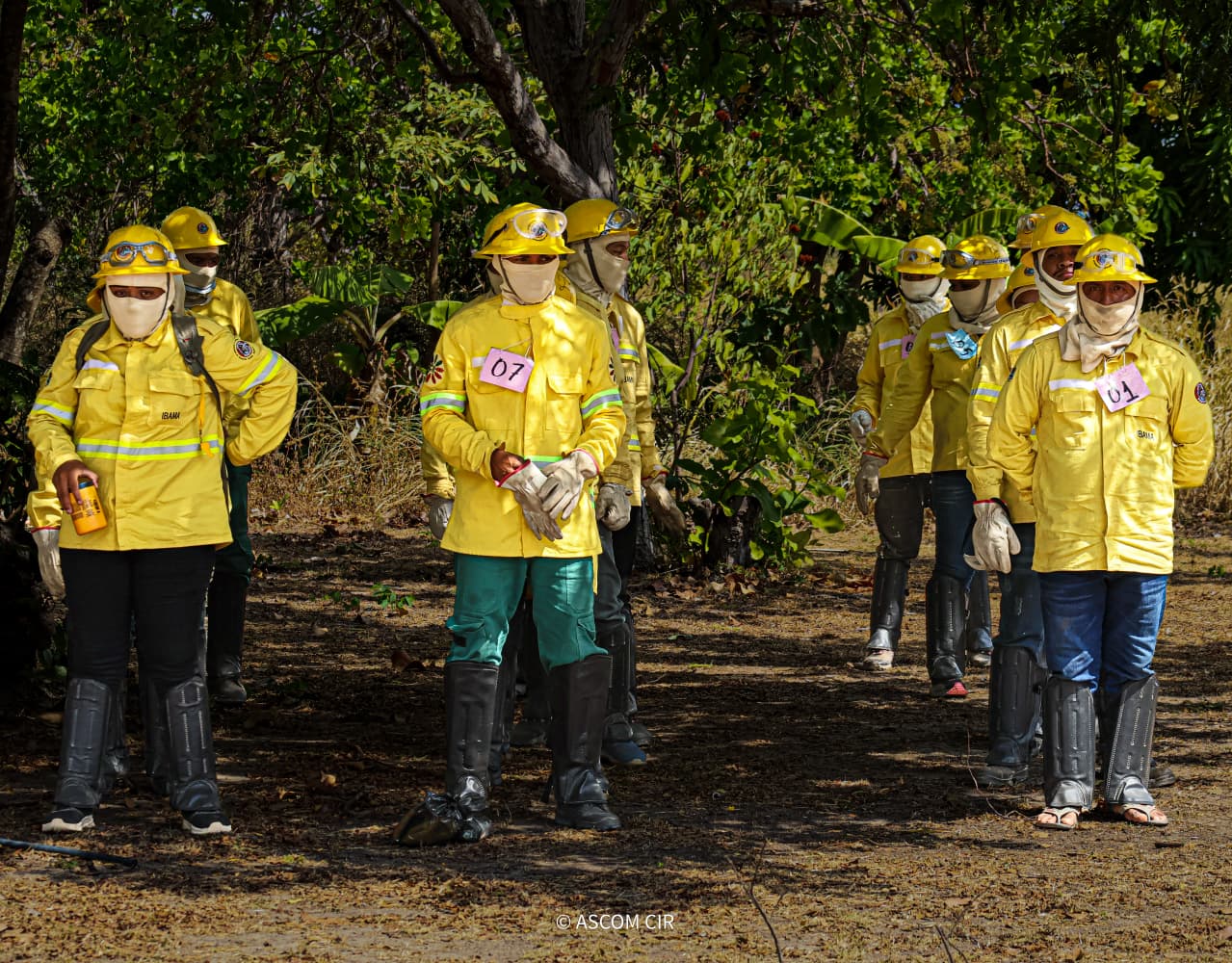
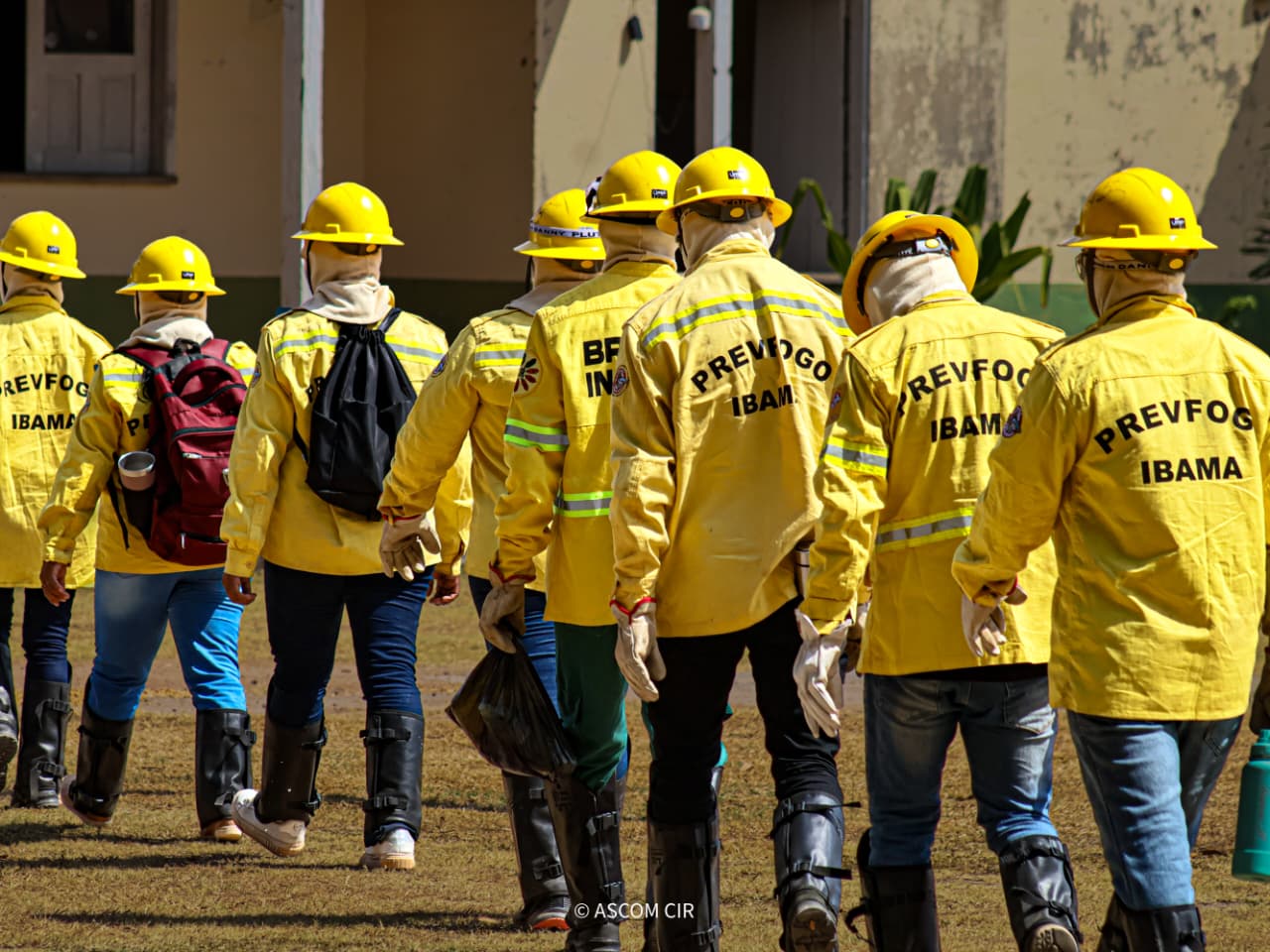
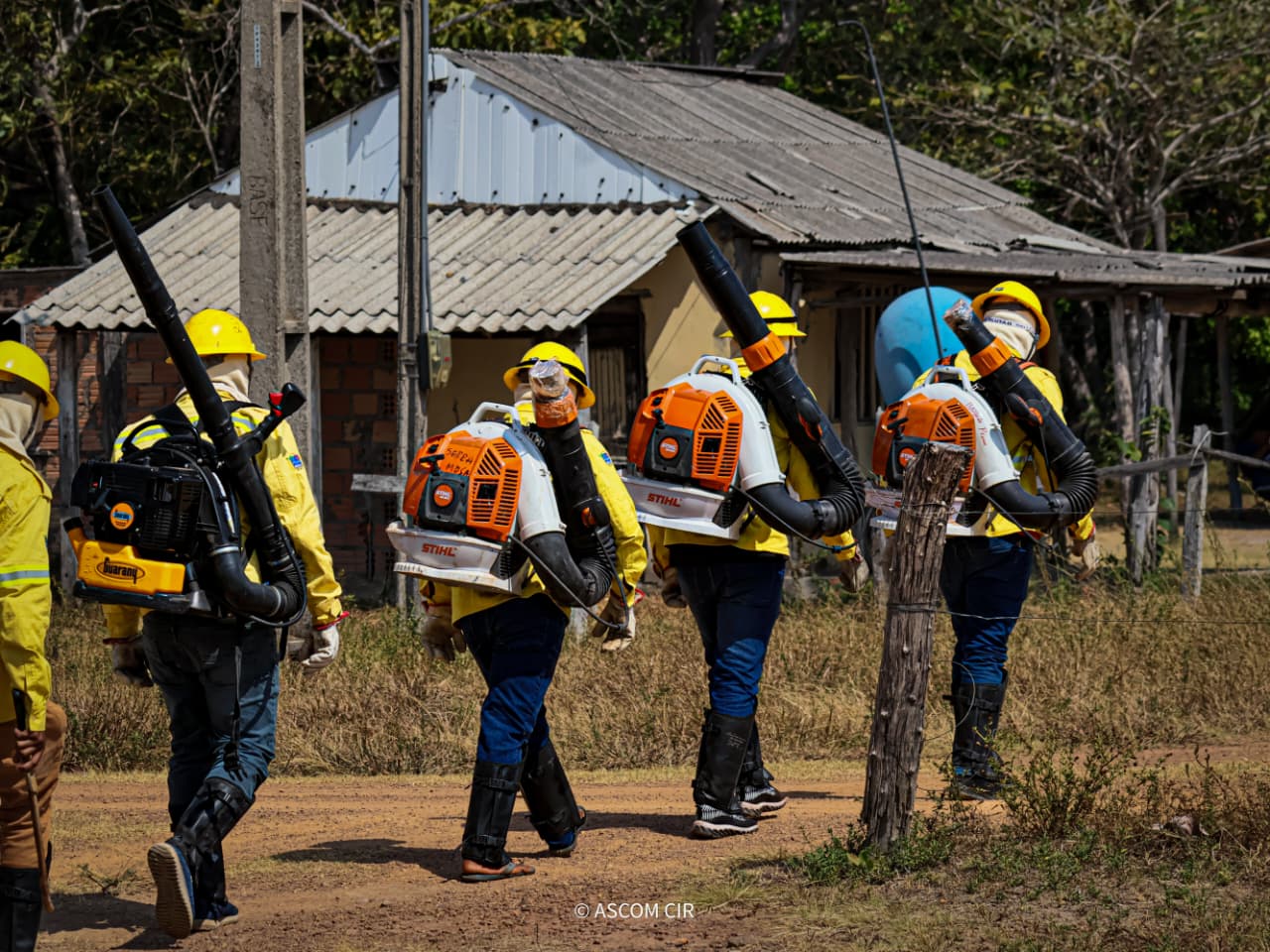
The knowledge worked during the course seek to prepare the firefighters to act in Organized and safe way in fire prevention and response actions forests, considering the needs of their communities and regions.
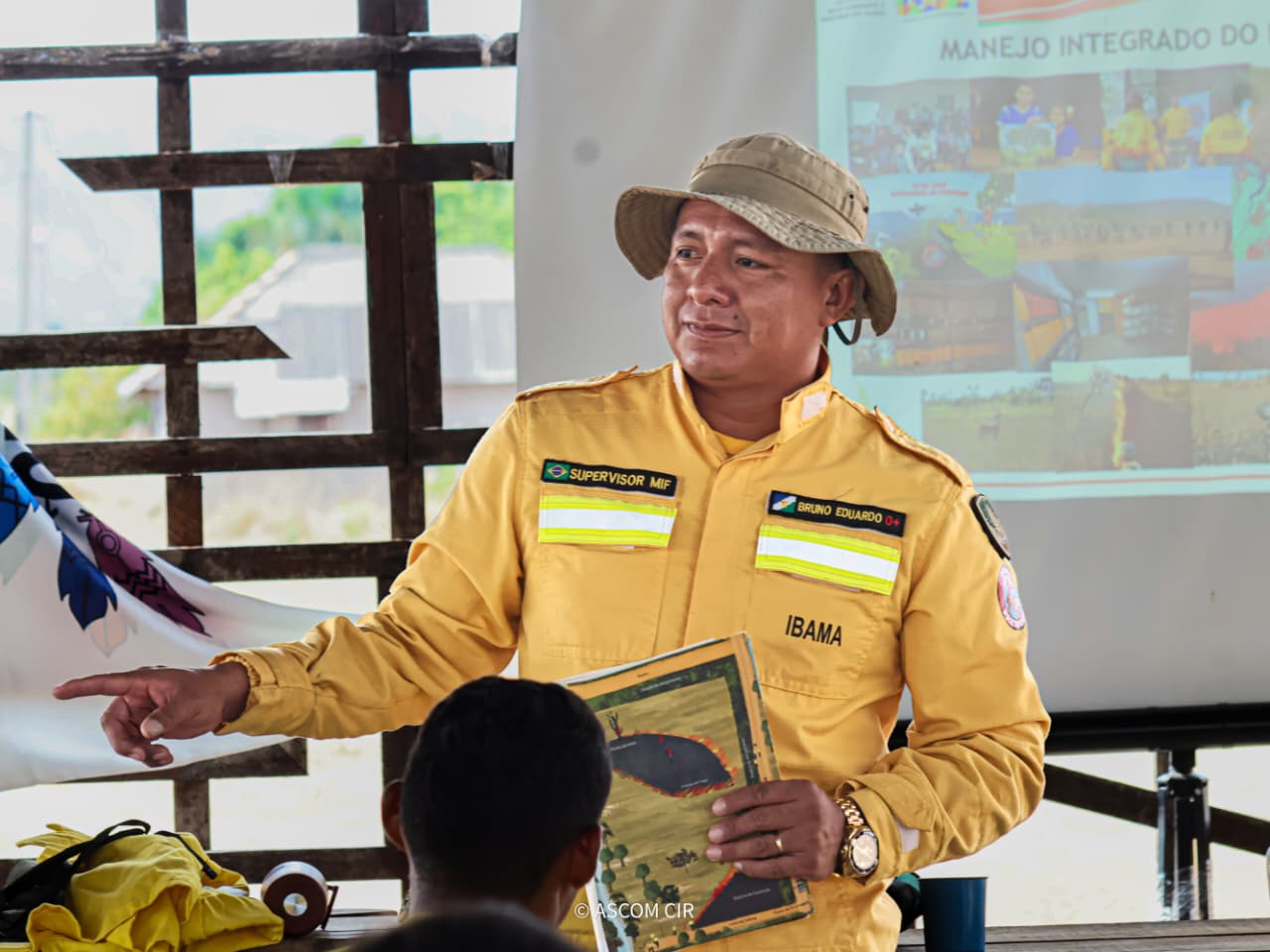
According to the instructor Bruno Eduardo, supervisor of Integrated Fire Management (MIF) of the Prevfogo/IBAMA, the purpose of the training is that the knowledge passed on, both in theory and in practice, they are applied directly in the communities.
"During the training, the participants are learning about fire behavior, the safe use of tools and equipment, combat techniques and procedures of forest fire prevention. The proposal is that this knowledge be applied in the reality of each community, contributing to a more prepared performance, organized and safe brigades", said Bruno Eduardo.
The training includes ten indigenous community brigades, with six participants from each team. The Wai Wai brigades, from the Wai Wai region; Jacamim and Pium, from the Itacutu region; Sucuba, in the Alto Cauamé region; Anta 2, in the Tabaio region; Serra da Moça, from the Murupú region; Barro, from the Surumu region; in addition to new brigades of Serras, Amajari and Serra da Lua regions.
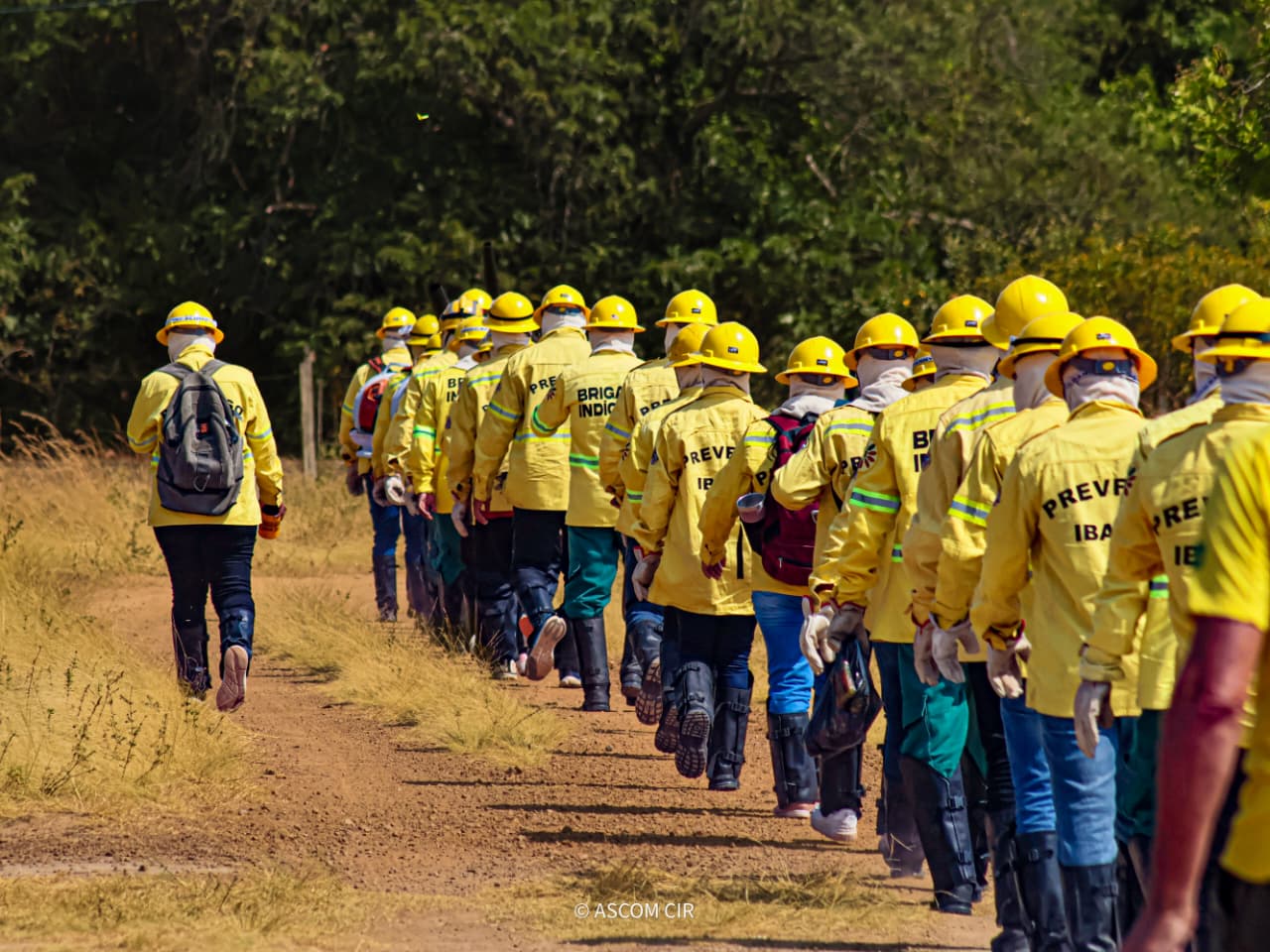
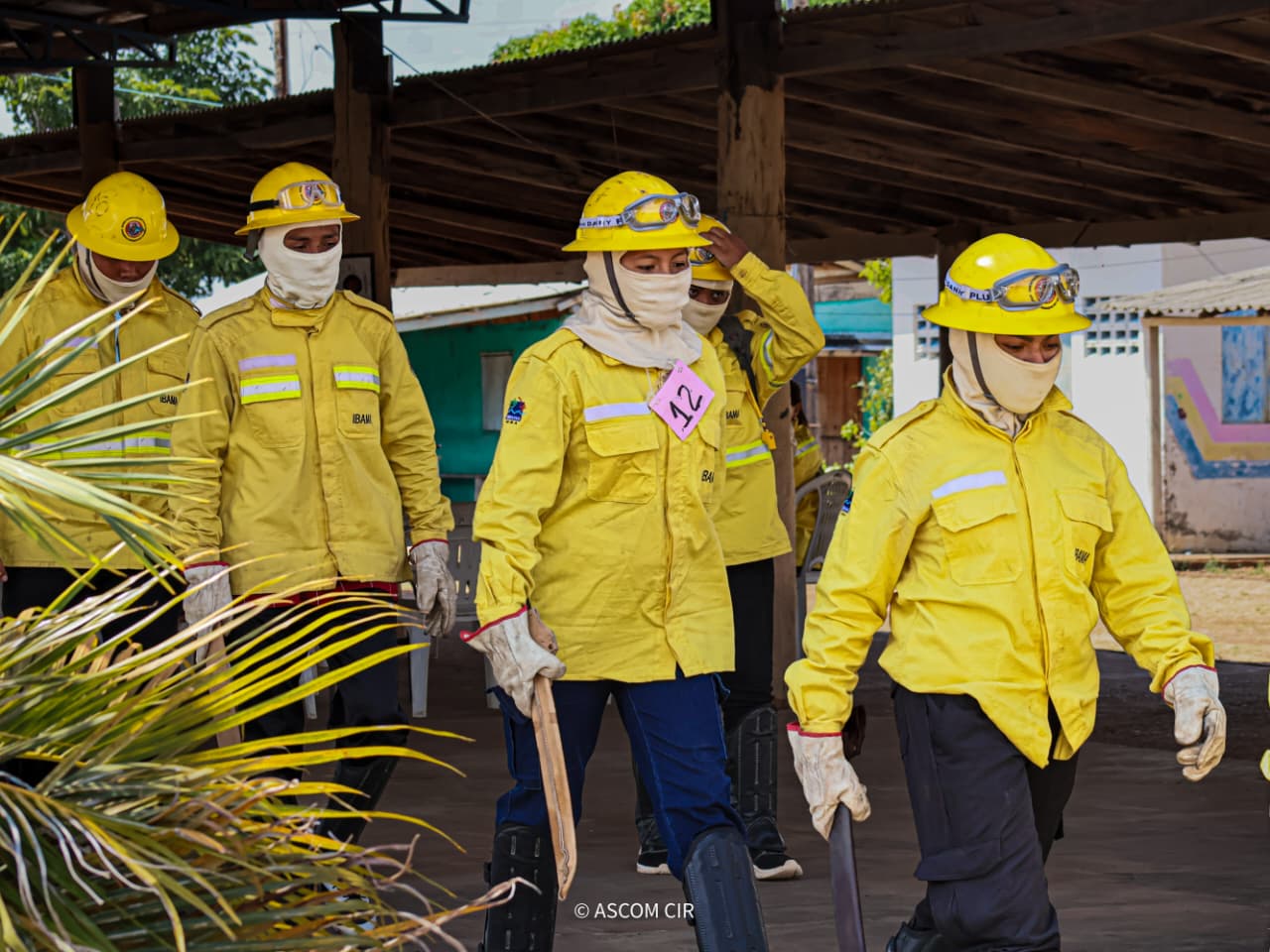
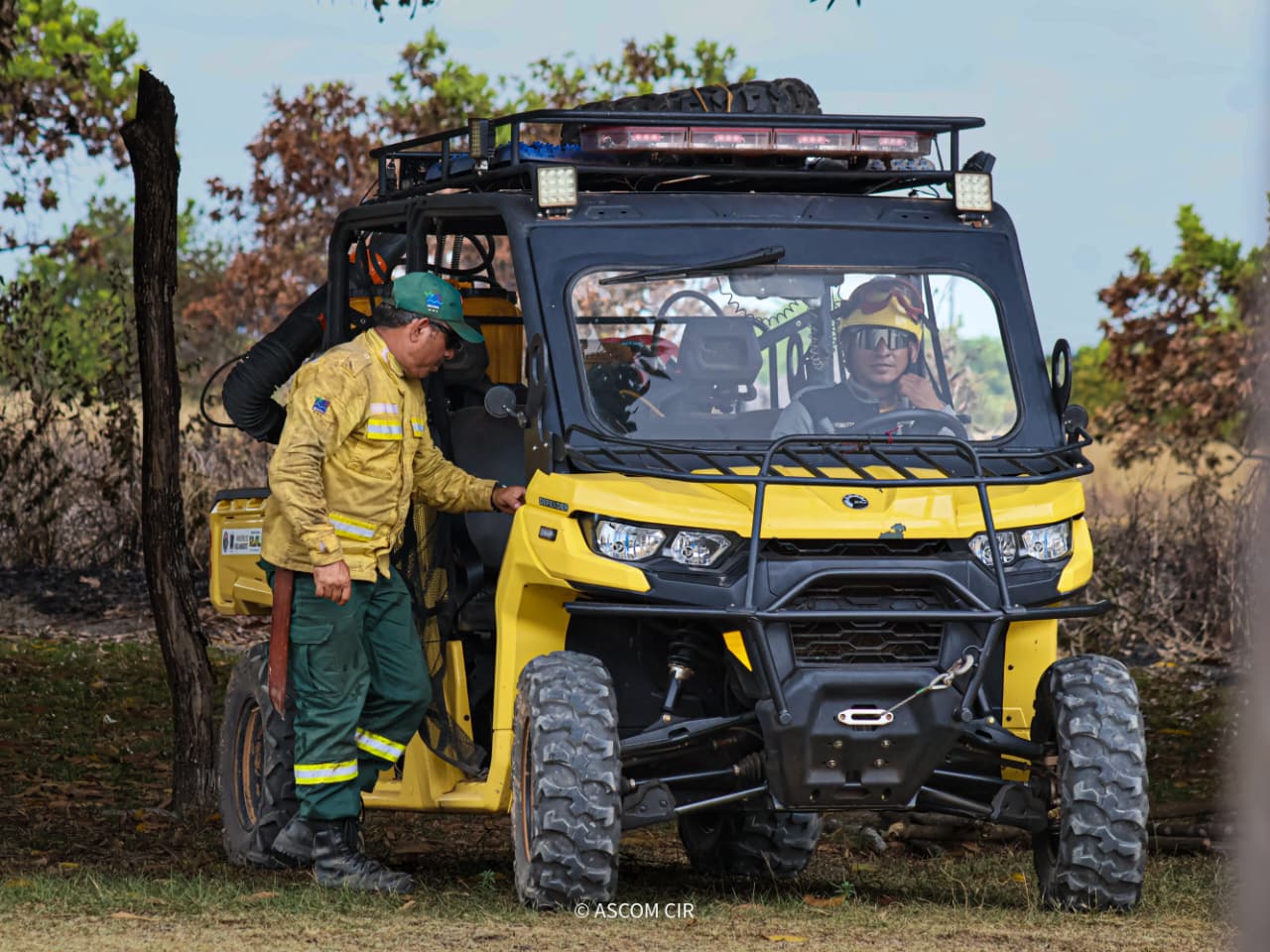
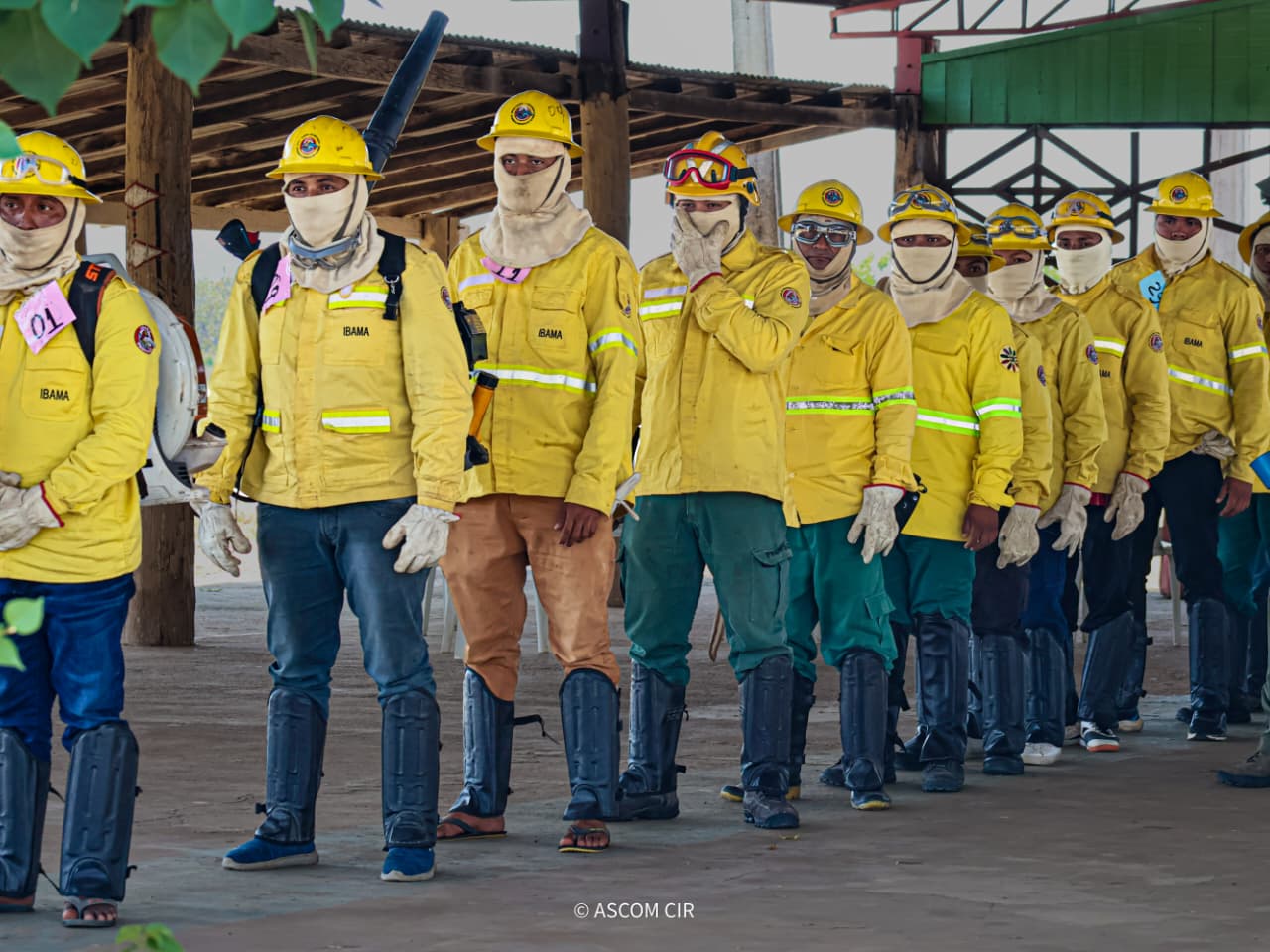
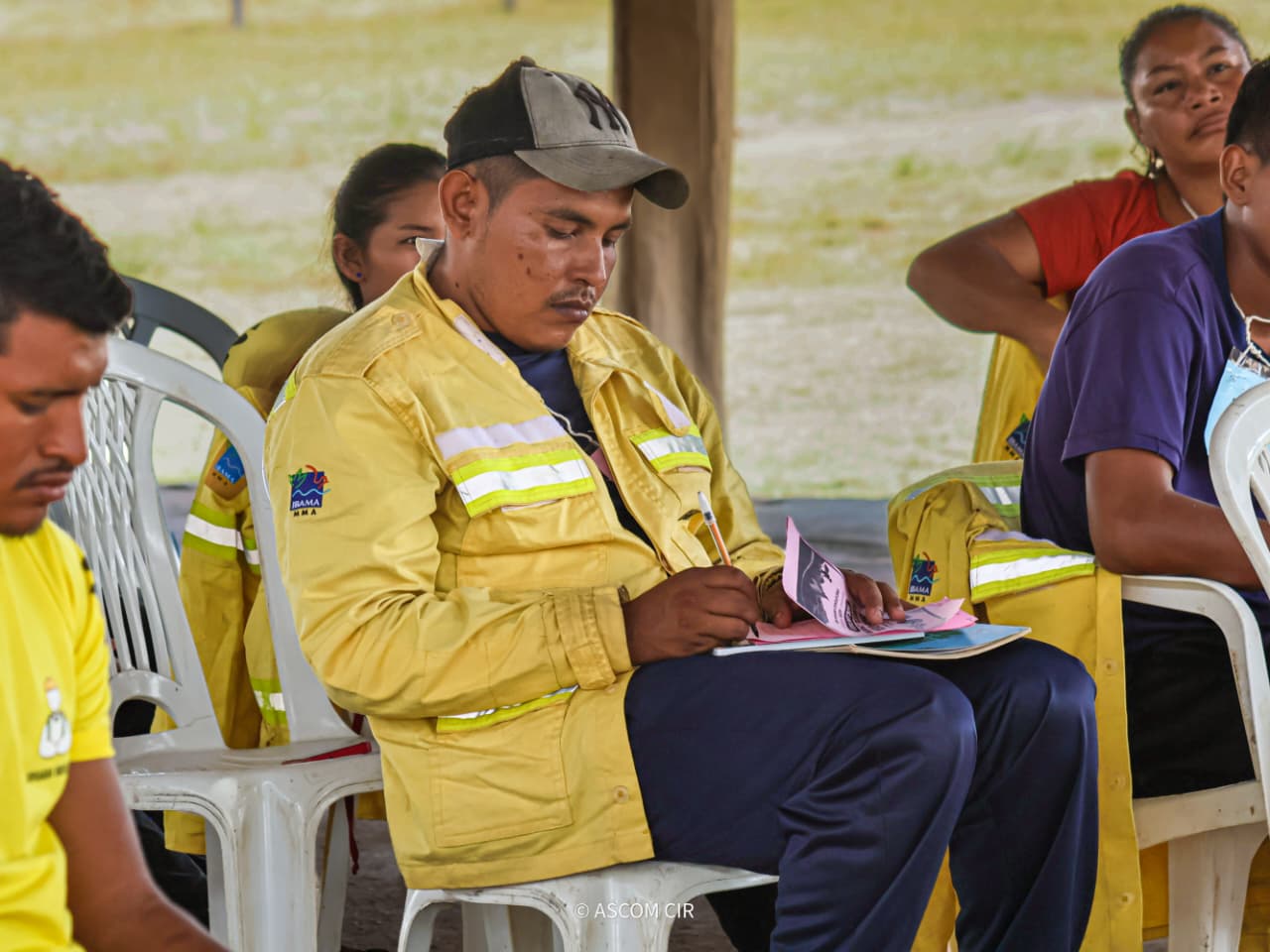
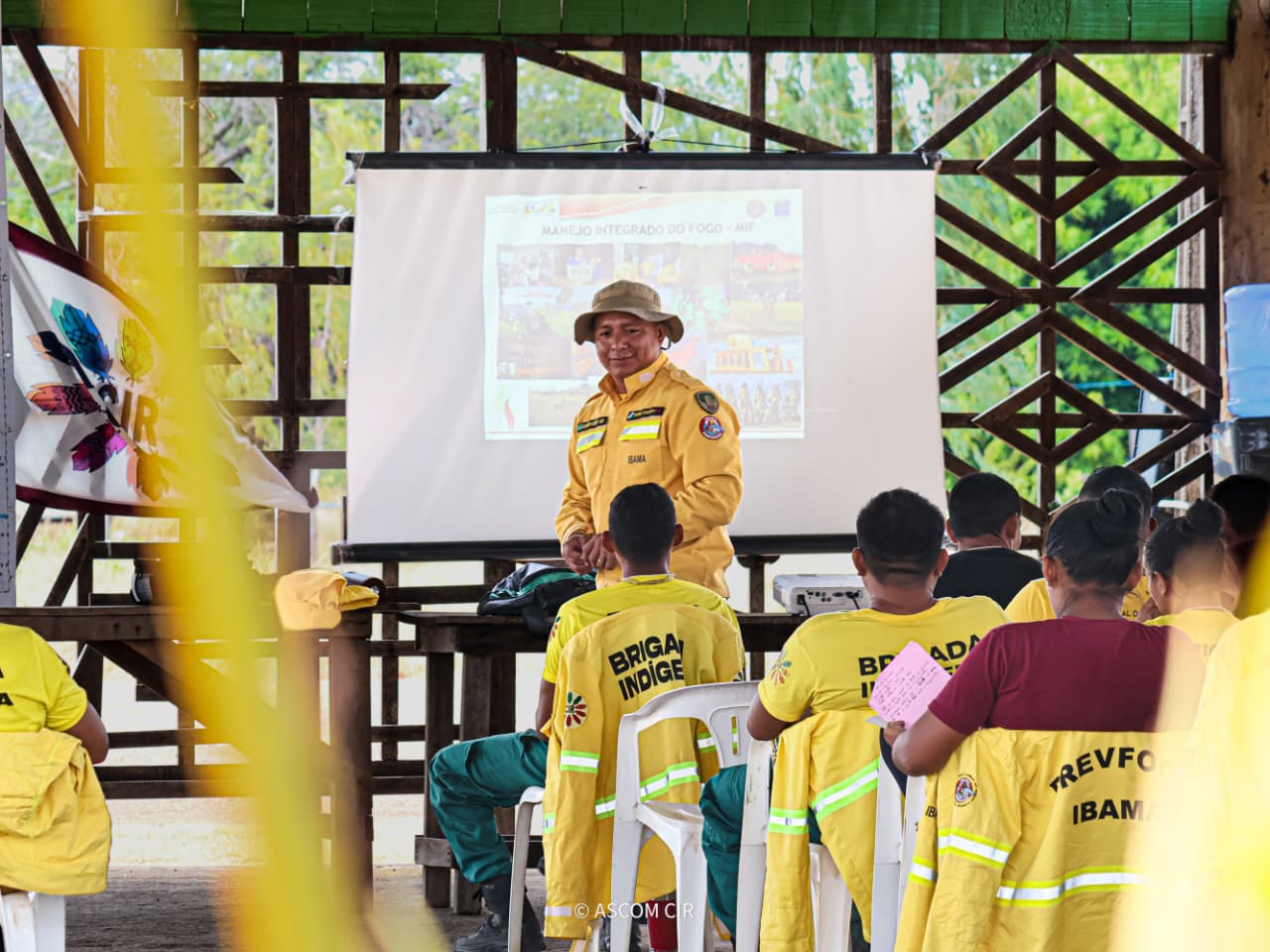
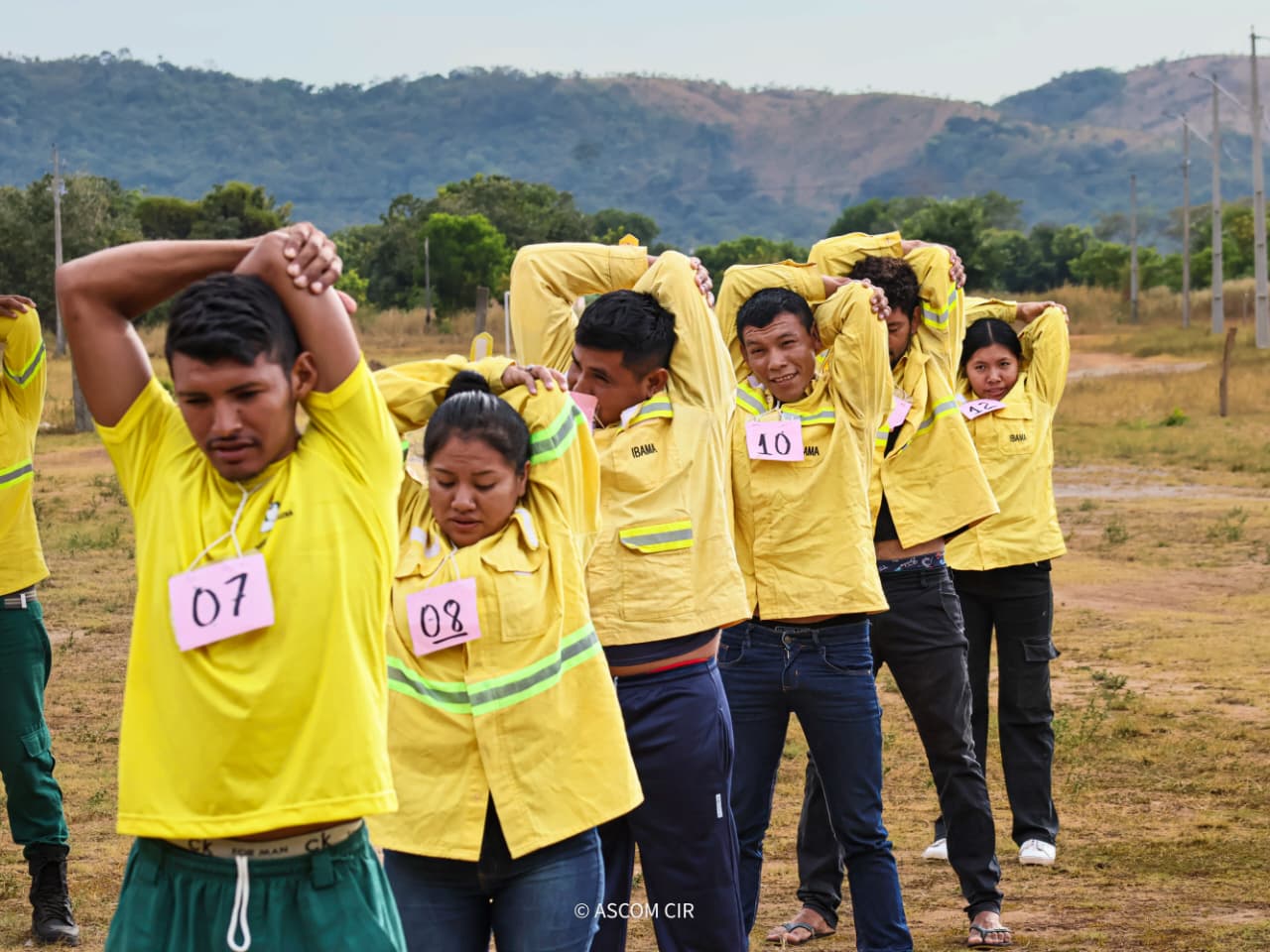
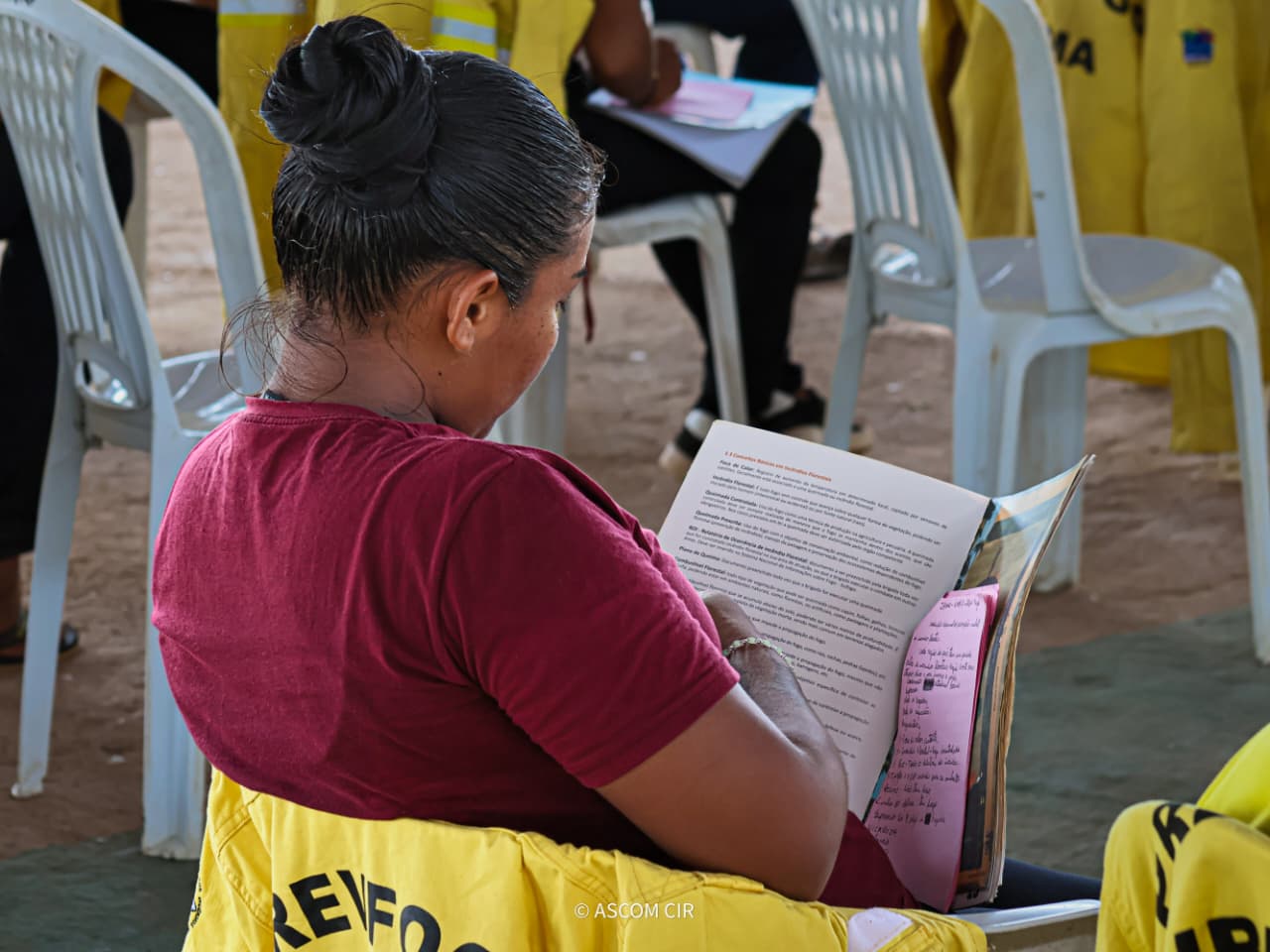
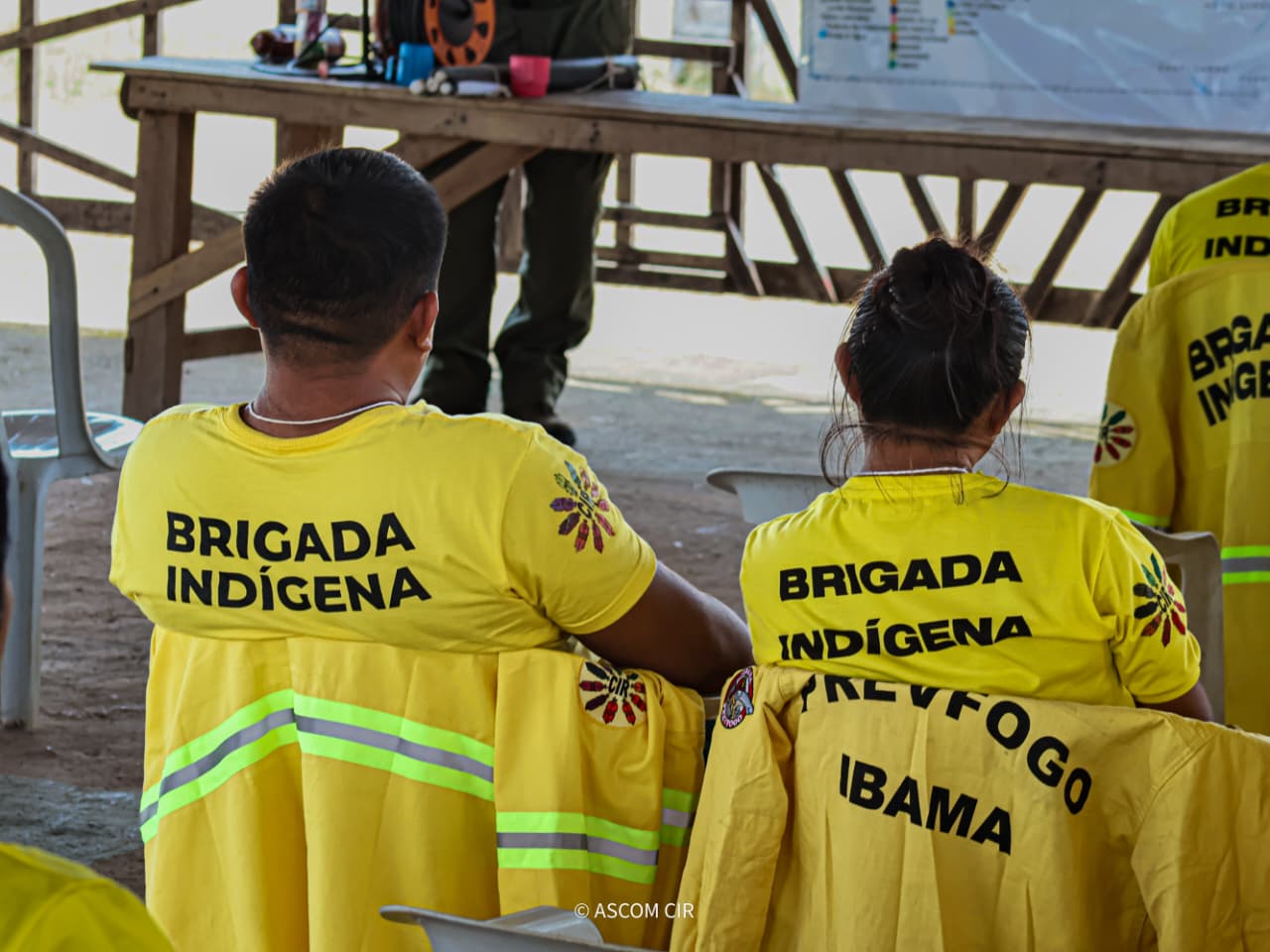
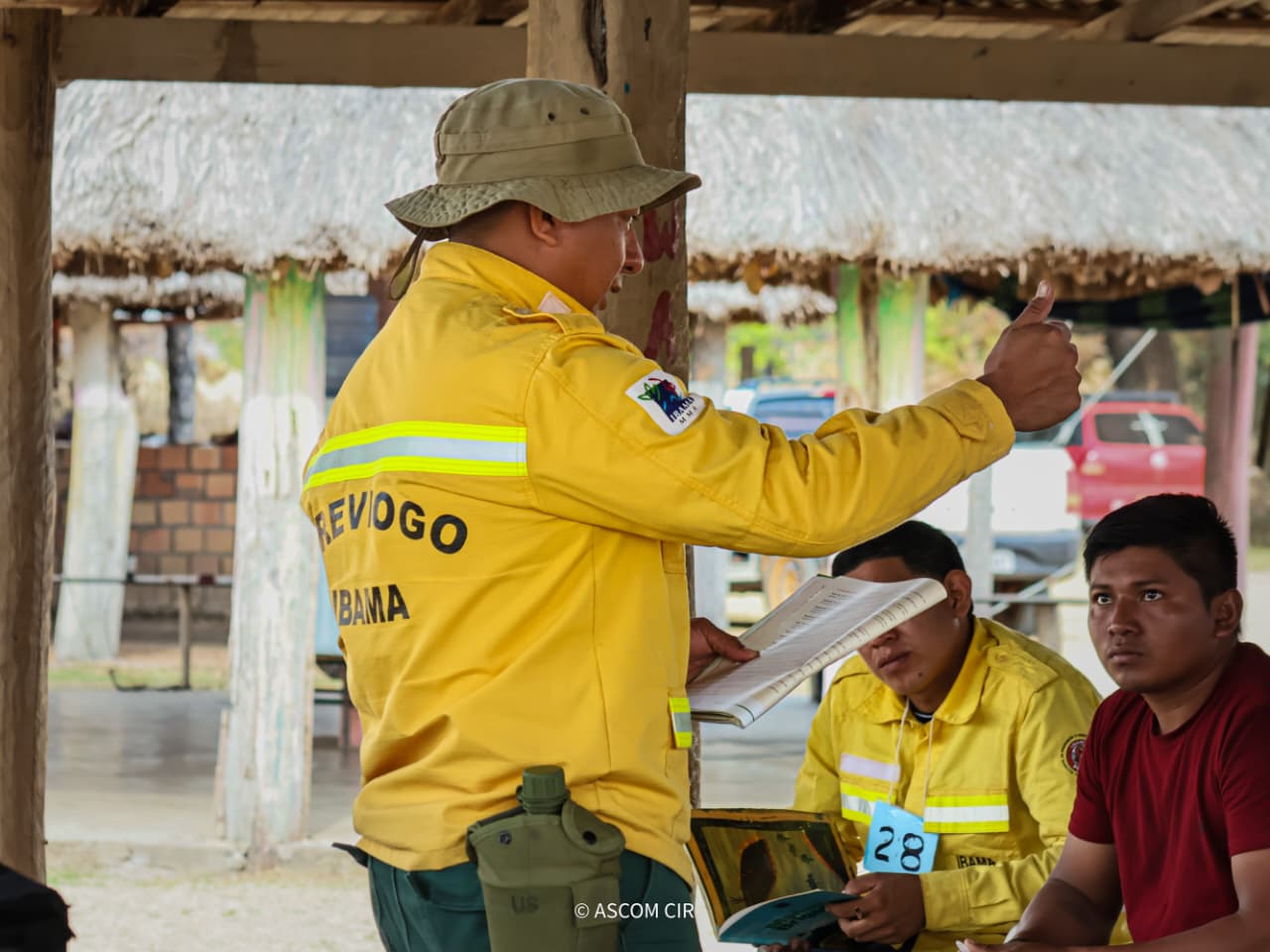
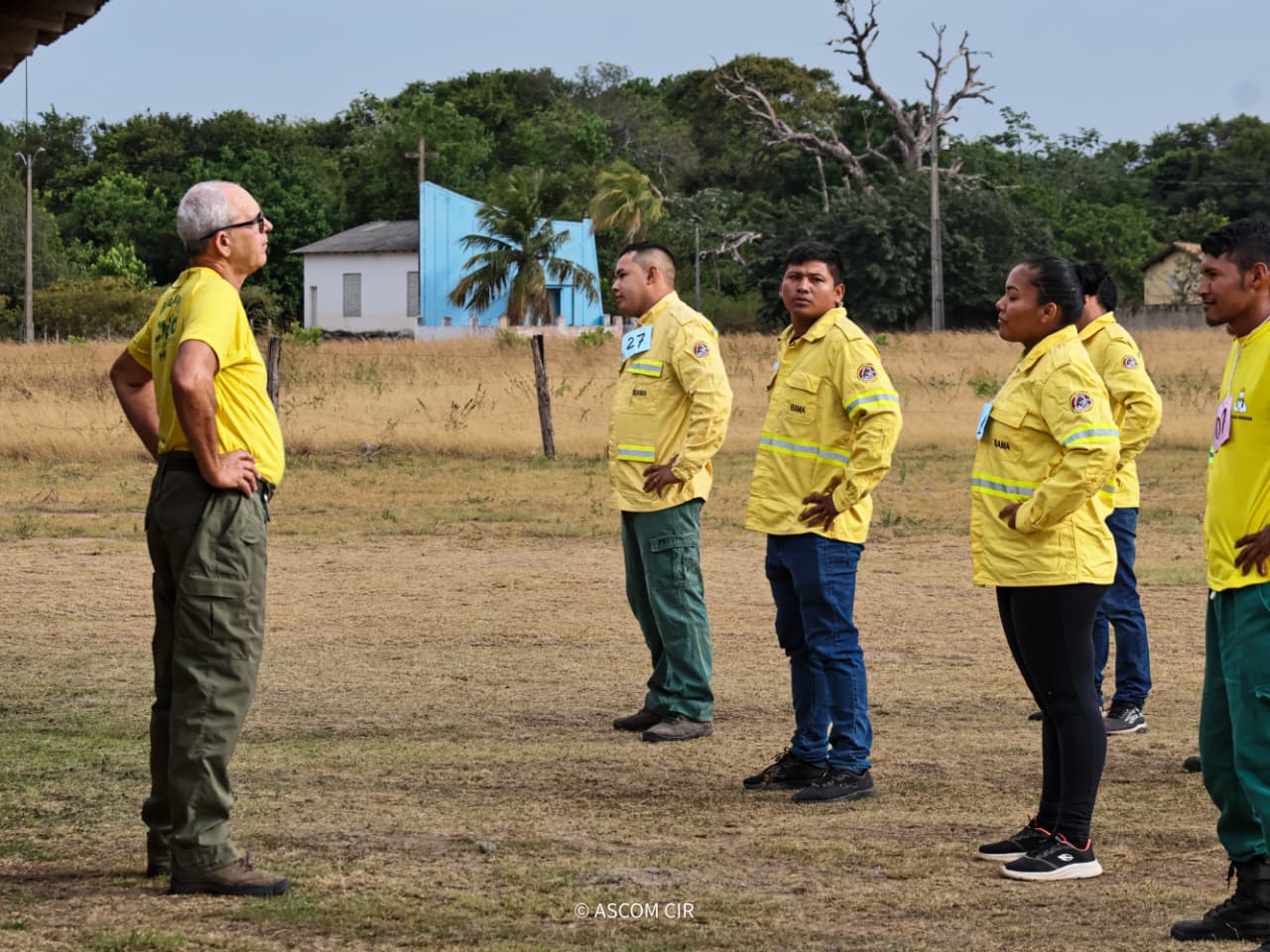
The presence of the participants from these regions contributes to expanding the capacity of the teams and strengthen the articulation between the brigades and indigenous leaders.
The Training Course of Indigenous Community Brigades is an initiative of the CIR, in partnership with the IBAMA/Prevfogo and ICMBio, with support from the Royal Danish Embassy, Rainforest, AECID and ICS, partners who work in the defense of territories indigenous people.
Review: Helena Leocadio - ASCOM CIR
Photos: Maciel Macuxi - ASCOM CIR