
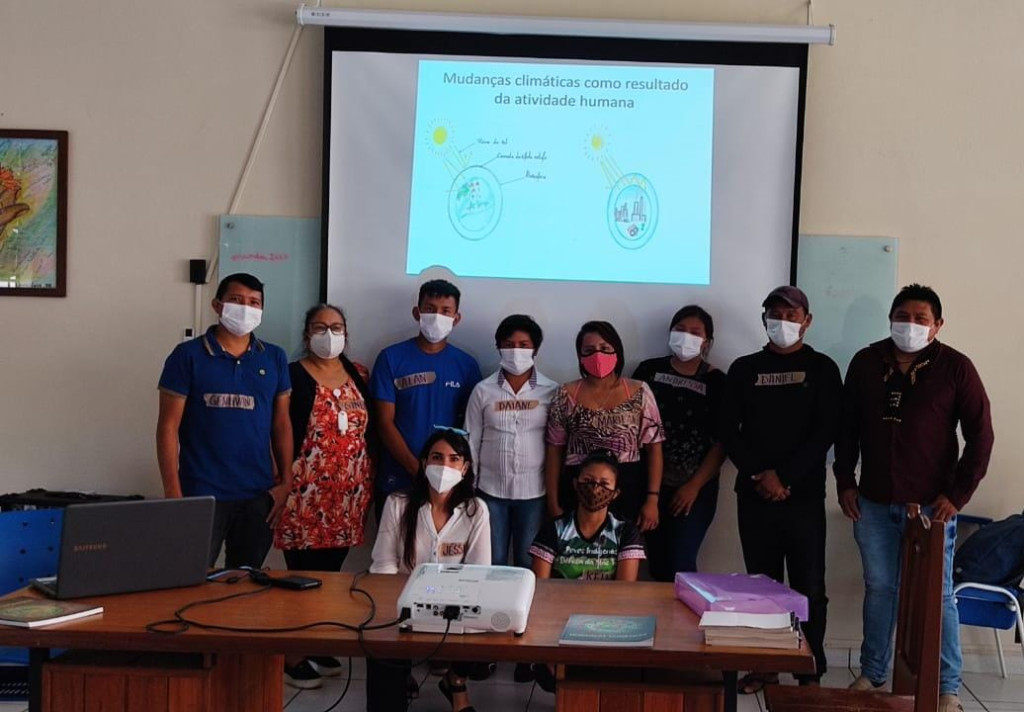
The Department of Territorial and Environmental Management (DGTA), of the Indigenous Council of Roraima (CIR), held this Thursday and Friday (08 and 09) in the prelature in Boa Vista, the 2nd workshop of the Case Study of Climate Change of the Raposa Serra do Sol Indigenous Land (TIRSS). It was another activity carried out with the Indigenous Territorial and Environmental Agents (ATAIs) who carry out the field collection, with the DGTA team, for future systematization and publication of the study.
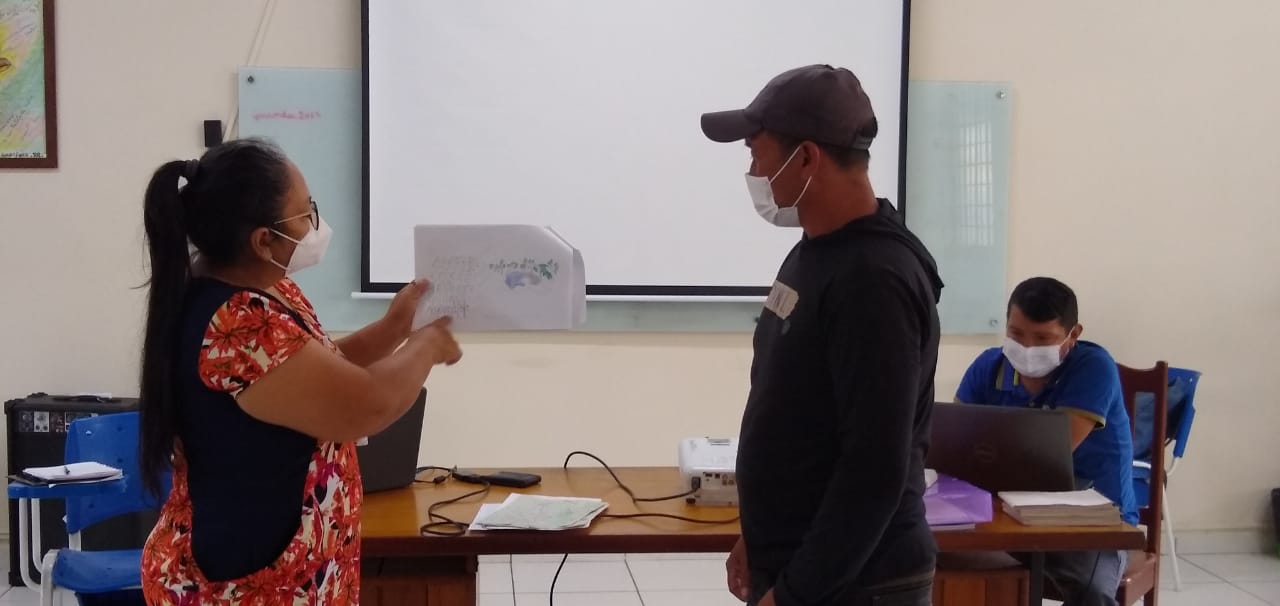
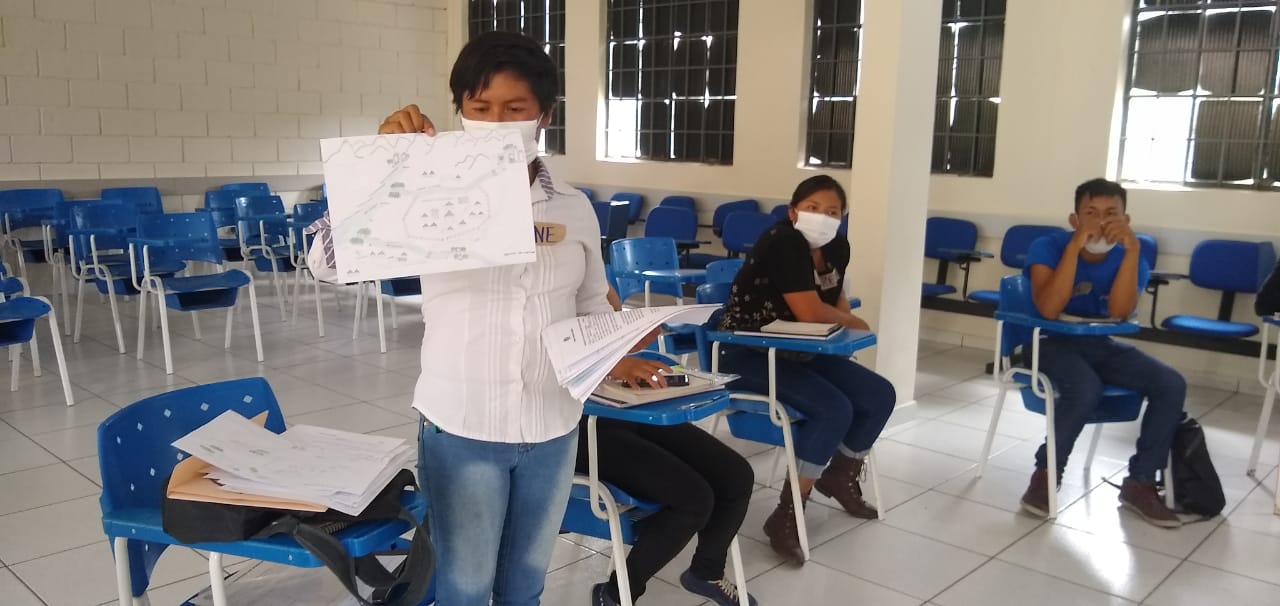
The Raposa Serra do Sol Indigenous Land is one of the largest in the State of Roraima, and the struggle for its demarcation was emblematic for Brazil and the world. Currently, there are five ethnoregions in the TIRSS: Raposa, Baixo Cotingo, Serras, Surumu and Ingarikó. Since 2011, the CIR has been carrying out these case studies of climate change in indigenous communities. The first case study was carried out in the Serra da Lua region.
The study, which is carried out with the ATAIs, is essential in the collection of information. The objective is to obtain a perception made by the indigenous people themselves, who are the researchers, who do the work of listening, feeling, looking, knowing together with the most experienced, with young people and women. It is a perception over 20 years, which aims to observe how it was 20 years ago in the communities and how it is currently being in social, cultural, ritual and sacred places, also involving the issue of climate change, and the theme of sustainability.
The coordinator of the DGTA, Sineia do Vale, from the Wapichana people, explains that this work was important for the elaboration of the Plan to Combat Climate Change, which is now part of the National Plan (PN) for Adaptation to Climate Change. She participated in several interfaces through the technical chamber of climate change with the Ministry of the Environment. Today, due to the pandemic, the work of the chamber is suspended, but the indigenous peoples continued in the field.
"We continue to discuss this in the Indigenous Committee on Climate Change in Roraima, which is a work that we have been doing with indigenous peoples, so that we have, in addition to the territorial management plans, the plan to combat climate change for indigenous peoples," he explained.
One of the participants in the workshop at the Prelature was Alan Melo, from the Macuxi people, Táxi II indigenous community, Surumu region. "We went out to research, explore and get to know the reality of our community in depth, I see a good job. There are many elders in our community who have lived through this event. It is very pleasant to get information about what is changing, because what has changed in the last 20 years, such as the growth of the population."
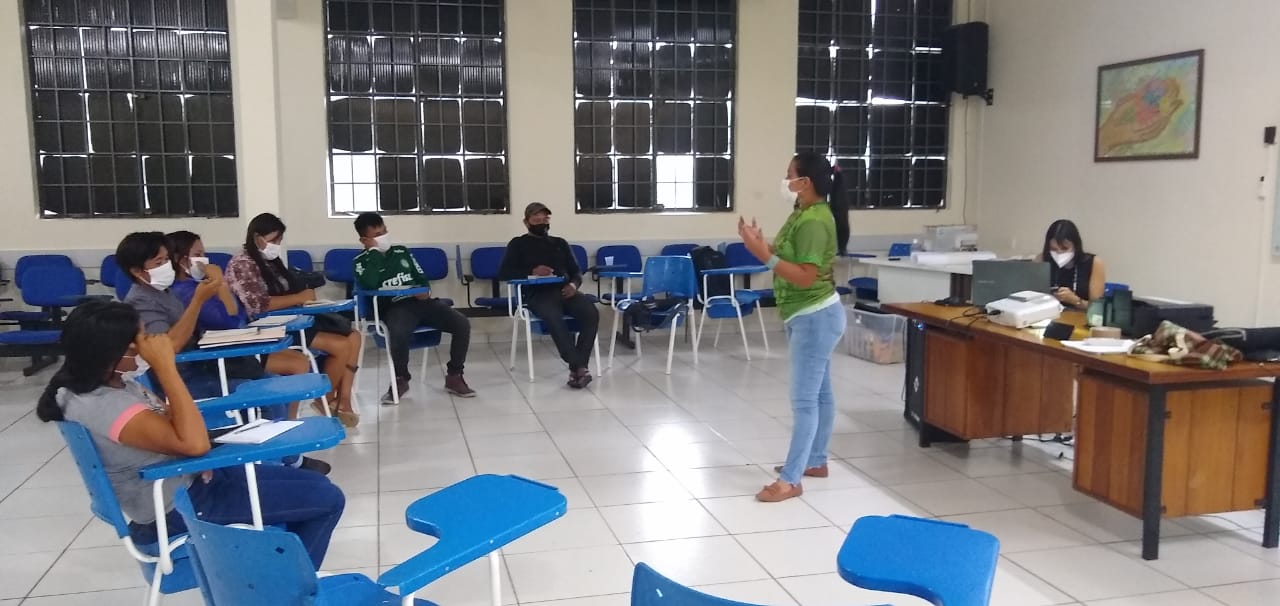
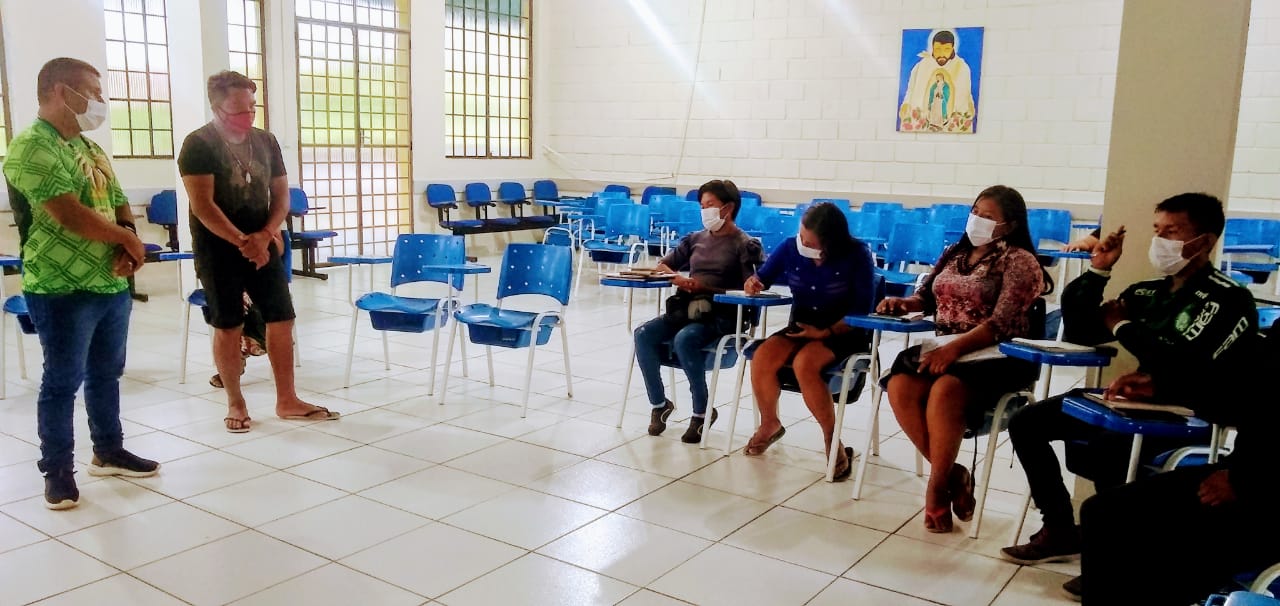
"The perception I had in the indigenous communities, in the center of the Serra region, is that the weather is no longer the same as before, in the communities the loss of seeds, hunting and fishing has also decreased a lot. There are communities that today live with little production of traditional seeds. The population in the communities has increased, it is growing and, thus, we are realizing that this weather has changed a lot, winter is no longer what it used to be, we realize that this climate has changed a lot for 20 years. The situation of these weather transformations there in the communities, the streams are dry, it no longer exists. And also deforestation, you can only make a garden in capoeira, there is no longer that large forest and, so we saw that it has changed a lot", described another participant of the workshop, Daiane da Silva, Macuxi, from the Piolho community, in the Serras region.
The activity also had the technical assistance of Alessandro Oliveira, doctor in anthropology. The general coordinator of the CIR, Edinho Batista, deputy coordinator, Enock Taurepang and the Secretary General of the Indigenous Women's Movement, Maria Betânia, were strengthening the participants. The action is supported by the Institute for Climate and Society (ICS).