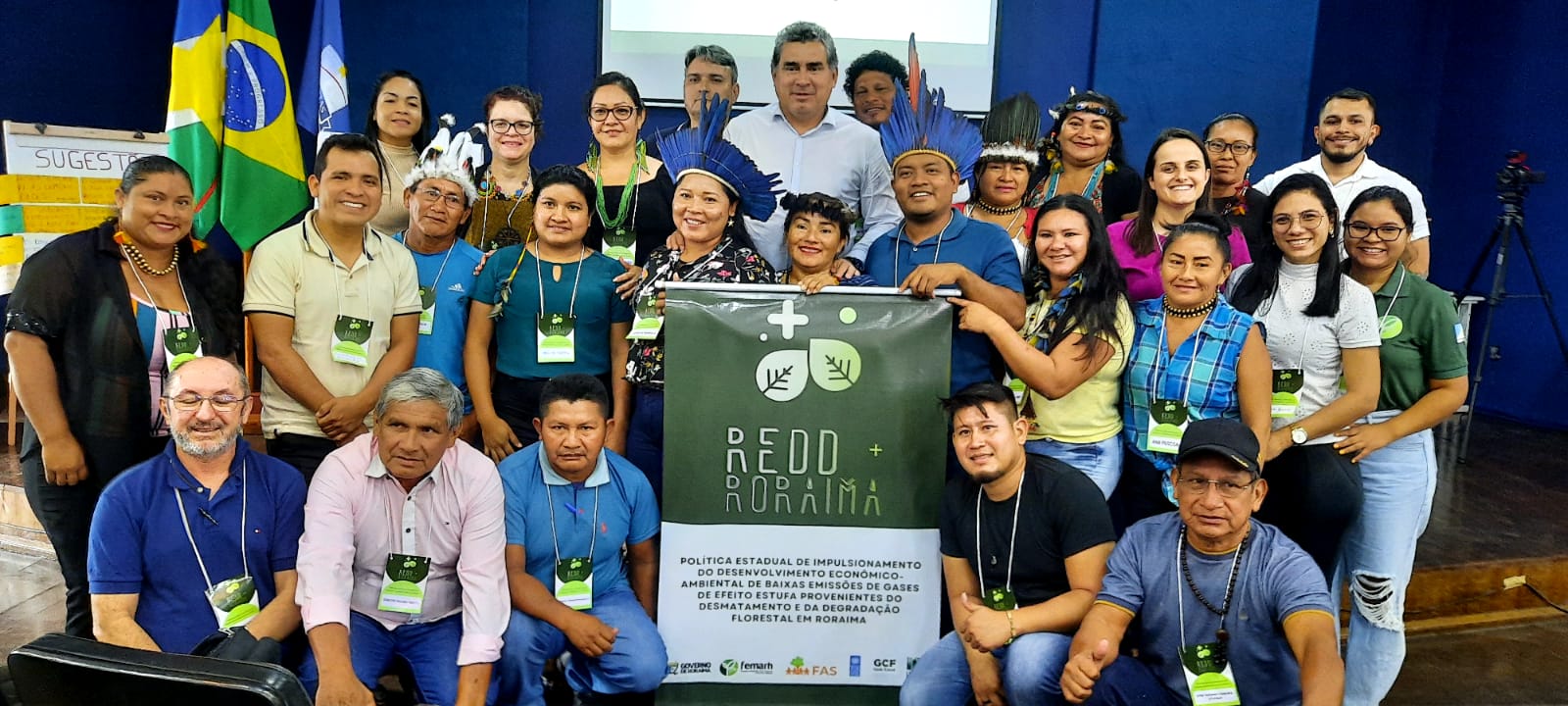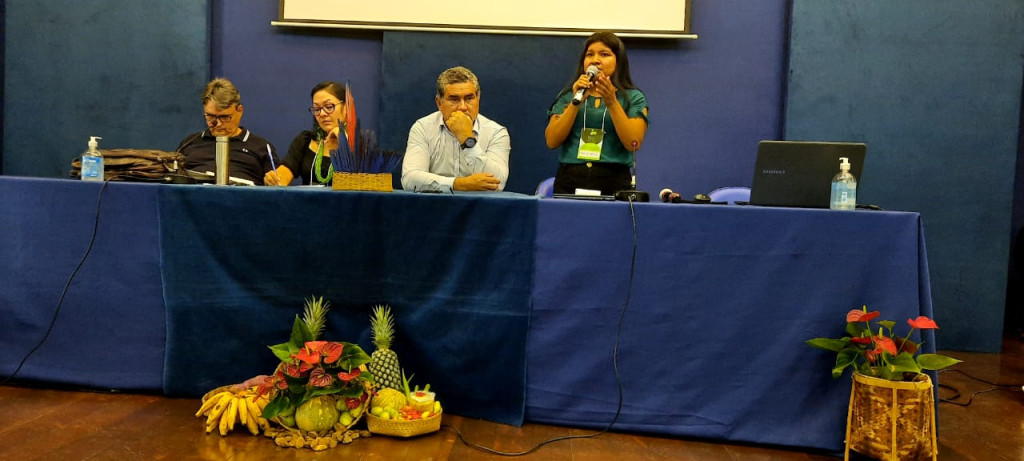
Through the exchange of traditional knowledge, suggestions, and clarifications, a workshop was held to discuss the state's low-emissions policy and to establish the indigenous thematic chamber of the REDD+ Roraima social working group. The event included the participation of indigenous organizations from the state.
Fátima André, advisor to the Department of Territorial and Environmental Management (DGTA) of the Indigenous Council of Roraima (CIR), participated in the debates and reinforced that the organization already develops actions focused on the issue of climate change, through the elaboration and implementation of Territorial and Environmental Management Plans (PGTAS) and case studies of climate change.
He cited as an example the case study on climate change conducted in the Serra da Lua region. The study is recognized worldwide for the contribution of indigenous peoples in addressing climate challenges.
The edition was presented by environmental manager and DGTA coordinator, Sineia do Vale, during the COP 28 conference, which took place in Bonn, Germany.
“CIR started looking for solutions and decided to conduct a case study in Serra da Lua together with the environmental department. Then they took the model to Raposa Serra do Sol and Amajari. All the demands of the communities are included in the case studies,” Fátima highlighted.
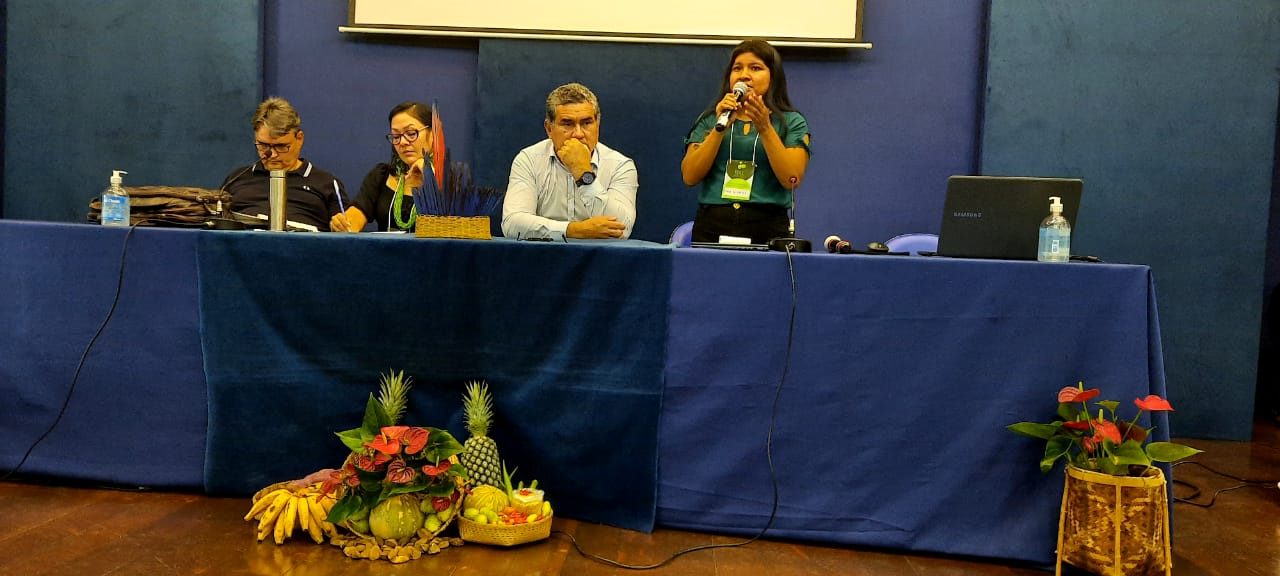
Advisor Fátima André
The global discussion about climate change is a concern that involves caring for the planet, global warming, and greenhouse gases. The effects of these changes are already being felt in the daily lives of indigenous communities, who experience the impact on planting crops, harvesting, and even fishing.
Representatives of indigenous organizations also expressed outrage regarding agribusiness, which has been destroying the Roraima savanna, polluting streams with pesticides, and encroaching on indigenous territories. They requested that the state government, as well as the federal government, take action on the matter.
About REDD+
REDD+ is a financial mechanism developed during global climate negotiations to financially reward developing countries for their results in reducing greenhouse gas emissions from deforestation and forest degradation, and conserving forest carbon stocks, sustainably managing forests, and increasing forest carbon stocks.
The workshops, promoted by the State Foundation for the Environment and Water Resources (Femah) and the State Secretariat for Indigenous Peoples, took place in the auditorium of the State University of Roraima (UERR), with the aim of proposing a state policy to boost economic and environmental development with low greenhouse gas emissions from deforestation and forest degradation in Roraima, in accordance with the decree of December 9, 2020.
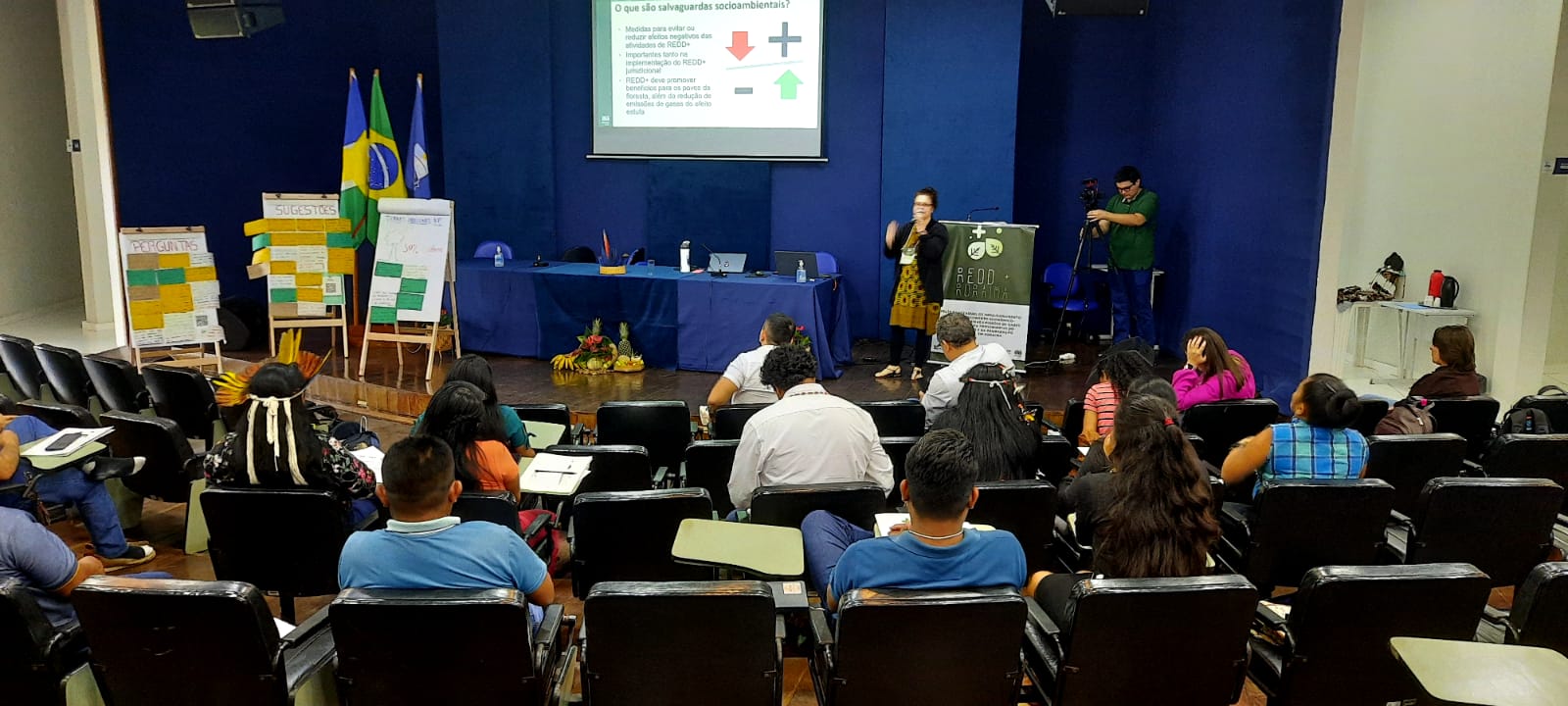
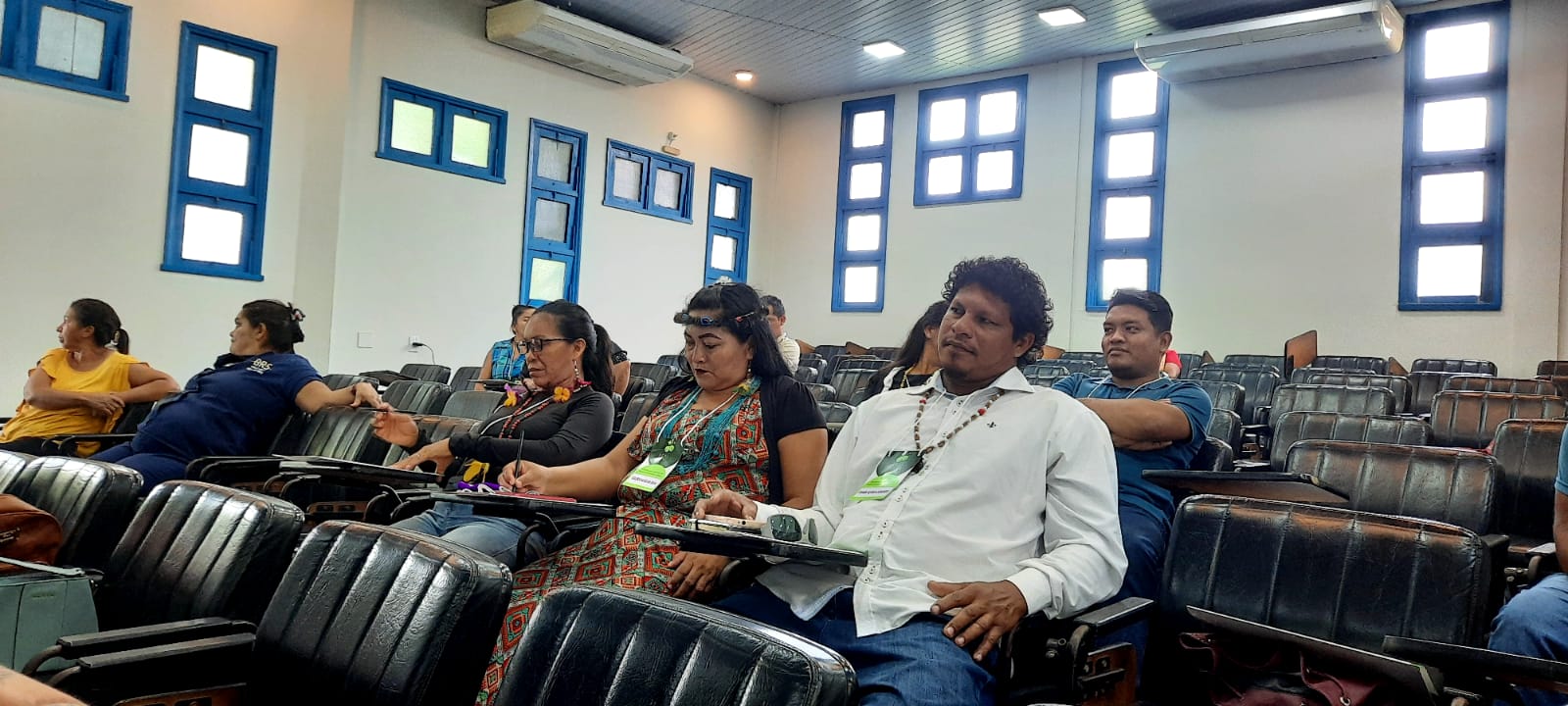
Indigenous Organizations
According to Femah's president, Glicério Fernandes, the institution's actions are based on dialogue and transparency. "We continue to respect indigenous peoples, without interfering in their culture and customs, which is why we are here listening to those who have much to contribute to everyone," he concluded.
"The consultant from the Sustainable Amazon Foundation, Stones Nascimento, collaborated in the process of building the state public policy. The meeting was productive, and the next step is to begin the training process so that people can effectively contribute to the state's public policy proposal for reducing deforestation. From now on, a work plan will be drawn up to begin the training process and the process of building this legal framework," said Stone.
The workshop to form the thematic chamber lasted all day. Indigenous peoples from eight organizations participated in the selection of representatives who will discuss the issue with the state and federal governments, as well as working groups from family farming, traditional peoples and communities, and organized civil society. The following was decided: TWN - Full Member / APIRRR - Alternate Member, CIR - Full Member
/KAMU KANDÃ- substitute,COPING-holder /ODIC-substitute,OMIR -holder/DENNIS SANNAU -substitute
COP-28, the global climate change event, will take place in Dubai in November, and once again, indigenous peoples, the greatest guardians of the forest, will be present with their traditional knowledge and wisdom.