
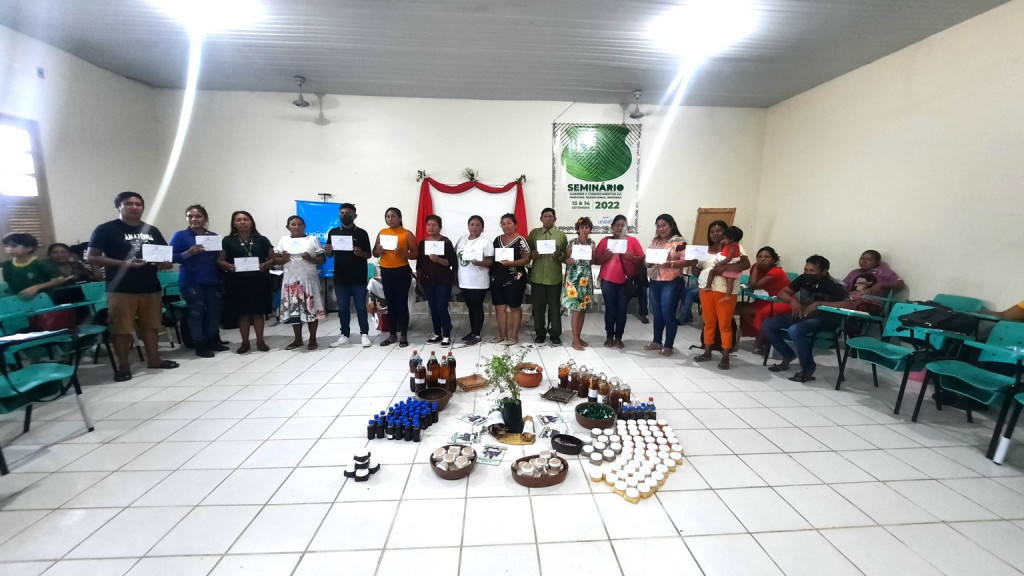
The Indigenous Council of Roraima (CIR) in partnership with the United Nations Children's Fund (UNICEF) and funded by the European Union Civil Protection and Humanitarian Aid, organized on September 13 and 14 the Seminar on Traditional Knowledge and Knowledge of Traditional Indigenous Medicine, at the State Center for the Training of Education Professionals of Roraima (CEFORR) in Boa Vista.
The objective is to strengthen the knowledge and knowledge of traditional indigenous medicine, in addition to showing the potential that home remedies have for the cure and recovery of various diseases, and especially how communities used traditional medicine for the cure and recovery of Covid_19, when there was no pharmaceutical medicine.
The secretary of the Indigenous Women's Movement, Maria Betânia, from the Macuxi people, considered the moment of strengthening and important of traditional medicine among the regions. "The seminar that was organized, prepared for them. Thank the regions with their participants who were able to reach the seminar. The production of traditional medicine itself strongly at the grassroots, and we can never forget, because it is part of our culture, our values. I saw a lot of production and I congratulate those who arrived at the seminar with their productions".
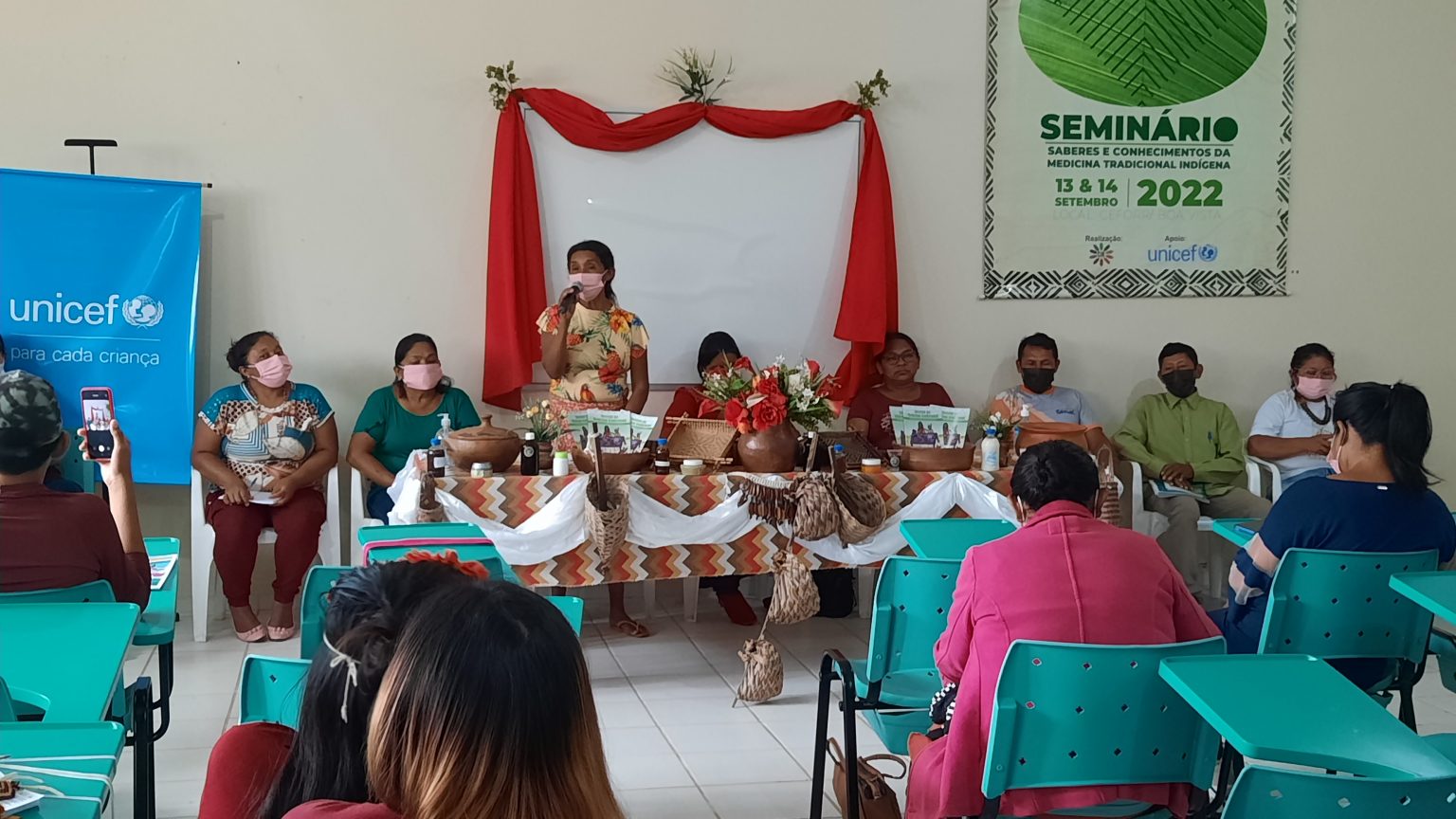
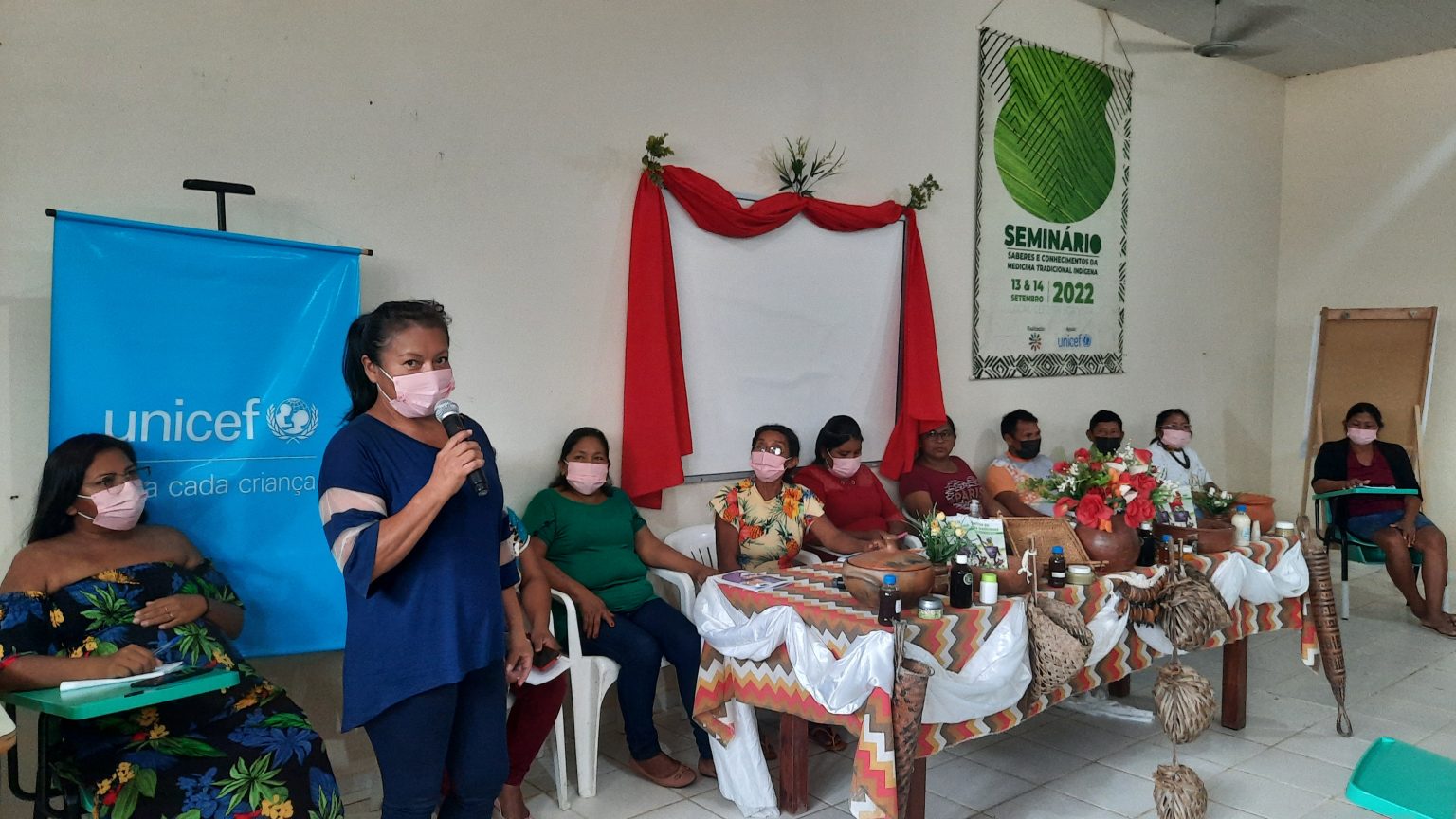
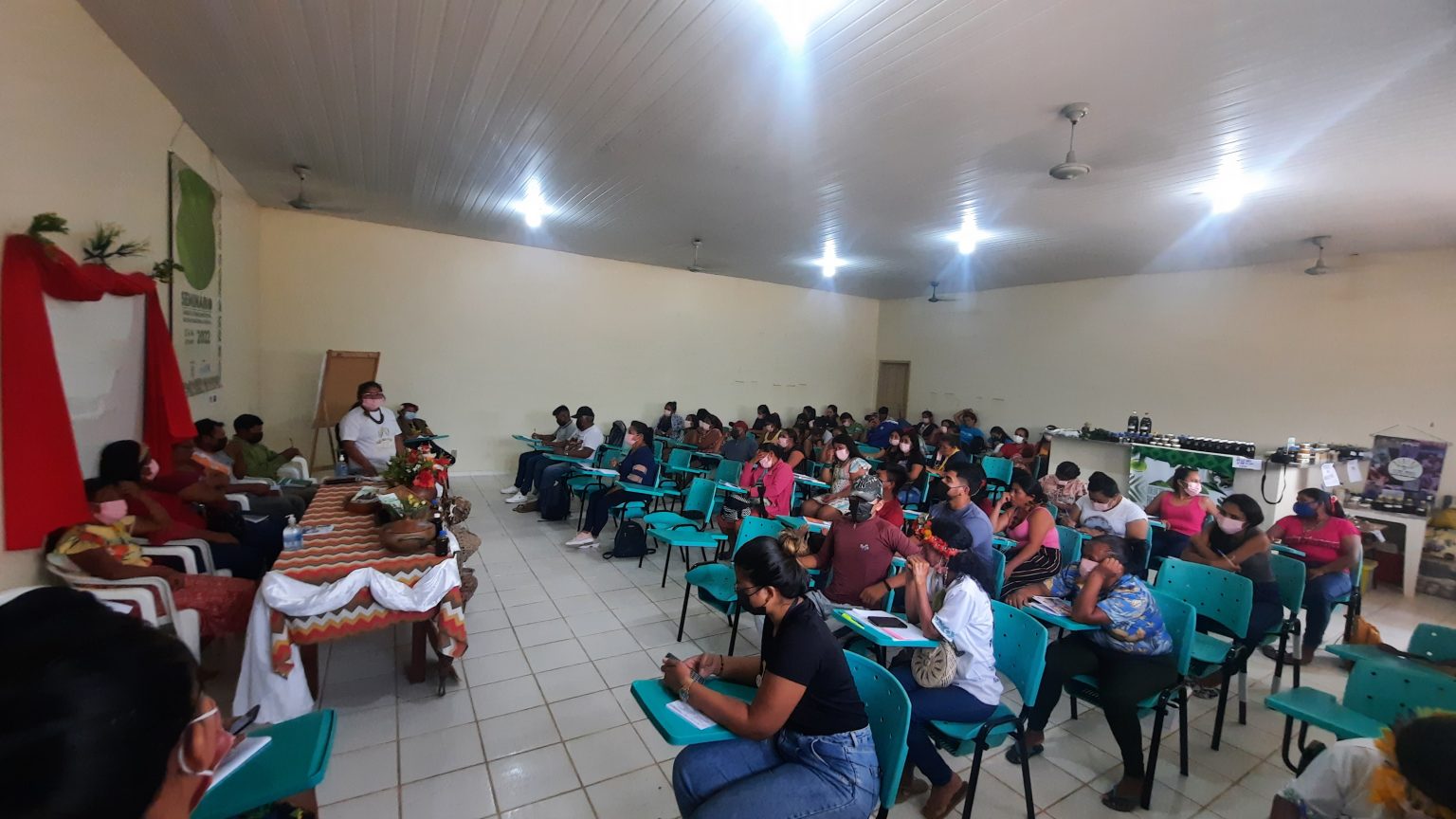
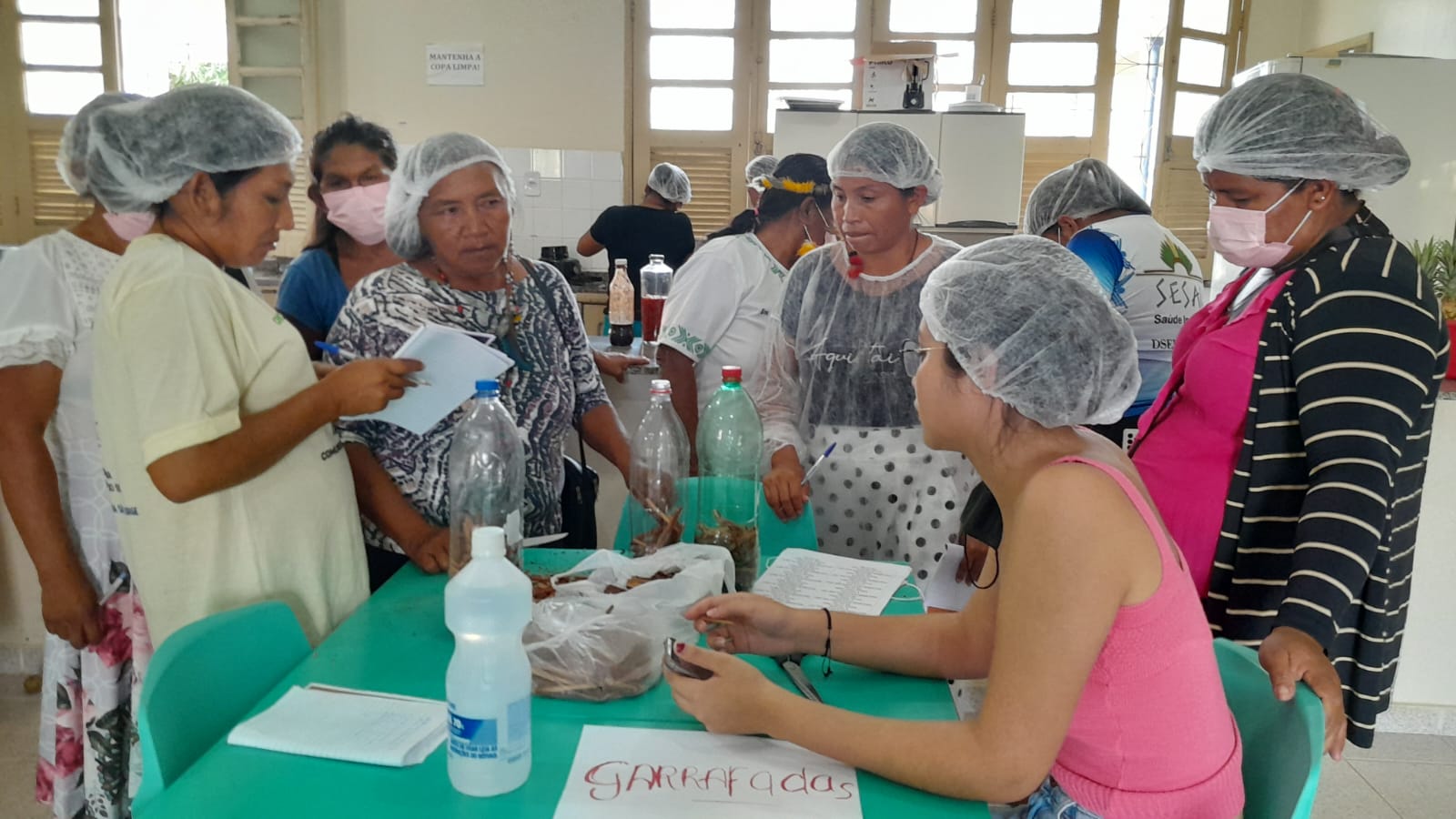
During the two days, the debates were on: the Exchange of Knowledge and Knowledge of Traditional Medicine, with the regional coordinators and the Indigenous Health Agents (AIS) of the regions. The Working Group held debates on the following topics: Importance of valuing traditional indigenous medicine and the perspective for the future, challenges faced in the pandemic and the production of medicine in the face of COVID-19. Importance of translating the Booklet into the mother tongue Makuxi and Wapichana, with interpreters Joice Wapichana and Tereza Pereira Macuxi.
Keila Wapichana is from the Murupu Region, she is the current coordinator of traditional medicine. She recalled the uses of Herbs in the pandemic to save lives, and that in August the region held the traditional medicine workshop with the support of the CIR. "Our herbs in the pandemic have been used constantly to save lives in our communities. The demand has been great in the search for traditional medicines, in the community and region. There are non-indigenous people looking for medicines. Traditional medicines are distributed in health centers. We have a vegetable garden and traditional medicine house in the Serra da Moça Region, our work has been done together with our tuxauas and the health team", explained Keila.
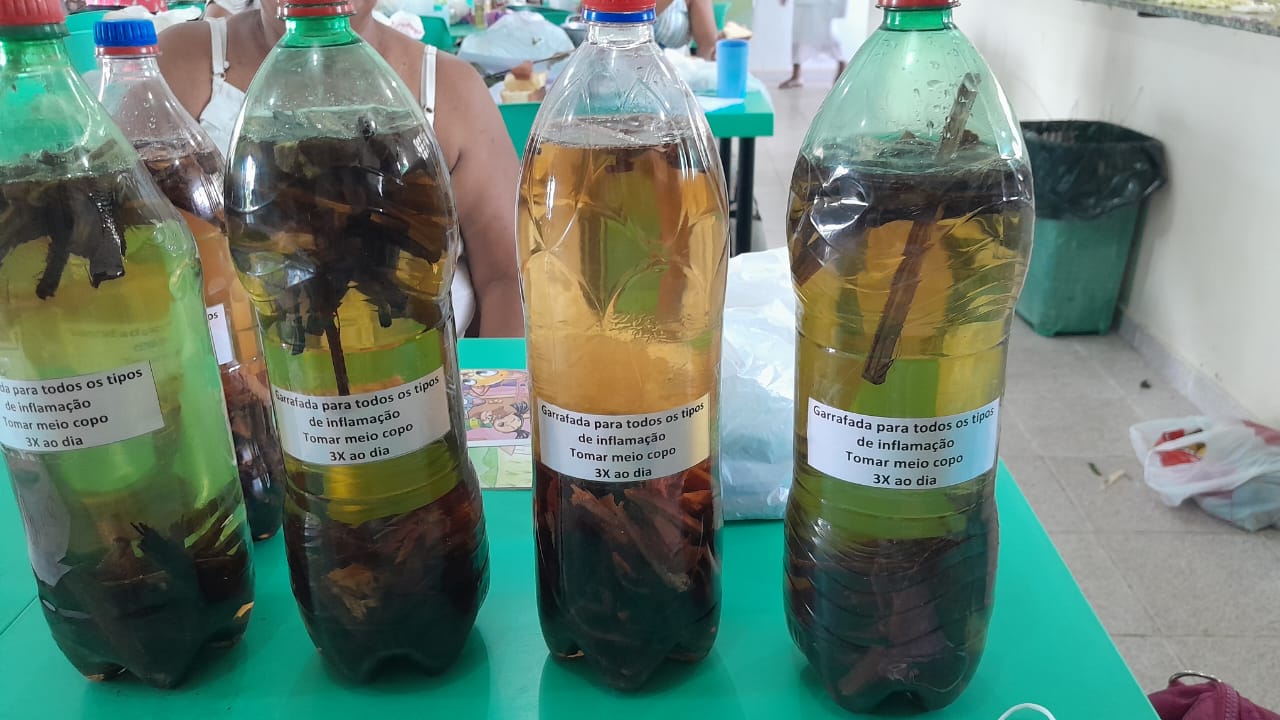
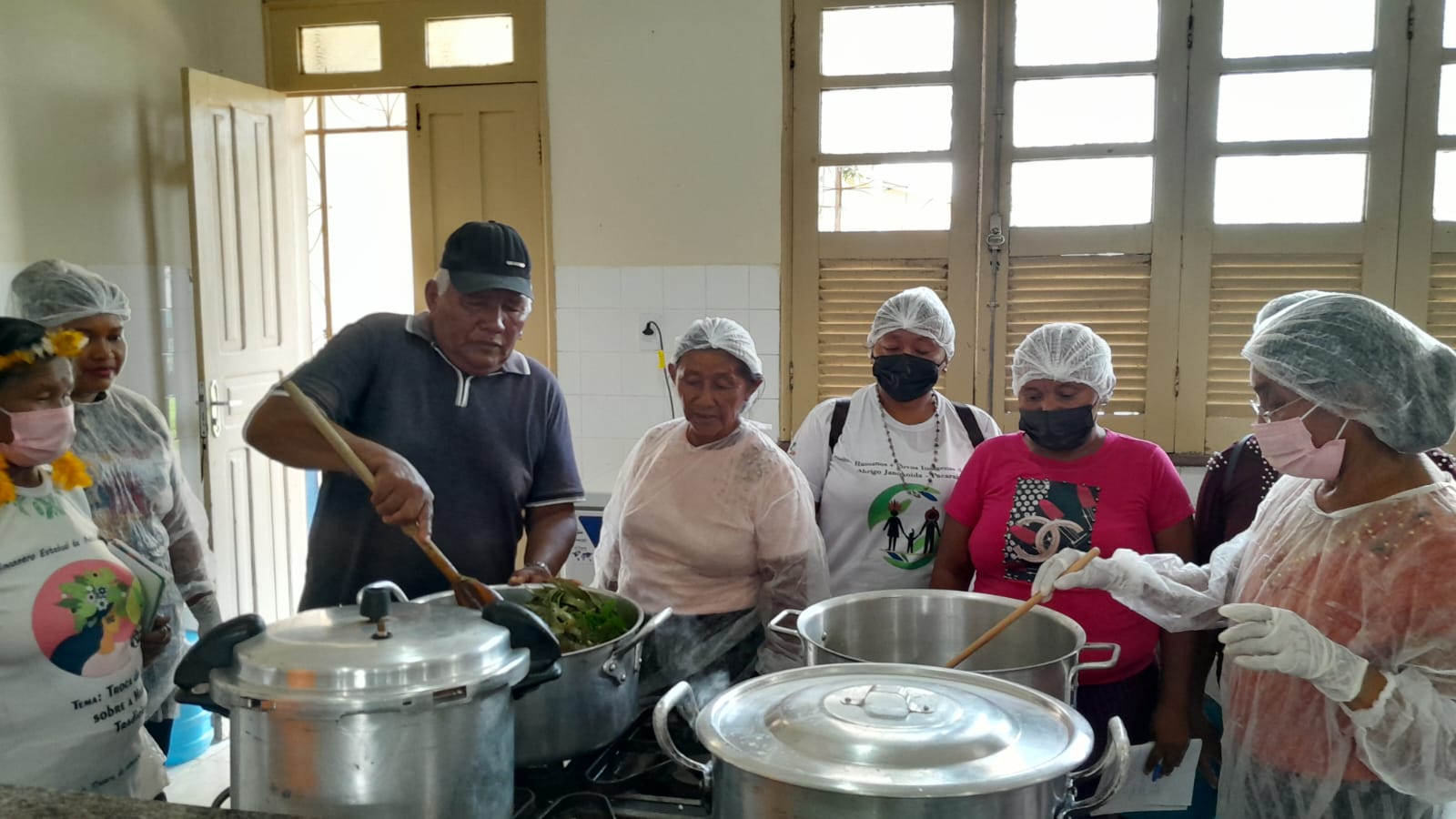
Ivan Tucano came to contribute with his experience at the Amazonas Traditional Medicine Center. He said that the Center serves 8,7000 people with traditional medicine. And this is of great value to indigenous peoples. For non-indigenous peoples, it is an alternative for healing.
"We indigenous people are great experts and researchers, now we are facing COVID-19 and no one knows what will come next. We showed the world that we have our medicine, it is valid as any and all other medicine, we have to show this society that our knowledge is valid and we value all our traditional knowledge. Our practices of manipulating plants have been dormant and now we have resumed again for this new challenge, that from these workshops we will produce books and videos and show the world that our knowledge is still alive".
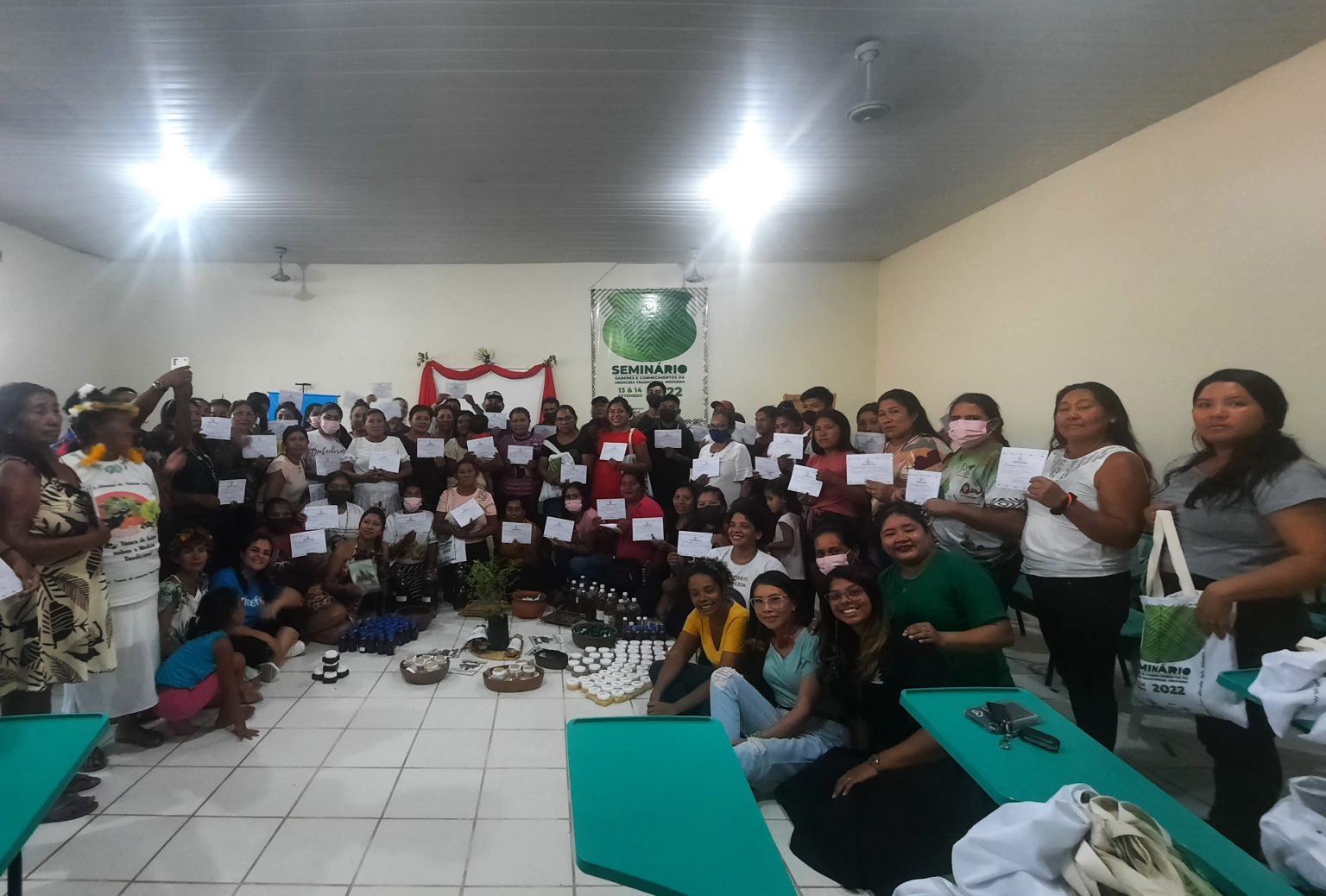
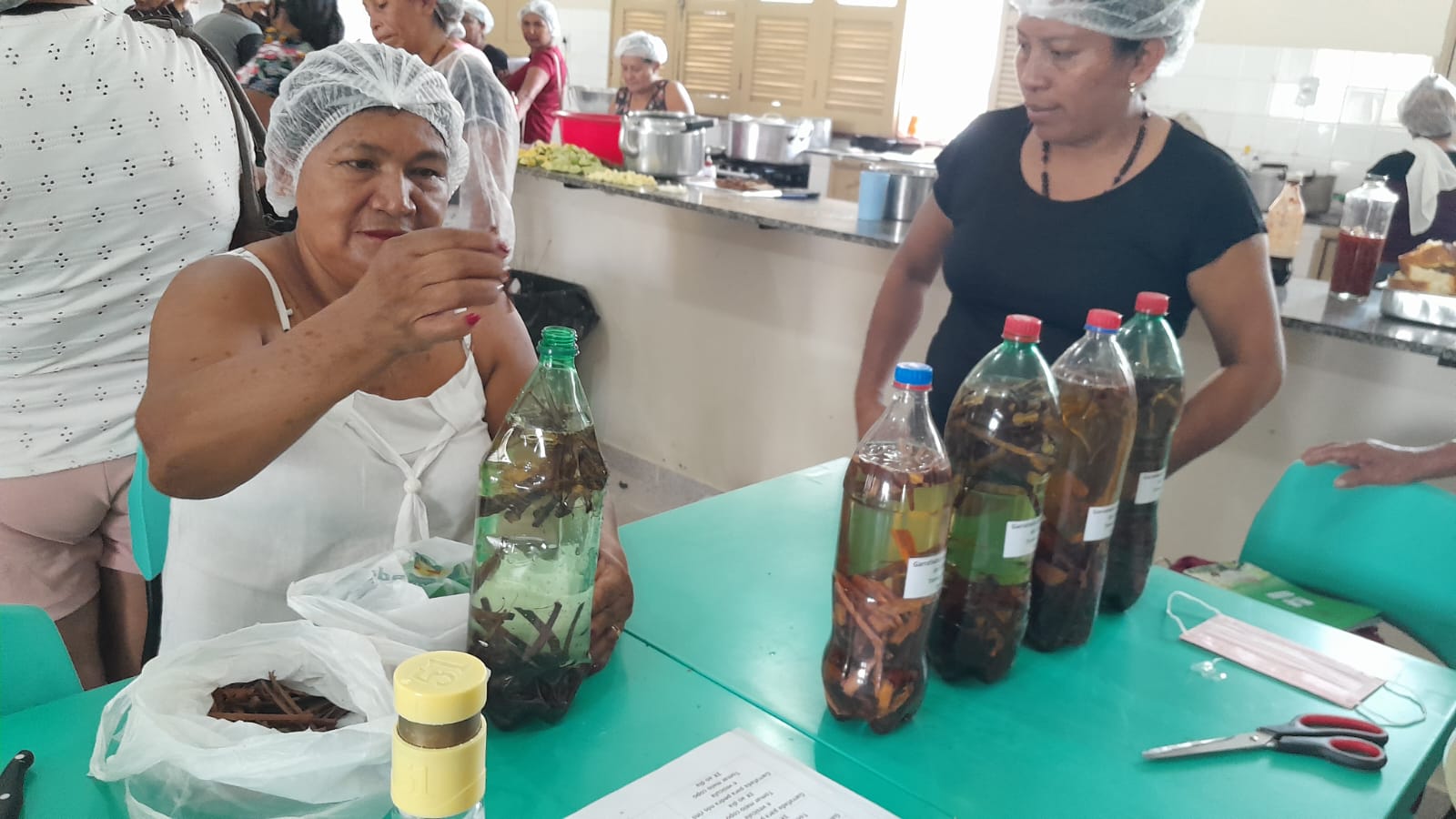
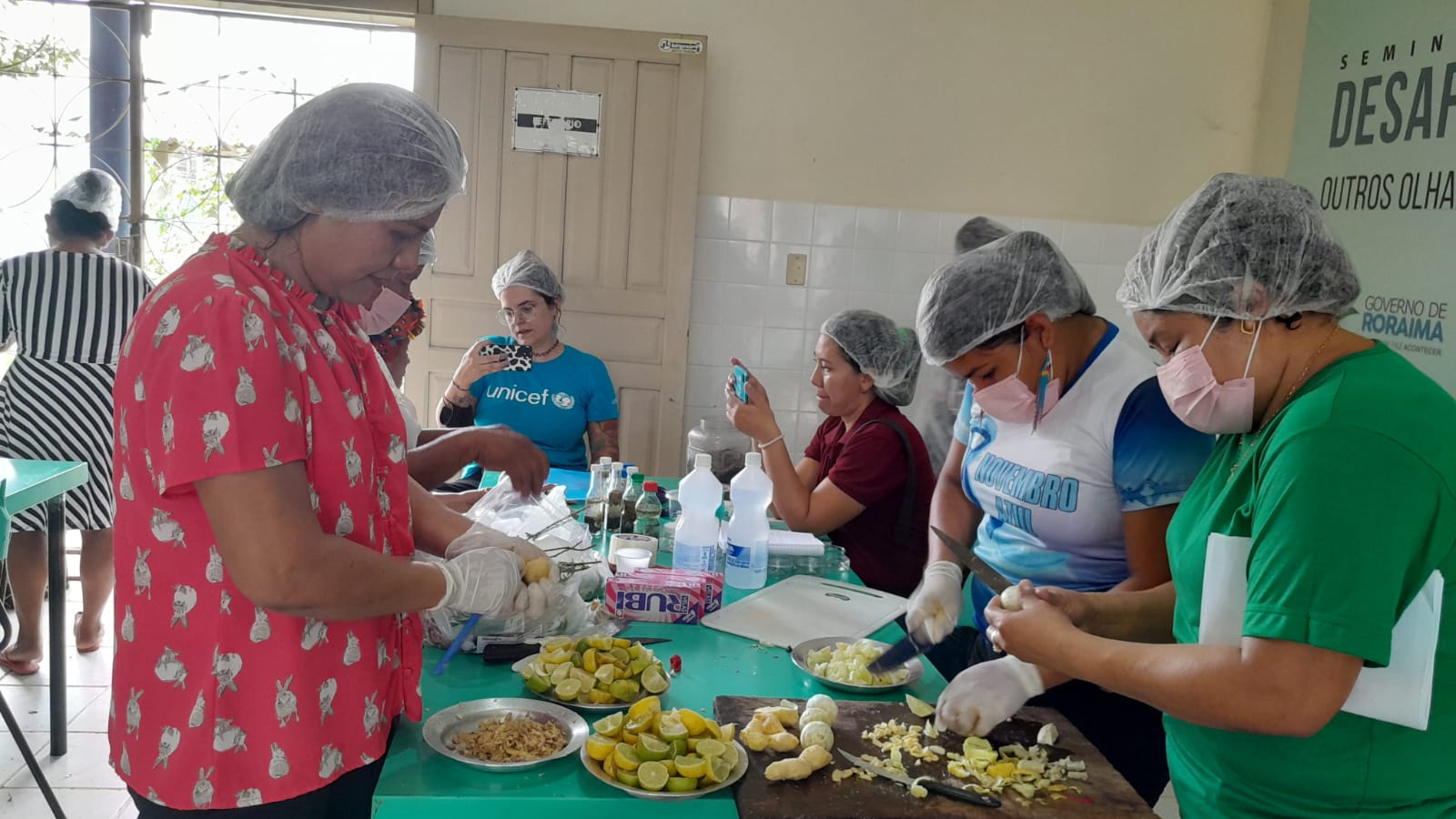
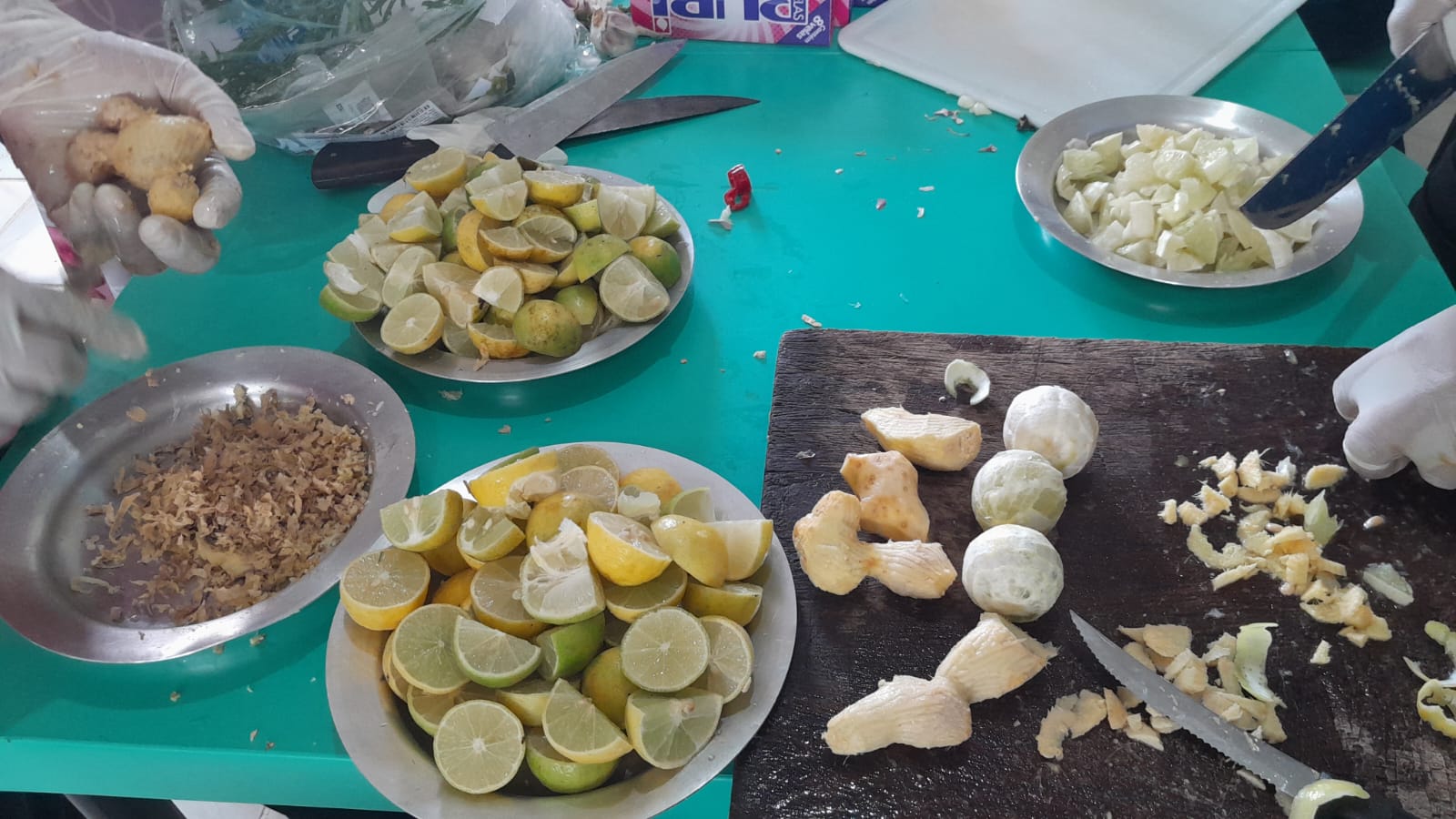
The program had more than 80 participants. There was a demonstration of the production of ointments and syrups. And then there was the presentation of the productions. At the end of the program, participants from the Surumú, Serras, Raposa, Murupú, Amajarí, Serra da Lua, Tabaio, Baixo Cotingo, Alto Cauamé, Wai-Wai, and the peoples of the Wapichana, Macuxi, Warao and Wai Wai and São Marcos peoples received certificates. Two coordinators were also chosen to do an exchange at the Amazonas Traditional Medicine Center