
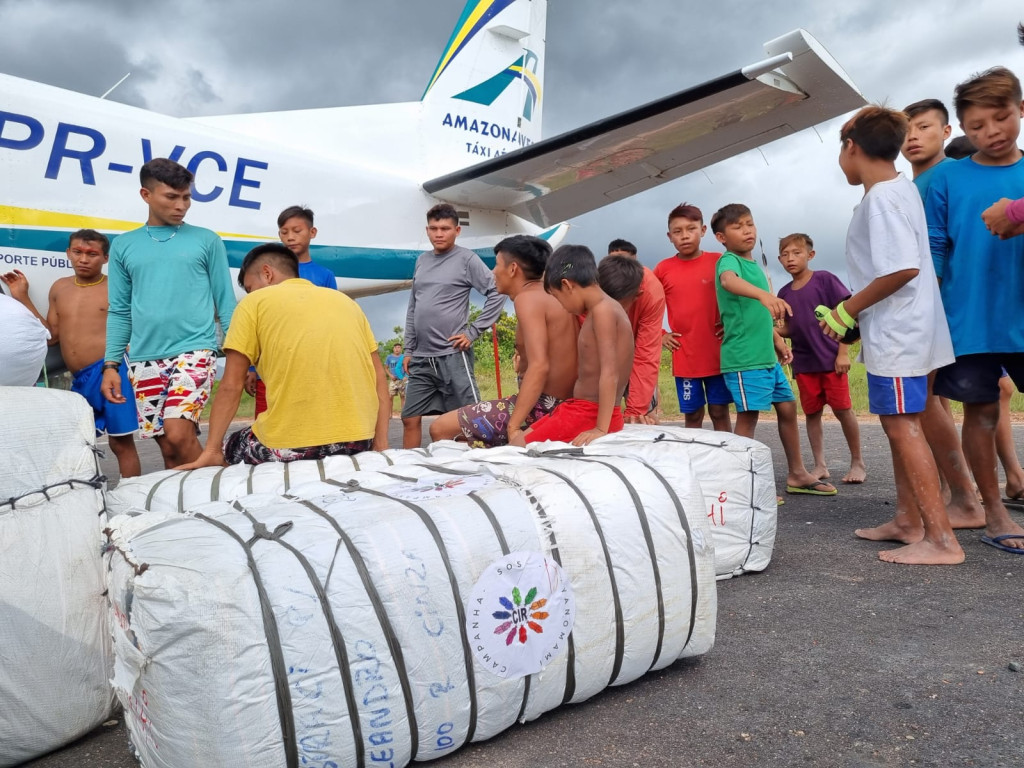
The emergency supplies delivered are part of the SOS Yanomami Campaign.
For the first time, the Emergency Support team coordinated by the Indigenous Council of Roraima (CIR) was in the Yanomami territory, in the Surucucu region, to monitor the delivery of supplies acquired through the SOS Yanomami Campaign, which began in December 2022, with the aim of contributing to the humanitarian crisis of the Yanomami people.
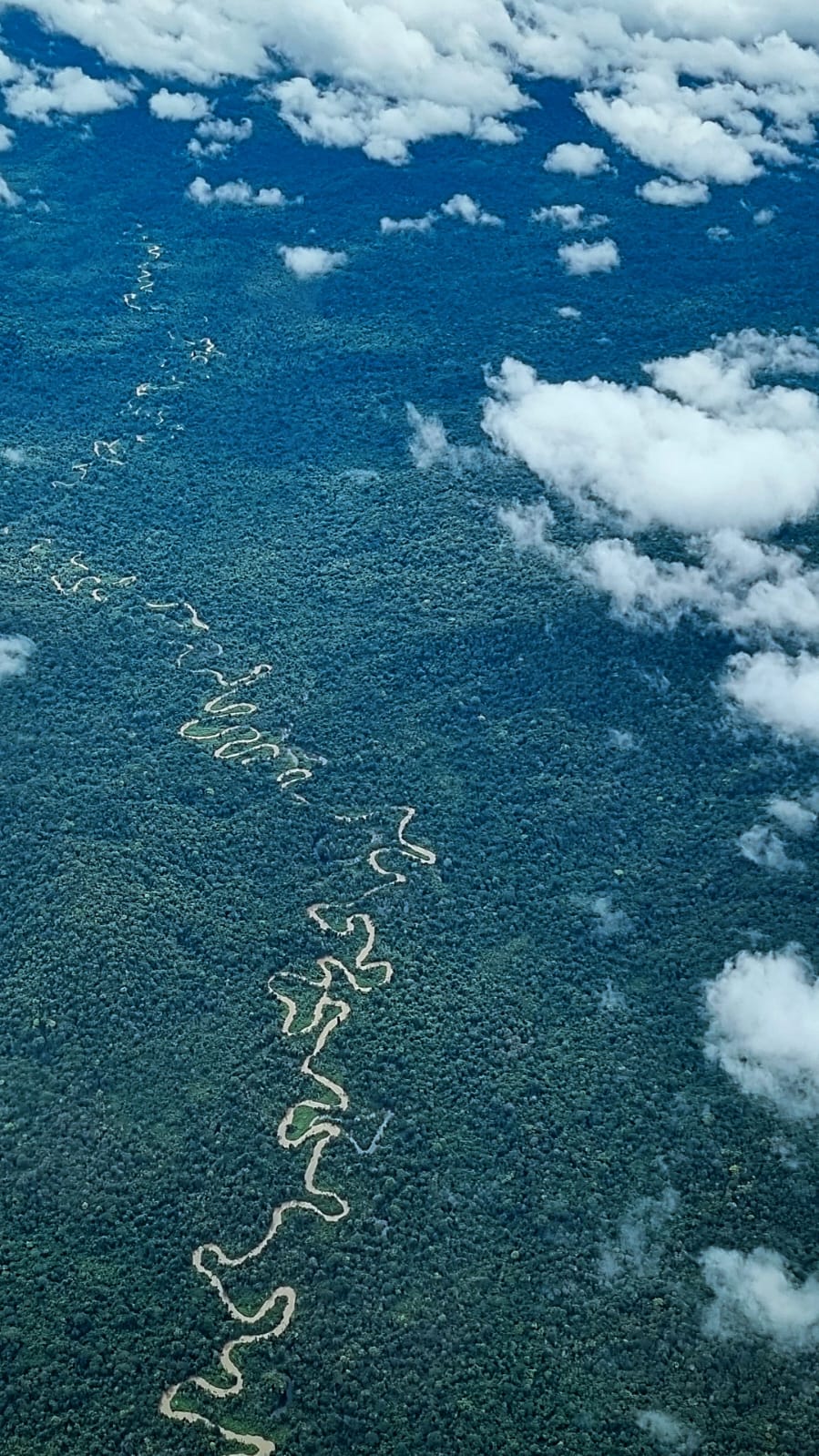
At the invitation of the Yanomami Association (Urihi), Vanessa Ribeiro, responsible for the emergency action at the CIR, and journalist Márcia Fernandes represented the organization in this unprecedented action that took place in May. Logistics were handled in partnership with the Yanomami Special Indigenous Health District (DSEI Yanomami) through the Yanomami and Yekuana Indigenous Health District Council (CONDISI-Y). The flight to the Surucucu base in the Yanomami Indigenous Territory lasted approximately 1 hour and 15 minutes. From above, images revealed a landscape threatened by illegal mining, with drastic consequences for health, such as the illness of Yanomami children, youth, adults, and elders, victims of the ills caused by the invaders.
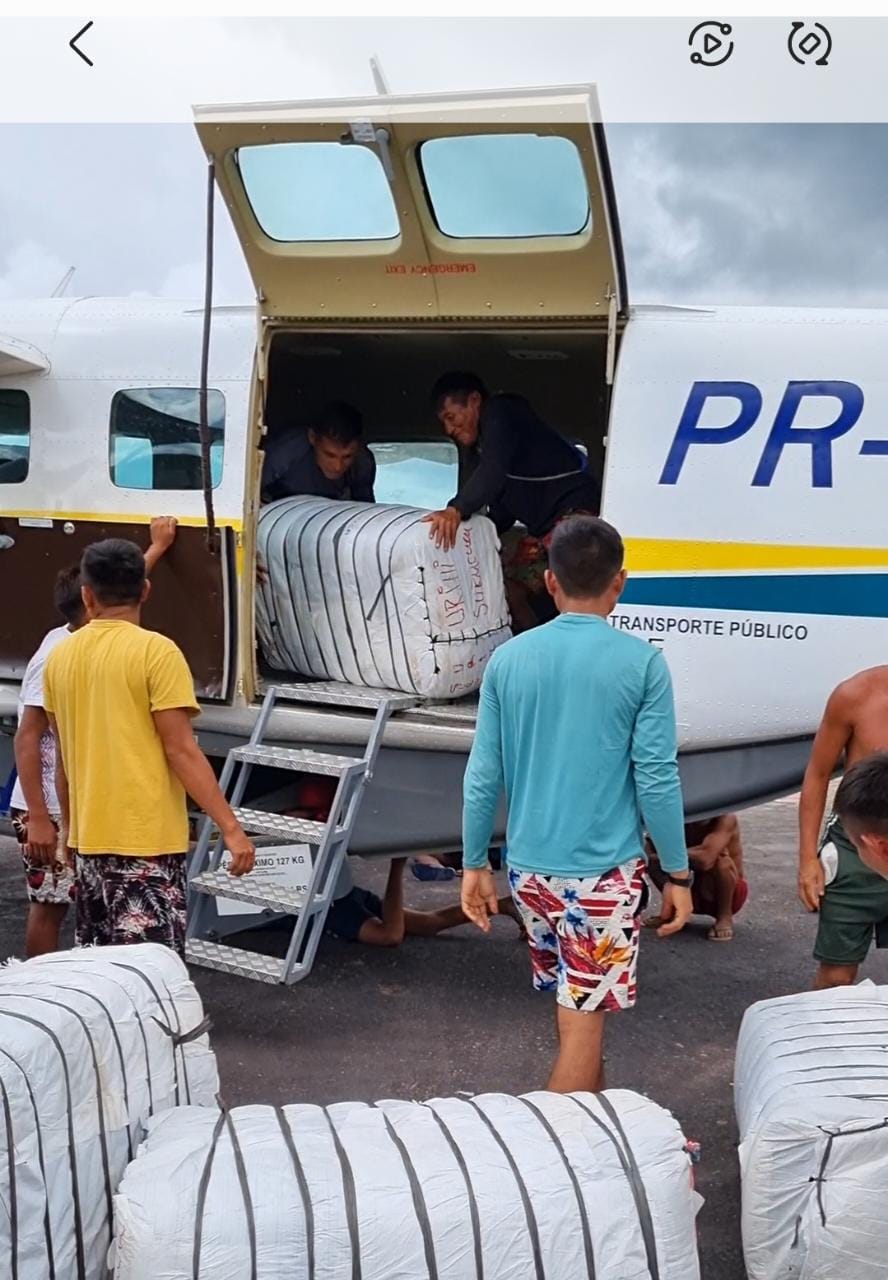
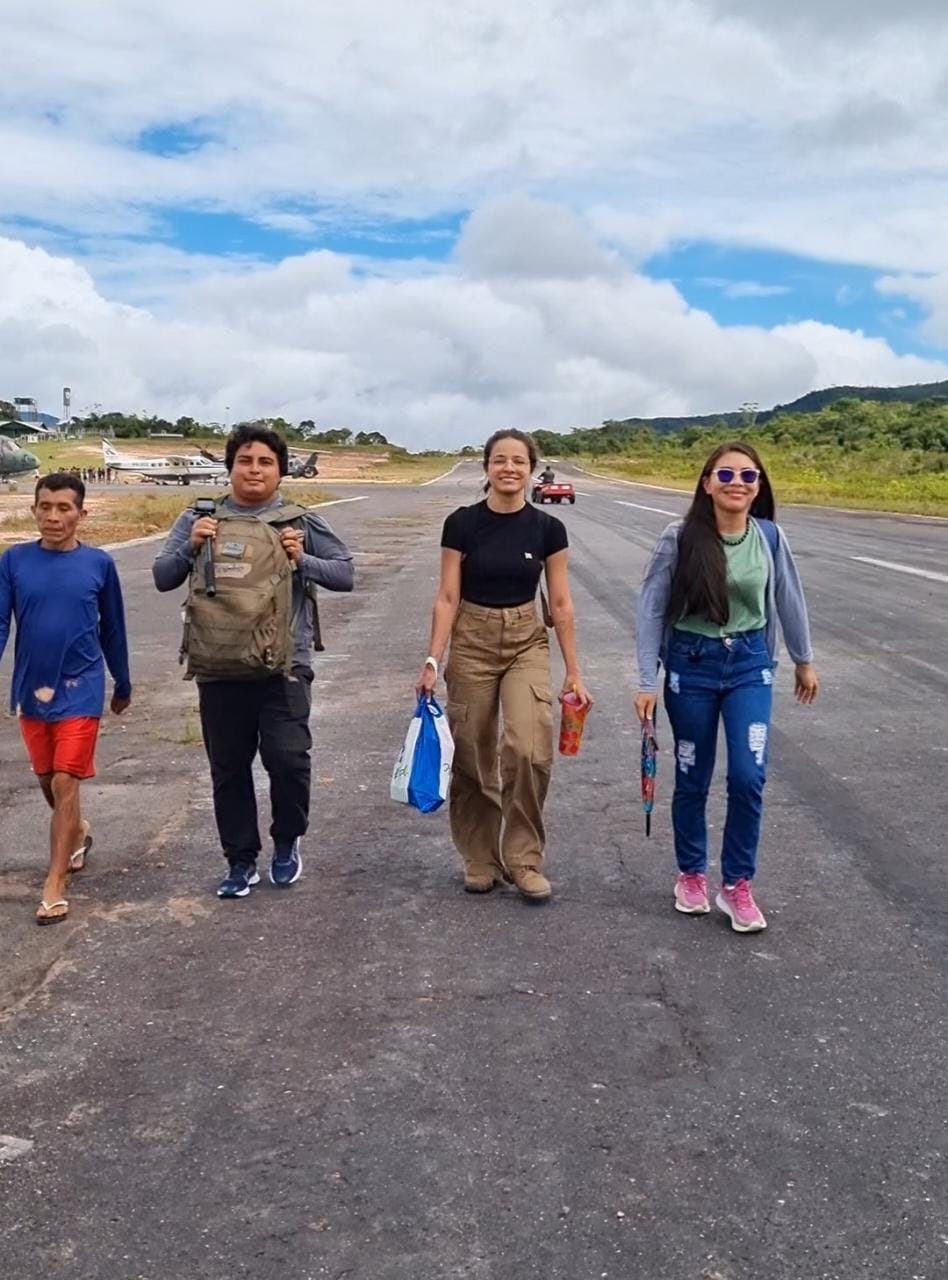
At the invitation of the Yanomami Association (Urihi), Vanessa Ribeiro, responsible for the emergency action at CIR, and journalist Márcia Fernandes represented the organization in this unprecedented action that took place in May. Photos: Márcia Fernandes: ASCOM/CIR
The arrival in Yanomami territory with the supplies was a relief, and the difficulties in getting there and the necessary conditions for access showed the complexity of this assistance. To get the supplies for the campaign, two flights were needed to transport the items due to the large volume of cargo. The items were taken to the health post with the help of an ATV used to transport cargo arriving in the Indigenous Territory.
Several families were waiting for the delivery of the items. Some had walked for days through the forest to receive the donation. "There are families here who walked for four days on foot through the forest," reported Junior. Around a house, the Yanomami gathered, excited and anxious to receive the supplies. Before making the deliveries, the president of Urihi, Junior Hekurare, explained in the Yanomami native language that the hammocks, sheets, and mosquito nets were donated by CIR, purchased through the SOS Yanomami campaign.
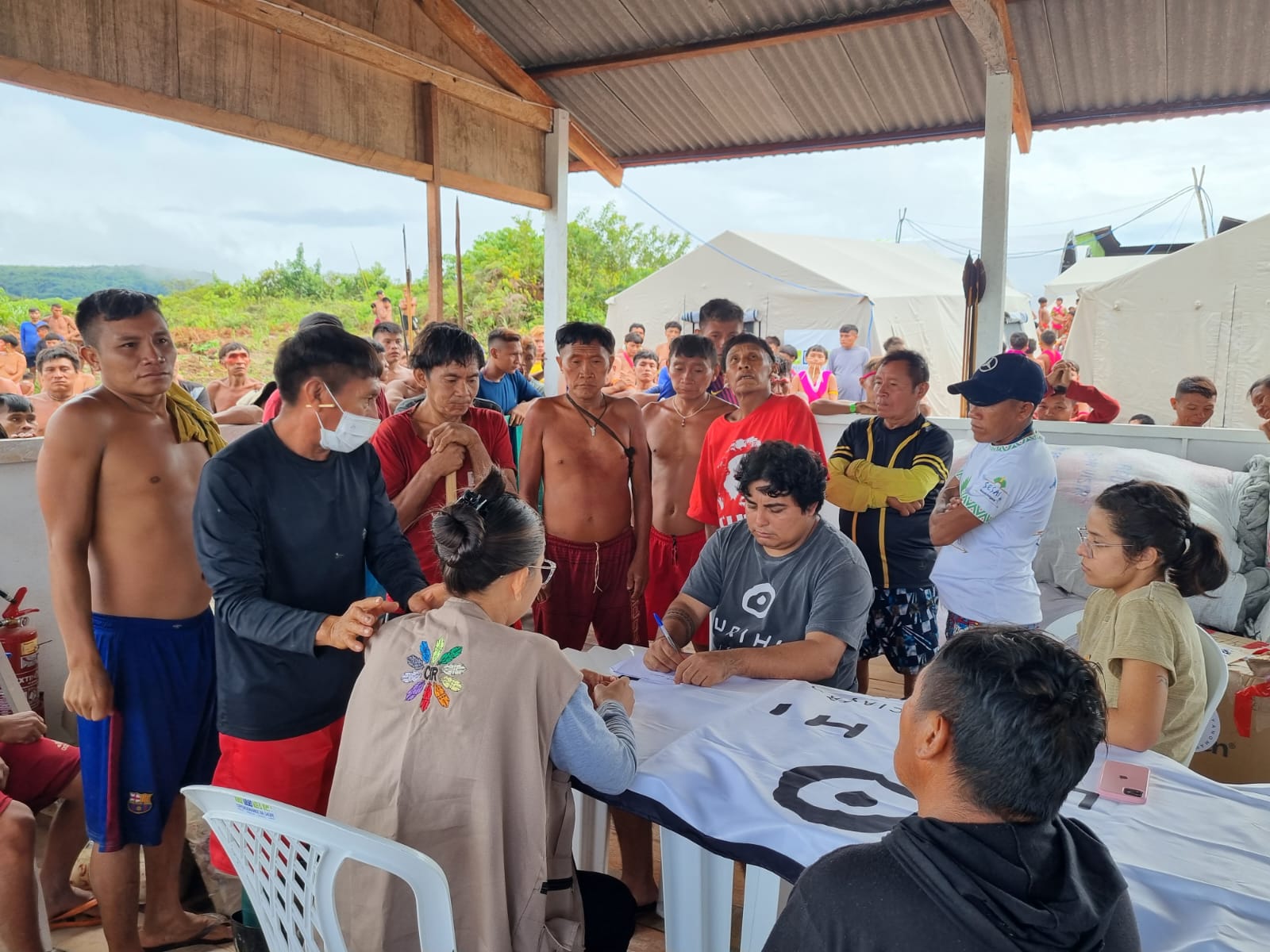
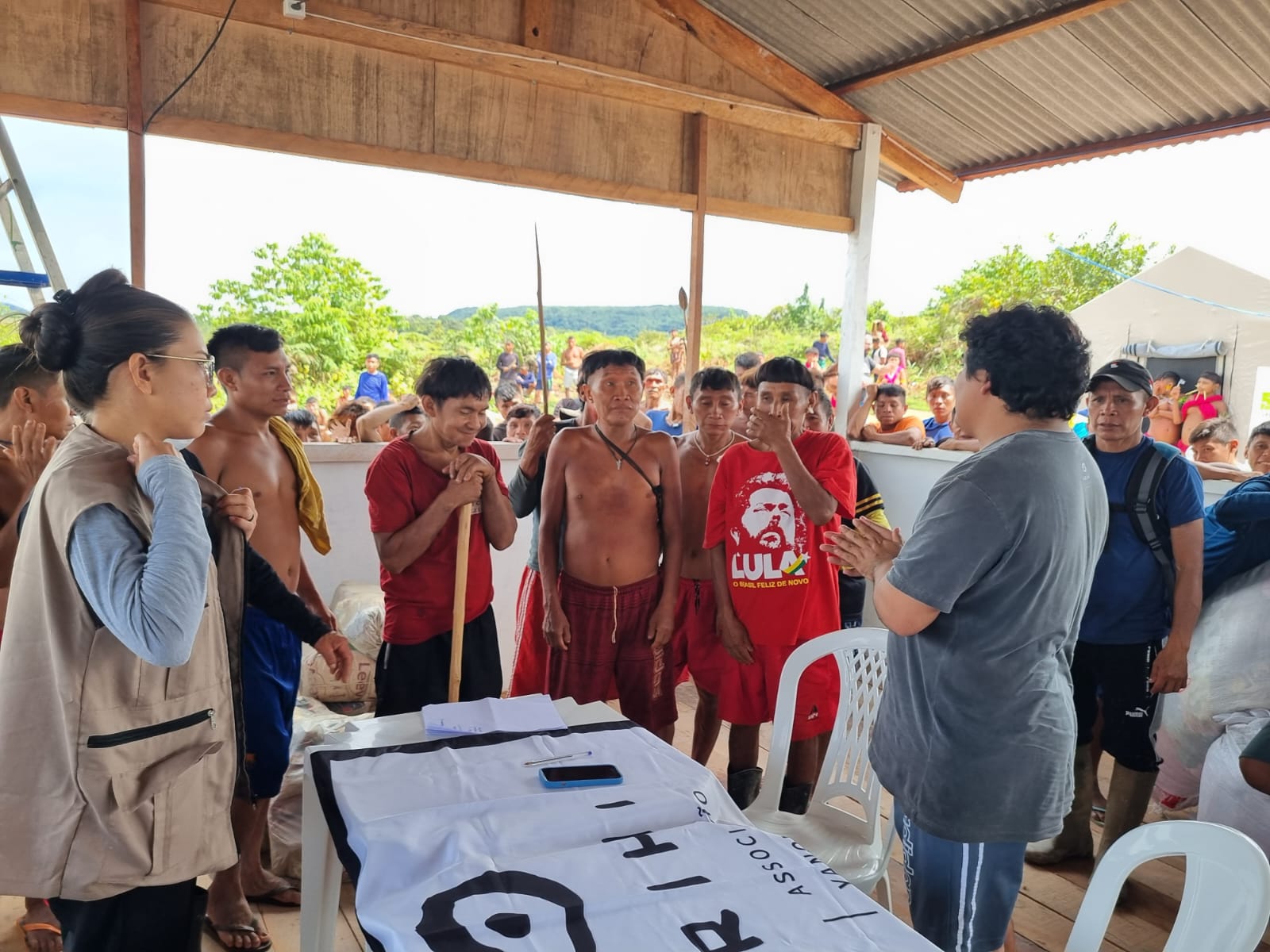
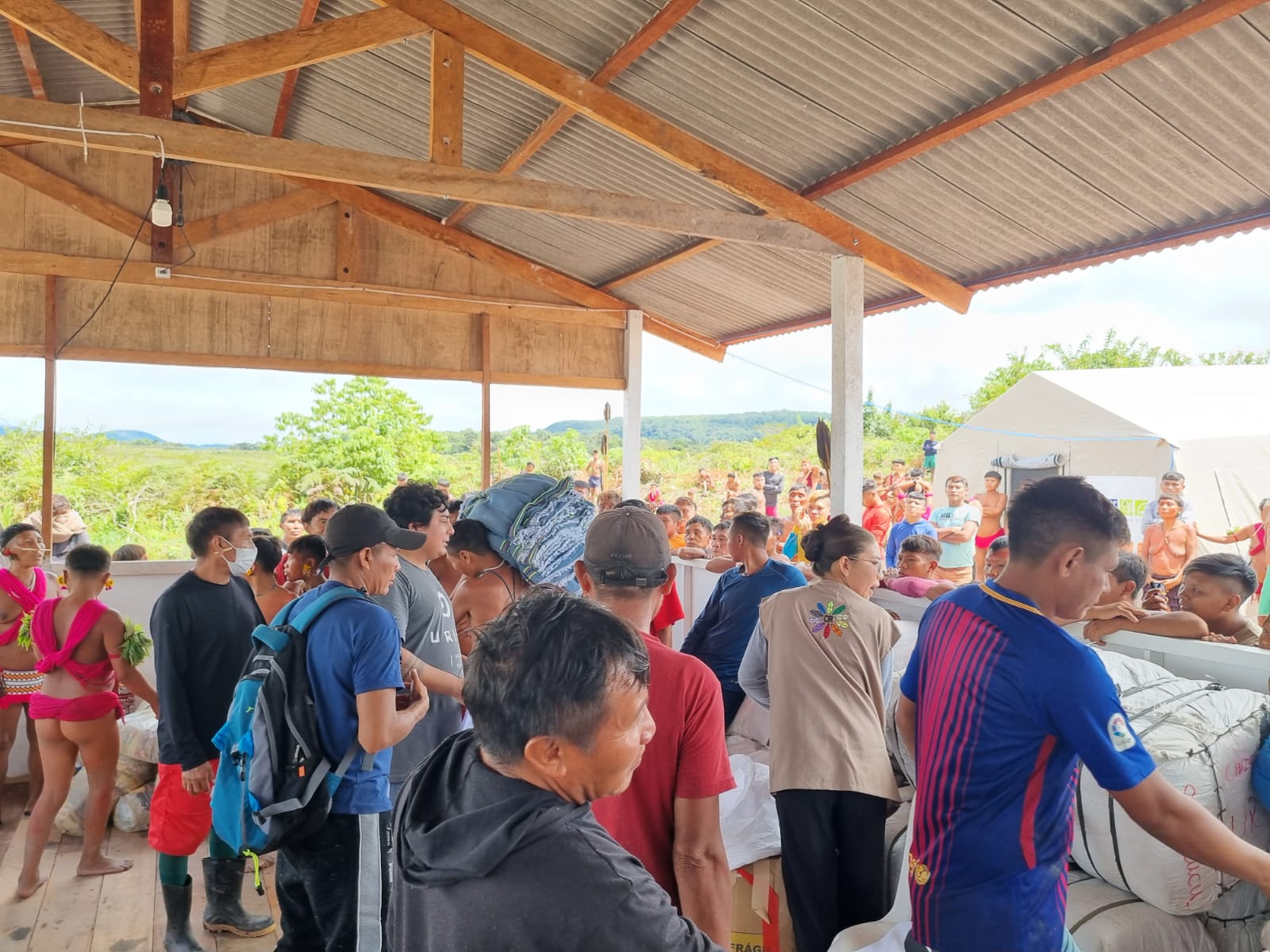
For the first time, the Emergency Support team coordinated by the Indigenous Council of Roraima (CIR) was in the Yanomami territory, in the Surucucu region, to oversee the delivery of supplies acquired through the SOS Yanomami Campaign. PHOTOS: Márcia Fernandes. ASCOM/CIR
In total, 600 hammocks, 600 mosquito nets, 100 packages of wool, and 300 fishing hooks were delivered to families in the Surucucu region. On this occasion, Vanessa, coordinator of Emergency Support since 2020, reinforced the importance of CIR's presence in the Indigenous Territory.
“For the first time, we are here in the Surucucu region. Not only to make deliveries, but also to see firsthand, feel, and witness the reality of the Yanomami people. CIR has been running this campaign since December 2022, and we have already assisted hundreds of families in the regions of…”CIR delivers three tons of food supplies to the Surucucu and Ajarani regions in the Yanomami Indigenous Territory."Ajaraní, Auaris, Palimíu, Budu with food, medicine, hygiene kits, tools, and other materials," Vanessa recalled.
The healthcare service structure - Surucucu base center
Journalist Márcia Fernandes, from the Wapichana people, accompanied the trip and, for three days, experienced firsthand the reality lived by the Yanomami and the health professionals working in the area. Interviewing Rosiclebson Saboia, the nurse in charge of the Surucucu Base Camp, she was able to see how services are being provided there. The nurse reported that, due to the emergency situation in the Yanomami indigenous territory, the Surucucu camp has become a high and medium complexity base. It functions as a hospital, supporting basic health units, where health teams from the Indigenous Health Secretariat (SESAI), the National Health System (SUS) national force, Expedicionários da Saúde (EDS), the Oswaldo Cruz Foundation (FIOCRUZ), the Fiocruz Support Foundation (FIOTEC), and other institutions work.
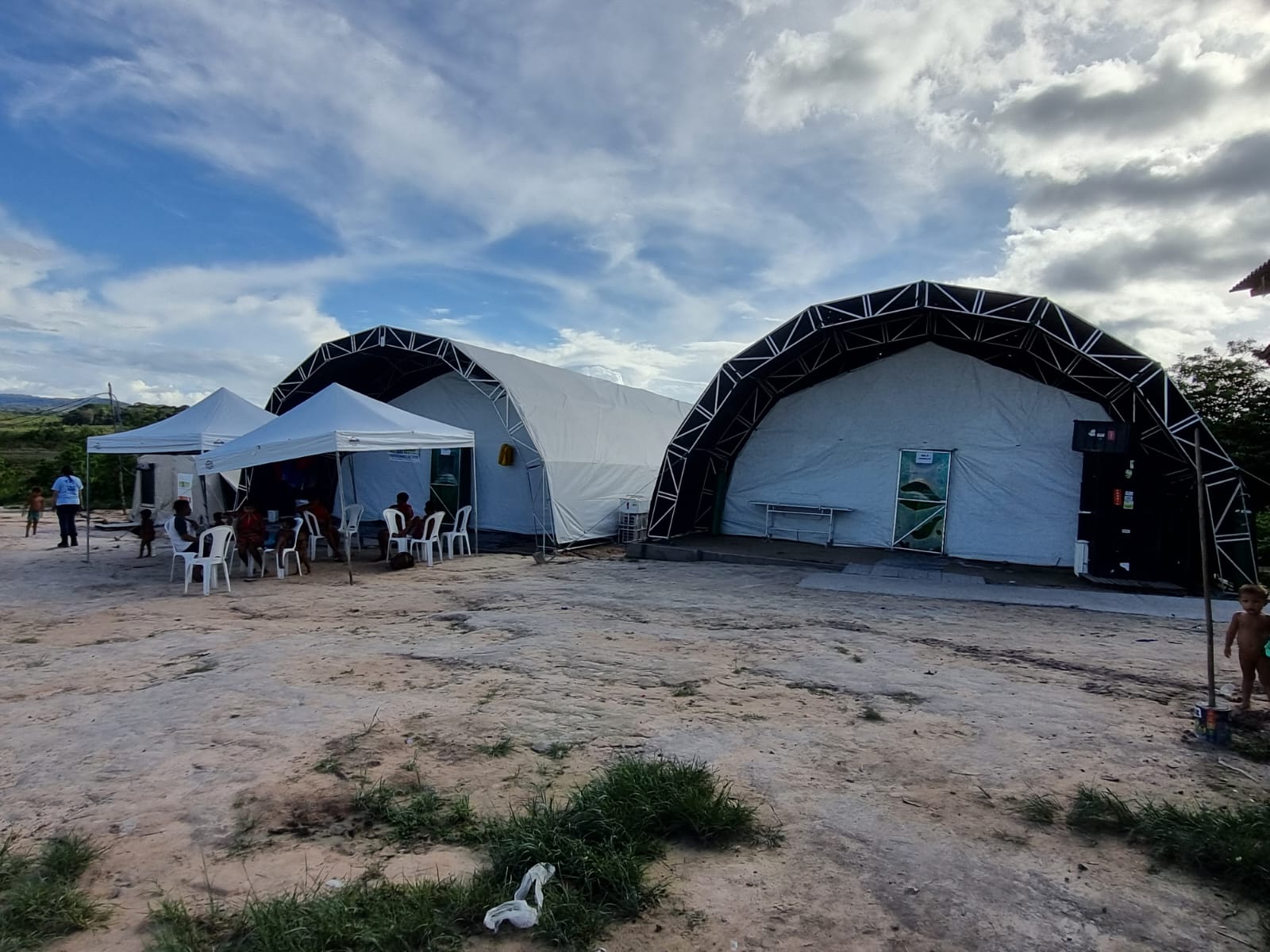
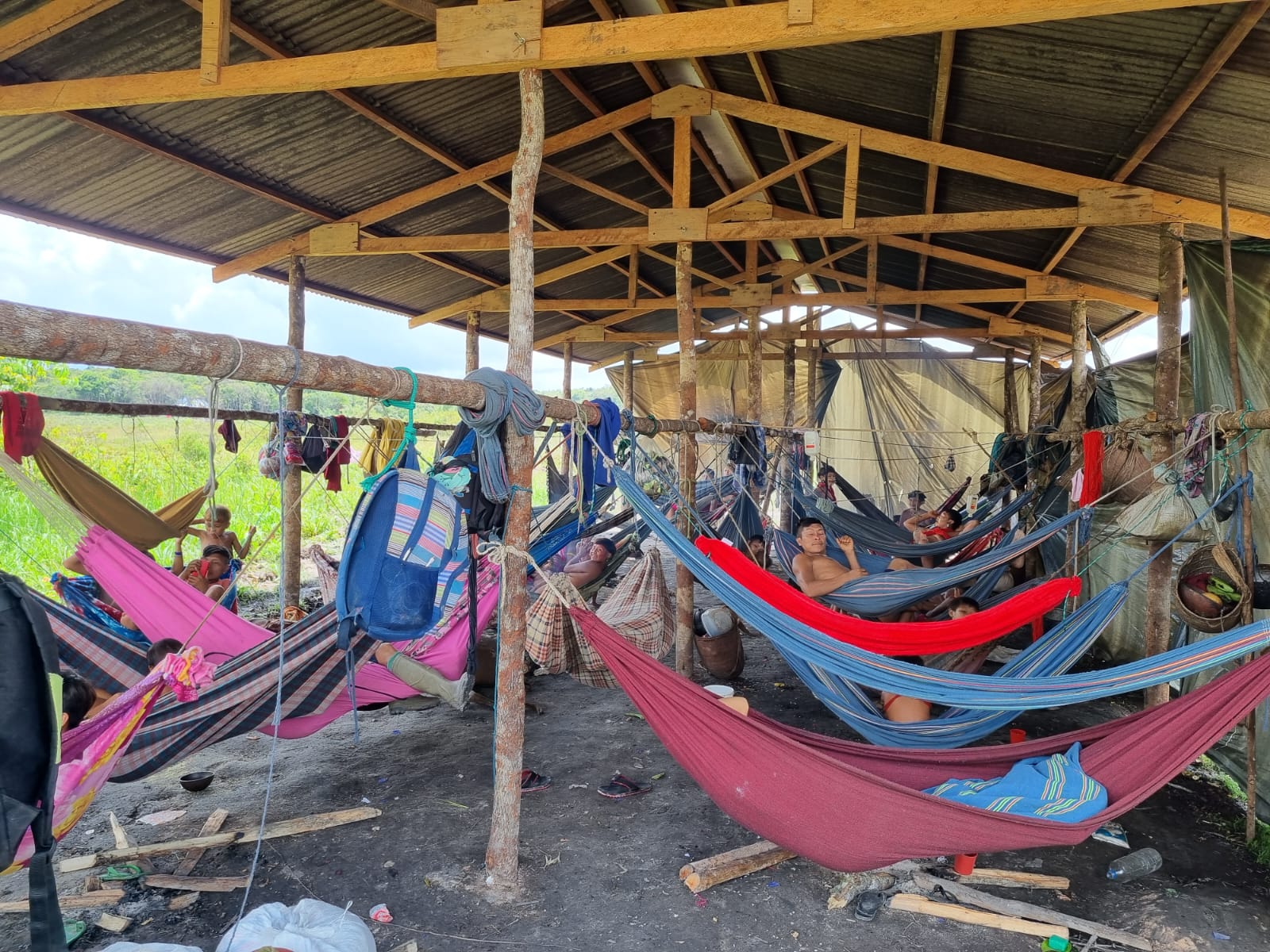
Reference center and hammock area at the Surucucu base camp, Yanomami indigenous territory. Photos: Márcia Fernandes/ ASCOM/CIR
In his account, Rocibleson described the serious situation of diseases affecting the Yanomami people, such as pneumonia, malaria, diarrhea, tuberculosis, and malnutrition. According to him, malaria is the most prevalent disease among the Yanomami, with cases reaching 80%. The disease began on a large scale in 2020 due to the entry of illegal miners into the territory.
Cases are handled according to their severity. Patients undergo triage, followed by medical evaluation. Depending on their clinical condition, they are admitted and placed in the green or yellow ward (healthcare provided to the Yanomami for less severe cases). The most severe cases go directly to the red room, the patient stabilization room, equipped with ventilators, defibrillators, cardiac monitors, and multiple parameters. Patients with moderate or severe malnutrition are monitored by a nutritionist.
The region is large, and some areas are very far from the Surucucu base camp, which makes access to health services difficult. There are communities that take five days to reach on foot through the forest. Junior Hekurare says that there are frequent cases where the messenger goes to Surucucu to inform that a patient needs to be transported, and by the time they arrive halfway, the patient sometimes doesn't survive. "We see this a lot, mothers with sick children who don't survive, people who come seeking help, but the patient dies because it's too far."
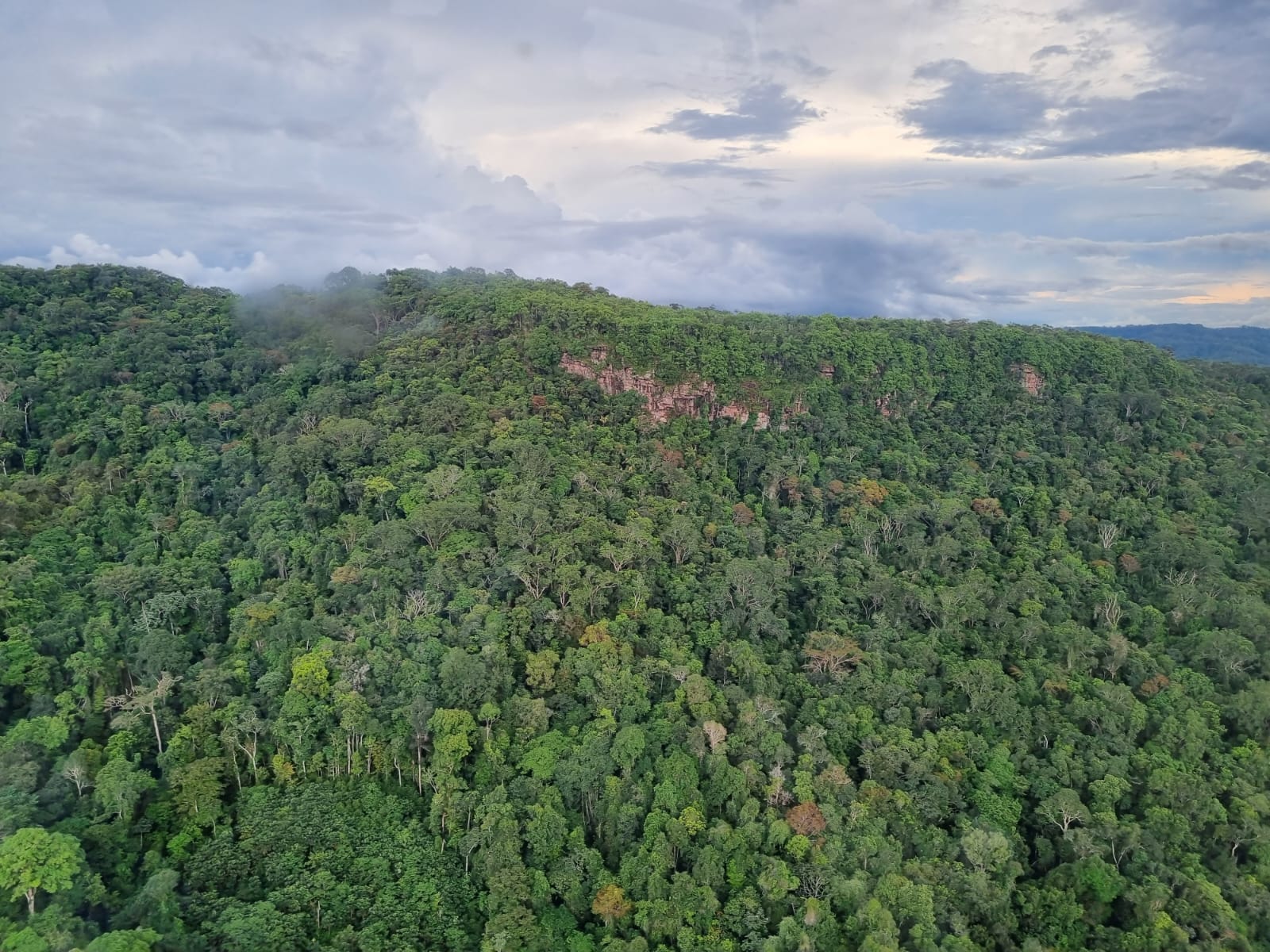
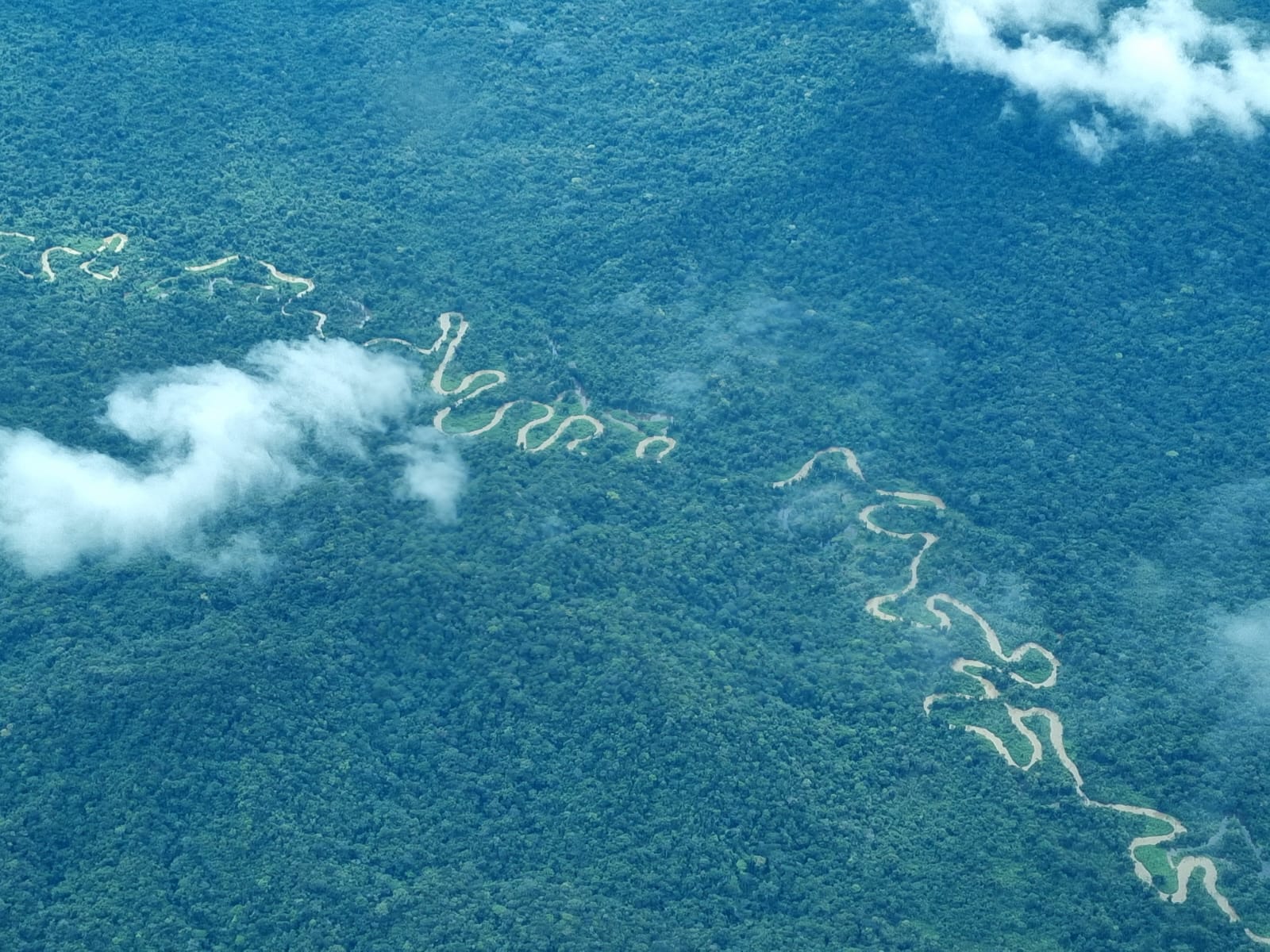
Yanomami territory, threatened by invaders. Photos: Márcia Fernandes. ASCOM/CIR
Rosiclebson explains that he receives patients who arrive at the location, and affirms that the structure set up today, along with respect for the culture of the Yanomami people, contributes to their acceptance of treatment, since they do not need to leave their families or communities, thus recovering quickly.
“We have a parallel wing, a wing where patients are kept warm by fire. Here we work with traditional medicine alongside Western medication, we respect the culture, of course we have difficulty with the language barrier, but we work together with the Indigenous Health Agents (AIS) and they help us. We know that when patients are close to their families, recovery is faster.”
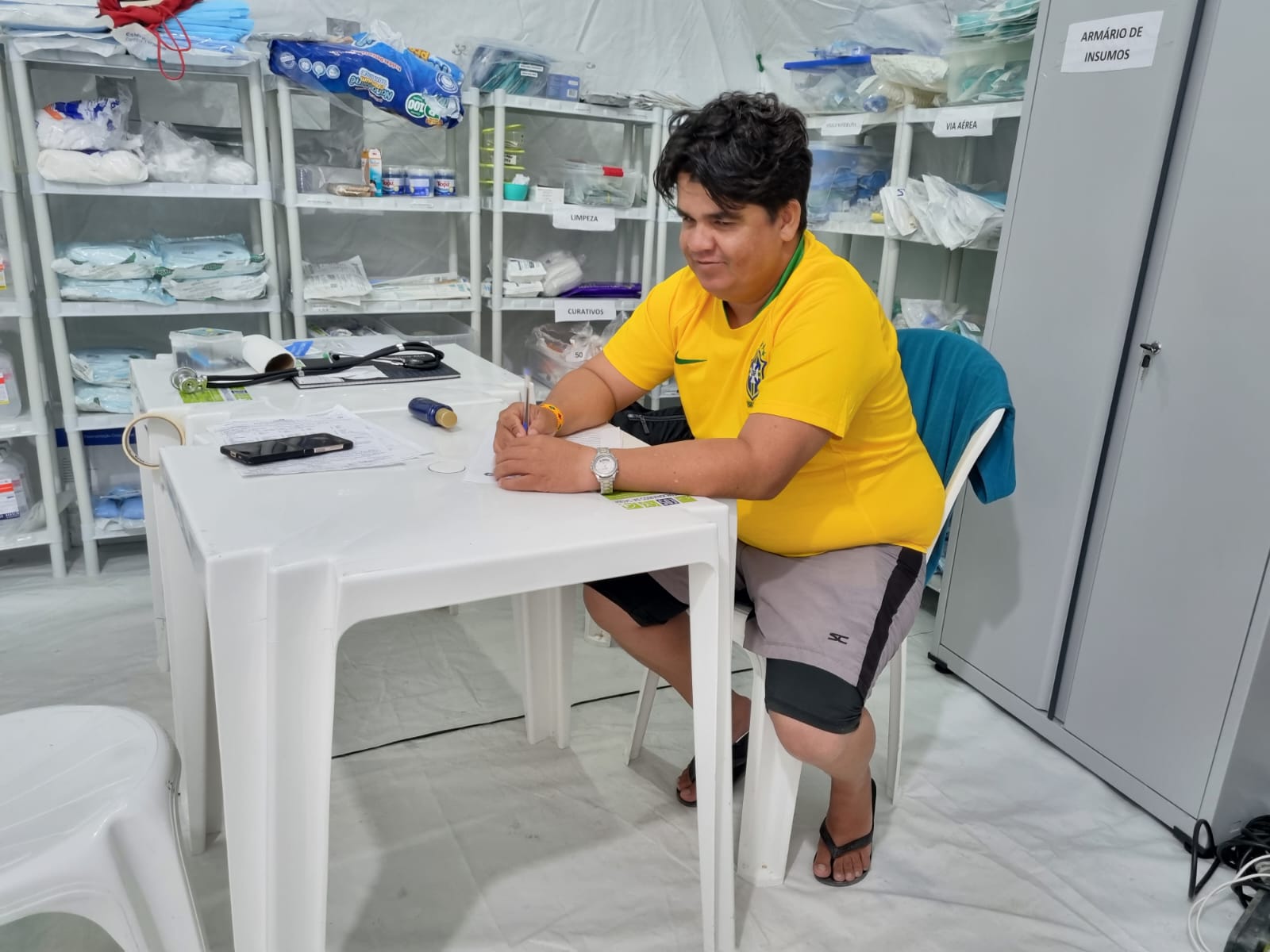
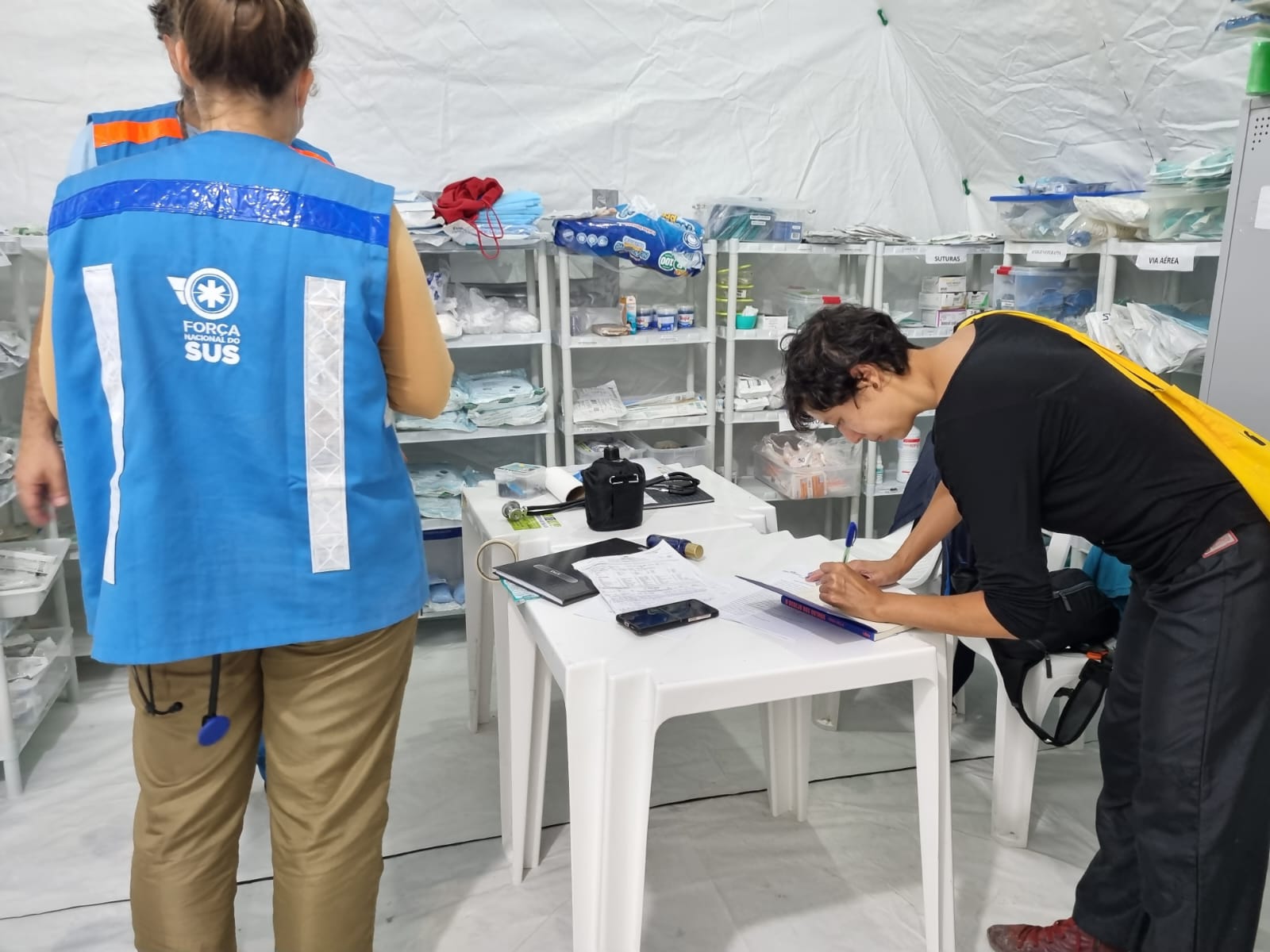
High and medium complexity base center for the Surucucu region. Photos: Márcia Fernandes. ASCOM/CIR
According to the nurse, to receive medical care, the patient travels several kilometers on foot through the forest. In some situations, the logistics are handled by the Yanomami and Yekuana Indigenous Special Health District (DSEI-Y) and the Emergency Operations Center (COE), using aircraft to transport patients who need care and take those who have already recovered back to their communities.
"We call it an immediate evacuation; at night, the evacuation is done with the help of the Ministry of Defense, while during the day it's done with companies that have contracts with DSEI." Often, the distress call arrives via radio and the internet; the team receives the information and then goes out for the rescue.
The person responsible for rescues in the region is Deivid Rafael, a nursing technician from DSEI-Y. He has been working with the Yanomami people for six years and has seen improvements in their health since January 2023. But according to Deivid, the restricted landing areas are one of the challenges of the location, and he hopes that the health of the Yanomami people will be restored. “The rescues are brought here to the Surucuru Base Camp, where the reference center is located. We have a high demand for removals; on average, we do eight to ten removals per day. We use a helicopter, and it's challenging because there are hard-to-reach places here, which makes landing difficult.”
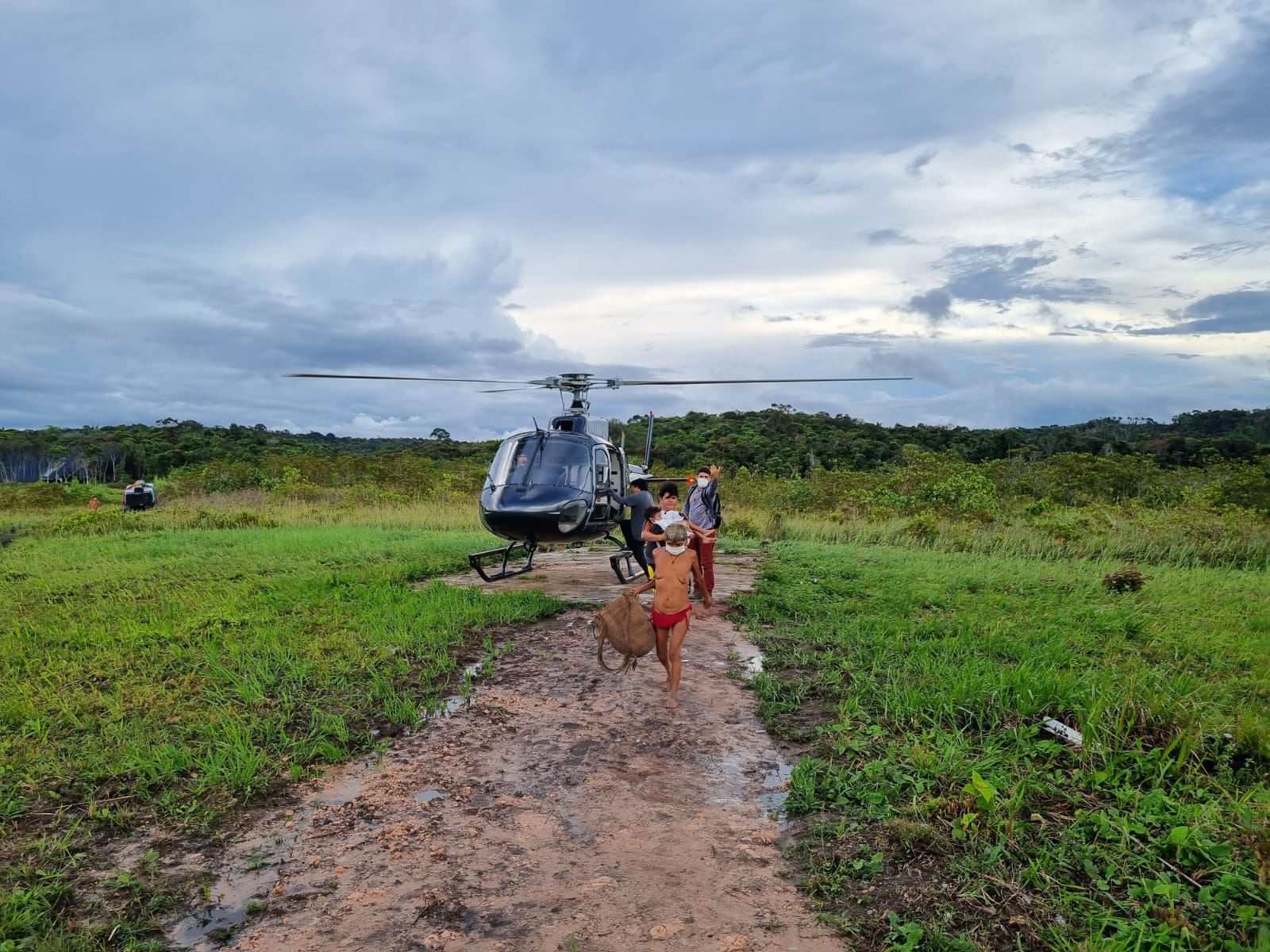
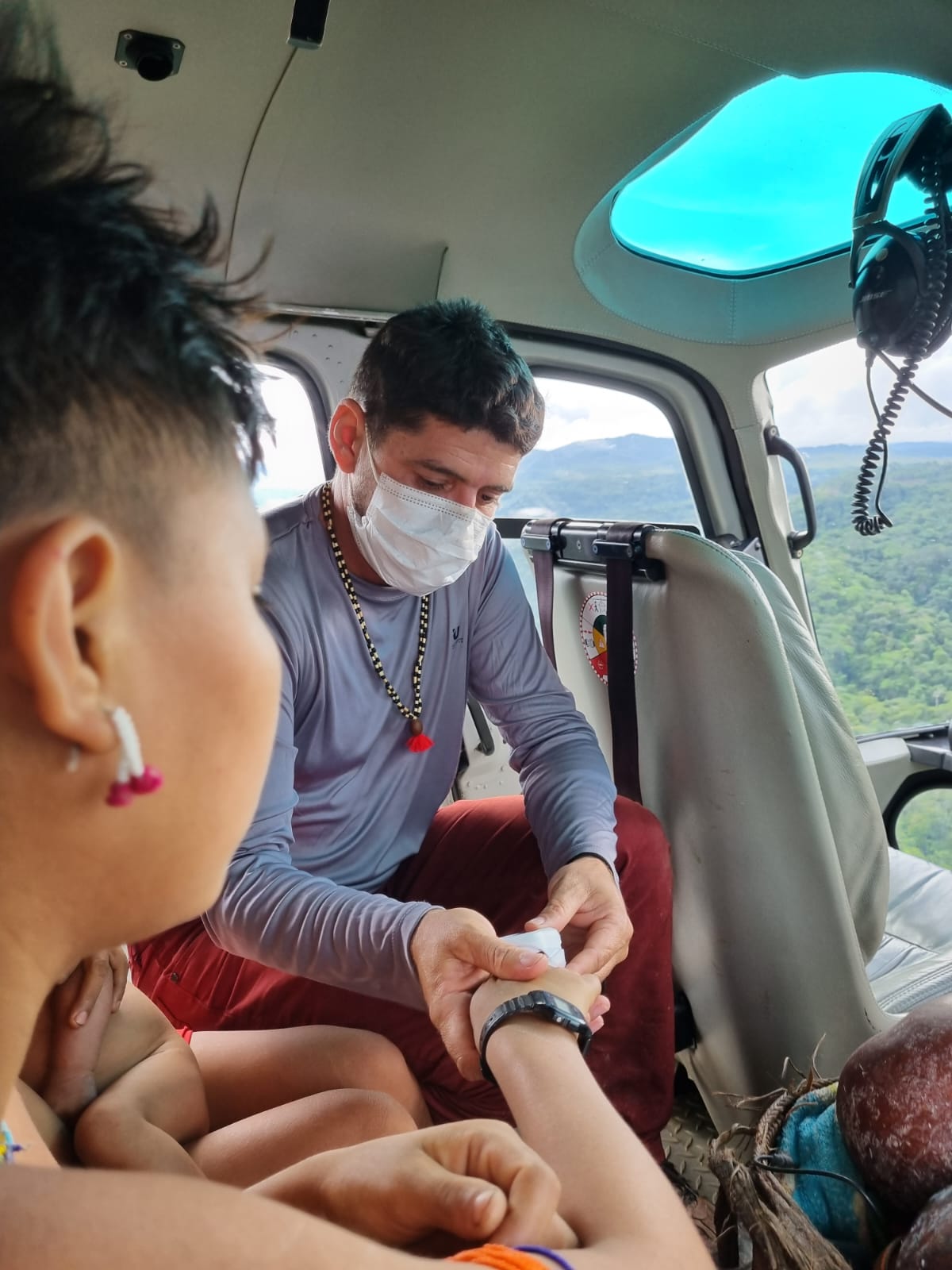
Nurse Deivid Rafael, nursing technician at DSEI-Y, during patient removal. Photos: Márcia Fernandes; ASCOM/CIR
The campaignSOS YANOMAMI
To help with the humanitarian crisis facing the Yanomami people, CIR launched the SOS Yanomami campaign in December 2022, with the goal of raising funds to purchase medicine and food.
With the help of partners and donors, it was possible to acquire food, medicine, farming and fishing equipment, personal hygiene kits, adult and children's disposable diapers, sheets, nets, mosquito nets, clothing, sandals, and other products.
Through this campaign, approximately five thousand tons of food products have already been delivered to the Surucucu, Ajarani, Xexena, and Auwaris regions.
The SOS Yanomami campaign continues; donations can be made in the following way:
PIX:conselhodaf@gmail.com
Bank of Brazil
Agency: 2617-4
Current account: 59027-4
CNPJ: 34.807.578/0001-76