
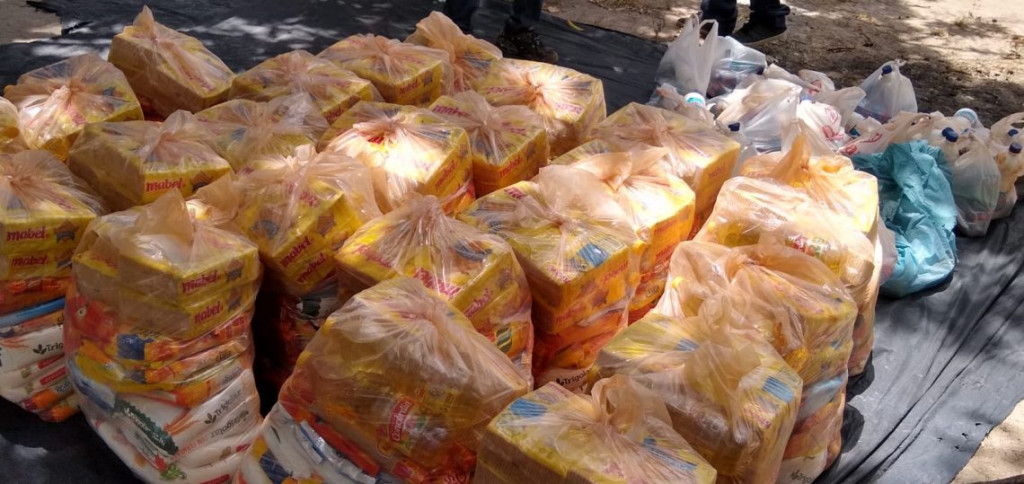
In the first phase of the campaign of the Indigenous Council of Roraima (CIR) that began on March 28 in the fight against the new coronavirus, a total of 309 basic food baskets and hygiene kits were donated to the indigenous communities that formed the sanitary barriers.
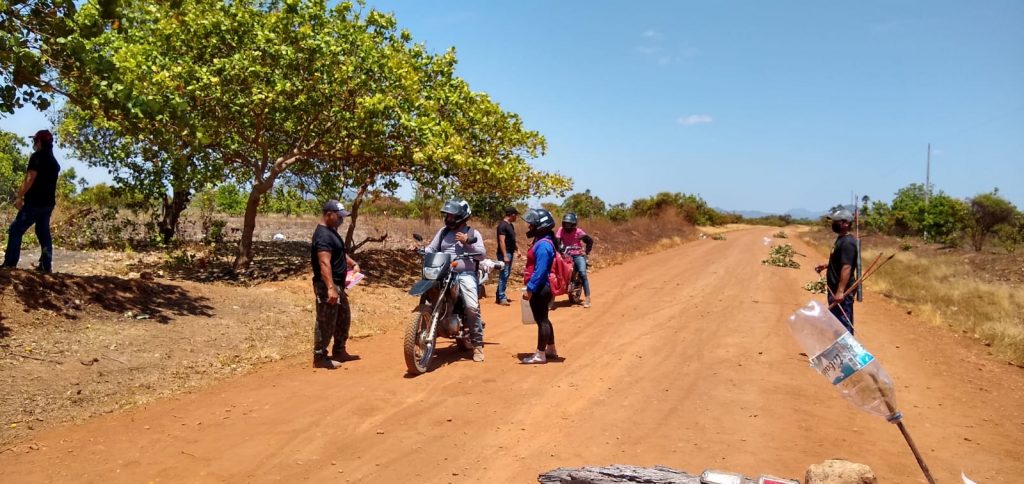
The communities in the regions that received were: Serra da Lua region, Jabuti, Tabalascada Lage, Canauanim, Campinho, Moskow, Manoá, Novo paraíso, Pium, São João and São Domingos the Alto Cauamé region were Sucuba, Arapuá and Raimundão, while the Tabaio region, only the Barata community, the Murupu region, went to the Truaru da cabeceira, Morcego and Serra da Moça communities and the Surumu region, Barro and Surumu communities.
According to Edinho Batista Macuxi, deputy coordinator of the CIR, all donations were directed to the Surveillance and Territorial Protection Agents (GPVITI) who work on sanitary barriers to contain access to communities, an essential measure in the fight against the spread of covid-19.
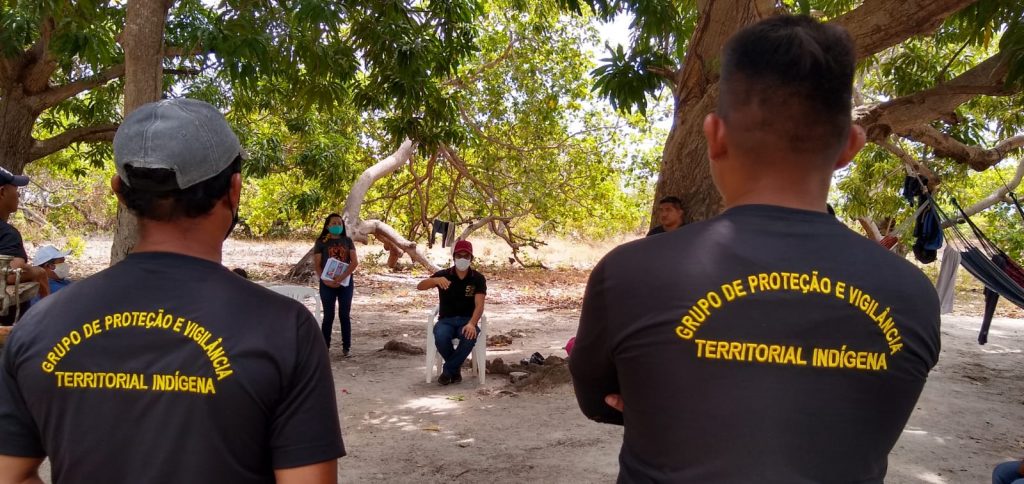
"Our goal is to support communities at a time when they need it so much," said Edinho Batista. "And those who work on the barriers are on the front line of this fight, hence the importance of helping those who are there."
Due to the pandemic of the new coronavirus, the guidance of the Special Secretariat for Indigenous Health (SESAI) is that communities remain isolated and avoid contact with people in the cities.
The last deliveries of this first phase of the campaign were donations made in the Raposa Serra do Sol Indigenous Land, of 30 baskets and kits to the agents and leaders who are at the barrier installed in the Tabatinga community, Serras region and 24 basic food baskets and hygiene kits at the barrier that is on the border between the Novo Paraíso communities and the Tucumã community, on BR-433, Raposa region.
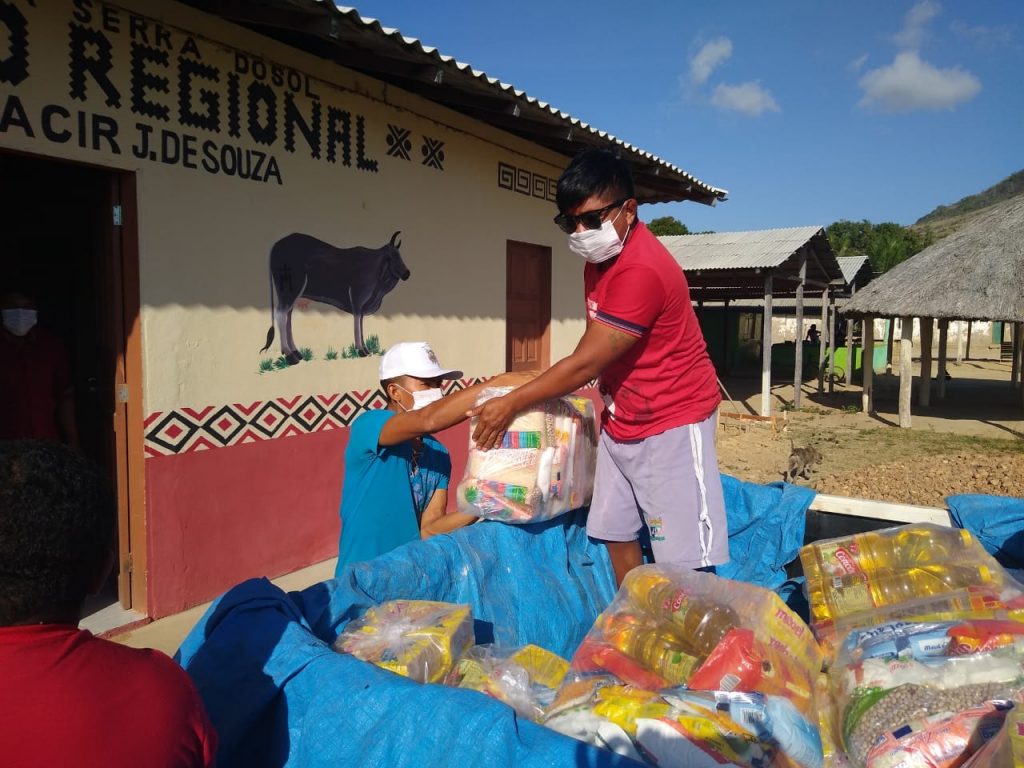
Upon receiving the donation, Renato Pereira, coordinator of the GPVITI in the Raposa region, highlighted the importance of the support that partners and the CIR are ensuring. "We are fighting this pandemic and all help is welcome," he said.
Lenir Grigorio Macuxi, who acts as a surveillance agent and is working on the containment barrier of the Jiboia community, said that his battle is for the sake of collective health. "We are here to protect our communities and face this disease. Firm and strong we will continue in the fight," said Lenir, moved.
And today, Friday (17), 20 baskets and hygiene kits were delivered to the agents and leaders who control and monitor the barriers in the community of São Domingos, in the Serra da Lua region, and 20 baskets and hygiene kits to the surveillance agents of the Serra da Moça Indigenous Land.
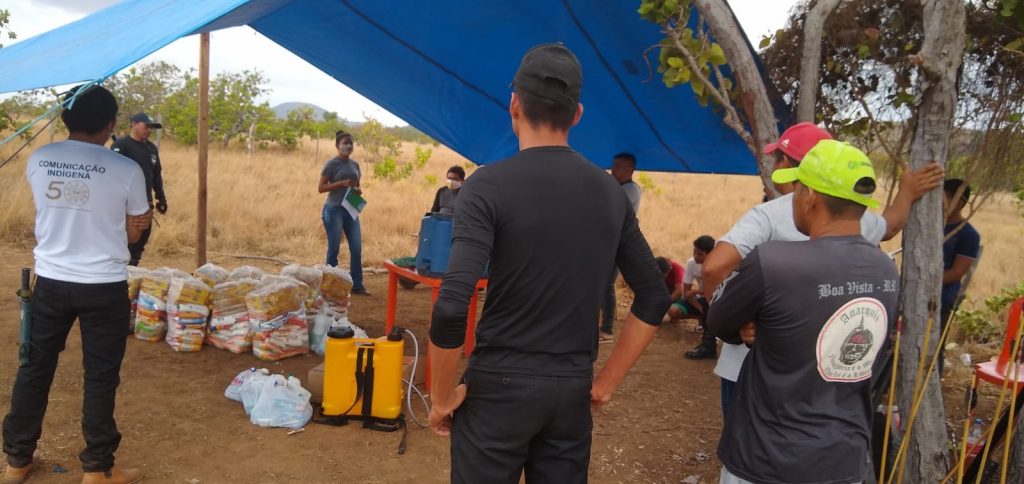
The sanitary barriers are initiatives of the communities themselves that work around the clock to prevent the virus from reaching the communities, through monitoring at the entrances to indigenous lands.
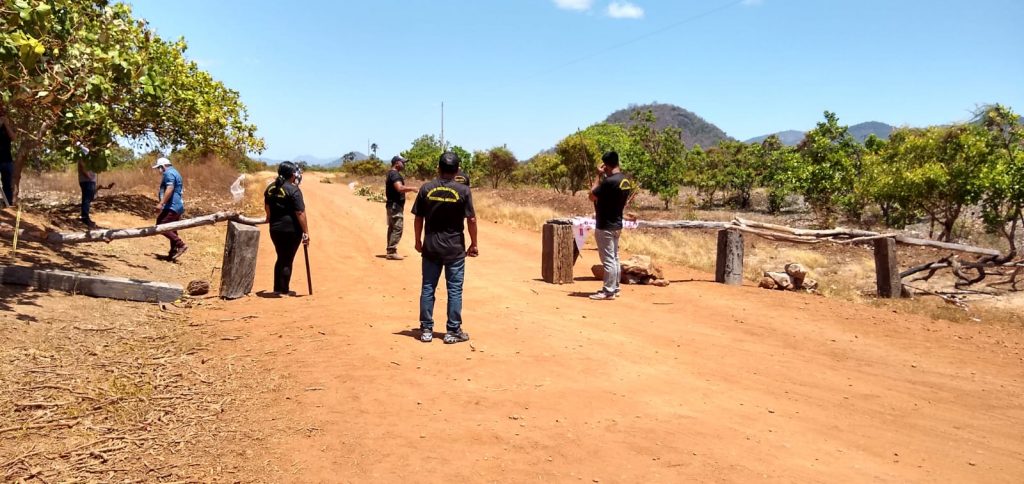
During the delivery of donations, the CIR team took all precautions such as the use of gloves, masks and the cleaning of donated materials and a vehicle made available exclusively to meet this demand made available by the Eastern District of Roraima.
The support to the communities is an initiative of the CIR in partnership with the Ford Foundation, COIAB and NIA TERO and individuals who made donations to the organization's bank account.
The fundraising campaign continues indefinitely. Anyone can help by donating by deposit or transfer to the CIR: Agency 2617-4 account: 8198-1 (Banco do Brasil). All money raised is used to purchase hygiene materials and food.
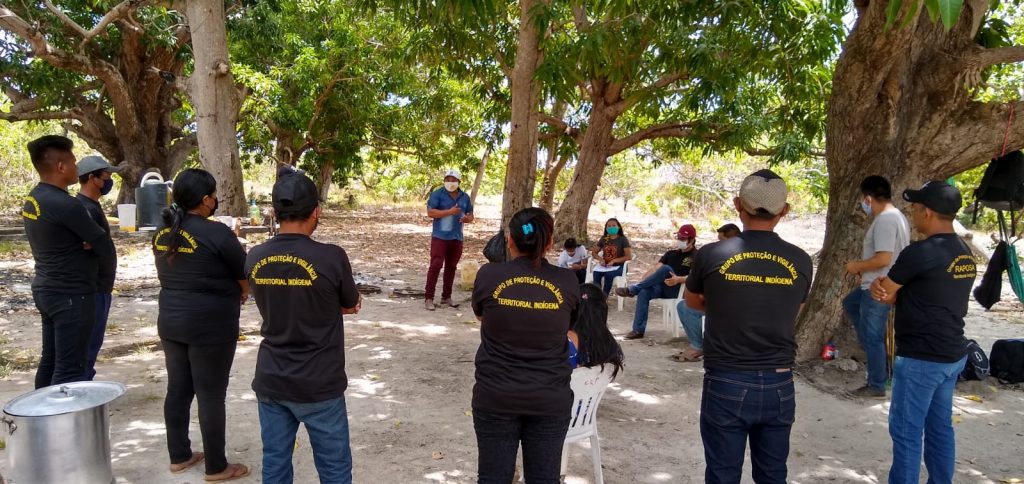
Photos: Márcia Fernandes and Aldenir Cadete