
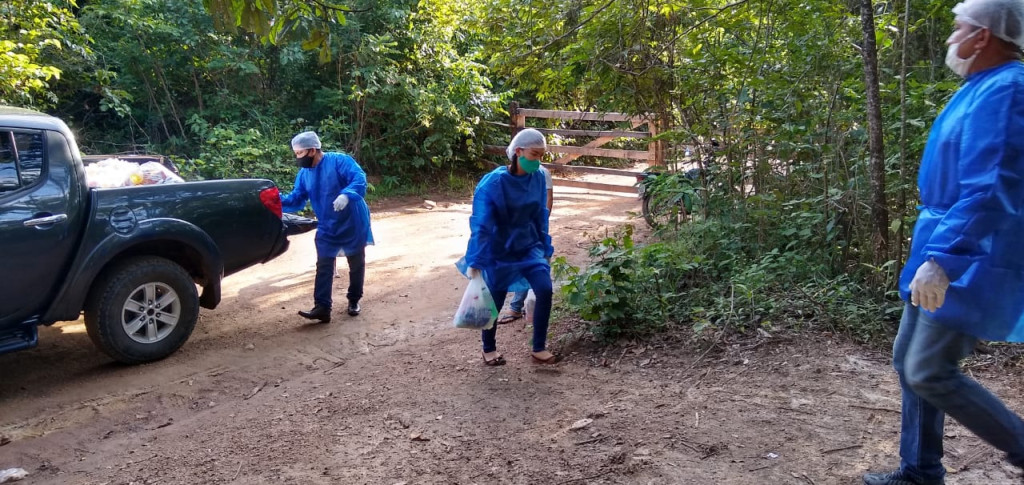
Strength, courage and solidarity, this is how the emergency campaign of the Indigenous Council of Roraima (CIR), partner organizations and indigenous communities completes one year on the front line of the fight against the Covid-19 pandemic. On March 27, 2020, after the registration of the first cases of the new coronavirus in Roraima, a large humanitarian mobilization began to act in defense of the indigenous peoples of the state. After a year, the emergency campaign, which is still continuing, has served more than 15 thousand families, including indigenous people who live in the communities and in Boa Vista, in addition to the peoples of the Warao and Taurepang ethnic groups of Venezuela, who also received support.
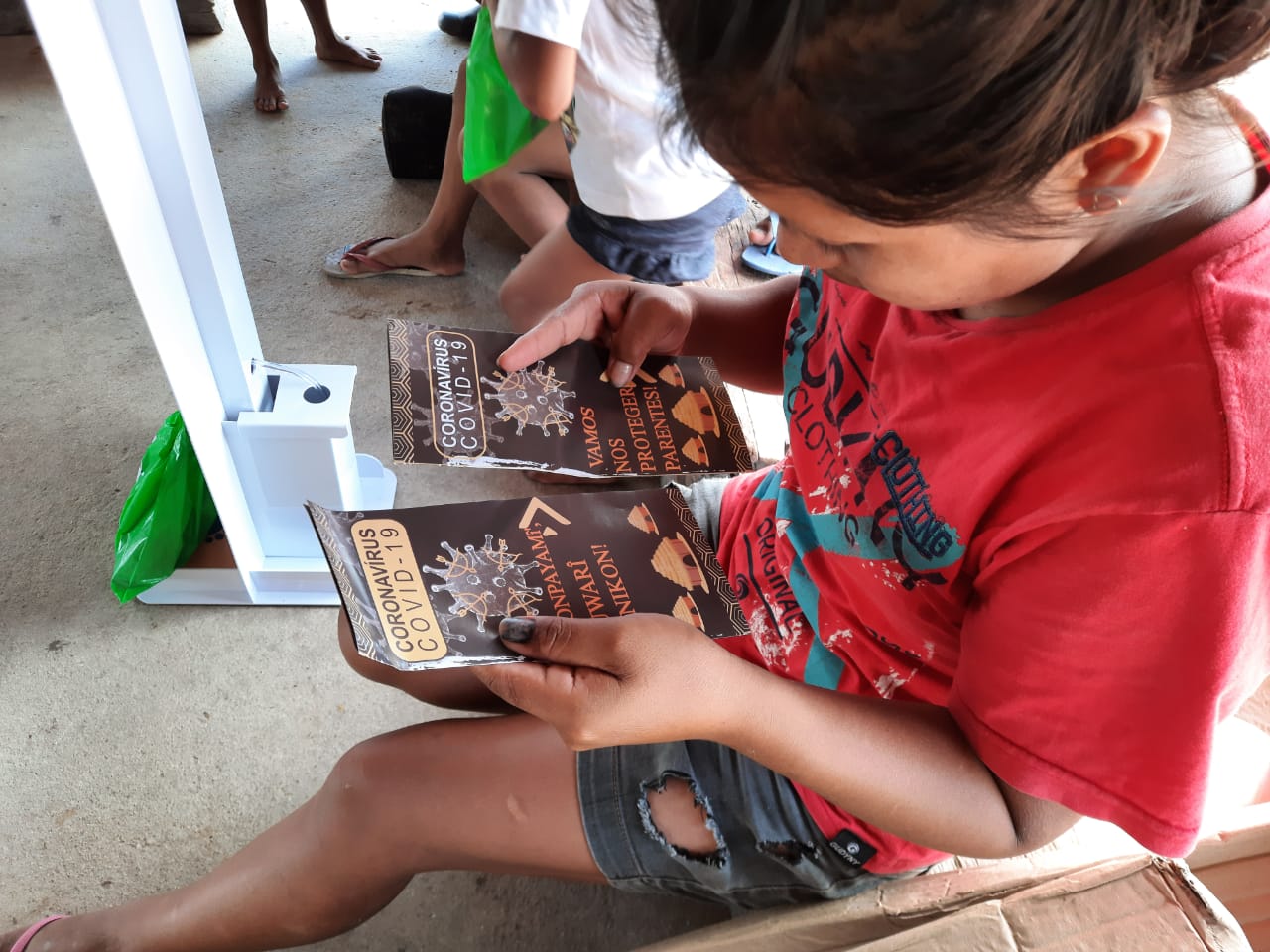
Always relying on essential care, the CIR remained throughout 2020 and also in 2021 distributing tons of PPE such as masks, gloves, aprons, caps, oximeters, alcohol gel, rapid tests, radio communicators, among others, which served most health centers, indigenous schools, and families. During this period, more than 20 thousand folders were also made with educational information, part of them in native languages, in addition to banners and banners about Covid-19.
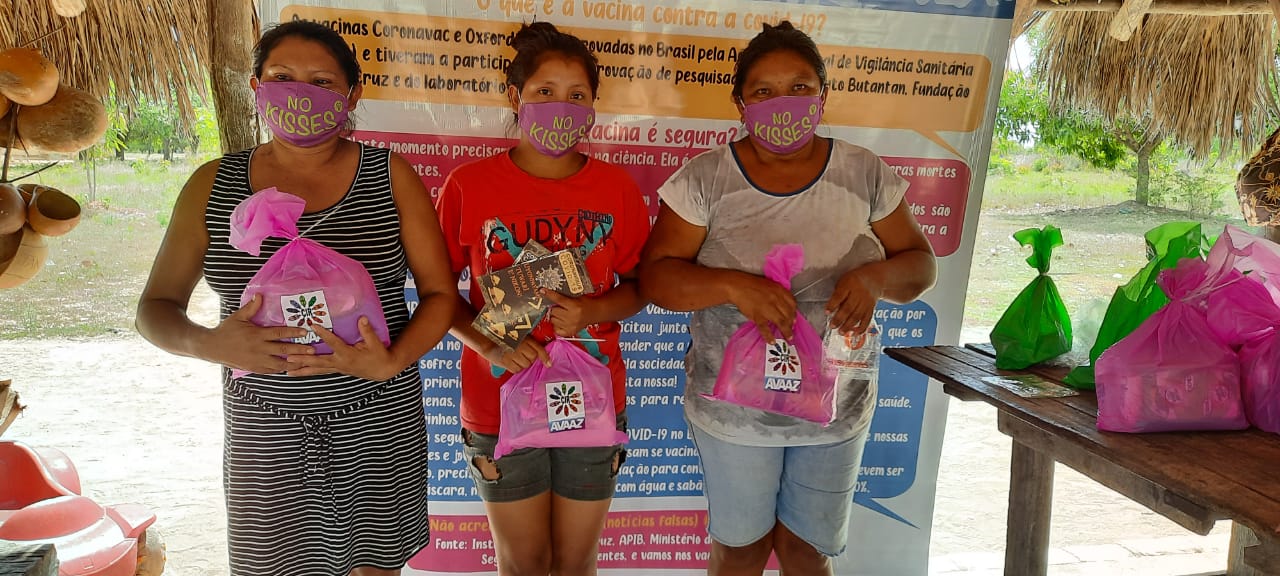
Indigenous families who were in hospitals infected with the coronavirus also received support with medicines. CASAI, the Eastern district of Roraima and Yanomami received cleaning supplies and PPE. 1,900 indigenous women and 1,100 children were assisted with hygiene kits and 17 health posts in the most distant and hard-to-reach communities received generator motors. The CIR also strengthened the traditional medicine houses in the communities and regions with the purchase of supplies and equipment and offers psychological care to families affected by the pandemic.
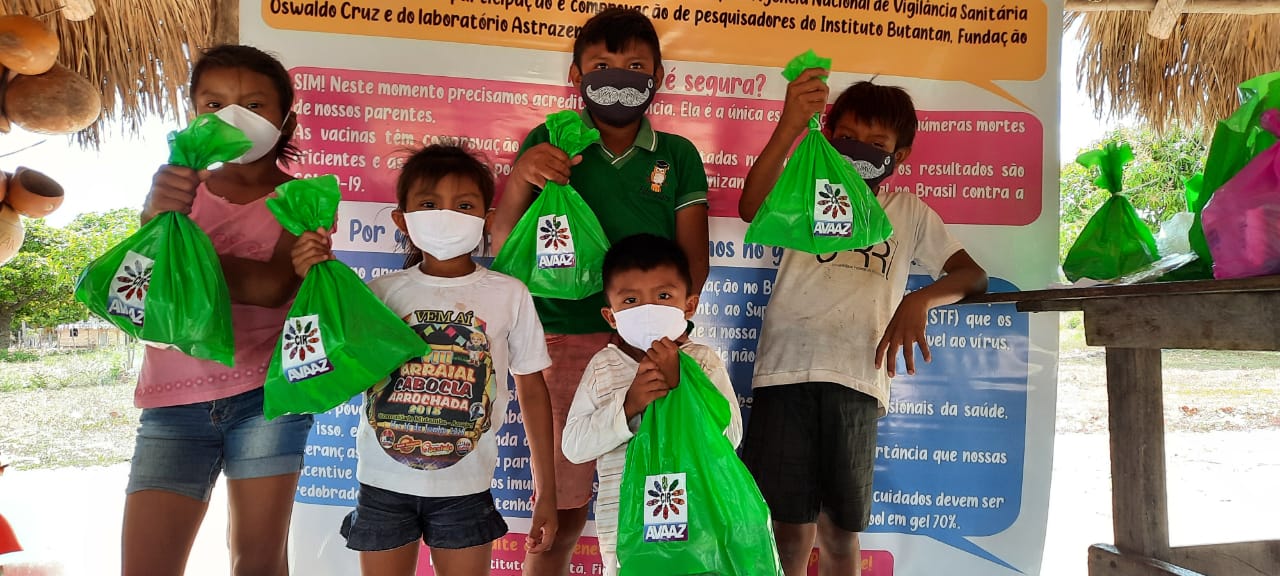
Part of the donations was also directed to support the indigenous communities themselves, who took the initiative to organize and seek ways to protect themselves in the war against the coronavirus by setting up sanitary barriers. In all, 38 barriers were set up, and faced with the uncertainty of a long-term cure, the peoples also resorted to the knowledge of traditional medicine.
The general coordinator of the CIR, Edinho Batista, thanked the leaders, collaborators and partners who spared no effort to support the fight against the pandemic. "We are still living in a difficult reality, in the struggle to overcome the families of indigenous communities. We did what was supposed to be done, which is to help our relatives, unfortunately we were unable to contain that many lives were lost. We added to protect, defend and today we continue with this emergency support for our indigenous communities. We thank the indigenous leaders, the indigenous security guards who wore the shirt of being able to stay on the front line of this battle. These people are considered heroes for defending indigenous communities from this pandemic in the sanitary barriers, day and night facing sun and rain, in the protection of the lives of their peoples".
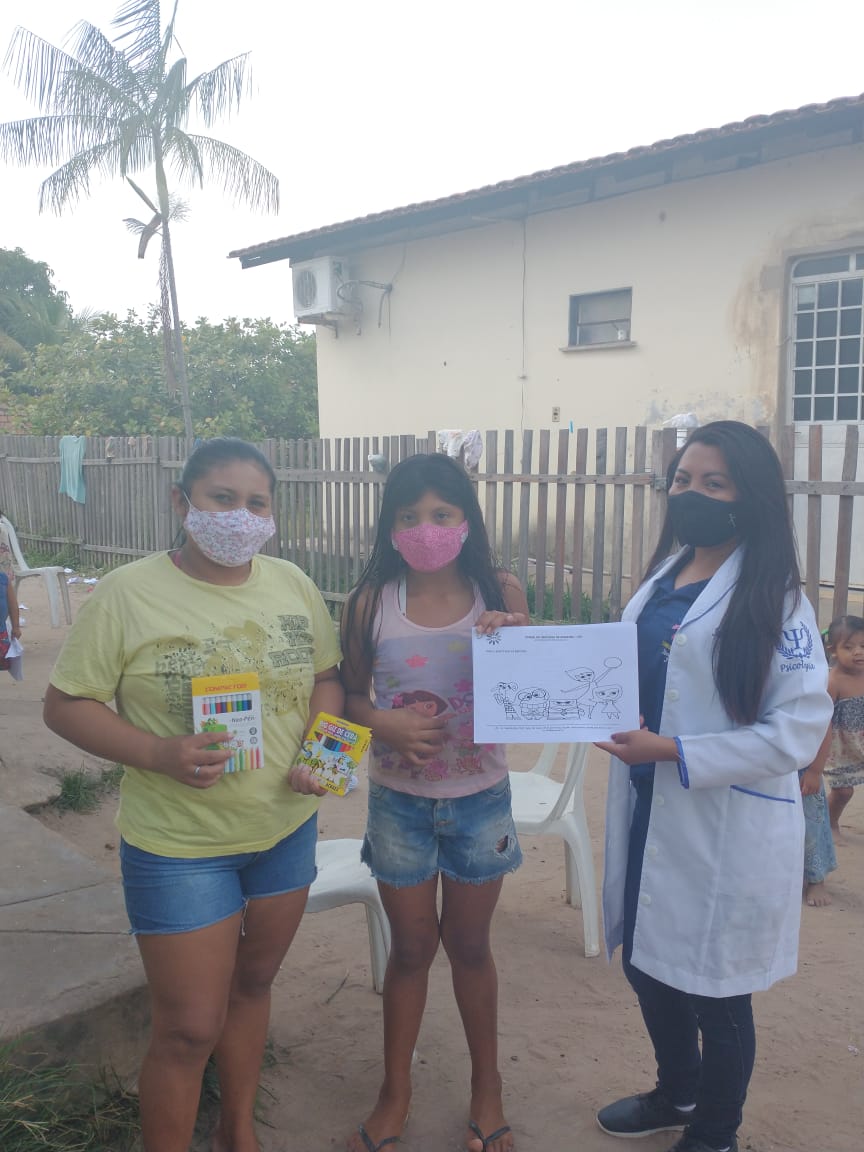
In all, the action has already reached 32 indigenous lands in Roraima and 12 regions, namely: Serra da Lua, Amajari, Murupu, Wai Wai, Alto Cauamé, Tabaio, Amajari, São Marcos, Surumu, Serras, Raposa and Baixo Cotingo, the Wapichana, Macuxi, Ingarikó, Patamona, Taurepang, Wai Wai, Yanomami, Warao peoples. Over the course of a year, the CIR mobilized partners from Brazil and the world, receiving support from Ford, Niatero, ERN Ranforest, Tebtebba, Cafod, NCI, ICS, AVAAZ, RCA, ABIM who donated to the CIR's emergency campaign and the collection exceeded R$ 2 million