
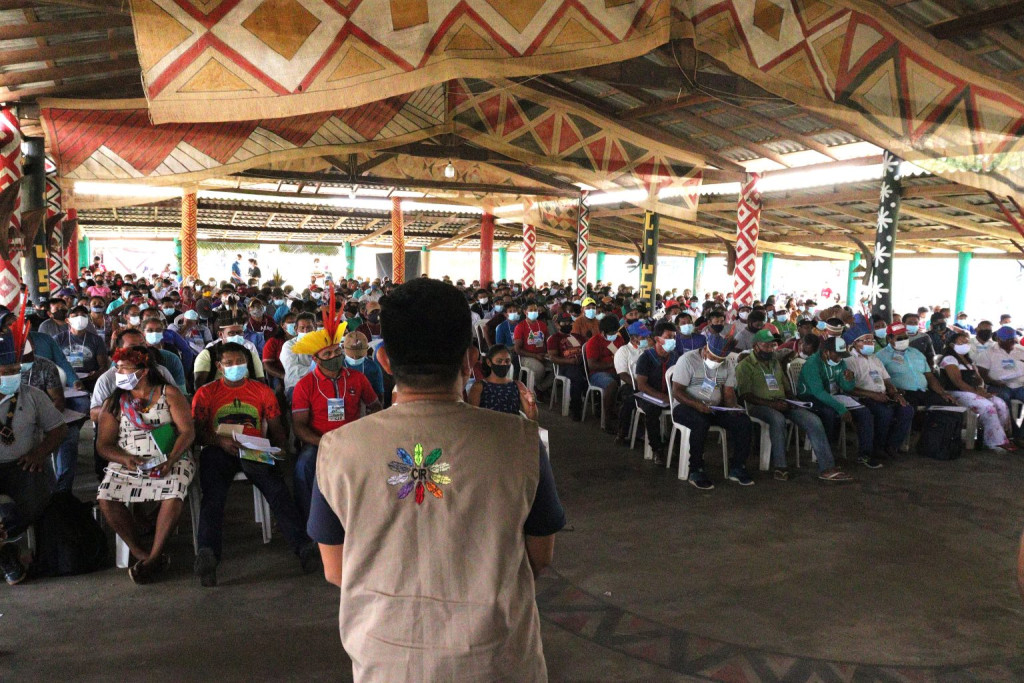
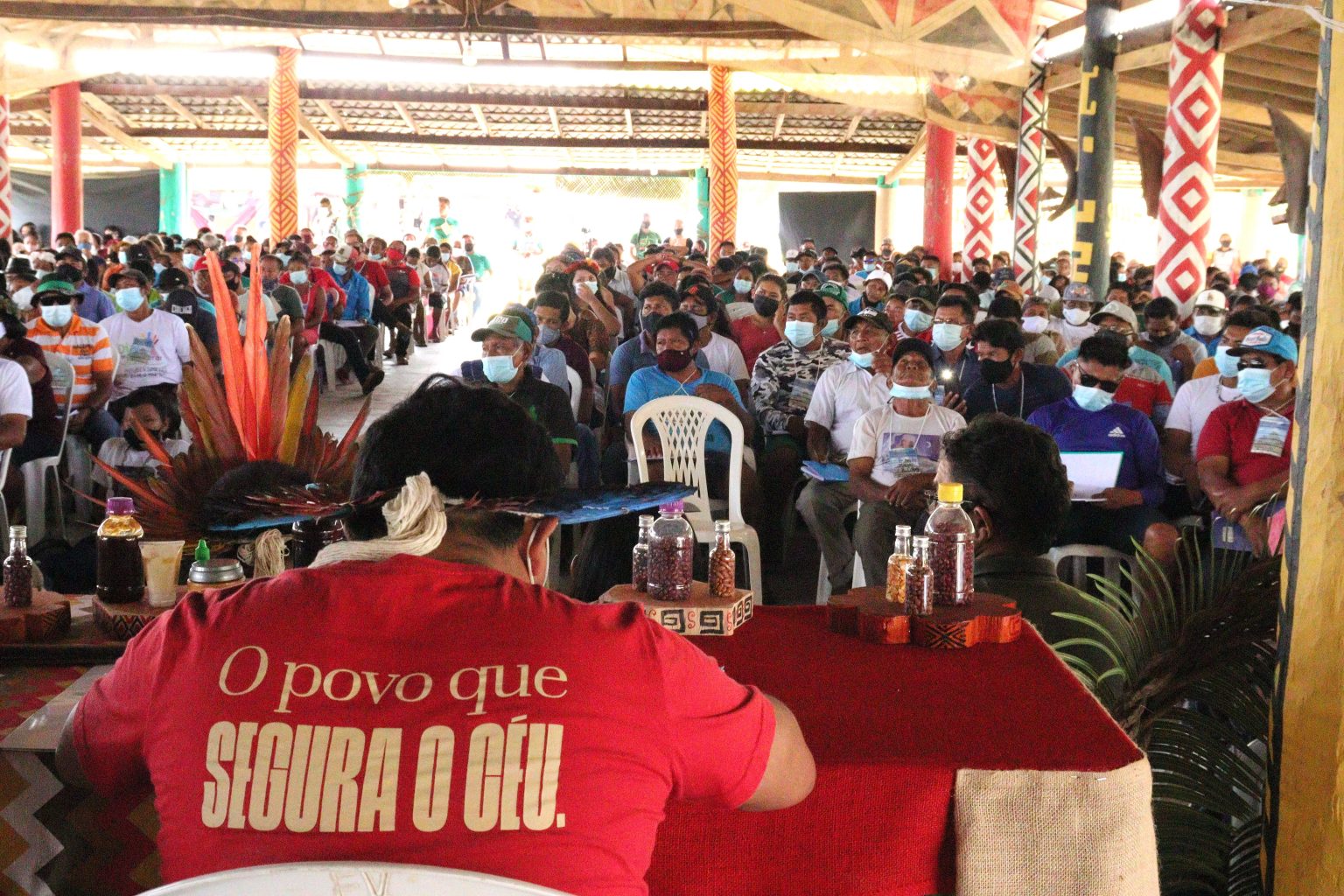
More than 1100 indigenous leaders from the Macuxi, Wapichana, Wai Wai, Yanomami, Patamona, Sapará, Taurepang, Ingarikó, Pemon and E'ñepa peoples, gathered at the 51st State Assembly, from March 11 to 14, at the Lago Caracaranã Regional Center, Raposa Serra do Sol Indigenous Land, with the theme: "Defending Territories is Guaranteeing the Life of Indigenous Peoples". The assembly is a space for decisions and discussions on collective projects of indigenous peoples.
Important topics were discussed, such as indigenous school education, indigenous health, territorial management, environment and community sustainability. Also, the leaders repudiated the Bolsonaro government's project that has openly supported the invasions of indigenous territories and has been articulating the approval of Bill 191/2020, including supporting the urgent processing of the Bill in the Federal Chamber.
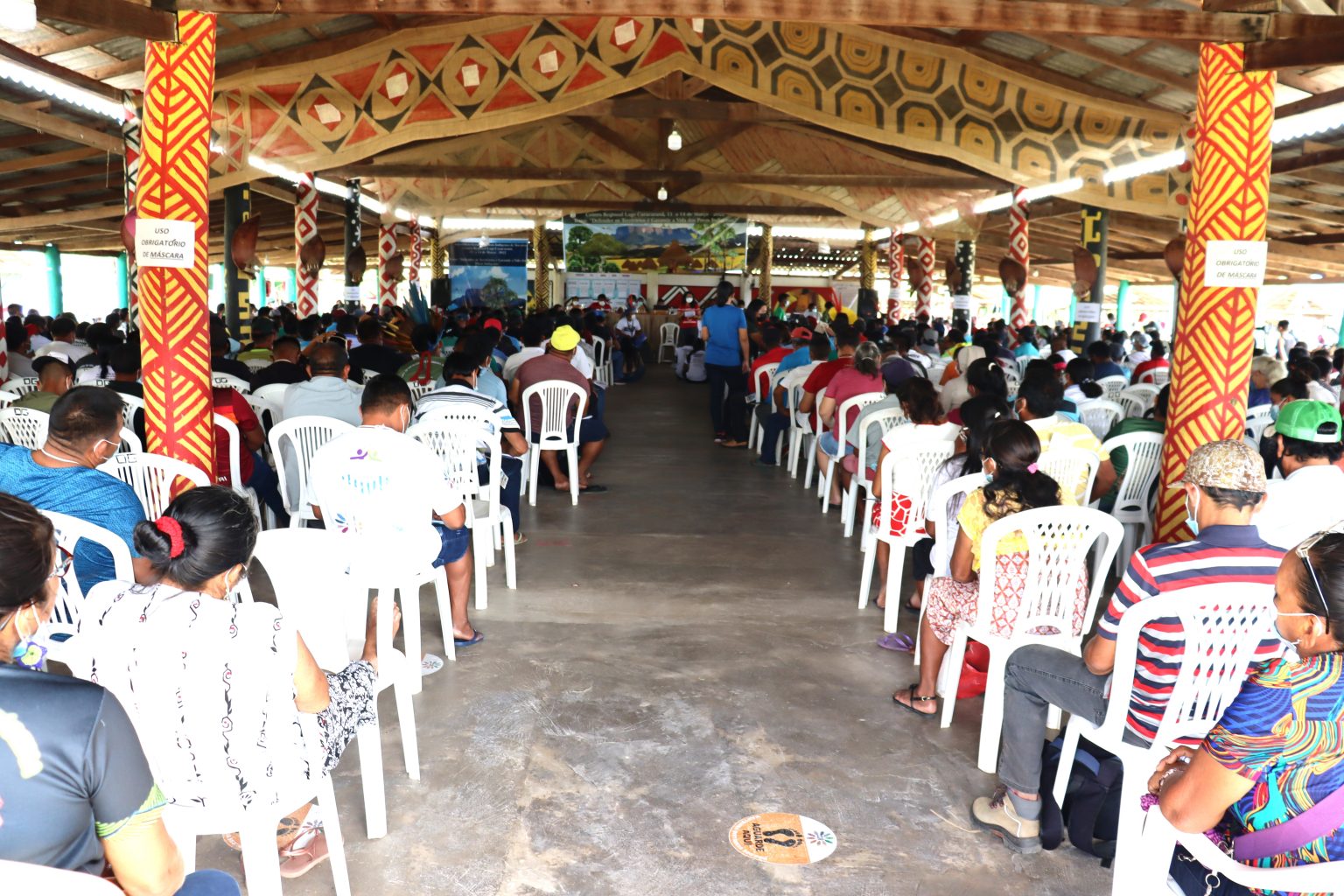
Indigenous Peoples of Roraima
In the last three years of the Bolsonaro government, invasions of indigenous lands have increased, especially by miners who have already settled in indigenous areas, mainly Raposa Serra do Sol and Yanomami. Indigenous Lands face invasions and the impacts of illegal mining, with the pollution of the waters of lakes, rivers and streams.
In addition to the deforestation of forests, environmental degradation, increased malaria rates, loss of autonomy over territories, the presence of invaders and enticement of indigenous people by criminal factions, violence, threats to communities and leaders, the limitation of land usufruct with the creation of lanes and routes, the illegal trade of alcoholic beverages and other drugs, the theft of animals and vehicles.
The coordinator of the Serra da Lua region, Clóvis Ambrósio, a traditional leader who has participated in the CIR assembly since the 70s, is still in the struggle today. "I have been participating in the indigenous movement since 1974 and I am still here in the struggle. We are in the Serra da Lua region, we have the planning of our Indigenous Territorial Surveillance Group that mapped all the reference points for the protection of our land. We will continue to fight to protect our territories," he said.
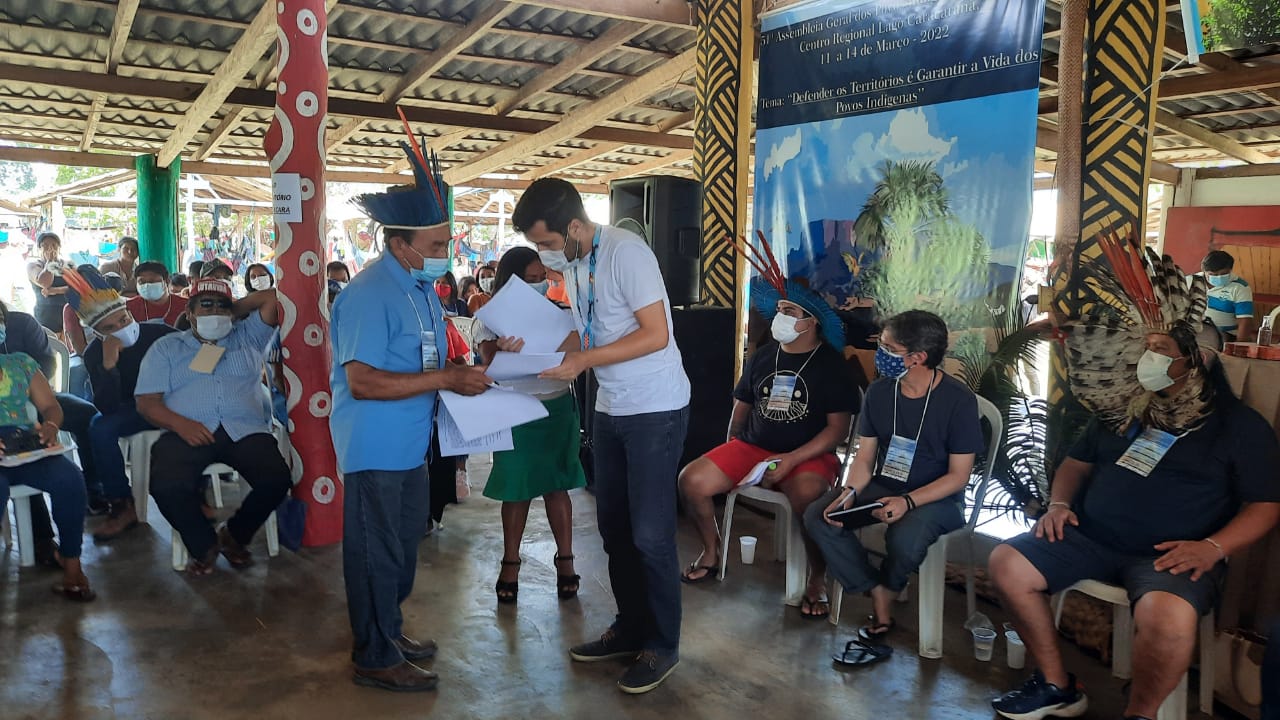
The coordinator of the Serra da Lua region, Clóvis Ambrósio, a traditional leader who has participated in the CIR assembly since the 70s
Leaders with national and international renown, such as Kretã Kaigang and Isabela Tukano, were also participating in the 51st General Assembly of the Indigenous Peoples of Roraima. "We really need to fight, if we have to go to war, we will. But not the war they think, but the war for the protection of our territory," said Isabel Tukano.
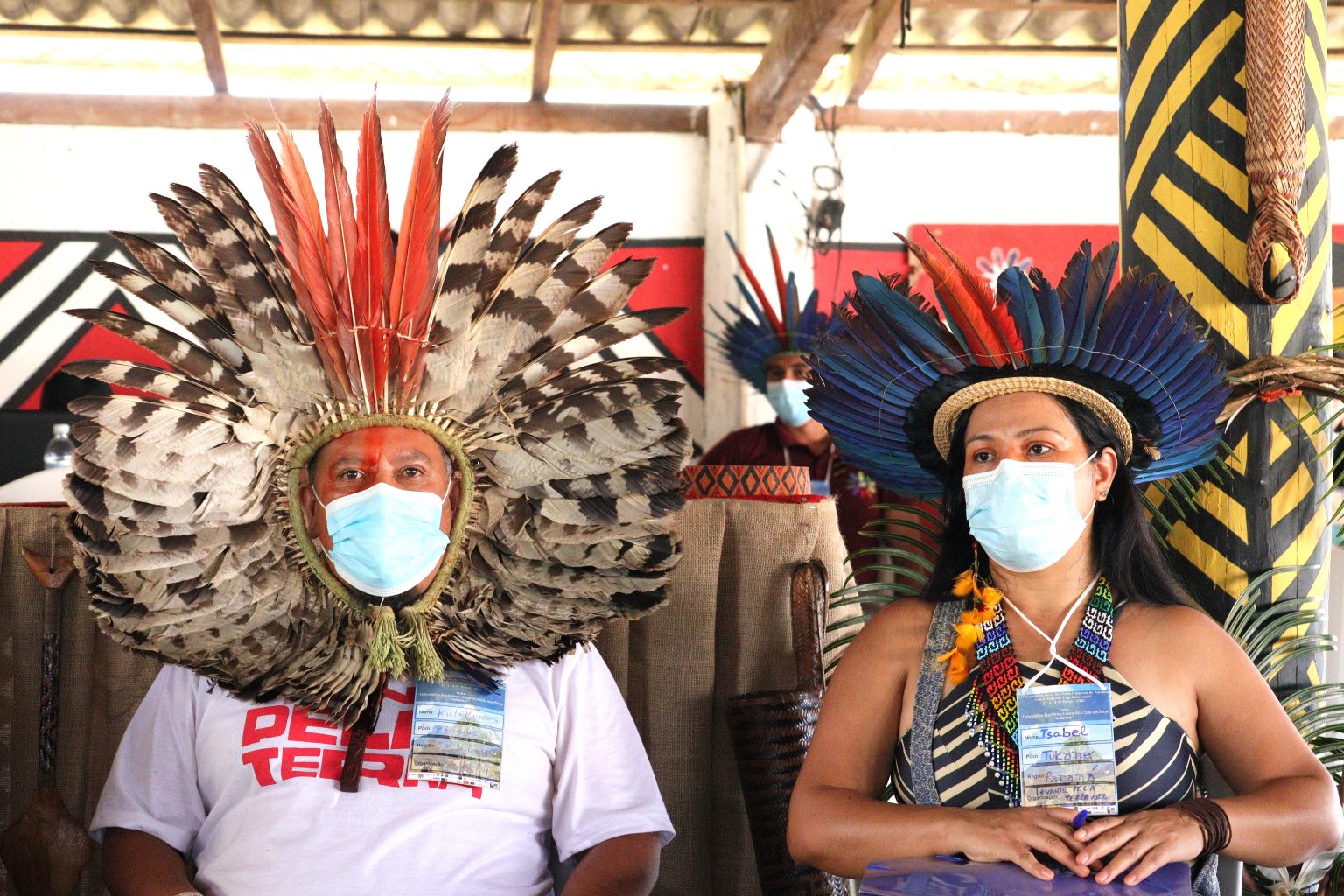
Kretã Kaigang and Isabela Tukano were also participating in the 51st General Assembly of the Indigenous Peoples of Roraima
"Grateful to the comrades I have known for a long time of struggle, for the time I have been here I believe that I do not have much to teach, only to learn. The experience that I take from here to my people is this democratic part that the CIR has had since it was founded", commented Kretã Kaingang.
The dismantling of public policies is causing serious problems for indigenous lands, with militarization and political interference in the Special Secretariat for Indigenous Health (SESAI) and the National Indian Foundation (FUNAI). The cut in resources in public universities has harmed indigenous academics.
The neglect of the Government of the State of Roraima in indigenous school education continues. Since of the 167 indigenous schools that exist in the state, more than 90 of them do not have a house, a building to house indigenous children and adolescents.
The Yanomami peoples do not have any hired teachers. In addition to the neglect of indigenous peoples with the delivery of used and damaged school materials to our students, spoiled lunches, lack of school transportation, lack of maintenance and care for school structures, lack of agility in the works and lack of decent working conditions and appreciation of indigenous education professionals.
In health, the neglect of assistance to indigenous communities is fully visible. In the Letter, leaders repudiate the dismantling and militarization of the Special Secretariat for Indigenous Health (SESAI) by the Federal Government. In addition to cutting health funds in half, constituting, along with the other measures, a true project of genocide of indigenous peoples.
In particular, the absolute collapse of the indigenous health of the Yanomami peoples who live in a war scenario, with the death of children from malnutrition and malaria. The lack of assistance for removal and rescue, the reduction by half of the flight hours needed to serve the communities, the lack of coordination between the federated entities for the proper care and protection of health, in addition to the diversion of funds intended for Yanomami indigenous health.
The leaders are concerned about the government's proposal to build a hydroelectric plant on the Cotingo River, in Raposa Serra do Sol. Not to mention the thermoelectric plant that threatens the Tabalascada, Canauamim and Malacacheta indigenous lands, in the Serra da Lua region. Another threat is the Bem Querer hydroelectric plant on the Branco River, which will affect nine indigenous lands.
The leaders expressed that they will continue in the movements to defend Mother Earth. As the theme says, "Defending Territories is Defending the Lives of Indigenous Peoples". Indigenous lands are the only barriers against climate change.
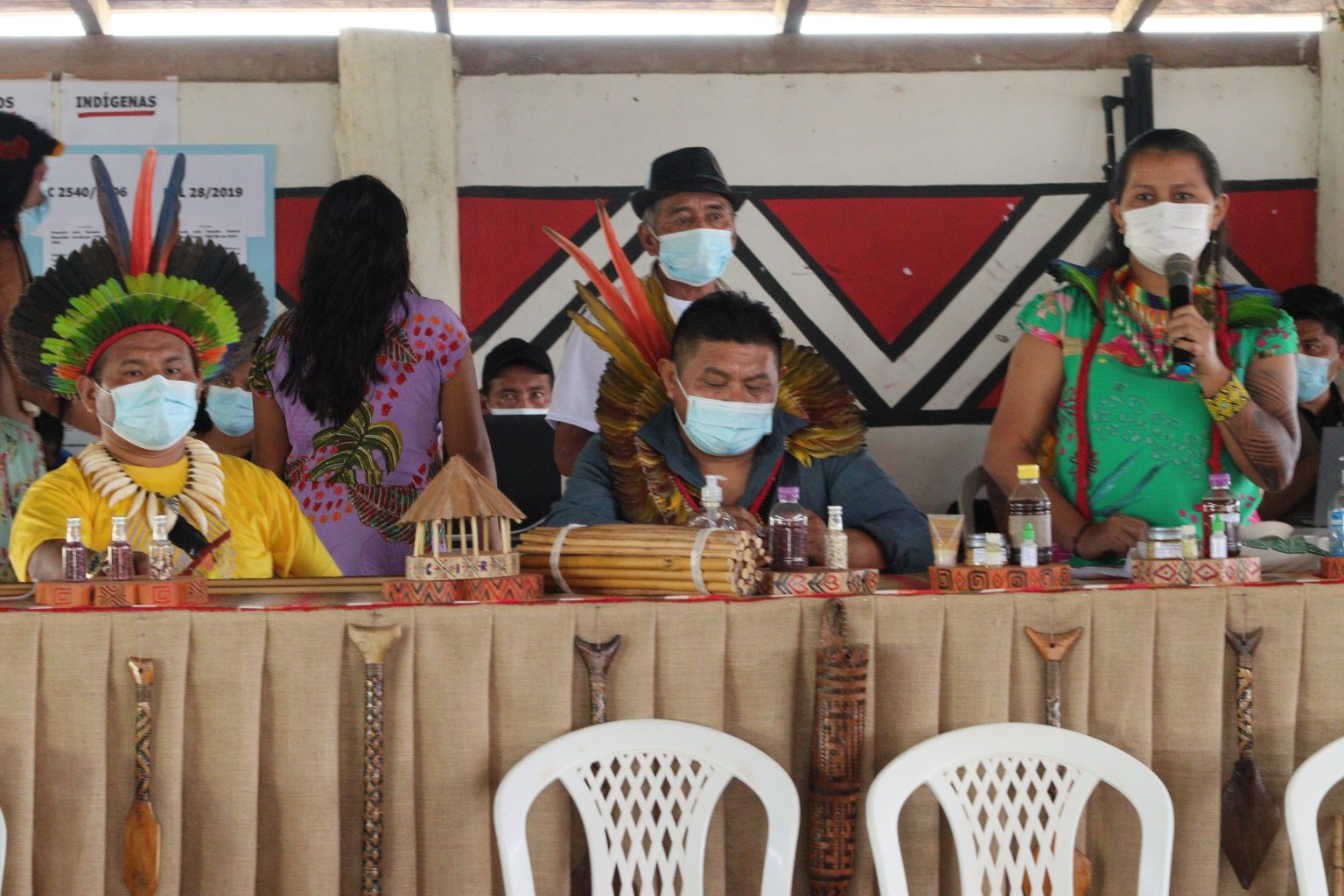
Executive Coordination of the CIR, Edinho Batista, Enock Taurepang and Maria Betânia.
In Roraima, more than eight management plans have already been made. Indigenous peoples have a production of 50 thousand head of cattle. In addition to a work that has been developed in communities with a large production of organic food.
Finally, the Final Charter demands that the Brazilian state fulfill its duty to protect indigenous peoples as expressed in the Federal Constitution, Convention 169 of the International Labor Organization (ILO) and other international legislation that Brazil has undertaken to respect and comply with.
CHECK IT OUTAFINAL LETTER OF THE 51ST GENERAL ASSEMBLY OF INDIGENOUS PEOPLES