
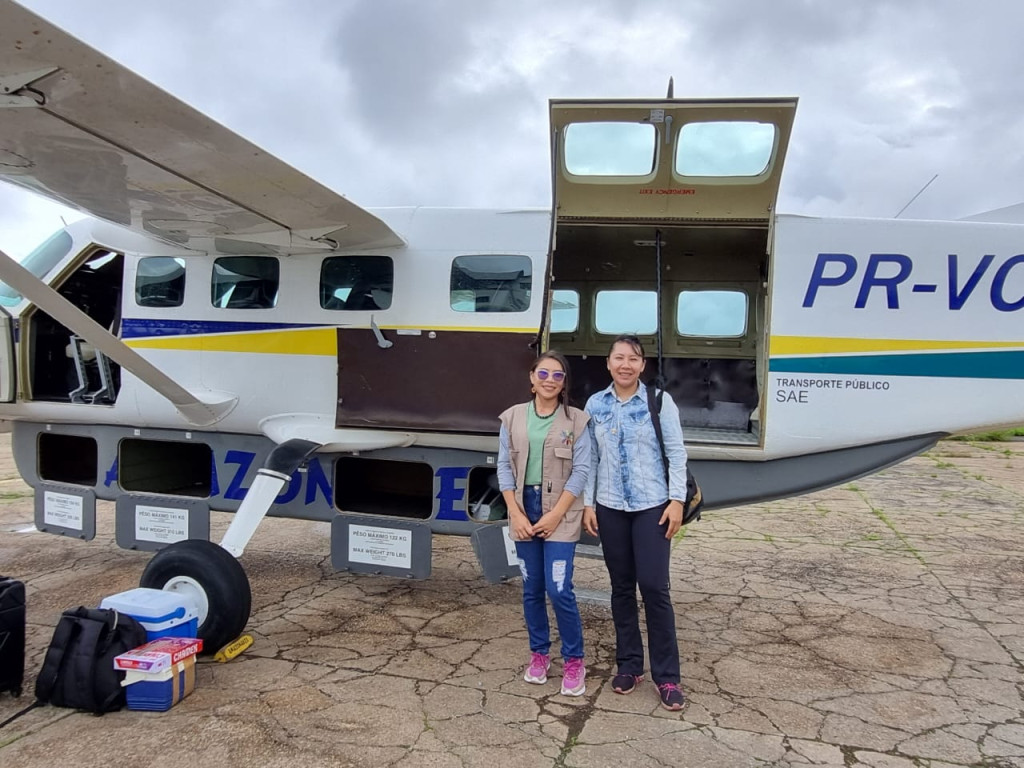
As a journalist, Indigenous communicator, and coordinator of the Communication Department of our organization, the Indigenous Council of Roraima, together with Vanessa Ribeiro, the nursing technician and public health manager responsible for Emergency Support to the Yanomami people, we were in Yanomami territory for the first time to monitor the delivery of emergency supplies and verify the healthcare services firsthand, as well as to understand the territorial dimension and its challenges. It was an unprecedented mission of experience, learning, and deep emotion, as we saw and felt the reality of the Yanomami people, who are still crying out for help and fighting for their physical, cultural, and ancestral survival.
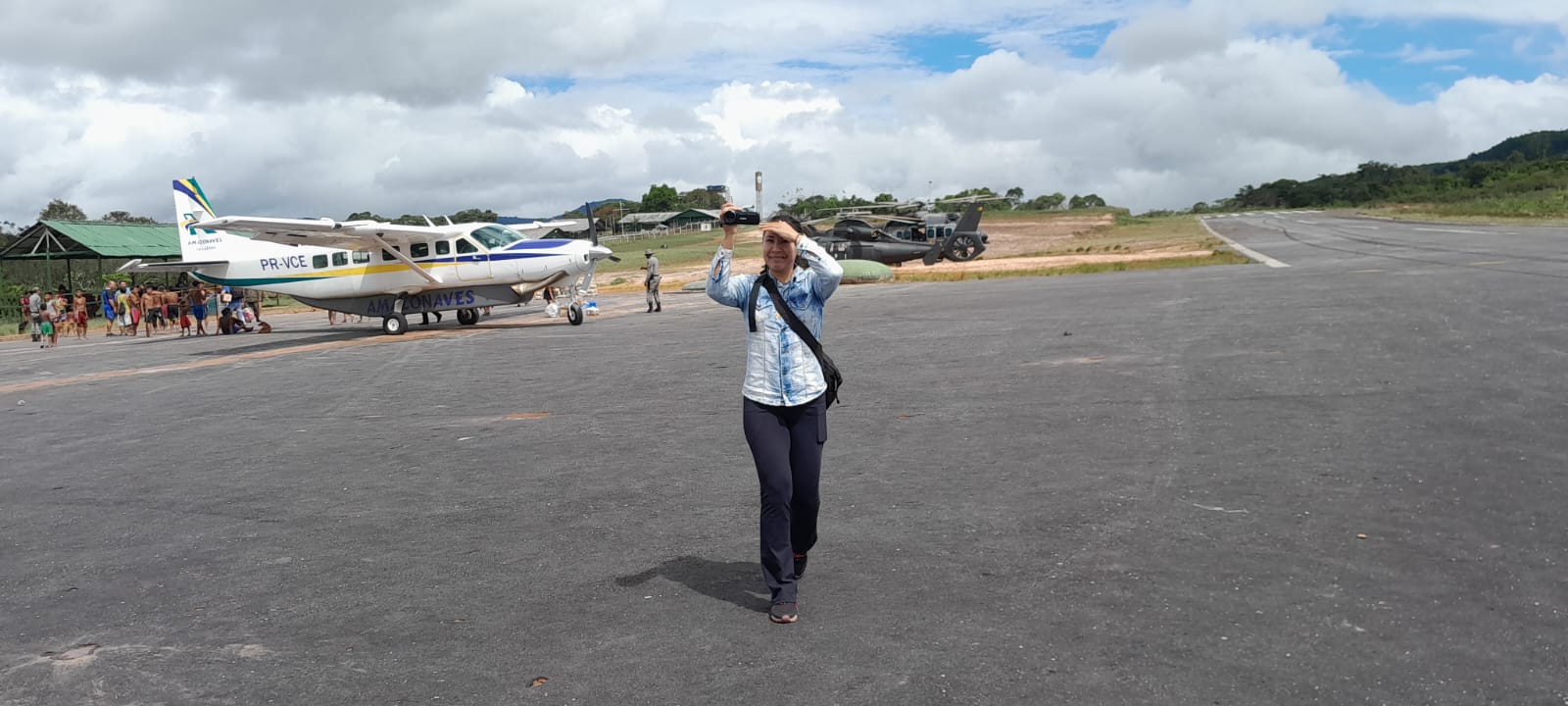
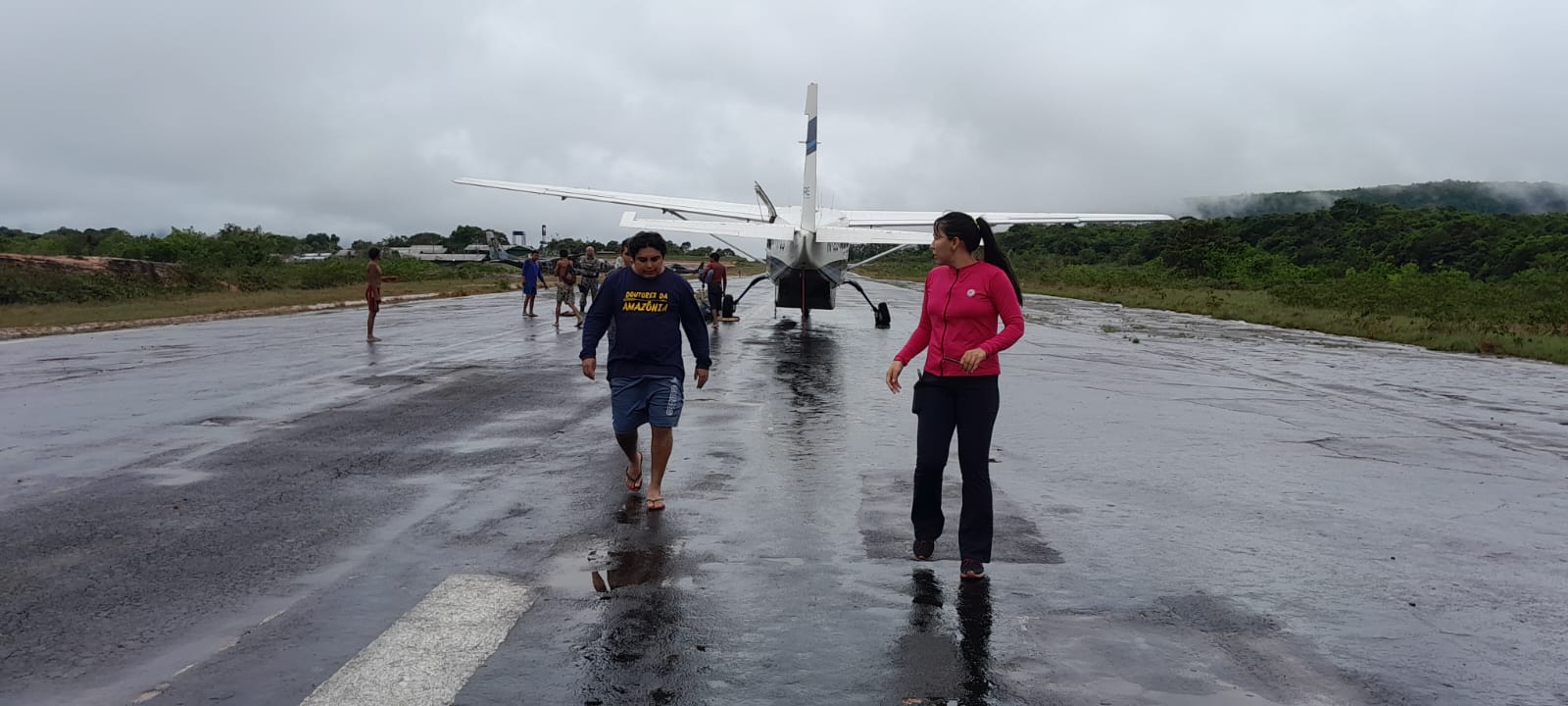
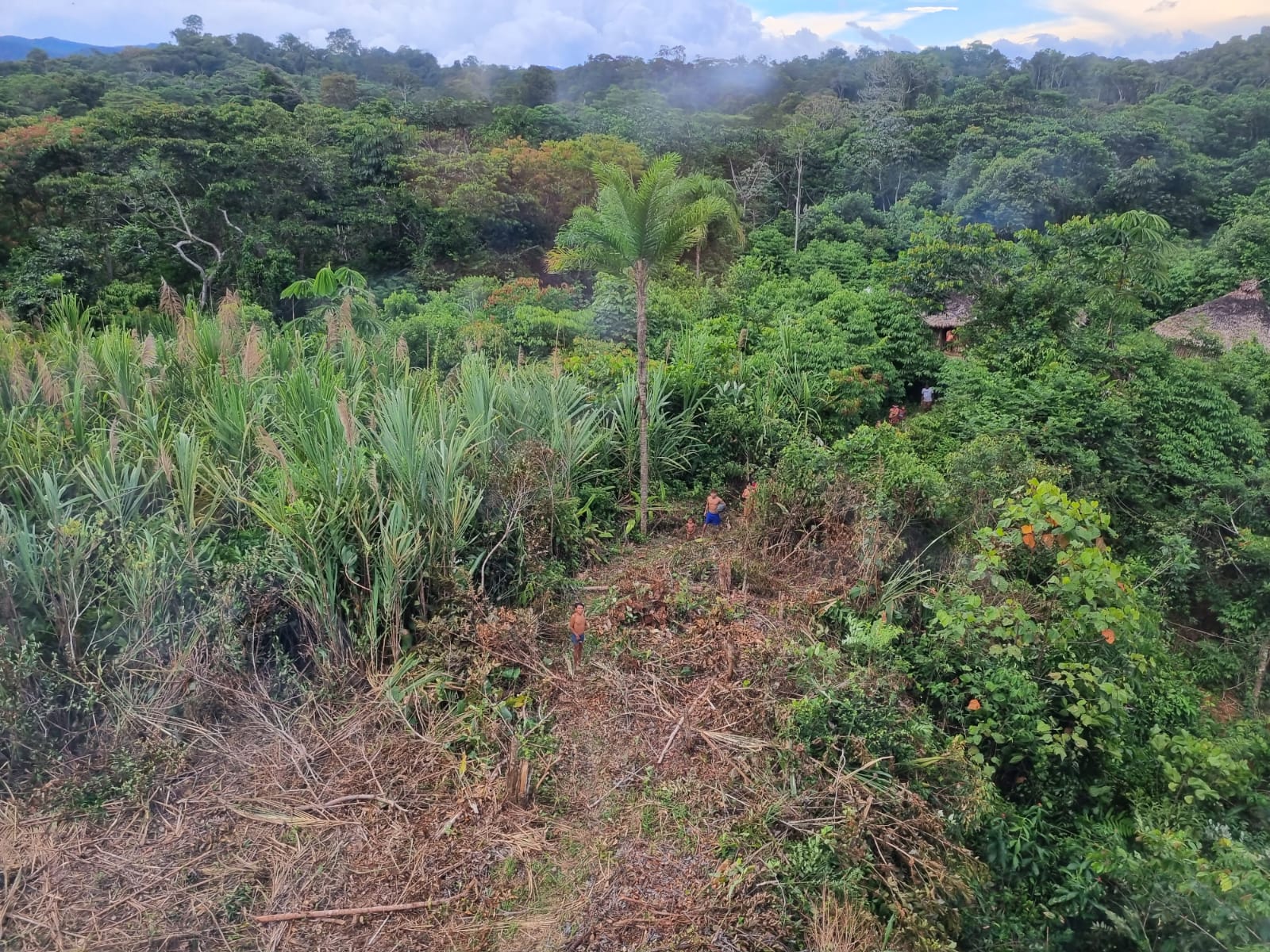
This was just another report on the SOS Yanomami operation. Photos: 1 and 2, Vanessa Ribeiro. Photo: 3, Márcia Fernandes: ASCOM/CIR
My mission was to cover the delivery of supplies such as hammocks, sheets, and mosquito nets, but also to listen to the Yanomami people about healthcare, territorial invasions, and other problems affecting them. For three days, I dedicated myself to documenting each moment using my cell phone. I took care to record everything with the proper prior authorization and respecting the Yanomami relatives, their perspectives, customs, and health conditions.
One of the most striking moments was the removal of patients. I witnessed firsthand the struggle for life, a struggle that becomes constant and challenging, especially when we talk about access to healthcare services. It's a different reality from what we experience in the savannah territories. Here, getting to the hospital or health center is easier; there, it's by helicopter or on foot. Can you imagine someone with a fever walking four or five days through the forest looking for a doctor? It's difficult, you know.
The work of the healthcare professionals who care for the Yanomami people also caught my attention. Many of them leave their families and the comfort of home to dedicate themselves to children, young people, adults, and the elderly who live in the middle of the forest; they spend days and days away from home.
But the reward comes in the happy eyes of a child. Children have innocent and happy eyes; they don't perceive the evil that surrounds them (the destruction caused by illegal mining). Therefore, we must continue fighting and resisting in defense of our territory, to guarantee the lives of future generations.
Vanessa Ribeiro-As the coordinator of CIR's emergency support since 2020, when I received this mission, I had only followed the suffering of the Yanomami people from afar, and this time, being in the Surucucu region for the first time with our Yanomami relatives, was a new experience. I have been to various places in Roraima to deliver campaign supplies, but it was different there. What I knew about their situation was only from hearing about it from Yanomami indigenous leaders and the media. What struck me most was the difficult access for the Yanomami relatives to reach the Surucucu base camp in search of healthcare; the forest is very dense.
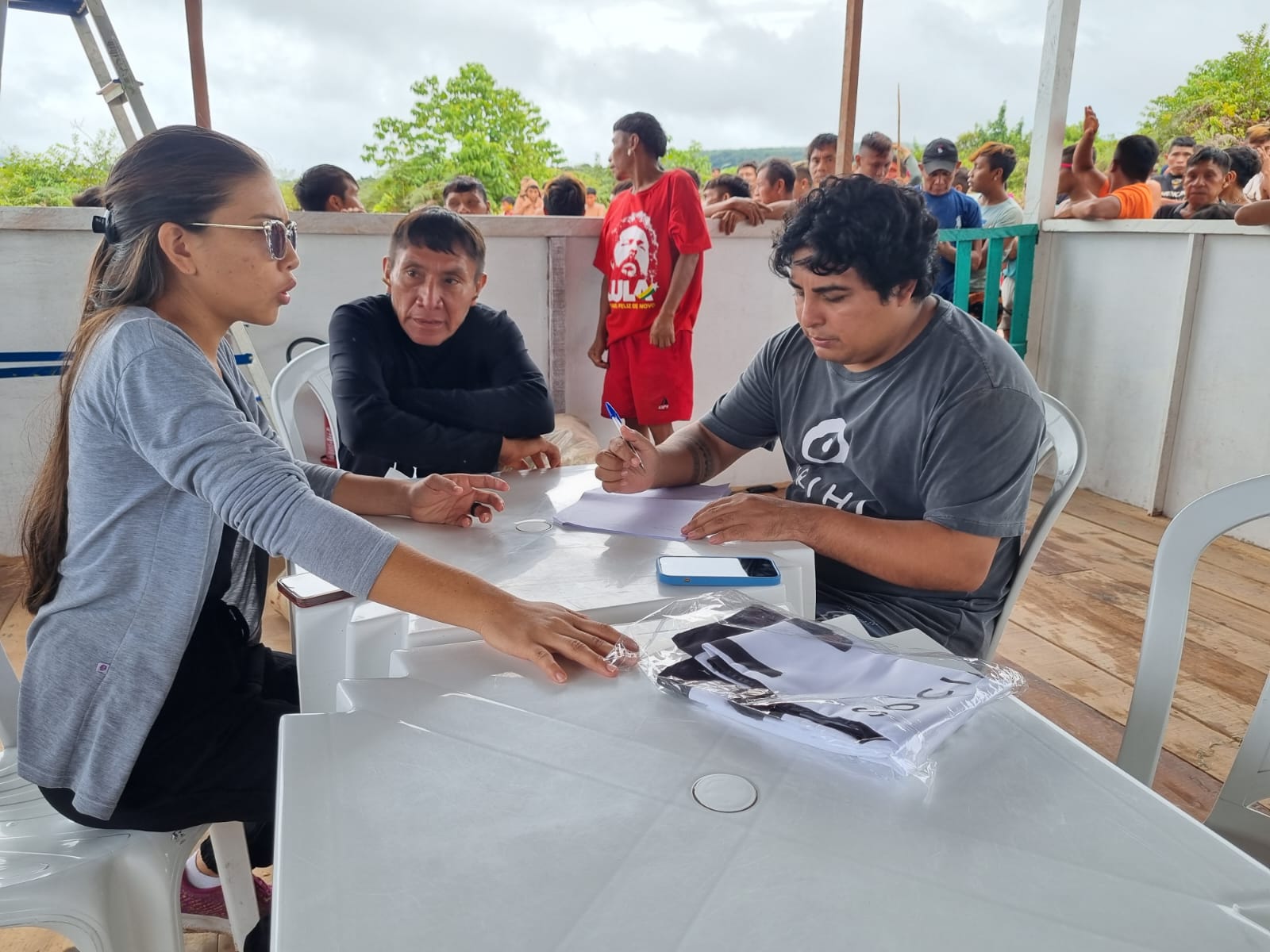
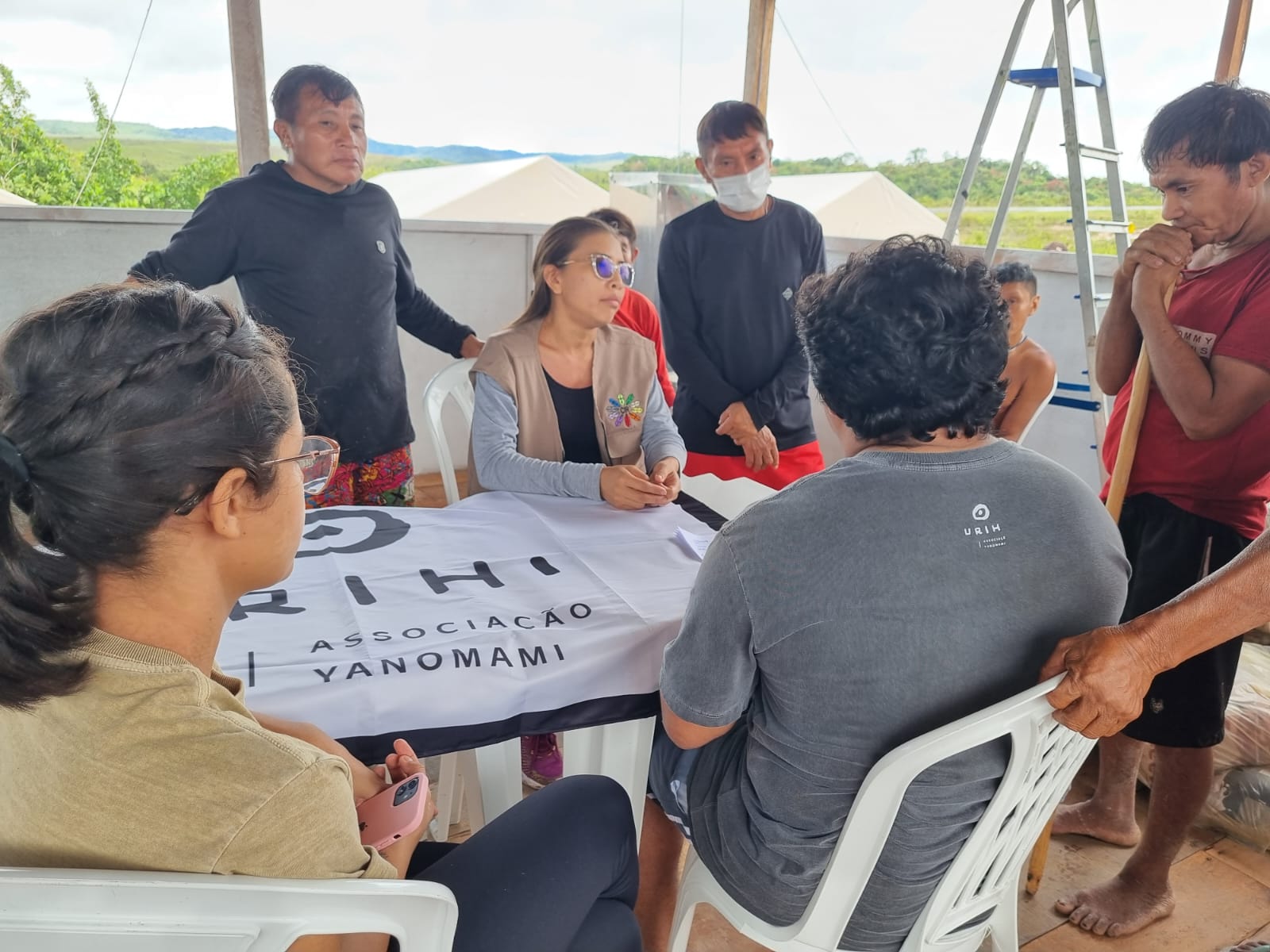
Vanessa Ribeiro in dialogue with the President of the URUHI Association and Yanomami leaders. Photos: Márcia Fernandes/ASCOM/CIR.
It's gratifying to see that the materials acquired by the SOS Yanomami campaign will contribute to providing a minimum of comfort, especially to the children and the elderly. We saw the happiness in their eyes when they received the hammocks and blankets, which will be very useful, particularly during this rainy season when it gets very cold in the forest. Hearing their accounts, I could see that with all the structure and help they have now, they are better off than before, but they still need to improve further.
The trip to Yanomami territory was not only remarkable but also very important because we saw the results of our organization's efforts and the tireless work of our entire team to bring aid to the Yanomami people who desperately need it and are going through this ongoing humanitarian tragedy. The reflection from this mission is that we are doing our part, and Brazilian society and humanity also need to do their part for the health and lives of the Yanomami people, who are at risk.
Márcia Fernandes* and Vanessa Ribeiro**
Journalist and Coordinator of the Communication Department
**Nursing Technician and Manager in Indigenous Public Health**