
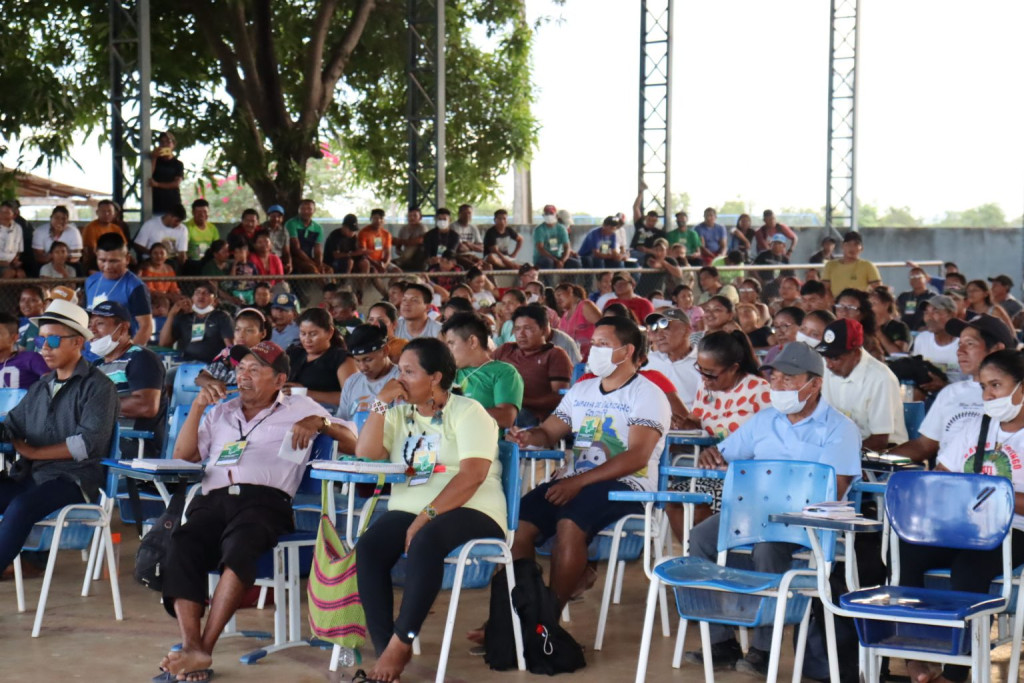
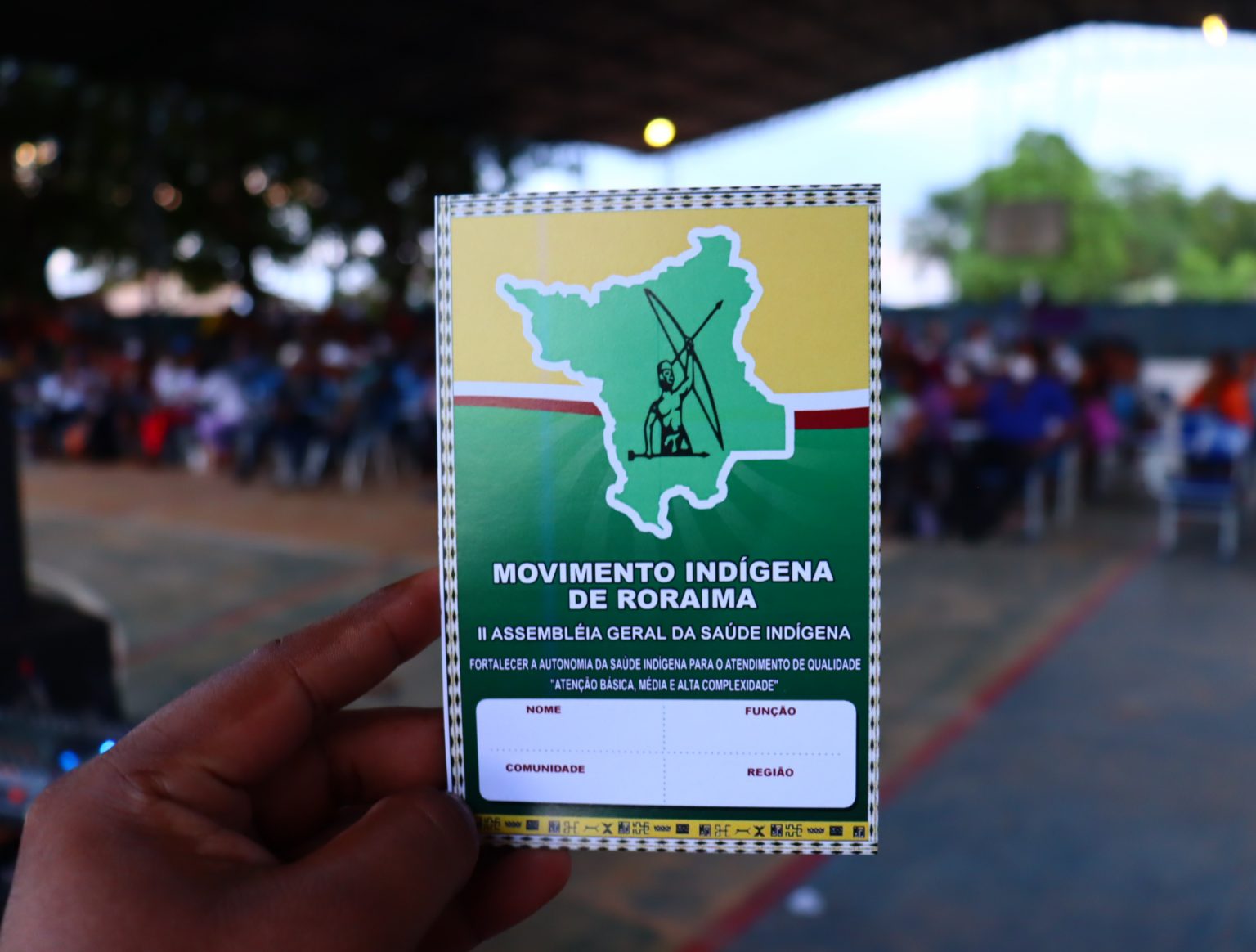
Held in the Barro Community, Surumu Region with the theme: "strengthening the autonomy of Indigenous health for quality care", from May 2nd to 5th, it was organized by the Indigenous Movement of Roraima, with the participation of more than 700 indigenous leaders, including Tuxauas, Coordinators of Centers and Regionals, Teachers, Managers of Municipal and State Schools, Directors of Regional Centers, GPVTI, ATAIS, Pre-Fire, Operators of Indigenous Rights, Catechists, Shamans and Indigenous Organizations, among others.
The Leaders came from the Serra da Lua Regions, regions of the Raposa Serra do Sol Indigenous Land: Surumu, Raposa, Baixo contigo, Serras, in addition to the São Marcos and Amajari Regions.
Representing the Indigenous Council of Roraima were Edinho Batista, General Condemner of the CIR, who is also a district health councilor, eastern district, Maria Betânia, secretary of indigenous women, Iterniza Pereira Macuxi, Psychologist, Vanessa Fernandes, Manager in Collective Health, both are State Health Councilors representing the CIR, Keliane Wapichana, Territorial Manager, and Ivo Cipio Legal Advisor.
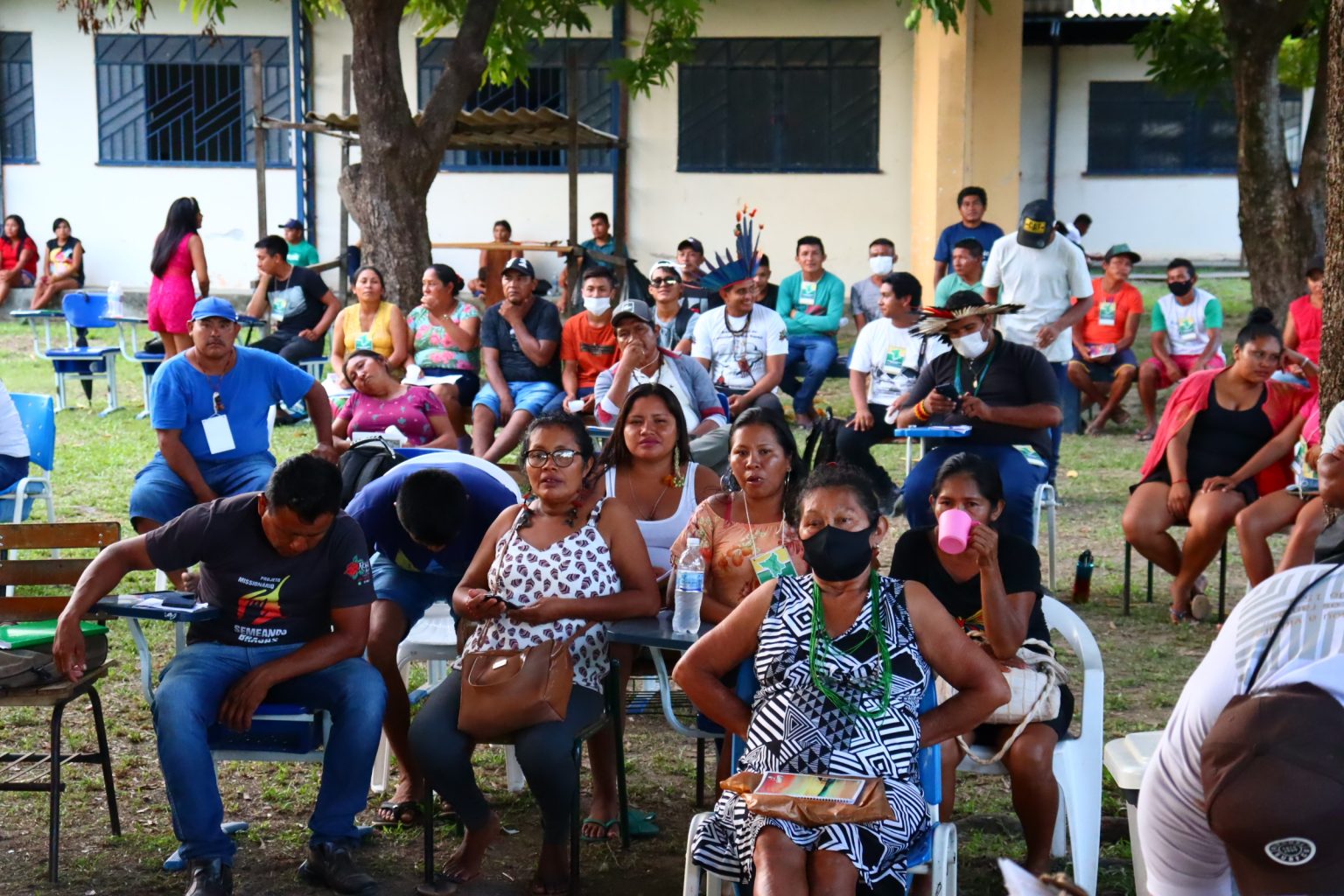
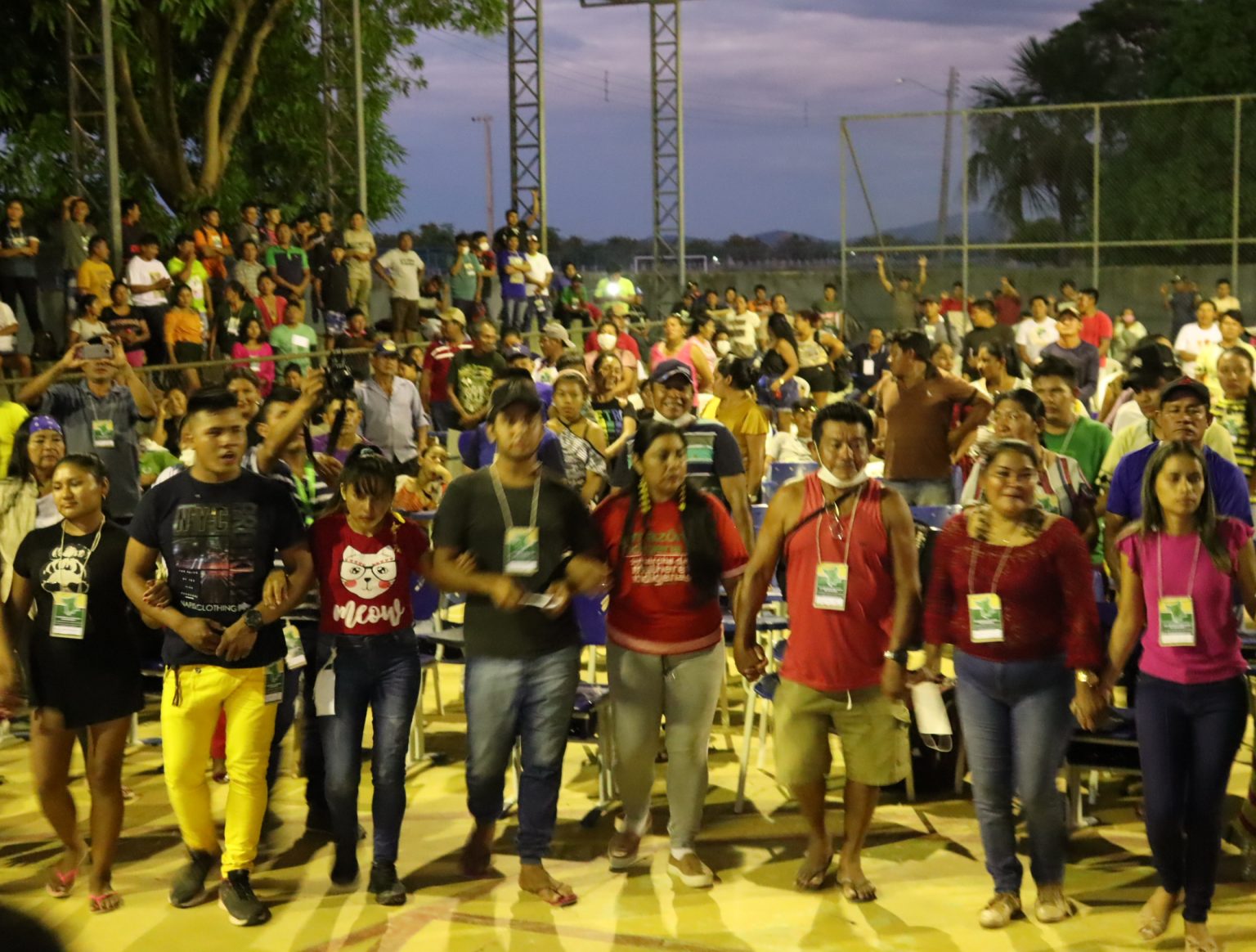
After two years away due to the pandemic the discussions around improvements in health, the problems faced with the precariousness of resources, the leaders also formatted a letter of indignation against SESAI, which according to them has had difficulties and a constant internal and external exchange of employees that hinders basic care for indigenous peoples.
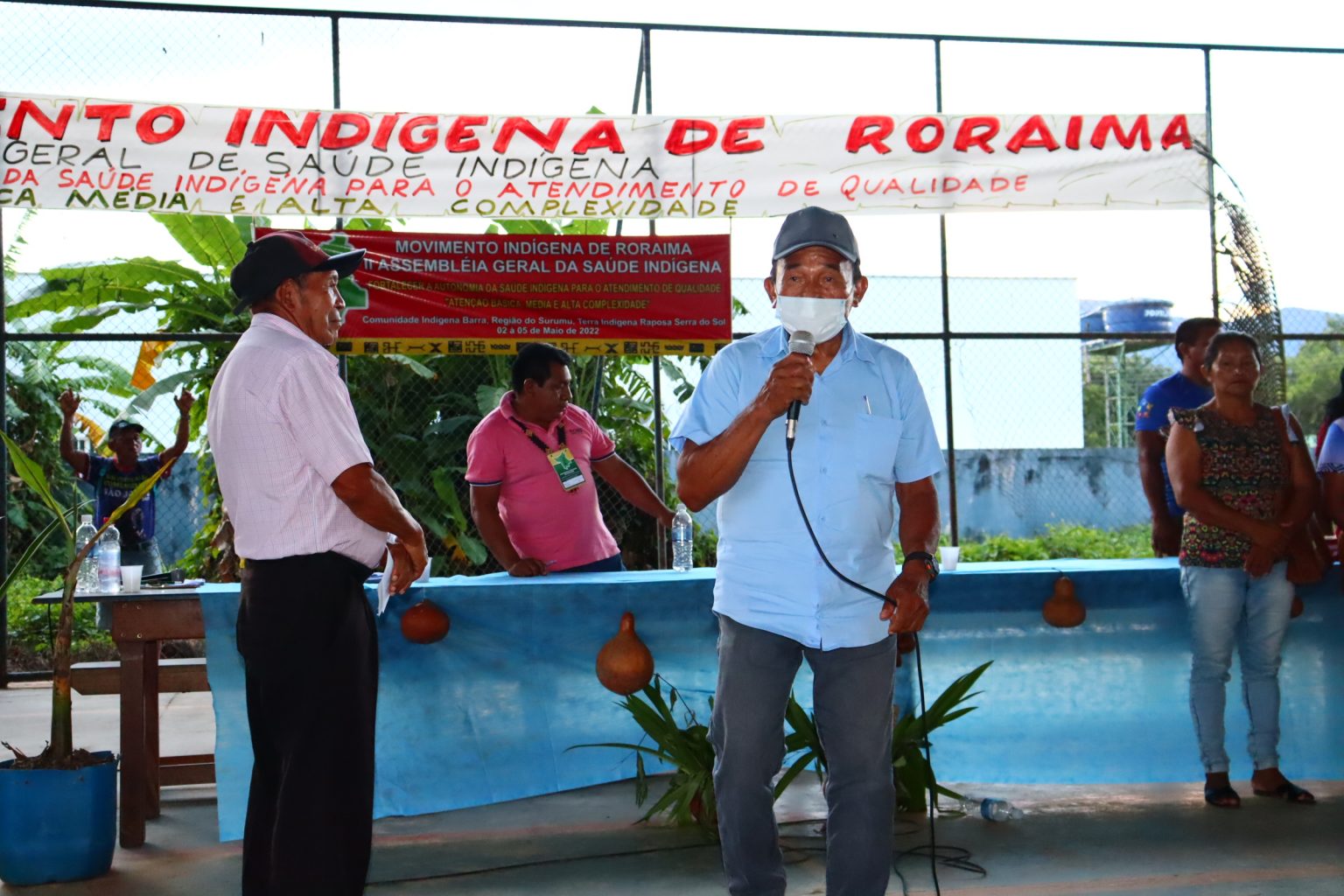
Ivo Cipio, Legal Advisor of the CIR, was clarifying about the Arouca Law.
(LawNo. 9,836, of September 23, 1999.Sin September of the same year and authored by the then federal deputy SérgioArouca, regulatory framework for the care of the life of indigenous populations in Brazil.)
All sought clarification from the advisor, in addition to formulating with him claims for the health of indigenous peoples.
Another highlight was the tribute of health professionals to traditional leaders Clovis Ambrósio and Jacir Souza.
Mr. Clóvis Ambrósio is currently the coordinator of the Serra da Lua region, he is one of the references in indigenous health, having already coordinated Condisi, and together with Jacir they started the indigenous movement of Roraima, with the bases in education, health and territory.
According to the coordinator of the Serras Region Aldenir Cadete, from the Wapichana people, who is also a leader of the Indigenous Movement of Roraima, highlighted;
"The general reports of the health coordinators of all regions were given, reports from the condisi, Dsei - east, the general coordination of the Dsei, and the participation of the municipal health secretaries, from Uiramutã and Pacaraima, but we emphasize that everyone was invited, to talk precisely about the performance and the health situation of indigenous peoples, in the reports were reported the precarious situation of care, of low, medium and high complexity.
On the last day (05) the final letter of the Assembly will be read, the approval of proposals, and a letter of commitment will be made with the Coordinators of DESEIs Leste and Yanomami, municipal mayors of Roraima and the Government of Roraima and sign so that they can actually fulfill their role, duty and responsibility.' said the leader. According to Aldenir, the last assembly was in 2019 and in recent years it had not been held due to the COVID-19 pandemic.
Among the problems faced by leaders in health care are the lack of translators for relatives fluent only in the traditional language, lengthy removal, cars in poor condition, and clashes between people who are summoned to work in indigenous areas, but appeal with requests to work in cities.
]
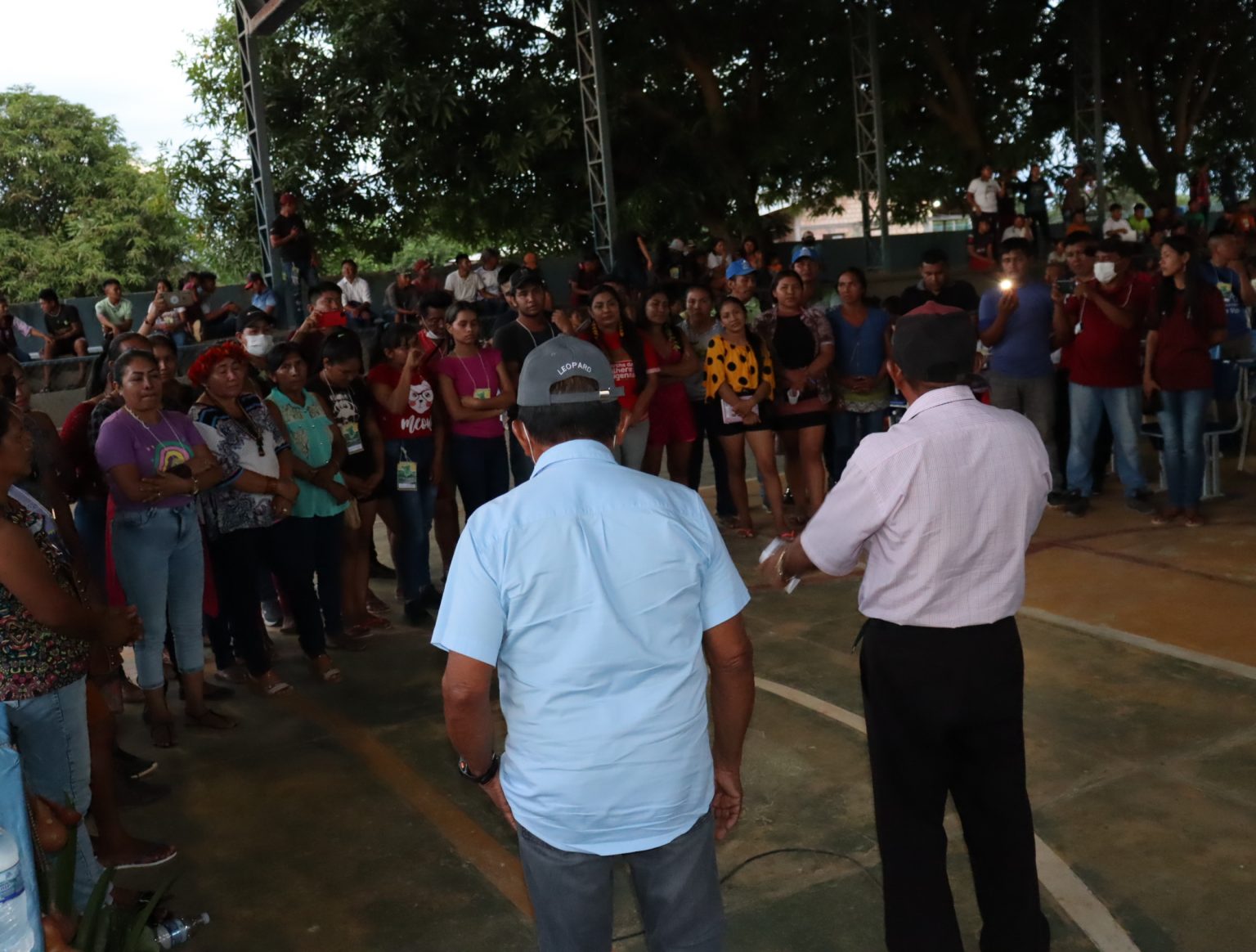
Leaders Jacir Souza and Clóvis Ambrósio
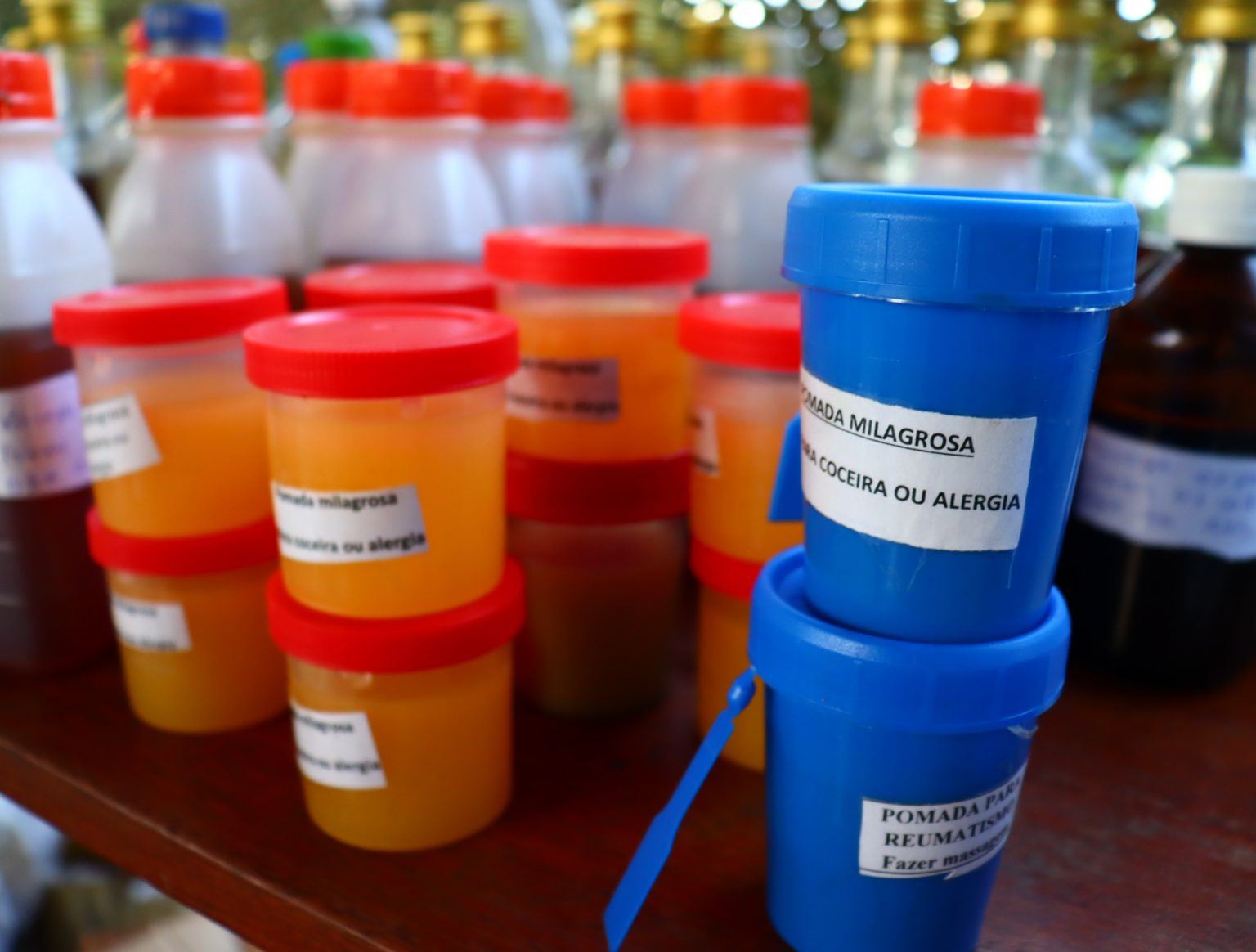
Another important fact to highlight in the Assembly, the appreciation of traditional medicine during the pandemic, and its brief period after, many claim that due to the lack of effective medicine and or the lack of others in health centers, traditional medicine not only cured them but also their families.
Shaman Mariana, local leader of the Surumu Region, and healer, in a moment of speech expressed: "I would like you to feel, just by touching, or by being present, to heal people, seek to learn and believe."
Another leader said:
"I was also cured with traditional medicine, when I was removed to the city I was not attended. They do not know our reality, they do not live well with us or among us. I was cured by traditional medicine." Jesoaldo Cabral of the Macuxi people.