
History of the Indigenous Council of Roraima
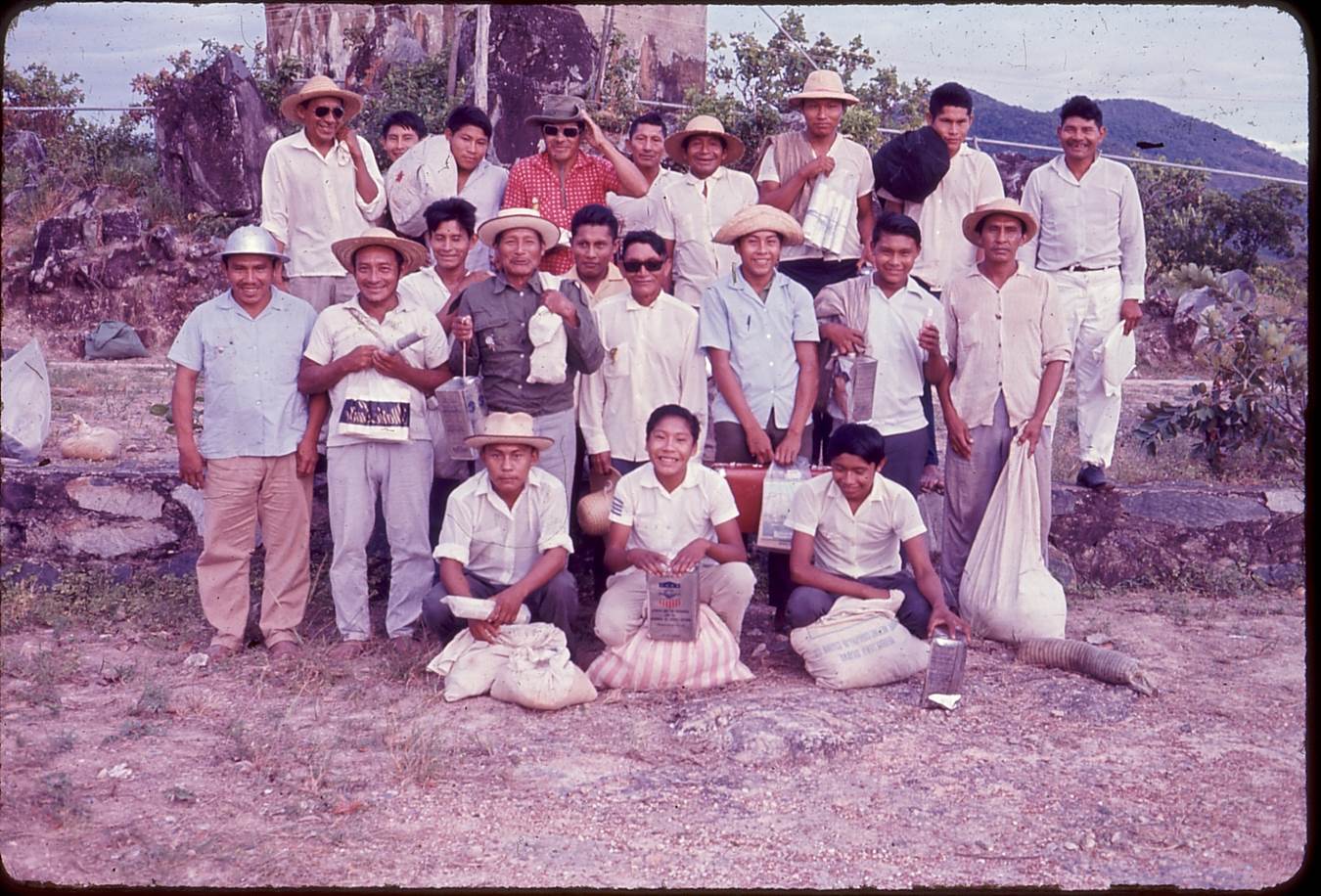
The Indigenous Council of Roraima (CIR) has its trajectory marked by the organization, mobilization and struggle of the indigenous peoples of Roraima for the defense of their territories.
The history of the CIR began in 1971, with the holding of the first Assembly of Tuxauas, a space created to strengthen the organization and articulation of indigenous leaders. In 1977, this Assembly was dissolved by the then president of the National Foundation of Indigenous Peoples (FUNAI), with the accompaniment of police forces. Despite the difficulties, the indigenous organization continued to strengthen.
In 1983, the movement gained new momentum with the formation of four regional councils, in the regions of Surumu, Taiano, Serra da Lua and Baixo Cotingo. The creation of these spaces expanded the participation of the communities and strengthened the articulation of the leaders.
In 1986, the Council began to cover other regions of Roraima, incorporating the regions of Raposa, Serras and Amajari, expanding its representativeness and its performance at the state level.
The following year, in 1987, the Indigenous Council of the Territory of Roraima (CINTER) was formalized. With the transformation of the Federal Territory of Roraima into a State, in 1990, the organization was renamed the Indigenous Council of Roraima (CIR), headquartered in Boa Vista, Roraima.
Coordination of the CIR – 1989 to 2028
1989–1990
General Coordinator: Terêncio Luiz Silva – Macuxi, região Surumu.
Vice-coordinator: Jacir José de Souza – Macuxi, região Serras.
1990–1992
General Coordinator: Clóvis Ambrósio – Wapichana, região Serra da Lua.
Vice-coordinator: Valdir Tobias.
1993–1994
General Coordinator: Euclides Pereira – Macuxi, região Surumu.
Vice-coordinator: Clóvis Ambrósio – Wapichana, região Serra da Lua.
1995–1996
General Coordinator: Nelino Galé – Macuxi, região Baixo Cotingo.
Vice-coordinator: José Adalberto – Macuxi.
1997–2000
General Coordinator: Jerônimo Pereira – Macuxi, região Tabaio.
Vice-coordinator: Desmano de Souza – Macuxi, região Raposa.
2001–2005
General Coordinator: Jacir José de Souza – Macuxi, região Serras.
Vice-coordinator: Noberto Cruz – Wapichana, região Serra da Lua.
2005–2006
General Coordinator: Marinaldo Trajano – Macuxi, região Baixo Cotingo.
Vice-coordinator: Jairo da Silva – Macuxi, região Murupu.
Lavina Salomão – Maturuca.
2007–2009
General Coordinator: Dionito José de Souza – Macuxi, região Serras.
Vice-coordinator: Terêncio Salamão – Wapichana, região Serra da Lua.
Secretariat: Marizete de Souza – Macuxi, região Serras; e Luciana – região Baixo Cotingo.
2011–2017
General Coordinator: Mário Nicácio – Wapichana, região Serra da Lua.
Vice-coordinator: Ivaldo André – Macuxi, região Serras.
Desk: Telma Marques – Taurepang, região Amajari.
2017–2019
General Coordinator: Enock Tenente – Taurepang, região Amajari.
Vice-coordinator: Edinho Batista – Macuxi, região Serras.
Desk: Maria Bethânia Mota de Jesus – Macuxi, região Amajari.
2019–2021
General Coordinator: Enock Tenente – Taurepang, região Amajari.
Vice-coordinator: Edinho Batista – Macuxi, região Serras.
Desk: Maria Bethânia Mota de Jesus – Macuxi, região Amajari.
2021–2025
General Coordinator: Edinho Batista – Macuxi, região Serras.
Vice-coordinator: Enock Tenente – Taurepang, região Amajari.
Desk: Maria Bethânia Mota de Jesus – Macuxi, região Amajari.
During this period, Kelliane Wapichana, from the Serra da Lua region, took over the coordination for two years.
2025–2028
With the updating of the representation structure, the CIR began to adopt the denomination of General Tuxaua and Vice-Tuxaua,
General Tuxaua: Amarildo Macuxi – região Serras, Comunidade Indígena Lage.
Vice-Tuxaua: Paulo Ricardo Macuxi – Comunidade Indígena Raposa I, região Raposa.
General Tuxaua of the Indigenous Women's Movement: Kelliane Wapichana – Comunidade Indígena Canauanim, região Serra da Lua.