

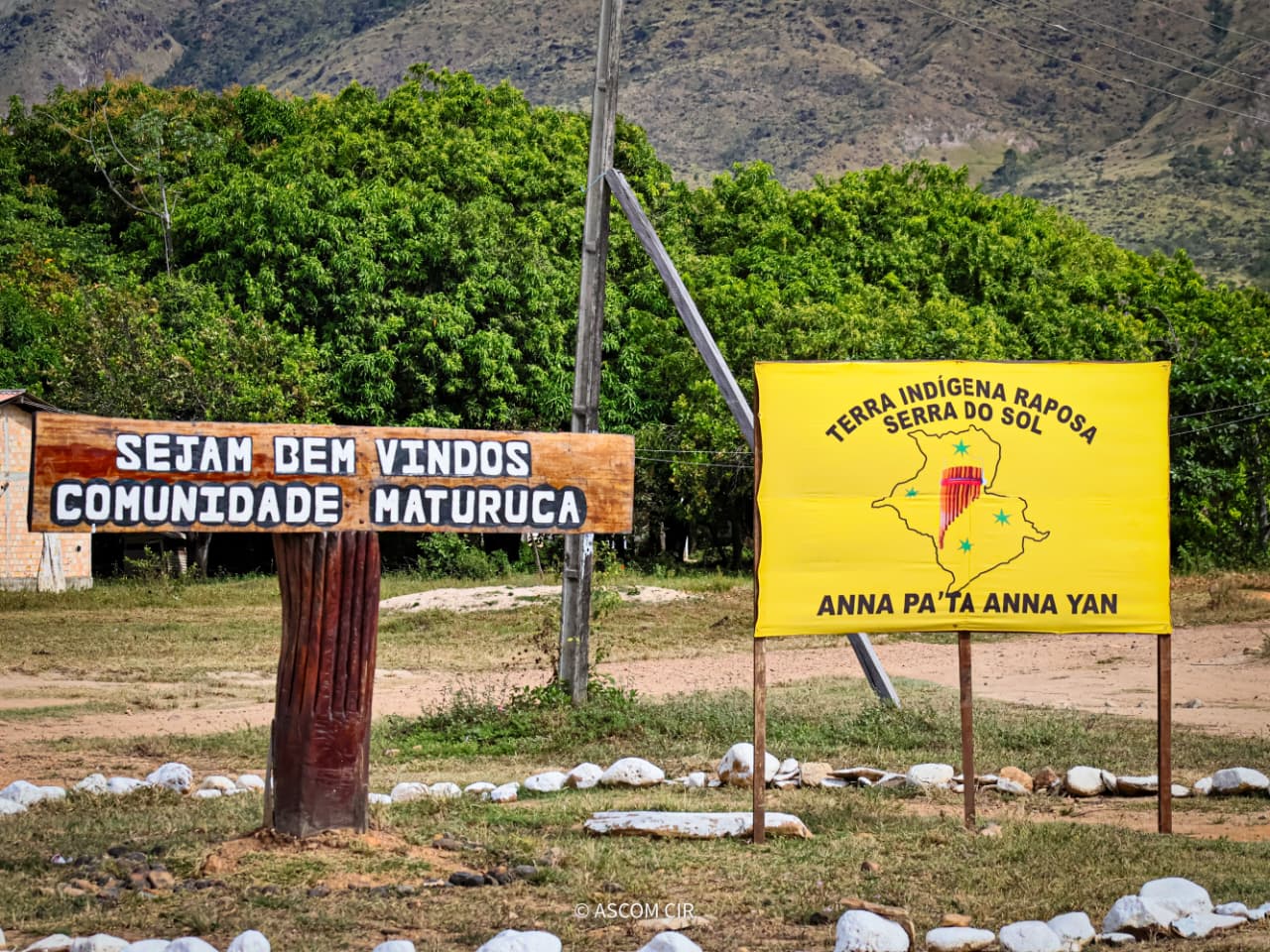
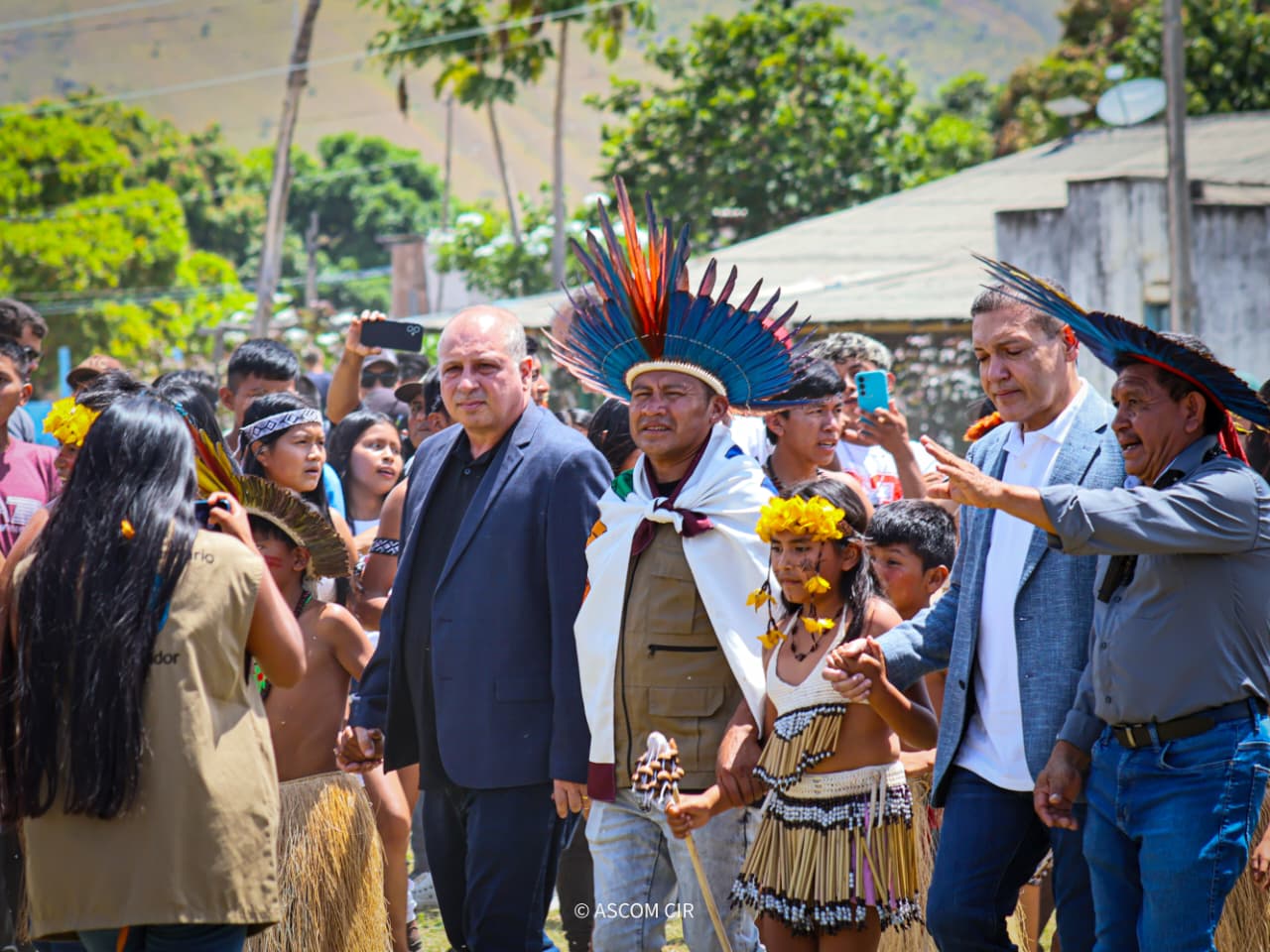
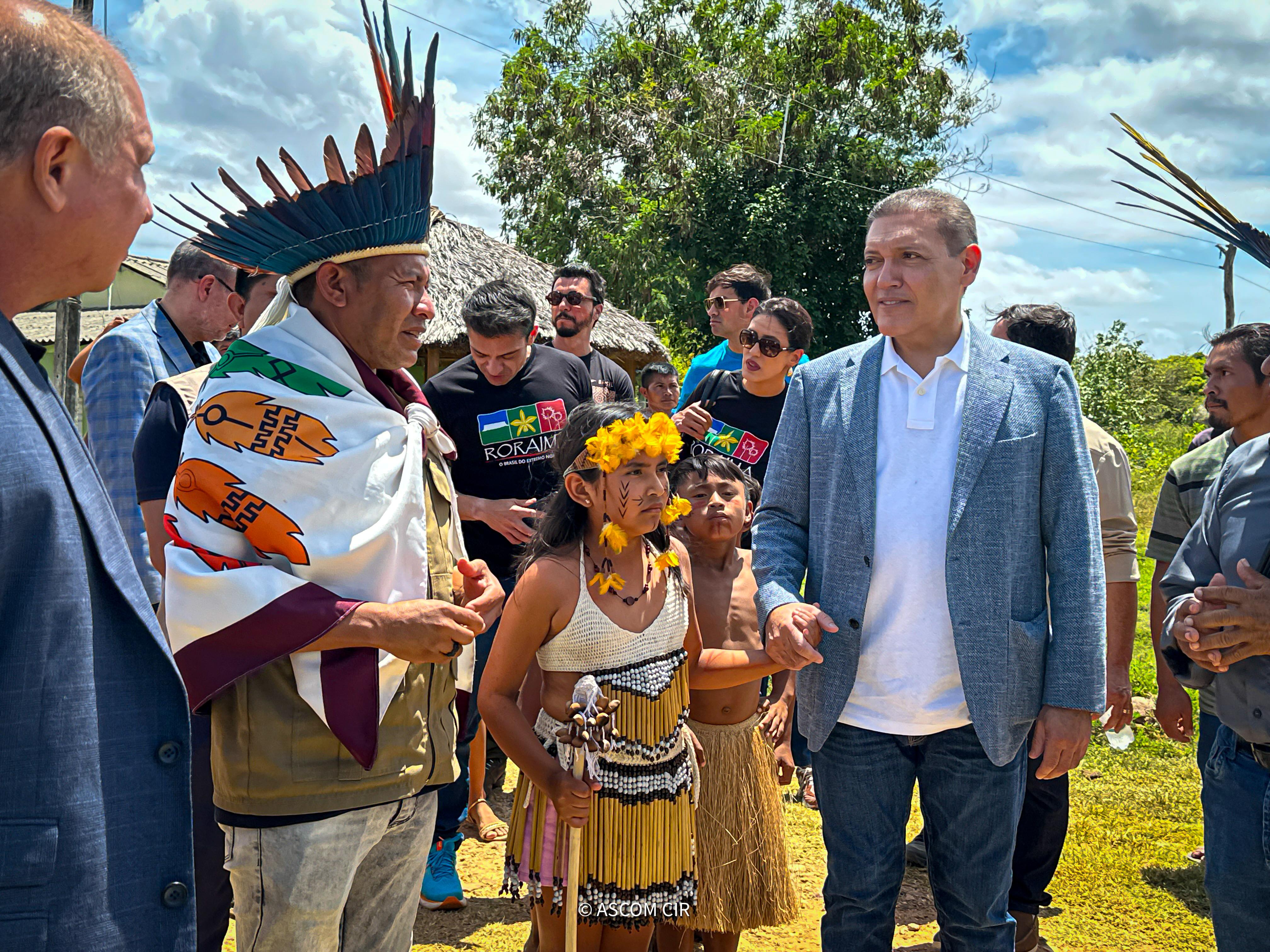
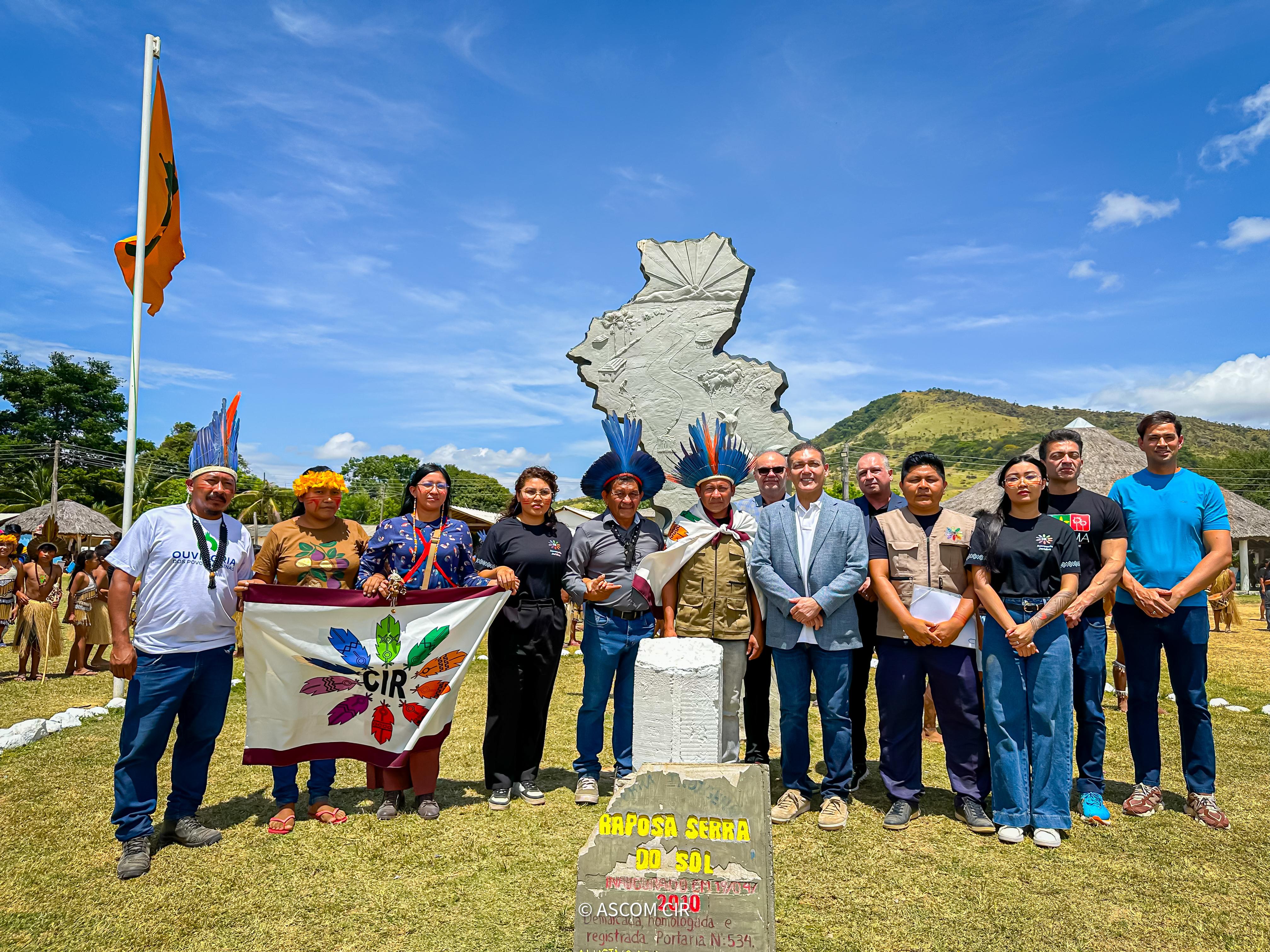
The document was delivered during the Minister's visit to the Maturuca community, with the participation of traditional leaders, young people, men and women.
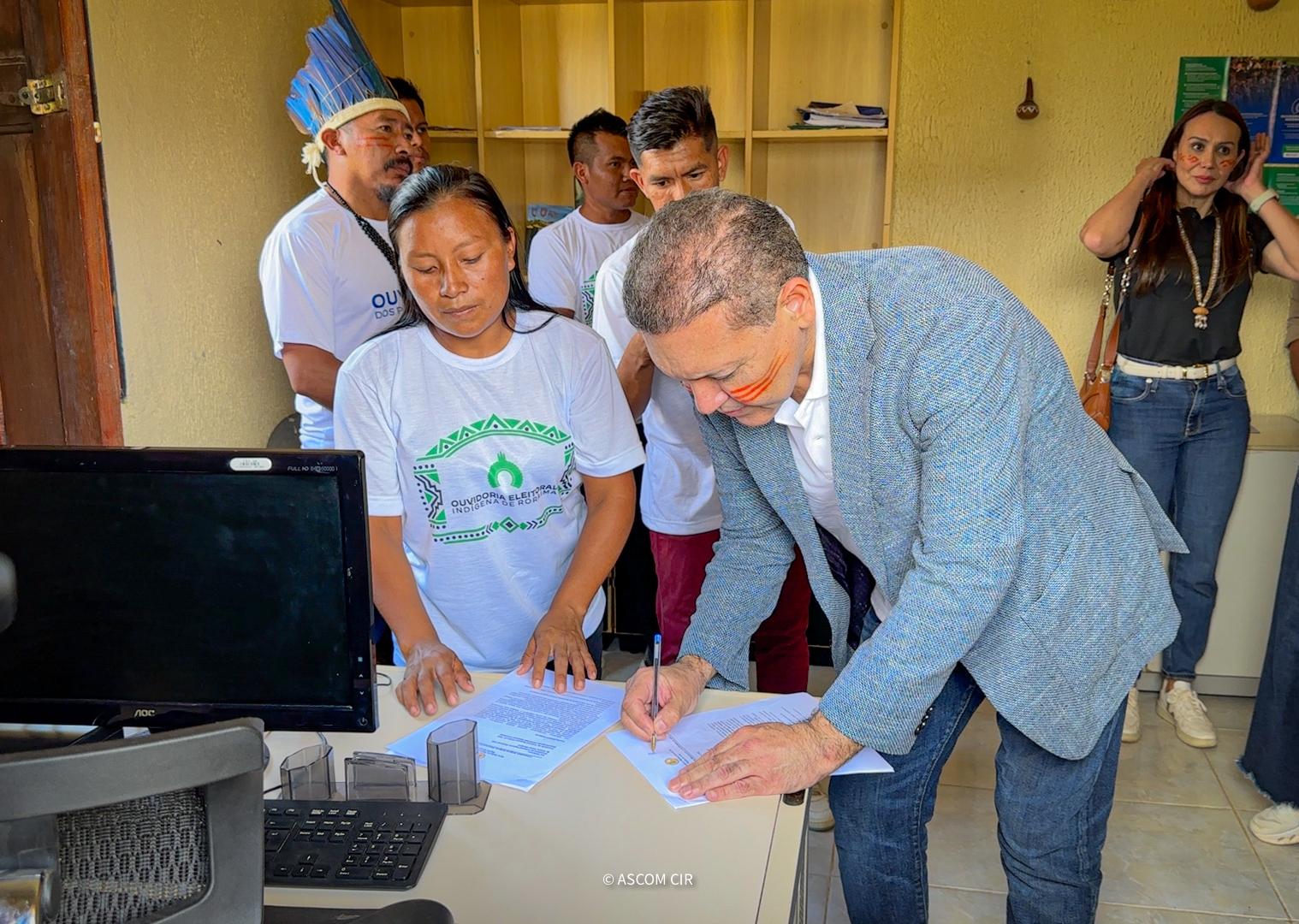
In a historic act, indigenous peoples from the Raposa Serra do Sol Indigenous Territory delivered, last Friday (11), a letter with demands to the Minister of the Supreme Federal Court (STF) and President of the Superior Electoral Court (TSE), Kassio Nunes Marques, the delivery took place during a visit to the Maturuca indigenous community, in the Serras region, in Uiramutã, Roraima.
The document compiles demands from indigenous peoples related to the demarcation and protection of indigenous territories, the temporal framework, mining, and the participation of indigenous peoples in political decisions.
The document's creation was an initiative of the community itself, with monitoring and guidance from the Indigenous Council of Roraima (CIR). During the activity, the Consultation Protocol and the Territorial and Environmental Management Plan (PGTA) were also delivered to the TSE and TRE-RR delegations.
“On this occasion, we are delivering a letter from the indigenous movement, which recounts the entire history of the struggle for indigenous territories. The letter also aims to remind everyone that the issue of the temporal framework is being processed in the Supreme Federal Court and that indigenous peoples do not agree with any project that would weaken or eliminate their rights. Therefore, we are against the temporal framework.”explains the chief of the CIR, Amarildo Macuxi.
Among the demands presented are the defense of the demarcation and protection of indigenous lands and opposition to mining and illegal mining in these territories. The document also requests that, in judgments related to indigenous issues, the original rights recognized by the Federal Constitution be reaffirmed. According to the leaders, the minister's presence in the territory is an opportunity for the authorities to directly understand the reality of the indigenous communities.

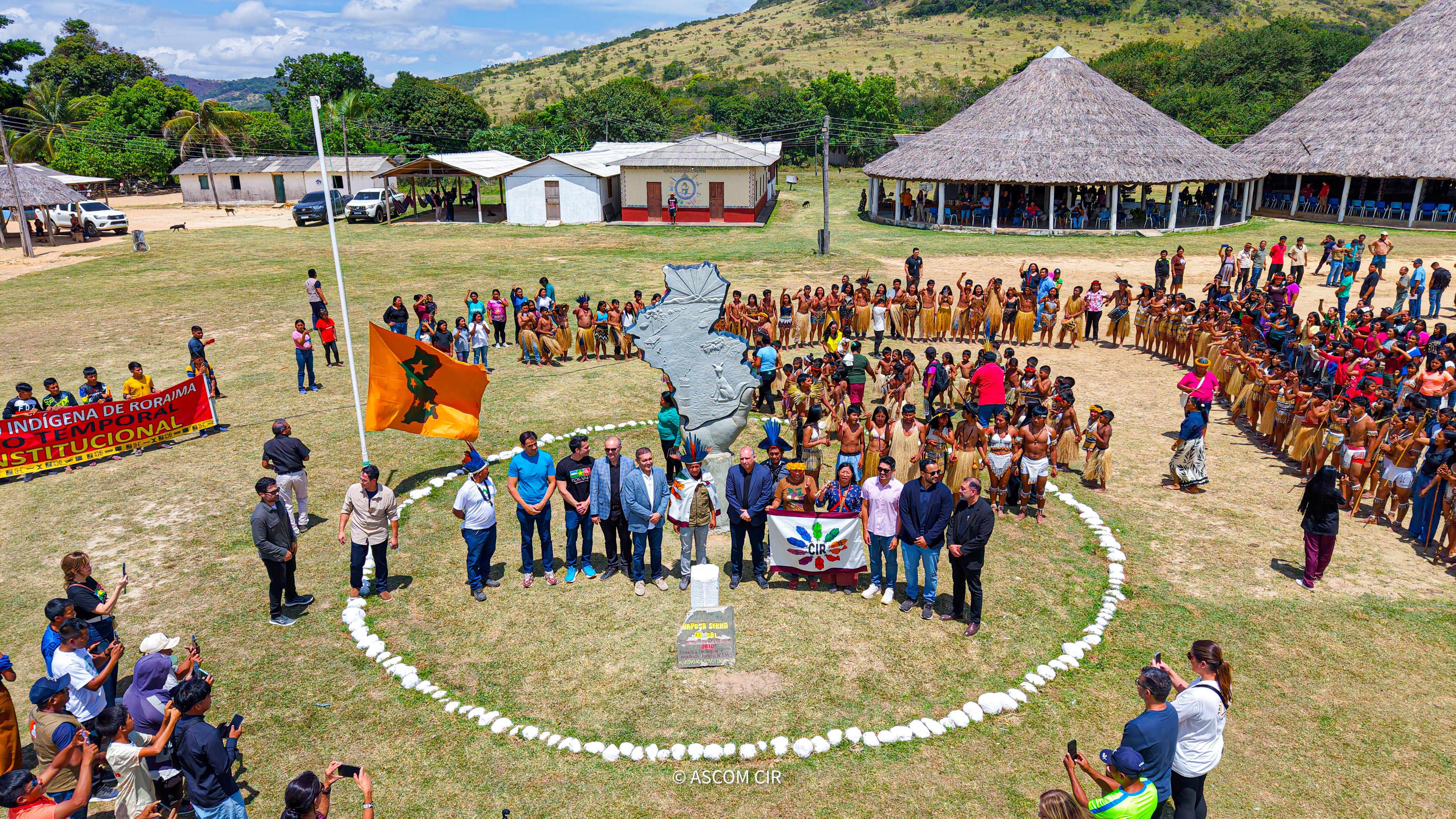
"Therefore, Your Excellency's presence is important to learn about our reality and understand, on our own territory, the importance of the demarcation and protection of indigenous lands."says an excerpt from the letter.
The visit by delegations from the Superior Electoral Court (TSE) and the Regional Electoral Court of Roraima (TRE-RR) to the community aimed to bring electoral justice closer to indigenous peoples and to hear demands related to political participation, access to electoral information, voting, and indigenous representation.
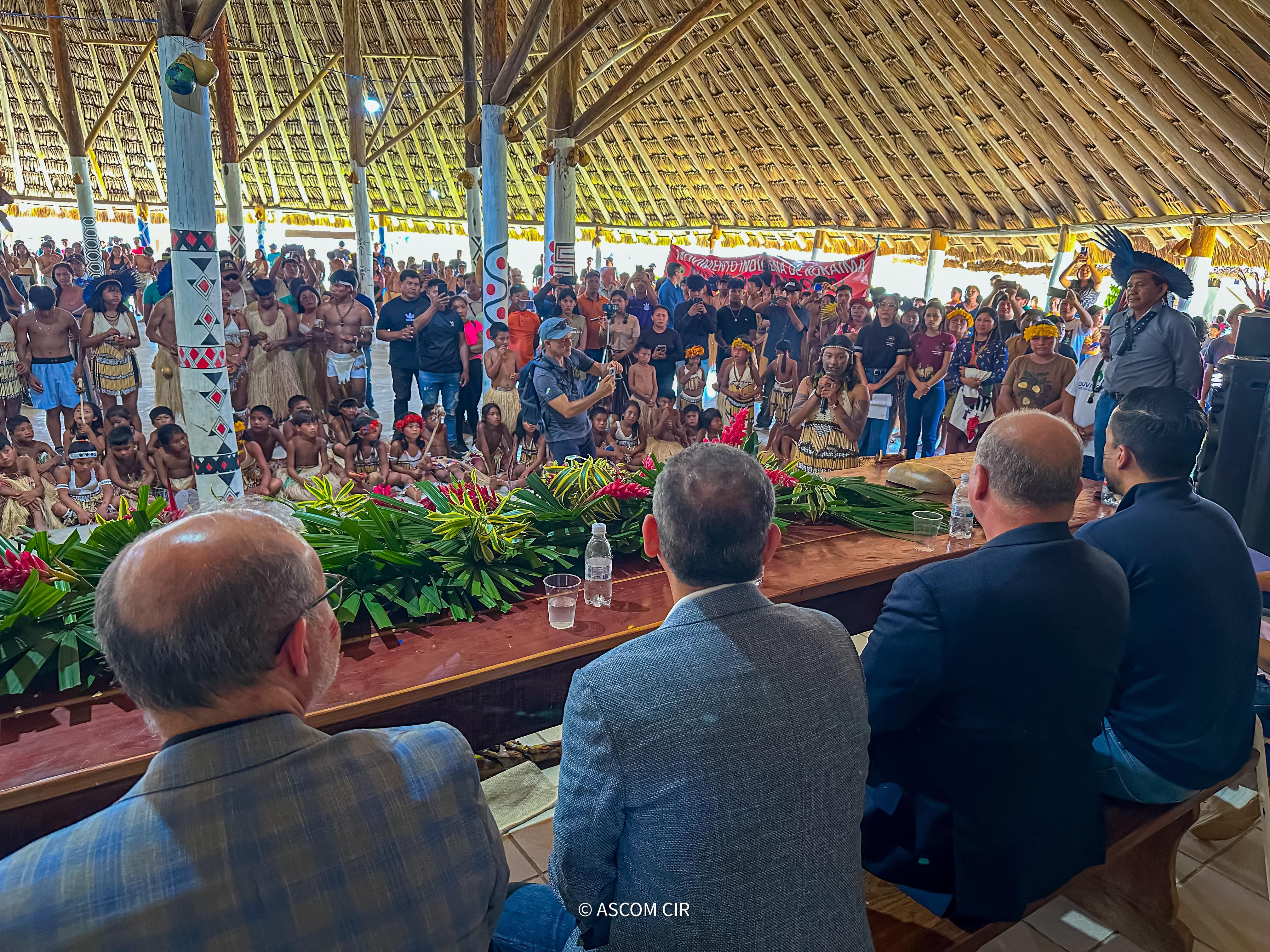
In addition to delivering the documents, the program focused on listening to the communities' demands related to the electoral process. This activity is part of the "Indigenous Voices for the Elections" project, related to the "Map of Silences," an initiative presented by the TSE (Superior Electoral Court) to identify difficulties in accessing information and participating in elections within these communities.
“Our goal is to bring the Superior Electoral Court closer to you, to hear your perceptions and to get to know the reality of the community firsthand through the Map of Silences project, seeking out the voices that have not yet been heard.”the minister points out.
According to Nunes Marques, the proposal seeks to listen to different groups within the communities, including leaders, women, young people, and the elderly, in order to guarantee the functioning of a democratic system. During the visit, electoral training activities were also carried out for indigenous women and young people, with guidance on democracy, citizenship, voting, and the functioning of the electronic ballot box, in addition to listening sessions with indigenous women and encouraging the participation of women and youth in politics.

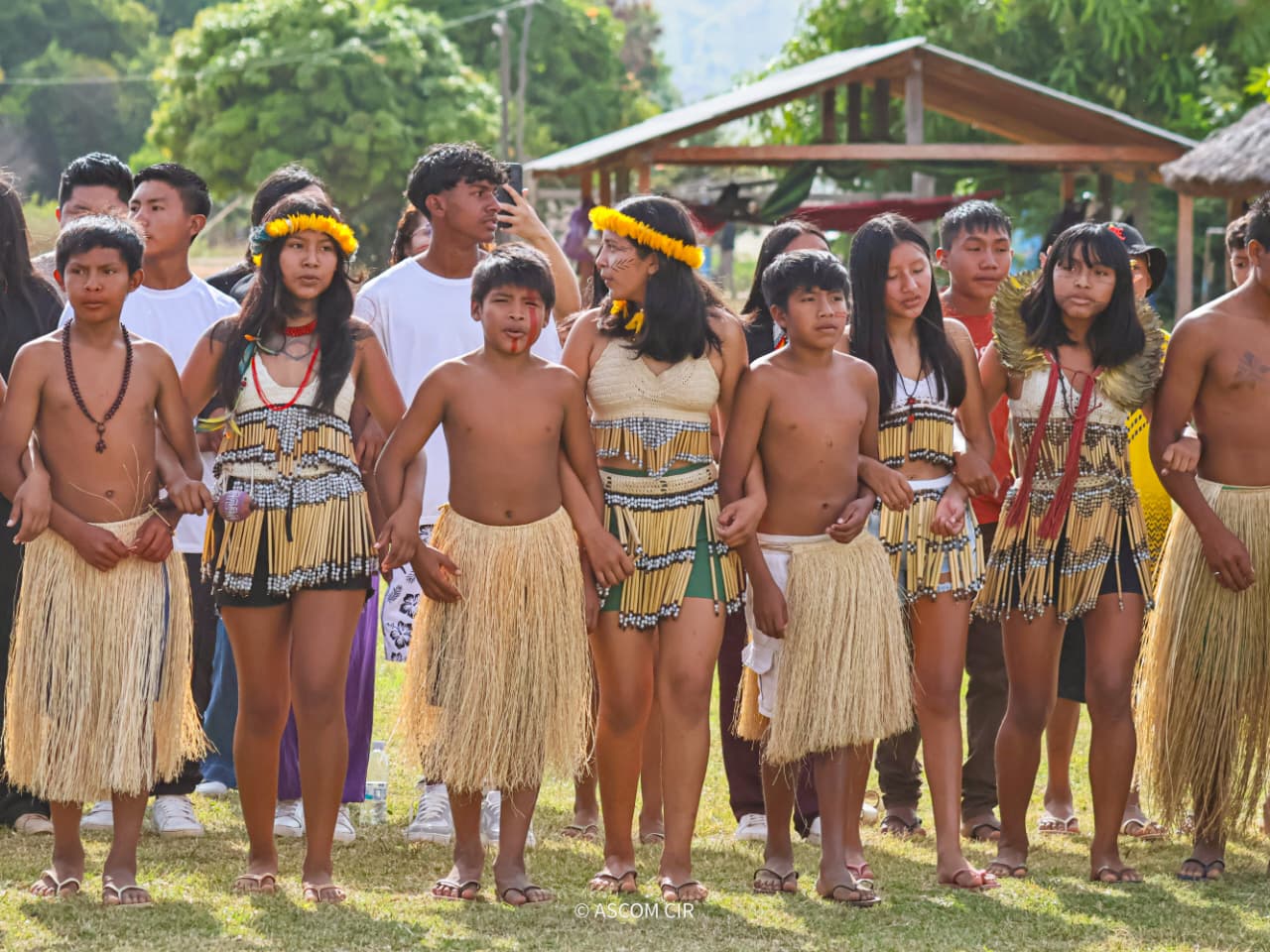
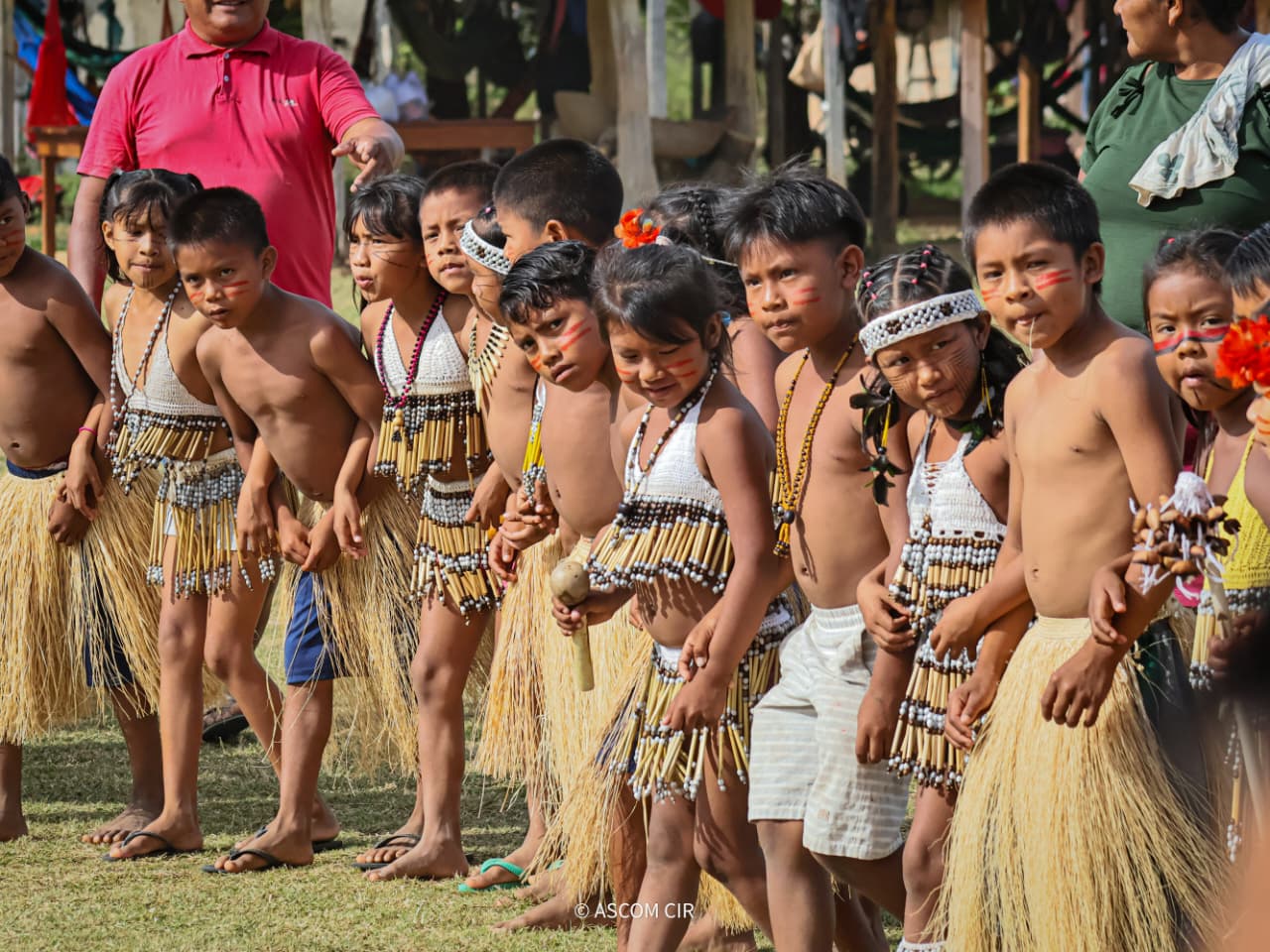
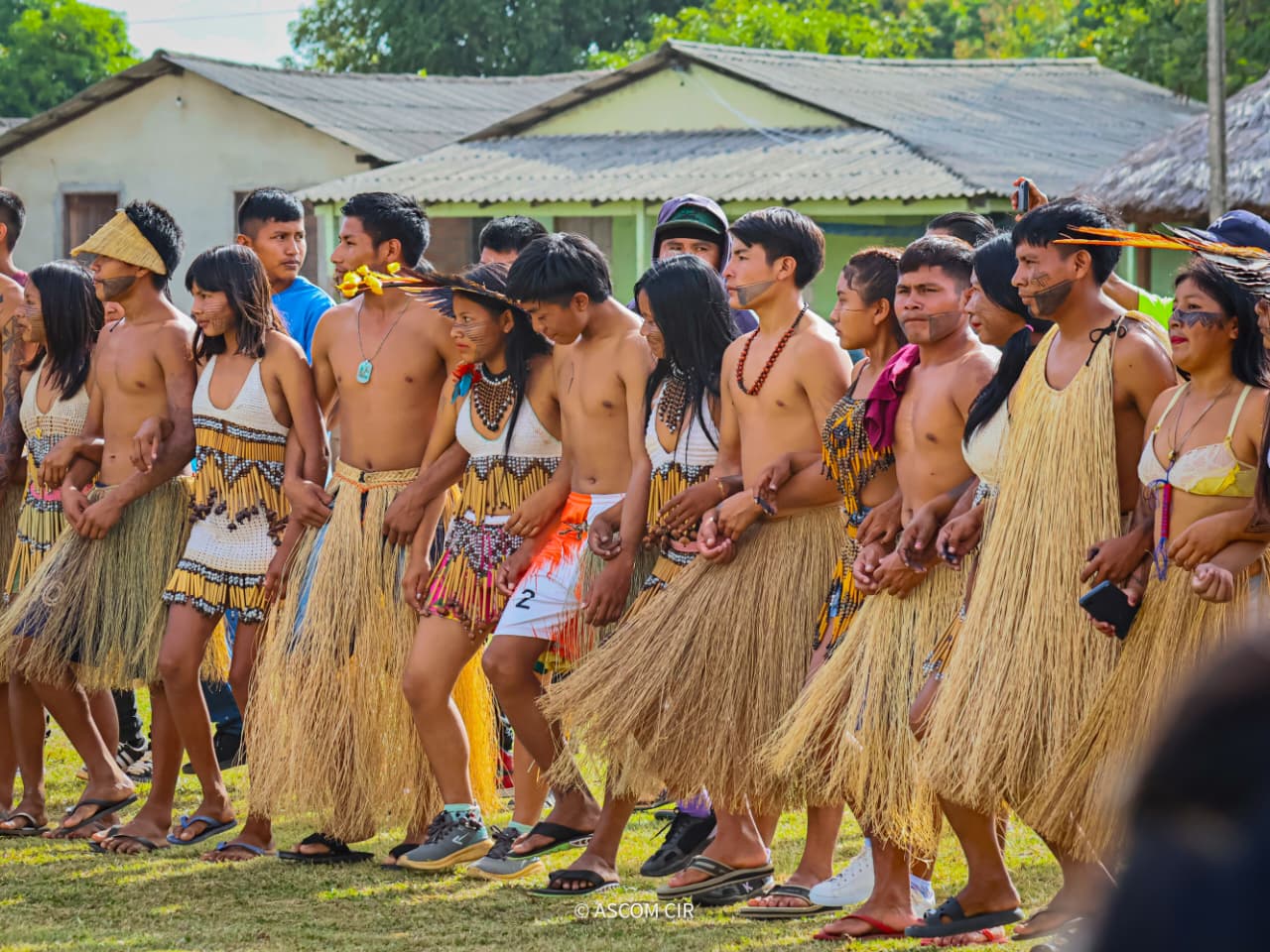
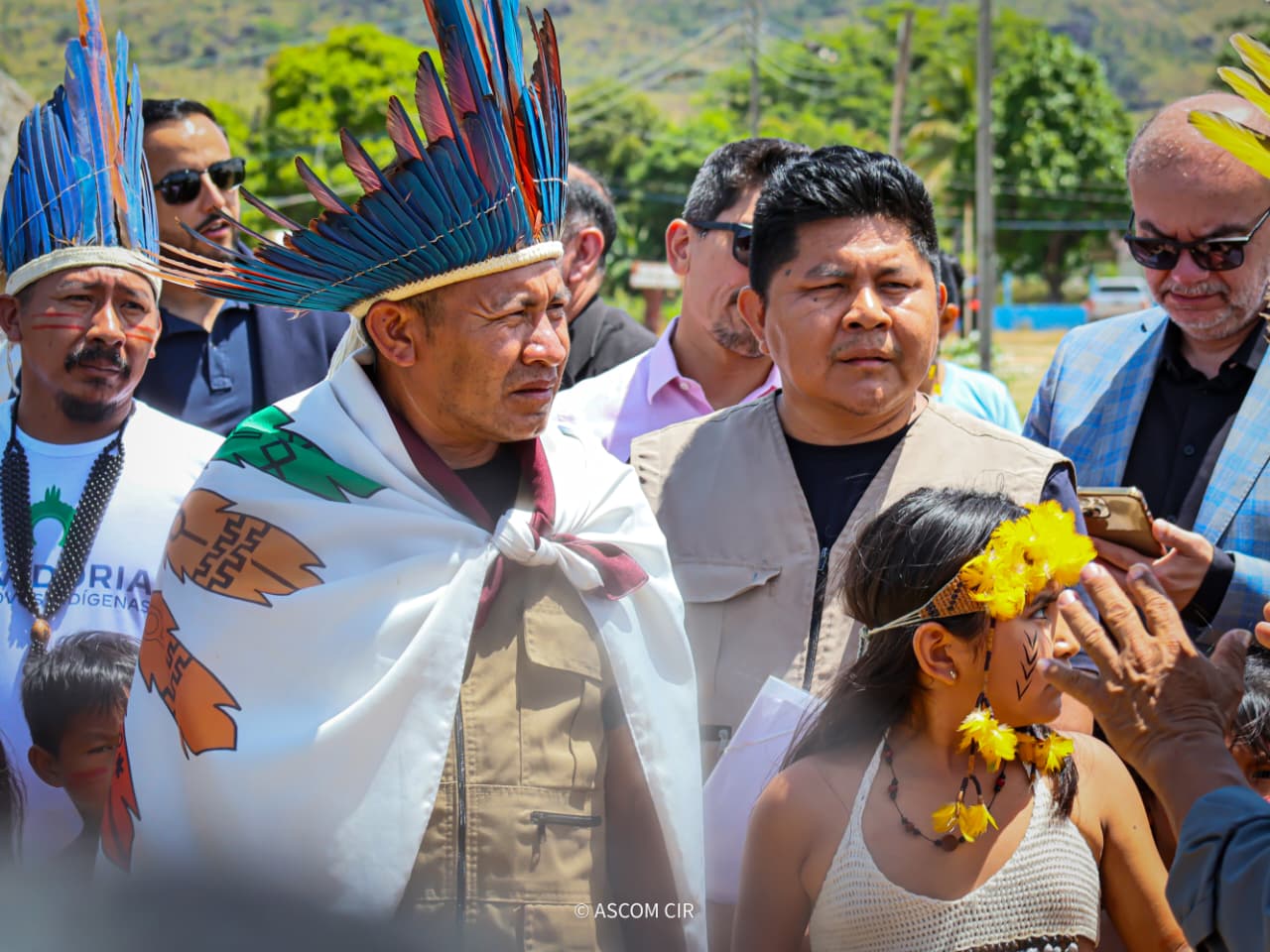
According to the Youth Coordinator, Naya, the presence of young people in decision-making spaces is necessary to ensure that the demands of new generations are considered.
“We want to learn, we want to have our rights recognized, we want to be present in the decisions, because youth in politics helps to have a more just and democratic Brazil, because we are also the present, but not only the present, we are also responsible for our future.”highlightthe.
The visit also marked the strengthening of the Indigenous Ombudsman's Office in the region, which, according to the minister, represents the first ombudsman's office established within an indigenous community. According to the chief of the Maturuca community, Neudino Costa, the structure was created in 2025 and currently has five ombudsmen trained by agents of the TRE-RR (Regional Electoral Court of Roraima).
The initiative seeks to ensure that the electoral process within indigenous communities takes place in a democratic, safe, and accessible manner, and is carried out in partnership between the TRE-RR (Regional Electoral Court of Roraima) and the community itself.

Among the difficulties pointed out by chief Neudino, faced by the community before the creation of the ombudsman's office, are the lack of transportation and the large distances between the communities and the polling places.
“The distance someone had to walk was between two and three hours to reach an indigenous community. There is no transportation, no roads, and we walked two to three hours to reach that community in order to vote in the election.”Nedino reported.
Currently, the ombudsman's office is still demanding a structure to provide better service conditions and more trained personnel to act as indigenous ombudsmen. The initiative also seeks to expand access to electoral information, including for indigenous speakers of the Macuxi and Wapichana languages.
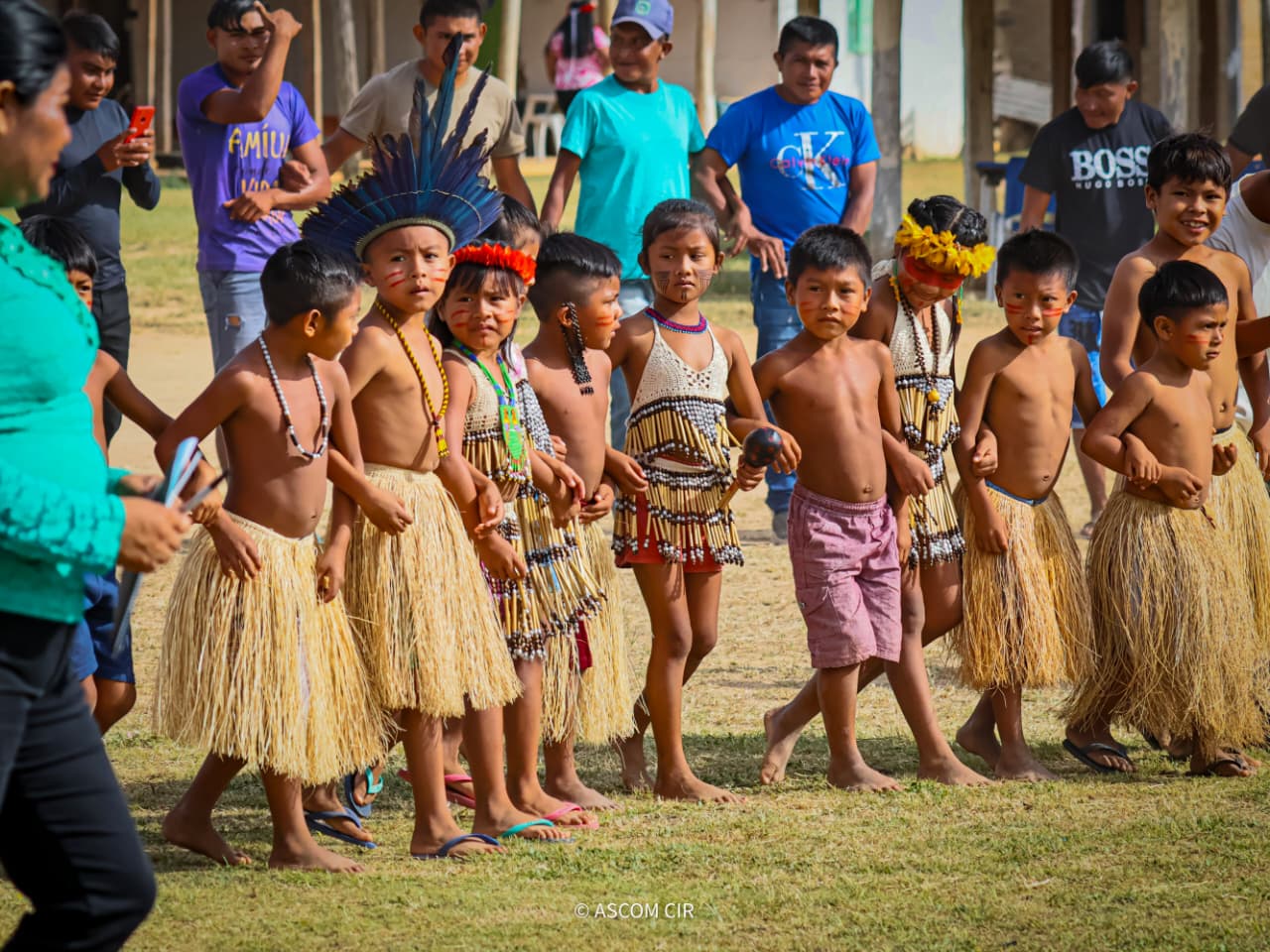
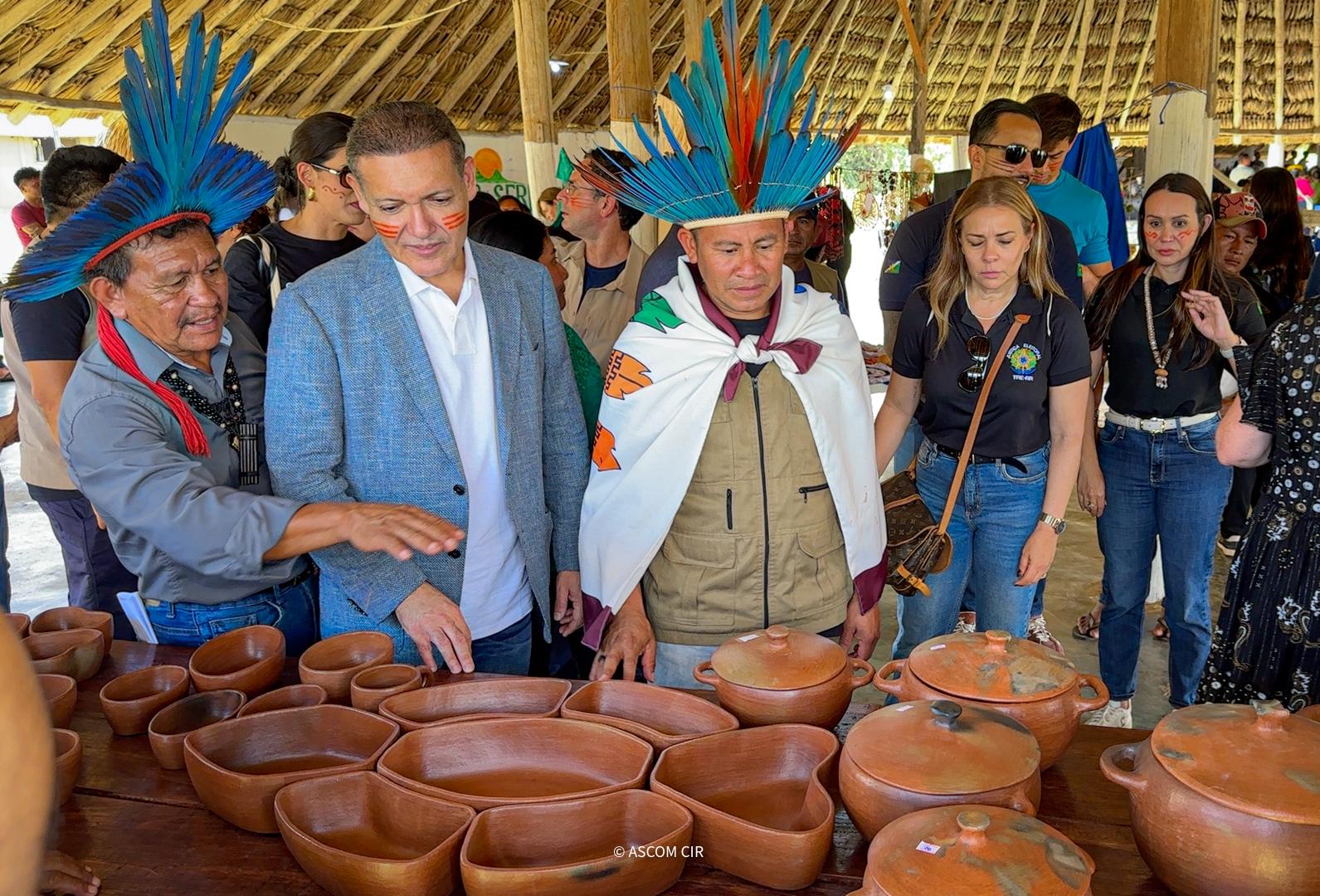
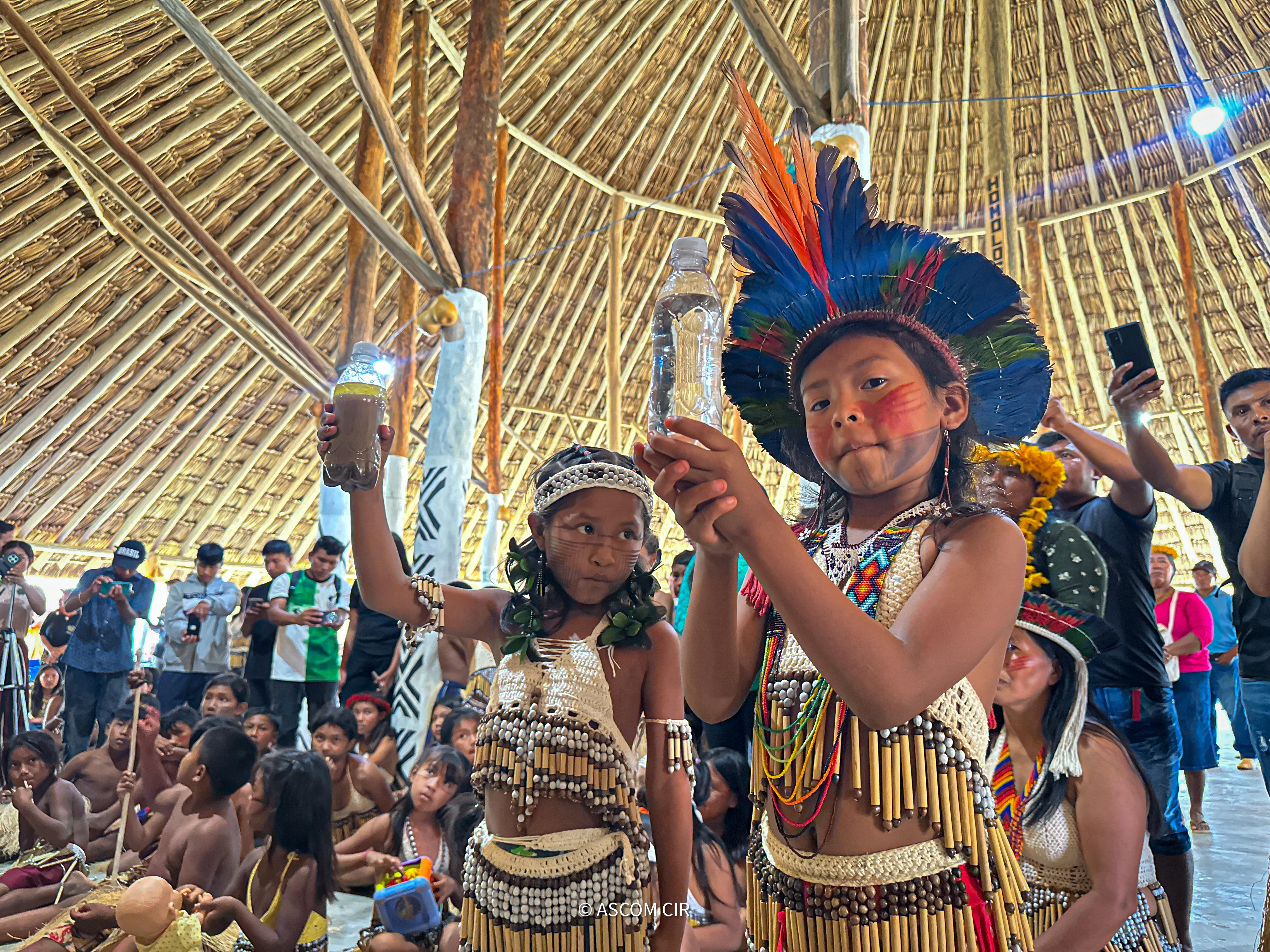
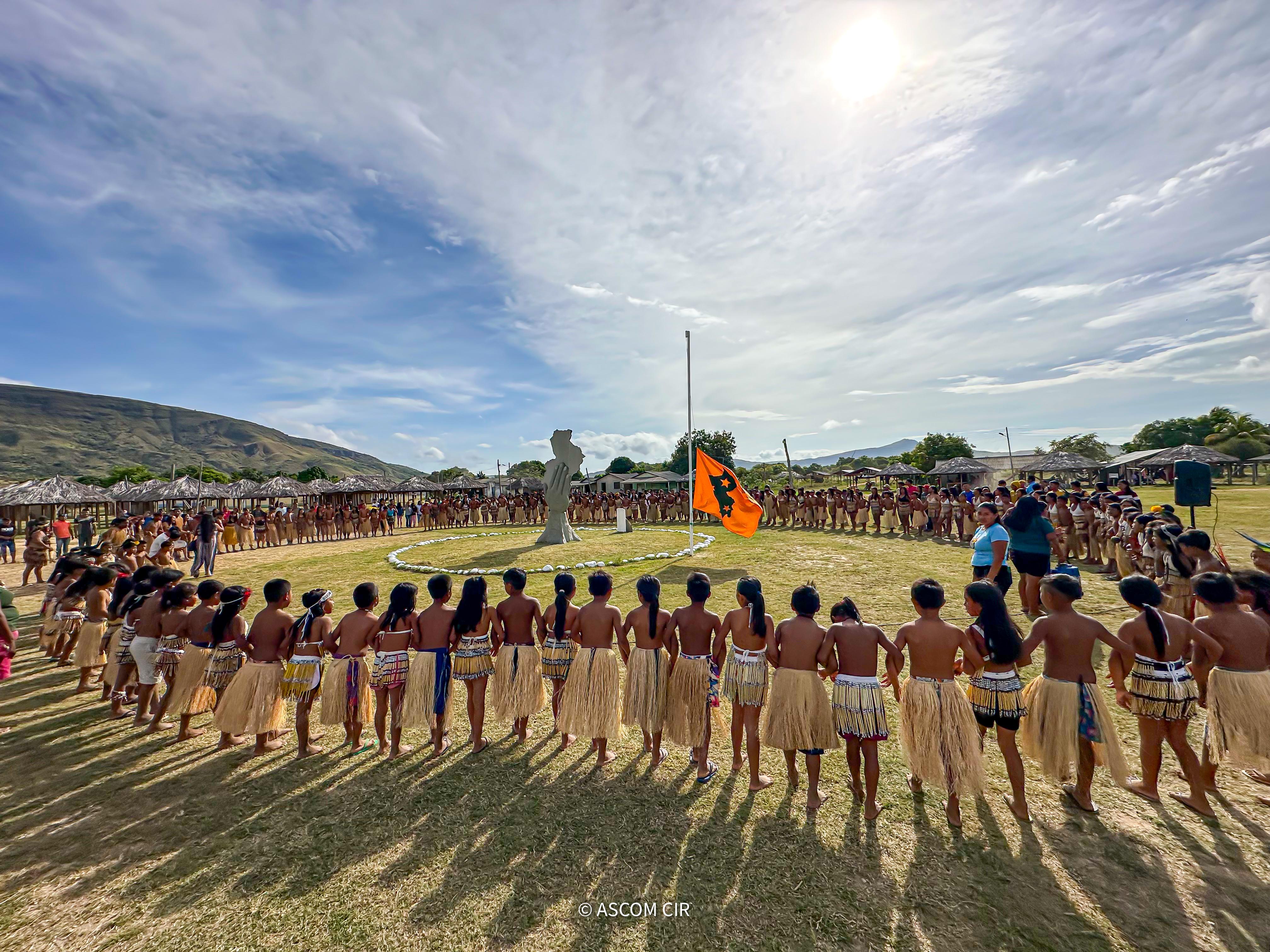
The visit brought together representatives from the Electoral Court and the CIR (Indigenous Council of Roraima), indigenous leaders, and participants from nine regional centers in the Serra region. In addition to electoral activities, the program included the smoking of the maruai (a type of ritual offering), traditional songs, face painting for the guests, cultural presentations, and tasting of regional foods.