

New region brings together five indigenous communities on the border between Brazil and Venezuela and becomes integrated into the political and administrative organization of the Raposa Serra do Sol Indigenous Land
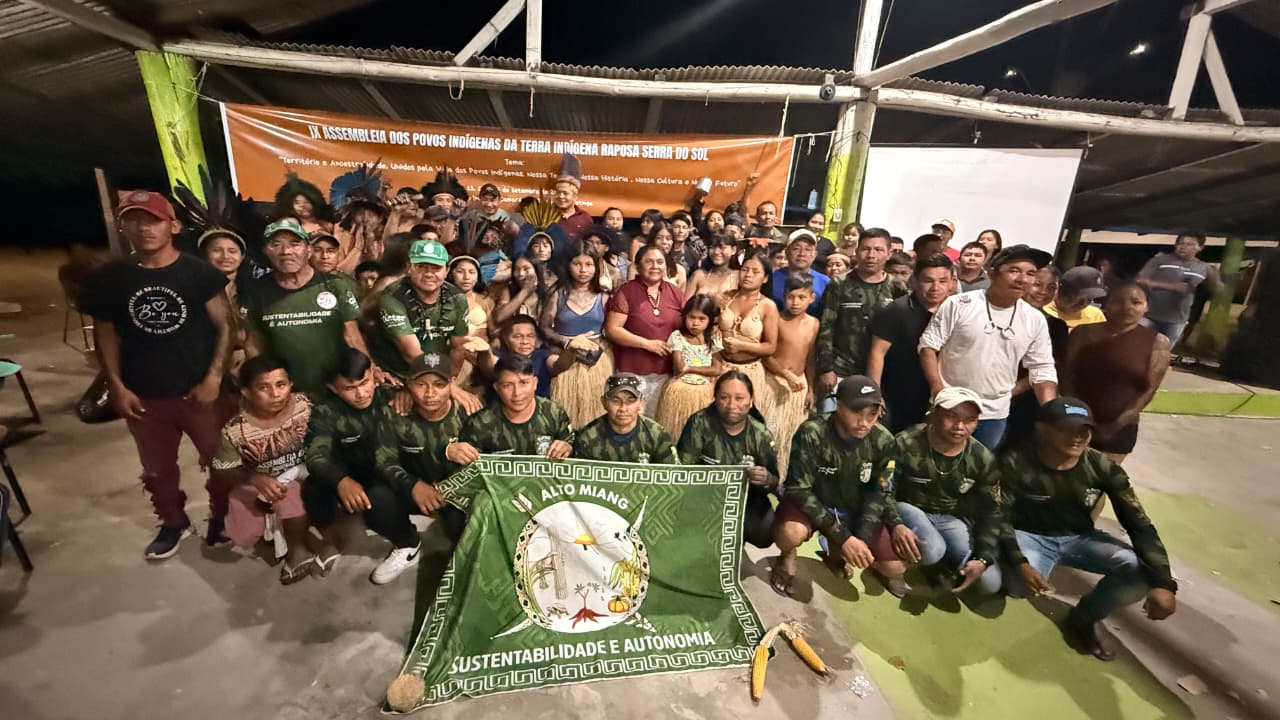
Held on September 13, 14 and 15, the IX Assembly of Indigenous Peoples of the Raposa Serra do Sol Indigenous Territory ended with a historic decision: the approval of the creation of the Alto Miang region, formed by five indigenous communities located in the border region between Brazil and Venezuela.
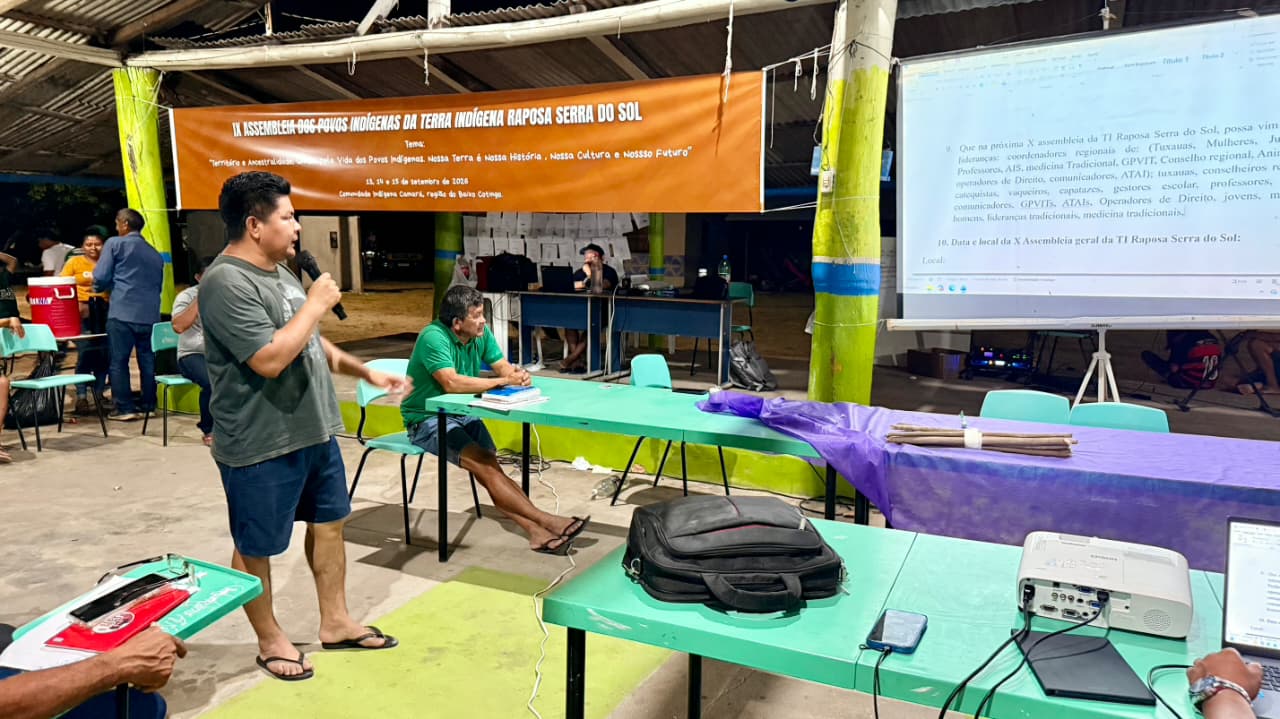
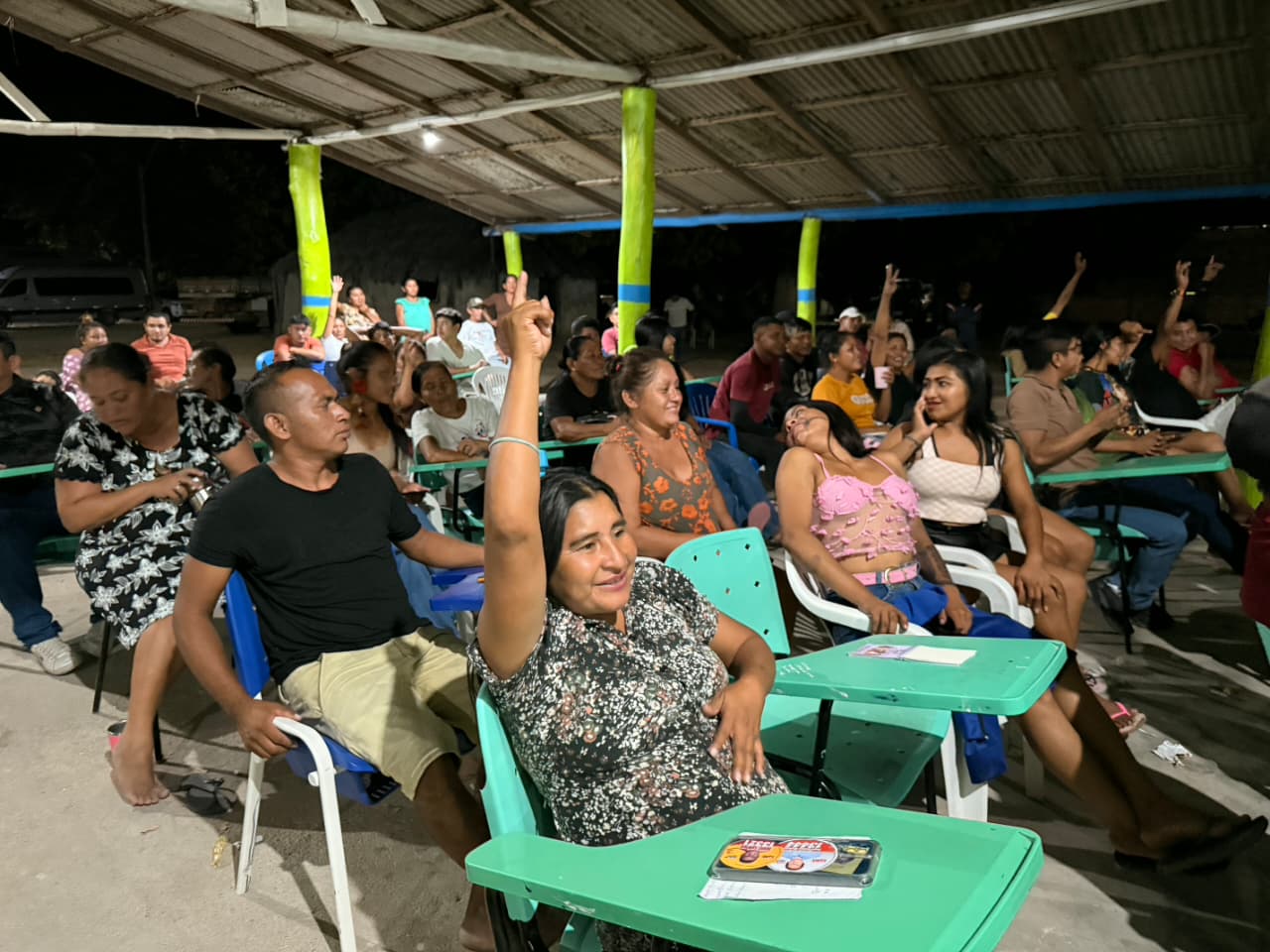
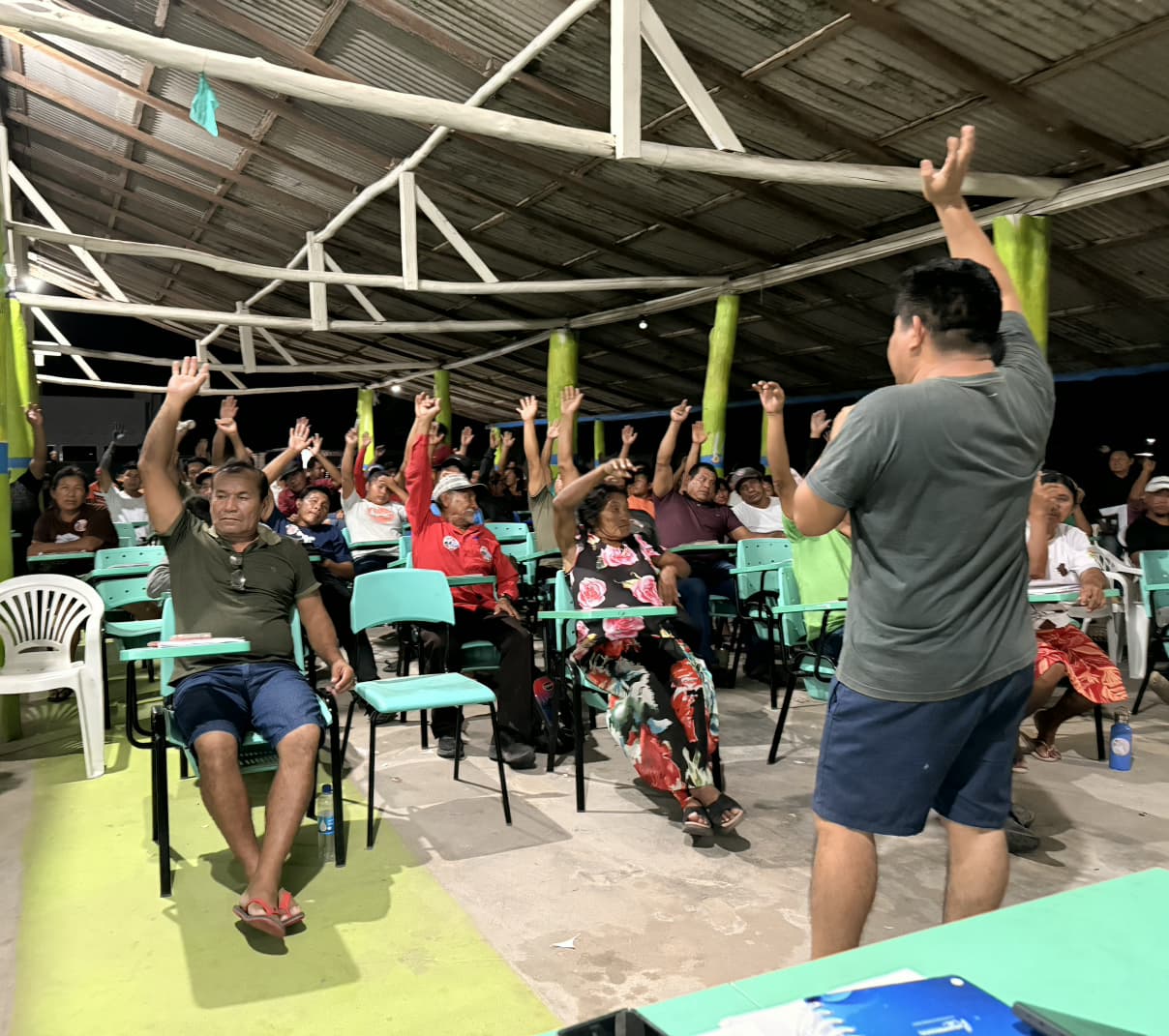
The decision was made by the leaders on the last day of the Assembly, which had as its theme “Territory and Ancestry: United for the Life of Indigenous Peoples — Our Land is Our History, Our Culture and Our Future”. Approximately 277 leaders with the right to speak and vote participated in the deliberations, which brought together 26 proposals on political and administrative organization, territorial management, sustainability, protection of natural resources and strengthening of communities.
With the approval, Alto Miang becomes part of the political and administrative organization of the Raposa Serra do Sol Indigenous Territory. The region brings together five indigenous communities and has a community organization structure with coordination by a chief, coordination of women and youth, communicator, GPVTI, AIS, catechist, cowboy, representatives of traditional medicine and other leaders. The approval during the Assembly represents another step in building the organization of the region. The decision must be ratified in 2027, at the General Assembly of Indigenous Peoples of Roraima.
Alto Miang encompasses five indigenous communities, three of which are base communities of the Indigenous Council of Roraima (CIR) and two base communities of ALIDICIR, with a total of 120 heads of families and a population of approximately 580 inhabitants.
According to information from leaders Juvêncio Luís da Silva, from the São Miguel da Cachoeira community, and Terêncio Luís da Silva, from the Ubaru community, the region was conceived starting in 1995, with the objective of strengthening and facilitating the monitoring, management, and oversight of the Raposa Serra do Sol Indigenous Land, as well as strengthening the struggle in defense of the rights, autonomy, and sustainability of the communities in the region. The proposal also seeks to maintain collective work and organize the hard-to-reach communities, contributing to improving social, political, and cultural organization, among other actions.

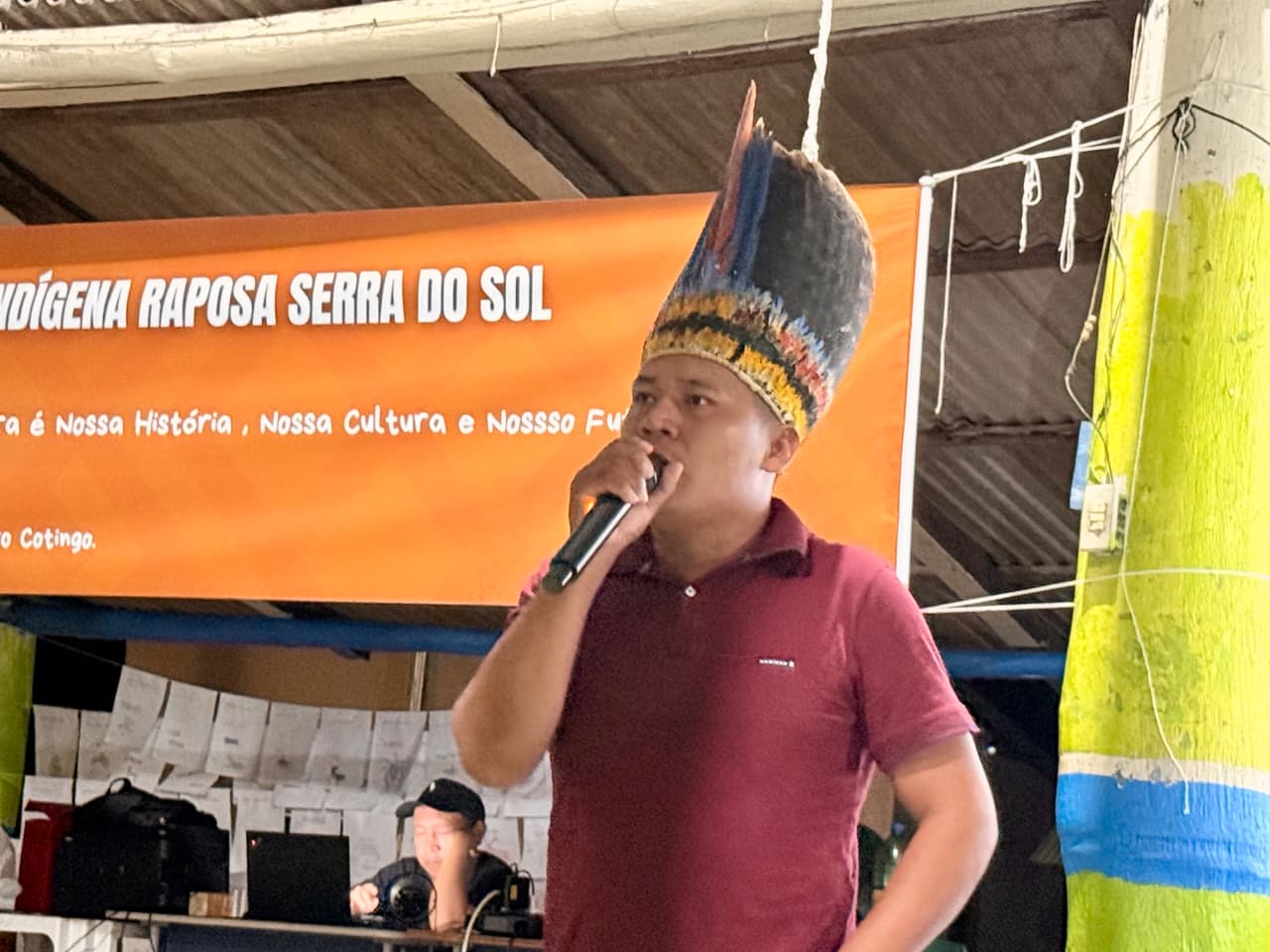
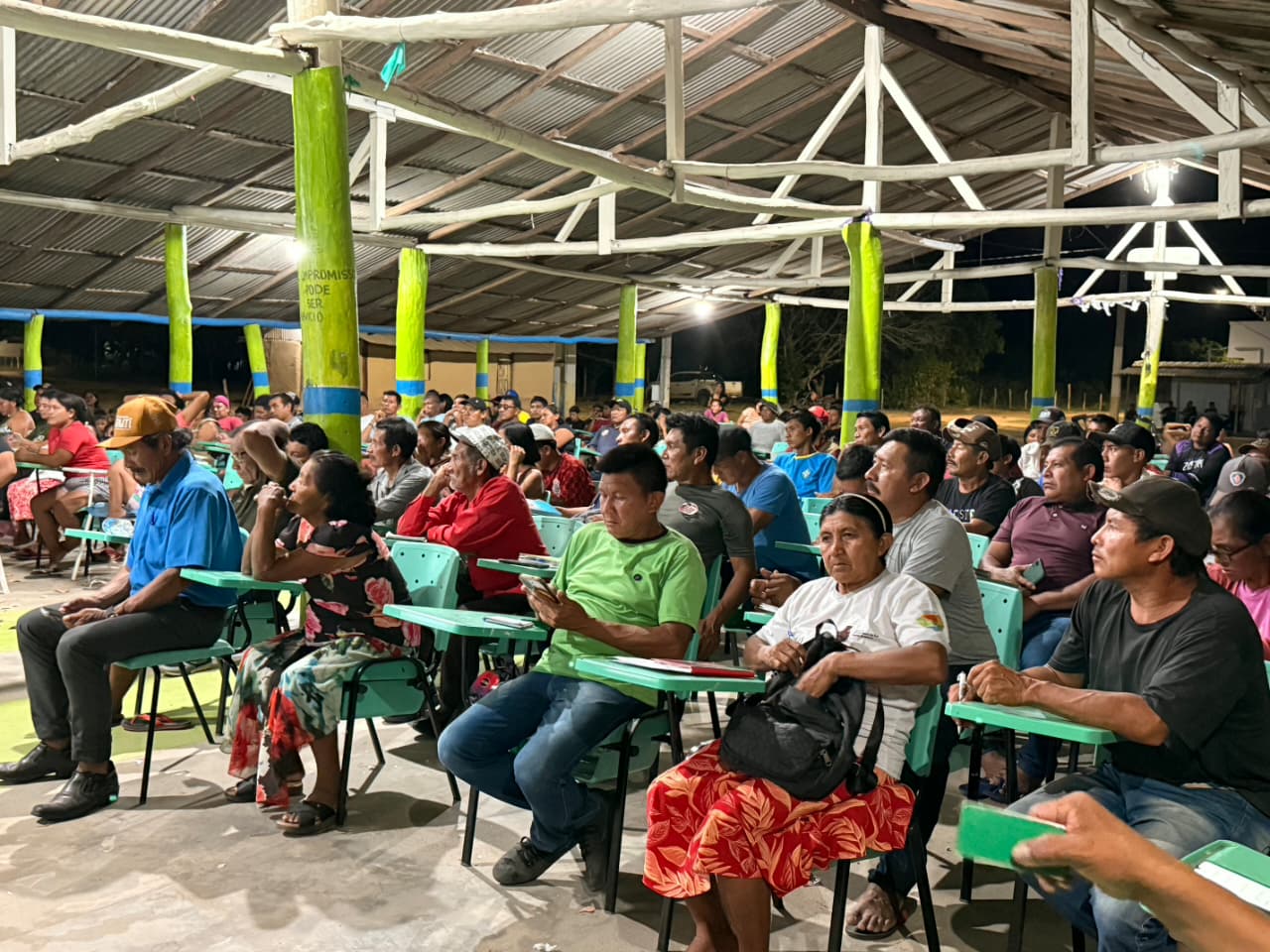
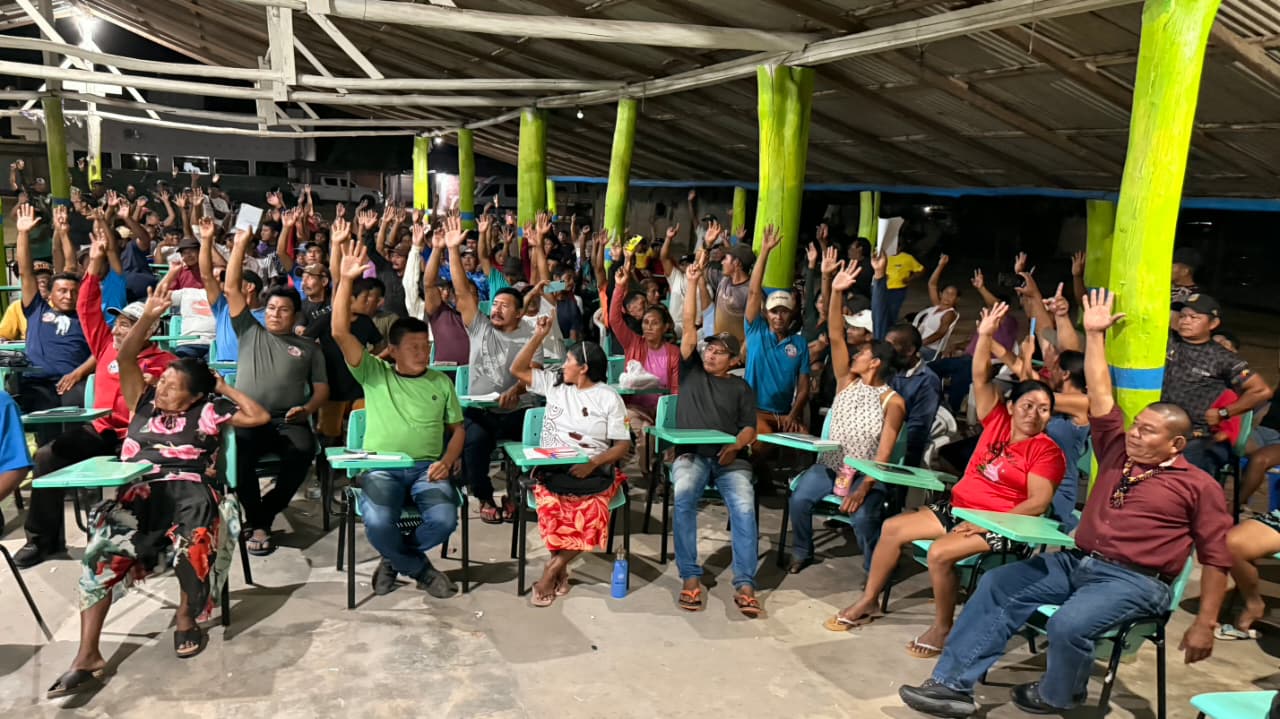
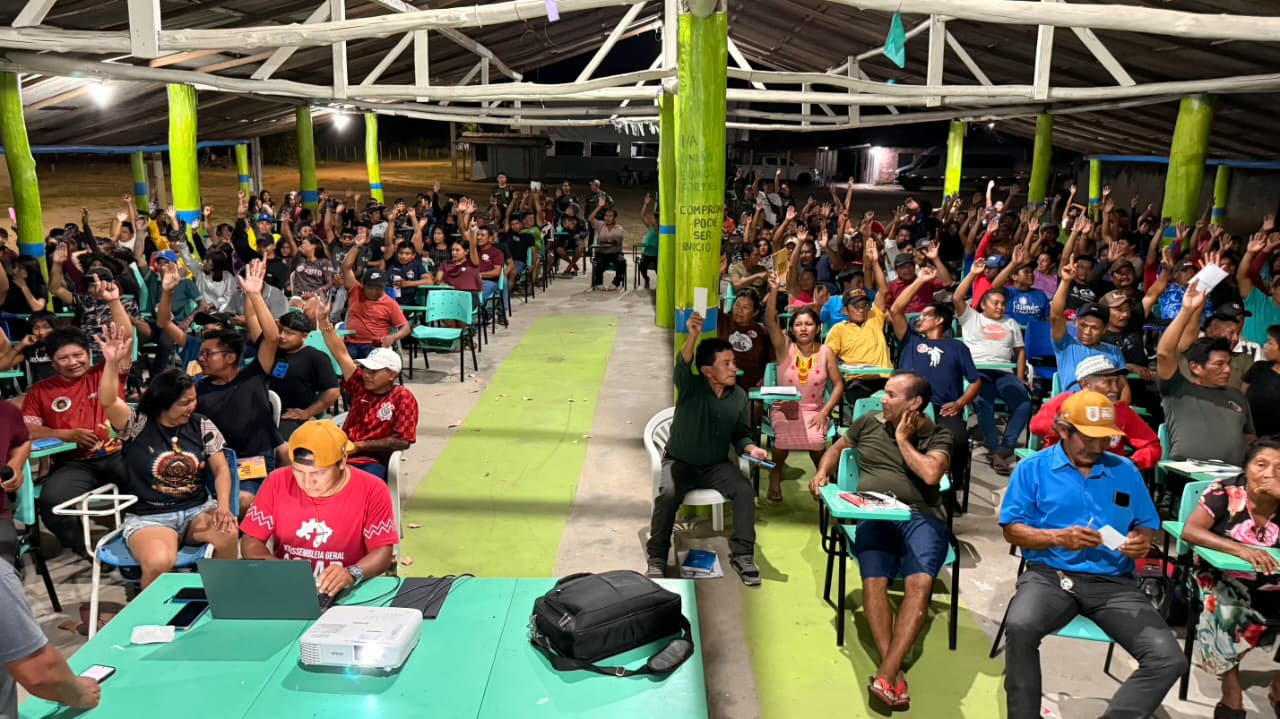
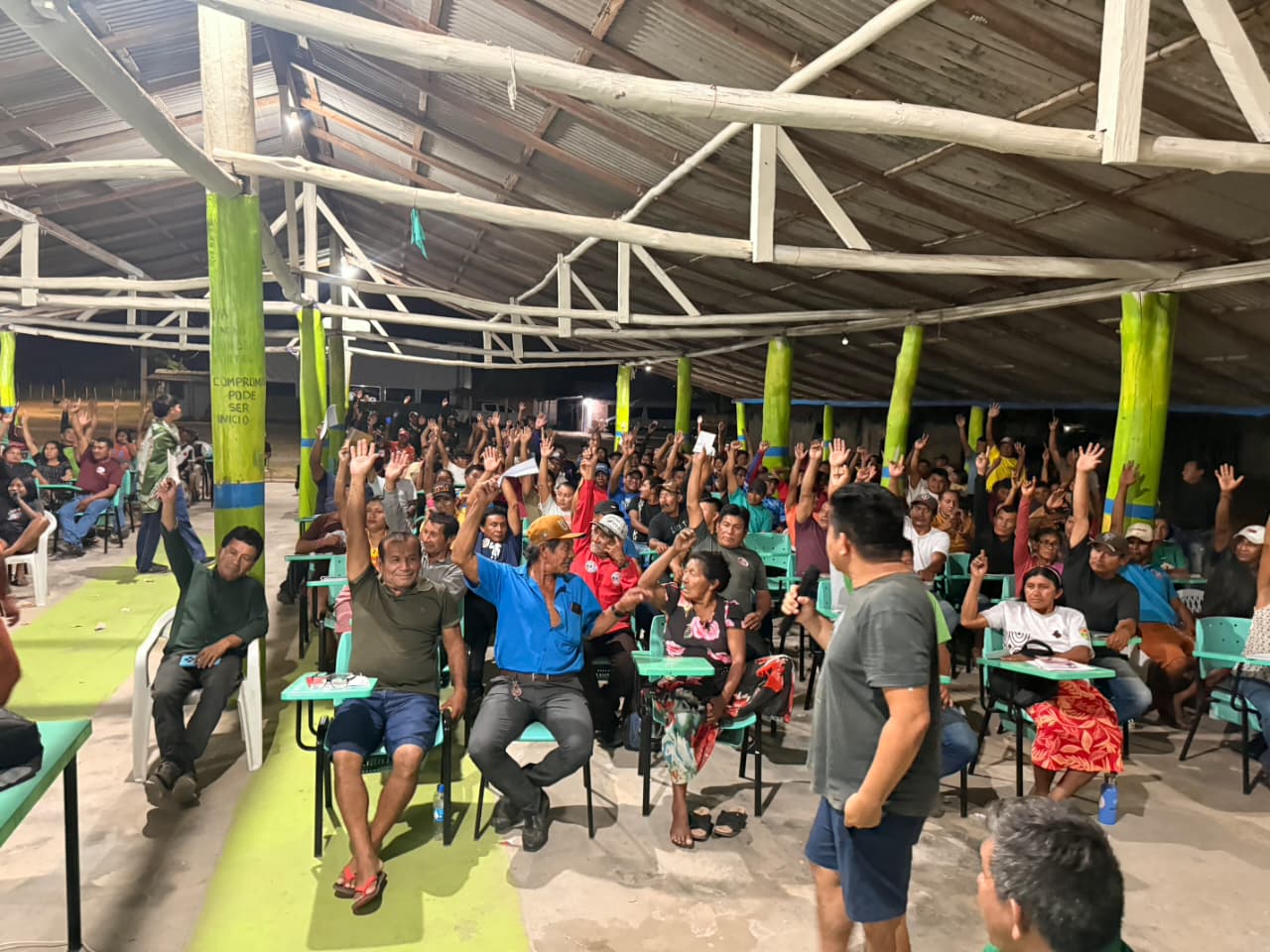
During the IX Assembly, the leaders discussed not only the organization of the new region. The decisions made cover different areas of life and the future of the Raposa Serra do Sol Indigenous Territory. Among the next steps is the continuation of the construction of the Raposa Serra do Sol Indigenous Land Document, with the creation of a commission of representative leaders to begin the process.
Also approved were the rules for participation of young people from the age of 14. All residents of the Raposa Serra do Sol Indigenous Territory will have the right to voice their opinions and vote, regardless of their base organization.
The number of representatives per region was also unanimously defined. There will be 100 leaders per region in the assembly deliberations, including traditional leaders, AISAN, AIS, ATAIs, GPVITs, center directors, legal professionals, communicators, shamans, and other representatives.
The defense of the territory was also among the main issues discussed. The leaders approved the forwarding of a complaint document to the competent authorities regarding the opening of a road near the São Miguel da Cachoeira community, in the Alto Miang region, in an area close to the border between Brazil and Venezuela. The document requests the halting of the activation of the Colônia Miang access road.
Another point approved was the authorization to carry out the Indigenous Component Study related to the BR-401 paving project, with the objective of identifying the impacts that may be caused by the undertaking.
To monitor the study, a committee was formed with two representatives from each region. The monitoring should consider the Consultation Protocol for the Raposa Serra do Sol Indigenous Land, reinforcing the participation of the communities in the process of discussing interventions that may affect the territory.
The Assembly's decisions also included actions aimed at strengthening community relations and developing new leaders.
The implementation of training programs for new leaders was approved, with the goal of aligning the work within the Raposa Serra do Sol Indigenous Territory. The proposal includes the participation of FUNAI/RR (National Indian Foundation of Roraima), the Legal Department, traditional leaders, and missionaries.

The leaders also approved regional awareness workshops on violence against women, youth and children, as well as a workshop aimed at men to specifically address violence against women.
Regarding the sale of alcoholic beverages, each region should conduct a survey on the commercialization within the communities. The results should be presented at the regional assemblies in 2026.
In the Raposa region, the Tarame and Guariba indigenous communities will also receive support for the construction of fences, according to the work plan of the communities themselves.
To expand the presence of regional coordinators in the communities, it was also approved that the coordinators will meet and conduct visits to other regions in 2027.
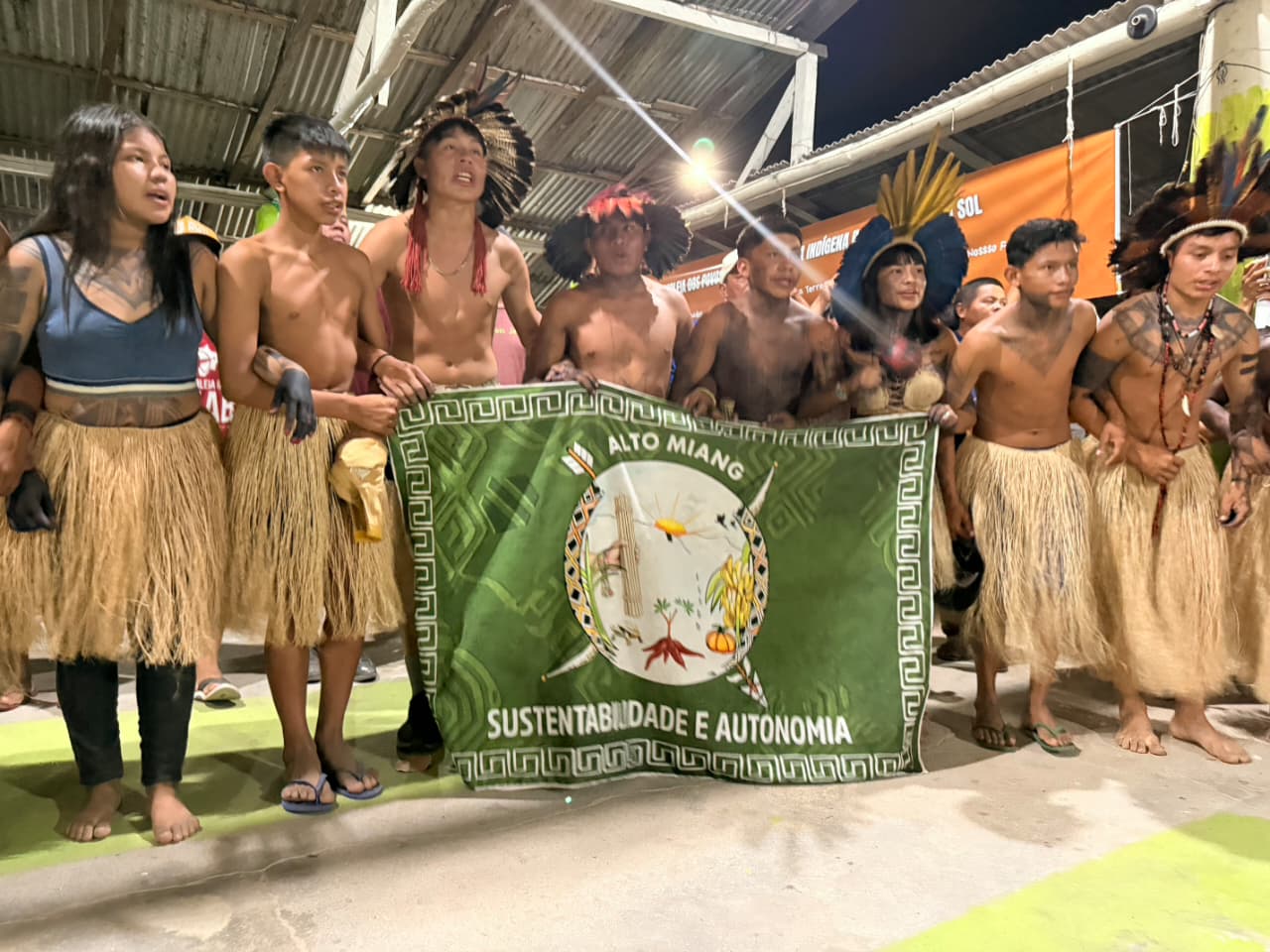
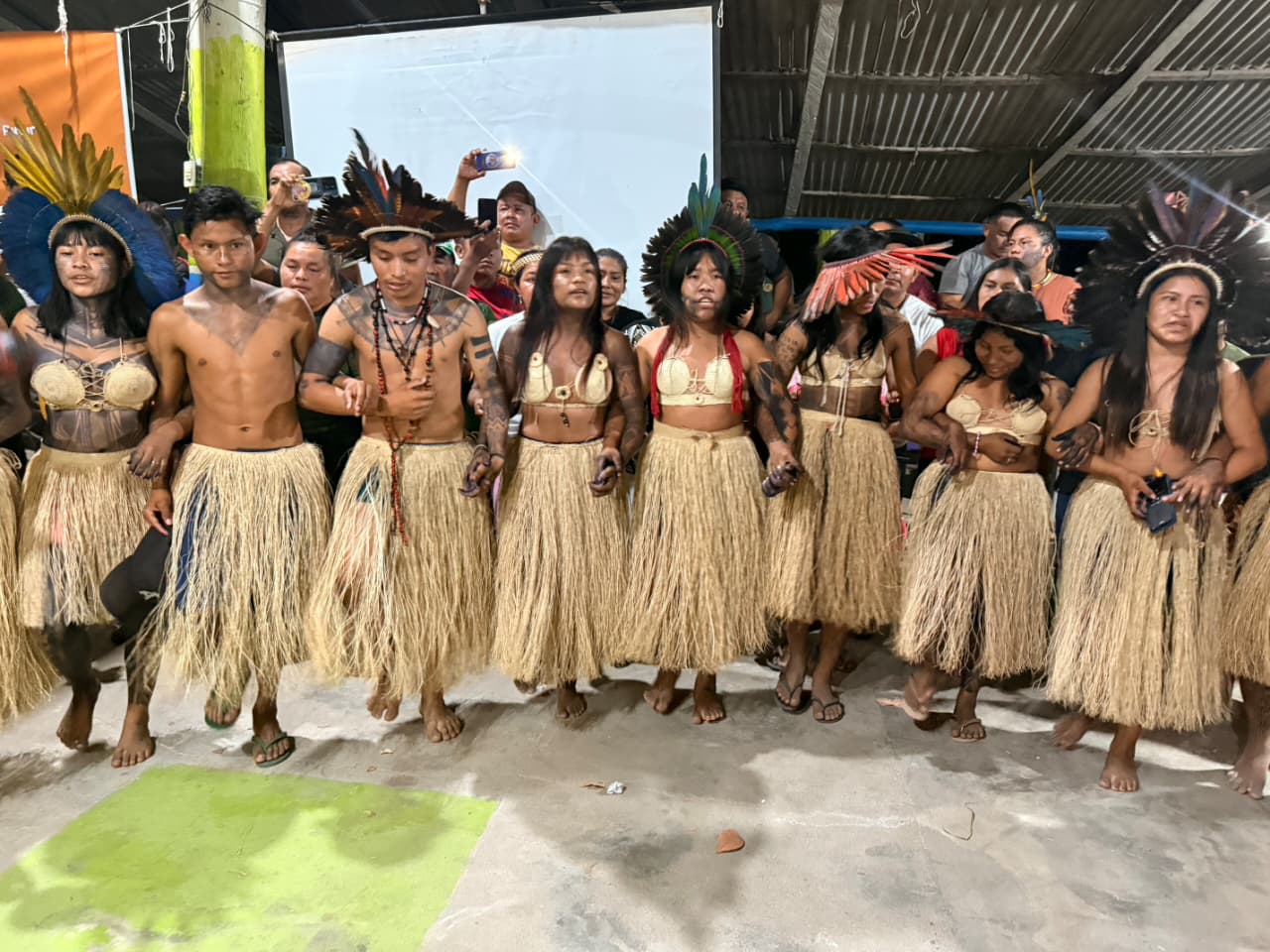
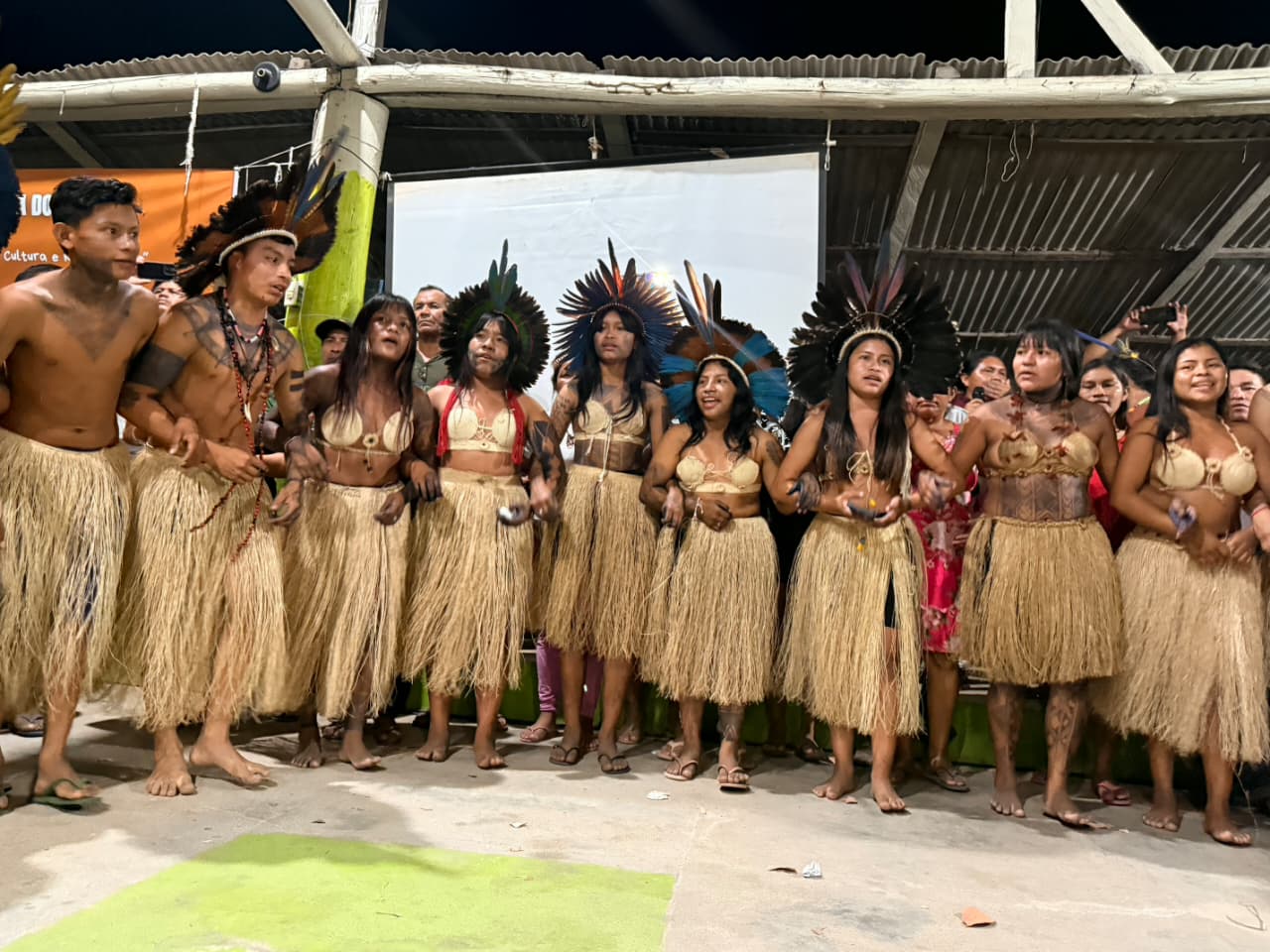
At the close of the Assembly, traditional songs and dances marked the reception for the councilors approved at the COIAB Assembly and the members from the Alto Miang region.
The celebration marked the end of three days of debates and decisions about the future of the Raposa Serra do Sol Indigenous Territory and was led by the general coordinator, Luiz Hernandes, the vice-coordinator, Linda Lima, the regional coordinators and other leaders.

The next Assembly of the Indigenous Peoples of the Raposa Serra do Sol Indigenous Territory will be held in the Nova Vitória Indigenous Community, Alto Miang region, from September 13 to 15, 2027.