

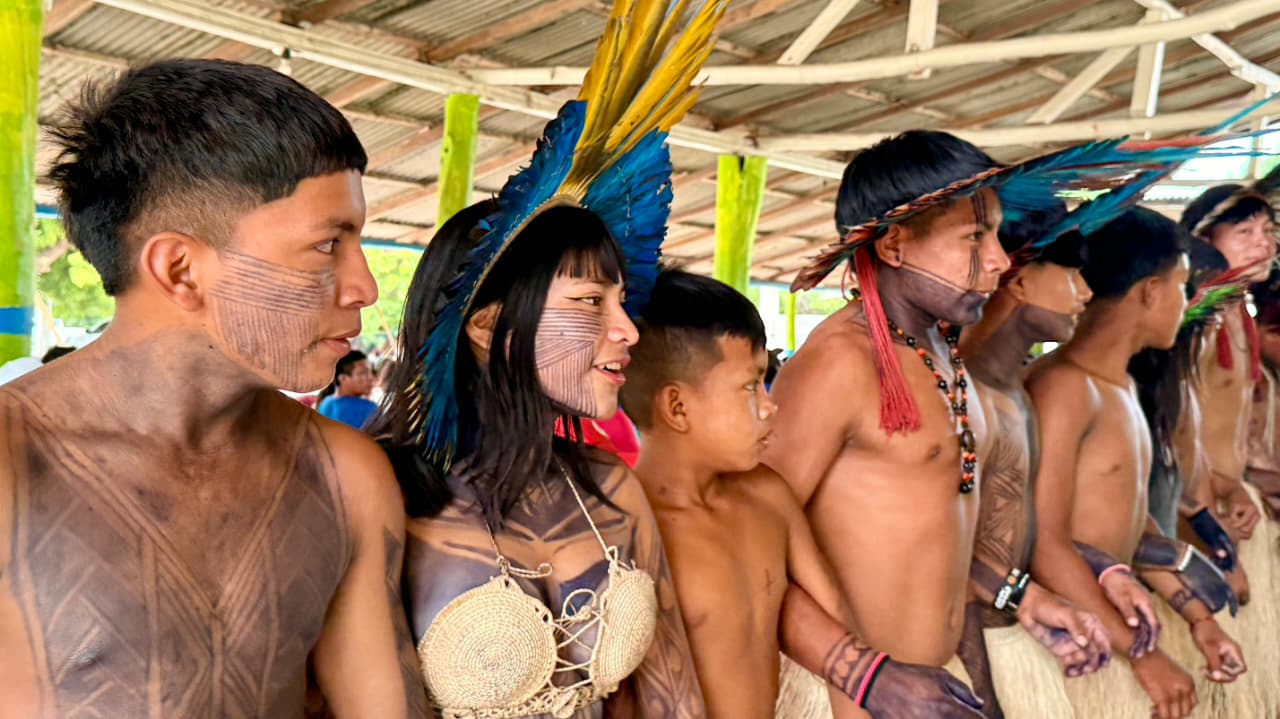
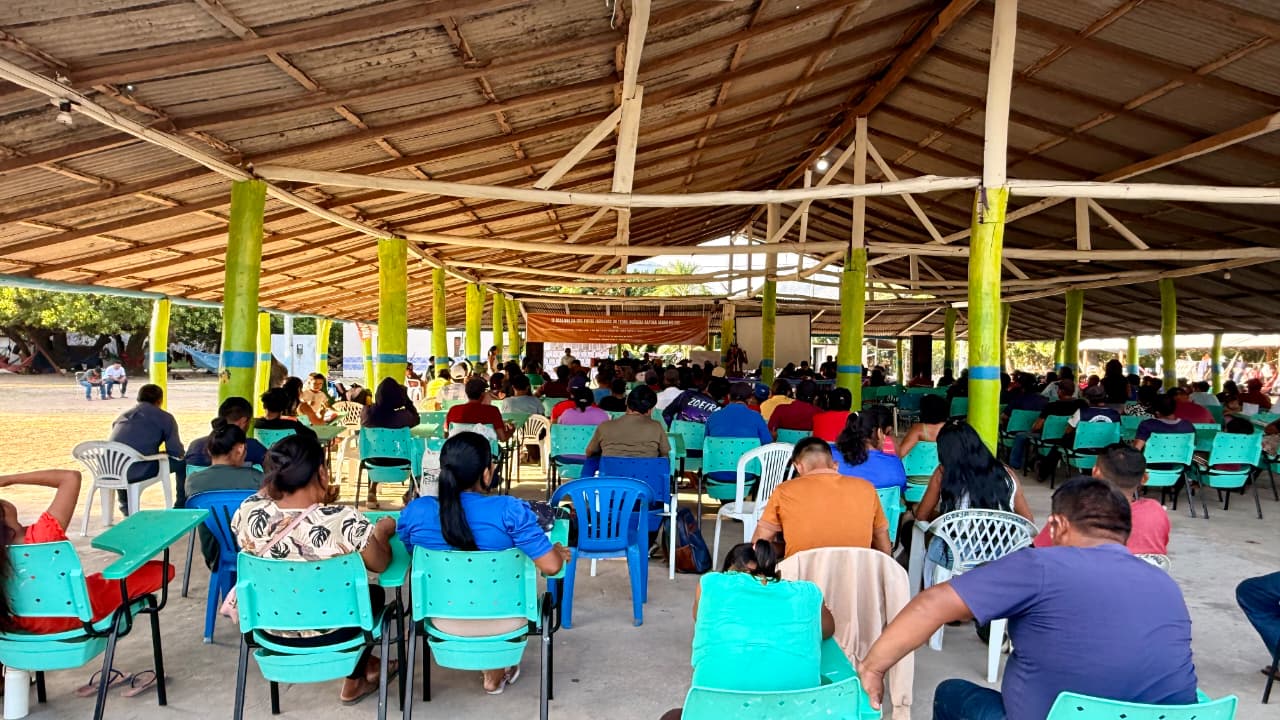
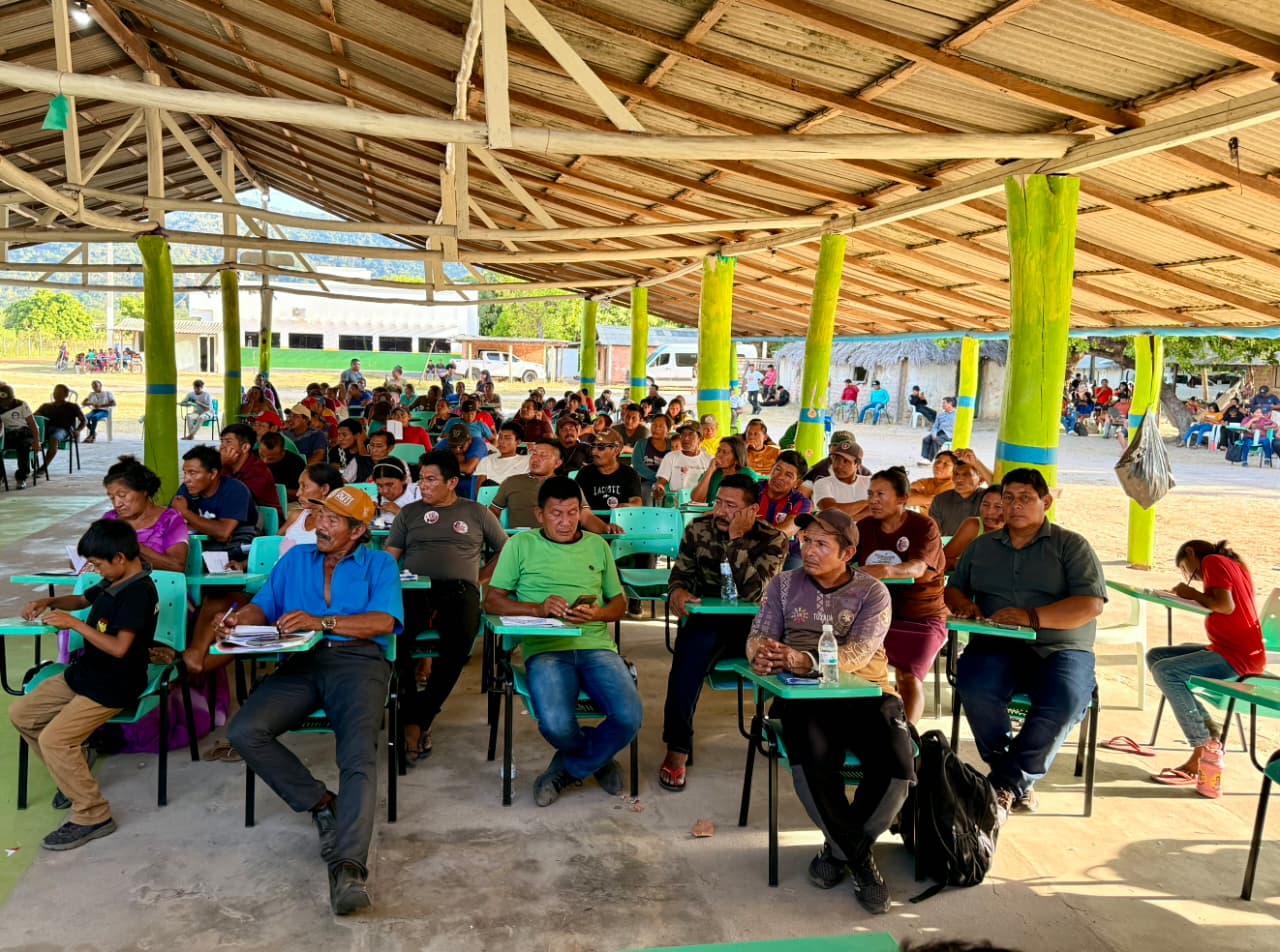
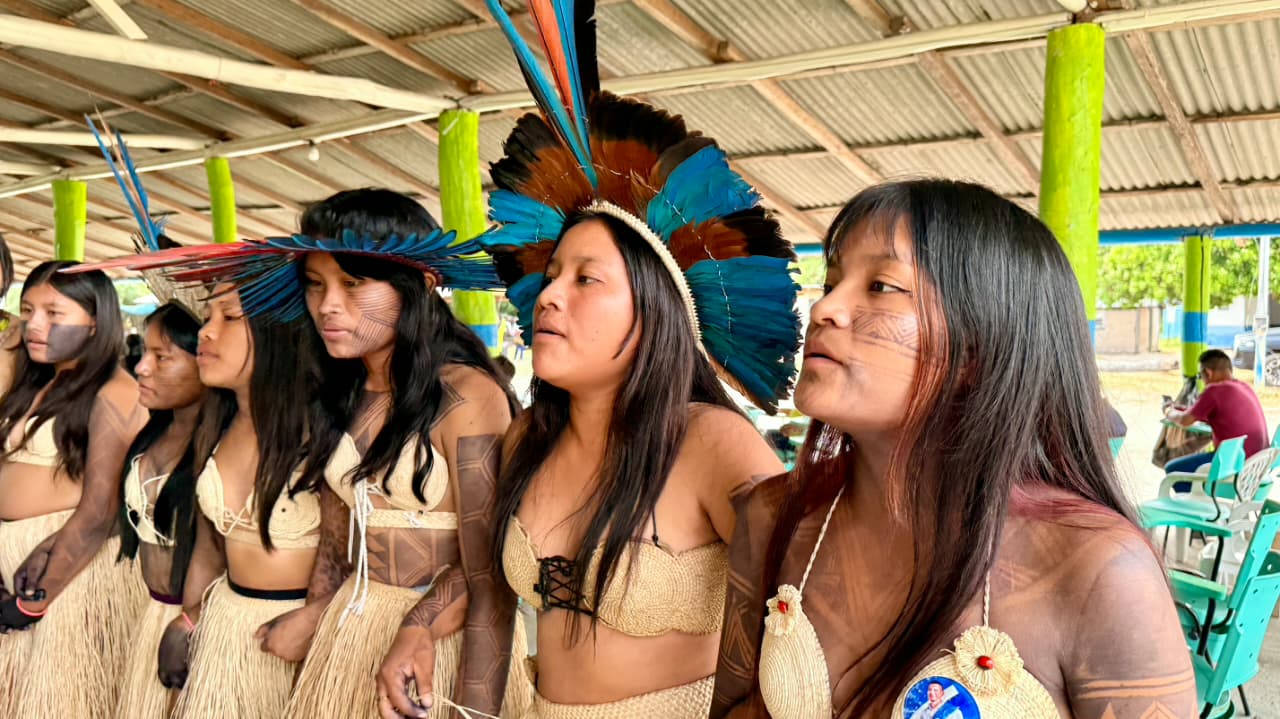
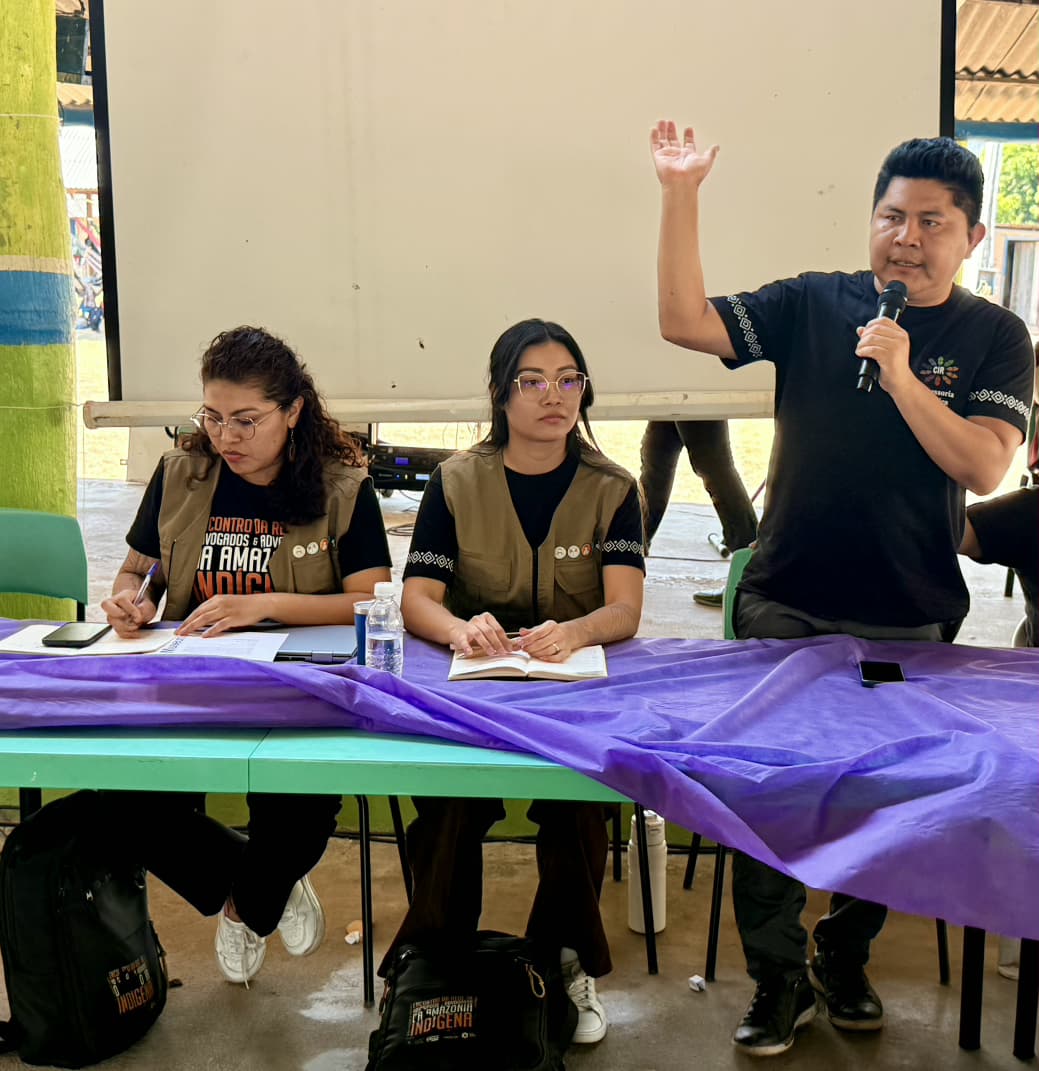
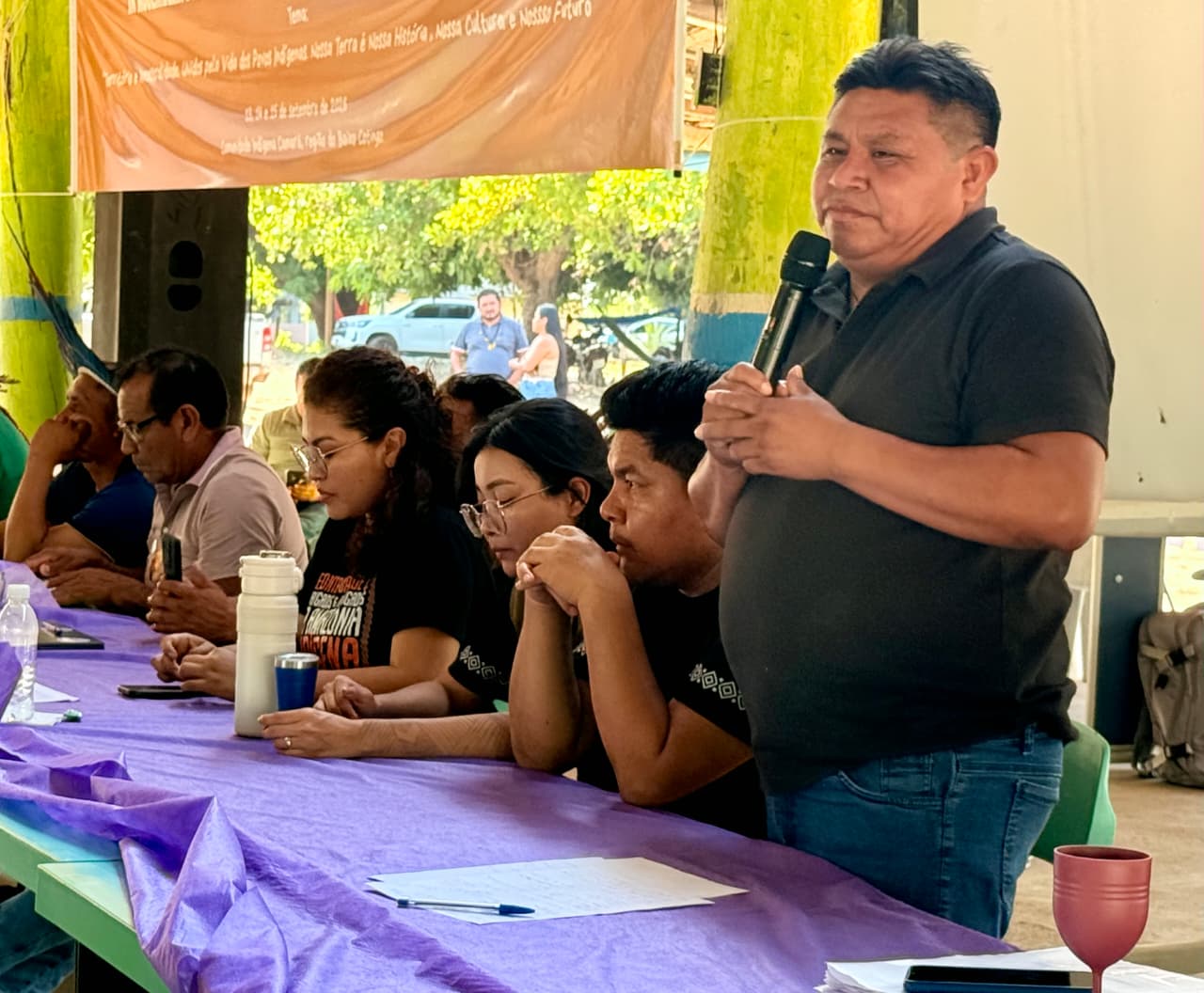
The IX Assembly of Indigenous Peoples of the Raposa Serra do Sol Indigenous Land debated this Tuesday (15) the planning of the construction of a document that will guide the rules of the Raposa Serra do Sol Indigenous Land. As decided by the leaders, the document will be debated in the regions to be developed collectively, with legal advice from lawyers of the Indigenous Council of Roraima (CIR).
"Leaders, the proposal is that the document to be created will bring together rules to guide the internal organization of the indigenous land, strengthen community participation, and establish its own decision-making mechanisms, and it must be followed by everyone.""explained lawyer Junior Nicácio."
The document will contain information about the history of the Raposa Serra do Sol Indigenous Territory, its political and administrative organization, the coordination of the indigenous territory, and the structure of regional organizations. It will also cover topics related to territory management and sustainability, conflict resolution, community justice, environmental protection, and the preservation of natural resources.
The document should also address the rights and responsibilities of community leaders and residents, as well as the relationship between communities and researchers, civil society organizations, businesses, and public agencies.

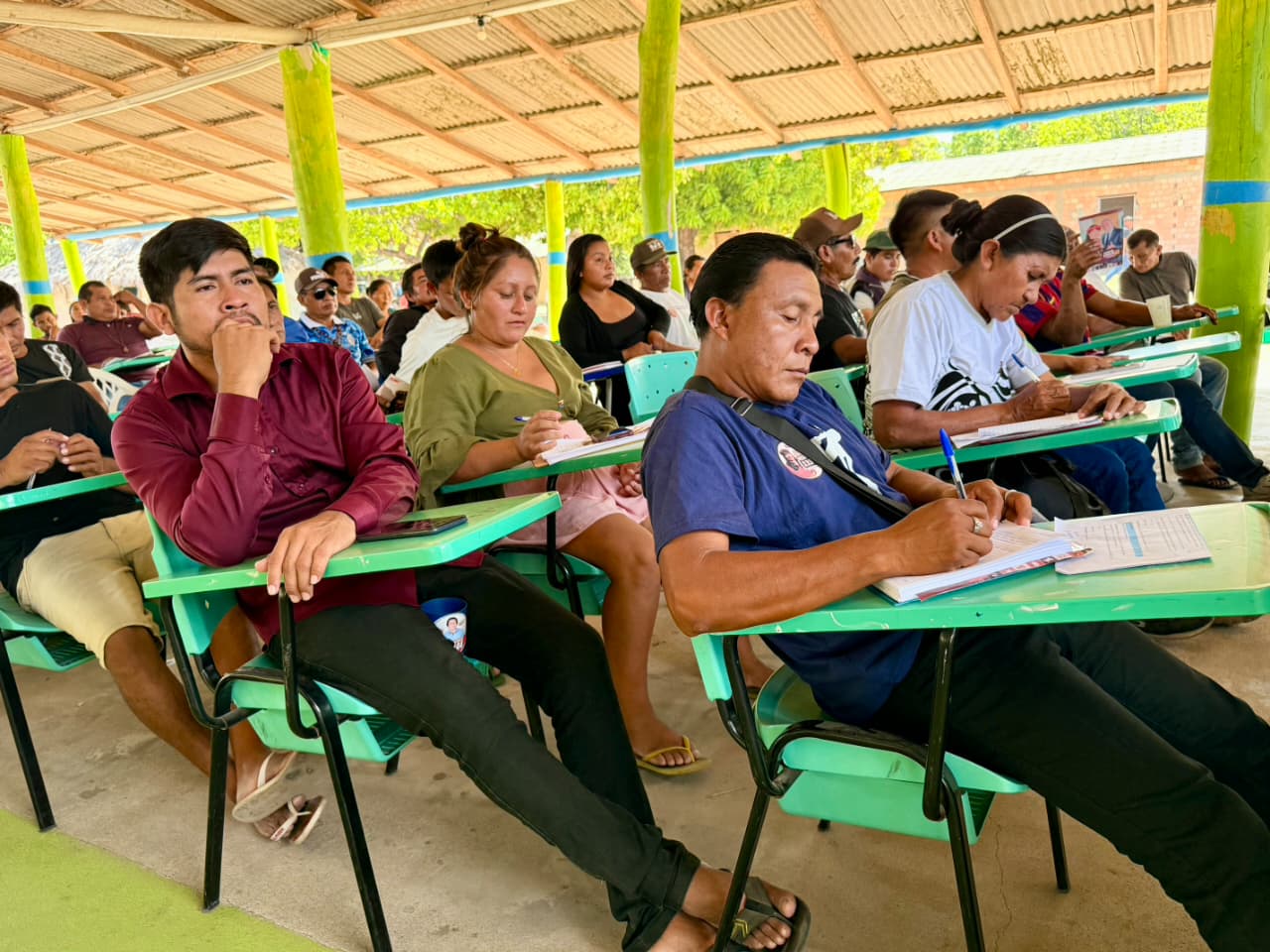
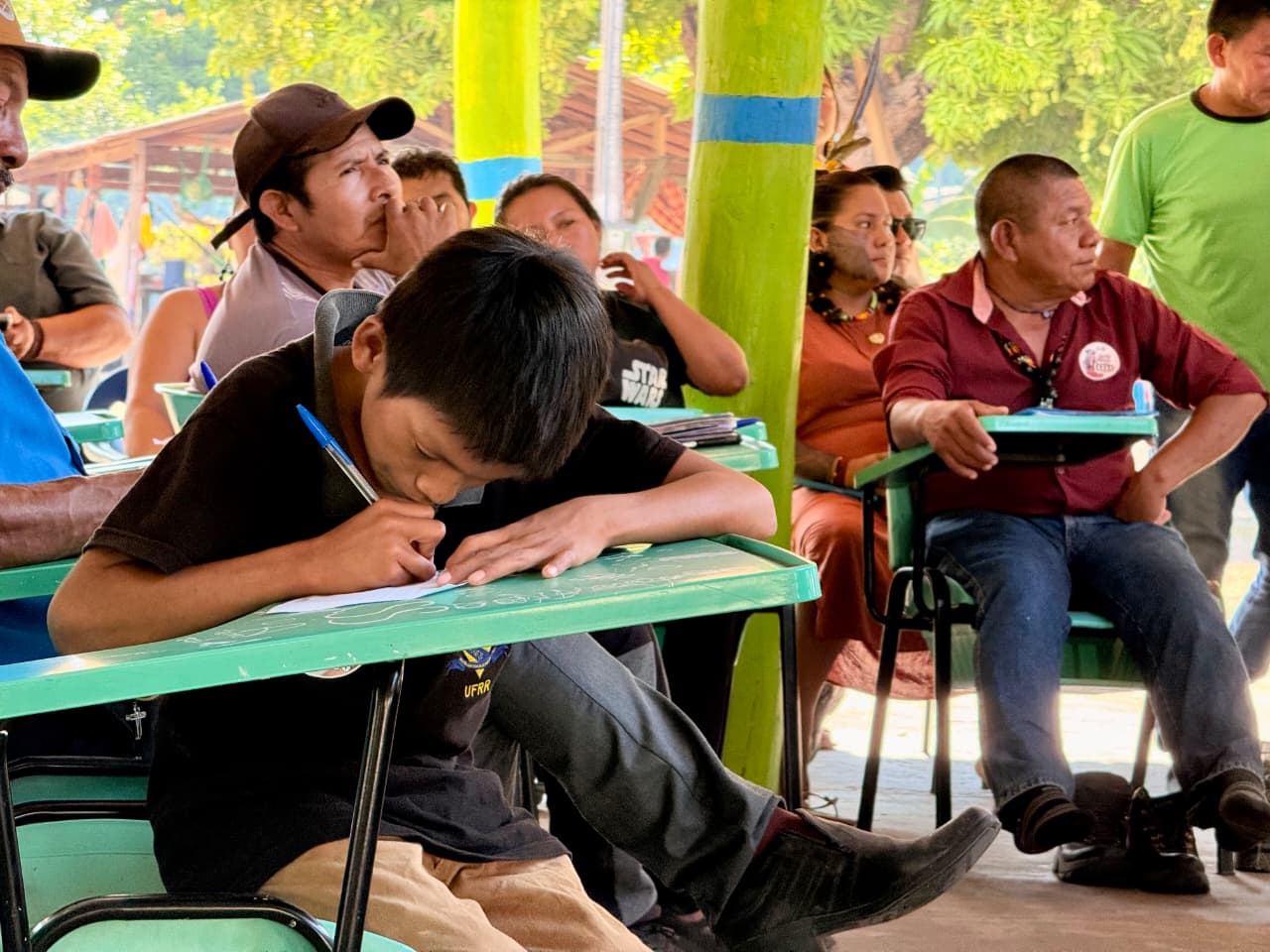
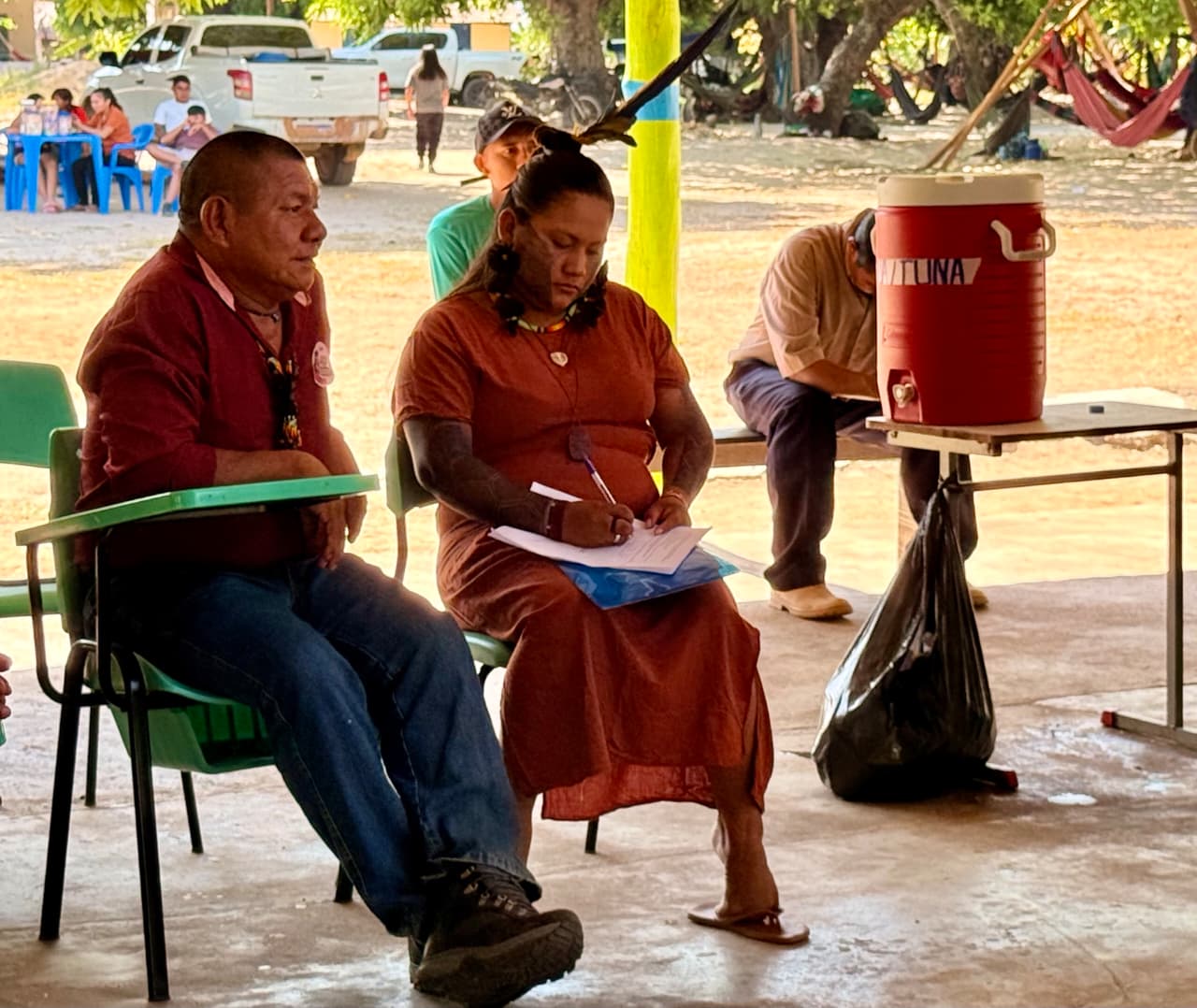
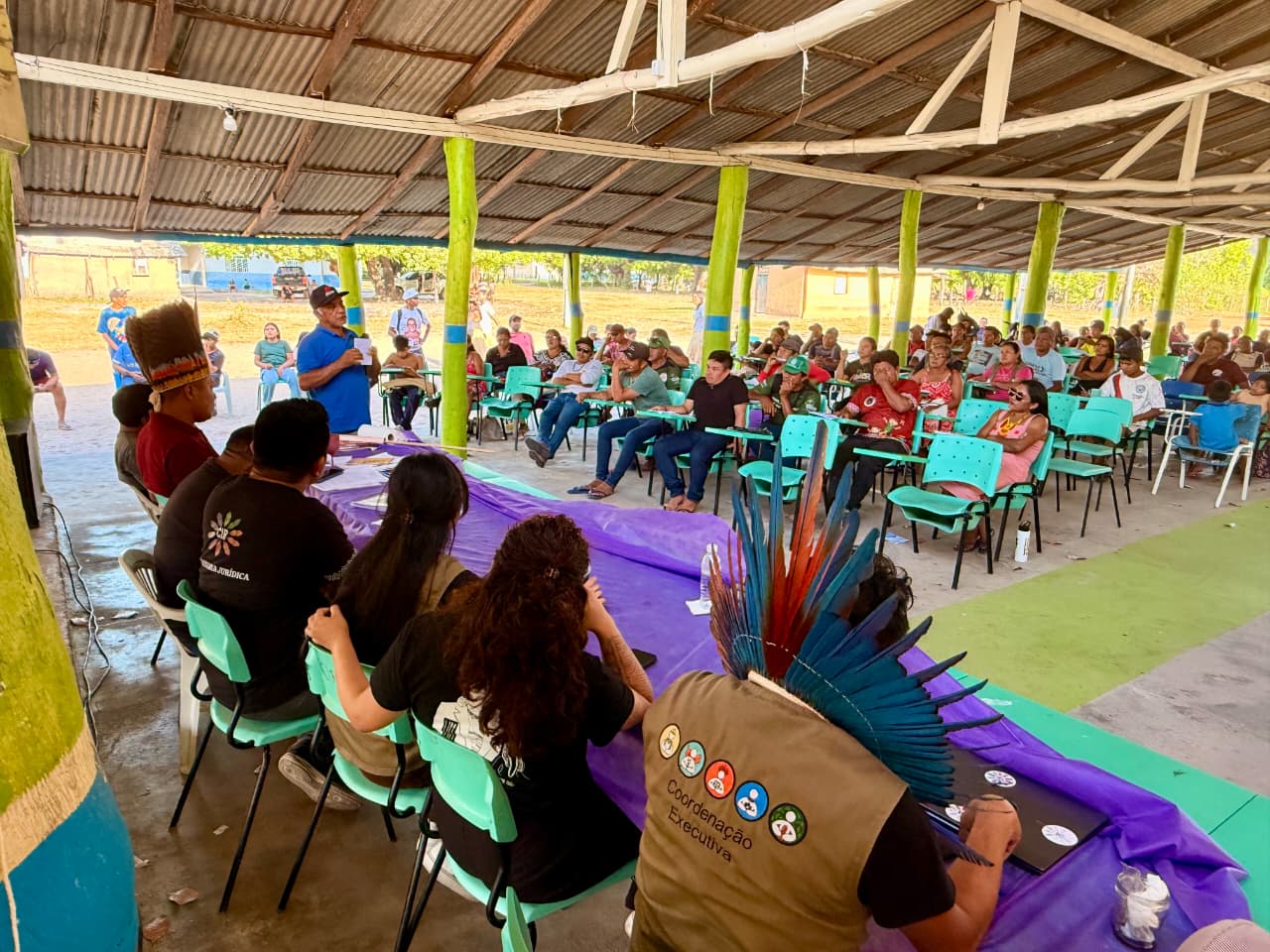
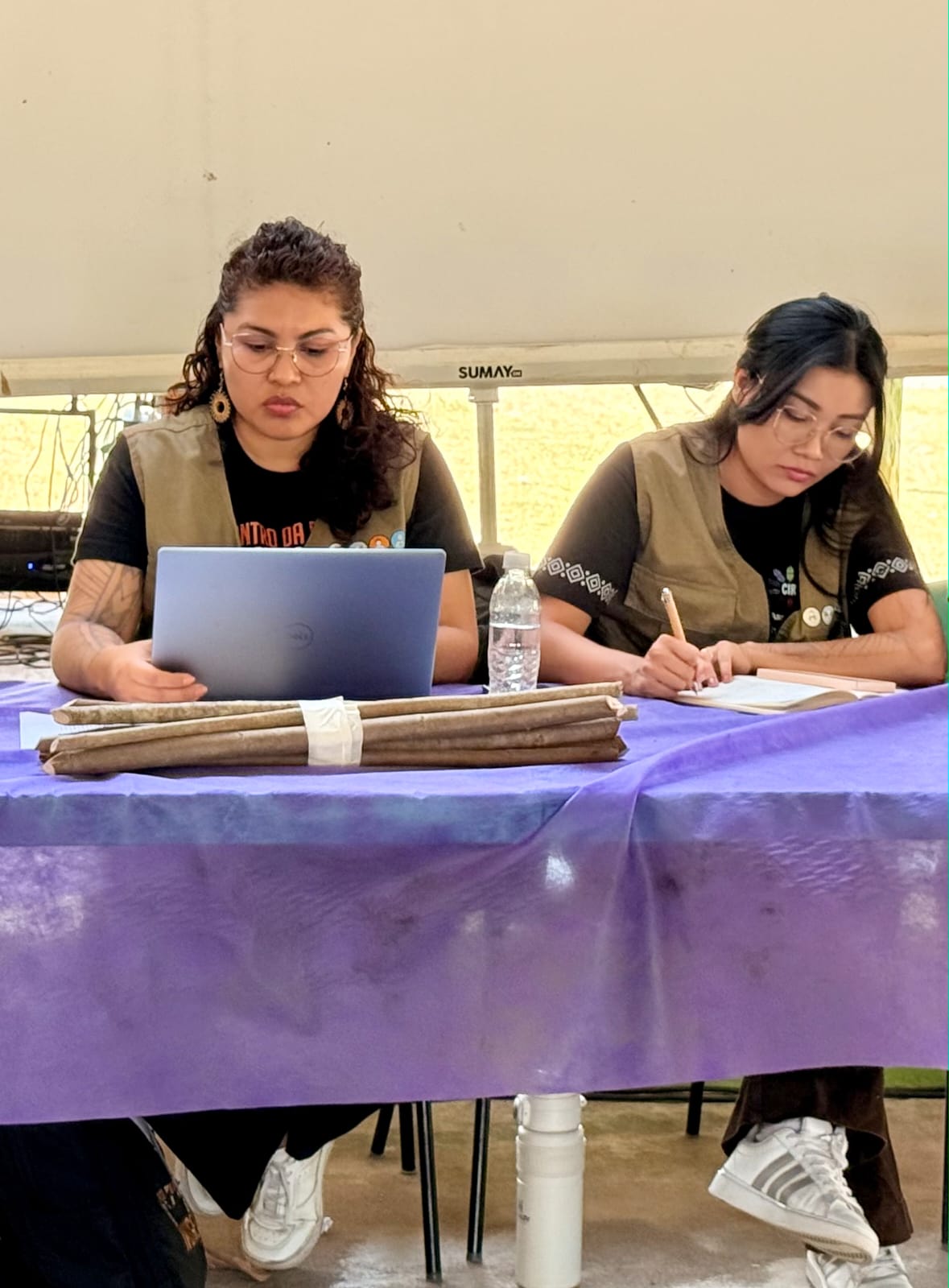
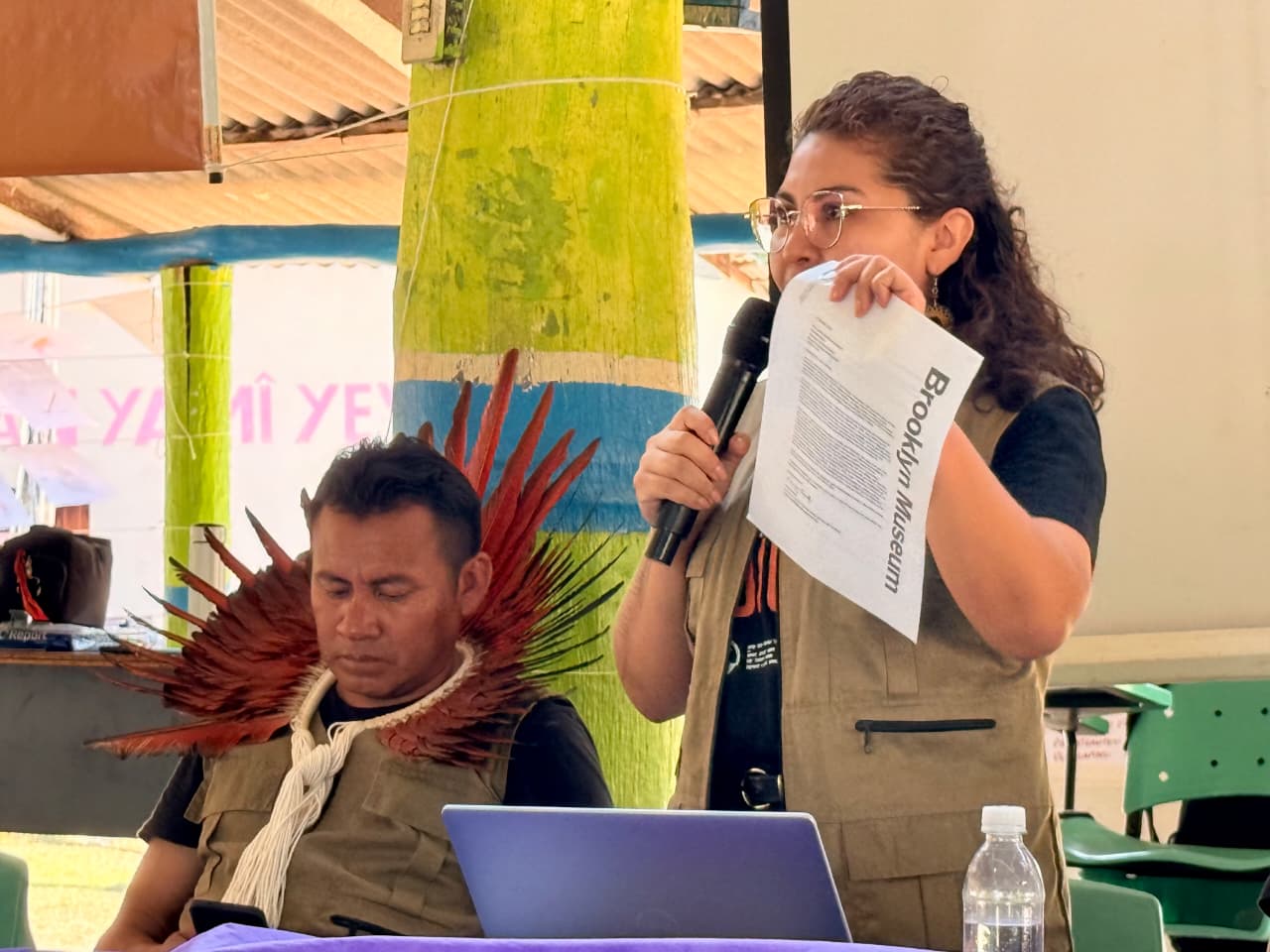
Indigenous lawyers Fernanda Felix and Luciane Xavier further explained the work of the CIR Legal Department and provided information about the Temporal Framework trial and other violations of indigenous rights.
The Chief of the Indigenous Council of Roraima (CIR), Amarildo Macuxi, presented projects and actions to support the indigenous communities assisted by the CIR. Among the highlighted initiatives were the Territorial and Environmental Management Plan, the RUTÎ Indigenous Fund, and the strengthening of projects developed by women at the grassroots level. The sustainable indigenous livestock farming initiative was also presented, in addition to other projects developed by the organization's departments.
The actions aim to support communities in managing their territory, promote sustainable production alternatives, and strengthen indigenous participation in the development and implementation of projects focused on collective well-being.
“CIR was founded in 1971, at the first assembly of the tuxauas (chiefs), at the Raposa Serra do Sol Indigenous Training and Culture Center, and since then, with the help of supporters and partners, the organization has strengthened the autonomy of indigenous peoples through projects. The RUTÎ Fund, for example, has closed applications for its second call for project support. We have implemented Territorial and Environmental Management Plans (PGTAs) in the regions, installed water supply systems, and carried out fire prevention and fighting with the indigenous brigades of DGTAMC. In short, we have always sought ways to support the regions and communities and strengthen indigenous autonomy and rights.”, Macuxi reported.

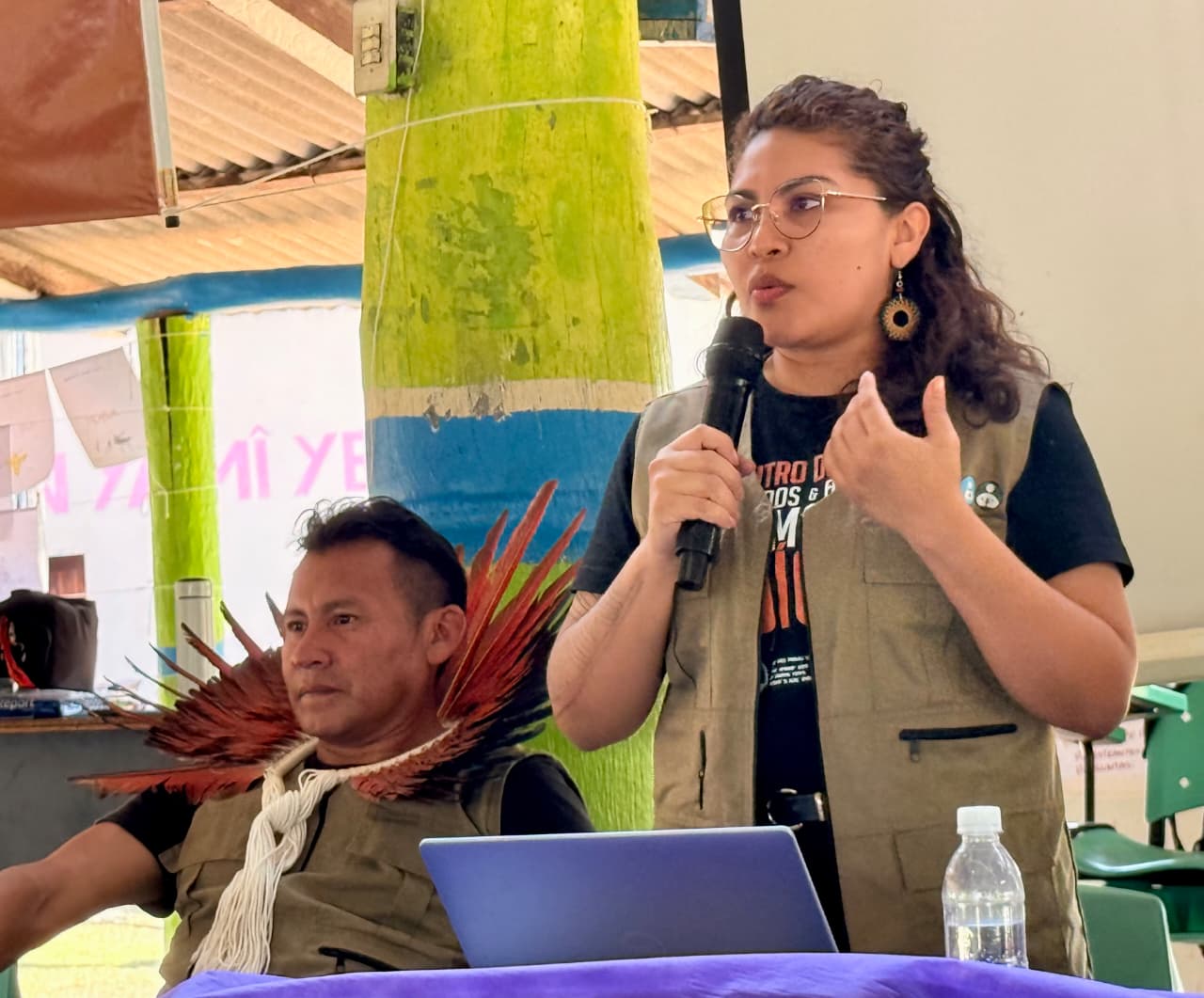
The coordinator of the Department of Territorial Monitoring and Surveillance, Edinho Macuxi, outlined the department's future actions with the integrated monitoring bases, which involve five groups: ATAIs (Indigenous Health Agents), firefighters, legal professionals, GPVTIs (Indigenous Vigilance Groups), and indigenous communicators.
The discussions held during the meeting should result in proposals and courses of action defined collectively by the leaders.