

The initiative brings together leaders from six regions to build mechanisms for preventing violence in indigenous territories.
The Indigenous Council of Roraima (CIR), through its Legal Department, has begun drafting a Security and Protection Protocol for Indigenous Leaders in the state. The initiative brought together leaders from the Itacutu, Serra da Lua, Alto Cauamé, Tabaio, Murupu, and Amajari regions on September 21st and 22nd at the Lindalva Macuxi Auditorium, located at the council's headquarters.
The creation of the protocol comes as a response to the growing number of cases of violence and threats faced by leaders in Roraima who work to defend indigenous rights and territories.
In 2025, there was a significant increase, with the state registering 82 cases of murdered indigenous people, the highest number among Brazilian states. In comparison, in 2024, 52 victims were registered in the state. The data is from the Indigenous Missionary Council (CIMI), released in September 2026.
The history of violence against indigenous people is linked to territorial conflicts in Roraima: 23 indigenous leaders were murdered during the struggle for the demarcation of the Raposa Serra do Sol Indigenous Land, between the 1970s and 2005, according to records and reports from CIR.
Violence against indigenous leaders, however, remains a problem faced today. In early 2026, a young indigenous leader was found dead on the side of a highway in the municipality of Amajari. The case remains under investigation to clarify the circumstances and causes of death.
In addition to the assassinations, leaders and communities report situations of threat and intimidation, especially related to territorial defense, the processes of demarcating indigenous lands, and the presence of illegal activities such as illegal mining.
According to leaders who participated in the workshop, the threats do not only affect the person on the front line defending indigenous rights. The impacts also fall on family members and the entire community.

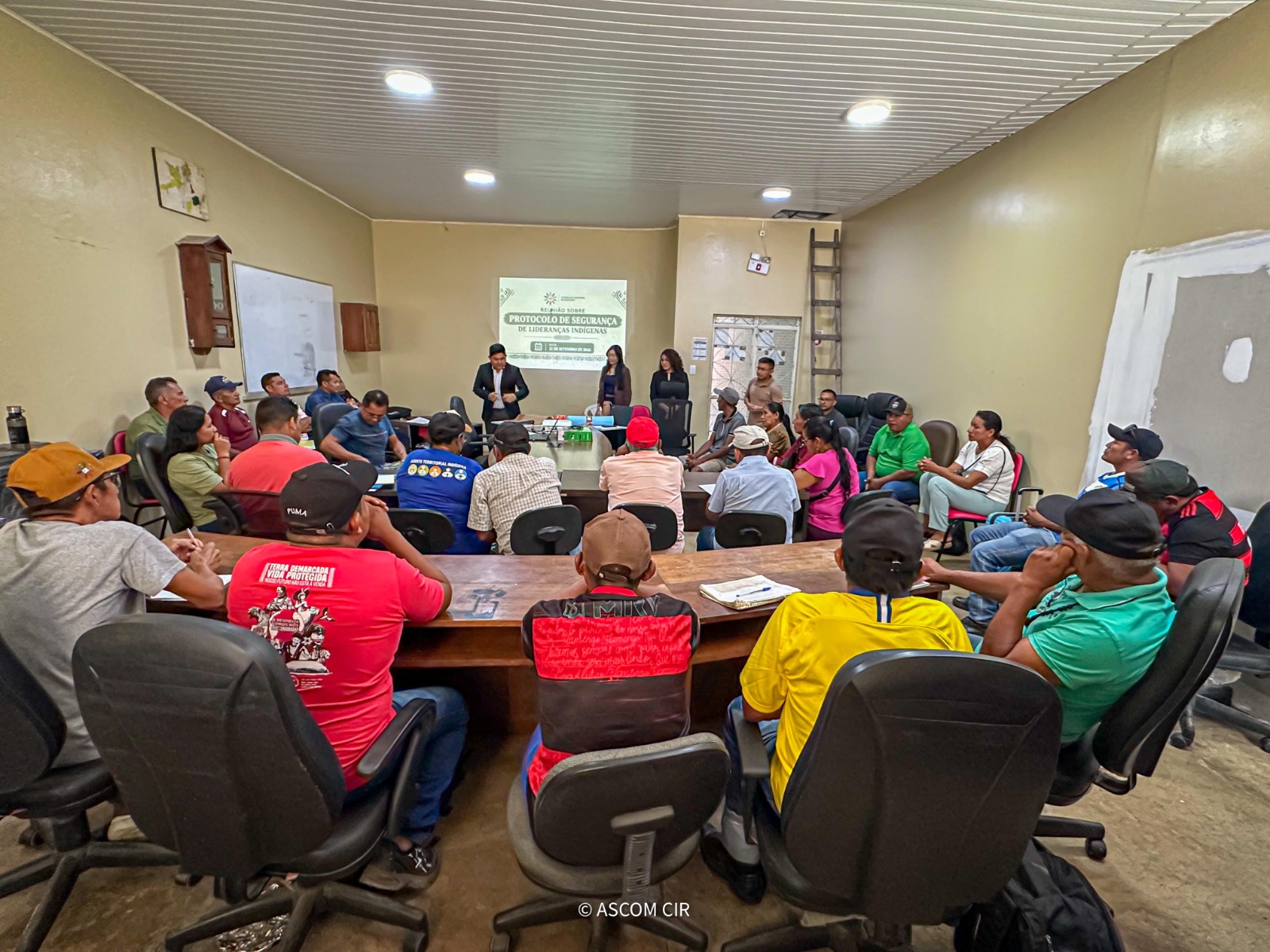
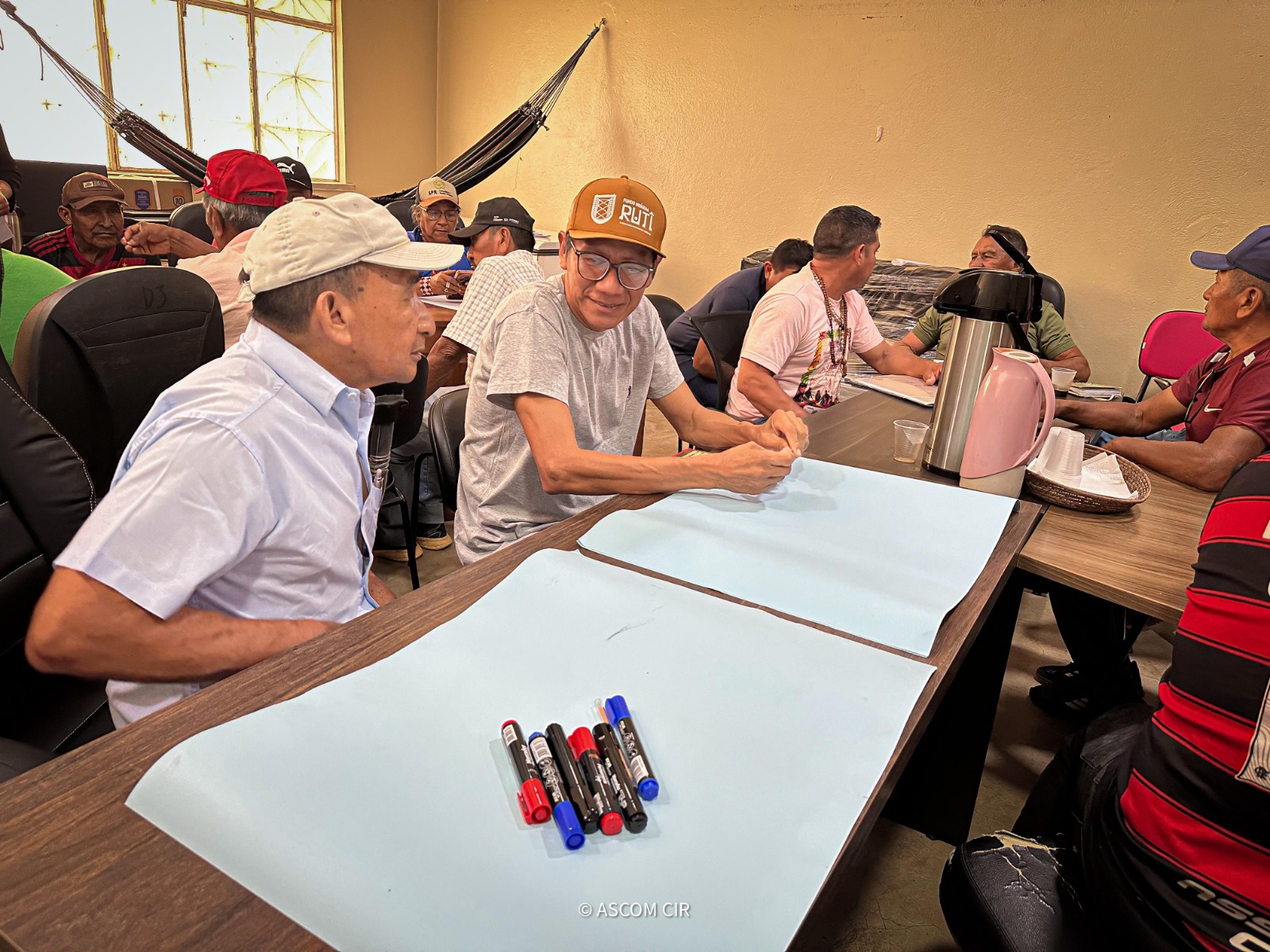
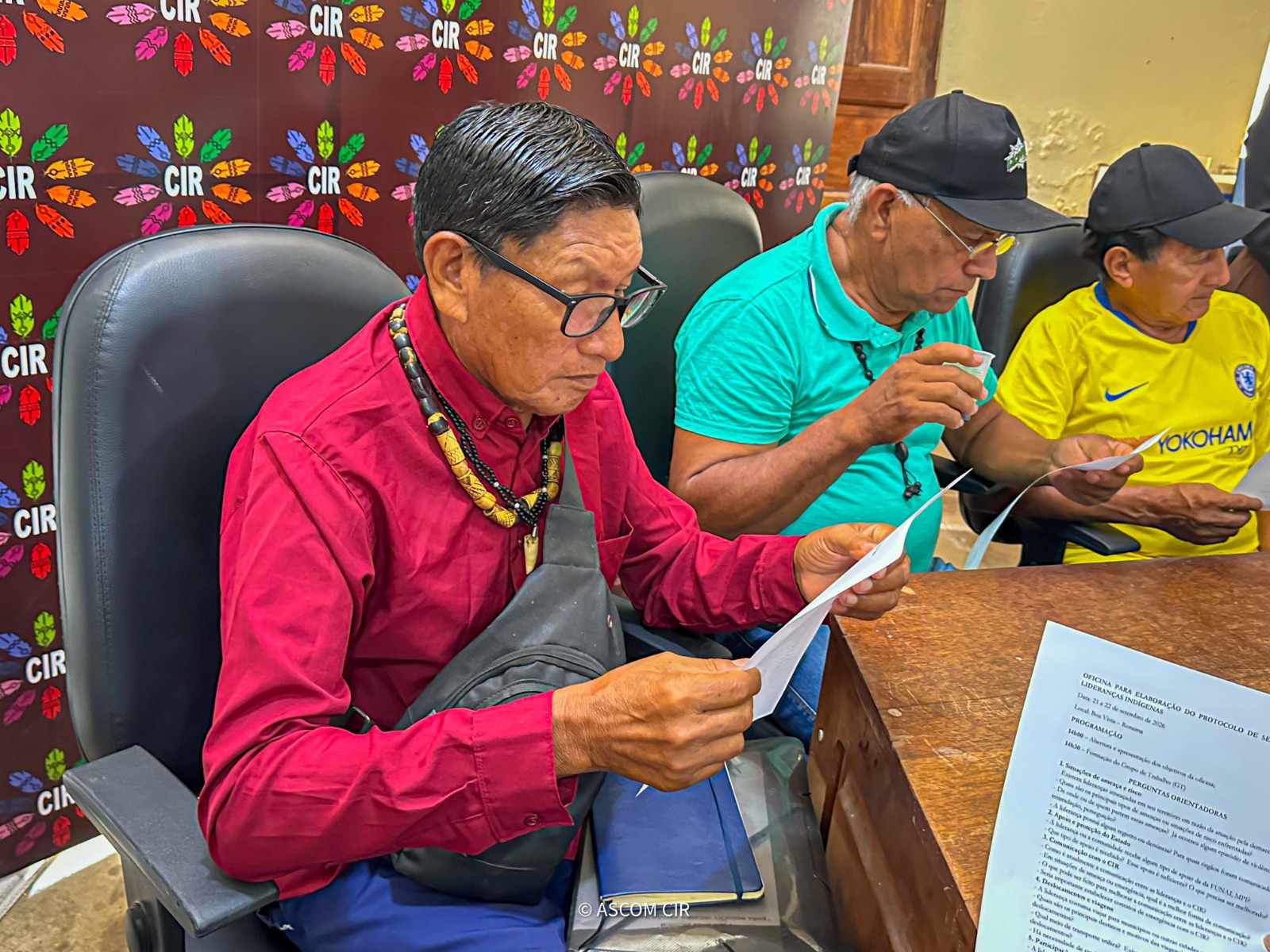
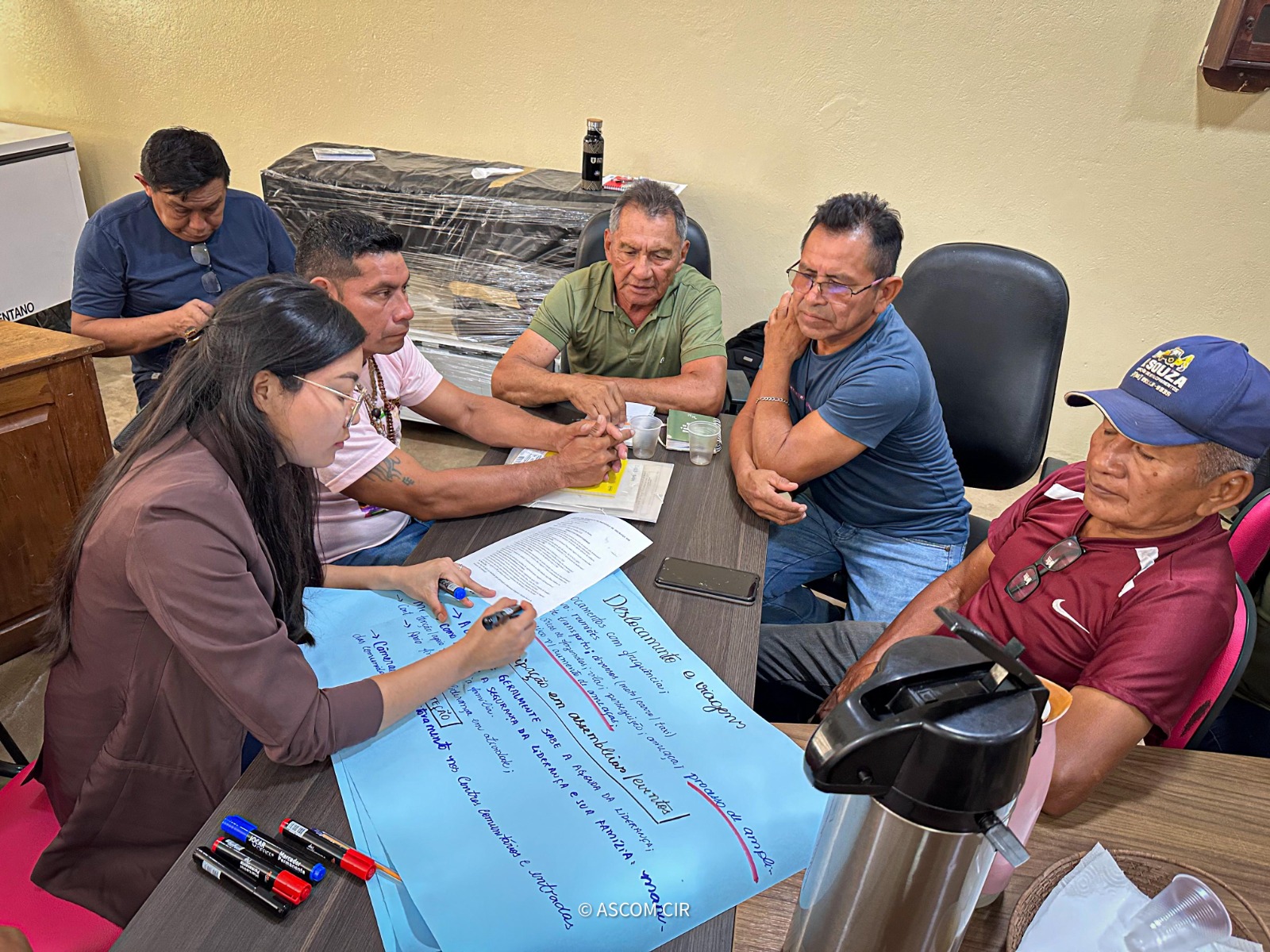
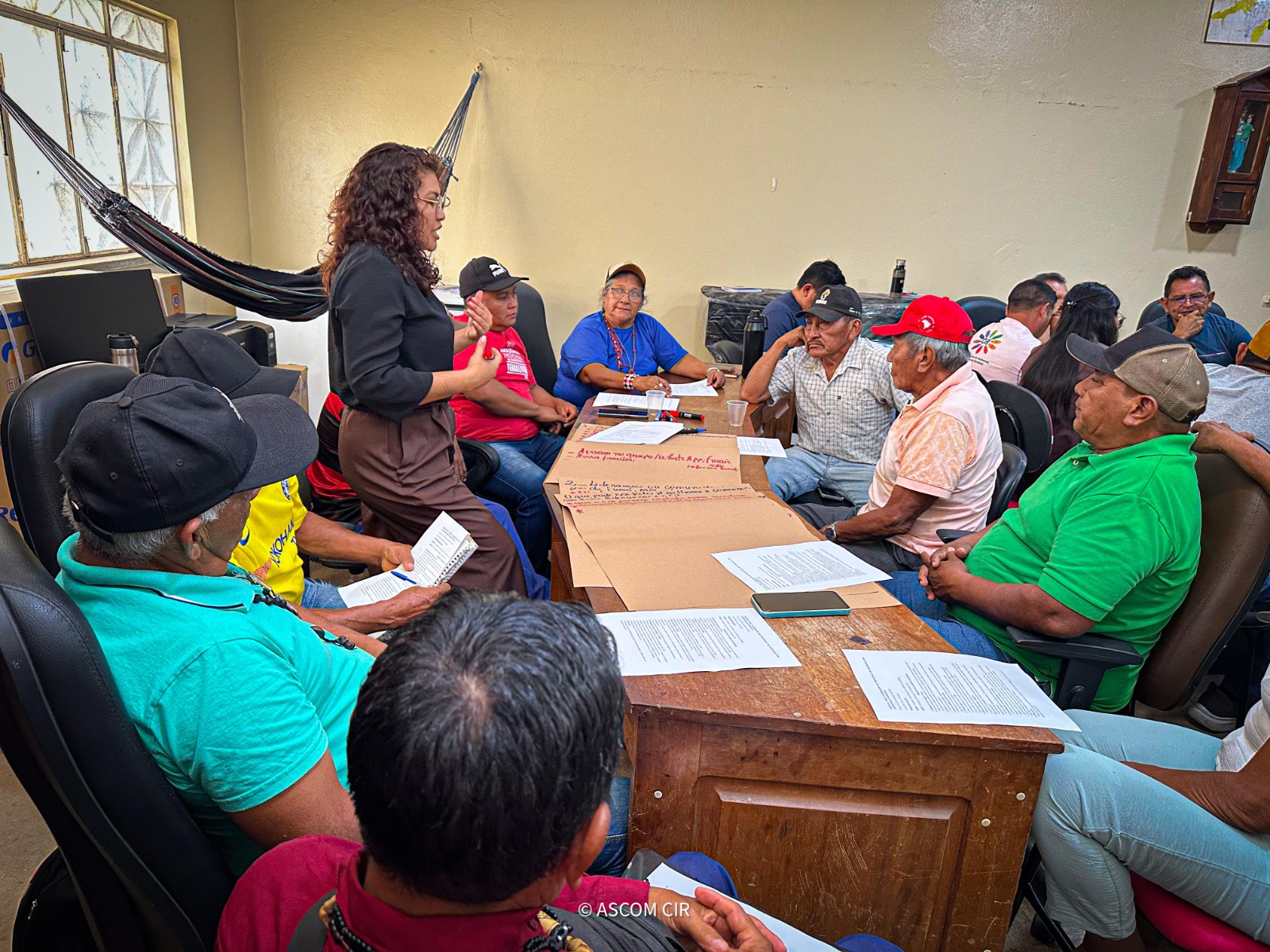
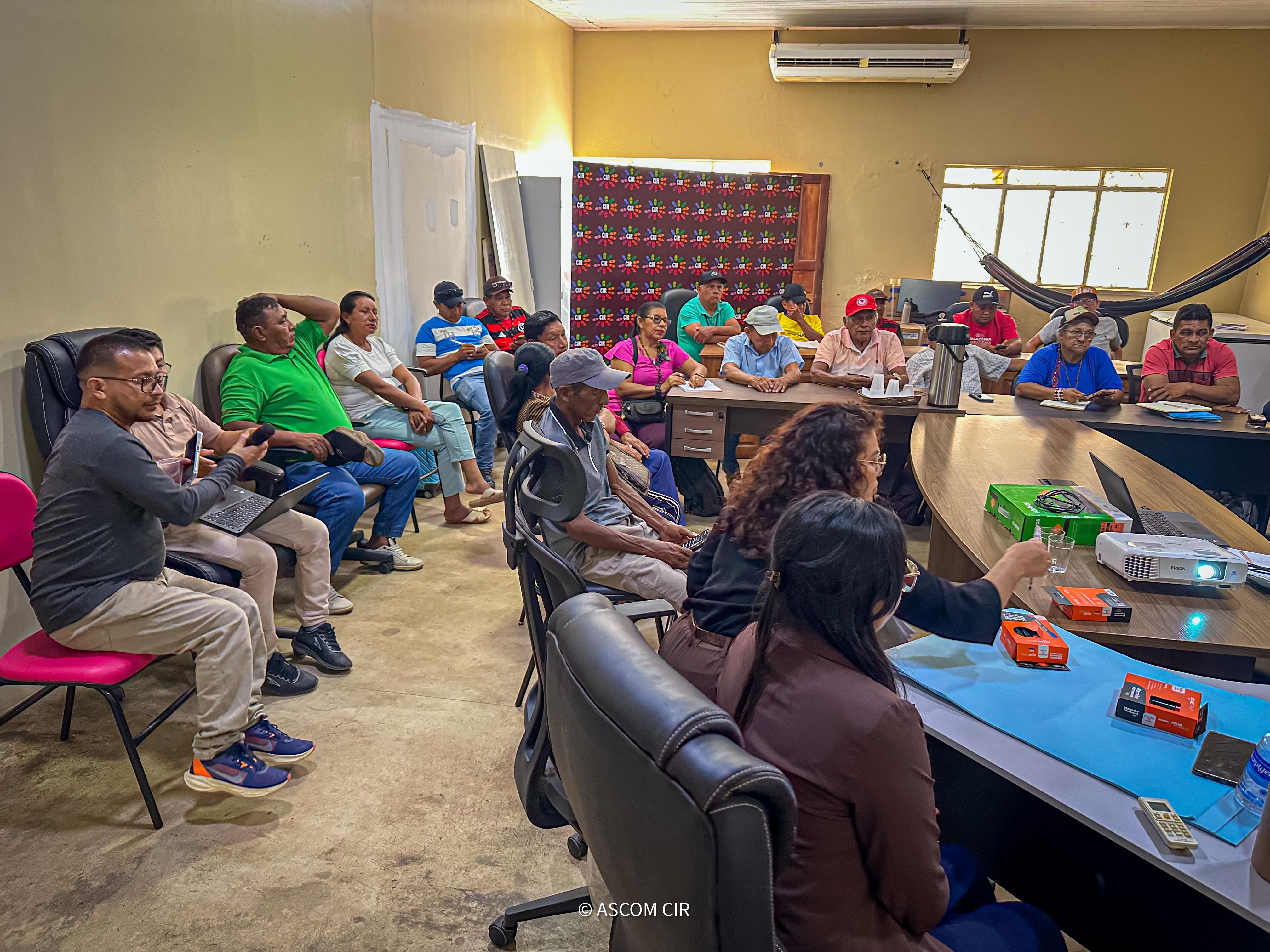
Among the main risk factors identified by the leaders are the presence of invaders, such as illegal miners, the absence or delay in the demarcation of indigenous lands, and the insufficiency of actions to monitor and protect the territories. The leaders also highlighted the need for a faster response from public authorities to reports of threats.
According to the CIR Legal Department, the adoption of protection measures should consider the strategies already being developed by the communities themselves.
"The CIR proposal stems from the recognition that indigenous communities already develop their own strategies for protecting and caring for their leaders, even without necessarily having a formal document," the department states.
According to legal counsel, the protocol aims to strengthen and organize existing mechanisms within communities, as well as establish procedures for risk situations. The document should define a workflow involving community leaders, regional leaders, and the CIR (Intermunicipal Community Relations Office), with guidelines for identifying different types of threats, registering incidents, assessing risks, and establishing pathways to seek support and protection.
The protocol should also contain instructions on how to act in situations of violence and who to contact in each case, considering both the individual protection of the leader and the safety of their family and the community.
In this sense, the CIR's legal counsel argues that protection should not simply mean removing the leader and their family from their territory in the face of a threat. When necessary in emergency situations, this measure should not replace permanent actions for territorial protection and addressing the root causes of insecurity.
“Removing a leader and their family from their territory is yet another act of violence. Protection needs to consider the individual, but also the community and the territory where that leader lives and works,” they explain.
The initiative aims to strengthen a protection network built from within the communities themselves, coordinating prevention, communication, response to threats, and referral of complaints, without separating the security of leaders from the defense of their territories.