

With three more implementations planned by the end of the year, 2026 is already considered a record year by DGTAMC.
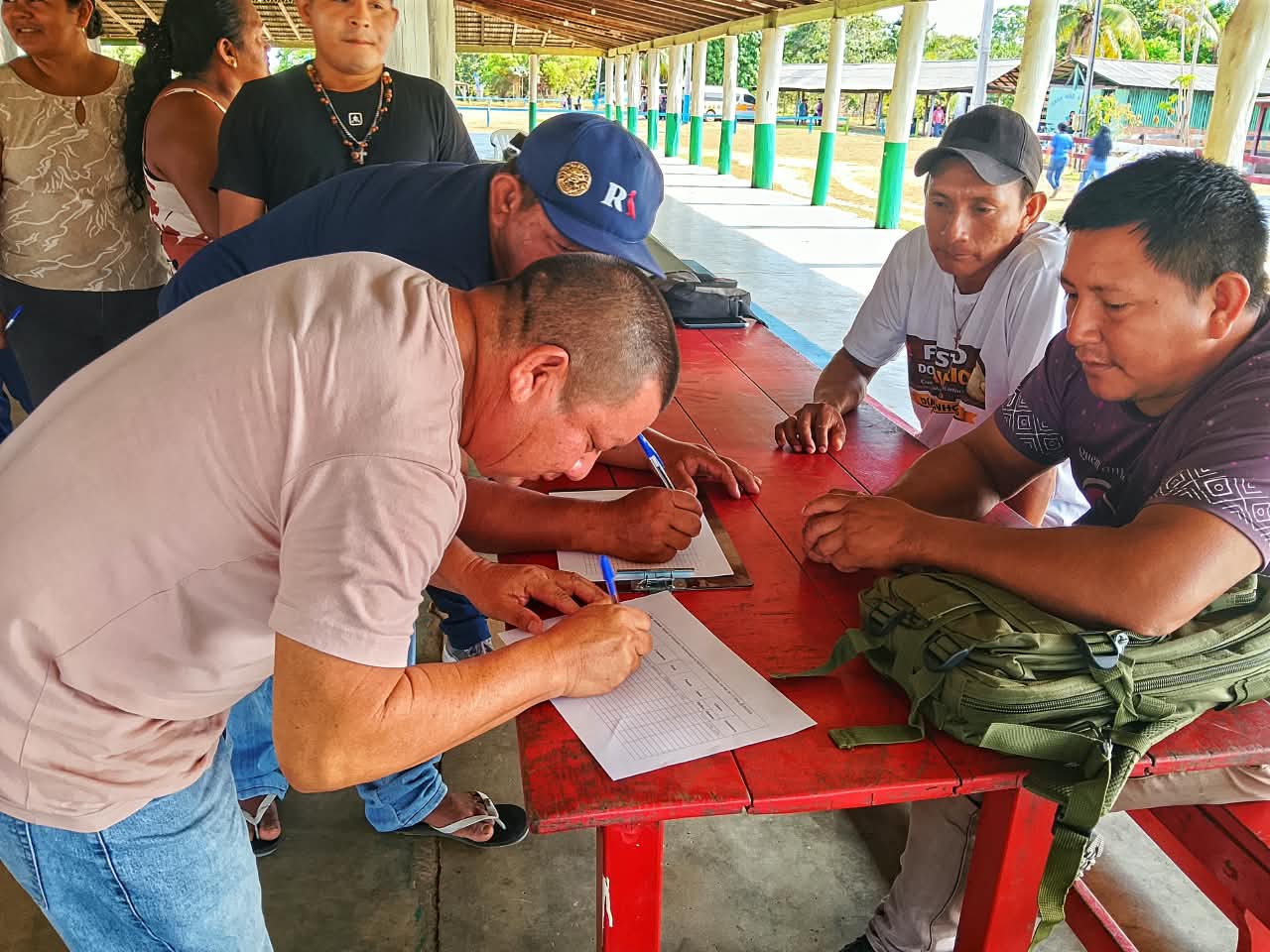
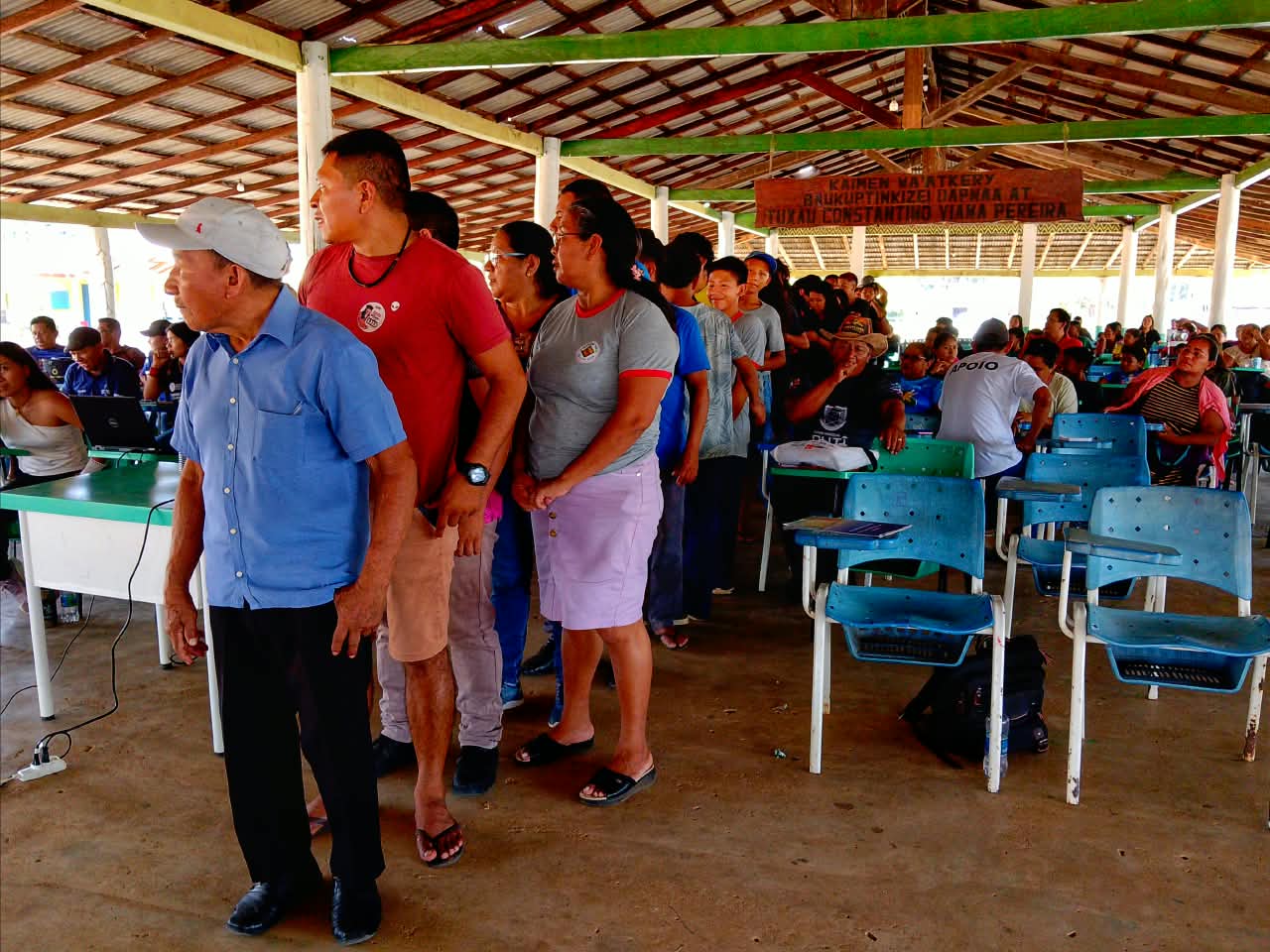
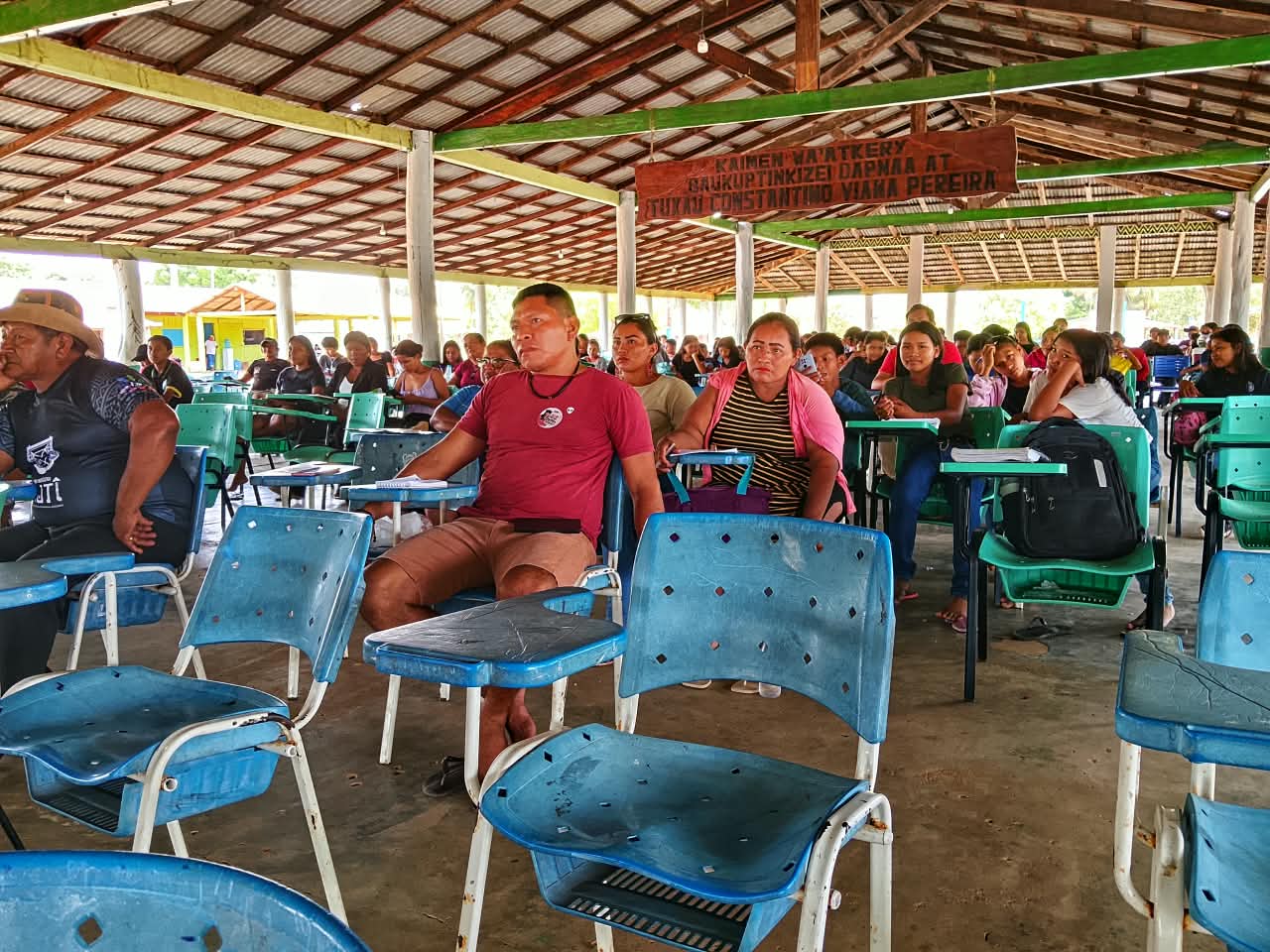
The indigenous communities of Malacacheta and Jacaminzinho, from the Malacacheta Indigenous Land, in the Serra da Lua region, municipality of Cantá, received, during the 16th and 17th of September, the implementation of the Territorial and Environmental Management Plan (PGTA). This is the sixth action carried out by the Indigenous Council of Roraima (CIR) in 2026. The initiative took place in the Community Malocão of the Malacacheta community and was conducted by the team from the Department of Territorial, Environmental and Climate Change Management (DGTAMC).
The action aimed to prioritize and implement the PGTA (Territorial and Environmental Management Plan) with community leaders, youth, and women, as well as to define priorities for the allocation of resources. The activity also included the participation of a delegation of young indigenous people from the Federation of Indigenous Organizations of the Rio Negro (FOIRN), who, during an exchange program, observed firsthand the work developed by the CIR (Intermunicipal Community of Rio Negro) in the territorial management of the communities.
“One important thing is that, with this, we strengthen the communities' ways of life, reinforcing what the communities are already doing. It is gratifying to see that, with the implementation of the PGTA, we are increasingly improving the quality of life of indigenous peoples.”Sineia do Vale, coordinator of DGTAMC, points out.
With the implementation in the Malacacheta and Jacaminzinho communities, CIR reaches its sixth PGTA put into practice in 2026. For Ivone Rodrigues, a reference person for implementation at DGTAMC, the number represents a milestone for the department, which still plans to implement three more plans by the end of the year.

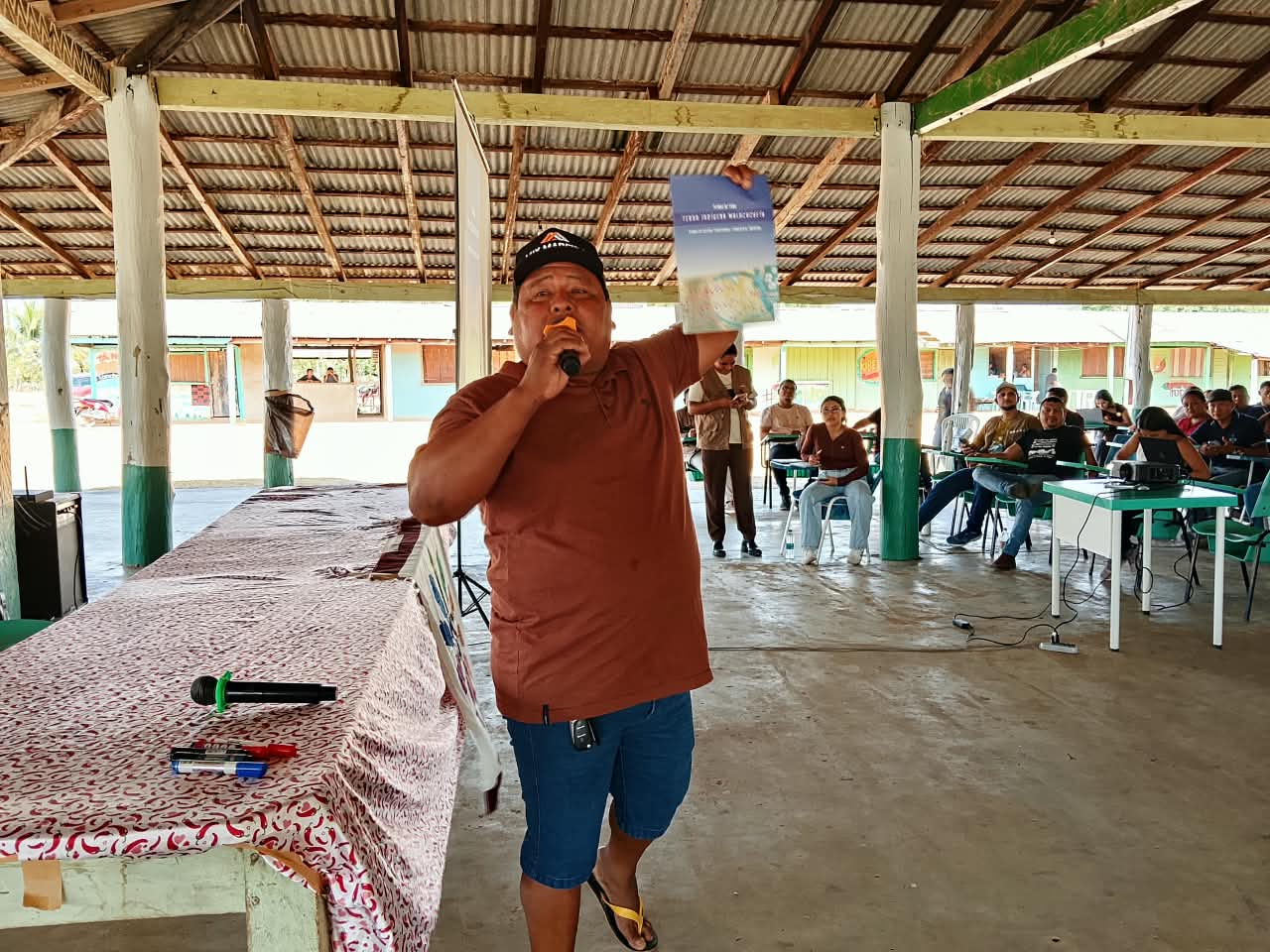
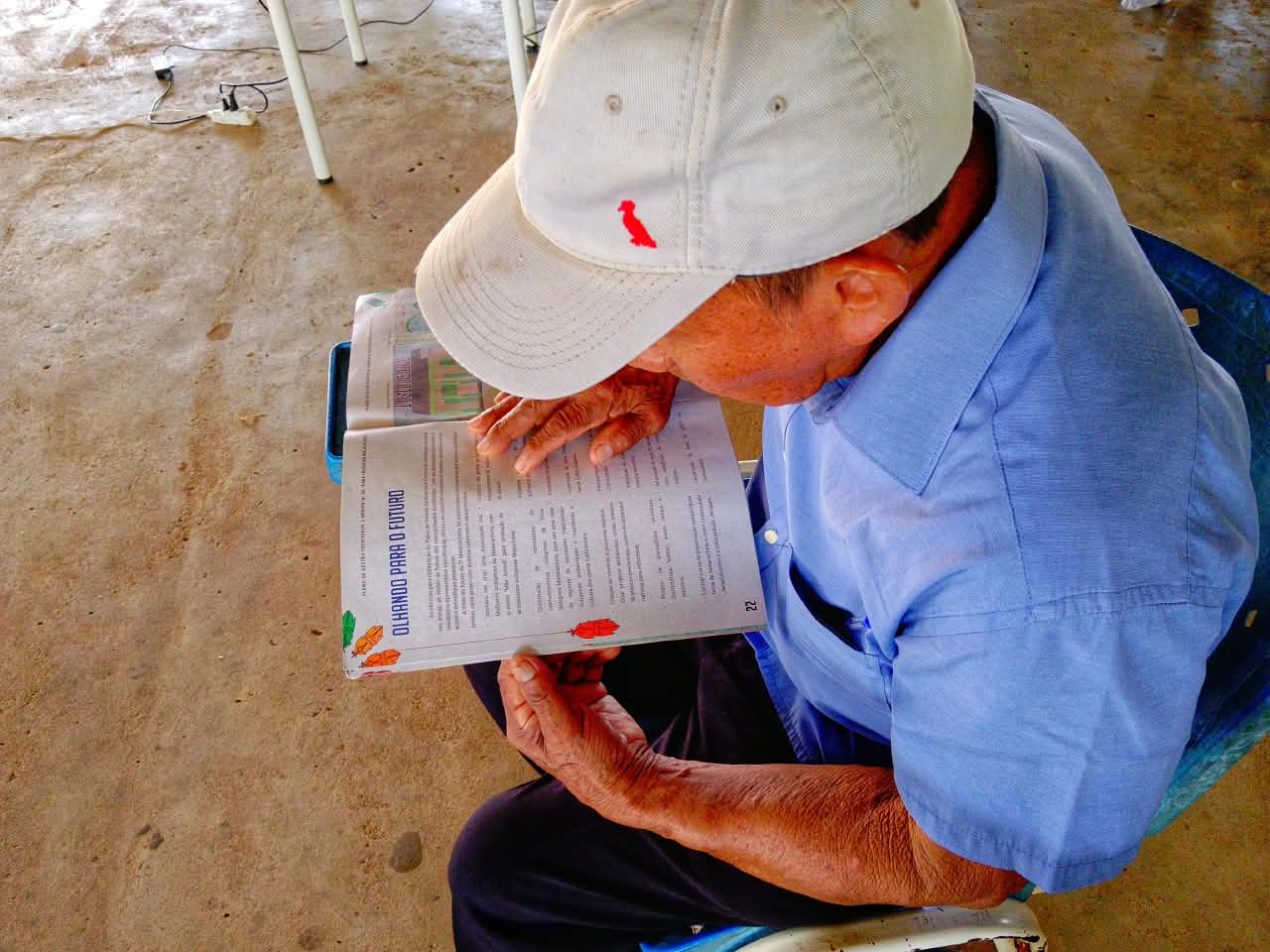
“We are very grateful this year because this is the sixth PGTA that we are implementing, it's a record year. We haven't even reached the end of 2026 yet, and the proposal is that, by the end, three more PGTAs will be implemented. Which is wonderful for us, to give our supporters the response that the department is working, is executing, and that things are happening,”Ivone celebrates.
The PGTA (Territorial and Environmental Management Plan) is a management tool collectively developed with community residents through workshops conducted by the CIR (Intermunicipal Community of Rio Grande do Sul). The document brings together demands and strategies defined by the indigenous peoples themselves and guides actions aimed at the sustainable use of natural resources, the protection of territories, and the improvement of the quality of life of the communities.
For this implementation in the Malacacheta Indigenous Territory, R$ 120,000 was made available, with resources from the Pawanka Fund and the Danish Ministry of Foreign Affairs. This amount will be used over 12 months to carry out the actions defined by the communities.
On the first day, community leaders met in working groups by neighborhood to identify their needs within the PGTA (Municipal Territorial Planning Plan) and prioritize them, collectively deciding which projects would receive investment, as well as appointing coordinators responsible for each project.
During the process, the CIR team, composed of Sineia do Vale, department coordinator; Ivone Rodrigues, contact person for PGTA implementation; Ayrton Paulino, environmental assistant; Vanessa Fernandes, department advisor; Raiovane Montenegro and Renan Macuxi, agronomists; Onildo Tiago, from Administration and Finance; and Allyne Bentes, from Communication, followed the discussions and provided clarifications on the procedures necessary for the execution of the resources.
Following the consultation, the leaders of the Malacacheta Indigenous Territory decided, together, to distribute the resources among six neighborhoods in the Malacacheta community and the Jacaminzinho community. The prioritized projects focus primarily on improving and implementing potable water supply systems, as well as actions aimed at improving community infrastructure, according to the needs identified by the communities.

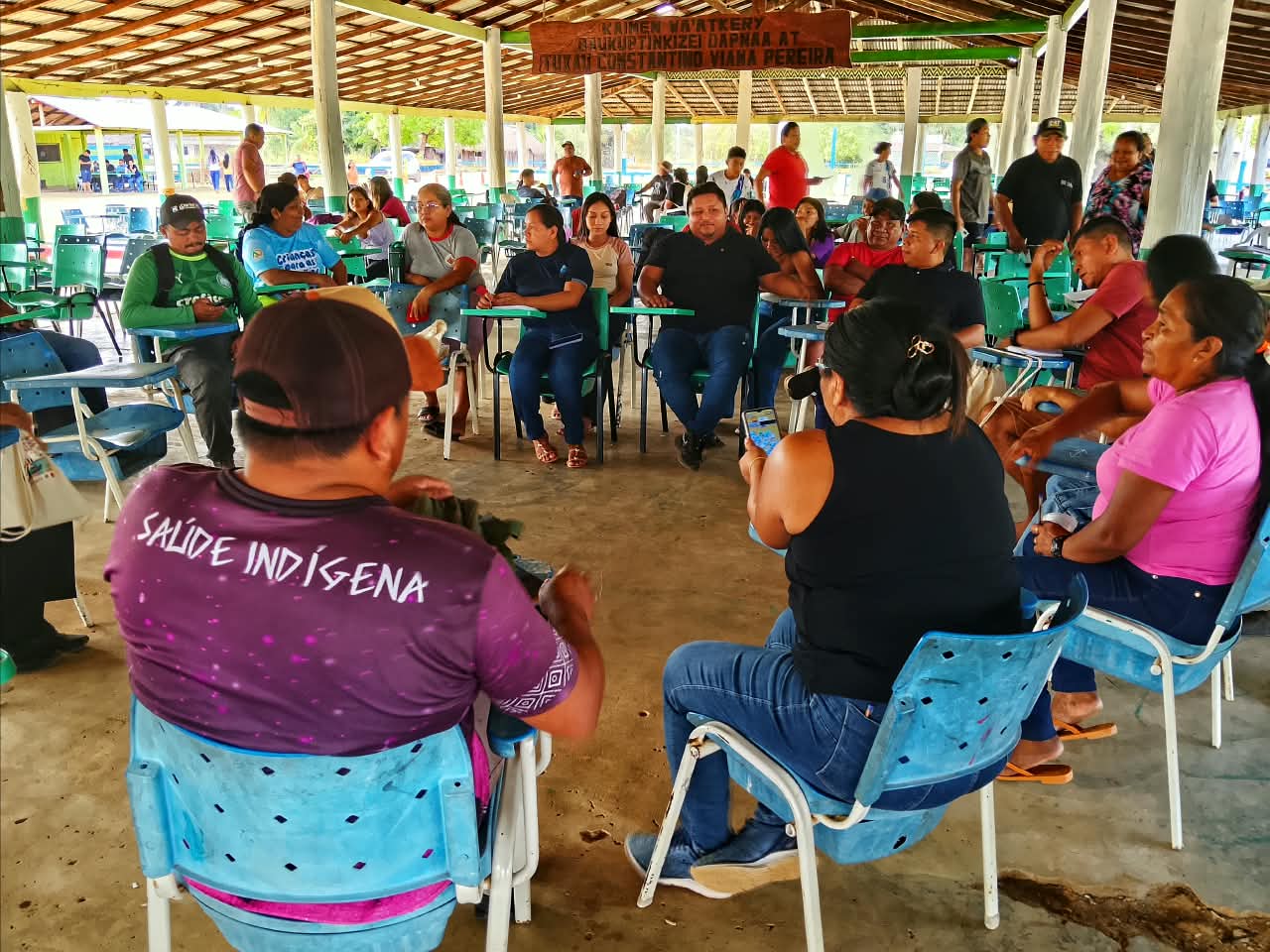
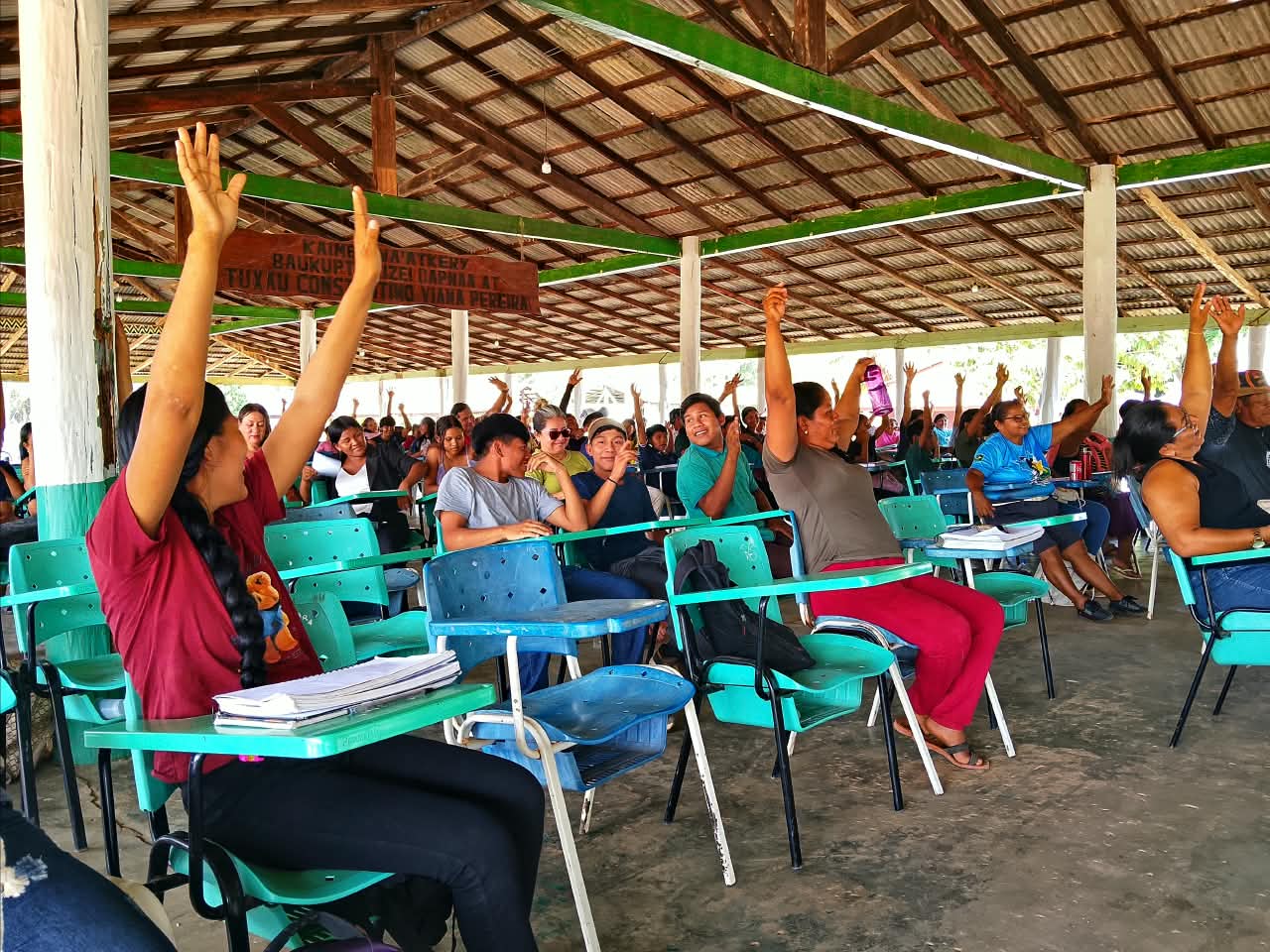
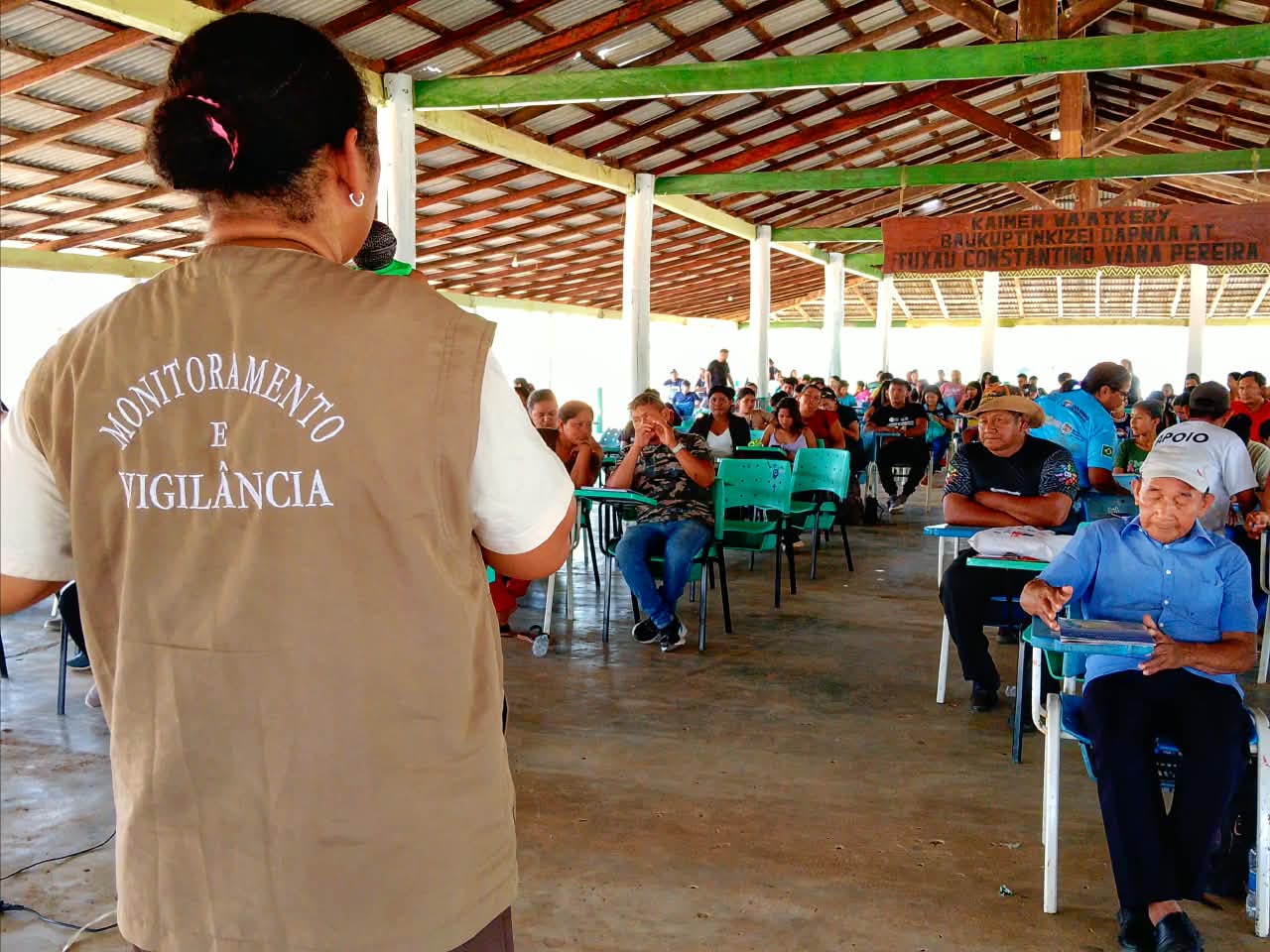
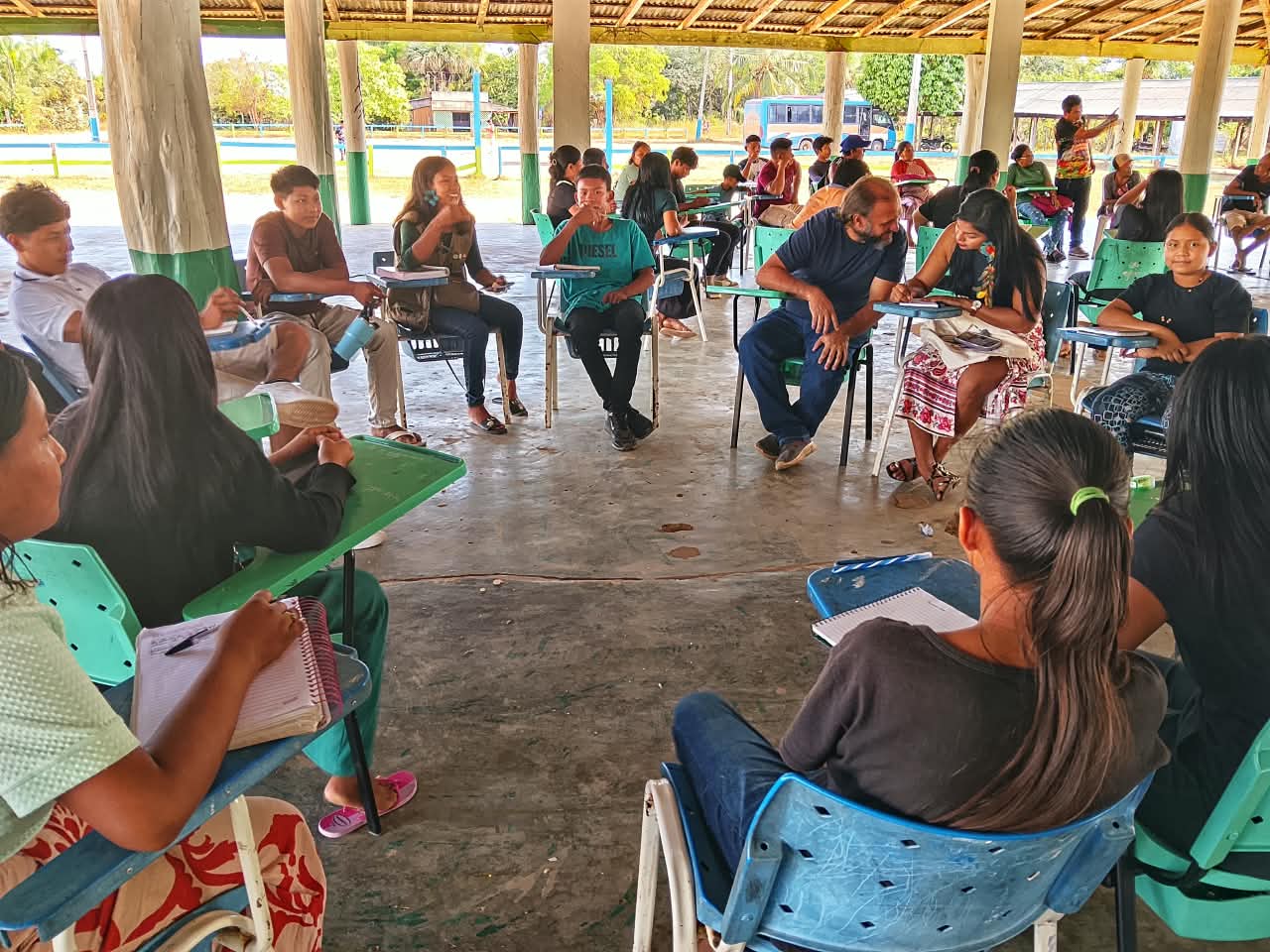
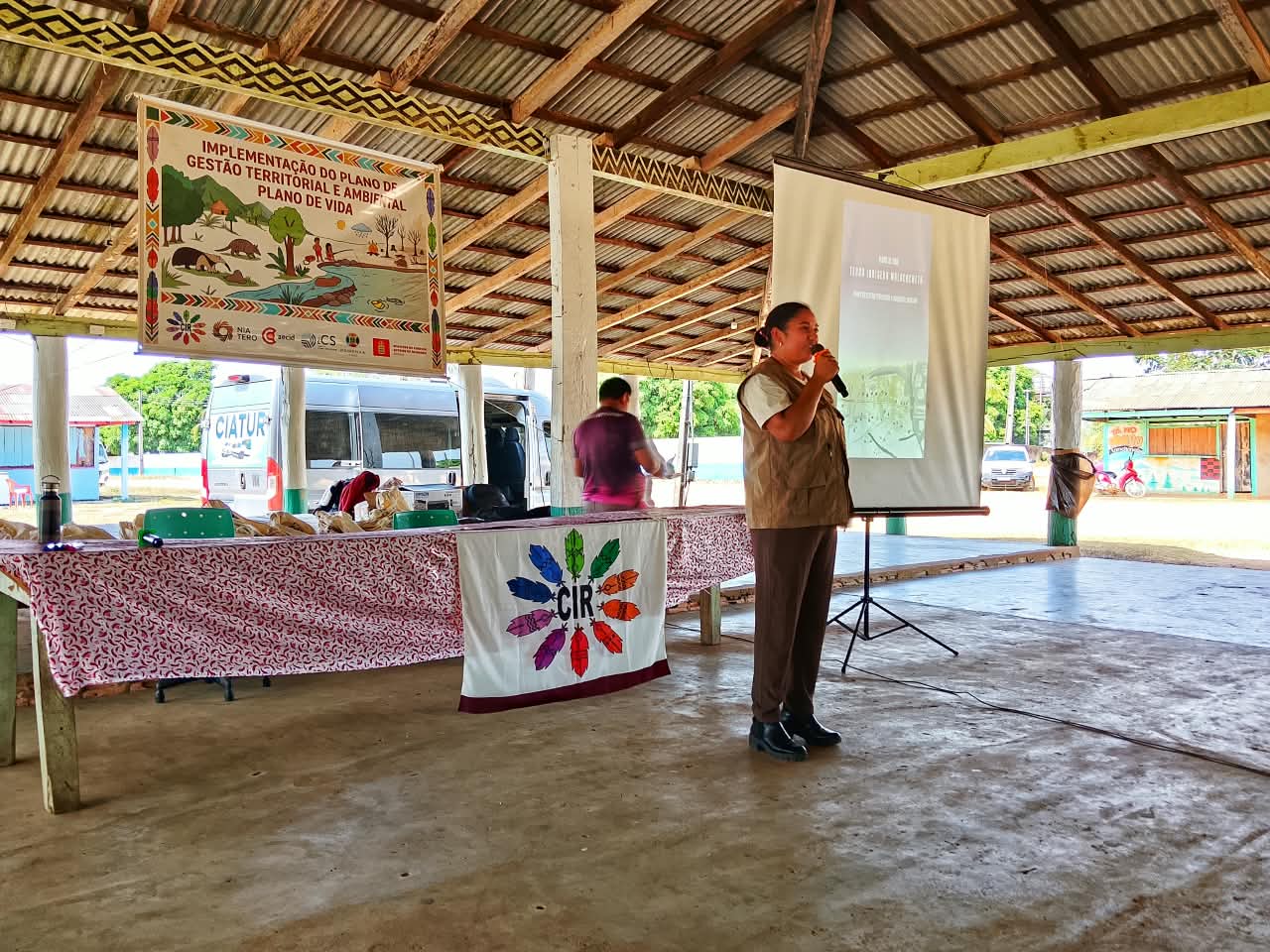
“Due to the current climate, the group considered expanding our water system. For example, we currently work with manually dug wells. We only have two artesian wells. So, we thought about this because we are considering the possibility of future droughts in our community.”"explains the chief of the Malacacheta community, José Ailton."
The second day of the activity was dedicated to the preparation of projects, terms of commitment, the creation of budgets, and official requests for materials to begin the implementation of the actions by the residents themselves, with the support of the CIR technical team.
The implementation of the sixth Territorial Management Plan (PGTA) of the year strengthens the autonomy of the indigenous peoples of Roraima and the participation of communities in defining priority actions for their territories and marks, according to the DGTAMC, a period of expansion in the execution of territorial management plans supported by the CIR.