
Created from the need to strengthen communities in the defense of their territories, their rights and their own forms of organization, the Legal Department has consolidated itself as an important instrument for indigenous advocacy, territorial defense, legal training and strengthening the autonomy of the indigenous peoples of Roraima.
Indigenous Council of Roraima
Legal Department
Defense of rights, territorial protection and strengthening of indigenous autonomy
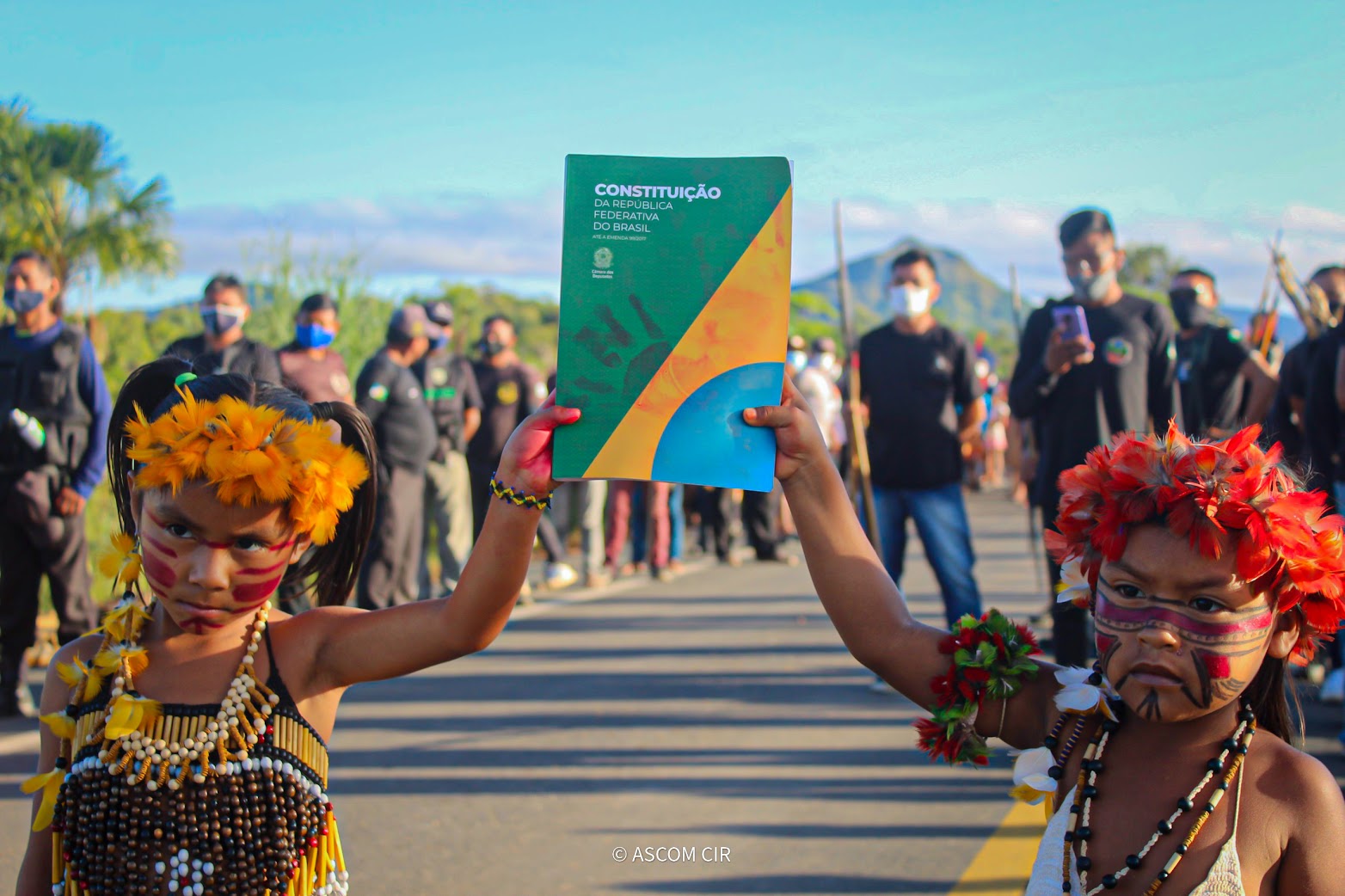
30+years of legal practice
270Communities Reached
36Indigenous Lands
70k+reached directly and indirectly
200+leaders trained by the Law Operators Program
Legal Department
For more than three decades, the Indigenous Council of Roraima (CIR) has maintained its own pioneering legal action in the defense of the rights of indigenous peoples.
Its work articulates legal knowledge, community organization and political participation, seeking to ensure the recognition and enforcement of the individual and collective rights of indigenous peoples, both in the territories and before State institutions and national and international bodies for the protection of human rights.
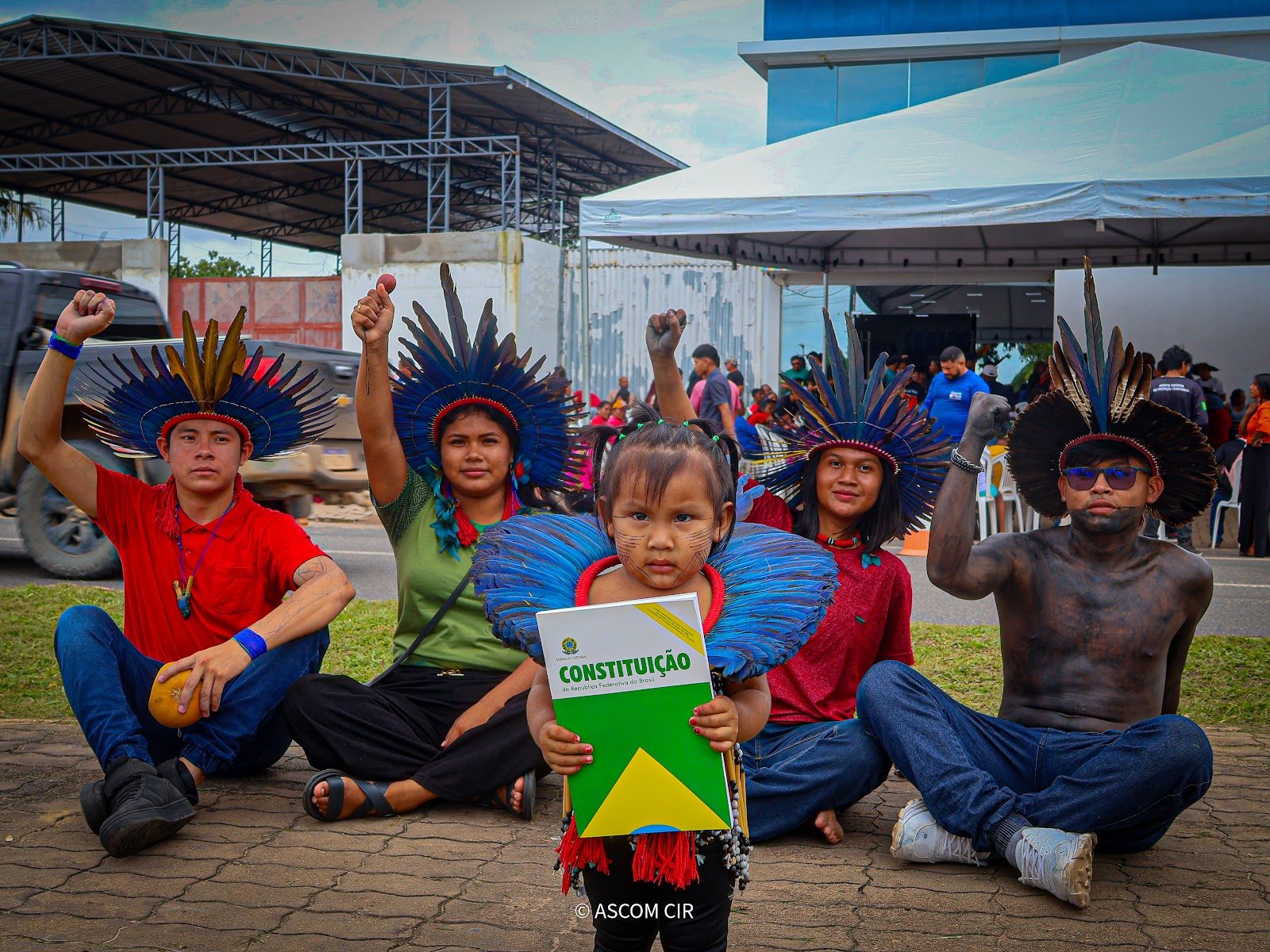
Trajectory and team
The history of the Legal Department is built by generations of indigenous and non-indigenous lawyers committed to defending the rights of indigenous peoples.
Among the first indigenous lawyers are Paulo Pankararu e Joenia Wapichana, who played a pioneering role in the construction of indigenous advocacy in Brazil. Between 2018 and 2025, the Department also relied on the work of the lawyer Ivo Macuxi.
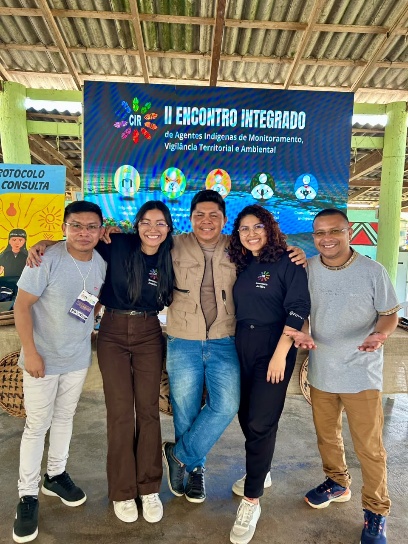
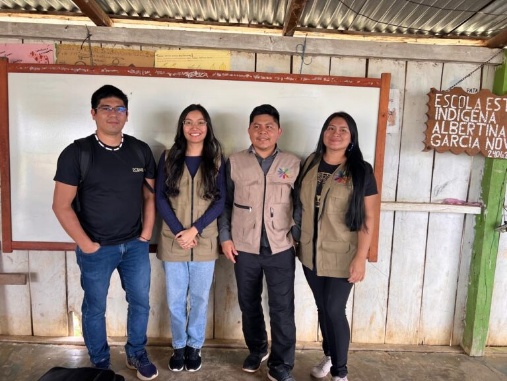
Currently, the team is composed of the lawyer and the coordinator of the department Júnior Wapichana, by the lawyers Fernanda Wapichana e Luciane Macuxi, by the intern Rosivaldo Macuxi and by the legal assistant Luciano Atoraí.
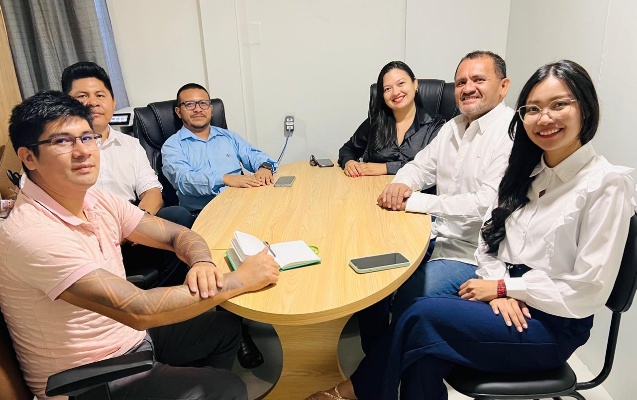
Our performance
The Legal Department acts in the judicial and extrajudicial defense of the individual and collective rights of indigenous peoples, before public institutions, Brazilian courts and international human rights organizations.
Our work is organized into four main axes:
-
1. Defense of territorial and environmental rights
Monitoring and defense of the processes of recognition, demarcation, protection and management of Indigenous Lands, in addition to the defense of environmental rights and natural resources.
-
2. Territorial protection and governance
Strengthening the autonomy of communities, their organizations, their own norms, and traditional mechanisms of governance and conflict resolution.
-
3. Legal education
Training of leaders, young people, women, legal operators and territorial agents to expand the knowledge and capacity of communities to defend their rights.
-
4. Indigenous advocacy
Strengthening the work of indigenous professionals and the construction of legal strategies for the defense of peoples and their territories.
A history of defending indigenous rights
Over more than three decades, the CIR's Legal Department has participated in important processes of defense of the indigenous peoples of Roraima, contributing to the recognition of territorial rights, access to justice and the accountability of the Brazilian State for human rights violations.
-
01
Ovelario Tames Case
In 1988, the young Macuxi Ovelário Tames was detained by civil police in Normandia/RR and found dead the next day in a cell at the police station. The case reached the Inter-American Commission on Human Rights (IACHR), which, in 1999, recognized the responsibility of the Brazilian State for violations of fundamental rights. The case became a milestone in the fight against violence, discrimination and impunity against indigenous peoples.
-
02
Raposa Serra do Sol: STF and IACHR
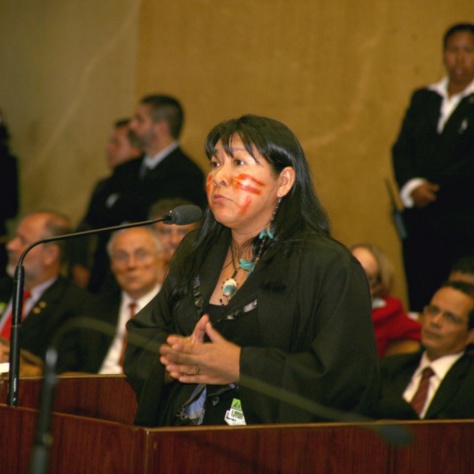
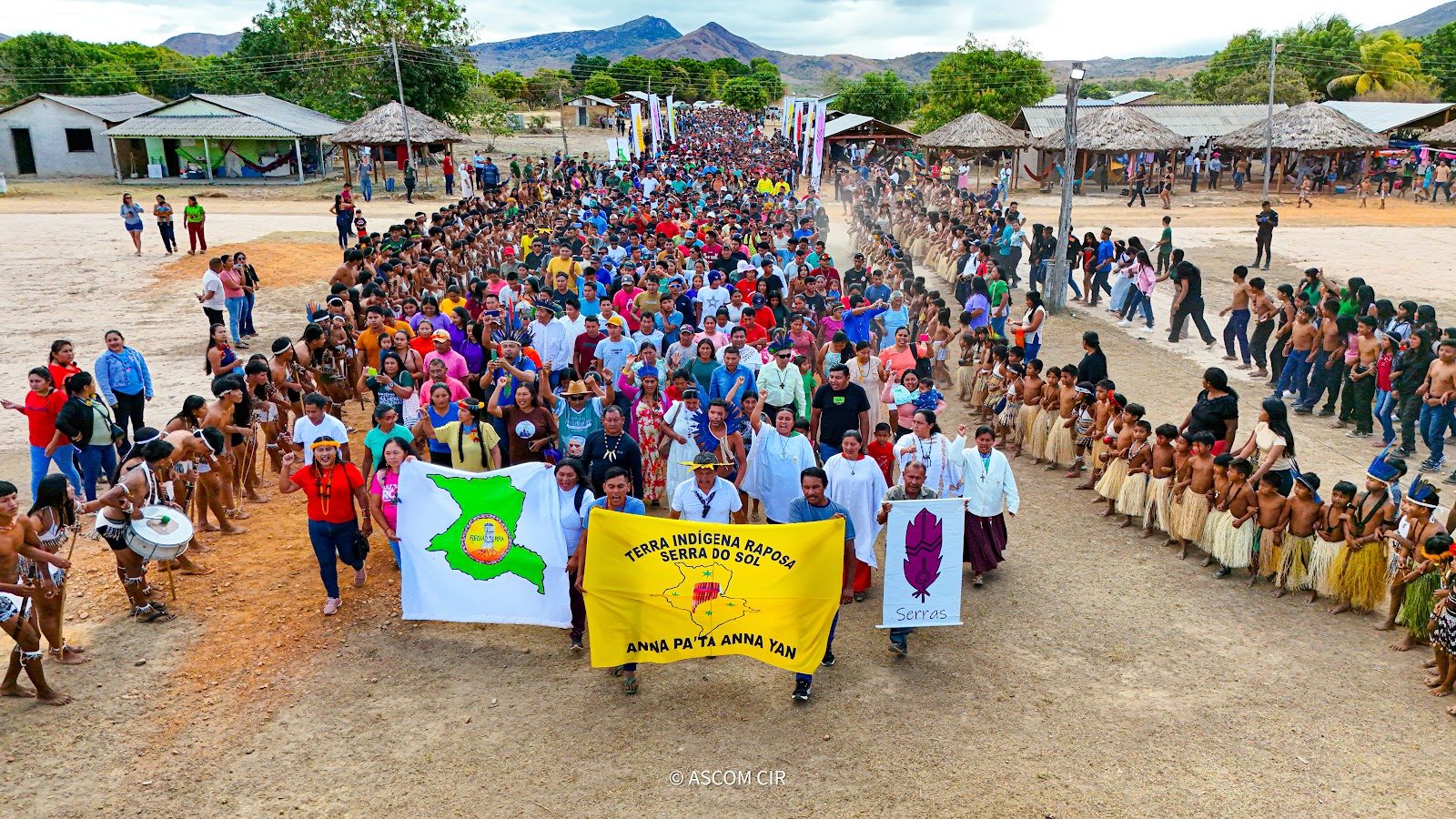
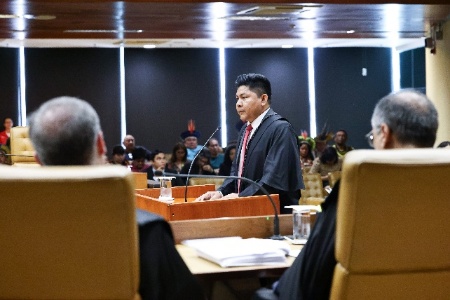
The defense of the Raposa Serra do Sol Indigenous Land is one of the main milestones in the legal trajectory of the CIR. In 2004, the CIR and the Rainforest Foundation-US brought complaints to the Inter-American Commission on Human Rights about rights violations, violence, and environmental degradation in the Indigenous Land. The IACHR granted precautionary measures for the protection of the communities. In 2009, indigenous lawyer Joenia Wapichana, a member of the CIR's Legal Department, made an oral argument in the Federal Supreme Court in defense of the full demarcation of the Raposa Serra do Sol Indigenous Land.
The Supreme Court confirmed the constitutionality of the full demarcation of the Indigenous Land, with approximately 1.7 million hectares.
Defence of territorial rights
The Legal Department monitors administrative and judicial processes related to the recognition and demarcation of the Indigenous Lands of Roraima, including areas such as Anzol, Arapuá and Anaro, in addition to areas that were left out of previous demarcation processes, such as Manoá/Pium, Pium and Truaru.
The action seeks to ensure the recognition and protection of the territorial rights of indigenous communities.
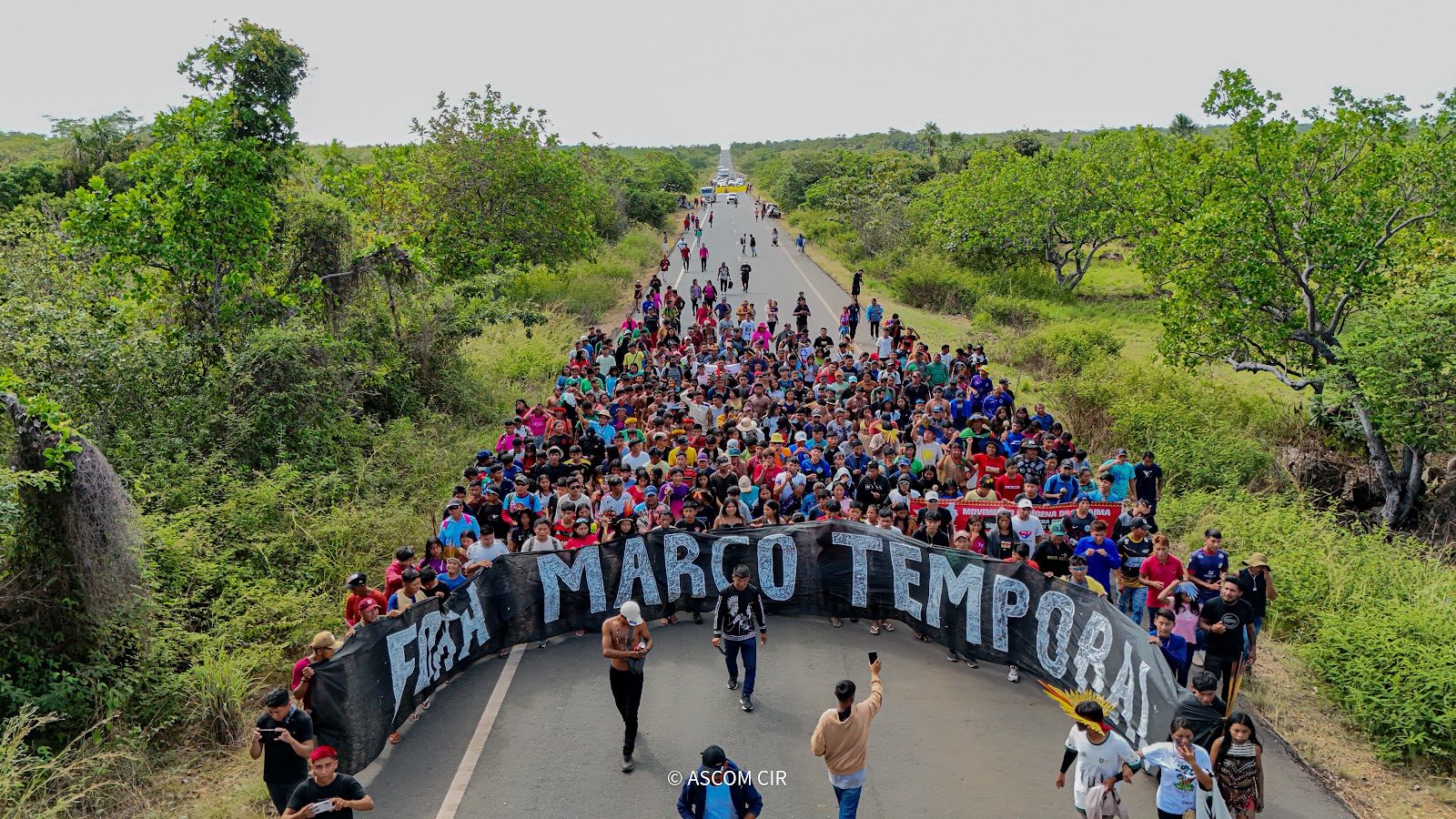
Indigenous rights in the Supreme Court
-
01
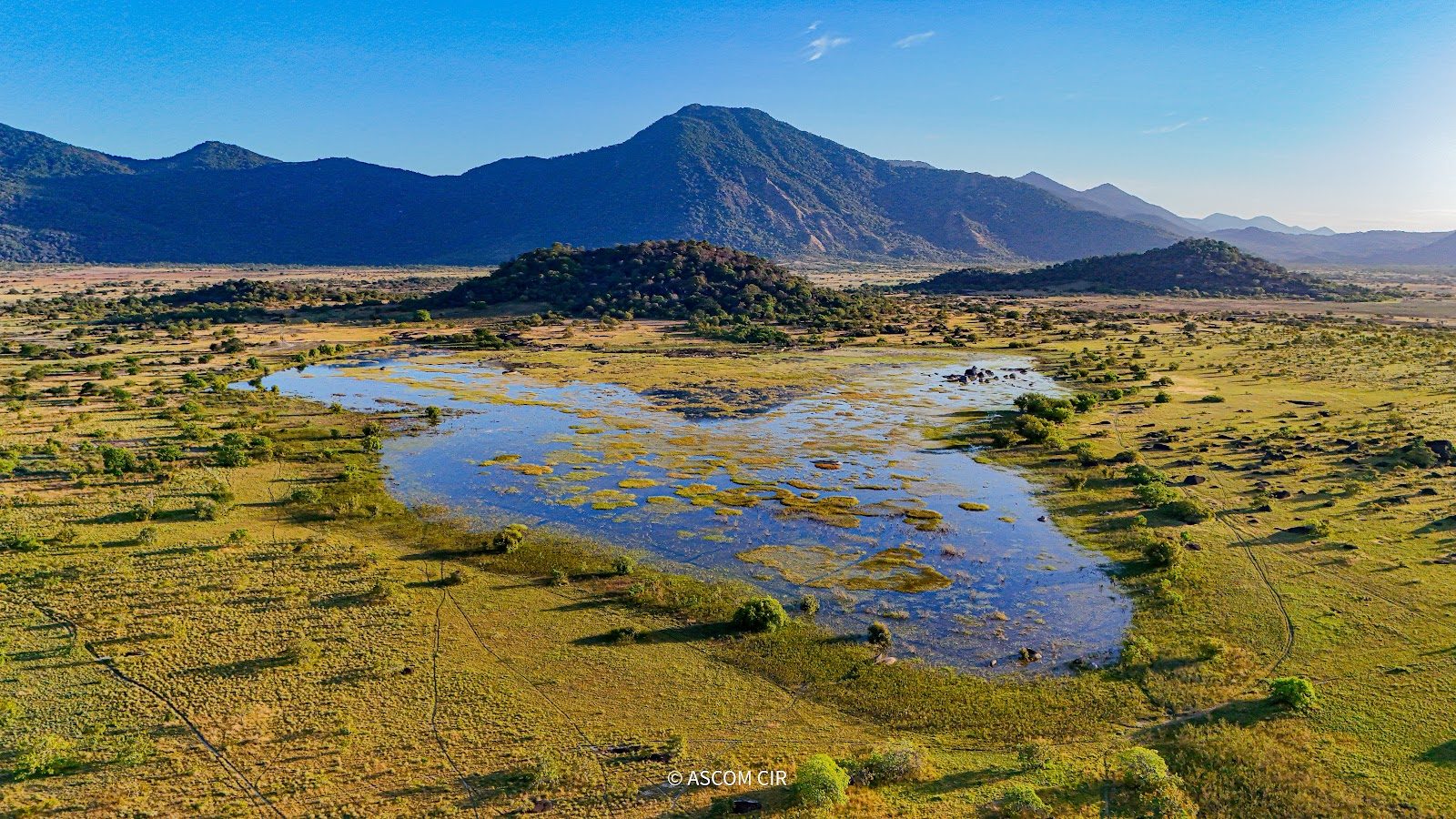
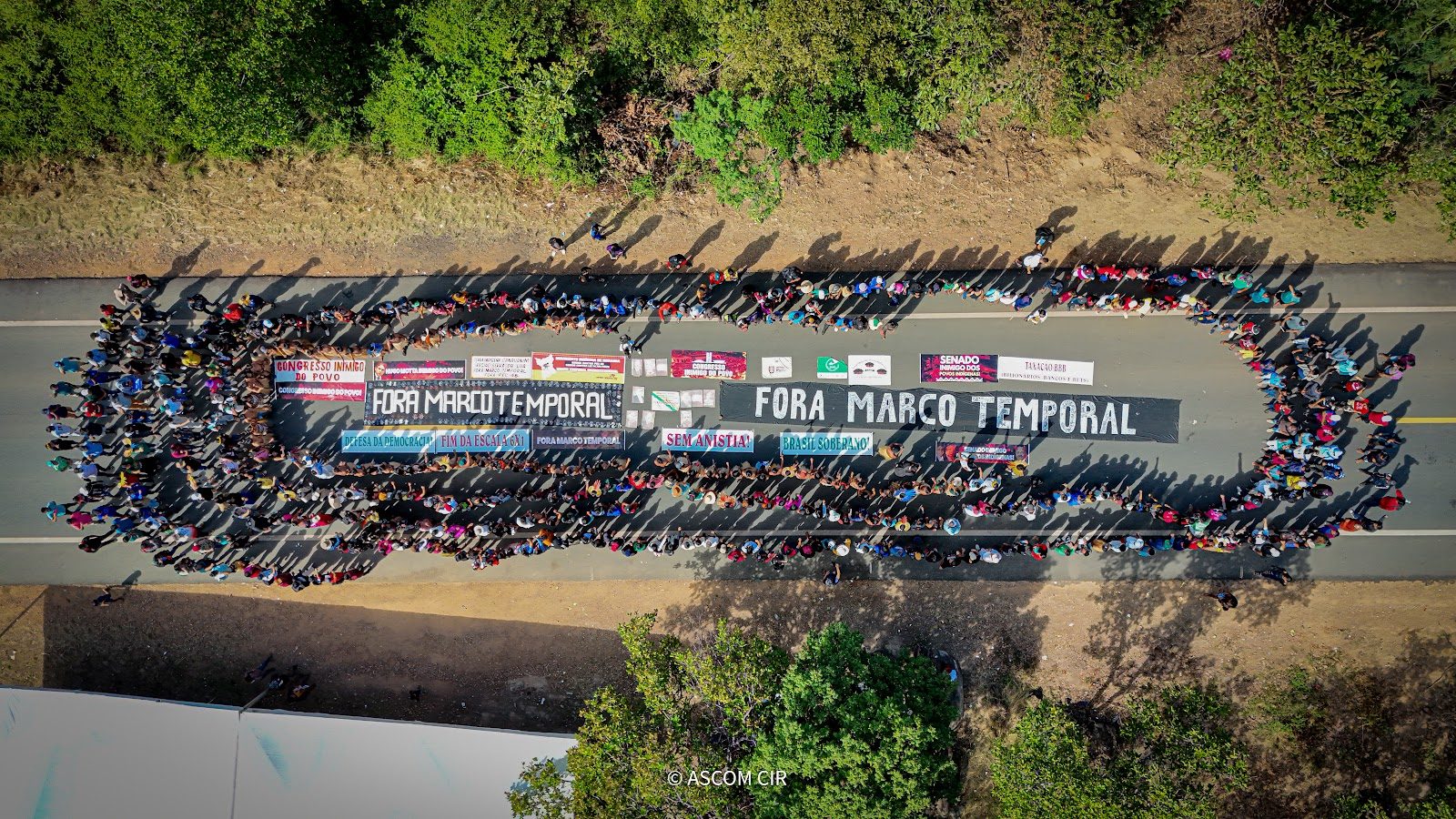
The Legal Department also acts in the defense of indigenous territorial rights before the Federal Supreme Court, including in cases related to the time frame thesis.
-
02
How amicus curiae, the CIR has contributed to the legal debate on the original rights of indigenous peoples, defending the constitutional protection of territories and respect for their own ways of life, organization and traditional occupation.
Indigenous justice and community autonomy
The recognition of the proper forms of organization and conflict resolution is a fundamental part of the CIR's performance.
The Legal Department monitors and strengthens community experiences in which indigenous internal norms and regulations are used to organize collective life and resolve conflicts.
Experiences in the Pium, Manoá and Maturuca communities contributed to the recognition, by the Judiciary, of the legitimacy of the proper forms of conflict resolution and the autonomy of the indigenous communities.
Legal training and territorial protection
Law Operators Program
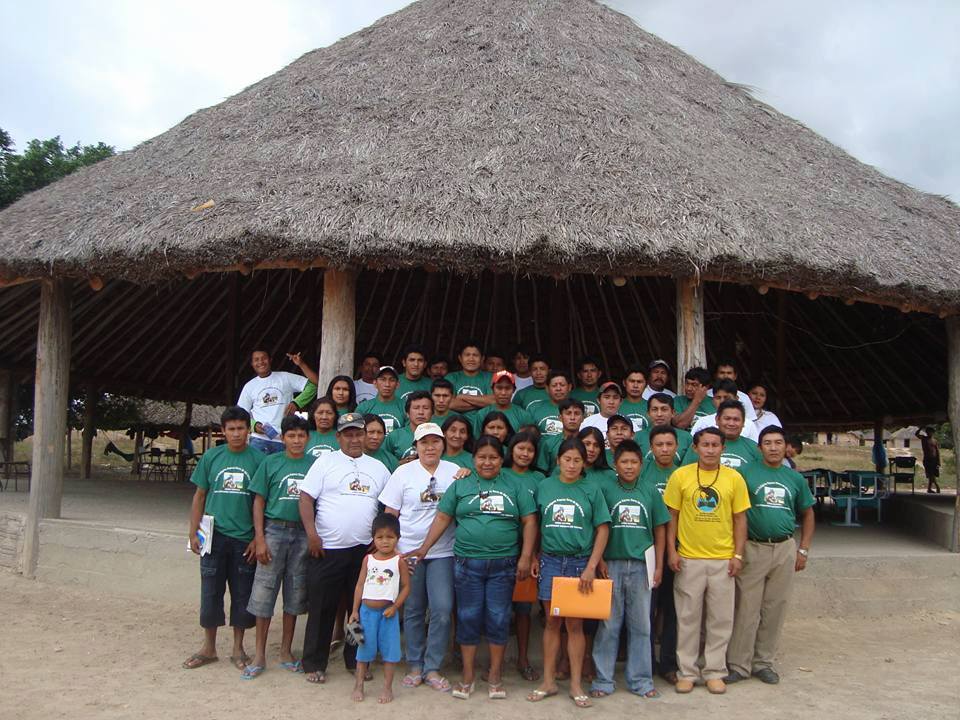
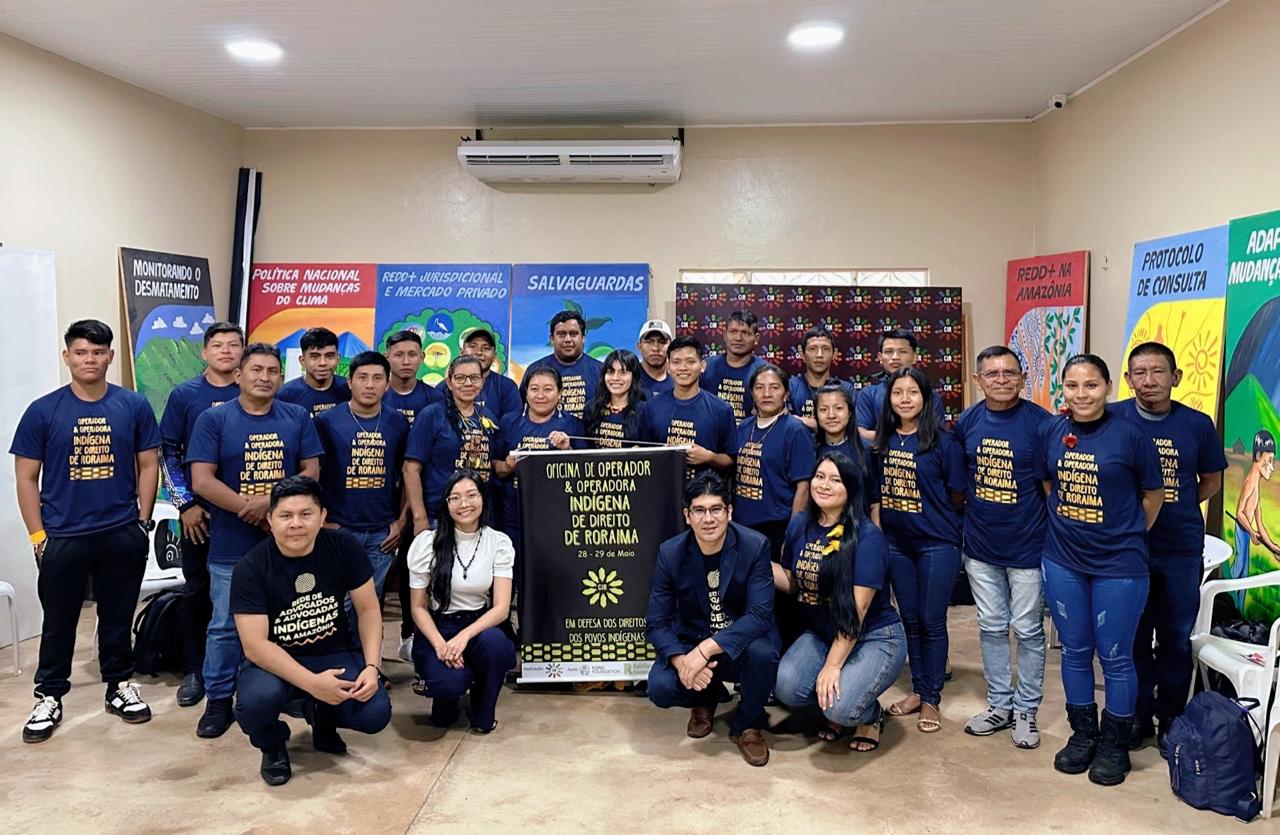
Created in 2001, the Law Operators Program emerged as an initiative of the CIR's Legal Department to bring legal knowledge closer to communities and strengthen the capacity of leaders to identify, denounce and address rights violations.
Throughout its history, the program has trained more than 200 indigenous leaders, reaching different regions of Roraima.
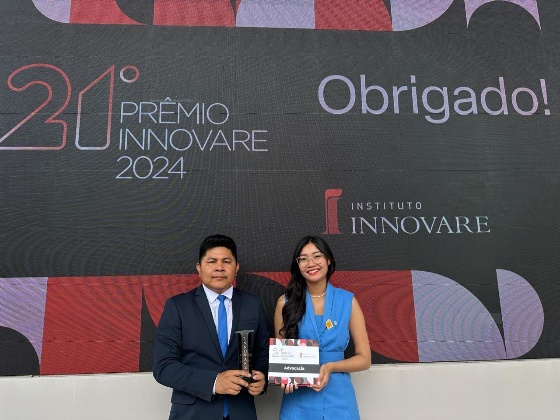
In 2024, the Law Operators Program received the Innovare Award, in recognition of their innovative contribution to the promotion of access to justice and the defense of indigenous rights.
Territorial Protection and Training of Agents
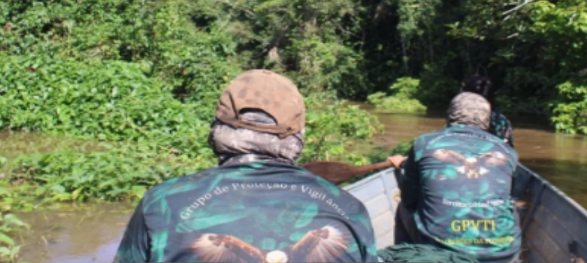
The Indigenous Territorial Protection and Surveillance Group (GPVTI) brings together men, women, young people, and traditional leaders recognized by the communities to work in territorial surveillance and monitoring. These agents contribute to the protection of Indigenous Lands, to the monitoring of threats, and to the strengthening of community autonomy.
The agents receive legal training on indigenous rights, territorial protection and referral of complaints, strengthening community action in the defense of territories.
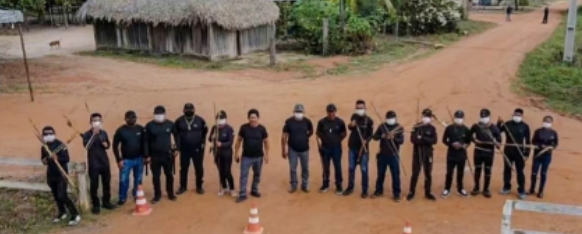
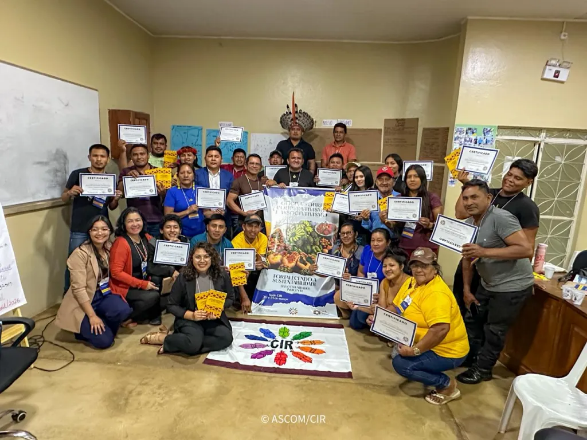
200+ leaders trained by the Law Operators Program
Institutional performance
The Legal Department also contributes to the institutional strengthening of the CIR.
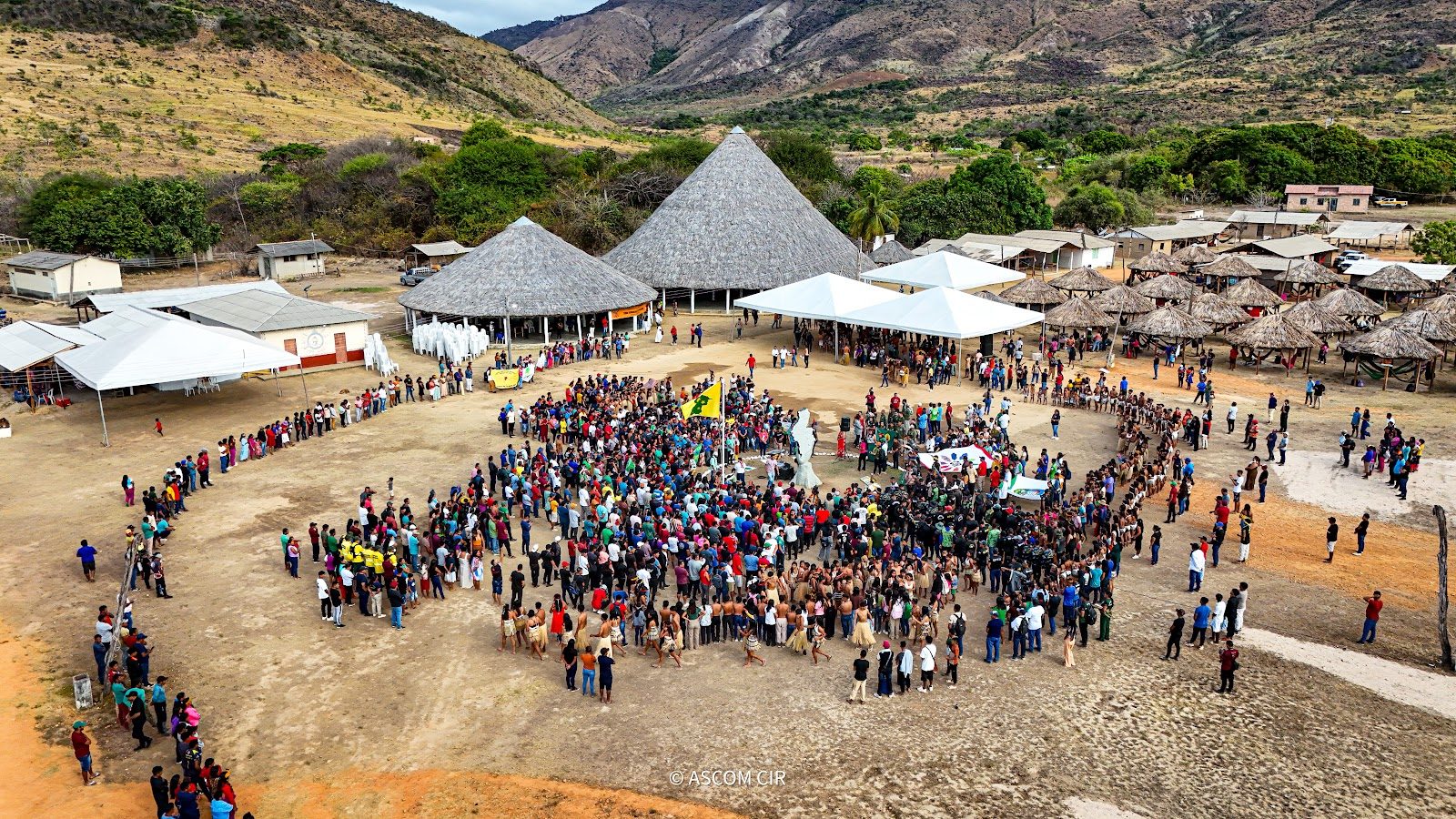
Among its activities are:
- analysis and preparation of contracts and documents;
- preparation of legal opinions and guidelines;
- advice to the Executive Coordination;
- advice to the General Assemblies and the Extended Coordination;
- guidance to the leaders and departments of the CIR.
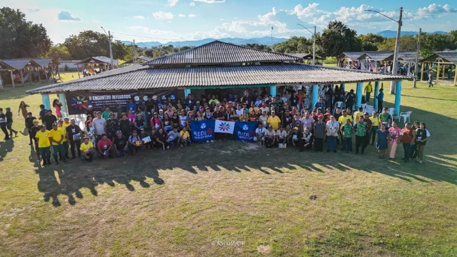
Present in the territories
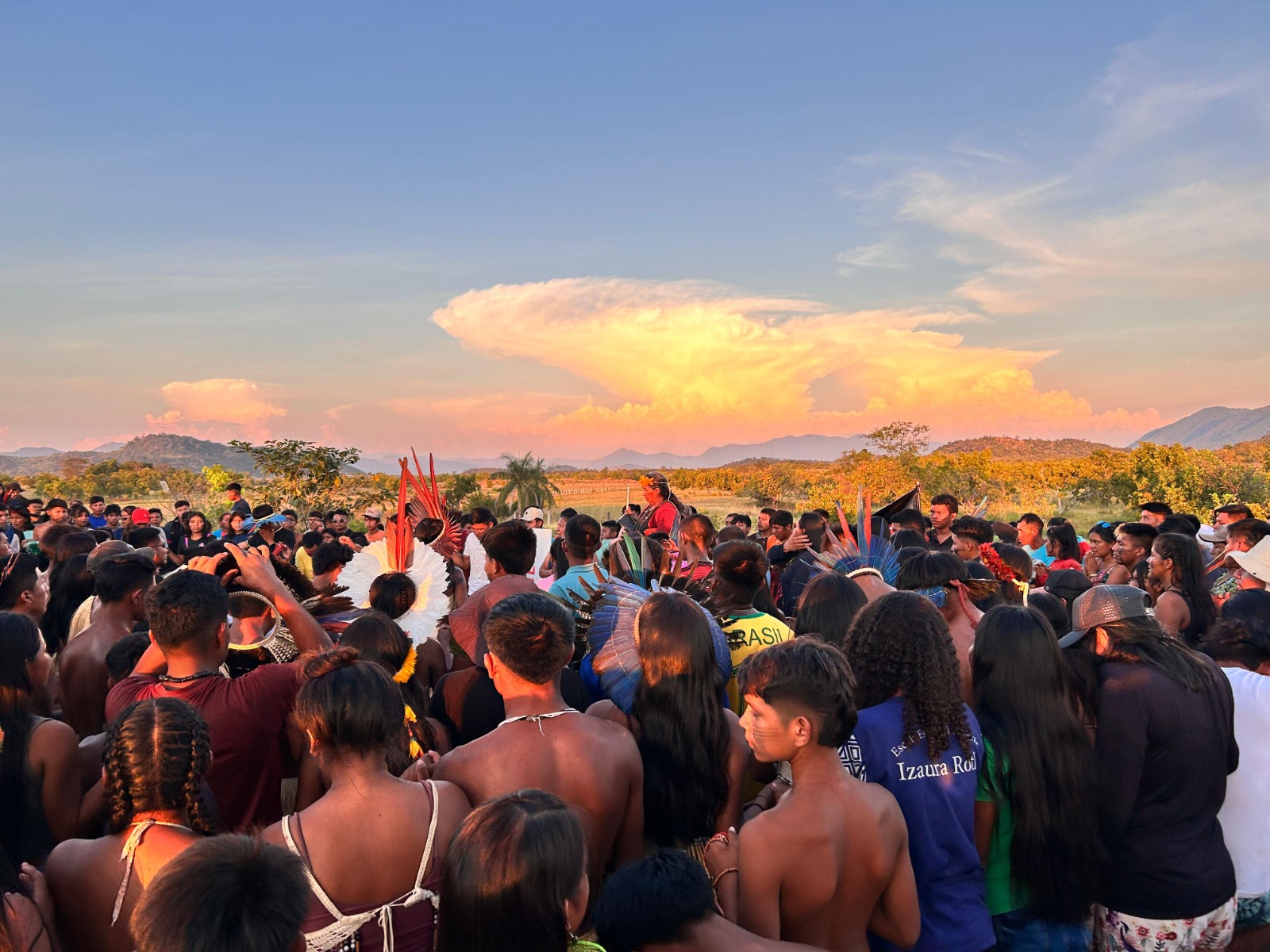
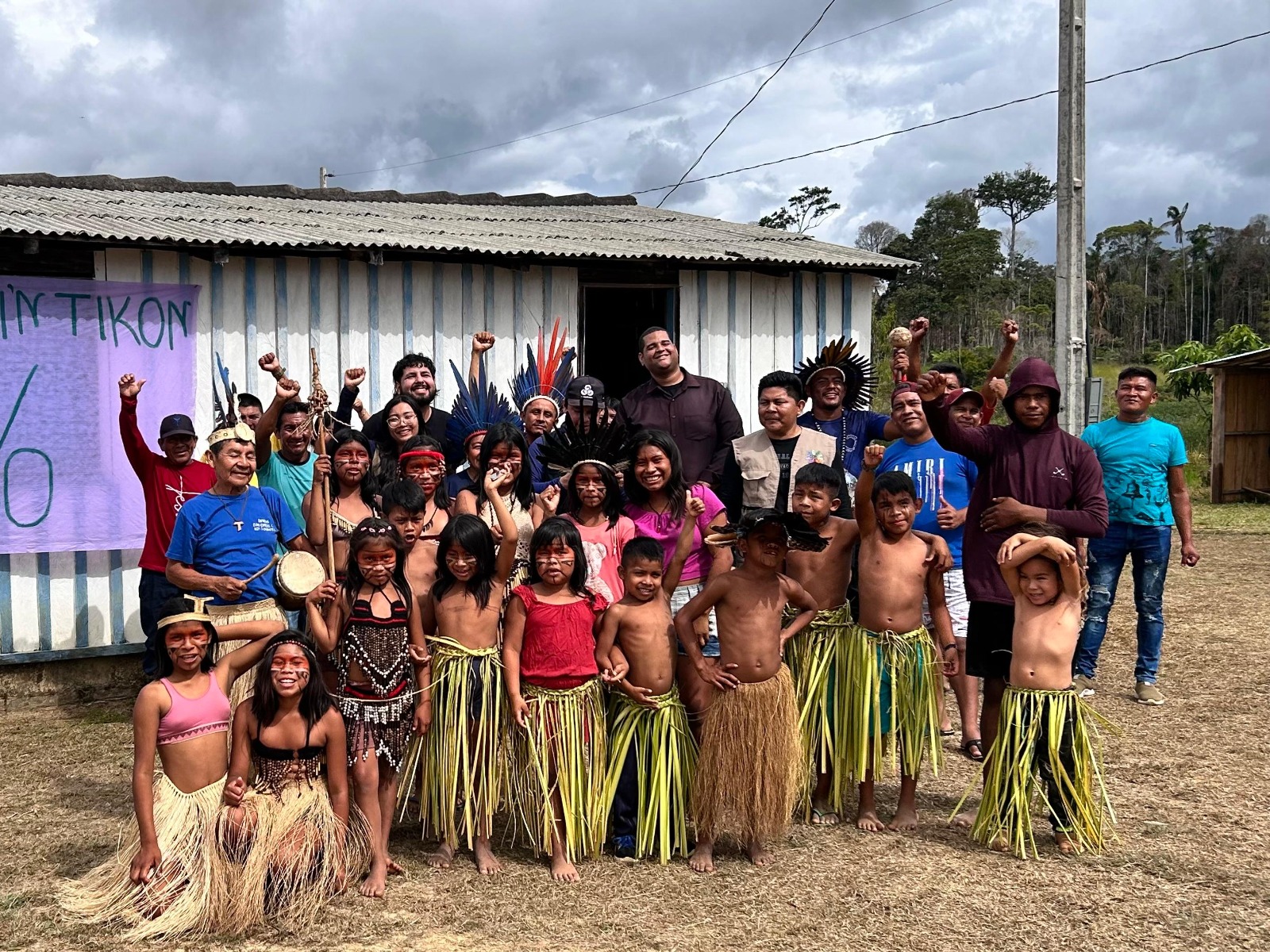
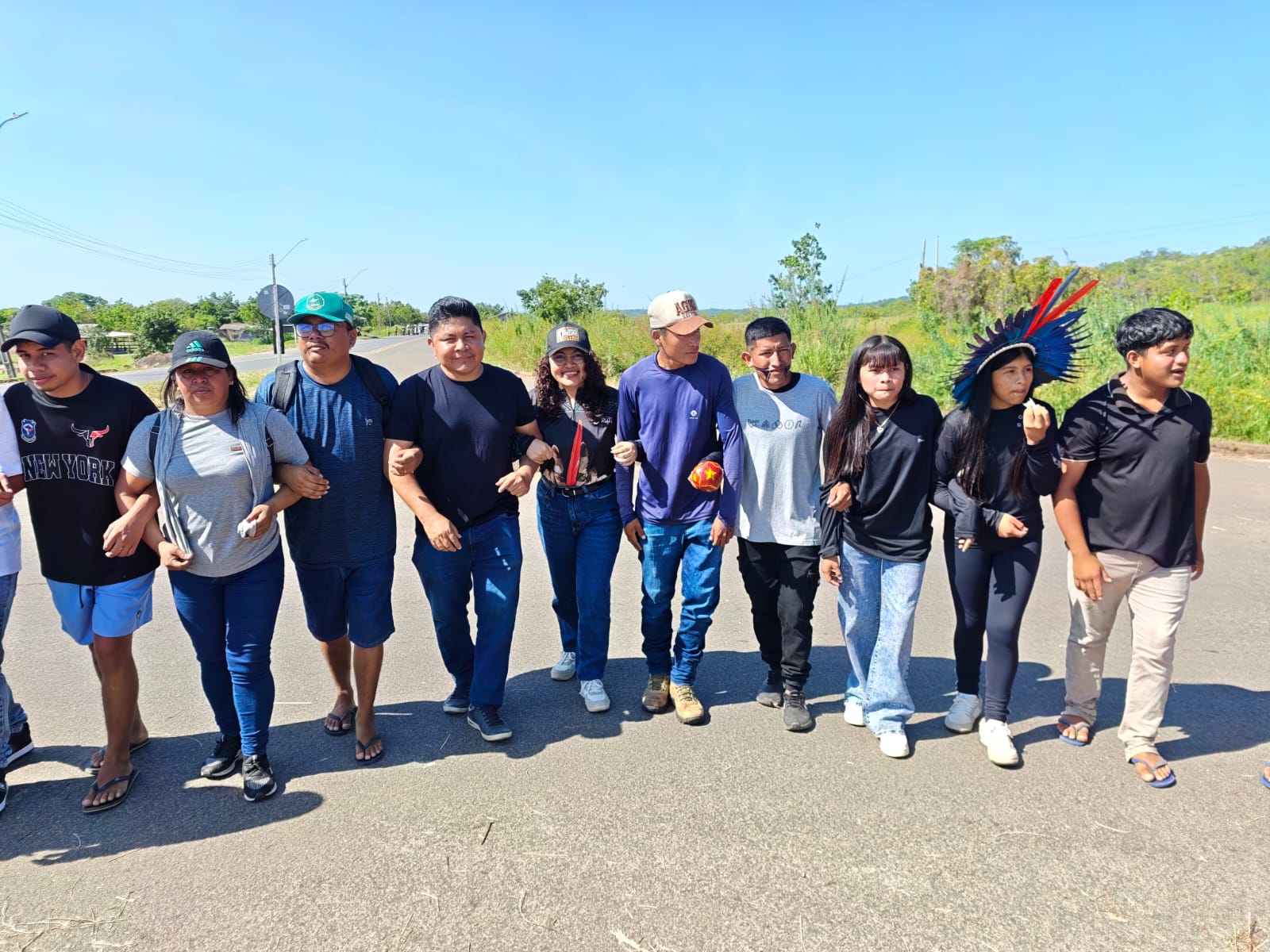
We are in the territories, following regional assemblies, community meetings, leadership meetings and training activities.
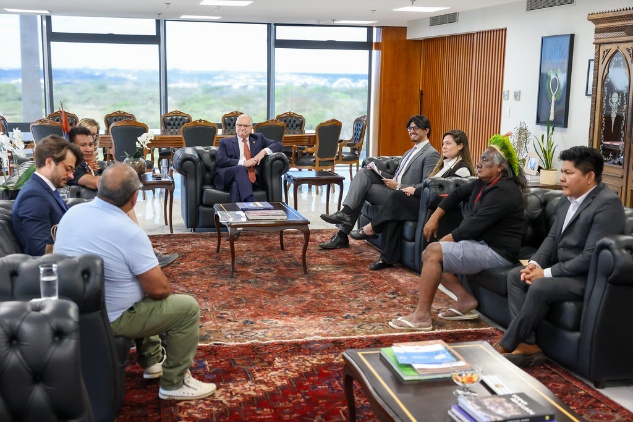
In these spaces, the team shares information on legislation and indigenous rights, guides communities, listens to the demands of leaders, and builds, together with the peoples, strategies to face legal and territorial challenges.
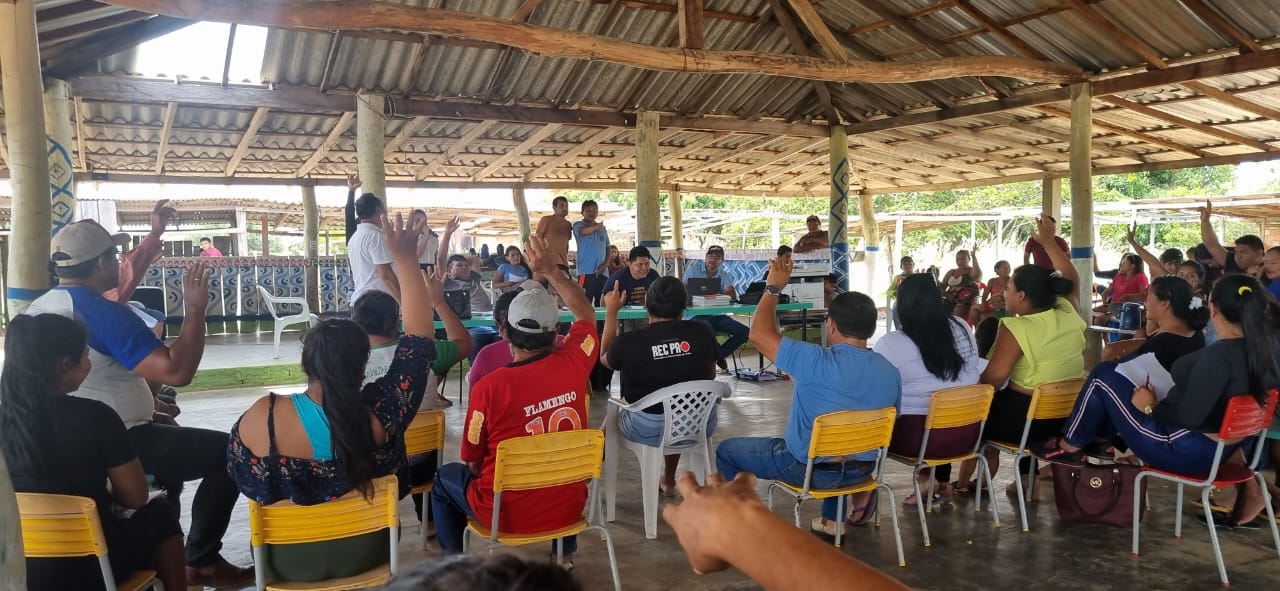
Leadership service
The Legal Department offers guidance and support to indigenous leaders in the face of demands related to individual and collective rights, community conflicts, territory, environment, public policies and other issues that affect communities.
Our publications and consultation protocol
Among the main publications and instruments produced by the Department are:
-
Indigenous Rights Manual
guidance material on the rights and guarantees of indigenous peoples;
-
Consultation Protocols of the Raposa Serra do Sol, Amajari and Serra da Lua Indigenous Lands;
- PROTOCOL OF THE INDIGENOUS PEOPLES OF THE AMAJARI REGION
- PROTOCOL OF THE INDIGENOUS PEOPLES OF SERRA DA LUA
- PROTOCOLO DOS POVOS INDÍGENAS DA TI RAPOSA SERRA DO SOL
-
ILO Convention No. 169, translated into Wapichana and Macuxi languages.
- ILO CONVENTION NO. 169 IN WAPICHANA INDIGENOUS LANGUAGE AND IN PORTUGUESE
- ILO CONVENTION NO. 169 IN MACUXI INDIGENOUS LANGUAGE AND IN PORTUGUESE
-
Cartas das Assembleias Gerais do CIR
View files (18)